



The United Nations Office for Project Services (UNOPS)
What's needed to improve access to quality healthcare for communities across the Andean region?
Across Bolivia, Colombia, Ecuador and Peru, millions of people still face barriers to quality healthcare, particularly in rural, remote and vulnerable communities.
In this Insights Q&A, we’re joined by UNOPS Director for the Andean region, Nick Gardner, to explore how better infrastructure, efficient procurement and stronger implementation can help build more resilient health systems and address some of the region’s most pressing health challenges.
What are the most pressing health needs in countries in the Andean region, and where are the biggest gaps in access to quality healthcare?
Over 120 million people across Bolivia, Colombia, Ecuador and Peru rely largely on public health and social security systems. Although formal coverage is high, significant gaps in access and quality persist, particularly in rural and remote areas.
The region faces a double epidemiological challenge: communicable diseases such as dengue, tuberculosis and HIV, alongside the growing burden of cancer, diabetes and cardiovascular diseases. These challenges are compounded by inadequate hospital infrastructure, shortages of specialized healthcare professionals and supply constraints. Finally, climate change and emergencies are increasing health risks and placing additional pressure on already vulnerable health systems.
How do these gaps affect rural, remote and vulnerable communities in particular?
A major challenge in the Andean region is territorial inequality in access to healthcare. Rural populations in Bolivia, Indigenous communities in Peru and Ecuador, and people living in border areas face greater barriers to timely access to specialized care, diagnostics and medicines.
Across all four countries, gaps in hospital infrastructure, outdated medical equipment and limited connectivity further deepen these inequalities. Colombia has a more extensive healthcare network, but it also faces significant disparities between major urban centres and rural or peripheral areas. Addressing these territorial gaps is therefore essential to achieving more equitable and resilient health systems across the region.
Could you elaborate on the role of sustainable infrastructure and efficient public procurement in addressing needs and expanding access to healthcare?
These are essential components to expanding healthcare access by turning public resources into tangible services for people.
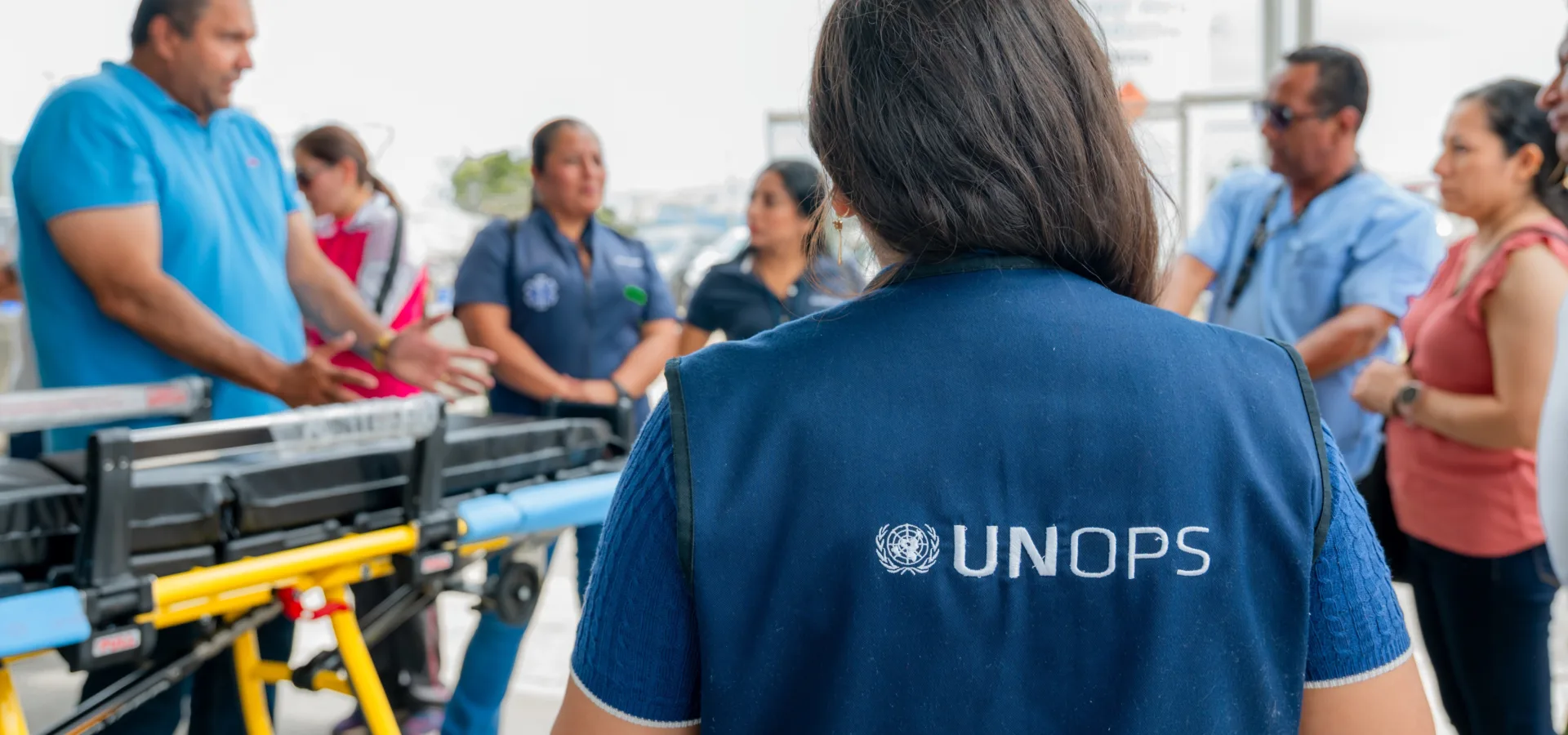
In Ecuador and Peru, UNOPS has supported the procurement of more than 500 ambulances, reaching all 24 provinces in Ecuador and urban and rural areas in Peru. In the Peruvian Amazon, we are supporting the construction of a regional hospital that will benefit over 105,000 people. We are also exploring opportunities in these countries with UNAIDS to improve access to medicines. Ultimately, procurement efficiencies mean more ambulances, greater access to medicines, better infrastructure and improved healthcare access.
Where can UNOPS add the most value in addressing the region’s health challenges?
UNOPS can add the most value by helping governments turn health priorities and public investment into tangible, sustainable services for people.
We see three areas where our contribution is particularly strong:
- delivering sustainable and resilient health infrastructure;
- enabling strategic and efficient procurement of medical equipment, ambulances and medicines through transparent competition and access to international markets; and
- strengthening implementation capacity for complex health investments and supply chains. This is especially relevant in rural, Amazonian and remote areas.
Ultimately, UNOPS helps bridge the gap between public investment and health outcomes, ensuring that resources deliver greater value, reach more people and reduce inequalities.
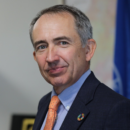
Nick Gardner
Nick Gardner is Director of UNOPS Andean Multi-Country Office, covering Ecuador, Peru and Bolivia with more than 30 years of experience in infrastructure, project management and humanitarian operations. Since joining UNOPS in 2009, he has held a range of senior positions including in Afghanistan, South Sudan, Jerusalem and Sierra Leone. He also advised Saudi Arabia’s Ministry of Energy on renewable energy. A Chartered Civil Engineer and FICE Fellow, Nick holds degrees from Imperial College London and The Open University.