


The United Nations Office for Project Services (UNOPS)
Thousands of girls and boys benefit from safer, climate-resilient schools in Haiti
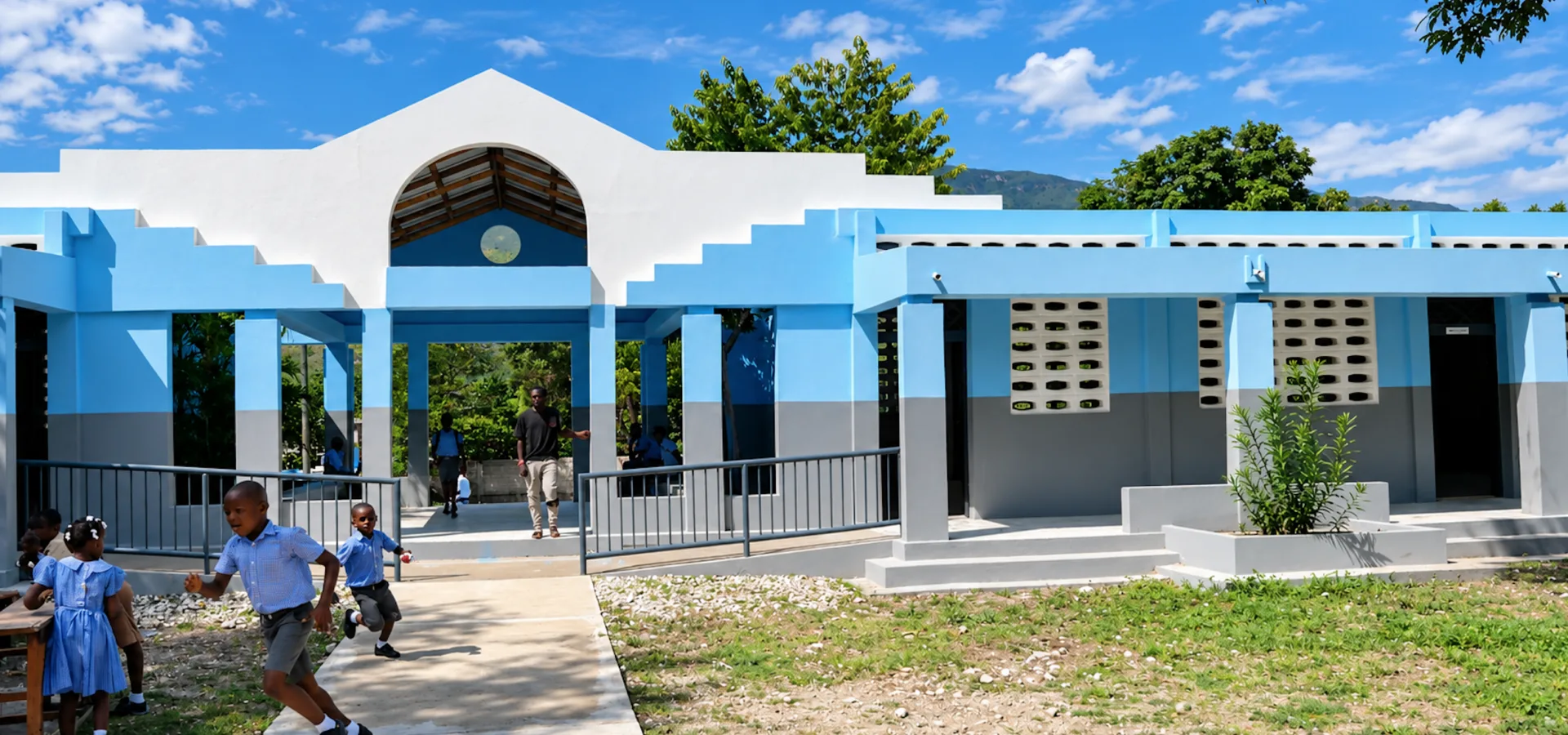
In partnership with UNESCO, the Ministry of Education and the Ministry of Environment, UNOPS has helped rehabilitate eight schools in Haiti, improving safety and learning conditions for almost 5,000 students.



In Haiti, schools are not only places of learning – they are often shelters, community hubs and critical lifelines during emergencies. Yet many schools are increasingly exposed to hurricanes, flooding, earthquakes and other extreme weather events, putting children, teachers and communities at risk.
Through a project funded by the Adaptation Fund, UNOPS worked with the Ministry of Education, the Ministry of Environment and UNESCO, to strengthen school infrastructure, improve climate resilience and support disaster risk reduction in vulnerable communities.
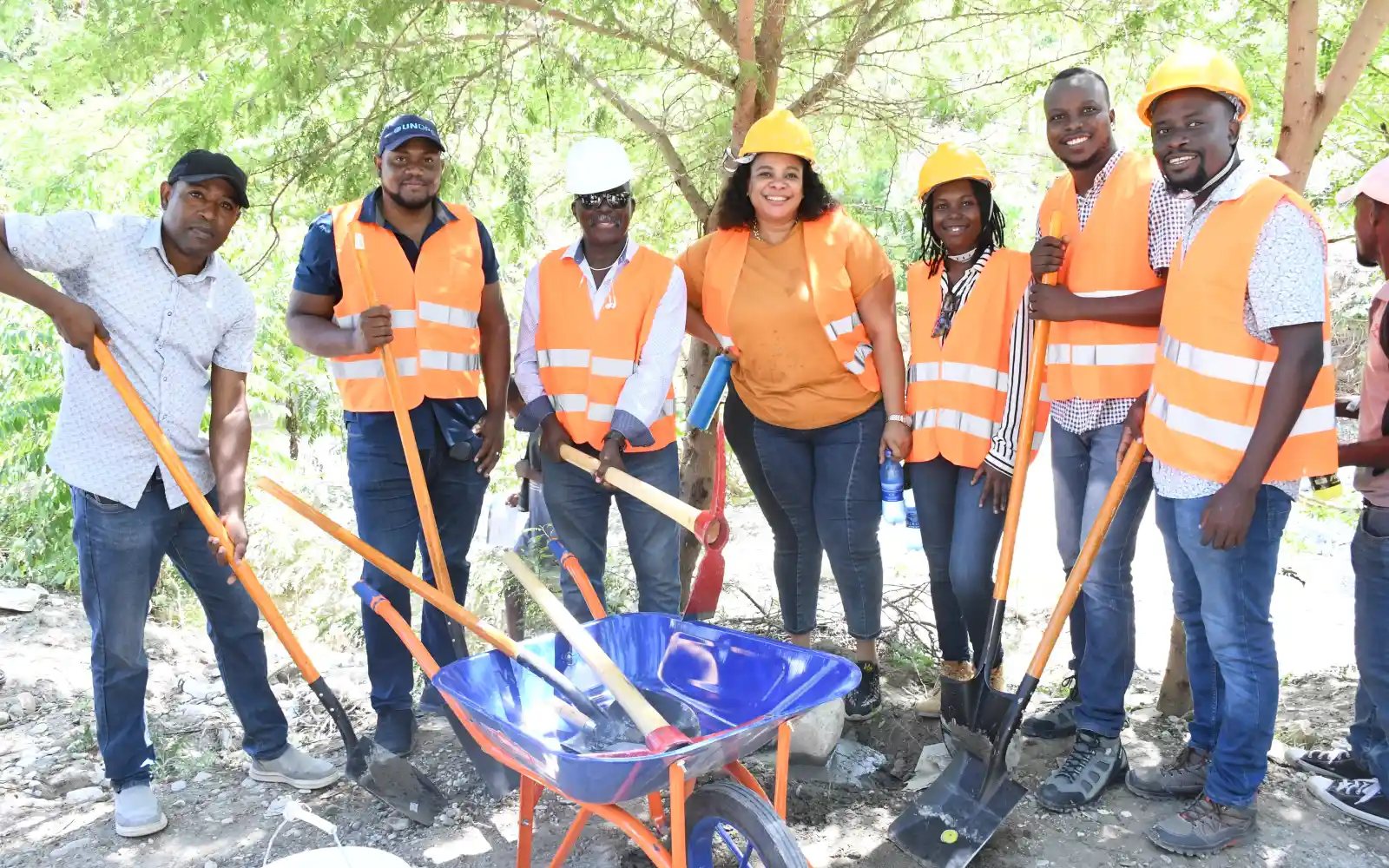
With the school year now underway, UNOPS and partners visited several of the rehabilitated schools in the Artibonite department to see firsthand how communities are already benefitting from the upgraded infrastructure.
“Through science, the VISUS methodology, and the partnership with the Adaptation Fund, the Ministry of Education, and UNOPS, we are not just rebuilding walls; we are strengthening the capacity of the entire educational community to adapt to climate hazards," said Eric Voli Bi, Resident representative of UNESCO in Haiti.
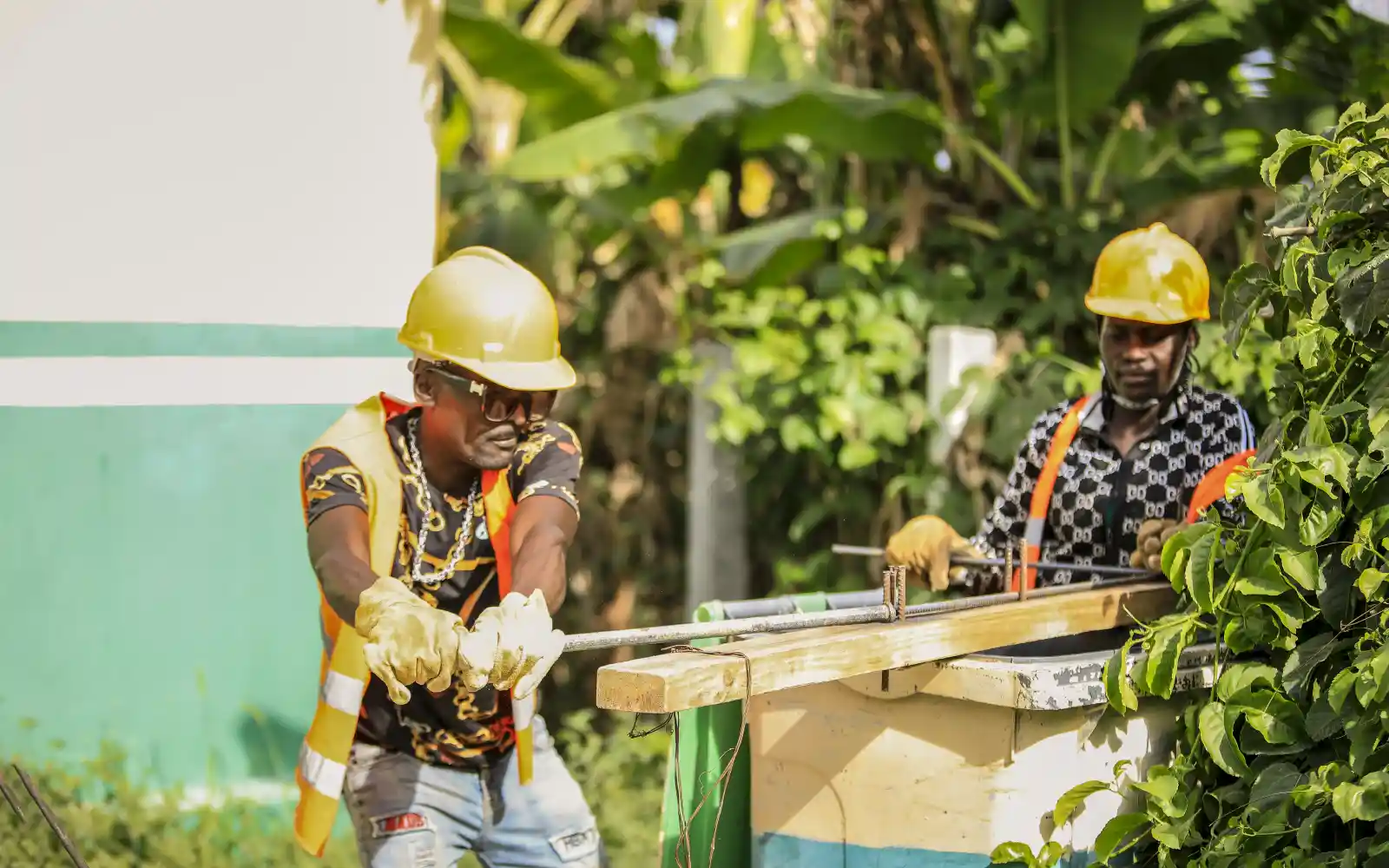
The works were tailored to the needs and risks identified at each site, with a focus on making schools safer, more accessible and better equipped to remain functional during emergencies. Improvements include the replacement of roofs, waterproofing, thermal insulation to reduce heat in classrooms, and measures to prevent flooding during heavy rains.
“UNOPS is committed to supporting crisis-affected communities across Haiti, and helping build safe, climate–resilient spaces that are vital for people to live, learn and work,” said Dabagai Dabagai, UNOPS Country Director in Haiti.
By enhancing school infrastructure, this project is helping to create better learning environments for students and teachers, while supporting sustainable, inclusive and resilient development in communities highly vulnerable to the impacts of extreme weather and other shocks and stresses.
The schools have also benefitted from improved water and sanitation systems, accessibility measures, and solar-powered lighting and charging stations to support safety, visibility and emergency communications during disasters and power outages.