



The United Nations Office for Project Services (UNOPS)
Reaching the last mile
For over three decades and across more than 30,000 grants, UNOPS support for The GEF Small Grants Programme has empowered communities to fight climate change and protect the environment with local action.
The Global Environment Facility (GEF) Small Grants Programme helps vulnerable communities mitigate the impacts of climate change and address the major drivers of environmental degradation. From biodiversity conservation to promoting sustainable forest management practices, the programme supports civil society- and community-based organizations to advance community-led initiatives that address environmental issues, while also supporting sustainable development and improved livelihoods.
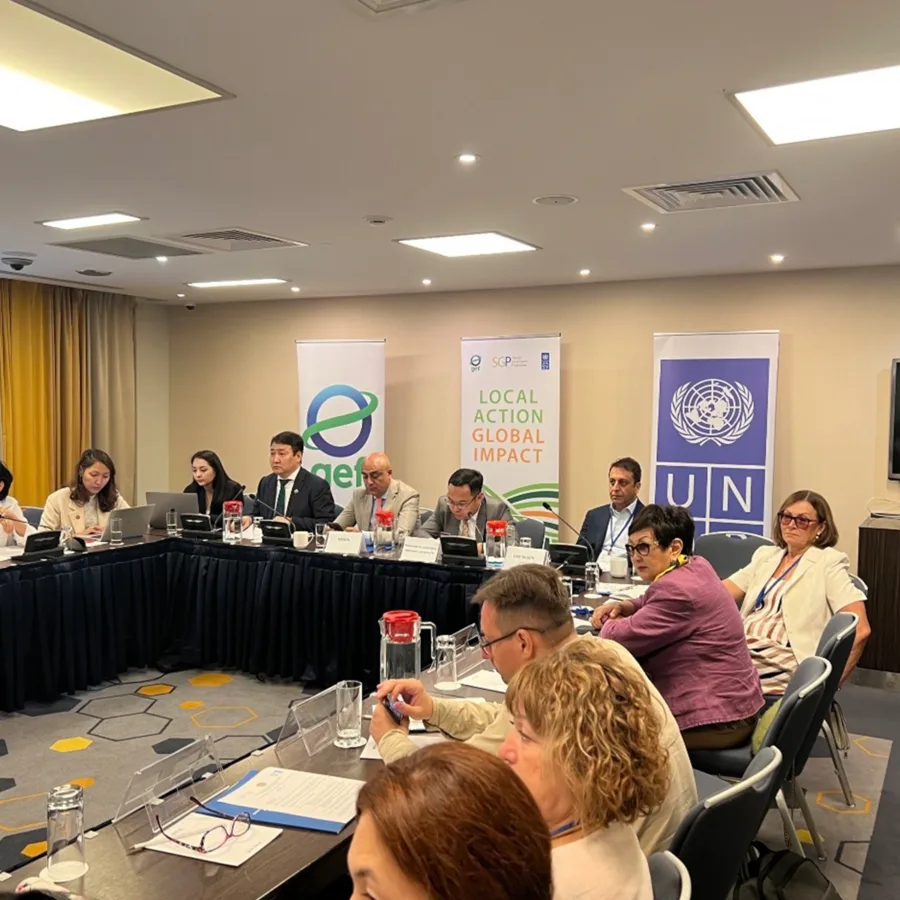
For more than 30 years, working In partnership with the UN Development Programme, UNOPS has supported the Programme’s execution, providing the services needed – operational, grantmaking, recruitment, financial, administrative, audit and quality assurance – to deliver vital resources to communities, including in some of the world’s most remote locations.
During this period, the distribution of more than 30,000 small grants has enabled grassroots organizations and local communities to transform environmental challenges into locally-led solutions.
As the Programme now enters its eighth operational phase, we explore its legacy and impact as a catalyst for local action – and looking ahead, its vital role in empowering communities to tackle the climate crisis and a growing number of environmental challenges.
Locally-led solutions
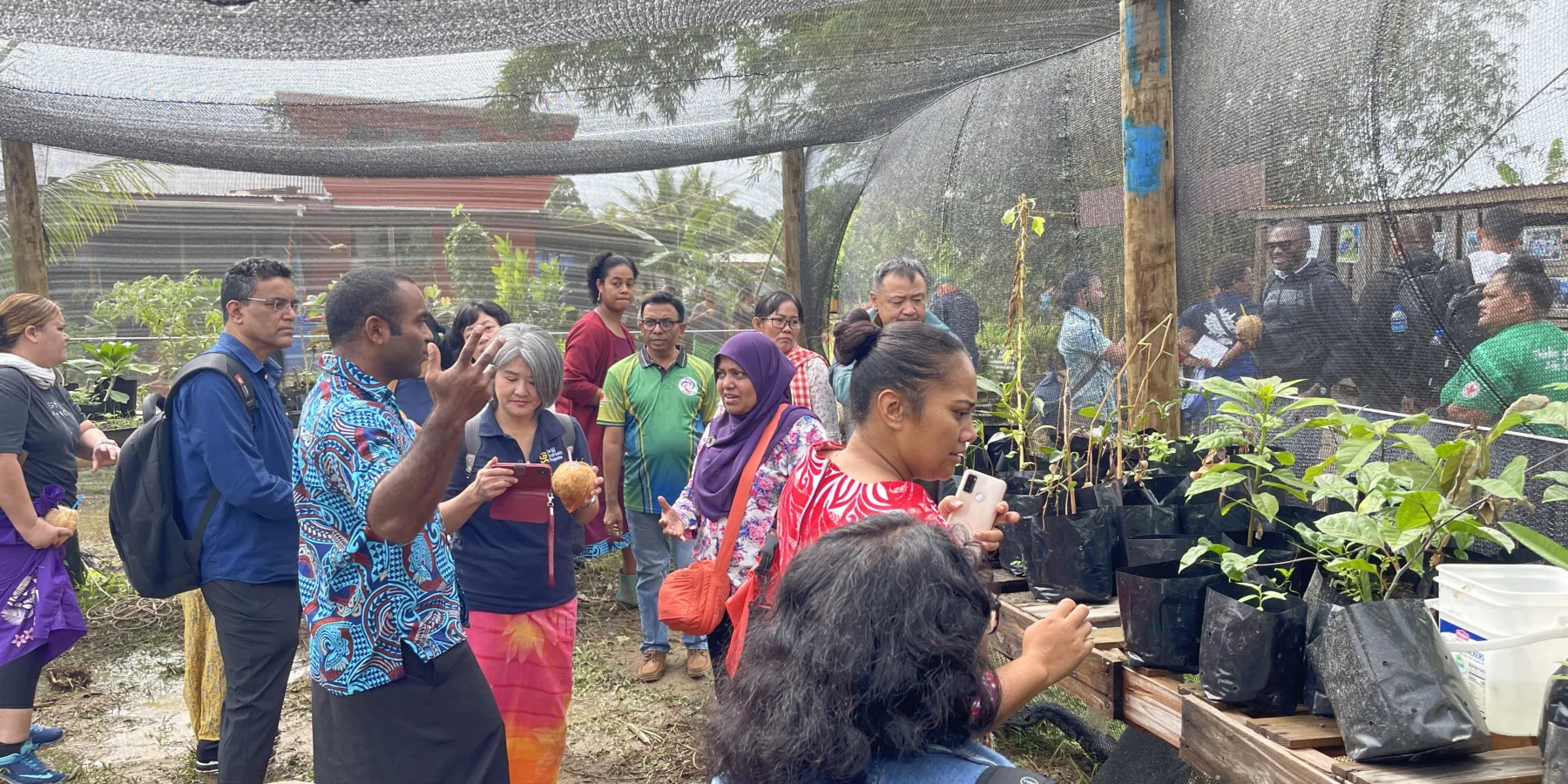
Transforming environmental challenges into locally-led solutions
“I still remember visiting small community organizations years ago – ones that on paper barely existed. They had no legal registration. No bank account. No formal way to manage even the smallest grant. And yet, they had everything that mattered: knowledge of their land, their community, their environment, and what needed to change," says UNOPS Senior Portfolio Manager, Edriss Riffat, reflecting on early interactions with grassroots groups which lacked the formal frameworks required to obtain financial support, despite their deep local knowledge.
Through the Small Grants Programme, thousands of local entities like these have since successfully formalized their operations, implemented robust accounting frameworks, and honed their administrative skills. This has enabled global funding to be channeled directly towards local action – helping build more resilient communities, creating stronger local institutions, leaving a lasting positive impact.
The ripple effects of this foundational support have often surpassed the initial scope of the environmental interventions. “What has struck me most is the disproportionate impact of these grants,” says Edriss.
“I have watched a relatively small amount of funding, placed directly in the hands of a community, repeatedly open doors to something much bigger – new partnerships, market access, and a seat at tables where these communities previously had no voice,” he adds.
Saint Lucia
Advancing clean energy in Saint Lucia
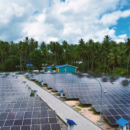
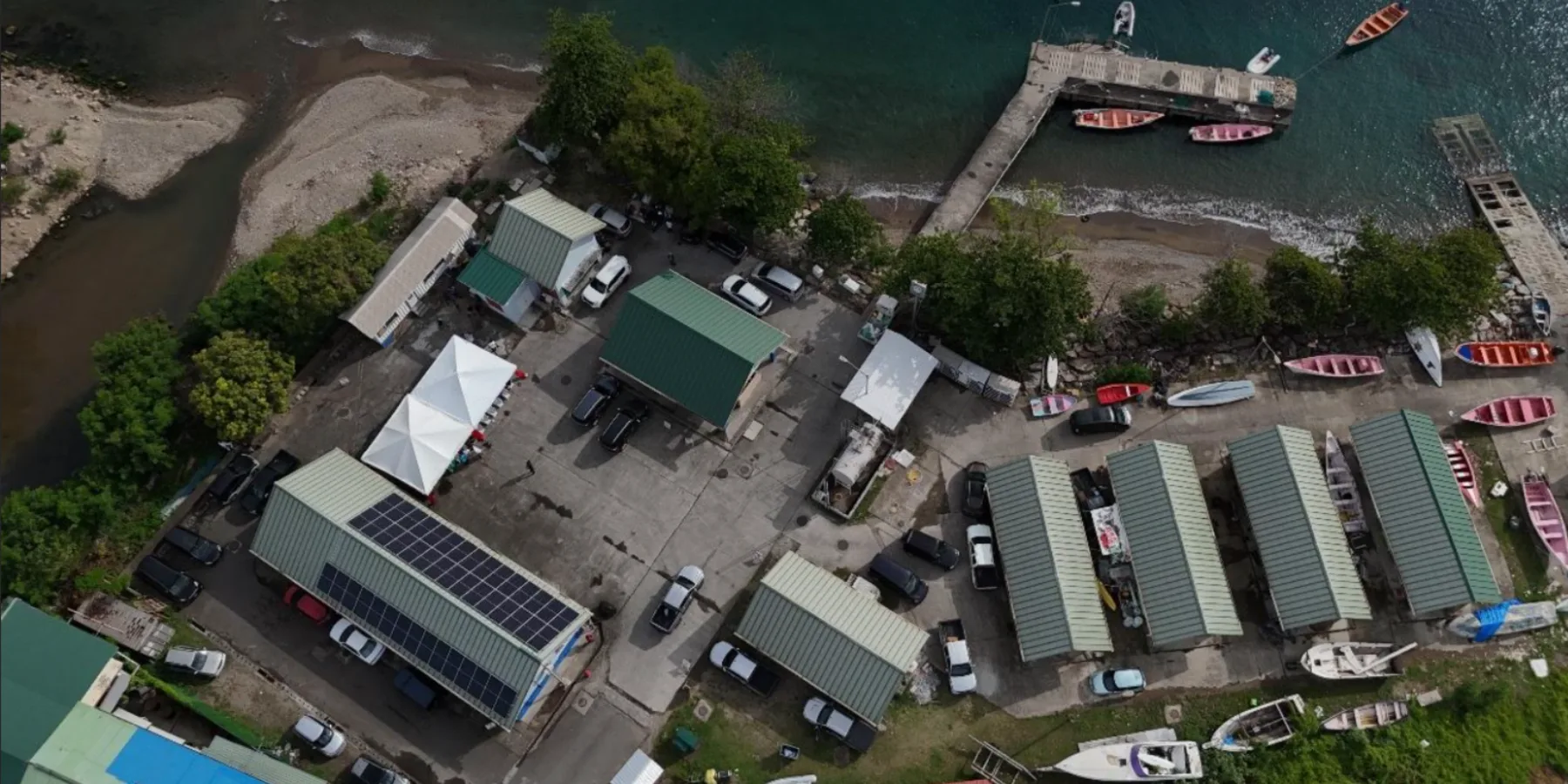
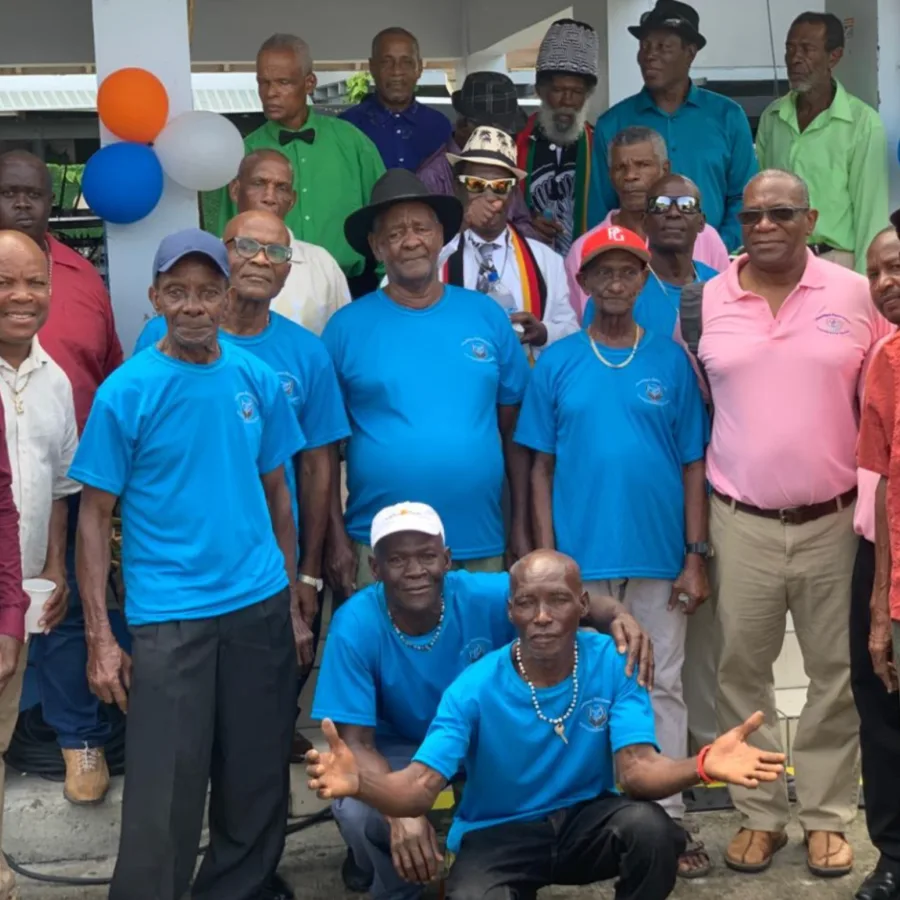
In the Caribbean island nation of Saint Lucia, the Programme supported the Soufriere Fishermen’s Cooperative Society to implement a solar energy system – powering its facilities with clean and affordable energy and reducing the cooperative’s dependence on fossil-fuel-based electricity.
The durability of the energy system was immediately tested by Hurricane Beryl in 2024, with a severe storm-surge damaging the cooperative’s facilities and paralyzing its commercial operations. Remarkably, however, the system survived the disaster unscathed.
The cooperative has since seen an average reduction in its monthly utility expenditures by 80 per cent, compared to previous costs associated with using fossil fuel for energy.
“Without the PV system, the cooperative might not have withstood the financial strain,” says Vilma Joseph, Manager at the Soufriere Fishermen’s Cooperative Society.
In a further shift towards long-term sustainability, the cooperative is now channeling these savings into a dedicated fund, which aims to build an investment portfolio that will ultimately seed a social protection framework for its members.
Togo
Cultivating institutional resilience in Togo
In Togo, these grants have helped strengthen the financial and technical capacities of over 100 local civil society organizations.
“Between 2020 and 2025, more than 500 hectares of forest and agricultural landscapes were protected and managed sustainably by local communities,” says Koffi Eli Atri, Small Grant Programme National Coordinator in Togo. “Over 2,500 people adopted low-carbon solutions, improving their living conditions while reducing the pressure on ecosystems.”
He also underscores the significance of the Programme’s collaborative framework.
“For more than 15 years, the commitment, availability and professionalism of the UNOPS staff dedicated to the [Programme] has made it possible to effectively overcome the challenges associated with the technical and financial management of complex community projects, while ensuring high standards of rigor, transparency and performance.”

Solomon Islands
Fortifying Indigenous stewardship in the Solomon Islands
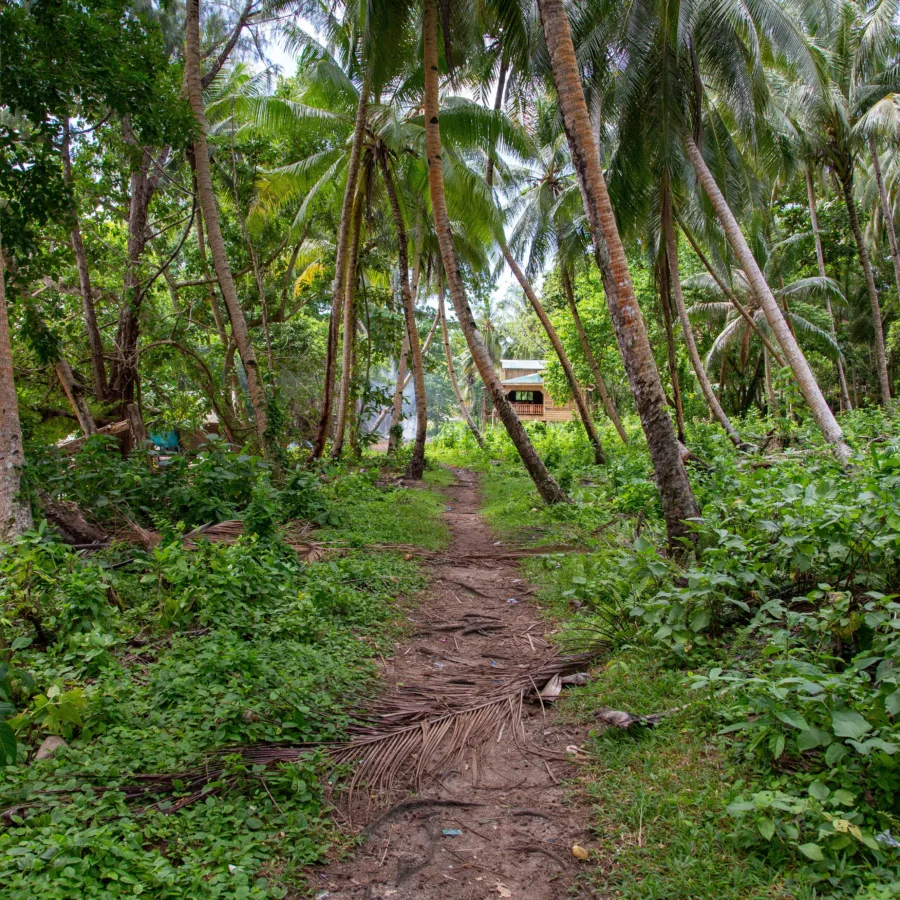
Within the Kira Tribal Land of the Solomon Islands in the Pacific, the operational framework of the Small Grants Programme has helped strengthen community-led conservation, anchored in ancestral land management.
The initiative facilitated the formal legal designation of tribal forests under the Protected Areas Act, while empowering local rangers through participatory mapping and biodiversity monitoring.
“Through this partnership, our community has improved forest protection, safeguarded biodiversity, strengthened local livelihoods, and increased resilience to environmental change,” explains Andrew Taraha, who represents the Kira Tribal Land.
The Programme supported the safeguarding of traditional ecological wisdom, the establishment of a conservation headquarters, and the evolution of the Takataka Eco-Village into a centre for cultural and sustainable development.
“Most importantly, the support has empowered our people to take long-term ownership of conservation efforts and responsibly manage our natural resources for the benefit of present and future generations,” he adds.

Georgia
Catalyzing hope through renewable energy infrastructure in Georgia
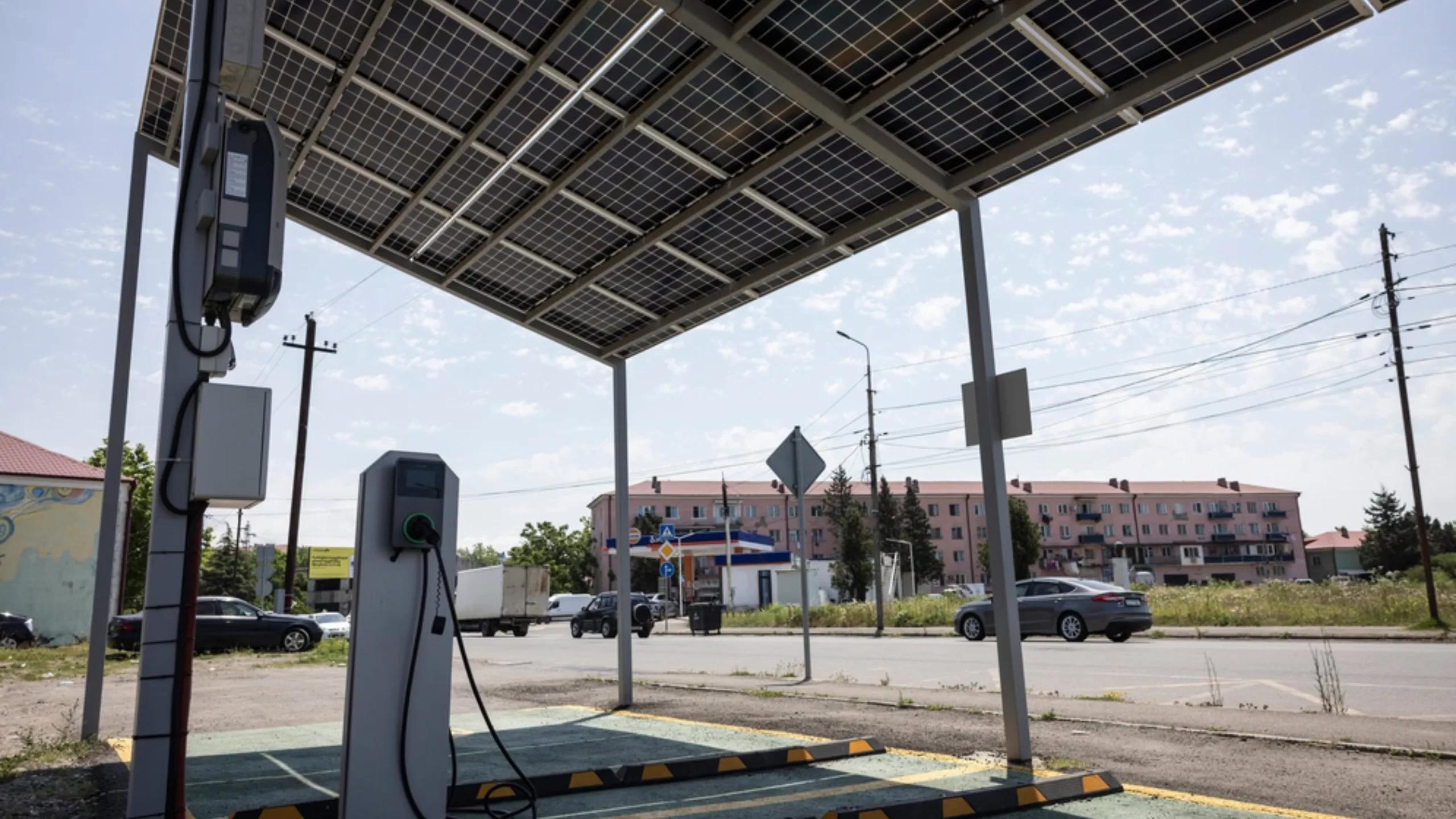
In the remote Georgian settlement of Bochorna, Tusheti, the installation of a 15-kilowatt solar energy plant has introduced reliable electricity to a community that had long endured energy isolation.
The leap to renewable energy has unlocked new economic opportunities – stimulating the growth of tourism, hospitality services, and family-operated guesthouses.
Shorena Chapurishvili, who received a grant of around $20,000 through the Small Grants Programme, highlights the wider impact the initiative has made on the community. “Solar energy has restored hope for the future to the village and opened up development prospects. Life has returned to this beautiful village of Tusheti,” she says.
Belize
Advancing solar inclusion across rural Belize
Within the southern reaches of Belize in Central America, a cohort of women trained as solar energy engineers has been fundamental in revolutionizing clean energy accessibility in remote communities.
Since 2013, engineers Florentina Choco, Miriam Choc and Cristina Choc have helped expand access to clean energy across southern parts of the country. According to one grantee, 257 systems now power homes, small businesses and churches, serving approximately 2,000 people.
Beyond avoiding around 30 metric tonnes of annual carbon emissions, the initiative has supported socio-economic development in the region – including advancing equality and education opportunities.

These stories offer just a glimpse of the thousands of impactful initiatives facilitated by the Small Grants Programme over three decades. From scaling renewable energy and ecological preservation to fortifying local governance and livelihoods, these initiatives demonstrate how targeted funding and locally-led actions can be a powerful catalyst for protecting the environment and advancing long-term sustainable development.
The GEF Small Grants Programme
By combining technical expertise with essential operational support, the Programme facilitates the execution of complex projects. Additionally, it assists partners in addressing operational hurdles, identifying successful implementation strategies, and reinforcing their long-term institutional capabilities.