




The United Nations Office for Project Services (UNOPS)
Supporting Jamaica’s post-disaster recovery
Following the devastation caused by Hurricane Melissa, UNOPS is working with the government and UN partners to coordinate a fast, efficient and data-driven national response.
Latest updates
13 February 2026
To support the disaster response in Jamaica, UNOPS conducted a 10-day mission to explore how UNOPS can further support post-disaster recovery, institutional capacity building and strategic partnerships.
During the mission, UNOPS consulted more than 20 government entities, international and multilateral partners, private sector representatives and civil society organizations to identify national priorities and where UNOPS can provide practical solutions across planning, infrastructure, housing, disaster management, financing and digital governance.
Together with other UN agencies, UNOPS also participated in presenting the Damage and Loss Assessment results, which estimated total damages and losses at more than $12.4 billion – equivalent to nearly 60 per cent of the country’s GDP – highlighting the scale of recovery needs.
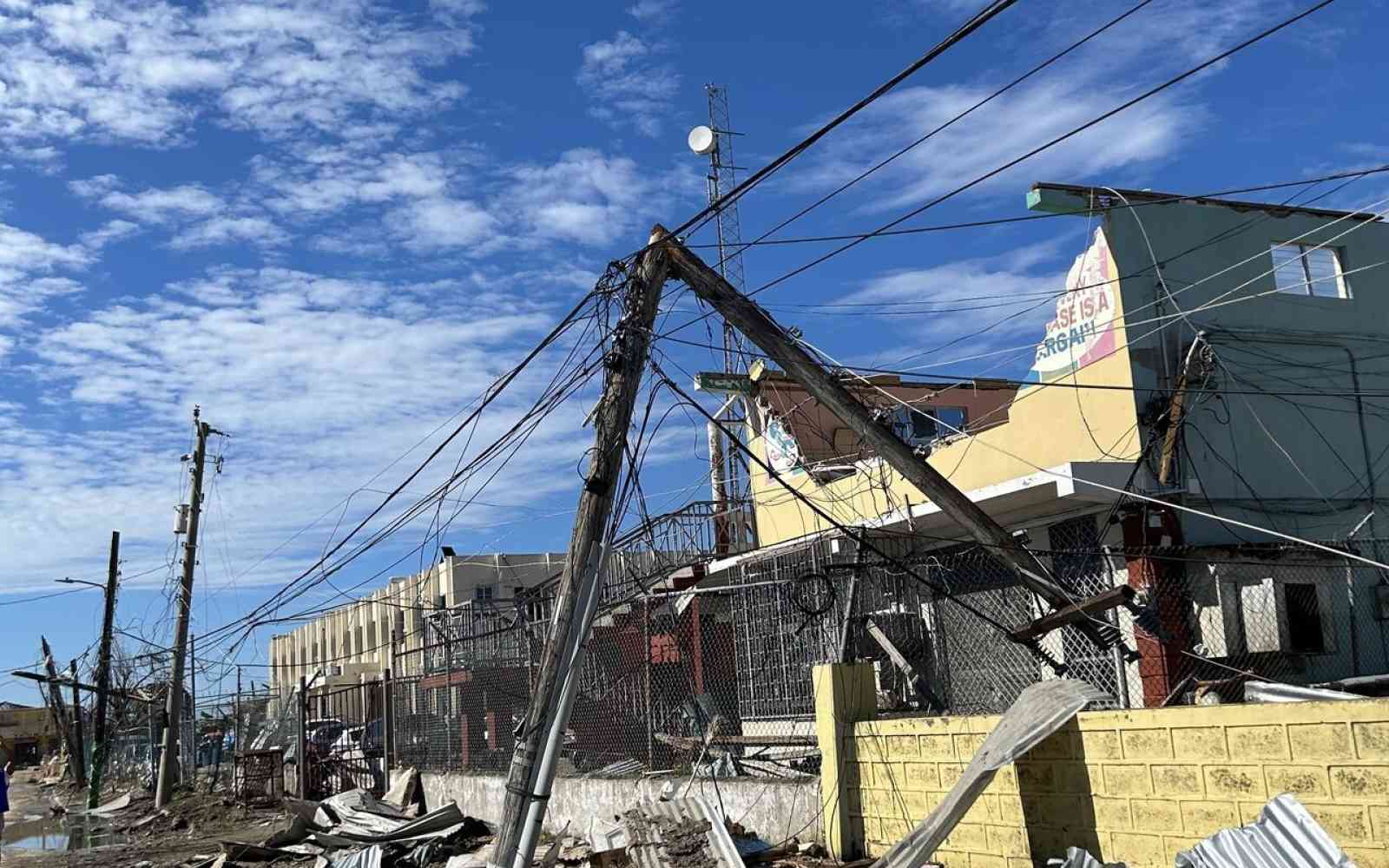
On 28 October, Hurricane Melissa made landfall in Jamaica as a Category 5 storm, affecting 1.6 million people and causing severe, widespread damage. The hurricane left 45 people confirmed dead, destroyed homes, schools and vital infrastructure, and displaced more than 90,000 households.
In the face of immense needs, coordinated international support remains essential.
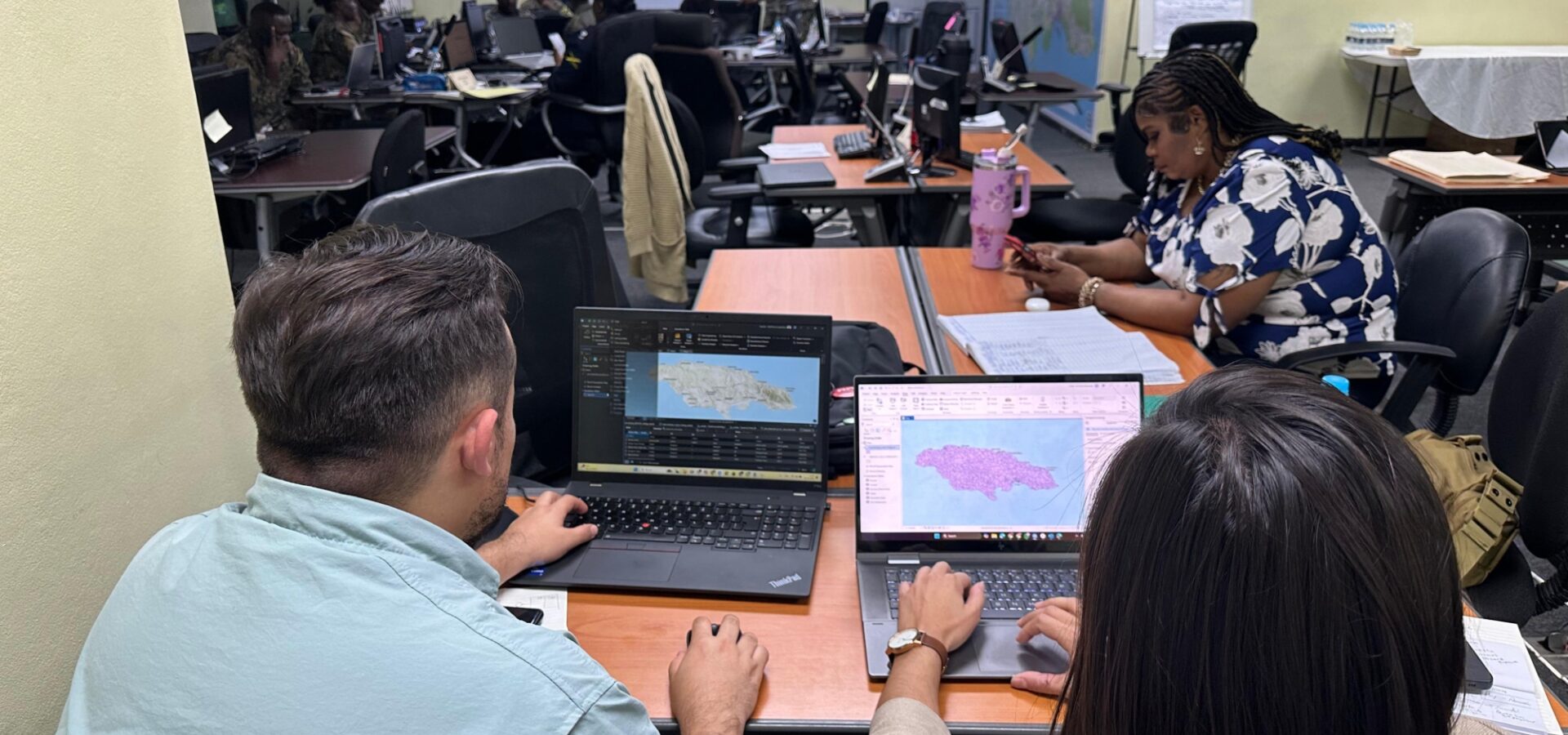
Working closely with the UN Office for Disaster Risk Reduction (UNDRR), and following a direct request from Prime Minister Andrew Holness, UNOPS deployed a team of 13 specialists to the nation's capital, Kingston, to provide technical assistance to the Office of Disaster Preparedness and Emergency Management (ODPEM).
The work focuses on strengthening ODPEM’s capacity to coordinate a more efficient, transparent and data-driven national response.
The development of a prioritization framework will guide decision-making – ensuring that assistance reaches those most in need, and safeguards the key systems essential to the country’s functioning. It will also help bridge the gap between immediate response efforts and long-term reconstruction.
The unprecedented level of destruction caused by Hurricane Melissa requires an effective, coordinated response. Drawing on our expertise in project management and structured data handling, UNOPS is helping to strengthen the capacity to organize information systematically, and improving data-driven analysis and planning.
UNOPS support also includes the development of a national information management system. This system enables real-time tracking of logistics, shelter capacity, critical infrastructure status and other essential variables for rapid response. In addition, it provides up-to-date information on aid distribution, shelter conditions and the use of public resources among others.
UNOPS will continue working closely with ODPEM to train personnel in the use of the platform and the prioritization framework – supporting Jamaica to advance reconstruction aligned with national priorities and helping to build a more resilient, better-prepared country.
“This work marks an important starting point for a strong recovery. We will continue supporting Jamaica to ensure it has the capacity, information and tools needed to face future challenges with greater resilience,” added William Squier.