



The United Nations Office for Project Services (UNOPS)
Declaración de UNOPS durante el período de sesiones anual de 2026 de la Junta Ejecutiva
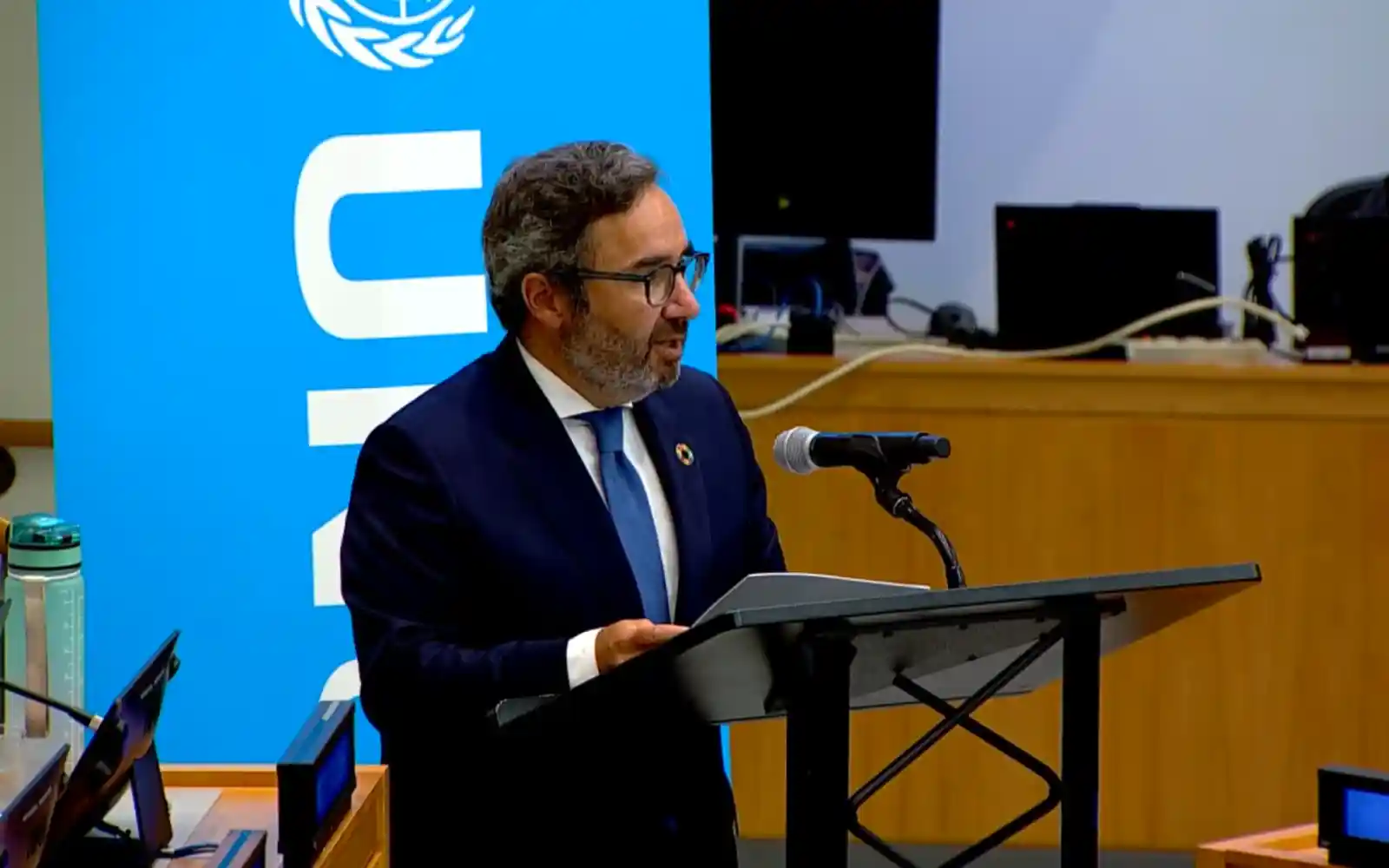
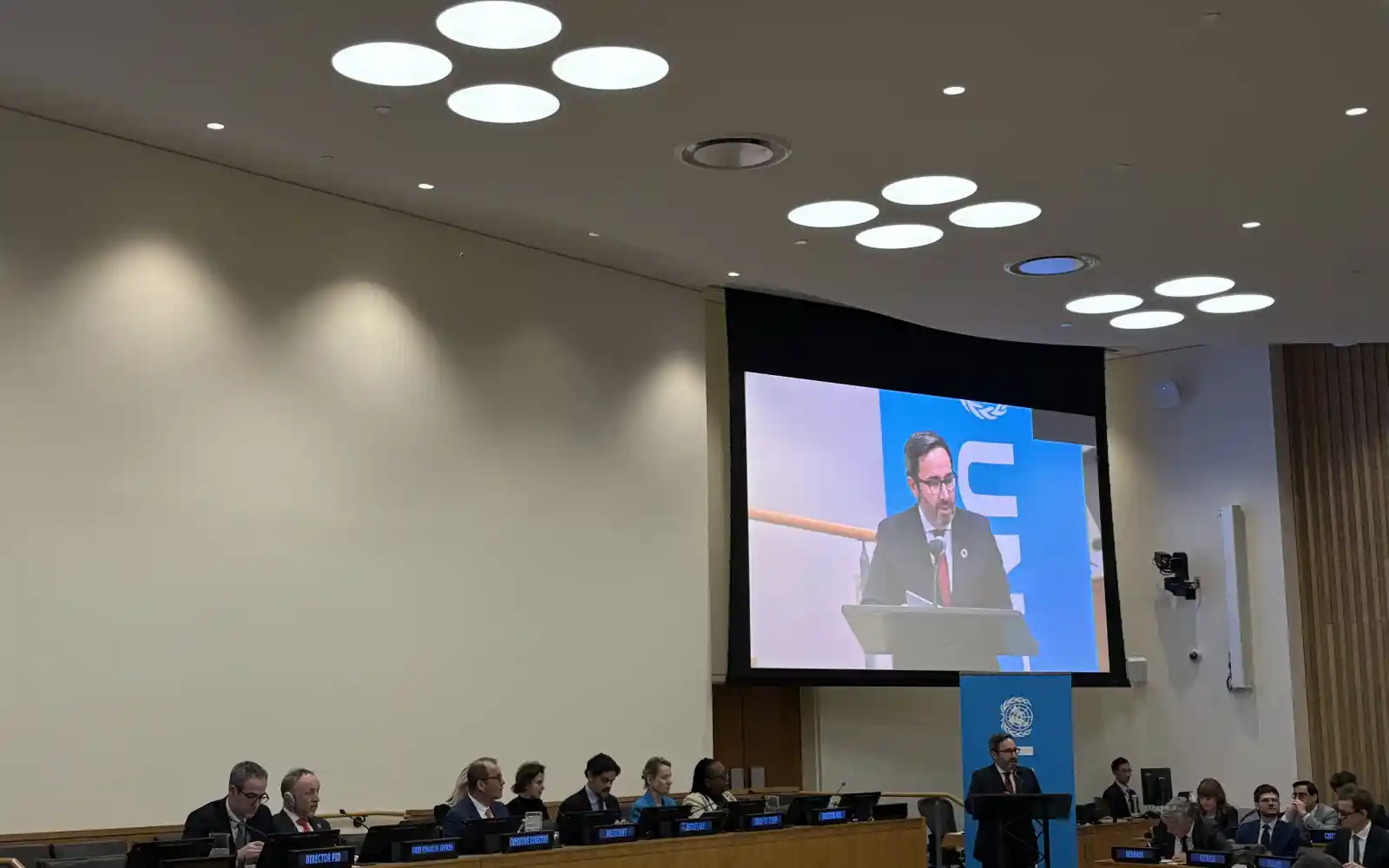
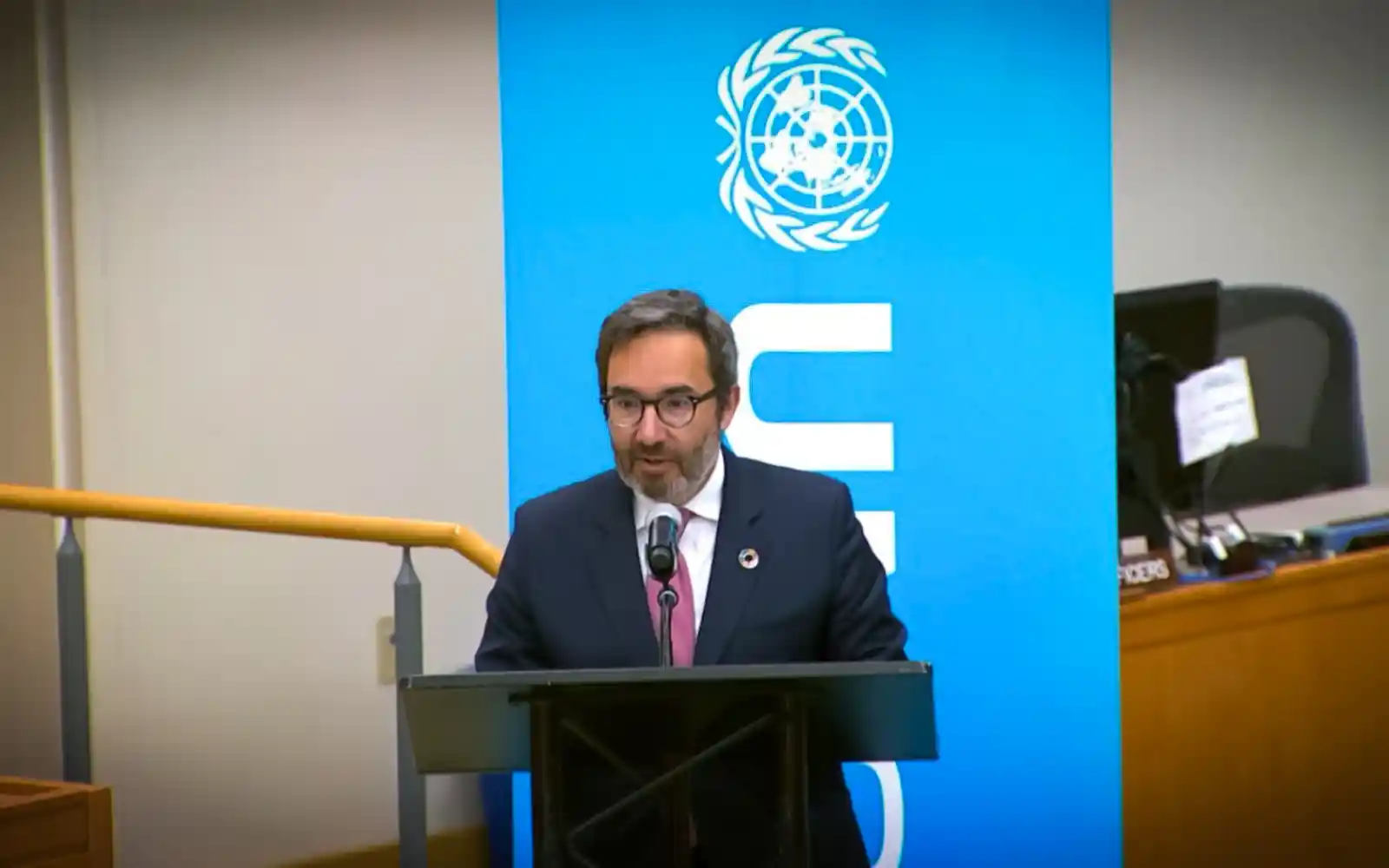
Declaración de Jorge Moreira da Silva, Secretario General Adjunto de las Naciones Unidas y Director Ejecutivo de UNOPS, durante el período de sesiones anual de la Junta Ejecutiva del PNUD, UNFPA y UNOPS, el 9 de junio de 2026 (en inglés).
[Check against delivery]
Interpretación disponible en español
Mr. President,
Excellencies,
Distinguished Members of the Executive Board,
Colleagues,
It is a pleasure to be with you today.
Since we last met - our world has continued its descent into crisis.
Armed conflicts, the climate crisis and economic instability have continued to deepen communities’ needs around the world.
A quarter of the world’s population currently live in conflict-affected settings, while poverty, inequality and hunger are spreading.
This comes as official development assistance has fallen sharply to historically low levels - dropping by nearly a quarter (or 23 per cent) compared to 2024.
The limits of the multilateral system are being tested.
Against this background - it is more critical and timely than ever for the United Nations to continue providing practical solutions that improve people’s lives, in particular those in need.
As such, UNOPS continues to scale up and speed up project implementation with tangible results that bring an impact for the communities that we serve.
In today’s session, I will highlight how UNOPS has responded to ongoing global challenges.
Enabling others to deliver
Allow me to start with more recent efforts, particularly in response to conflict raging across the Middle East region.
To mitigate the humanitarian consequences of disruptions in the Strait of Hormuz, the Secretary General (SG) in March created a task force to facilitate the safe passage of fertilizers and related raw materials for humanitarian purposes.
At his request, I am leading this effort, co-ordinating efforts across the UN system. Over the past few months, I have been in extensive consultations to drive this initiative with growing support for such a mechanism that promotes transparency and accountability.
Drawing on UNOPS experience operating similar mechanisms including the United Nations Verification and Inspection Mechanism for Yemen (UNVIM) and the UN 2720 Mechanism for Gaza, we have developed a plan that can be operationalized rapidly should it be needed and once Member States support it to proceed.
This reflects a broader role that UNOPS plays across the multilateral system: enabling others to deliver through practical and transparent confidence-building measures. These are crucial especially when access restrictions remain a key constraint for humanitarian aid delivery and development efforts.
In the Gaza Strip, UNOPS implements the UN 2720 Mechanism to help expedite and facilitate the delivery of humanitarian aid. Over 445,000 metric tonnes of aid have been delivered and tracked via the Mechanism since its inception in April 2024, including 338,000 metric tonnes since the Oct 2025 ceasefire.
On behalf of the concerned Member States and OCHA, UNOPS also manages and operates the United Nations Verification and Inspection Mechanism(UNVIM), which facilitates the flow of commercial items sailing to the Yemeni ports of Hodeidah, Ras Isa, and Saleef.
Since it became operational in May 2016, UNVIM has successfully facilitated sailing for over 3200 commercial vessels transporting over 73 million metric tonnes of essential goods, including over 42 million tonnes of food, 20 million tonnes of fuel, and nearly 11 million tonnes of other commodities.
These efforts illustrate how practical implementation mechanisms from UNOPS can support humanitarian action and coordination in highly complex environments.
Annual Report 2025
Excellencies, enabling our partners to deliver across humanitarian, peacebuilding and development contexts is at the core of what we do. Our focus remains on implementation, on offering practical solutions.
Our 2025 annual report - published this week - with copies in front of you - highlights the scale and impact of this work.
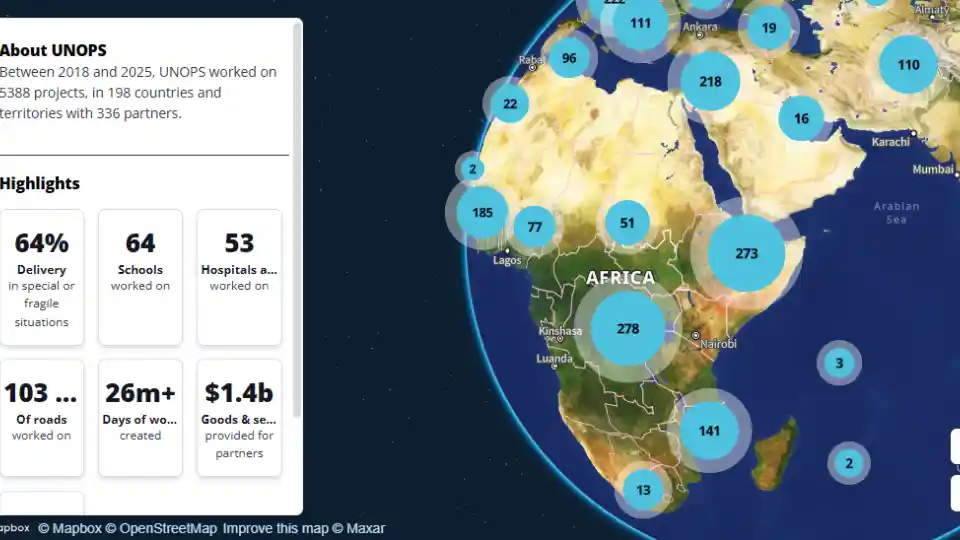
Last year, UNOPS worked in over 130 countries and territories, delivering over 1,100 projects, worth approximately $2.7 billion. We created 26 million days of paid work for local communities, including 10 million days for women. Two-thirds of all of our work was in complex and fragile situations.
Allow me to share some examples.
In Ukraine, our teams continue to support much-needed response and recovery efforts, as communities face ongoing attacks and severe disruptions to basic services. Recently, we built a new anti-radiation shelter for a school in the southern Mykolaiv region. As a result, nearly 250 students and over 3,000 residents now have a safe underground space. For the first time in over four years, children will be able to attend school in person, allowing them to reconnect with their childhood, learn and thrive .
In Gaza, in addition to supporting humanitarian deliveries through the implementation of the UN 2720 Mechanism, UNOPS helps bring fuel in support of UN and humanitarian organizations – including hospitals, desalination plants, shelters, and immediate emergency needs. UNOPS and the UN Mine Action Service (UNMAS) are supporting critical humanitarian aid efforts through mitigating the dangers of landmines and unexploded ordnance. And we stand ready to support the transition from humanitarian action to early recovery and eventual reconstruction.
In the Democratic Republic of Congo - where millions of people are internally displaced - UNOPS works with partners to provide income-generating infrastructure projects. This includes building schools, markets, youth centres and health clinics in the eastern part of the country, directly impacting over 650,000 people. Of course this is also where much of the Ebola transmission is concentrated, further complicating people's conditions and the delivery of projects.
In Afghanistan - as communities grapple with the impact of conflict, natural disasters and socio-economic challenges, my colleagues continue to manage Awaaz Afghanistan - a call centre that serves as a crucial lifeline for Afghans, providing assistance, vital information and a platform to give feedback on humanitarian response and the delivery of basic services. With nearly 710,000 calls handled since it launched in 2018, Awaaz has helped more than five million people across Afghanistan to access essential services and humanitarian aid.
Across Latin America and the Carreabean, our efforts continue to strengthen health systems and improve equitable access to healthcare.
In another example, UNOPS is supporting the Brazilian Cooperation Agency (ABC) to deliver essential humanitarian assistance to countries affected by disasters and crises. From vaccines and medical supplies to food and water purifiers, UNOPS facilitated the procurement and delivery of critical supplies to 35 countries in emergency situations in 2025, including Caribbean nations affected by Hurricane Melissa.
These are just a few examples of how UNOPS provides practical solutions across core areas of infrastructure, procurement and project and fund management.
UNOPS also hosts and supports a range of multilateral partnerships to advance global priorities. Through these partnerships, we have helped improve global health, drive climate action and accelerate sustainable development. This model allows critical partnerships to use our global presence and robust compliance frameworks to manage risk and deliver results transparently and effectively, creating faster and broader impact for communities around the world. Examples include Stop TB Partnerships, Cities Alliance, and the Santiago network, which UNOPS co-hosts together with UNDRR.
Collaboration with the UN
As a key player within the UN system, UNOPS provides technical, operational and logistical support that help translate UN resolutions and mandates into tangible, on-the-ground results for the communities we serve.
Last year, 70 per cent of our portfolio involved cooperation with other UN organizations.
A defining year for the climate agenda
Honourable delegates, allow me to emphasize the centrality of climate action to our work.
UNOPS supports adaptation, mitigation and loss and damage efforts. We help countries strengthen climate resilience, adapt, support the implementation of climate commitments and we manage multi-stakeholder initiatives, including Initiative for Climate Action Transparency.
2026 is a defining year for the climate agenda. Last year - it became clear that we had missed the 1.5C climate target. The world is on a course to a 2.3-2.5 warming by 2100.
We need to change course now. Countries need to strengthen and implement their Nationally Determined Contributions (NDCs). They need to accelerate the transition to renewable energy and invest in the infrastructure needed to make that transition work. That includes modernising, expanding and digitising energy grids, and scaling energy storage, as the grid infrastructure has simply not kept up with the remarkable growth in renewable generation.
Finance and policy reforms are key in this regard - but we know that there is also limited capacity for implementation. UNOPS stands ready to support developing countries to strengthen capacity for implementation, including on energy infrastructure and grids.
Working with our partners, we have enhanced access to energy in rural communities in Sierra Leone, powered hospitals in Haiti and improved access to essential services in Yemen. And we support efforts to create efficient and resilient grids around the world including through our hosted partnerships such as the Sustainable Energy for All and the South East Asia Energy Transition Partnership.
Strong partner trust and satisfaction
Excellencies, distinguished delegates,
The impact I have described today is made possible by the trust of our partners.
Results from the latest UNOPS global partners survey show strong trust in UNOPS and growing demand for our integrated, practical solutions.
A record 85 per cent of partners report satisfaction with UNOPS. A similar share say they would recommend the organization to others. Overall partners’ trust in UNOPS stands at 87 per cent.
This is testament to the commitment of UNOPS teams working in some of the world’s most challenging and high risk environments.
They also speak to progress achieved through our reforms.
Under the guidance of the Executive Board, we have, over the past three years, implemented a comprehensive programme of reforms that has delivered on our commitments, and seen these efforts recognized by third-party assessments.
These measures have strengthened governance, accountability and organizational performance, while enhancing ability to deliver results for communities and partners.
And the results of the reforms are manifesting in other ways too.
Our culture survey results show encouraging progress. In 2025, participation reached a record 75%, with results showing progress in engagement, satisfaction, trust in local leadership and transparency.
The demand for UNOPS services is increasing. In 2025, we signed contracts at the value of $3.4 bn - exceeding the implemented amount in that year.
The results underscore the agility of the UNOPS demand-driven, fee-for-service operating model. The model provides full cost-recovery and drives efficient resource management. It keeps the organisation’s overheads low and allows it to rapidly and efficiently respond to communities’ needs and partners' demands.
In an operational context where value for money is most critical, UNOPS continues to deliver projects with a full cost recovery fee of on average four per cent. This is among the lowest in the multilateral system.
Reforms
UNOPS is an active supporter of the UN80 reform agenda and remains fully engaged across multiple workstreams.
At the request of the SG, I coordinated work on the UN Country Team reconfiguration, with the aim of strengthening the Resident Coordinator system and creating better aligned, more efficient UN country teams capable of delivering at scale.
As discussed yesterday, the UN80 process also includes consideration of a potential merger between UNOPS and UNDP, to create a stronger policy and operational engine for sustainable development.
As these discussions continue, it is opportune to recognize the distinct added value of the UNOPS fee for service, demand-driven model and the contribution it makes to the efficient, accountable implementation across the UN system.
Conclusion
Mr President, Distinguished Members of the Executive Board,
At a time of growing global crises, shrinking financial resources, increasing threats to the United Nations, the collective responsibility is crystal clear: the UN is needed more than ever, its demonstrable and practical solutions are needed more than ever.
UNOPS will continue supporting people and partners across humanitarian, development and peacebuilding efforts, strengthening implementation capacity, and efficiently using resources to bring tangible results to improve lives for communities.
As we continue to advance the reform agenda and contribute to broader UN system reforms, I reiterate the support of UNOPS for a more effective, accountable and impactful United Nations.
I thank the Executive Board for your continued guidance and support - and I look forward to our dialogue this morning
Thank you.