



The United Nations Office for Project Services (UNOPS)
Improving food security in Haiti
UNOPS and partners are working to strengthen agricultural production to help vulnerable communities access nutritious food.
Latest updates
November 2025
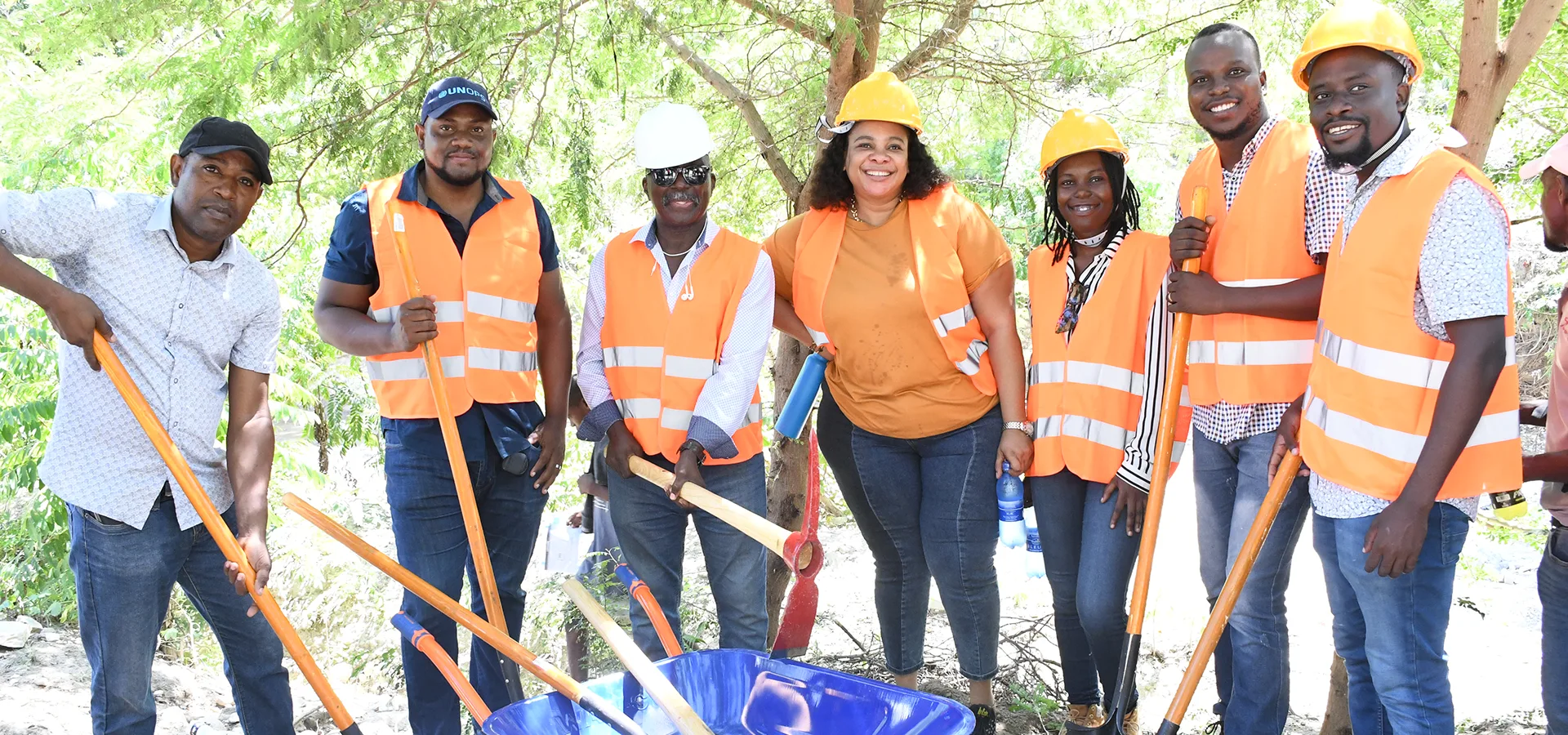
To date, the Emergency Resilient Agriculture for Food Security project has generated over 21,000 workdays for nearly 800 participants, including almost 40 per cent of women – creating temporary employment that directly benefits communities and the local economy. Through its capacity-building initiatives, the project is also strengthening irrigators’ associations by supporting enhanced governance, technical skills and organizational management. Nearly 90 participants have also received training in digital mapping and geographic information systems, as well as in construction, water management and logistics.
A comprehensive parcel mapping exercise covering 962 plots over 419 hectares has been completed, supporting transparent allocation of land and water resources.
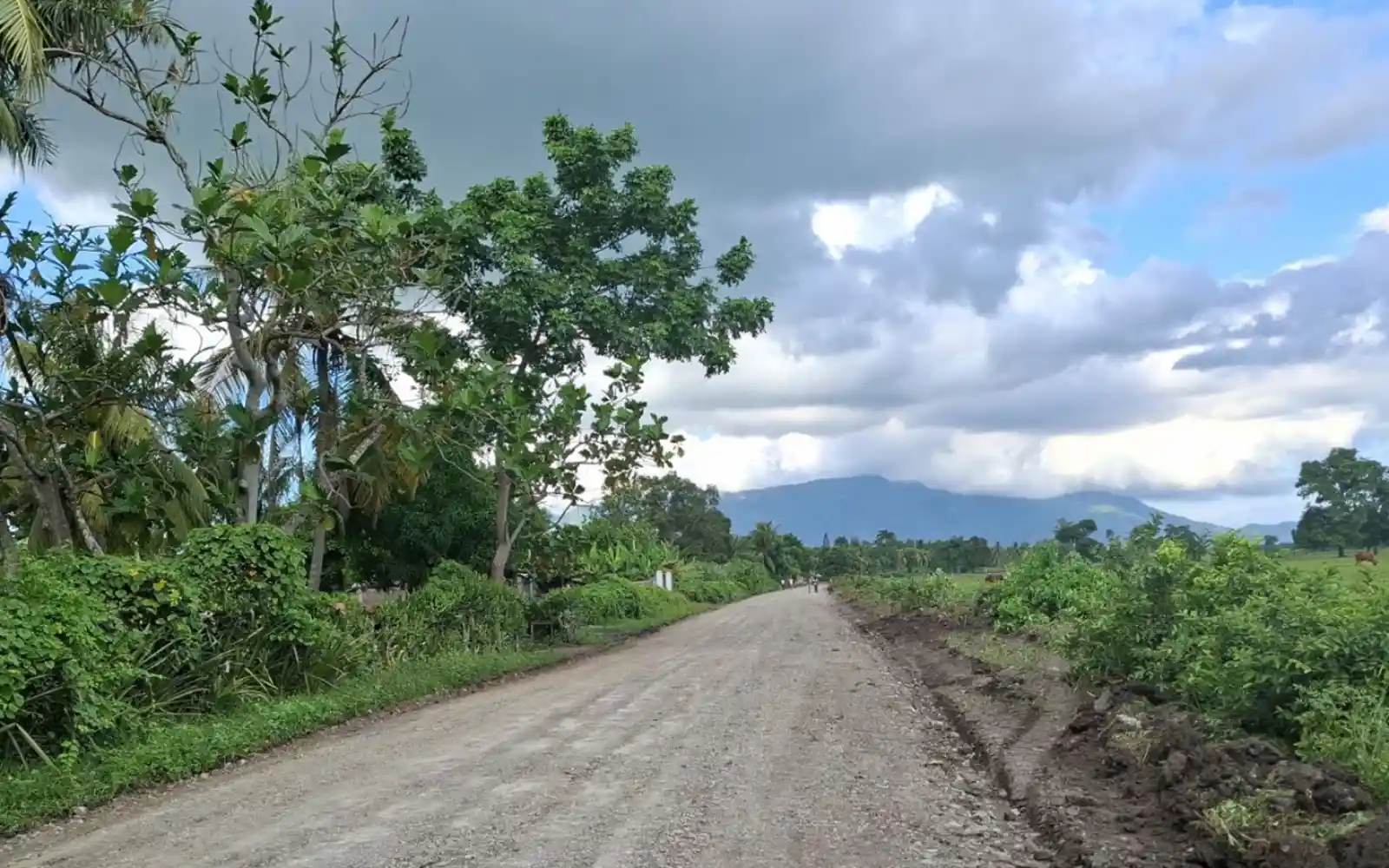
Additionally, the rehabilitation of more than 15 kilometres of rural roads is improving connectivity and access to markets.
“Together with our partners, we are supporting communities to become more resilient, stronger and inclusive. [This] project illustrates how local ownership and global expertise can come together to deliver lasting impact,” said Dabagai Dabagai, UNOPS Director for Haiti.
Agriculture in Haiti, particularly in the northwest region, plays a vital role in the country’s economy and livelihoods. The region is known for its fertile lands and underground water resources. However, poor infrastructure, recurrent droughts and seismic events, coupled with persistent insecurity and political and economic instability, have hindered development and led to one of the highest levels of food insecurity in the world.
Today, nearly 5.4 million people in the Caribbean nation face acute food insecurity and with a vast majority of them living in rural areas, agriculture represents a lifeline for the population.
With $5 million in funding from the World Bank, UNOPS is working with the Ministry of Agriculture, Natural Resources and Rural Development (MARNDR) on an extension of the ‘Emergency Resilient Agriculture for Food Security (PARSA)’ project.
This initiative will help address the root causes of hunger and malnutrition by making agricultural systems more resilient to climate-induced shocks and stresses and increasing communities' access to nutritious food, including in earthquake-affected areas.
The project includes the rehabilitation of damaged irrigation to regulate the flow of water, reduce leakages and increase access to water. Small-scale water infrastructure and equipment will also make it possible to harvest water – improving crop resilience to frequent droughts.
The project will also implement land management measures to protect the soil, enhance cultivation performances and build a stable base for agriculture, which is more resilient to earthquakes and other shocks. The rehabilitation and construction of new rural roads will also be essential to connect communities to agricultural areas and economic opportunities.