


The United Nations Office for Project Services (UNOPS)
Building the foundations for food security in Haiti’s Nord-Ouest department
In a country facing immense challenges, a project is helping communities build resilient agriculture systems – one canal, one road, one new skill at a time.
Despite fertile land and regions with abundant underground water resources, Haiti faces some of the highest levels of food insecurity in the world, with half of its population – 5.7 million people – experiencing acute food insecurity.
The devastating 2021 earthquake and extreme weather events like Hurricane Melissa have battered the Caribbean nation, deepening its mounting insecurity, destroying lives and livelihoods, damaging critical infrastructure and worsening the food crisis.
With over 75 per cent of the most food-insecure people living in rural areas, agriculture represents a lifeline for the country.
To help, UNOPS is working with the Ministry of Agriculture, Natural Resources and Rural Development (MARNDR) – with $5 million in financing from the World Bank – to address the root causes of hunger and malnutrition, as part of an extension to the ‘Emergency Resilient Agriculture for Food Security (PARSA)’ project.
Supporting food security and climate resilience
In a country where agricultural livelihoods are often disrupted by disasters and climate shocks, the initiative focuses on rebuilding more sustainable and resilient agricultural systems in four locations in the country’s Nord-Ouest department.
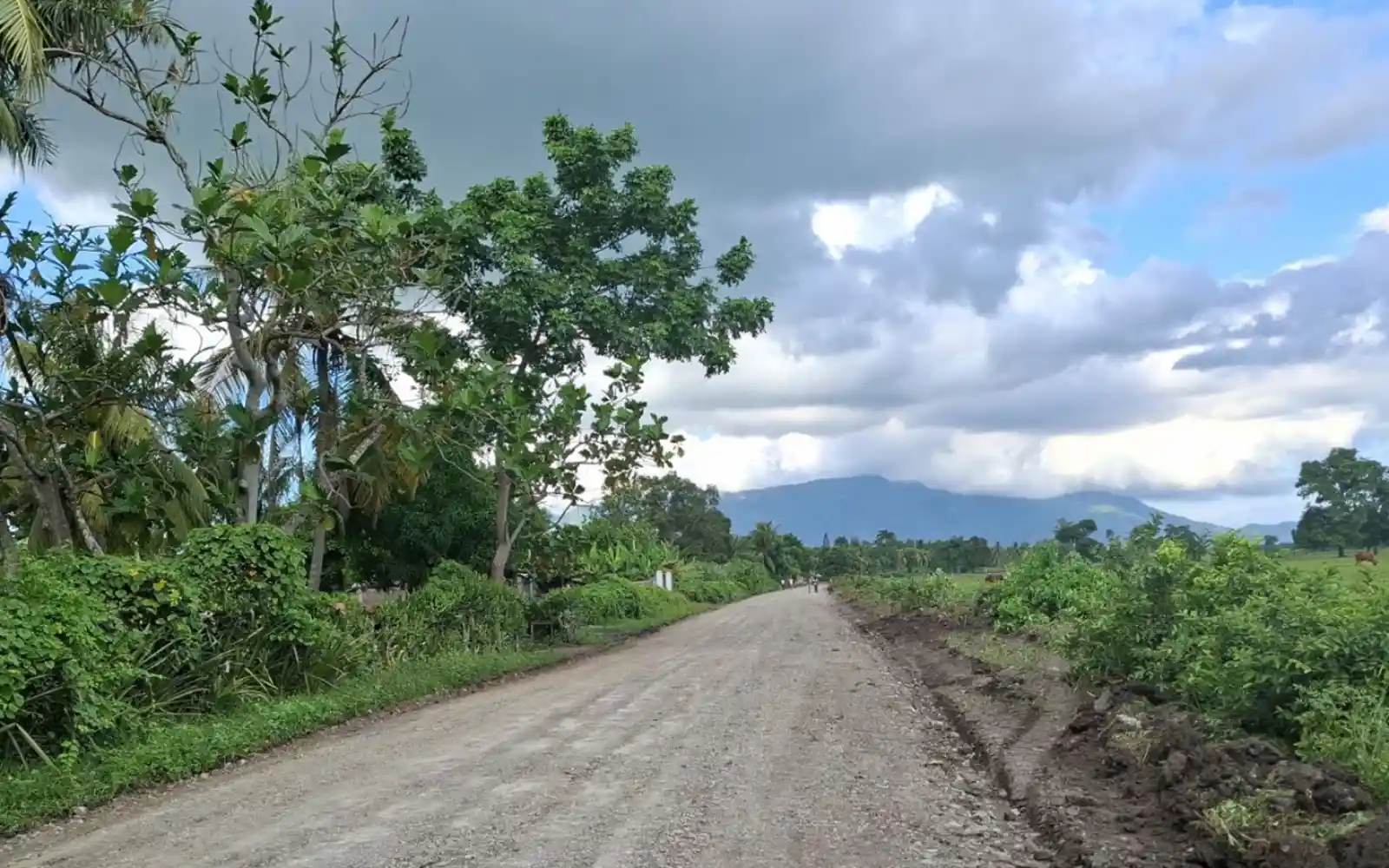
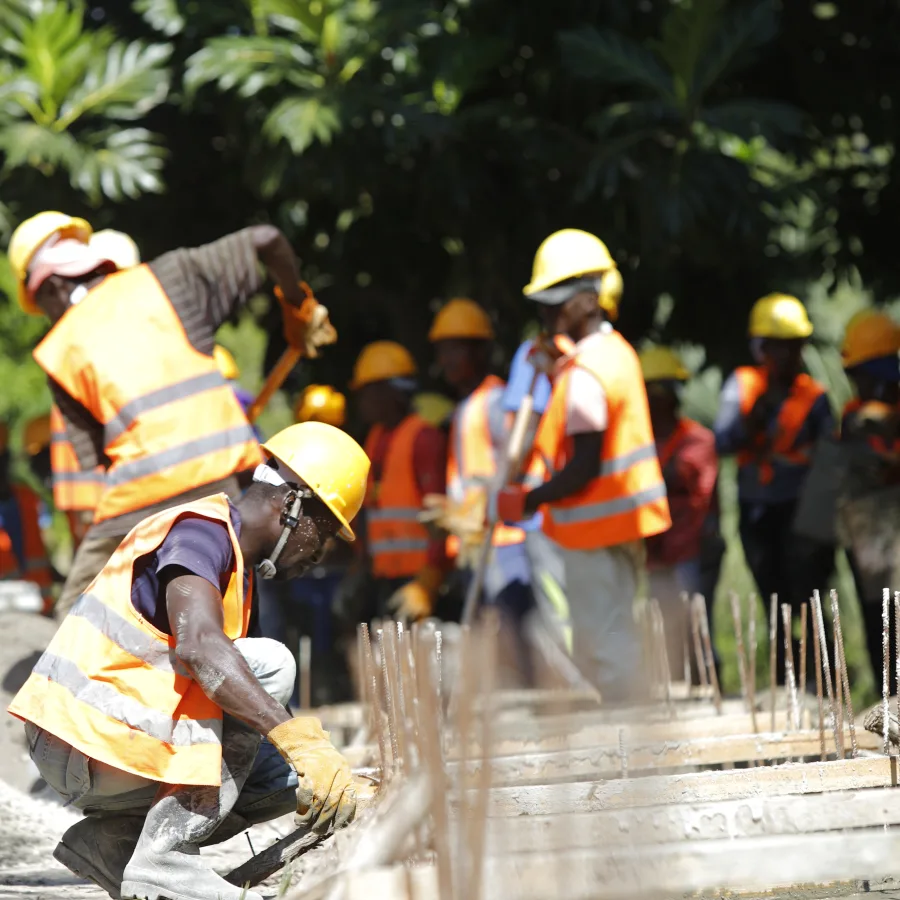
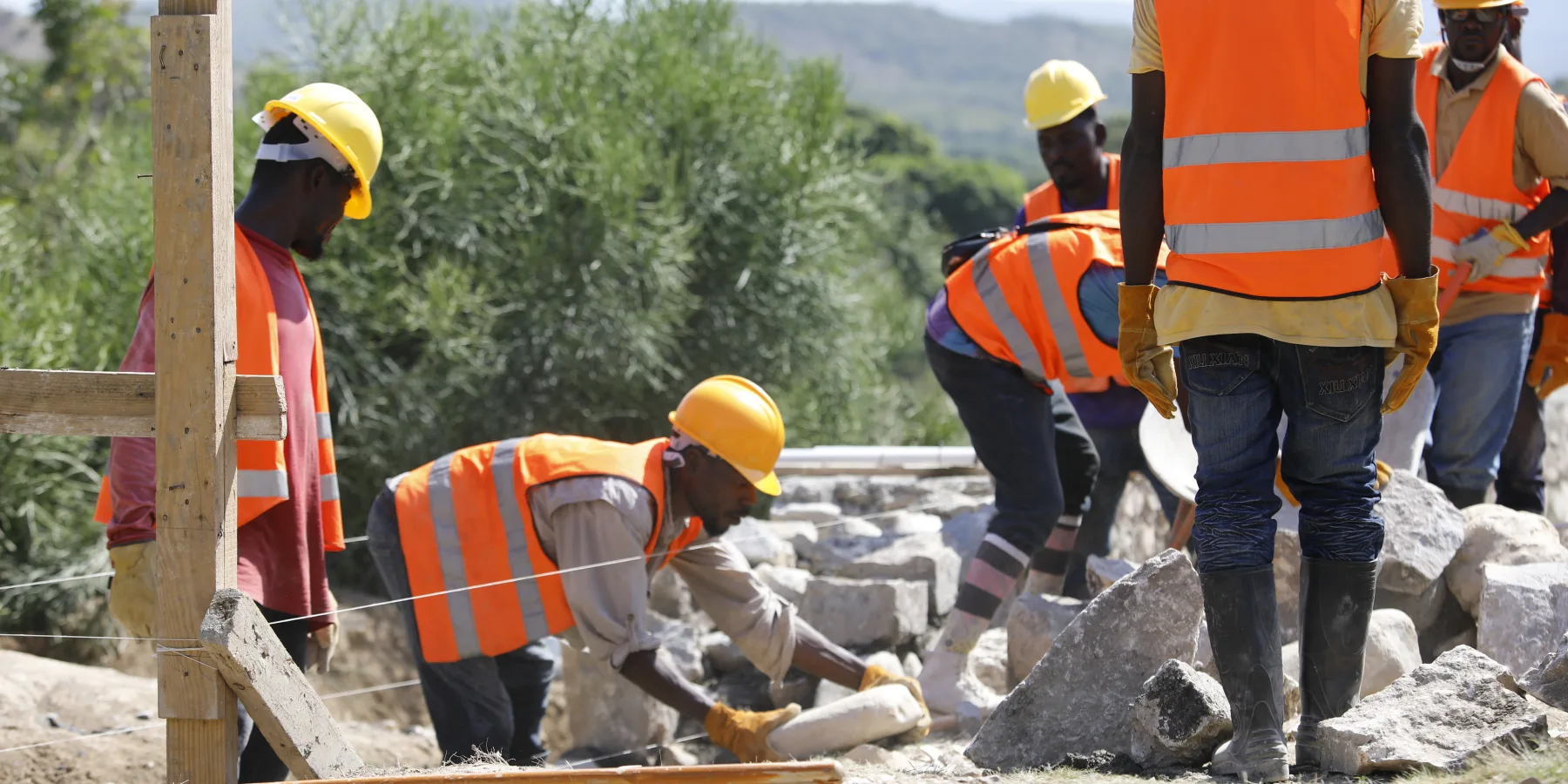
Through the construction and rehabilitation of irrigation canals, retaining walls and water distribution systems, as well as the installation of pumping stations, the project is strengthening essential water infrastructure. The rehabilitation of more than 15 kilometres of rural roads is further helping to improve connectivity and market access. Together, the initiative is helping crop producers boost their production, withstand future shocks and ensure a stable food supply.
The project also includes the development of designs for aqueducts, hybrid energy systems and related infrastructure that will strengthen access to reliable water and energy supplies.
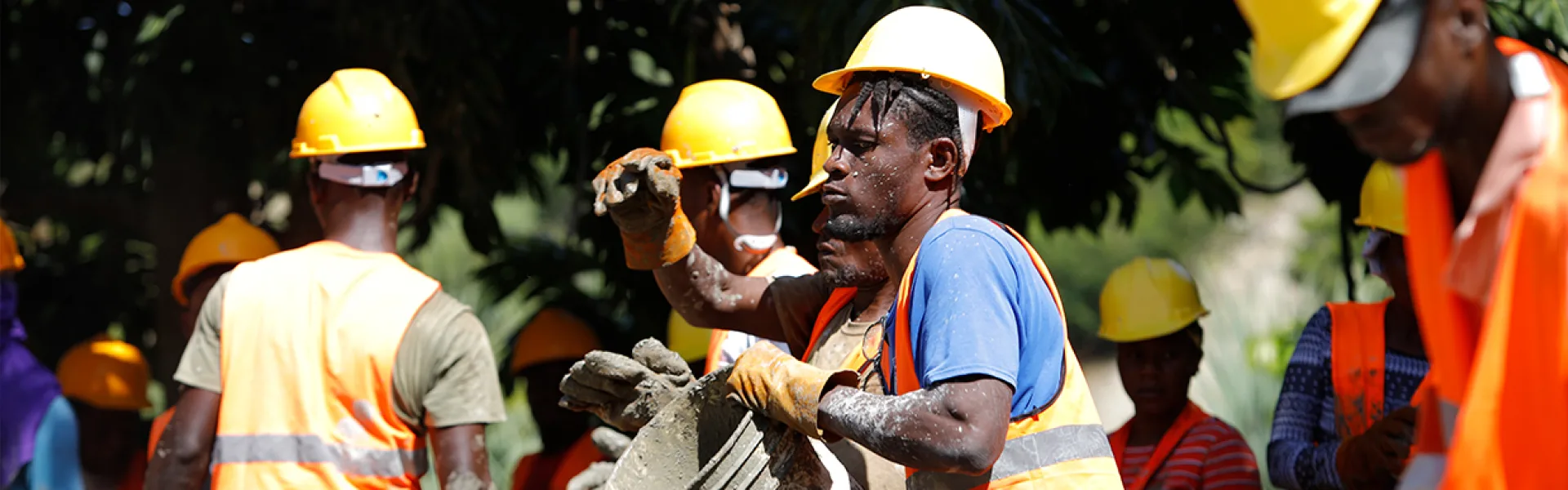
PARSA demonstrates how infrastructure can transform lives – not only by creating access, but by enabling people to become agents of their own development.
Beyond infrastructure
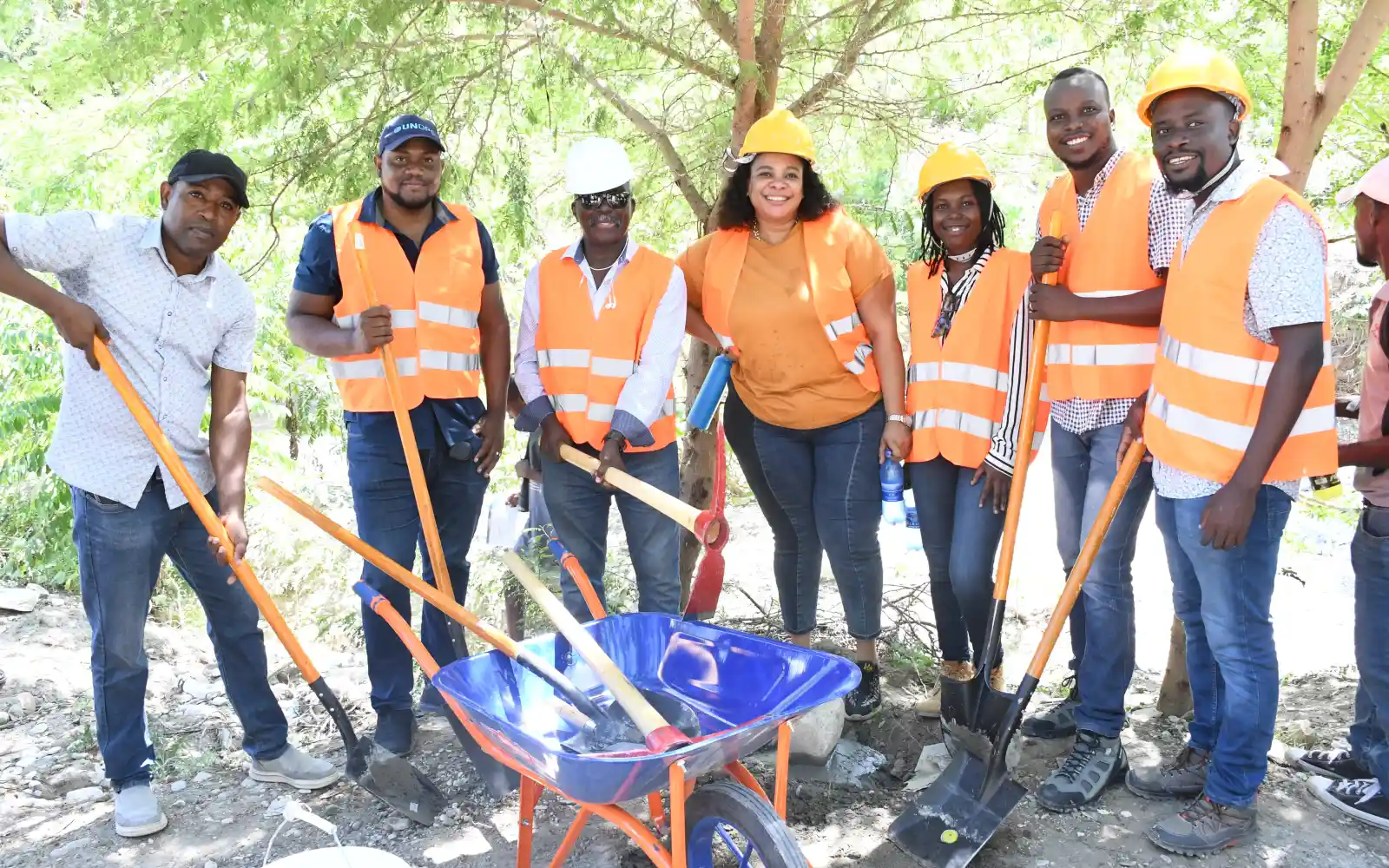
Local communities are central to the project.
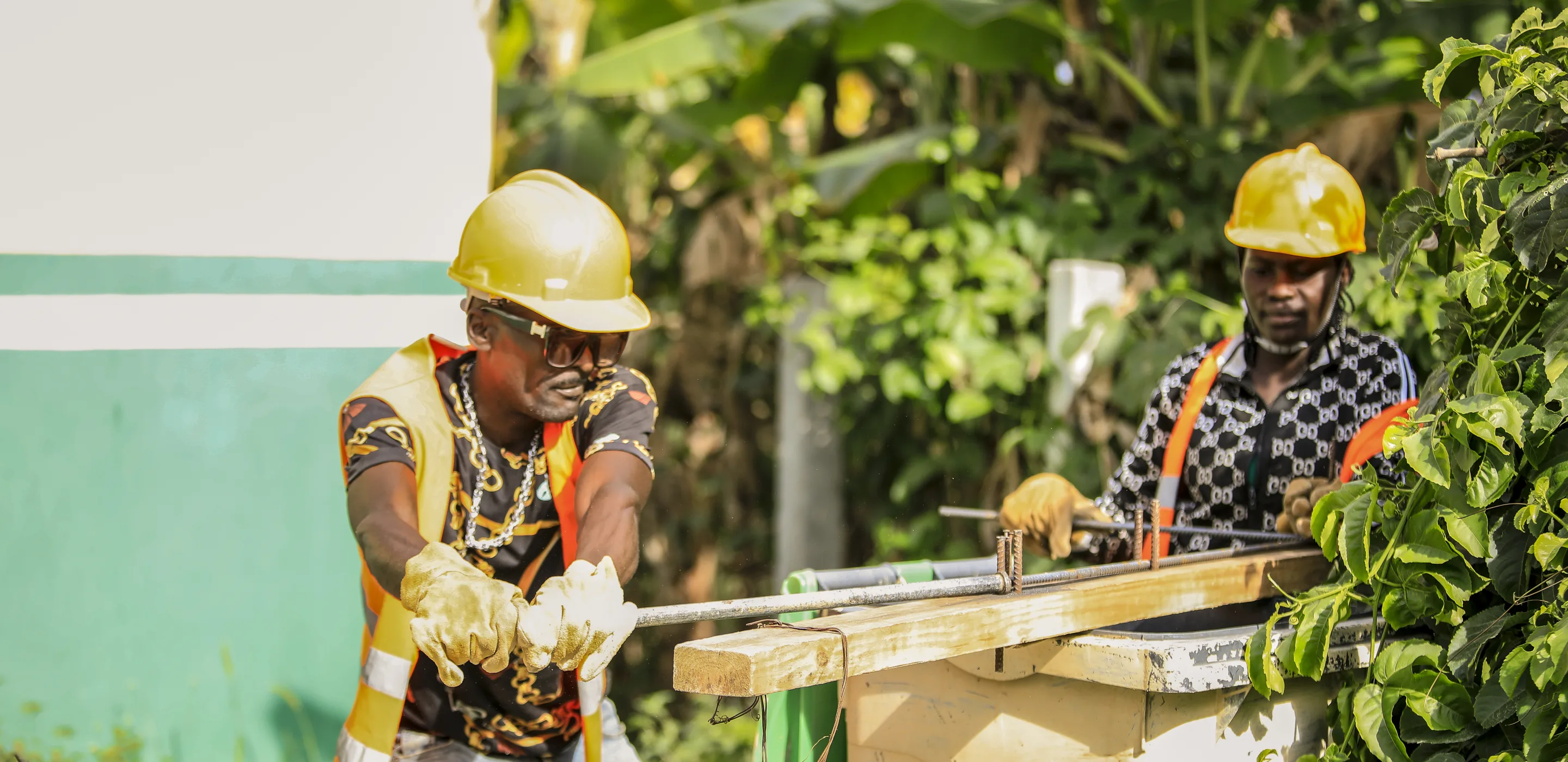
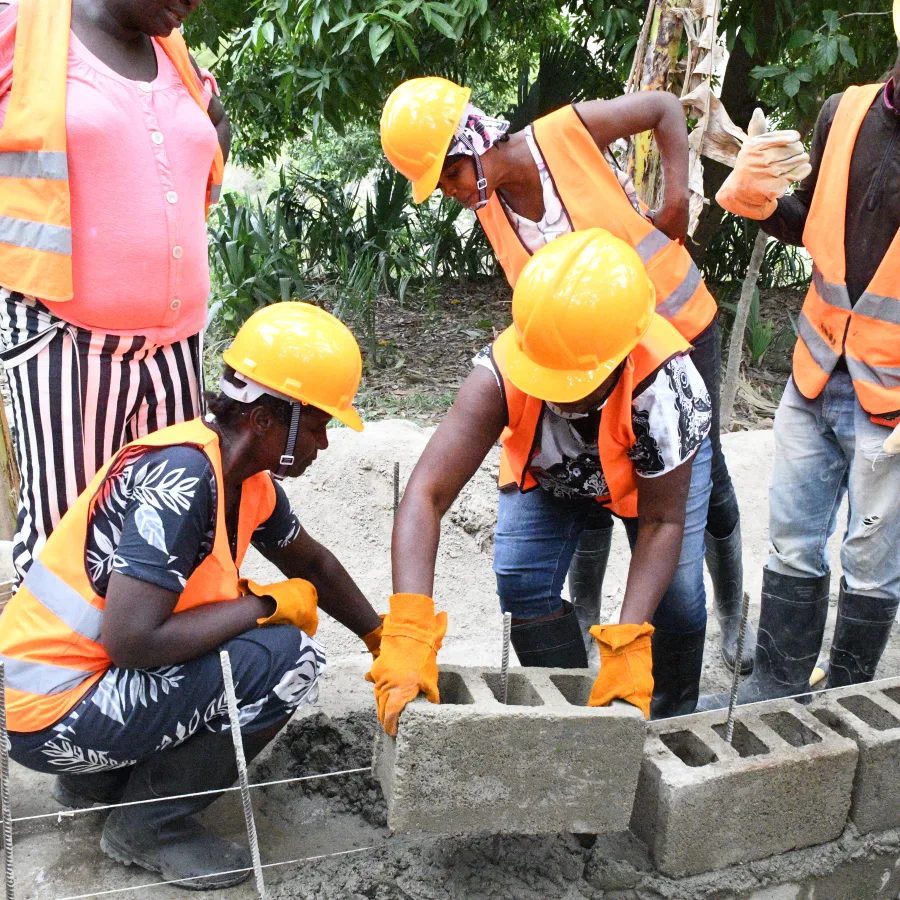
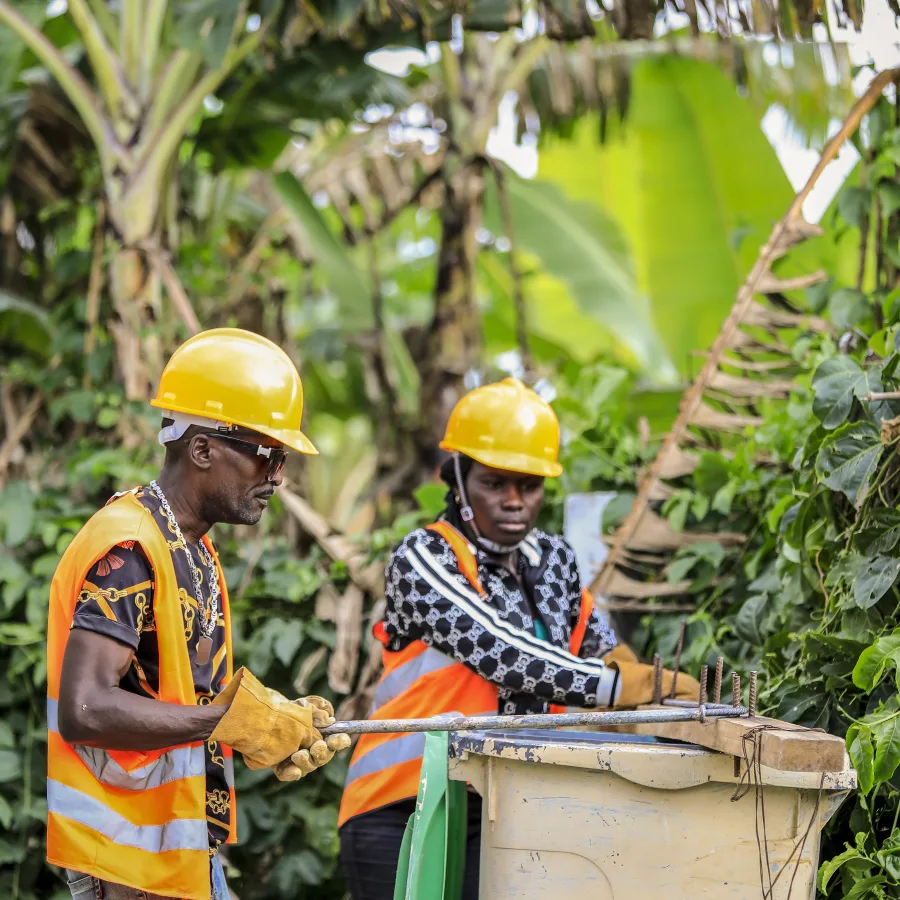
Nearly 800 women and men have found temporary employment through the project’s activities – an essential part of the initiative that helps restore livelihoods, boost the local economy and strengthen community resilience.
“This work was more than a source of income for me, it allowed me to grow,” says Willianise Charles, a construction worker from Bombardopolis.
“This participation brought a lot of change for my family and me. These activities provided valuable financial aid which allowed me to solve some of my needs,” says Lourdenaidine Gracia, one of the female trainees in Bassin-Bleu.
“We learned a lot about health issues: how to protect ourselves, how to avoid certain incidents,” adds Bélandie Élinor from Bombardopolis.
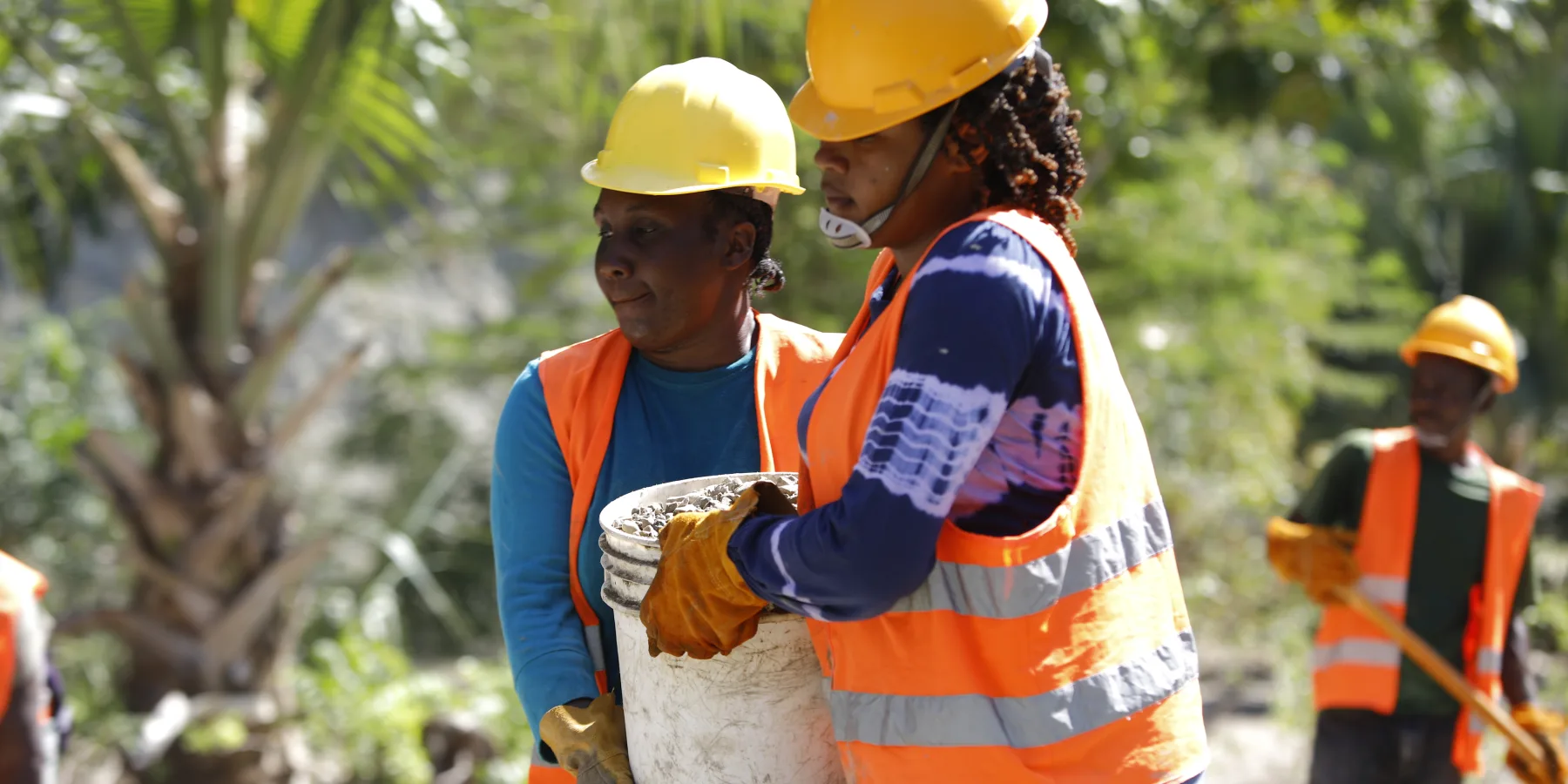
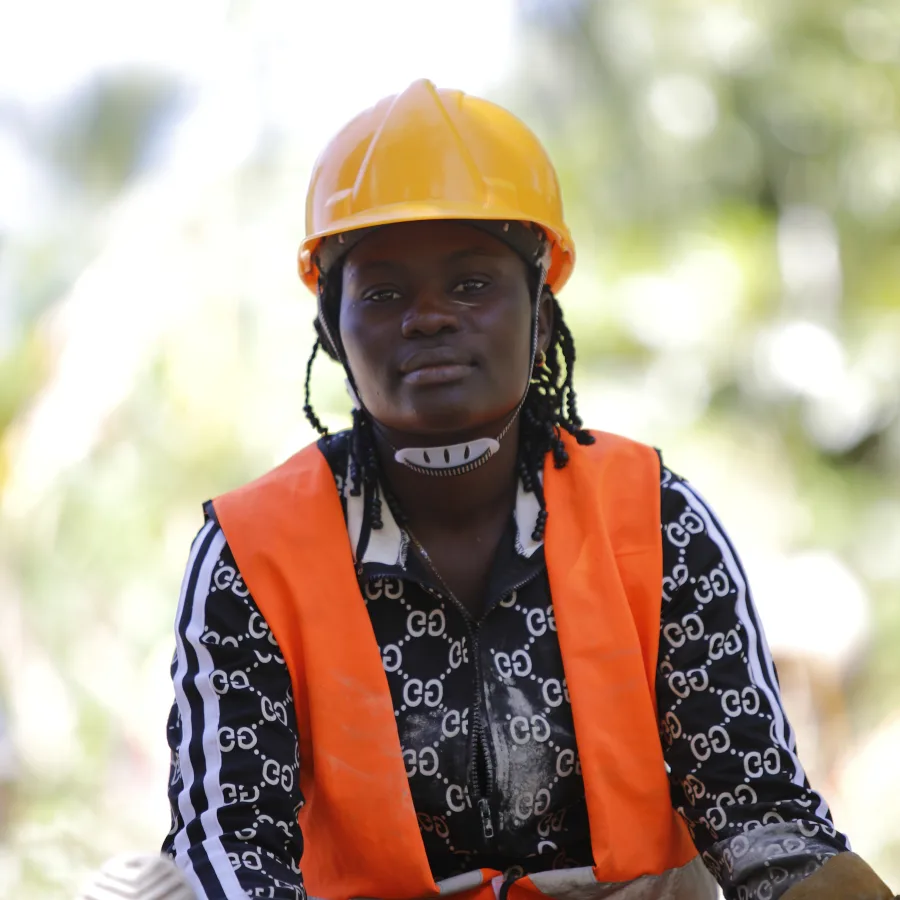
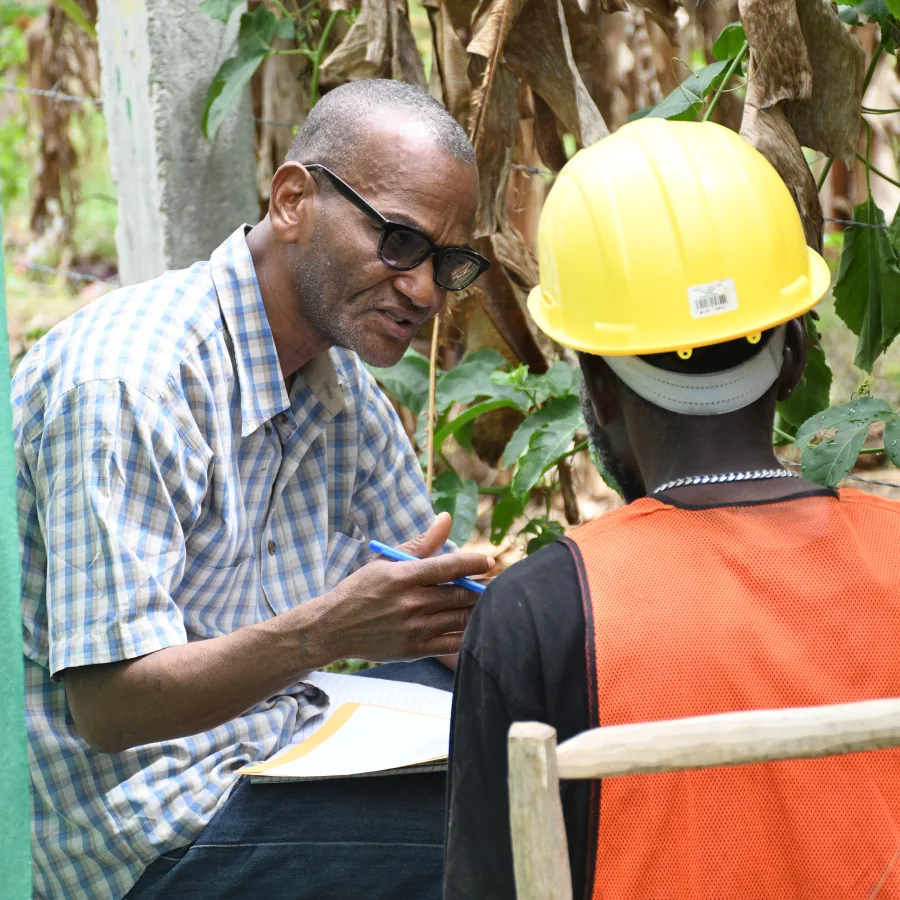
To enhance long-term sustainability, the initiative also supports the irrigators’ associations by strengthening their governance and organizational structures. Teams were equipped with technical knowledge, including through training in construction, logistics and water management, as well as digital mapping and geographic information systems.
“Thanks to what I learned [...] I can help the community better understand its territory, the path of water, the areas most exposed to erosion and how to better use land,” says Denly Jean-Baptiste, a training participant from Bombardopolis.
“I can participate in small local projects, help organizations or youth groups create maps to plan their work, or collect information on the needs of people in their areas,” he adds.
In a country facing immense challenges, communities in Haiti’s Nord-Ouest department are building stronger agriculture systems and laying the foundations for long-term food security and resilience.
“The works that I helped to carry out represent a significant step forward for the development of the community. These infrastructures improve access and safety, [and] they improve the lives of the populations,” says Willianise Charles.
Global Goals we are supporting through this initiative: