


The United Nations Office for Project Services (UNOPS)
Providing urgent access to electricity across Yemen
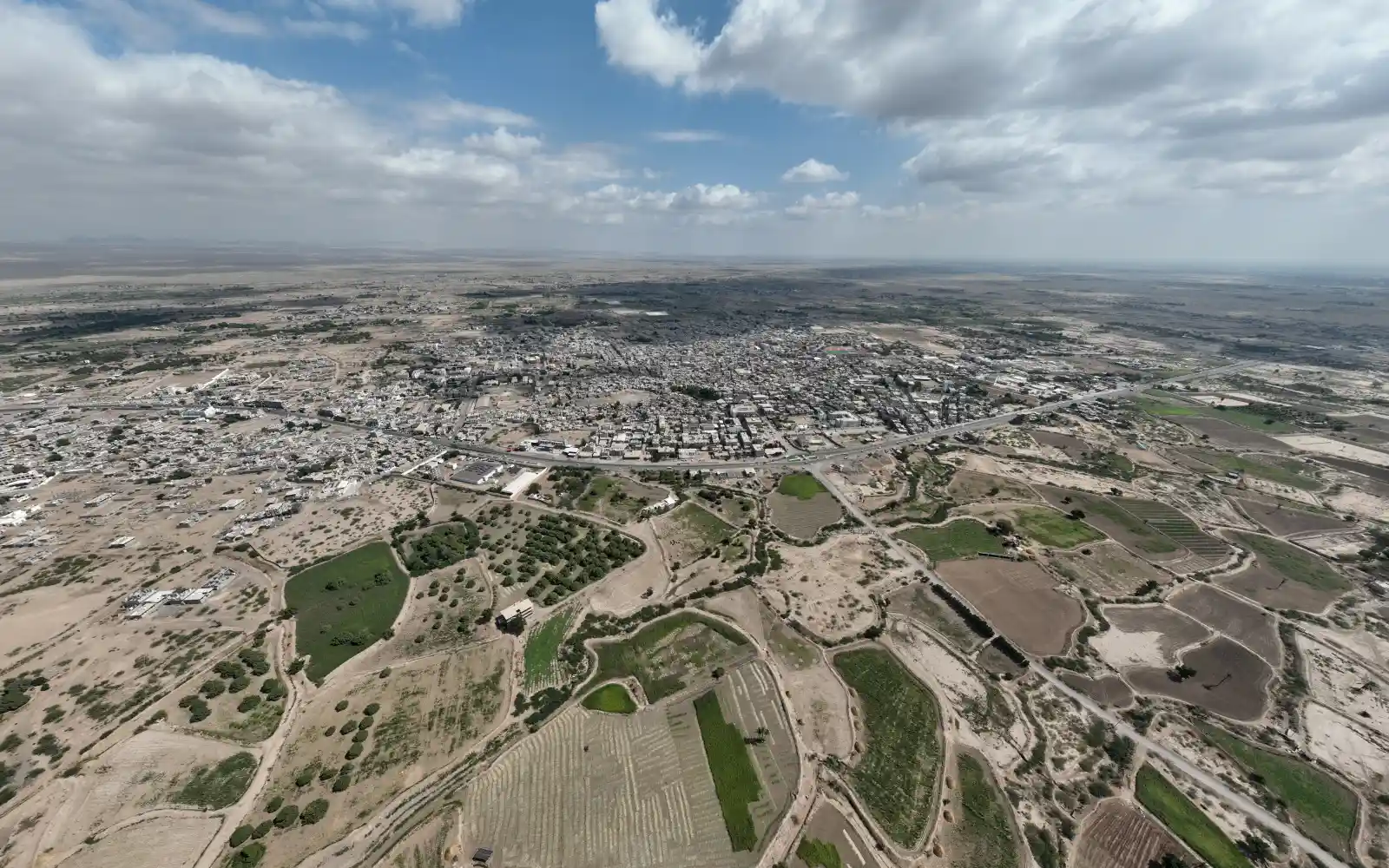
UNOPS and the World Bank continue to provide rural and peri-urban communities across Yemen with improved access to much needed electricity.
Latest updates
6 July 2026
UNOPS, through the Yemen Emergency Electricity Access Project (Phase II), has helped provide energy solutions for 332 health facilities and vaccine cold chains, and 89 schools, providing uninterrupted education and life-saving healthcare services for local communities. In addition, over 144,000 households now have access to home solar systems.
Over 148 solar water pumping systems have been installed, helping provide access to clean water for communities in need.
As of 30 June 2026, over 5 million people living in rural and peri-urban parts of Yemen have benefitted from improved access to essential services, while the transition to renewable energy is preventing over 17,000 tonnes of CO2 emissions annually.
21 January 2026
UNOPS, through the Yemen Emergency Electricity Access Project (Phase II), has helped provide energy solutions for over 80 schools and over 310 health facilities, ensuring uninterrupted education and life-saving healthcare for local communities. In addition, over 111,000 households now have access to home solar systems.
Over 110 solar water pumping systems have been installed, helping provide access to clean water for communities in need.
To date, over 4.8 million people living in rural and peri-urban parts of Yemen have benefitted from improved access to essential services, while the transition to renewable energy is preventing over 15,000 tonnes of CO2 emissions annually.
3 July 2025
To date, UNOPS, through the Yemen Emergency Electricity Access Project (Phase II), has successfully powered 235 health centres, 59 hospitals, 62 schools and 88 water wells with renewable energy, benefitting millions of Yemenis living in rural and peri-urban communities.
Phase II of the Yemen Emergency Electricity Access Project is a four-year project implemented by UNOPS with financing from the World Bank Group’s International Development Association.
The project aims to install basic pico-solar systems for vulnerable rural and peri-urban households as well as install solar systems to support the functioning of critical service facilities, including primary health centres, schools, and water wells and facilities.
Mubarak Bin Saad, founder of Al-Yusr for Solar Energy, gained new skills working as a sub-contractor with the Yemen Emergency Electricity Access Project. Now, he’s creating solar solutions tailored to Yemen’s needs and climate, helping bring reliable, sustainable power to local communities.
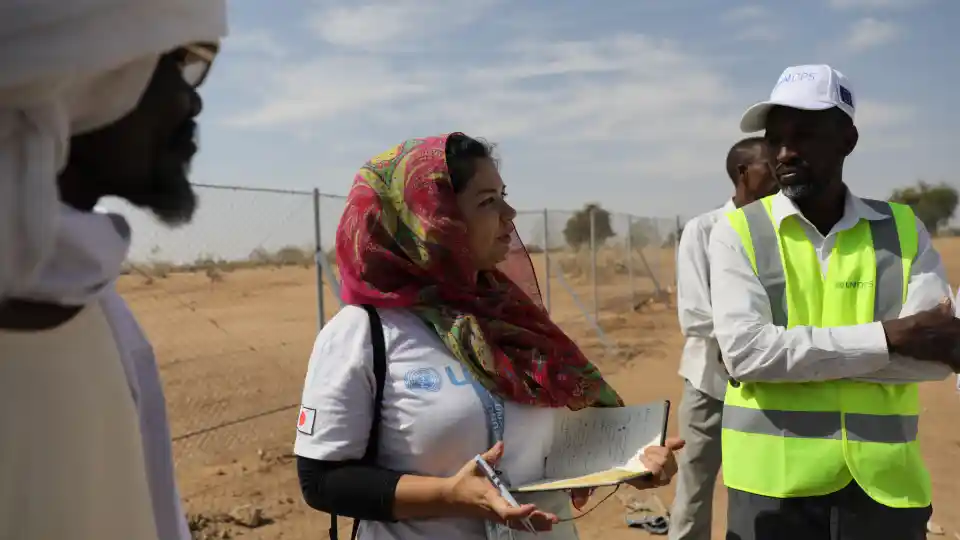
Prioritizing resilience and sustainability, UNOPS will rely on high quality and robust solar systems built to withstand Yemen's harsh terrain. Capacity building and training local communities on maintenance and use will also be prioritized.
Working in close collaboration with local service providers, the project will leverage the existing solar market and introduce standards on systems to help improve quality across the market.
Phase II of the project follows the successful completion of Phase I, which saw solar power systems installed in 234 schools, 220 health facilities, 23 COVID-19 isolation units and 40 water wells. Additionally, more than 117,000 households were equipped with pico systems to help light up their homes. In total, an estimated 4 million people benefited from the first phase across Yemen.
* This article is based on information originally published here. Additional information about the project is also available via the World Bank here.