


The United Nations Office for Project Services (UNOPS)
Rebuilding critical infrastructure in Uganda
Several new bridges will improve access to essential services for more than a million vulnerable people.
The West Nile region hosts more than 810,000 refugees, including residents of the Bidibidi settlement. Failing bridges in these areas often cut communities off during heavy rains, delaying emergency care, disrupting education and limiting trade.
With funding from the government of Japan, UNOPS is working with the government of Uganda to rebuild three critical bridges – Ayi (Maracha), Kochi-2 (Koboko) and Woi (Yumbe) – in Uganda's West Nile sub-region.
The bridges will improve access to healthcare, education and markets for refugee-hosting and climate-vulnerable communities across nine districts in the West Nile, Sebei and Bugisu sub-regions, benefiting more than a million people.
Reliable bridges save lives and protect livelihoods.
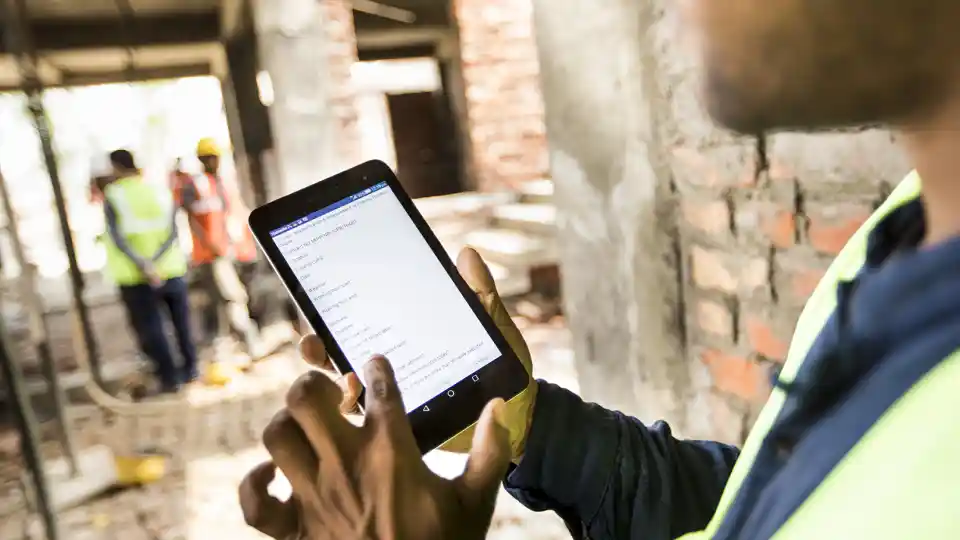
UNOPS will also develop an electronic bridge maintenance system that will help engineers monitor bridge conditions and plan maintenance for the District, Urban and Community Access Roads Network.
"By combining climate-resilient construction with digital tools, this project helps Uganda move from emergency repairs to smart, preventive infrastructure management that serves both host communities and refugees," added Rainer Frauenfeld.
"This project is a major step forward in ensuring safe, reliable infrastructure across Uganda," said the Minister for Works and Transport, General Katumba Wamala.
"By rebuilding these bridges and introducing modern monitoring systems, we are not only improving access to essential services but also strengthening national capacity for sustainable infrastructure management," he added.
"This partnership reflects Japan's commitment to supporting stability, resilience and inclusive development," said Deputy Head of Mission of the Embassy of Japan in Uganda Norimasa Yoshida. "Safe infrastructure is essential for people to access services and economic opportunities."
Government engineers and officials will also receive training in climate-resilient building and digital asset management.
Read more here.