


The United Nations Office for Project Services (UNOPS)
Restoring essential services in Iraq
This article was originally published on 19 March 2025. It has been updated to reflect recent project developments.
Latest updates
12 June 2026
The third phase of the UNOPS-implemented Local Infrastructure in Rural Anbar (LIRA) project is now complete, improving living standards for over 62,000 people across the Anbar and Nineveh Governorates.
Phase three restored vital infrastructure by constructing 130 new shelters, rehabilitating 130 war-damaged homes and restoring 10 water stations. To ensure long-term sustainability, 60 civil servants and local residents also received dedicated maintenance training.
Since December 2020, Phases 1–3 have cumulatively reached nearly 557,000 people. Total achievements include the rehabilitation of 2,215 shelters, 32 water stations and 3 kilometres of roads, alongside the installation of 1,300 solar lights covering 25 kilometres. Additionally, 290 local residents and workers have received vital technical and environmental training.
12 February 2026
The second phase of the UNOPS-implemented Local Infrastructure in Rural Anbar (LIRA) project is complete, improving living standards for over 243,000 people across the Anbar and Nineveh Governorates.
Phase two restored vital infrastructure by rehabilitating 955 war-damaged shelters and 12 water stations. It also enhanced safety by installing 700 solar street lights across 15 kilometres of roads, while fostering sustainability through maintenance training for 130 civil servants and residents.
A safe home for Amal and her family.
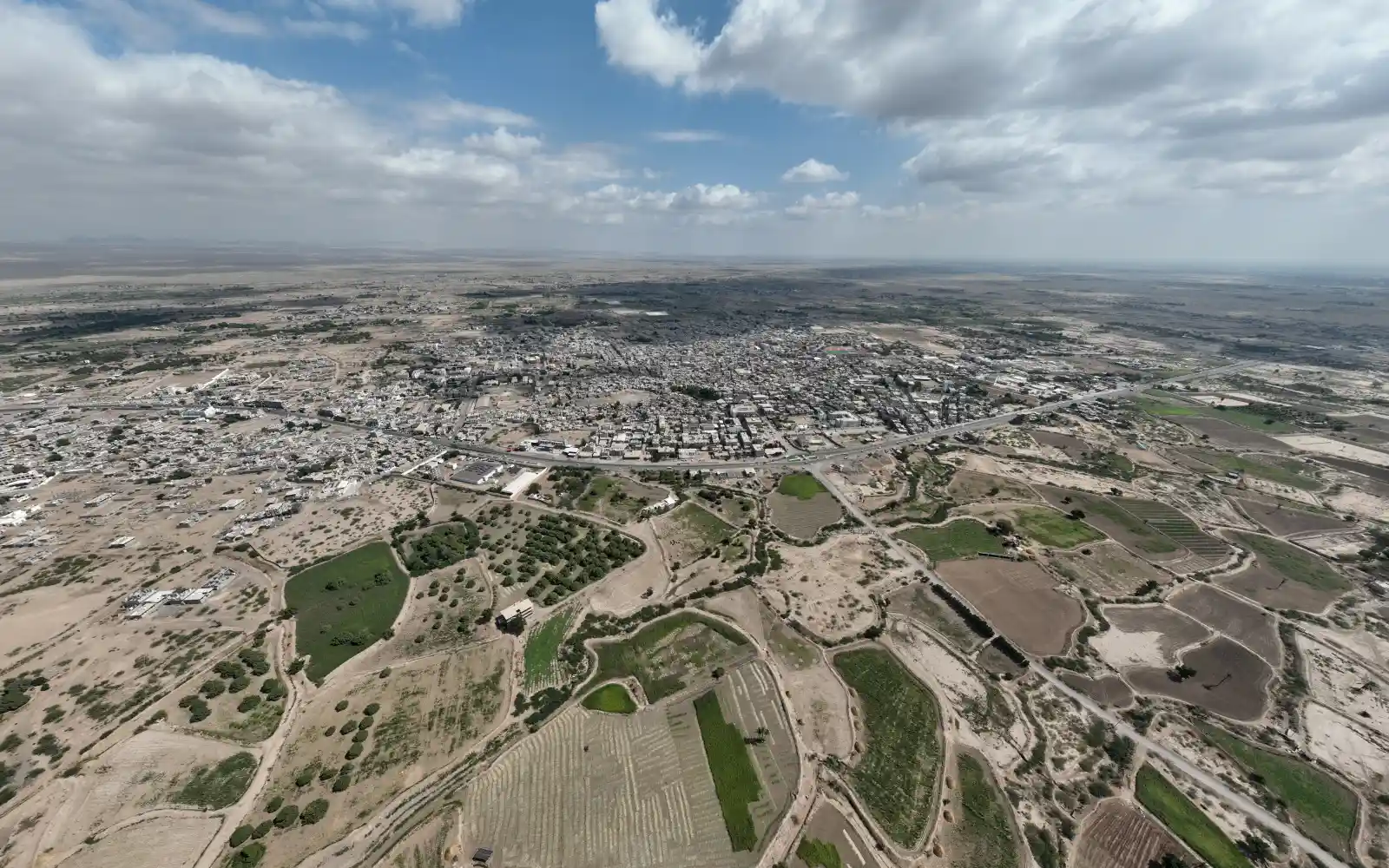
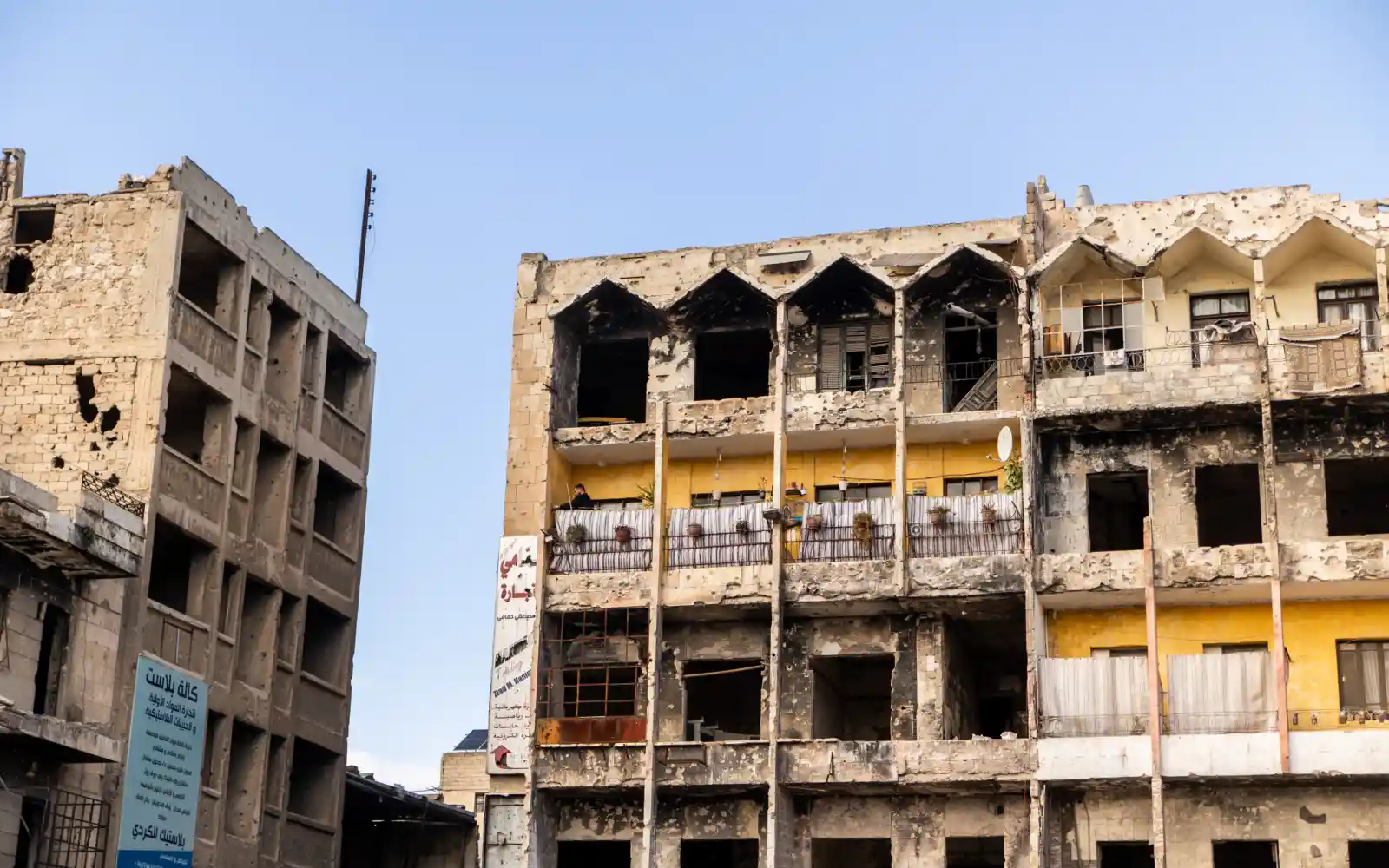
Following a devastating conflict, recovery in Anbar Governarate and the Sinjar District of the Nineveh Governorate in northern Iraq is severely hampered by widespread damage to critical infrastructure, leaving residents with limited access to essential services like water and shelter.
To help enhance access to infrastructure and critical services, UNOPS will implement a project with funding from KfW, the government of Germany’s development bank. Building on the success of past collaborations, this initiative will rehabilitate war-damaged shelters and restore critical infrastructure, including essential water stations, to directly improve the lives of conflict-affected communities.
“In 2020 we started our collaboration with UNOPS, signing the first financing agreement for the “Local Infrastructure in Rural Anbar” (LIRA) project. It is great to see that the project has been a success, despite all the challenges,” said Marc-André Hensel, Director of KfW in Iraq.
“This project is about helping people to return from the camps and from displacement back to their original places and to have a place to start from,” added Marc-Andre Hensel.
Additionally, the project will deliver capacity-building training to local stakeholders in Sinjar. To ensure inclusive and sustainable outcomes, the initiative will prioritize the active involvement of women throughout the implementation process and integrate climate-friendly designs where possible.
“Building on the successes of previous LIRA projects in Anbar and Ninewa, the new intervention will enhance the living standards of community members, fostering their resilience, especially in the hard-hit district of Sinjar,” said Anil Chandrika, UNOPS Country Manager in Iraq.
Roland Westebbe, Chargé d’Affaires of the German Embassy in Iraq, added: “I hope to have the opportunity to witness firsthand the progress and achievements of this project, supporting the Iraqi people as they rebuild their lives.“