




The United Nations Office for Project Services (UNOPS)
Recovery in Ukraine can’t wait for peace. Here’s what works.
Four years on, a UNOPS country director’s view from the ground.
Article originally published on ReliefWeb
As UNOPS Country Director in Ukraine, I see recovery happening under attack – every day.
Four years after Russia’s full-scale invasion, discussions often focus on what will happen when the war ends. Yet across the country, communities are already navigating a more complex reality: recovery is taking shape under fire, in real time, often in freezing winter conditions.
Recently, critical energy infrastructure in Kyiv came under renewed attack. In nearby apartment blocks, the temperature began to drop by the hour. Recovery cannot wait for peace; it must be organised with clarity, discipline, and sustained commitment while the war continues. In today’s Ukraine, it has become a wartime necessity.
Essential services cannot pause. Heating cannot wait for political timelines; education cannot be deferred until peace arrives. What distinguishes effective recovery under these conditions is not the number of projects announced, but the coordination and coherence with which they are delivered.
A model that works: Mykolaiv
In Mykolaiv, a partnership led by Denmark – with UNOPS as the implementation partner – offers a practical illustration of what an integrated, area‑based recovery approach can look like.
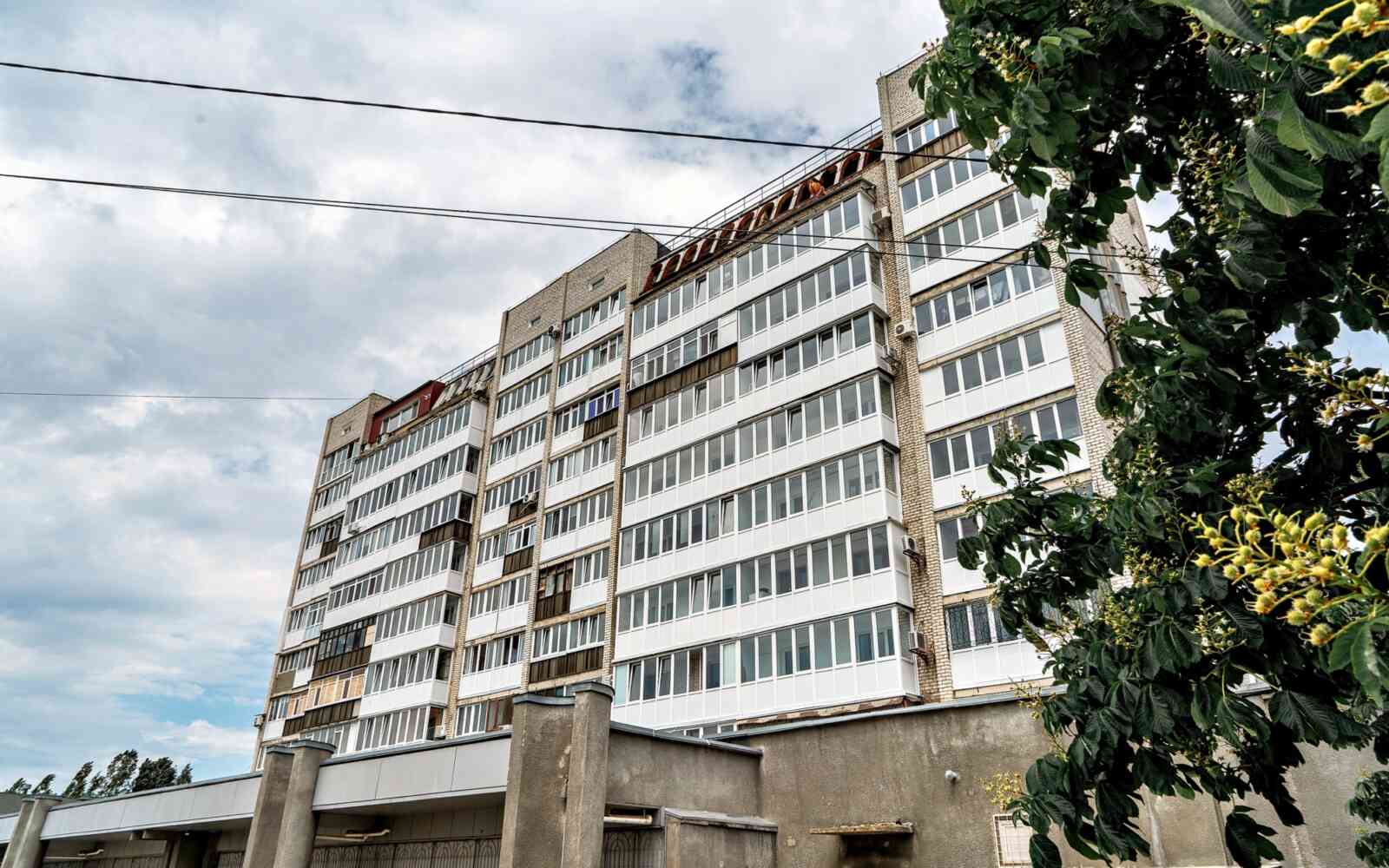
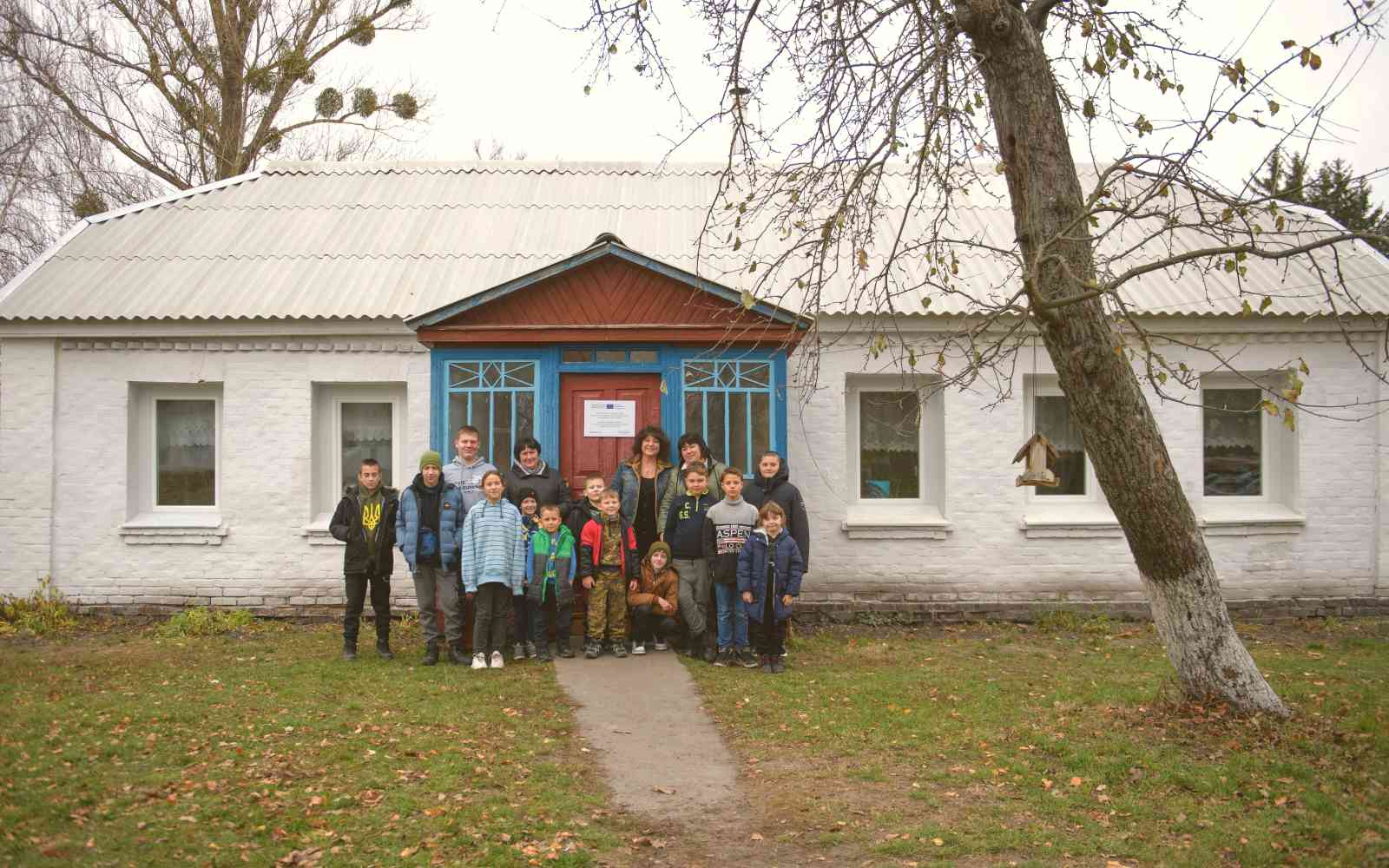
Rather than dispersing resources across disconnected interventions, support is concentrated geographically and programmatically. Housing repairs, schools, social infrastructure and utilities are addressed in coordination with local authorities and communities, and aligned with national recovery priorities. The shift is visible not in a single rehabilitated building, but in services beginning to function together again.
This settlement‑based approach recognises a simple reality: a repaired façade without heating is not recovery. Windows replaced without safe stairwells do not restore confidence. An asset delivered without the service functioning behind it does not stabilise a community.
Building on experience: Kharkiv
The same logic applies in Kharkiv, close to the front line. Years of energy resilience, social infrastructure and residential repair efforts have generated a foundation of implementation experience. The accumulated data, contractor performance records, technical benchmarks, and relationships with local authorities now constitute an asset in themselves.
The next step is to translate that accumulated experience into a coherent oblast‑level recovery pipeline, anchored in long‑term strategic planning rather than ad hoc intervention.
What we need now
Fragmented assistance, however well‑intentioned, risks creating islands of improvement without the architecture needed for systemic stability. What we need instead are scalable implementation platforms: structured frameworks that align donor resources, technical expertise and municipal priorities – and endure beyond a single project cycle.
This is not an abstract debate. It is about whether heat continues to flow through district systems during winter – whether children return to schools that function fully – whether residential buildings are restored in ways that make communities feel secure enough to stay.
The challenge now is to scale it.
Recovery in Ukraine is not waiting for the war to end. It is already underway where long‑term partnerships translate into area‑based implementation that keeps services running, communities stable, and recovery grounded in delivery.
If recovery is a wartime necessity, then Ukraine’s stability depends not on isolated achievements but on coherent, coordinated systems rebuilt with discipline and scaled with purpose.