



The United Nations Office for Project Services (UNOPS)
Frequently Asked Questions
What does UNOPS do?
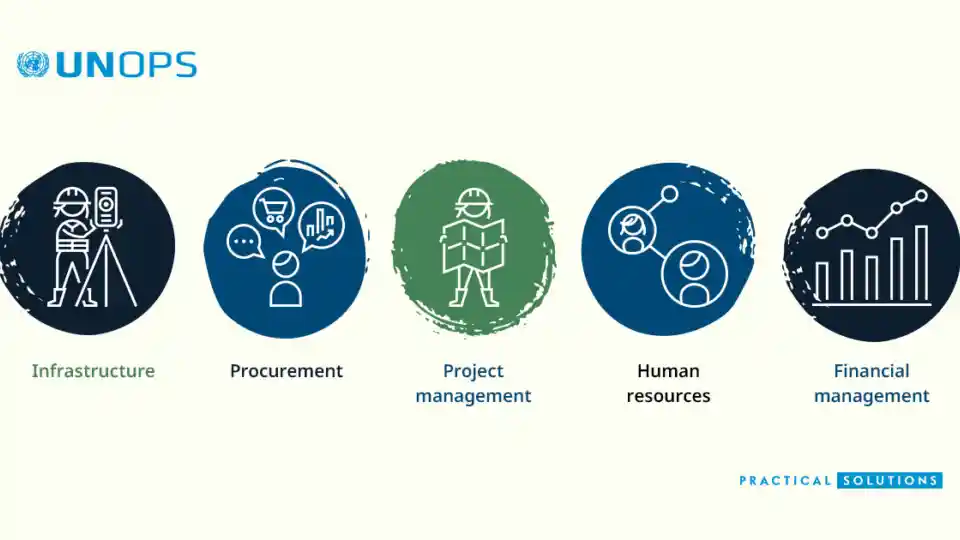
Operating in some of the world's most challenging environments, UNOPS provides partners with services and solutions in infrastructure, procurement, project management, human resources and financial management.
From enhancing transport, renewable energy, health and water infrastructure, to advising governments on ways to make public procurement more effective, UNOPS contributes to sustainable development and early recovery around the world.
Who are UNOPS partners?
UNOPS works with the United Nations system, international financial institutions, governments and the private sector to deliver practical solutions that help address urgent needs focusing on the communities we serve. UNOPS provides an operational backbone that enables multilateral action and helps partners deliver results that improve lives of people around the world.
Who are the five largest UNOPS partners?
Where funding was attributable to a partner, the top five in 2025 were: The World Bank, UN Secretariat, the Global Fund, the European Union and the United States of America.
How is UNOPS funded?
Unlike most UN entities, UNOPS operates on a self-financing, demand-driven model. UNOPS receives no core funding (assessed contributions), and each project covers its costs separately.
Learn moreFor every project, UNOPS agrees with partners on time-line, cost and quality. UNOPS charges a management fee – just over four per cent on average, one of the lowest in the UN system – to fully recover operational costs.
Why is UNOPS critical?
UNOPS is an agile organization with the ability to scale operations up or down quickly, including in fragile or conflict-affected contexts. The cost-recovery model drives value for money and keeps overhead costs low with partners benefitting from global platforms and shared services that pool resources and expertise helping to deliver impact at scale.
Where does UNOPS work?
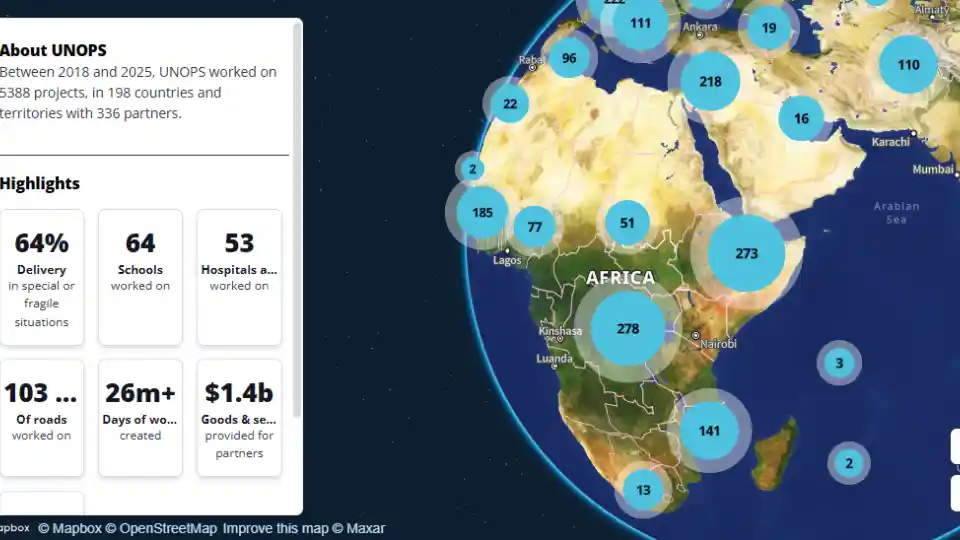
UNOPS delivers projects in more than 130 countries and territories around the world. More than two thirds of the work of UNOPS is delivered in special or fragile situations.



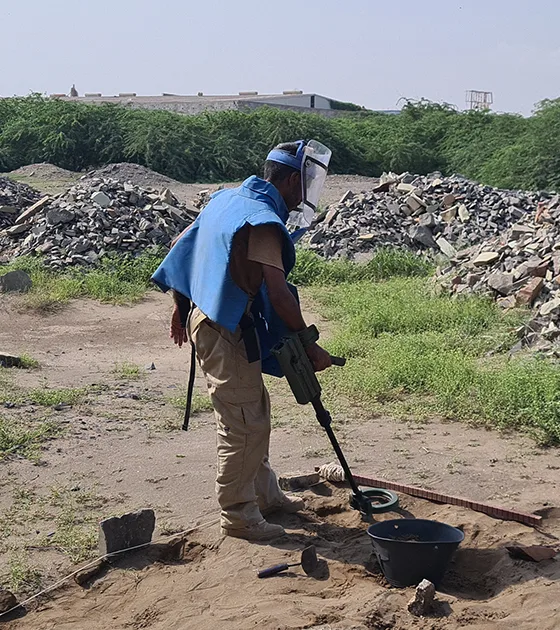
Where are the main countries and territories that UNOPS works?

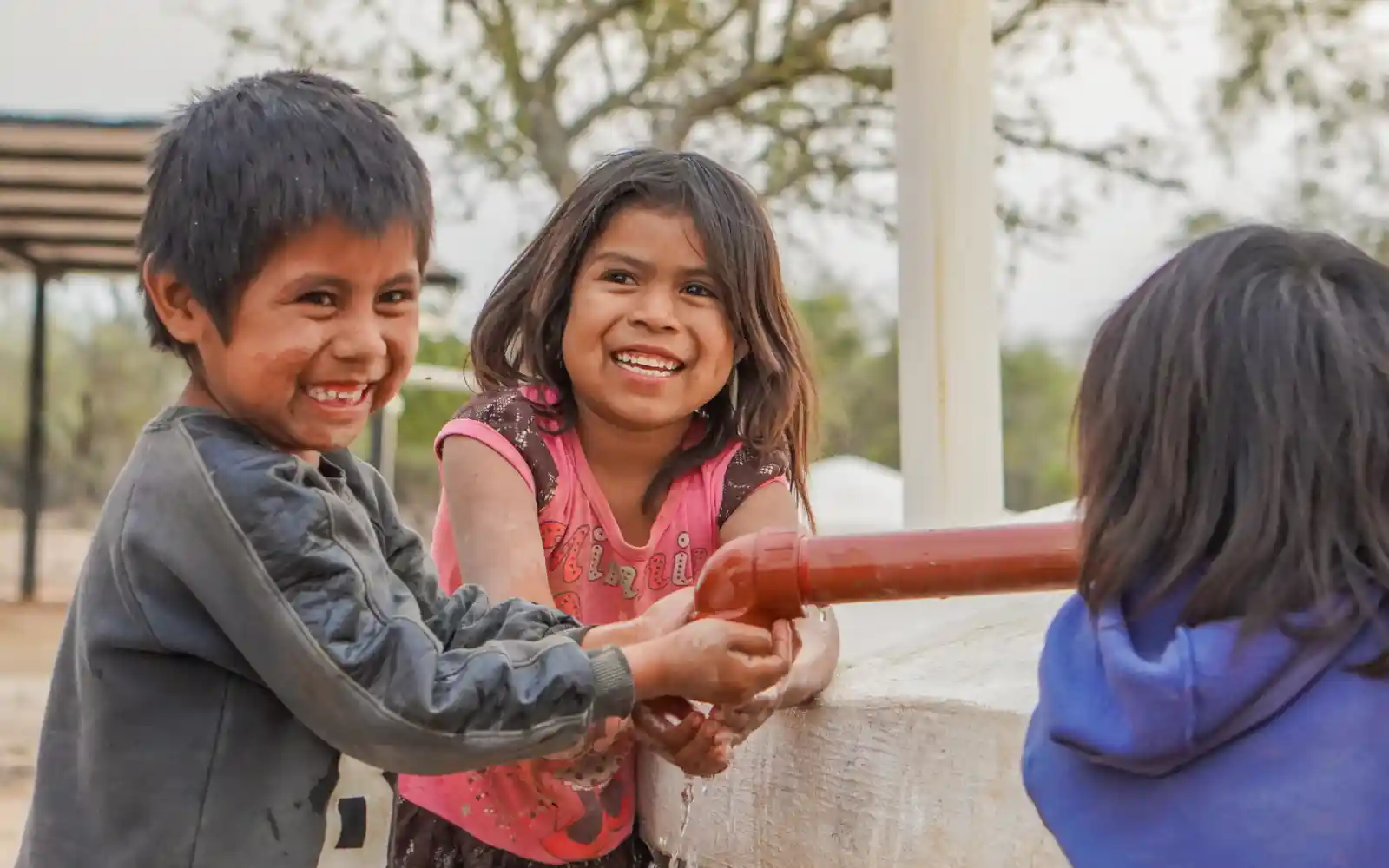
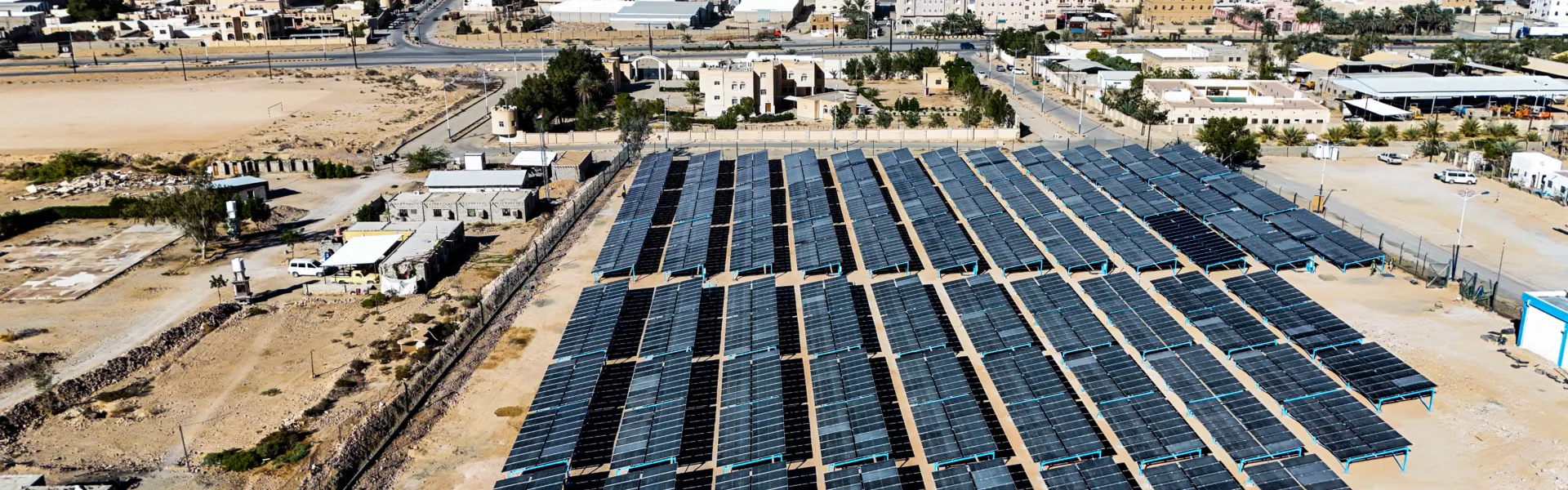
Where has UNOPS had the most impact?
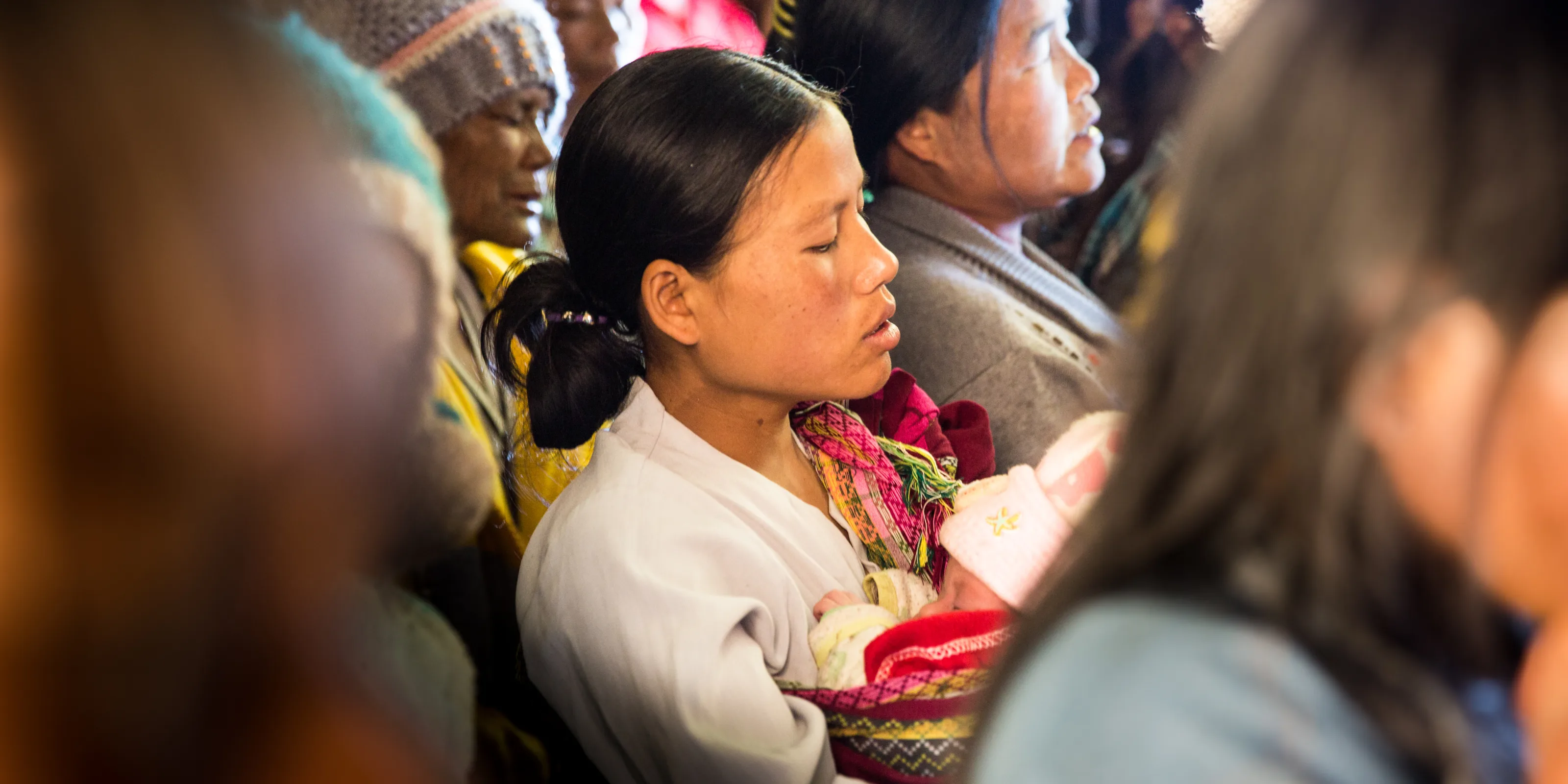
A significant example of a scalable and measurable impact for people is the Myanmar portfolio. The Global Fund withdrew its grants to Myanmar in 2005 given emerging challenges in the country. A group of donors created the Three Diseases Fund (3DF) in 2006 to provide assistance to affected communities and reduce the burden of HIV/AIDS, tuberculosis and malaria.
To operationalize 3DF, UNOPS support services platform was chosen due to its flexibility and adaptability. Covering a period that included natural disasters and political disruption, a series of health programmes have provided life-saving support to millions of people every year. With UNOPS support, the Access to Health Fund – building on the success of 3DF and other multi-donor funds – continues to support these health programmes today*. UNOPS is the largest in-country UN presence.
- *The Access to Health Fund (2024-2028) is the fourth round of multi-donor financing for health in Myanmar, building on the work of the Three Diseases Fund (2007-2012), the 3MDG Fund (2013-2018) and the first phase of the Access to Health Fund (2019-2023).
How does UNOPS work with the private sector?
UNOPS works closely with the private sector, including companies, foundations, and philanthropies, to turn resources into a tangible social, economic and environmental impact, backed by UN accountability.
For many of the projects implemented by UNOPS, the organization sub-contracts private sector partners, particularly local companies, helping to create livelihood opportunities, strengthen markets and build national capacity.
What is the largest project that UNOPS delivered recently?
The largest project over the last five years that UNOPS delivered was in Mexico. To help maximize the efficiency, transparency and effectiveness of medicine procurement, UNOPS partnered with the government in the country to purchase medicines and medical supplies on behalf of Mexican public health institutions as part of a $6.1 billion USD agreement.
UNOPS implemented an international public bidding process in line with UNOPS regulations, rules, policies and procedures and from 2020 to the end of 2022 supported the government in procuring and delivering more than 800 million units of medicines, medical supplies and devices.
Why choose UNOPS instead of the private sector?
UNOPS can quickly set up project offices, including in fragile and conflict-affected settings – sometimes where the private sector may be unable or unwilling to operate.
In addition, UNOPS transfers knowledge in procurement, infrastructure and project management to local governments, helping build national capacity and long-term project sustainability.
As a UN organization, UNOPS upholds UN values and transparency and helps partners promote integrity, inclusion, sustainability and fair competition.