


The United Nations Office for Project Services (UNOPS)
Empowering Yemeni communities now and for the future
In Yemen, a road rehabilitation project is providing immediate income and long-term skills for locals, helping communities rebuild from the ground up.
Years of conflict in Yemen have strained its economy. Unemployment rates have soared, with national labour force participation rates among the lowest in the world at just 32 per cent.
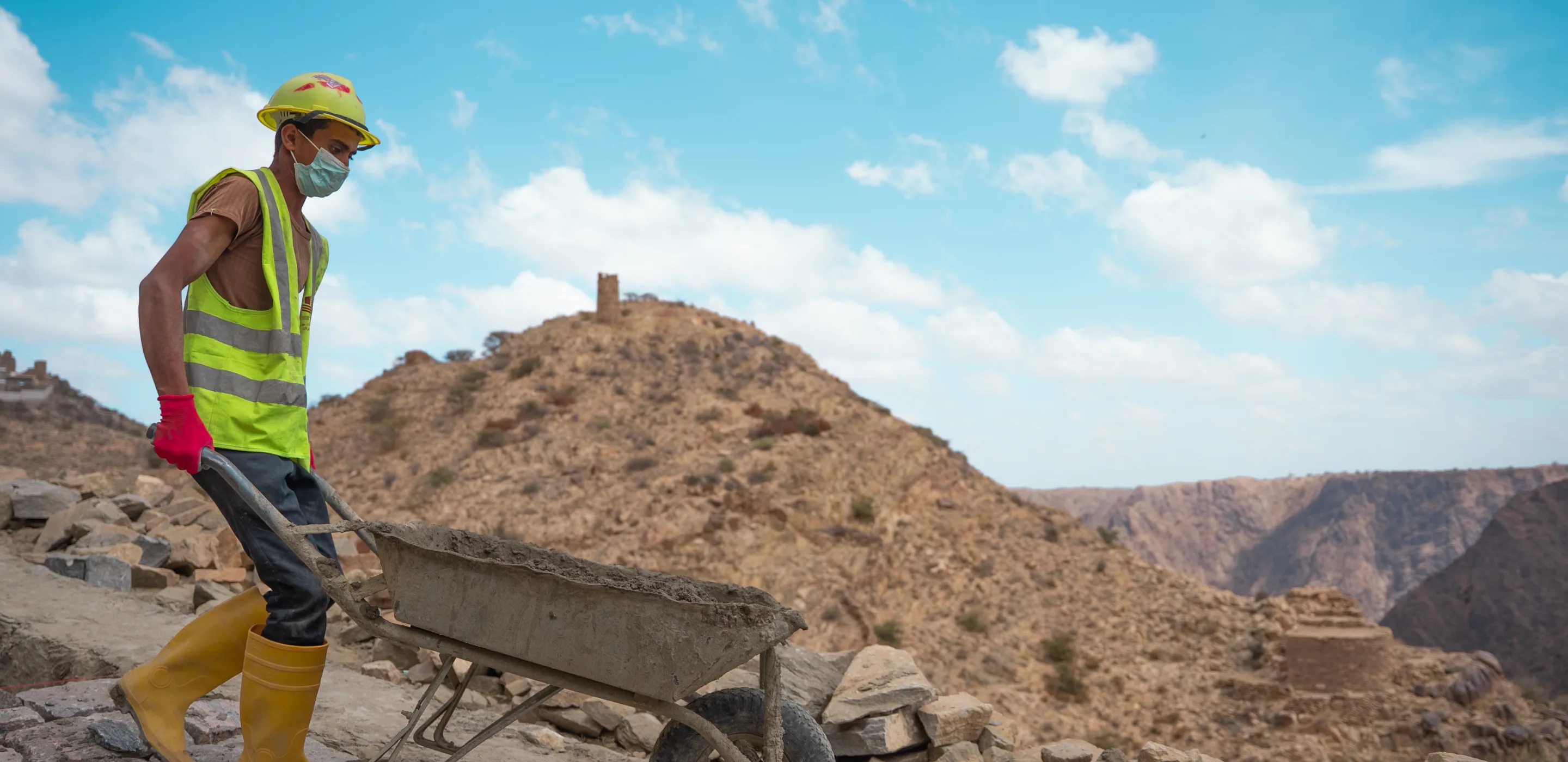
Through the World Bank International Development Association-financed Yemen Emergency Lifeline Connectivity Project, road rehabilitation and maintenance works are helping counter this crisis by creating immediate income opportunities for local residents.
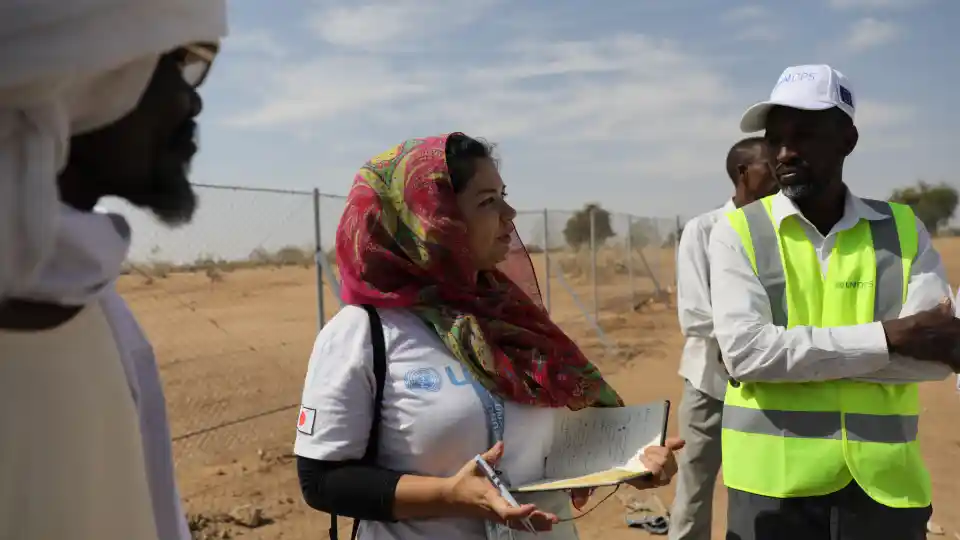
To date, the project has generated over 916,000 labour days for more than 11,000 workers – including nearly 500 women – equipping them with the skills needed for future employment.
From local labourers to women engineers and micro-enterprise owners, the project is fostering a foundation for long-term resilience. By investing in people as well as pavement, we’re working to empower Yemeni communities now and for the future.
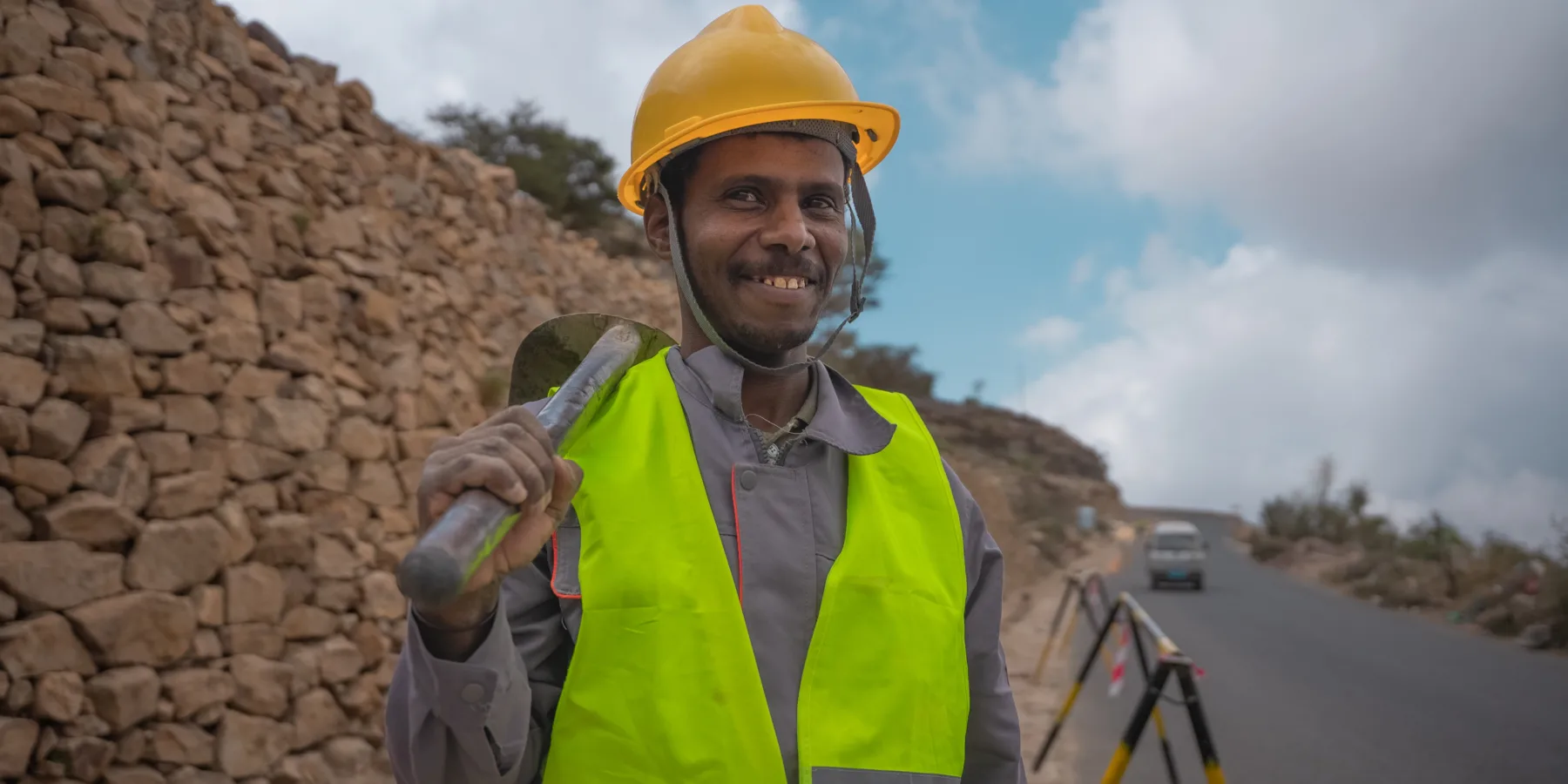
Ahmed Ali, local worker
Duaa Al Kamali HSSE Officer, Ghadeer Aqaba Construction Co.
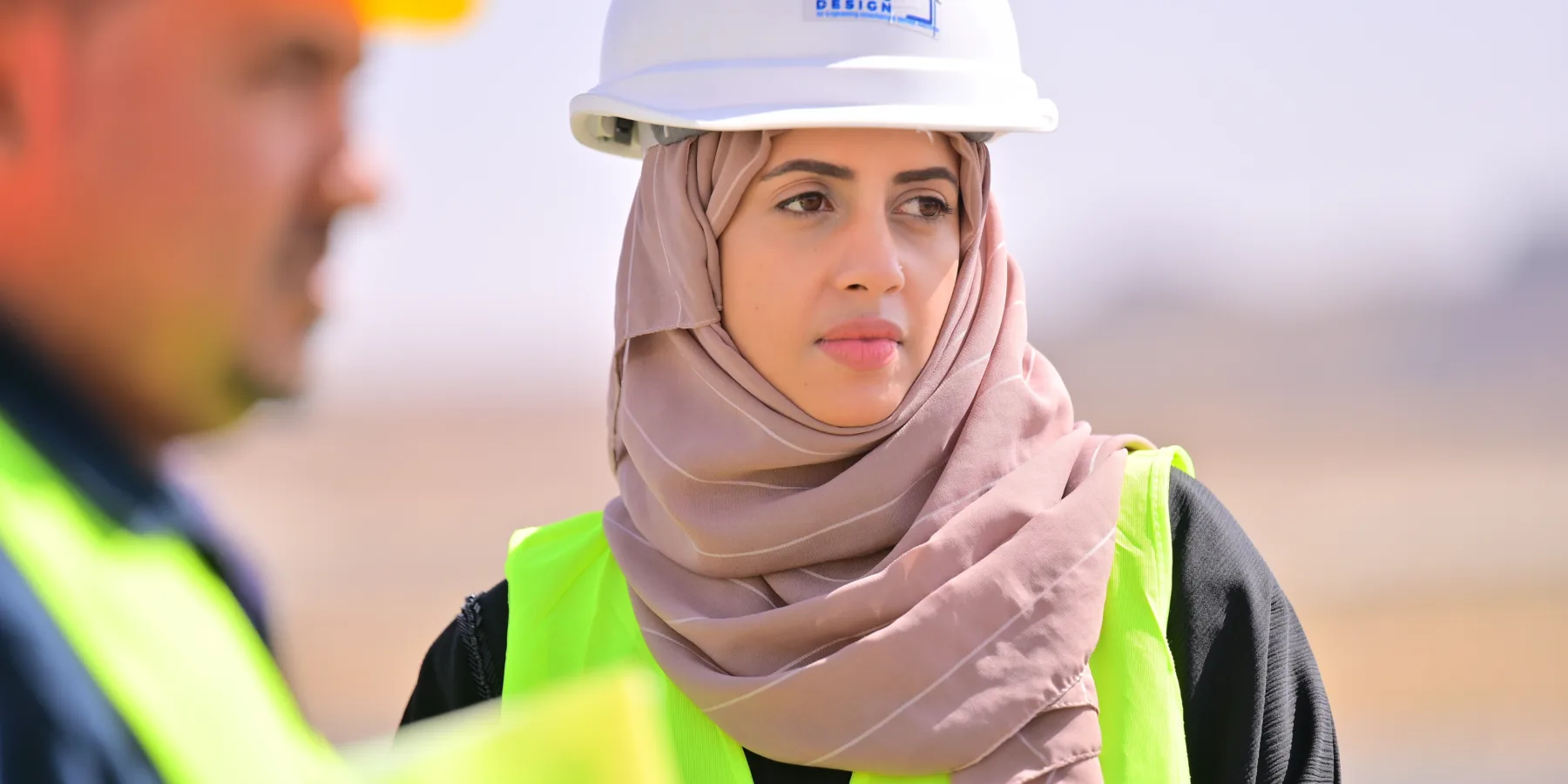
“Before the UNOPS training, I had never worked in road construction. The support I received helped me build the technical skills and confidence to start bidding for tenders. My plans for the future are to not stop at where I am now.
I will continue applying for bids not only at UNOPS but also for other international tenders.”
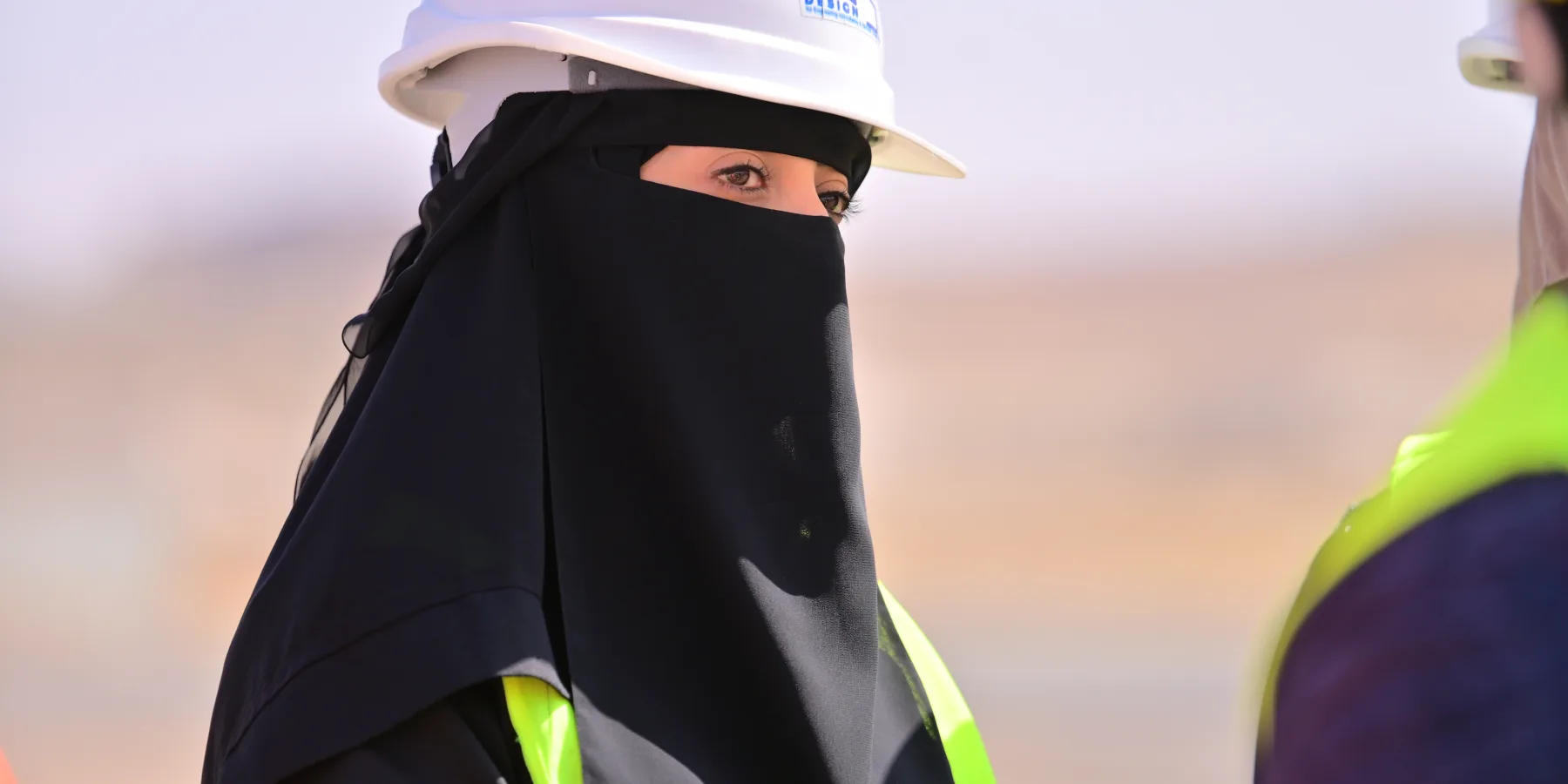
Ghadeer Aqaba, architect and roads contractor
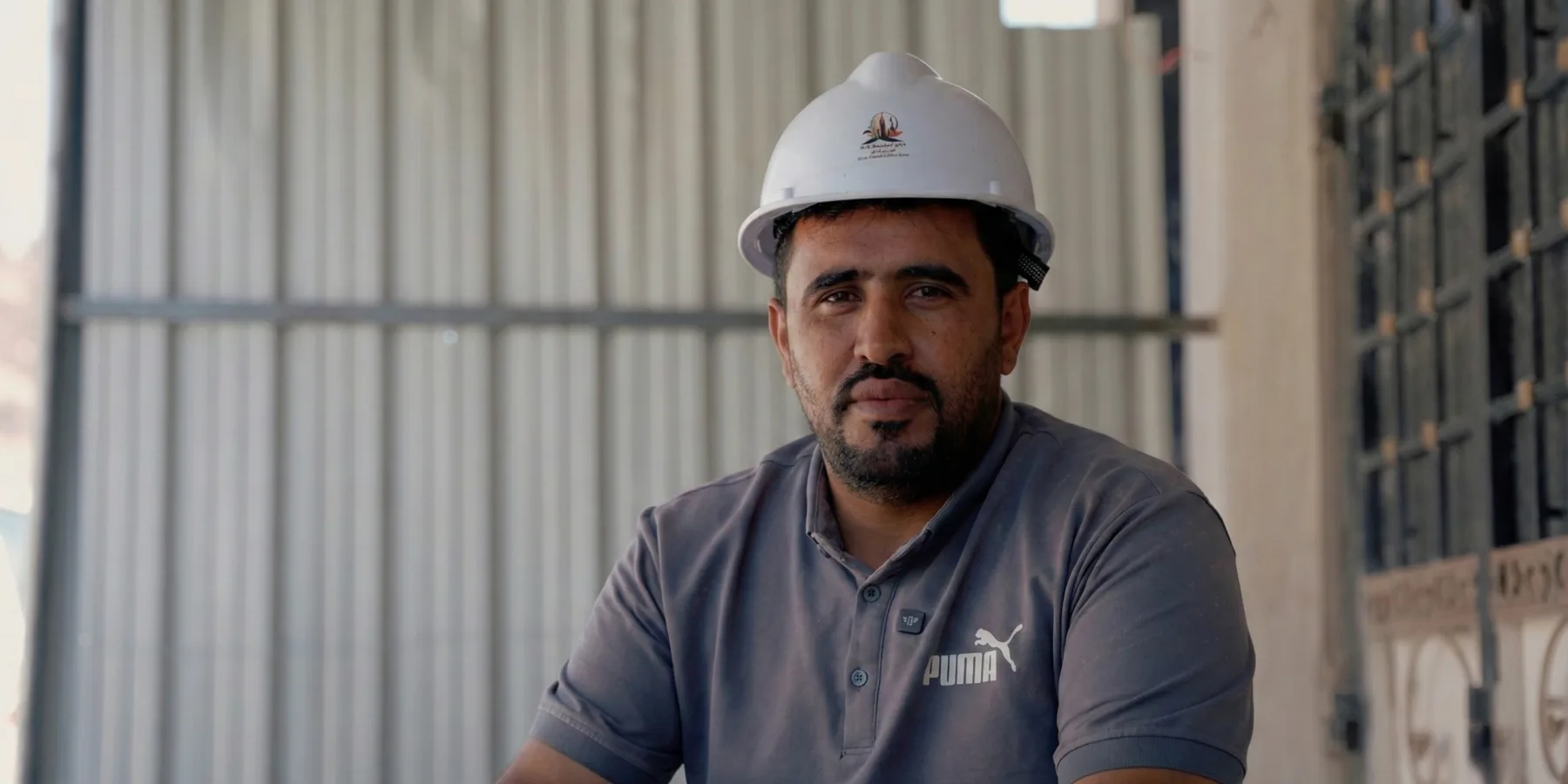
Masoud Awad, Gharama Foundation for Construction
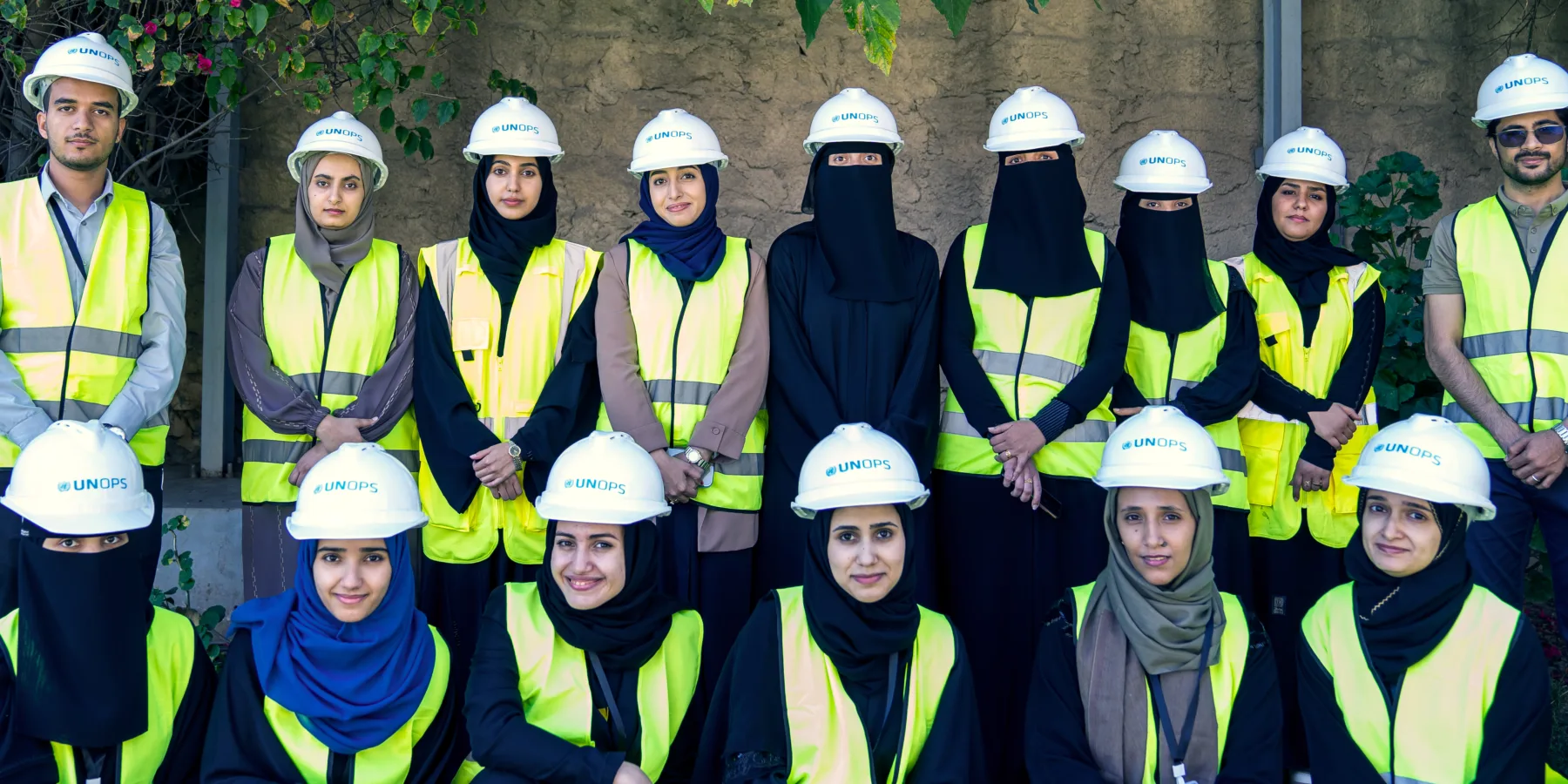
Reema Al Sumairi, Engineer
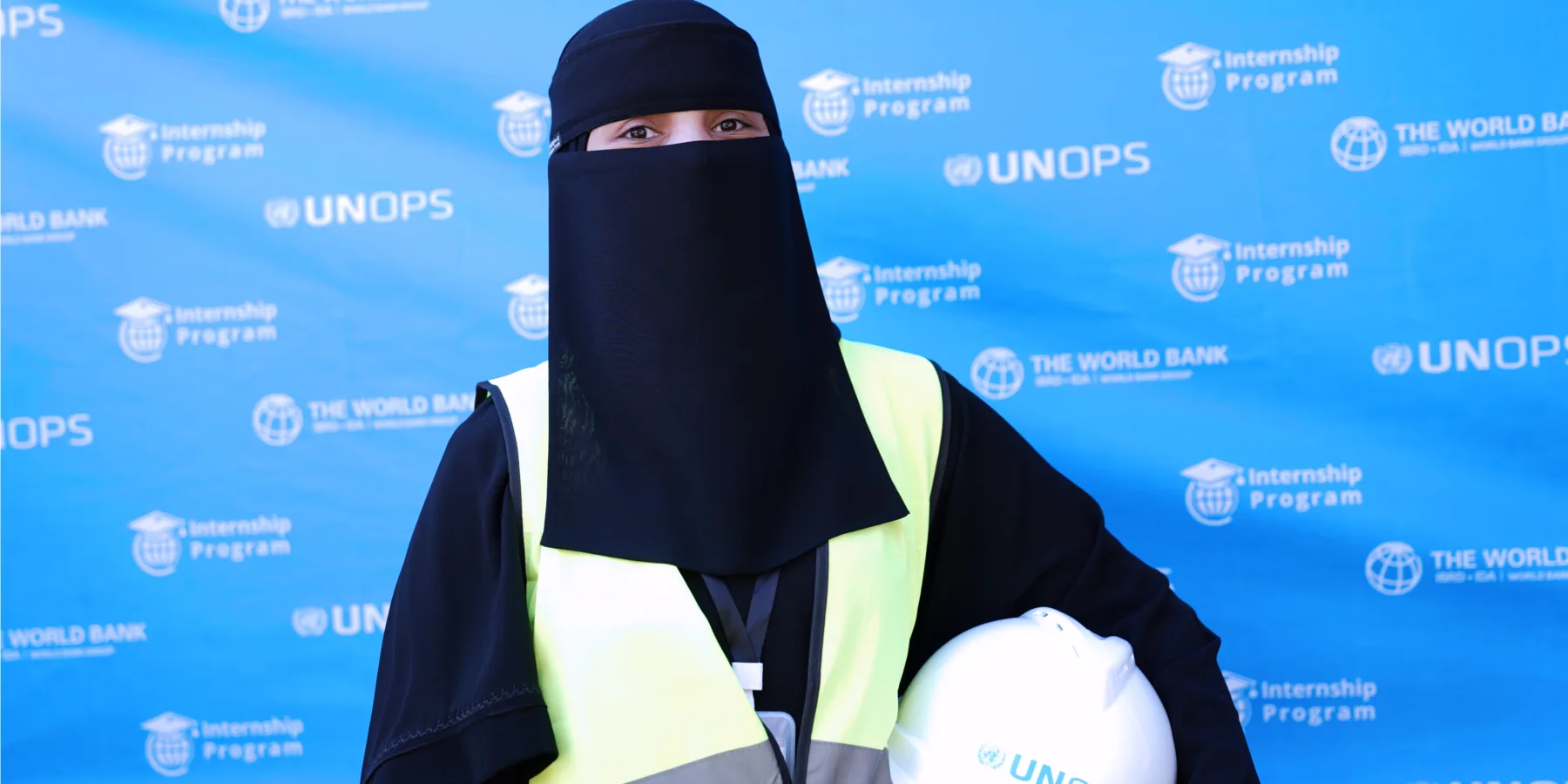
Yassmin Al Kalissi, Engineer
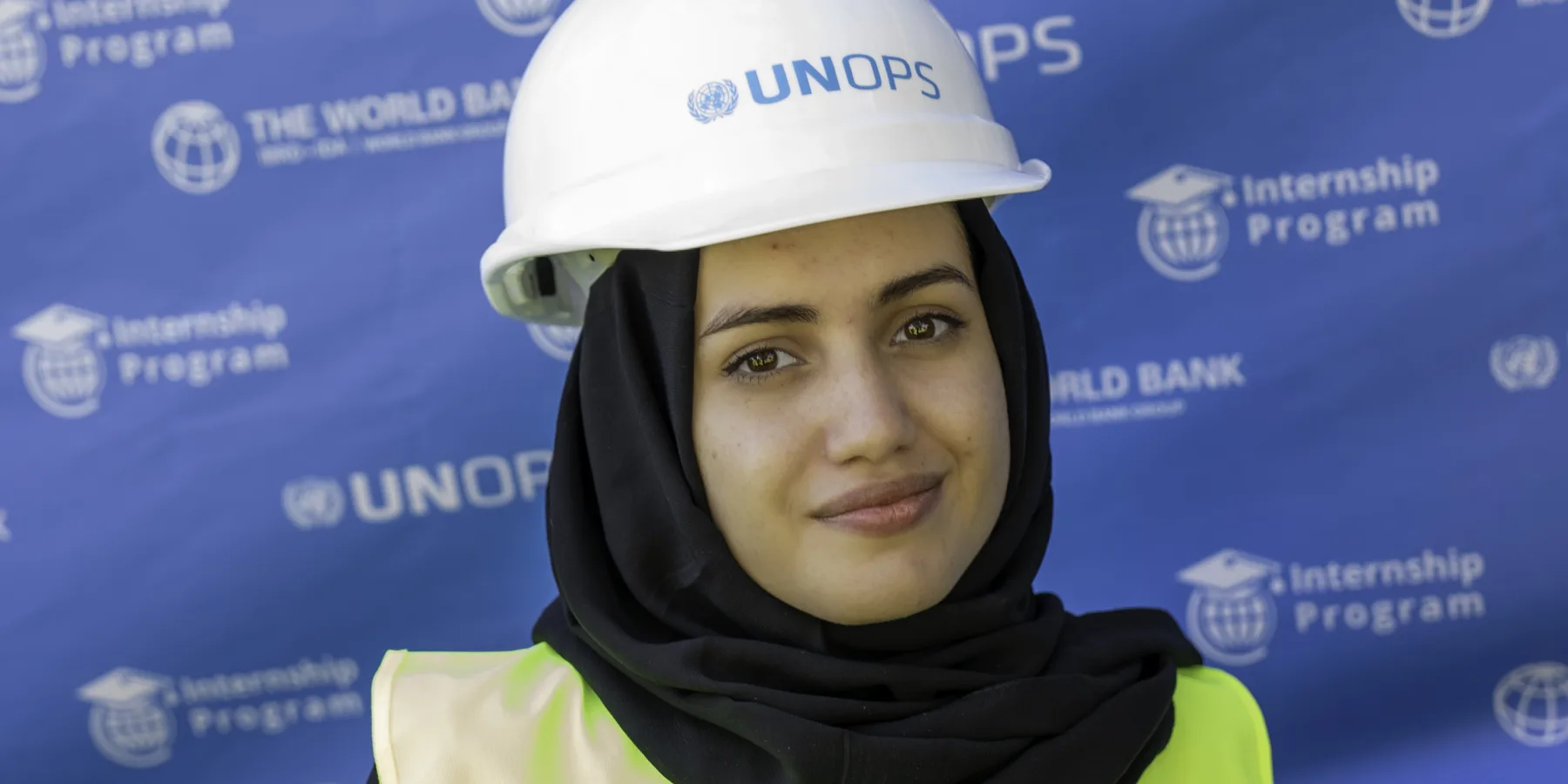
About the project
Financed by the World Bank and implemented by UNOPS, the Yemen Emergency Lifeline Connectivity Project (YELCP) is a $50 million project running from February 2022 through June 2026. The project focuses on rehabilitating climate-resilient rural and village access roads to enable year-round access for communities facing extreme weather.
Beyond infrastructure, the project drives economic recovery by creating short-term jobs through community micro-enterprises, while also promoting gender inclusion through a dedicated internship programme for women engineers. YELCP is also helping create stronger institutions through training and capacity building initiatives focused on the transport sector. This promotes the longer-term sustainability of the rehabilitated road networks.
Global Goals we are supporting through this initiative: