



The United Nations Office for Project Services (UNOPS)
In pictures: As a humanitarian crisis deepens in Gaza, a call for action rings clear
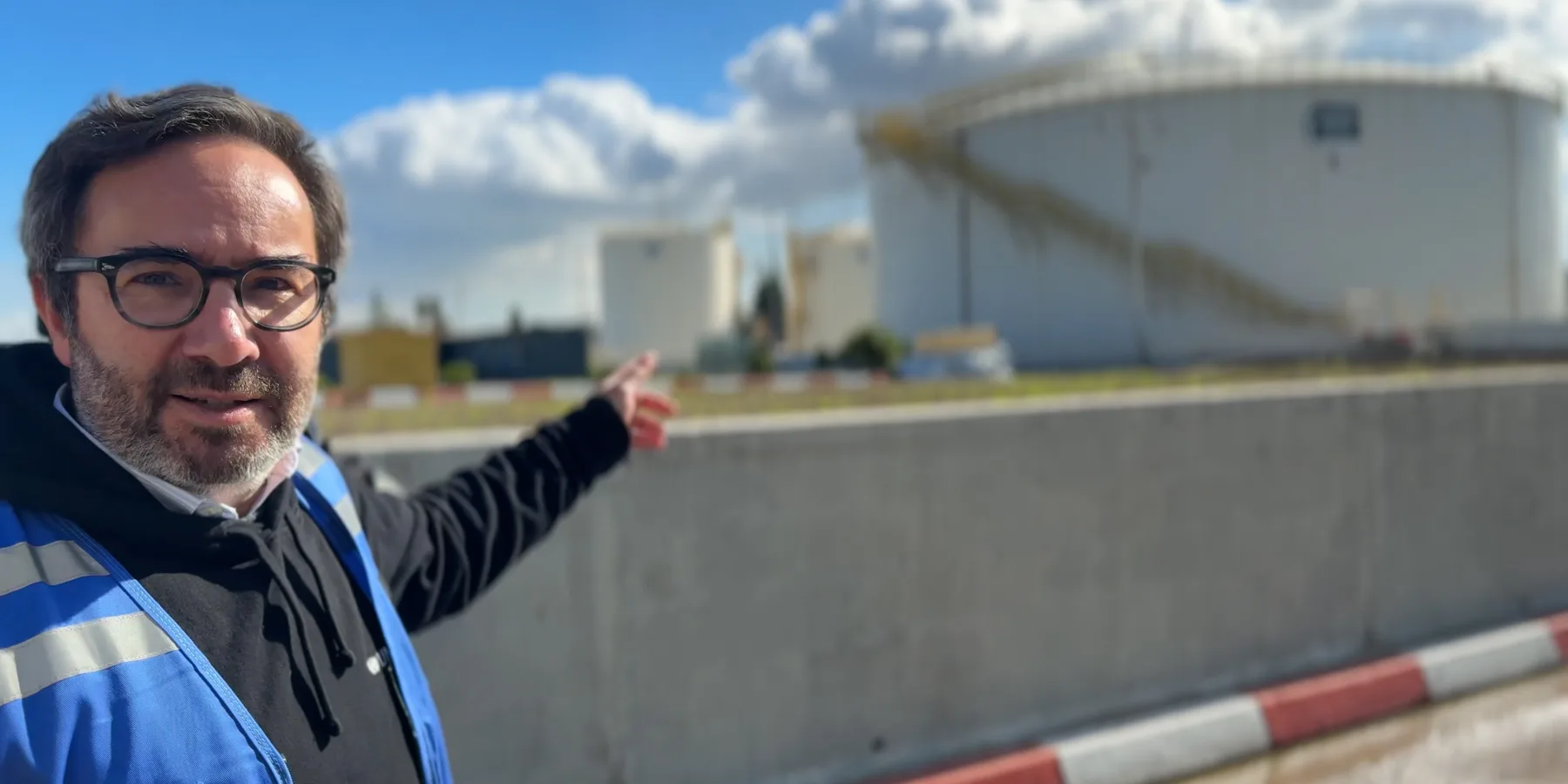
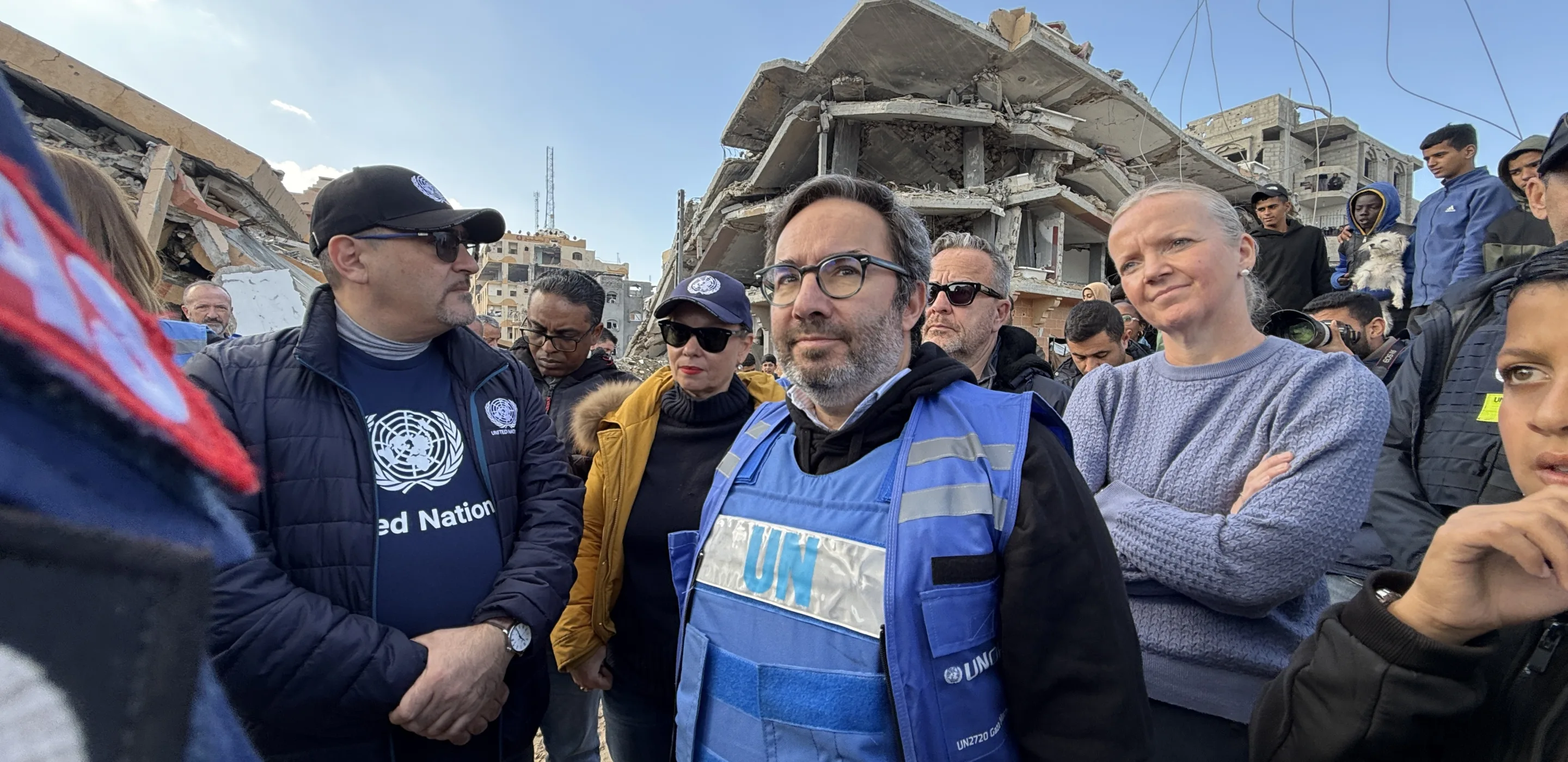
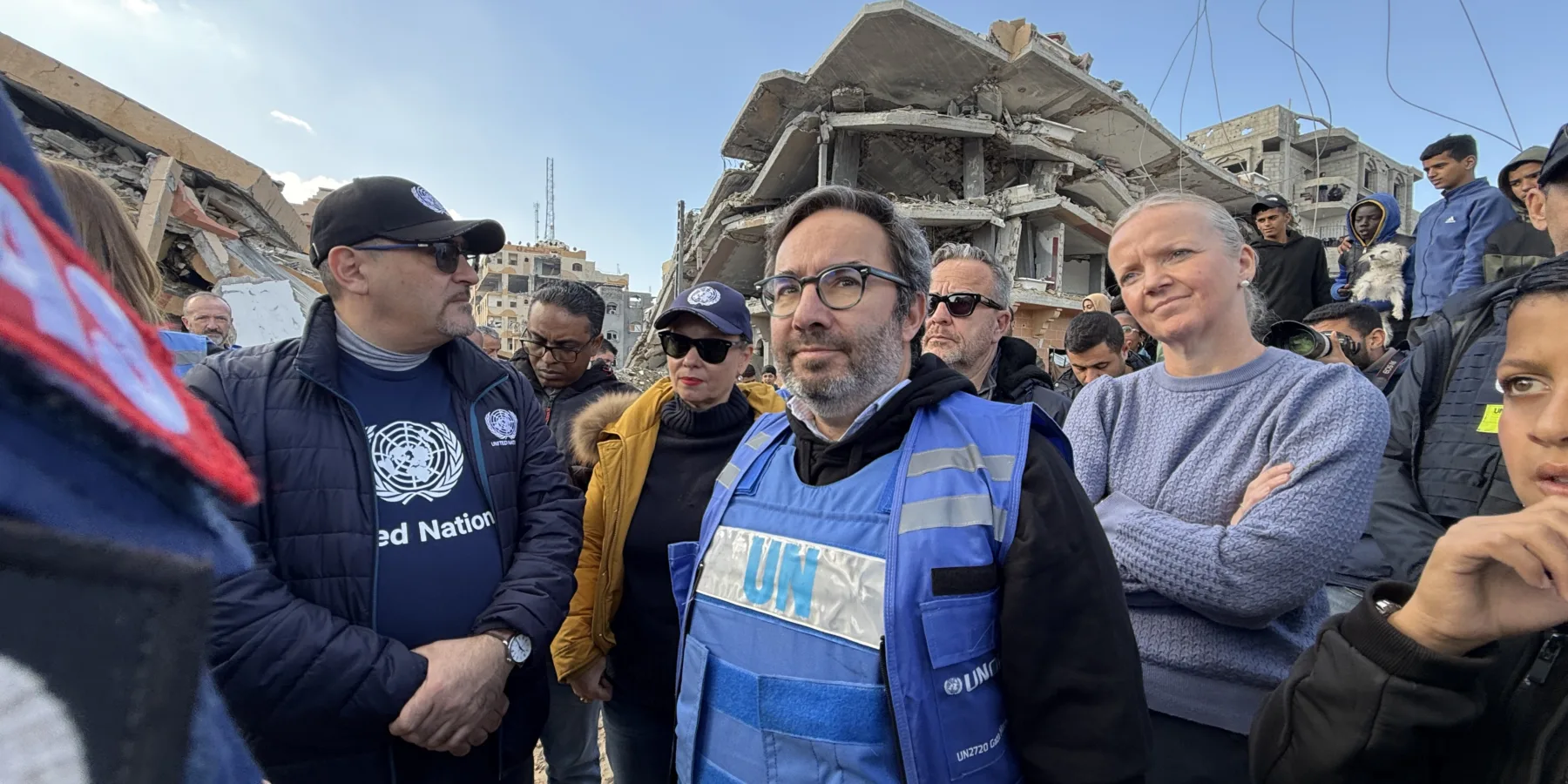
UNOPS Executive Director Jorge Moreira da Silva visited the Gaza Strip this week, where harsh winter conditions are exacerbating an already dire situation.
Fuel is the backbone of humanitarian operations and essential services in #Gaza.
— Jorge Moreira da Silva (@UNOPS_Chief) January 15, 2026
I was fortunate today to meet our team in #Gaza that manages the transloading, distribution and monitoring of fuel - a lifeline for bakeries, hospitals, water, sanitation and food services.
We need… pic.twitter.com/sH51jvu09P
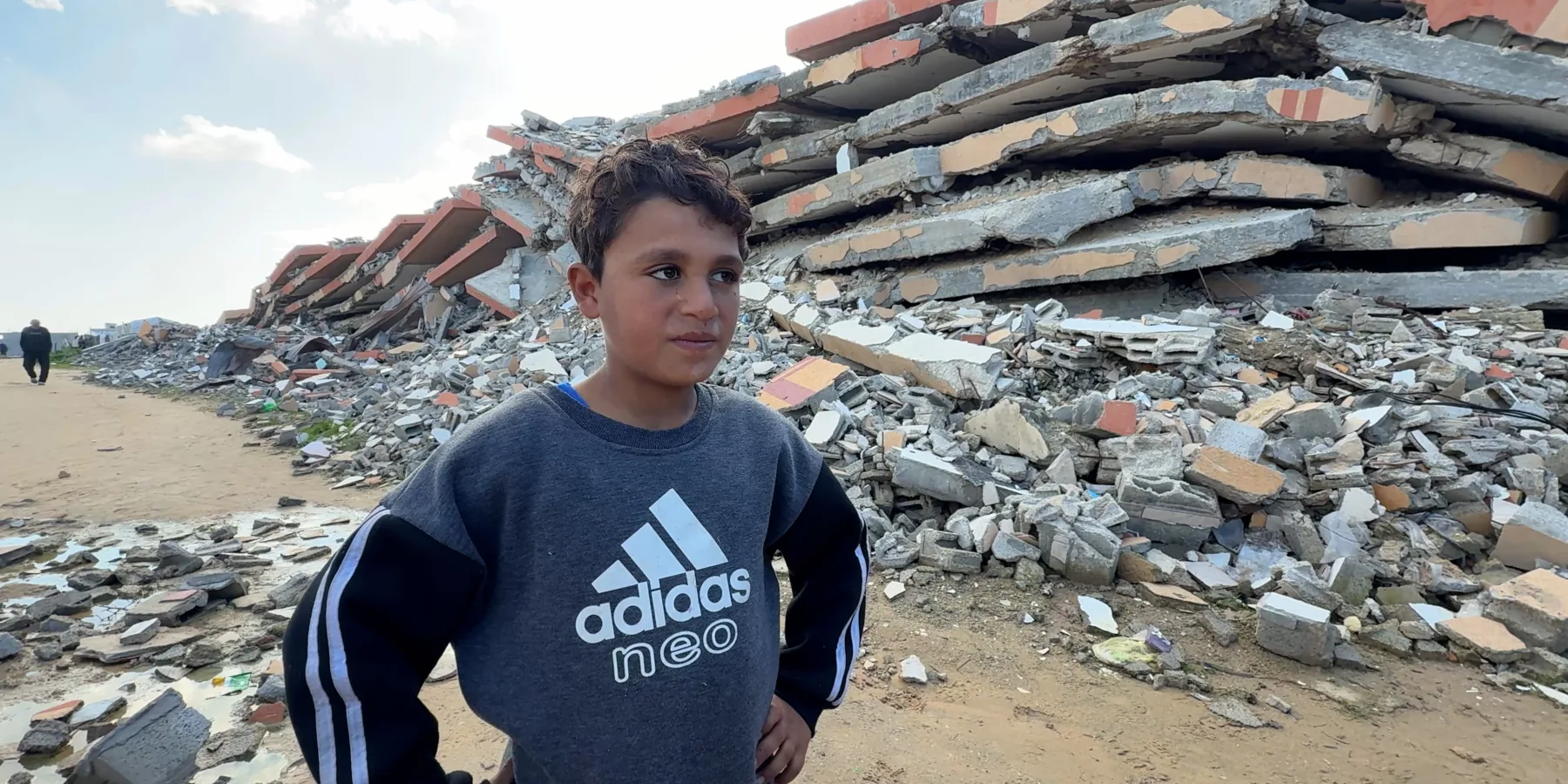
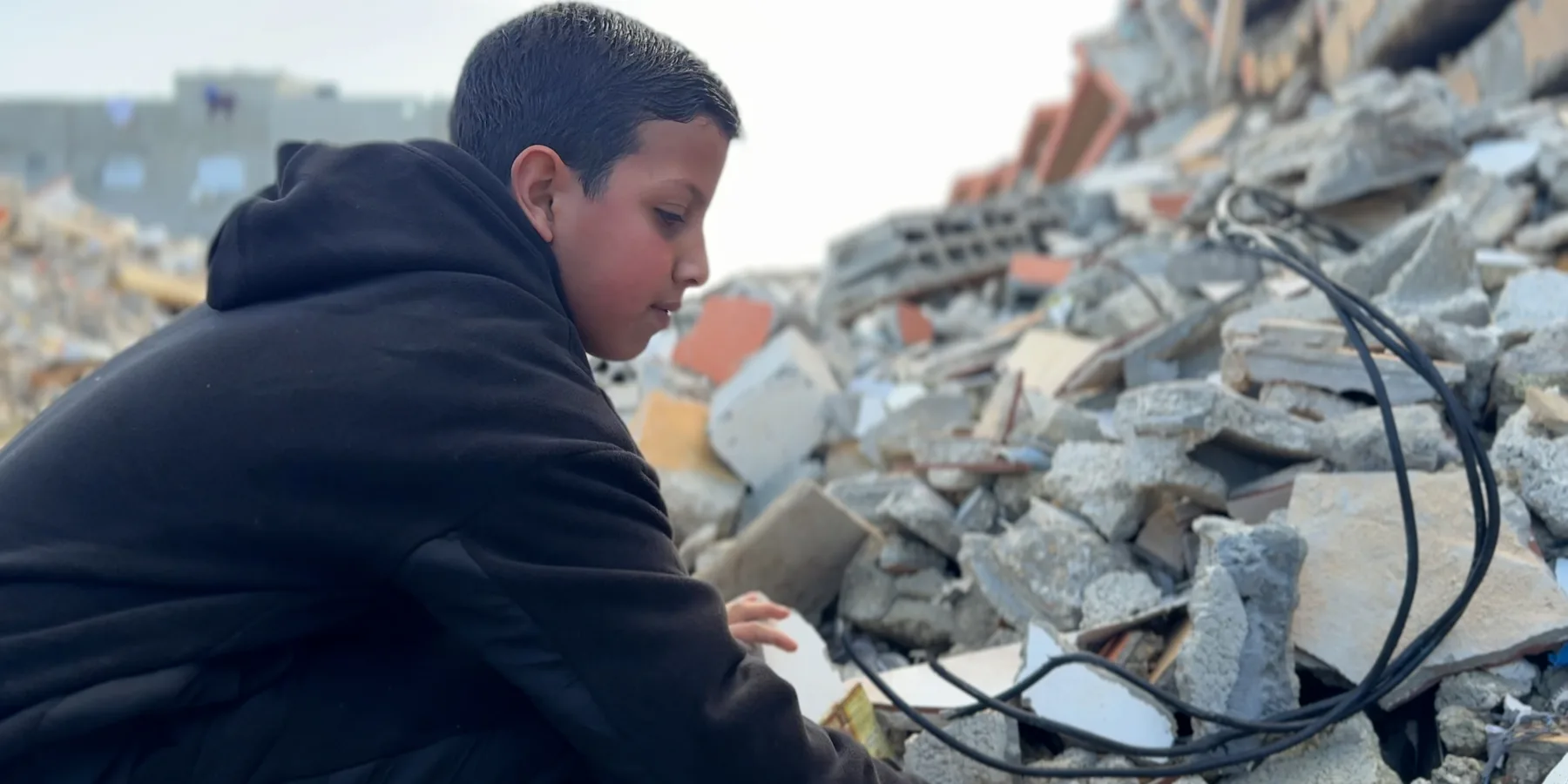
While a three-month ceasefire has brought a degree of respite to the 2 million people living in the territory, residents continue to live in dire conditions. People are exhausted, traumatized and overwhelmed. Now, the onset of winter and recent torrential rains are intensifying the misery and desperation.
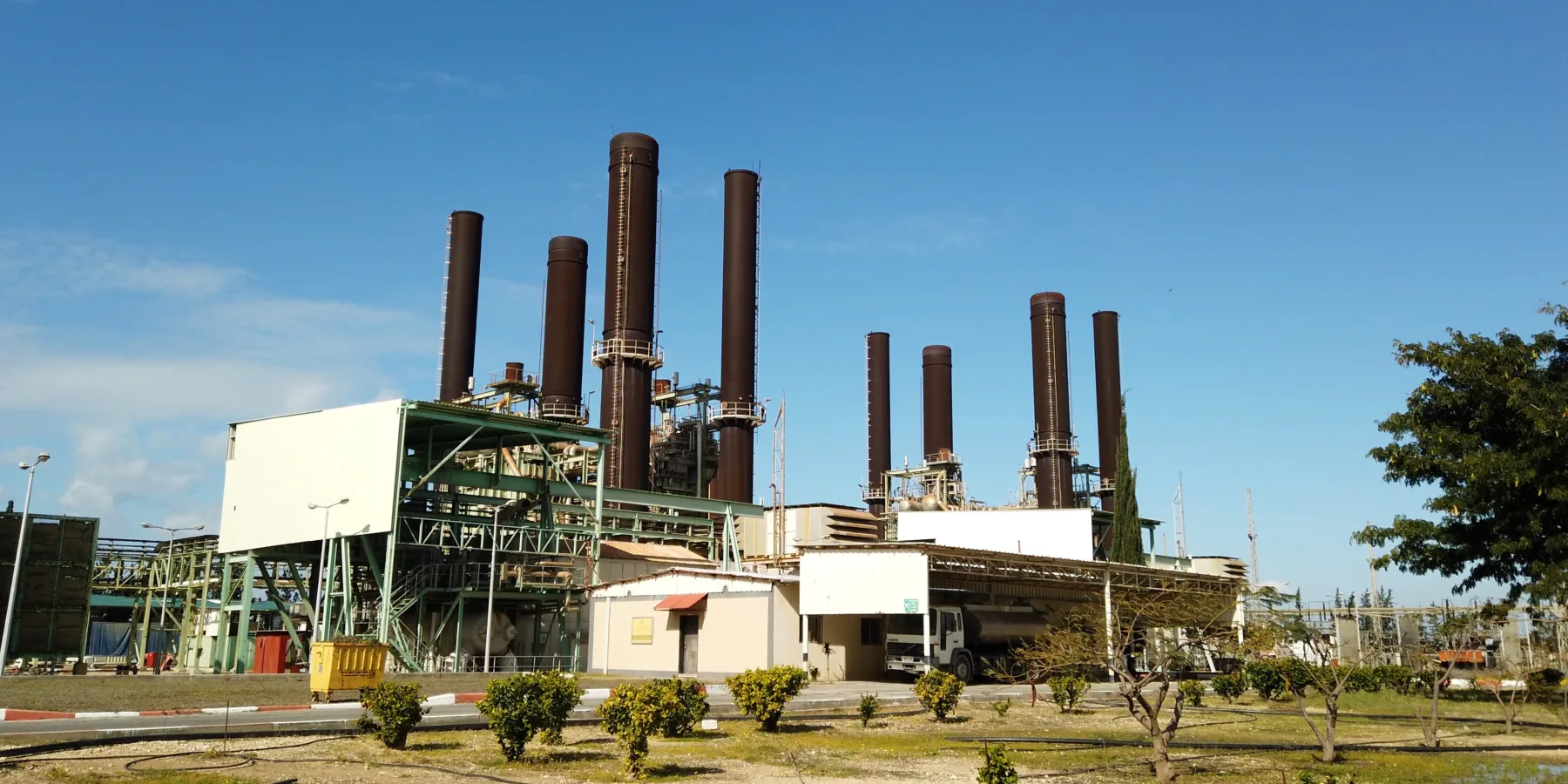
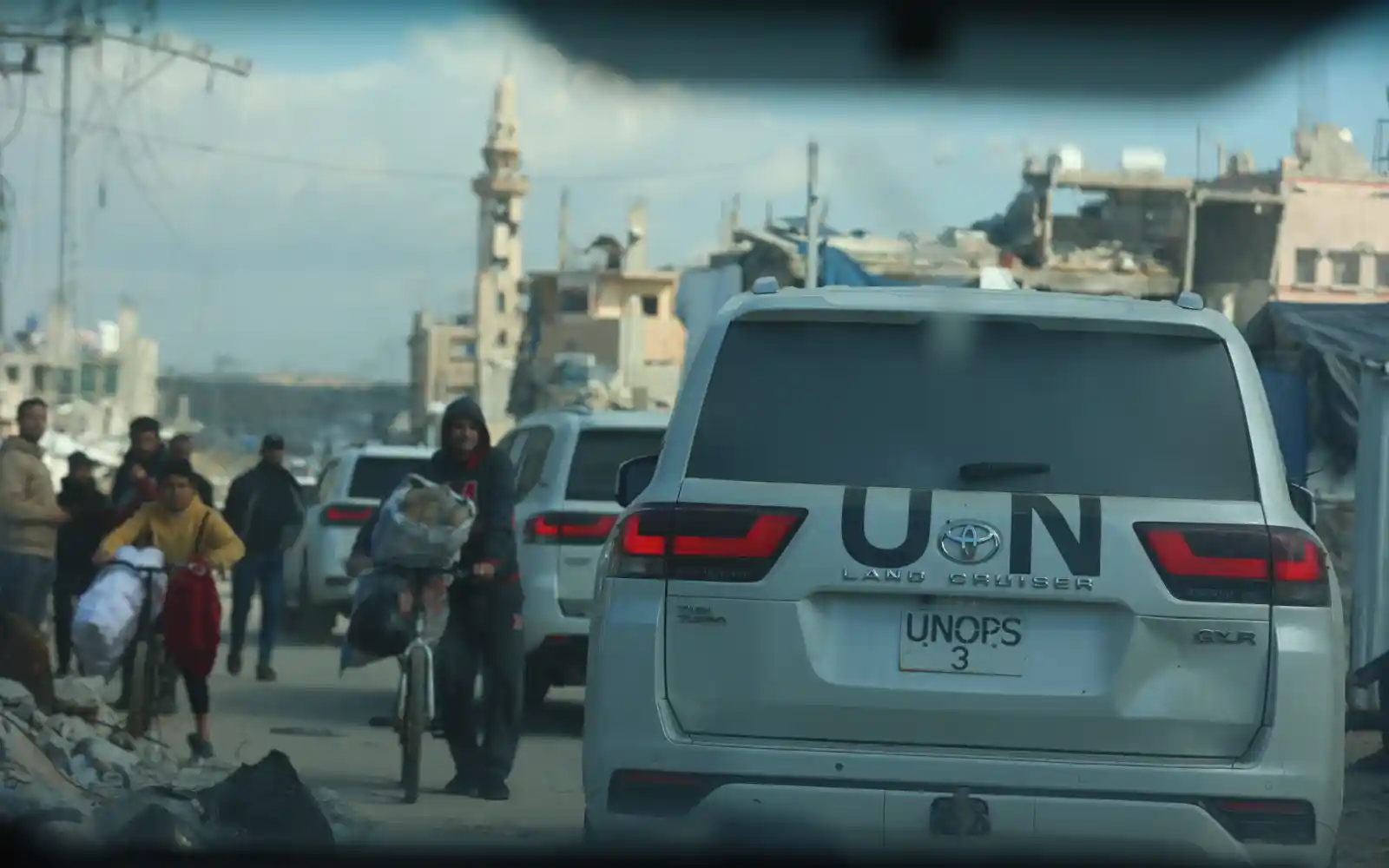
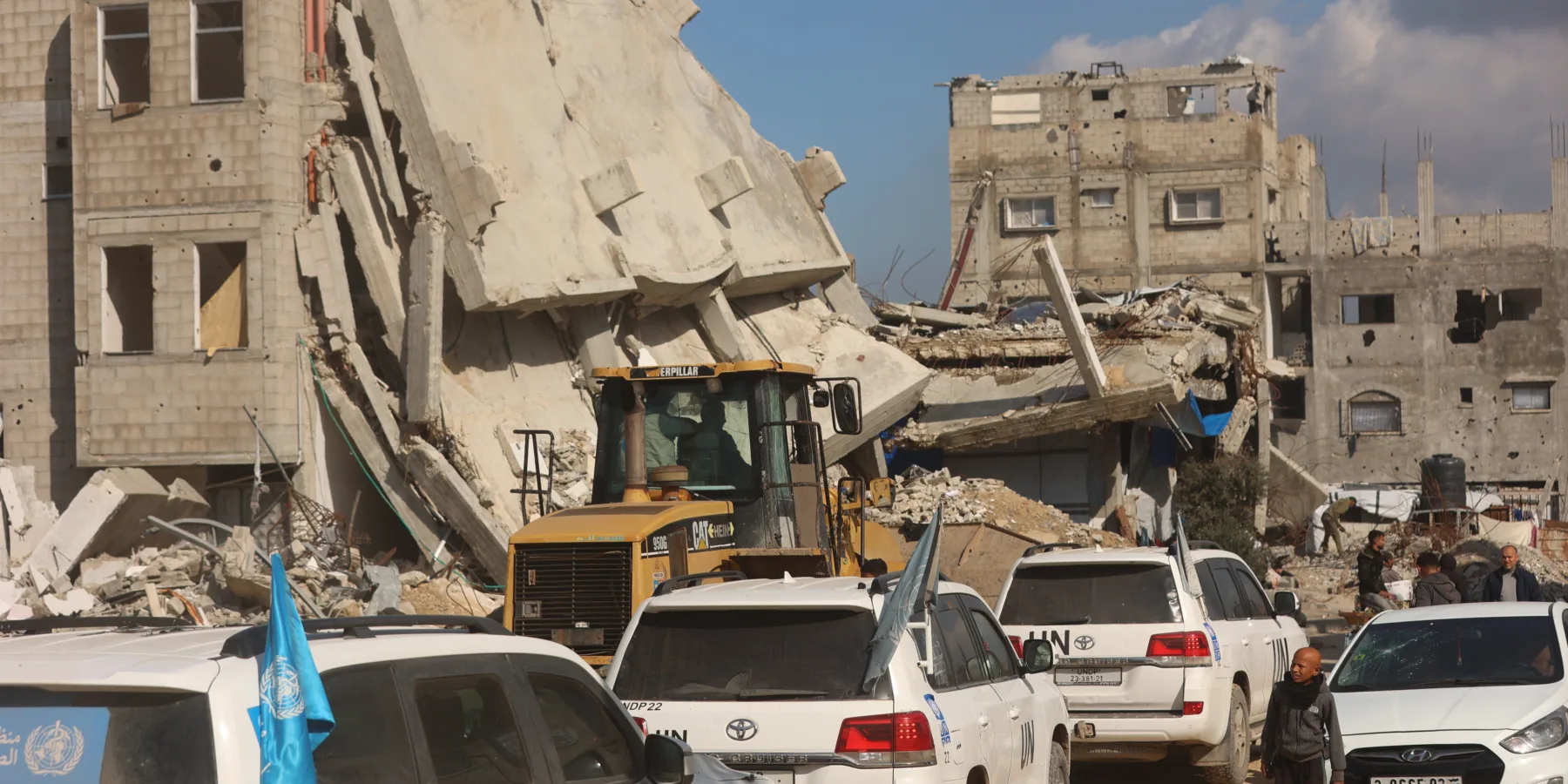
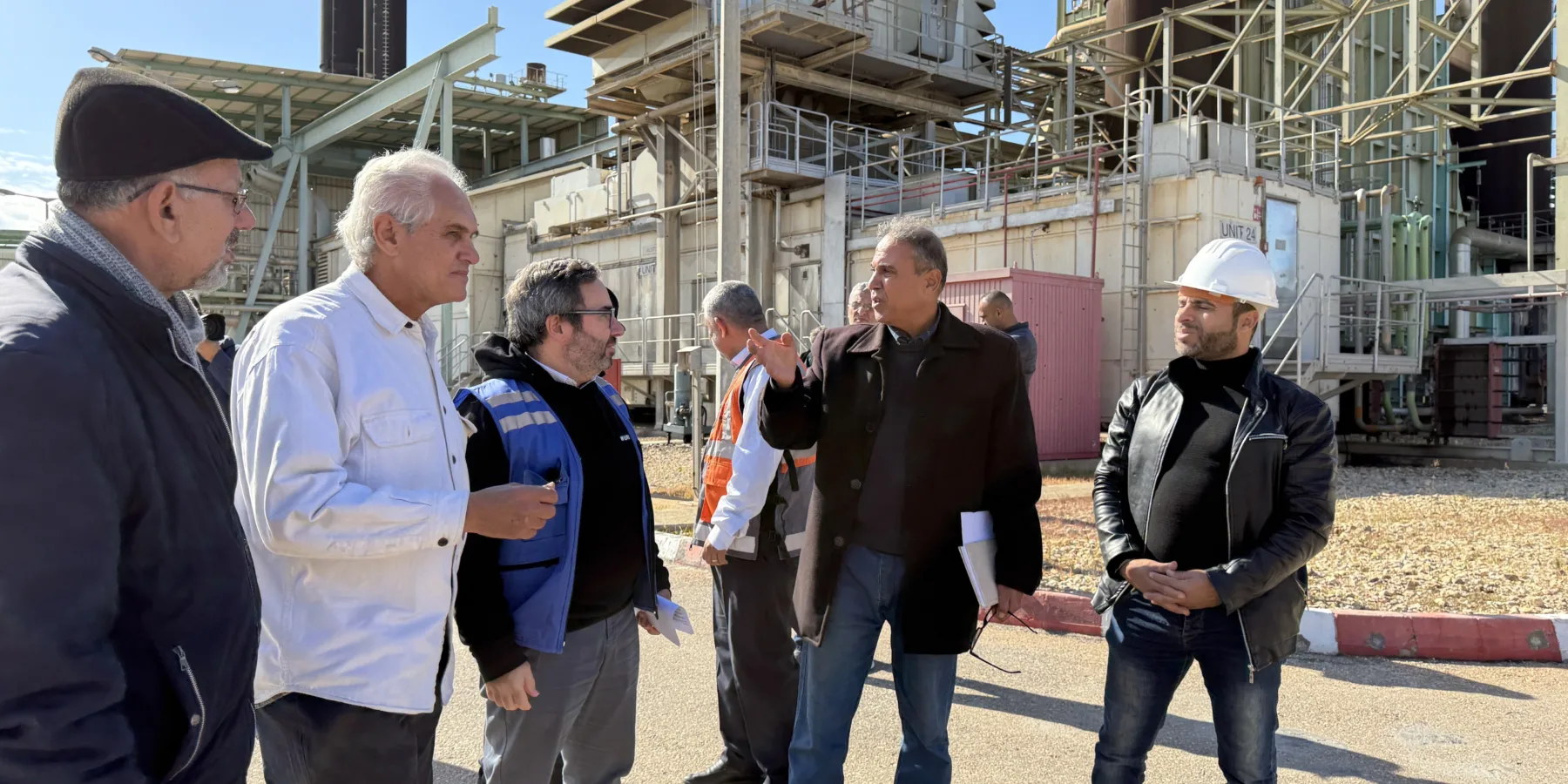
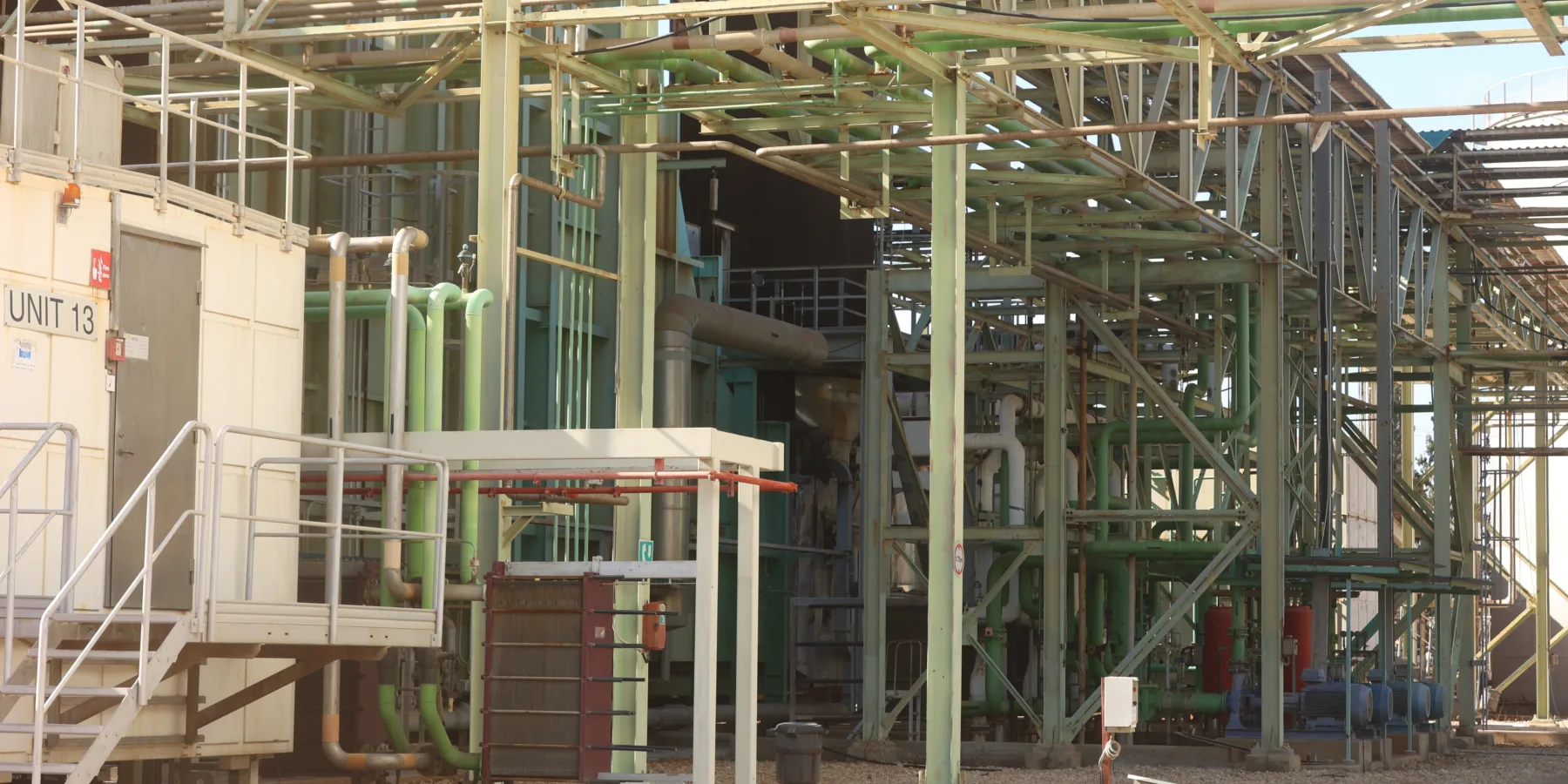
During his visit to the Gaza Strip, the Executive Director witnessed the overwhelming amount of rubble, and visited key sites including Gaza’s sole power station and a fuel platform. He met residents who have been displaced multiple times, and spoke with UN partners and UNOPS personnel who continue to deliver critical services under extreme pressure and insecurity.
Increased humanitarian access and the fuel required to power vital operations remain in desperate need. Furthermore, an estimated 60 million tonnes of rubble must be safely cleared – including unexploded ordnance – to ensure the safety of returning communities.
“The people of Gaza have endured unspeakable suffering that no human should experience. The international community must remain engaged and act with urgency beyond the immediate response to the humanitarian crisis,” said Jorge Moreira da Silva in a statement following his visit.
“It is long overdue to reach a political and diplomatic solution to the conflict so that Palestinians and Israelis can finally live in safety and dignity,” he added.

“Energy is a key enabler for everything to work – for health, education, households, the entire society.”
Throughout the conflict and ceasefire, UNOPS continues to bring fuel into Gaza for humanitarian purposes under the UN 2720 Mechanism.