


The United Nations Office for Project Services (UNOPS)
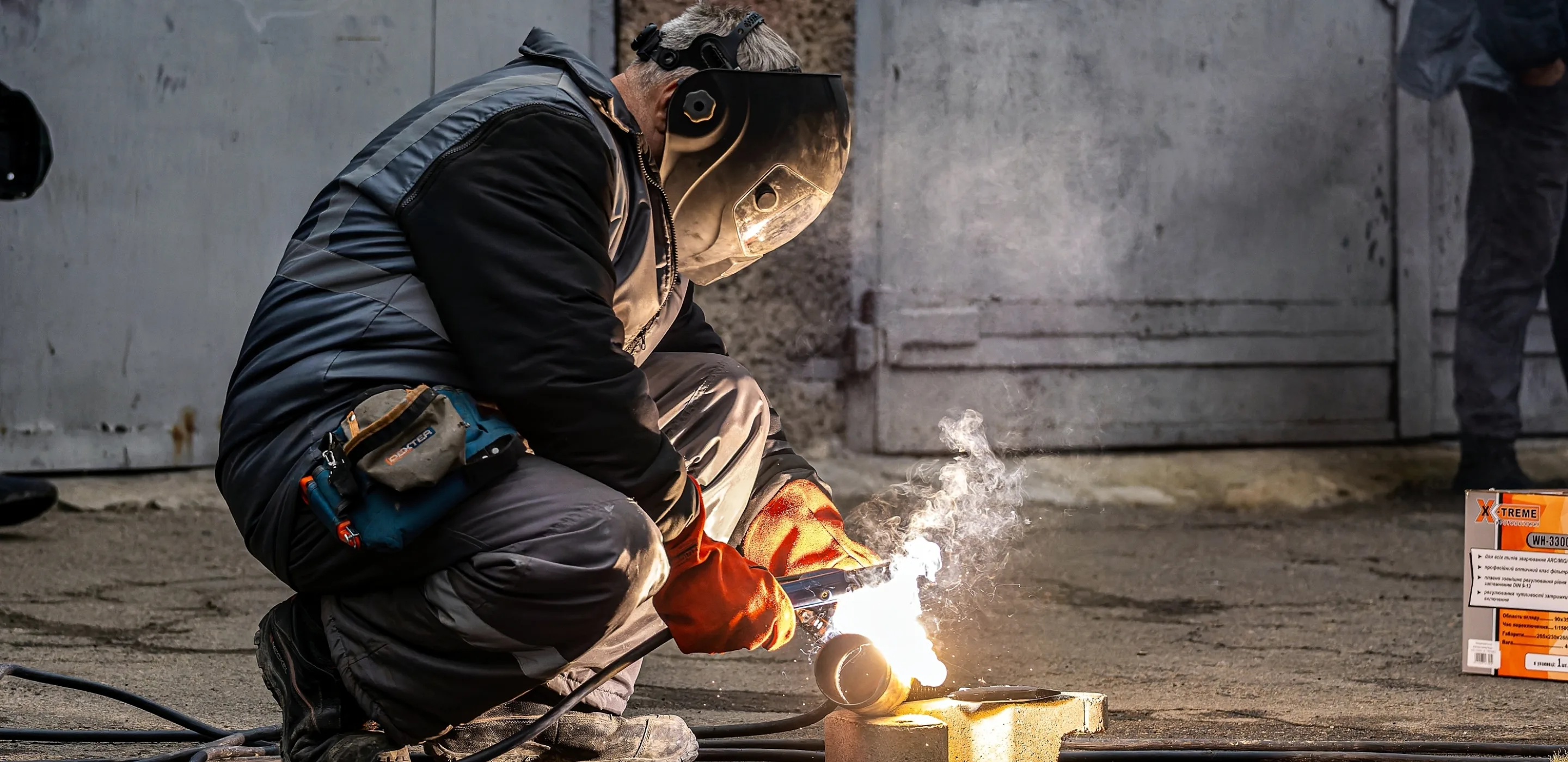
Keeping the heat on
As communities in Mykolaiv, Ukraine continue to grapple with the impacts of the ongoing war, UNOPS and the government of Denmark are helping utility workers keep the city’s heating services functioning with advanced emergency repair vehicles.
- Photos: Yurii Veres, UNOPS
Since late 2022, UNOPS and the government of Denmark have been working to address critical needs in Mykolaiv city and the surrounding region, which sustained heavy damage in the wake of Russia’s full-scale invasion.
For the city’s residents, everyday life and recovery efforts are still hindered by constant threats of drones and missiles, as well as damage to critical infrastructure – including the city’s utility networks. As the cold winter months loom, utility companies are getting ready to tackle all kinds of emergencies that could disrupt access to heating and water for local residents.
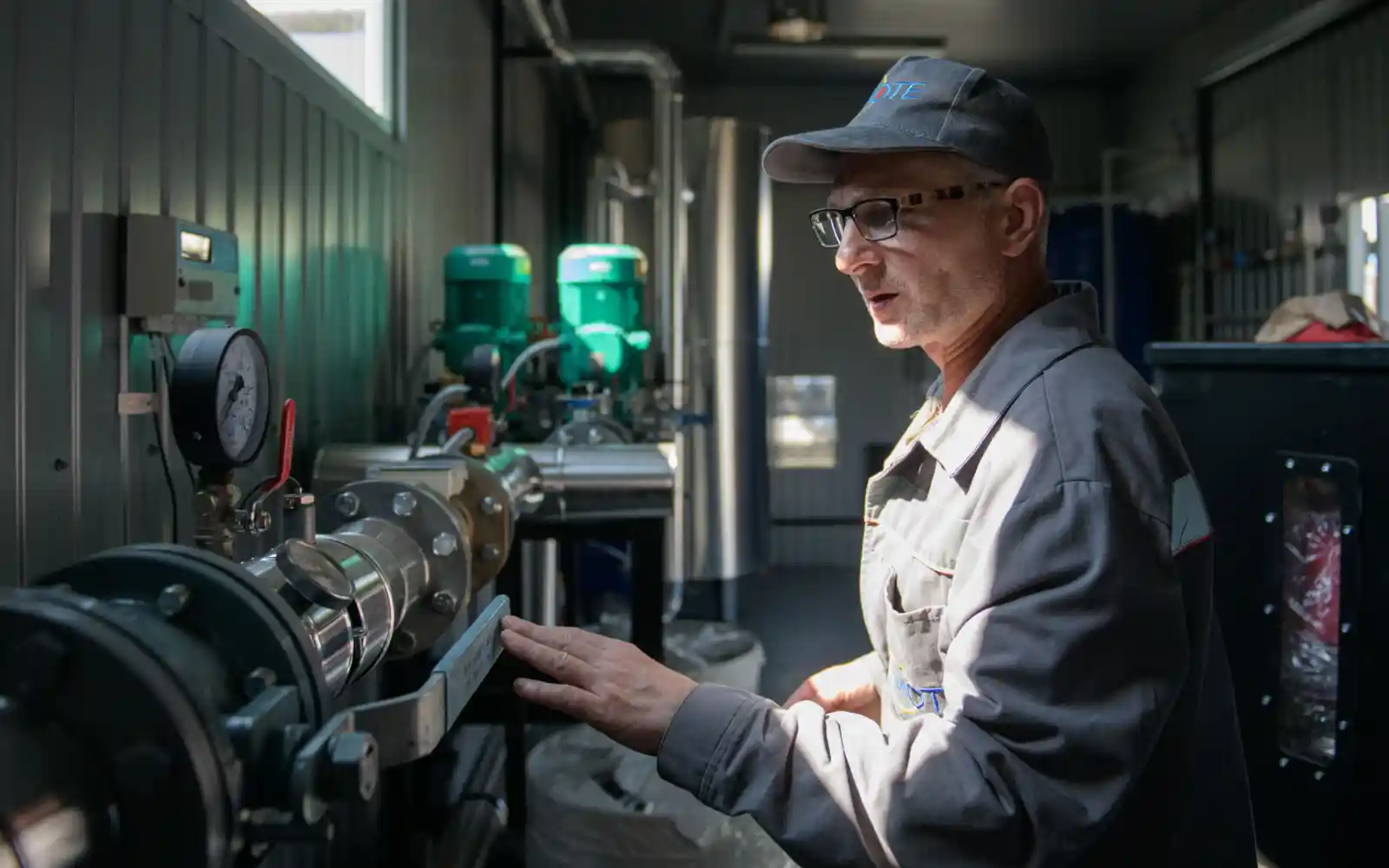
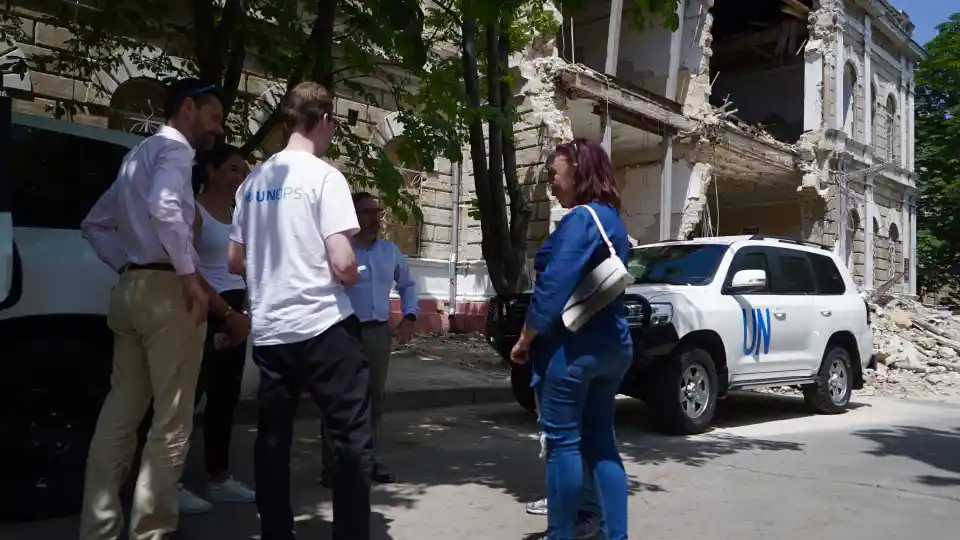
To support these preparation efforts, the government of Denmark and UNOPS delivered 10 emergency repair vehicles to the Mykolaiv region. Four of these joined a fleet of vehicles owned by Mykolaiv-obl-teplo-energo (MOTE), the municipal heating company that maintains 450 kilometres of heating piping network (almost as large as that in Paris).
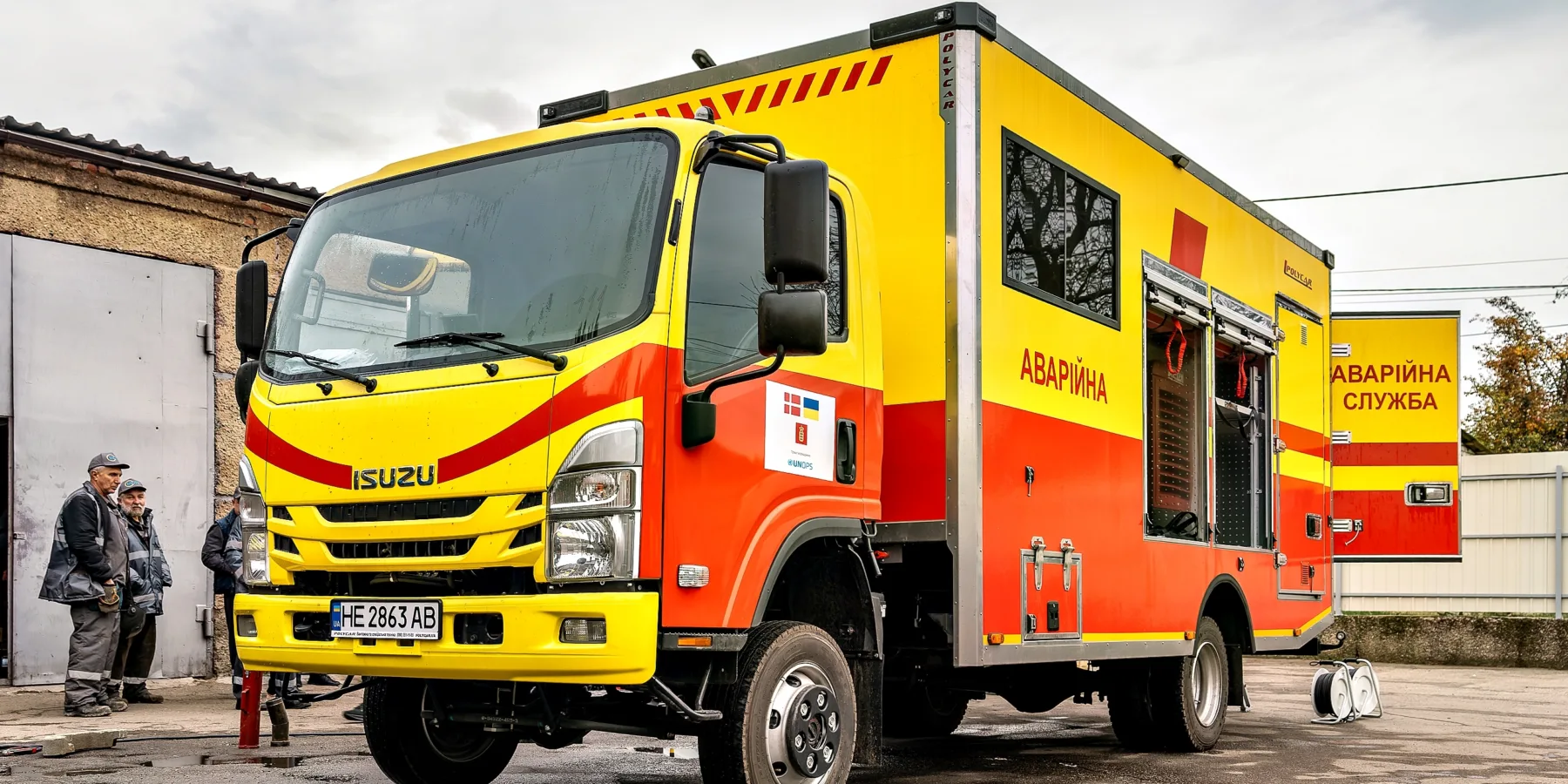
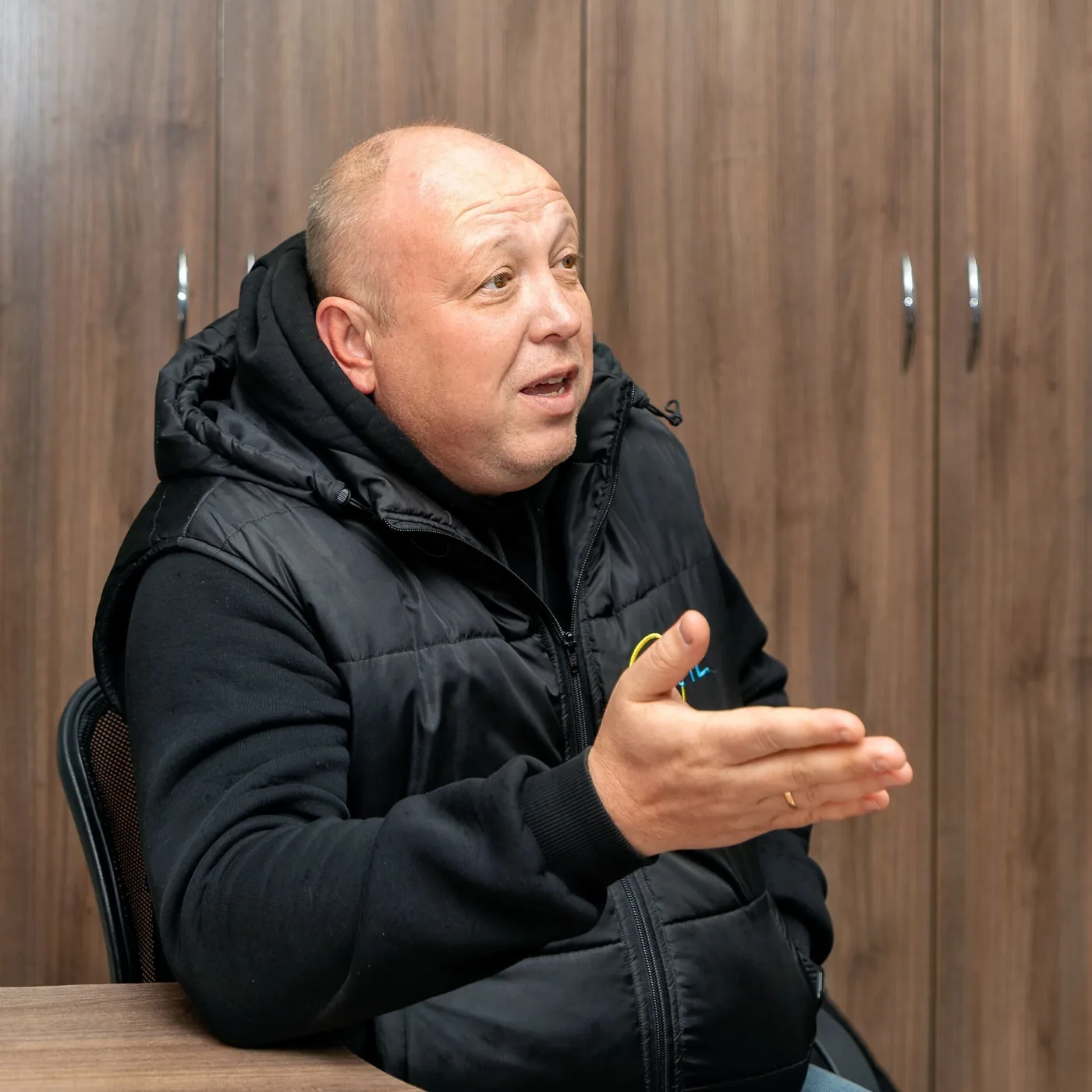
A similar vehicle helped us eliminate 17 emergencies – sometimes, the crew would arrive at the site of the emergency and identify that a pipe ruptured inside a reinforced concrete support. In the past, extra staff and auxiliary equipment would have to be withdrawn from elsewhere to help, costing us time. Now, the crew can make do with just a single vehicle.
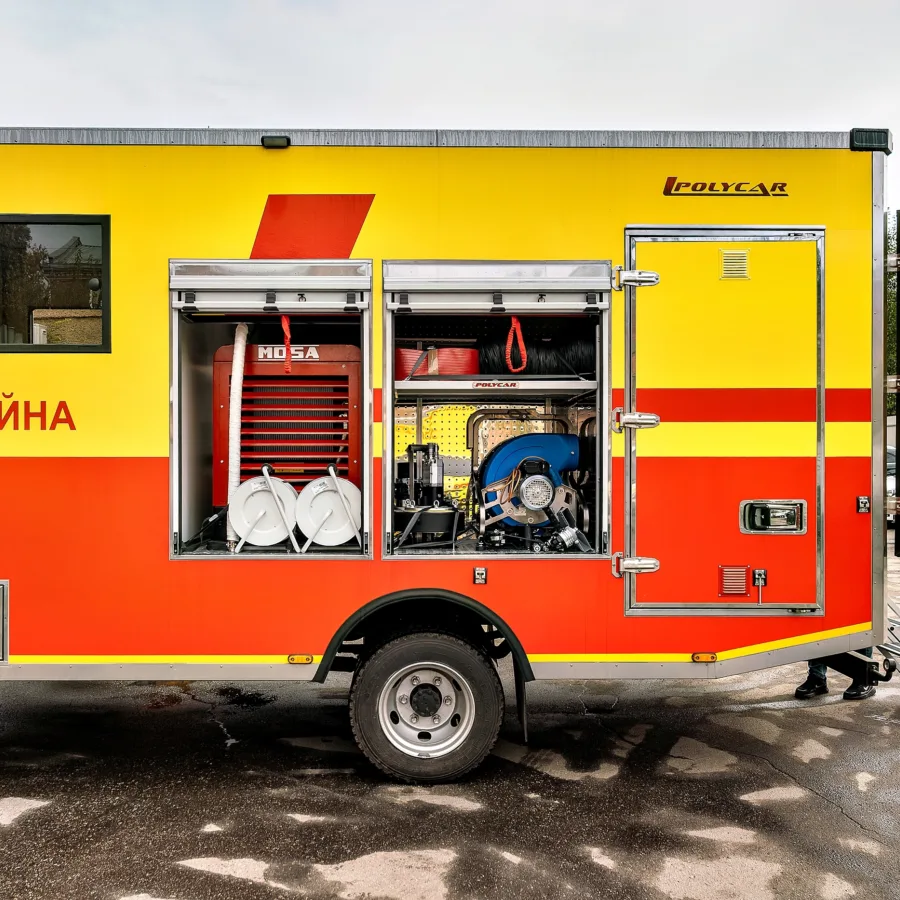
Before emergency crews can use the new vehicles, they will be trained to use the equipment kit that comes with every vehicle. This includes a submersible trash pump, impact tools and grinders powered by a compact 18-horsepower petrol hydraulic unit. There is a welder-generator that enables both power and on-site welding, eliminating the need for an external power source.
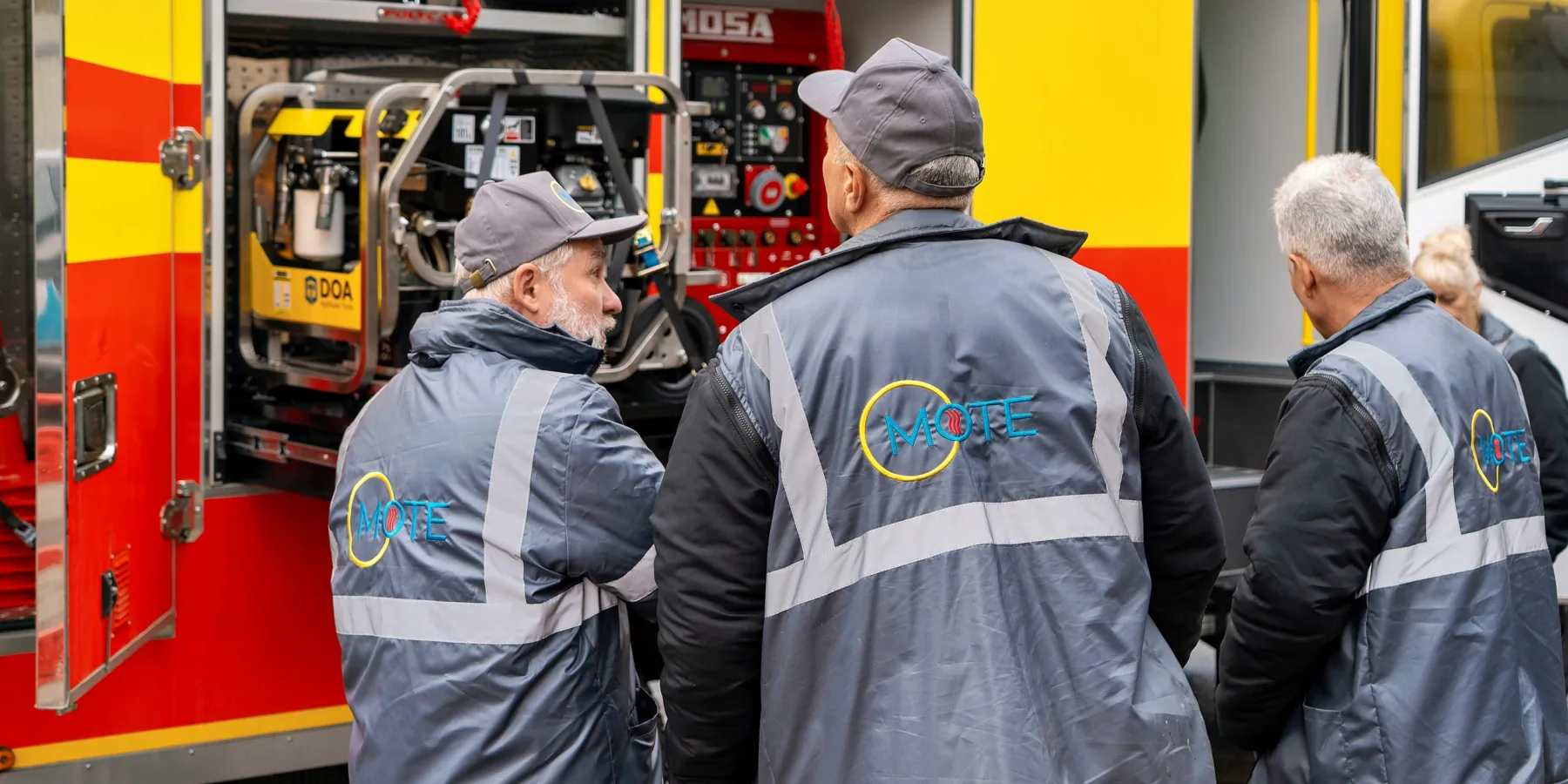
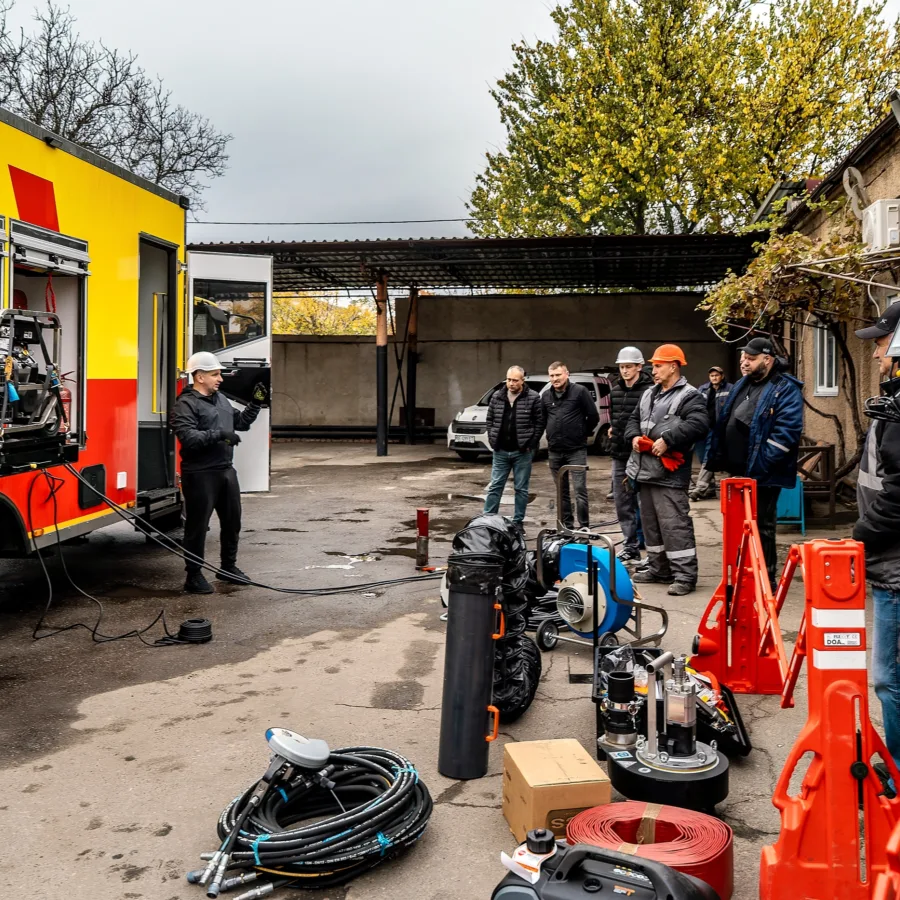
This kit makes each vehicle a stand-alone mobile emergency repair station that can cover the typical range of emergency work: pumping dirty water away from wells and pits, safely operating hydraulic tools in wet conditions, cutting and stopping pipes, and opening concrete slabs.
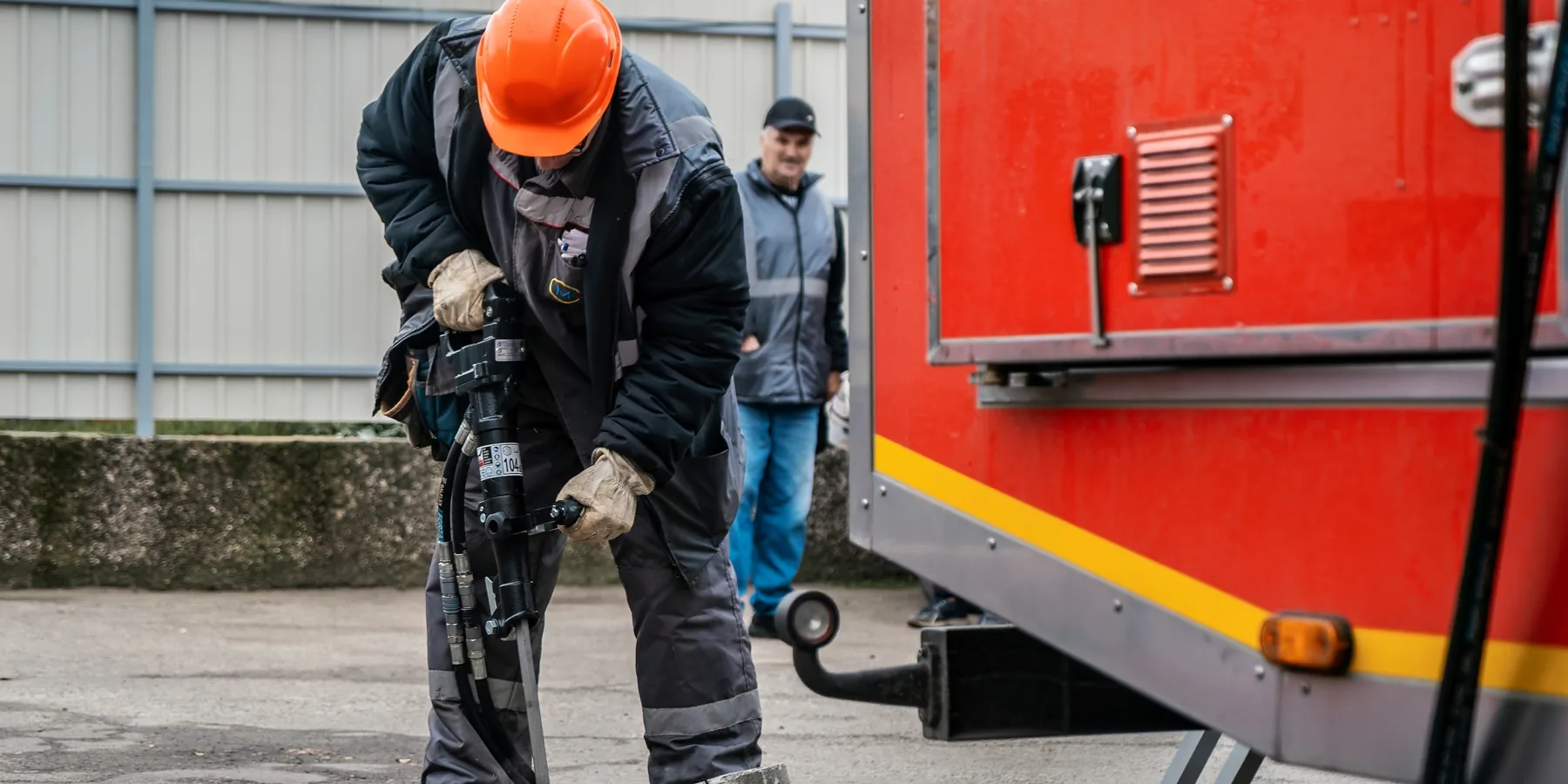
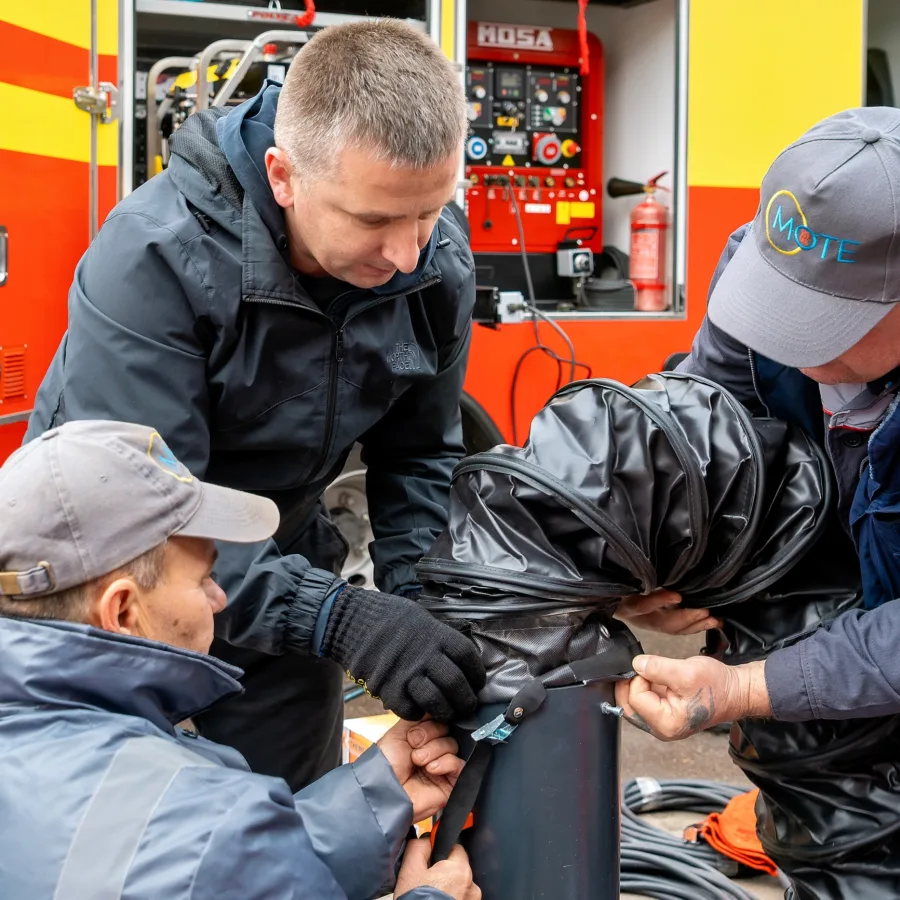
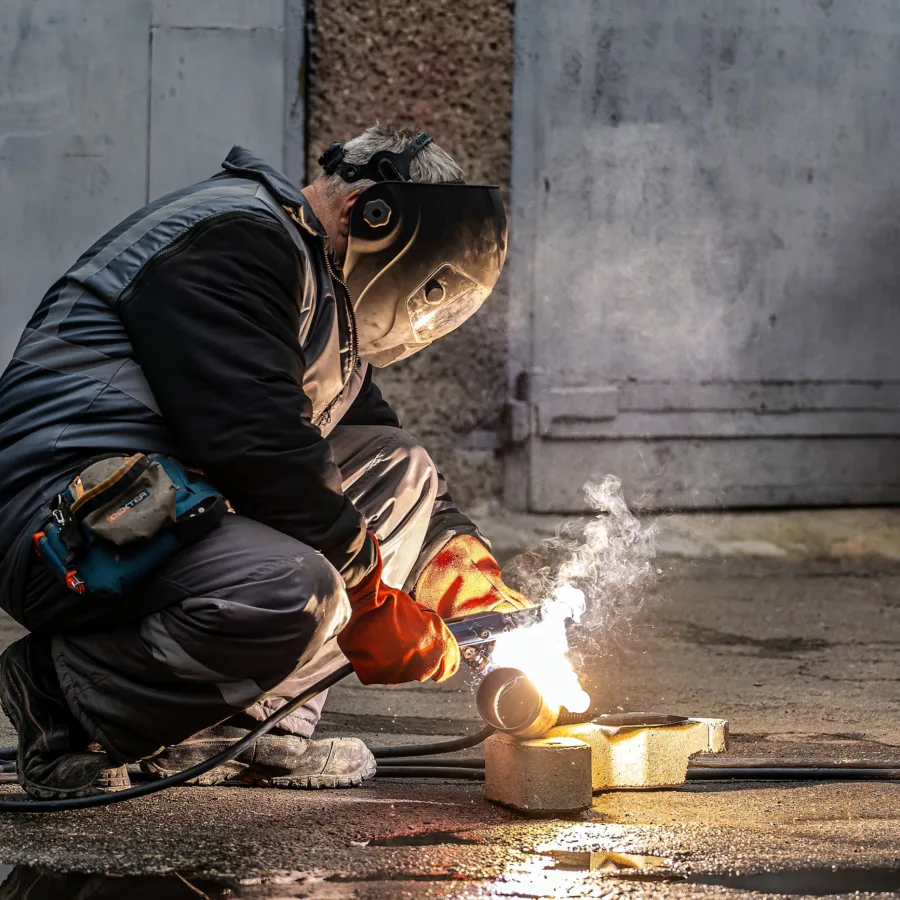
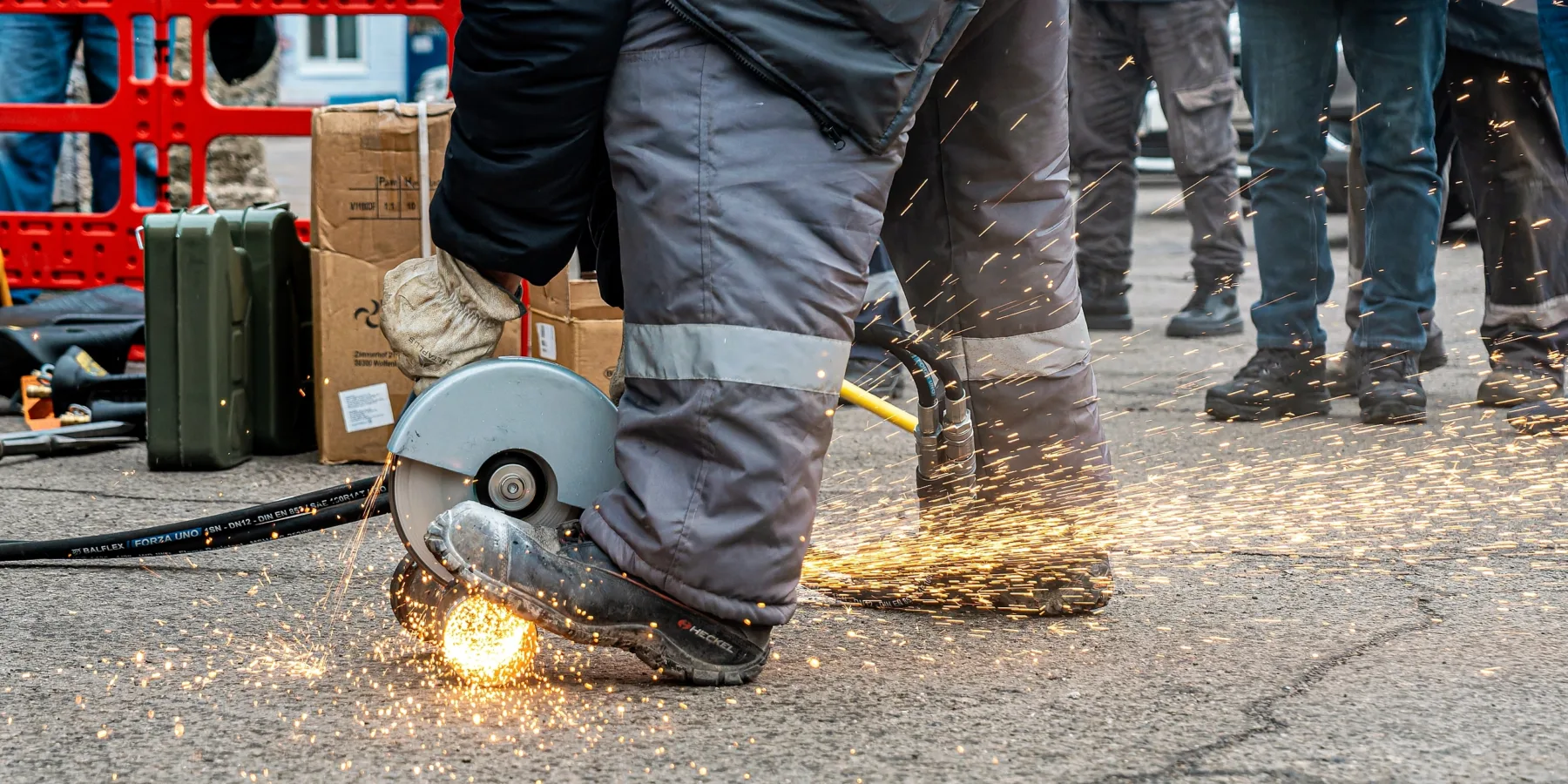
Among the participants of a recent equipment training session is Tetiana Orlovska, a heating district supervisor with over 35 years of experience. A certified construction engineer, she is no stranger to burst head pipes.
In the winter, Tetiana oversees boiler houses and the work of the mechanics, making sure everything runs smoothly. During the warmer months when heating is turned off, she conducts hydraulic tests of the heating grid and prepares boiler houses for the next heating season.
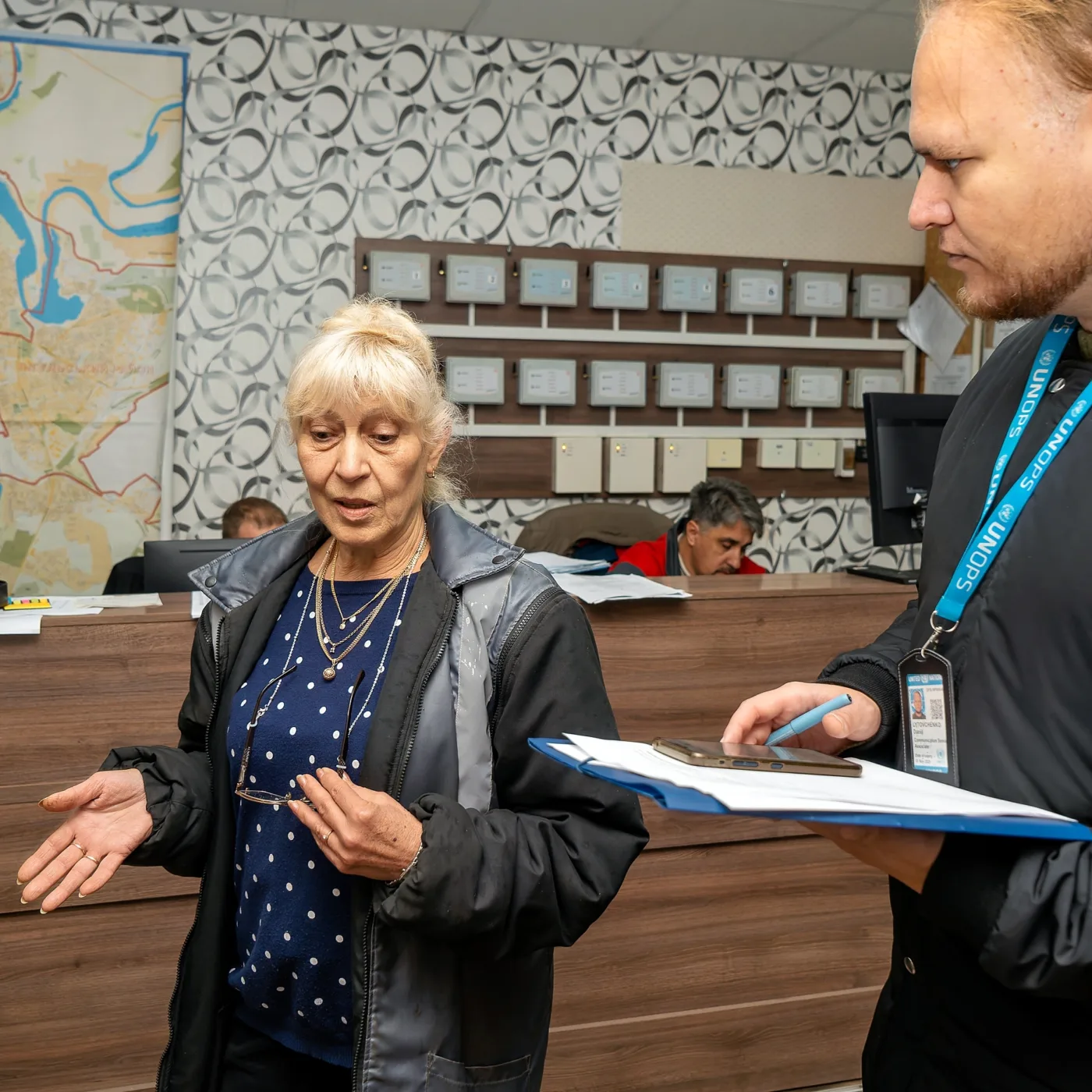
The new vehicles will increase our efficiency. Faster repairs mean less downtime for consumers. They also mean our teams can get more done in a unit of time … It’s an all-round improvement.
The increased efficiency is particularly important given the strain on MOTE’s human resources due to the ongoing war. While the utility company has partnered with the local university to train future heat and power experts, and offered paid work for undergraduates, enhancing efficiency is vital.
It’s a tough job: we respond to emergencies 24/7, often working late into the night in freezing temperatures … The new emergency repair vehicles will speed up the works, quickly releasing the crew to deal with other challenges.
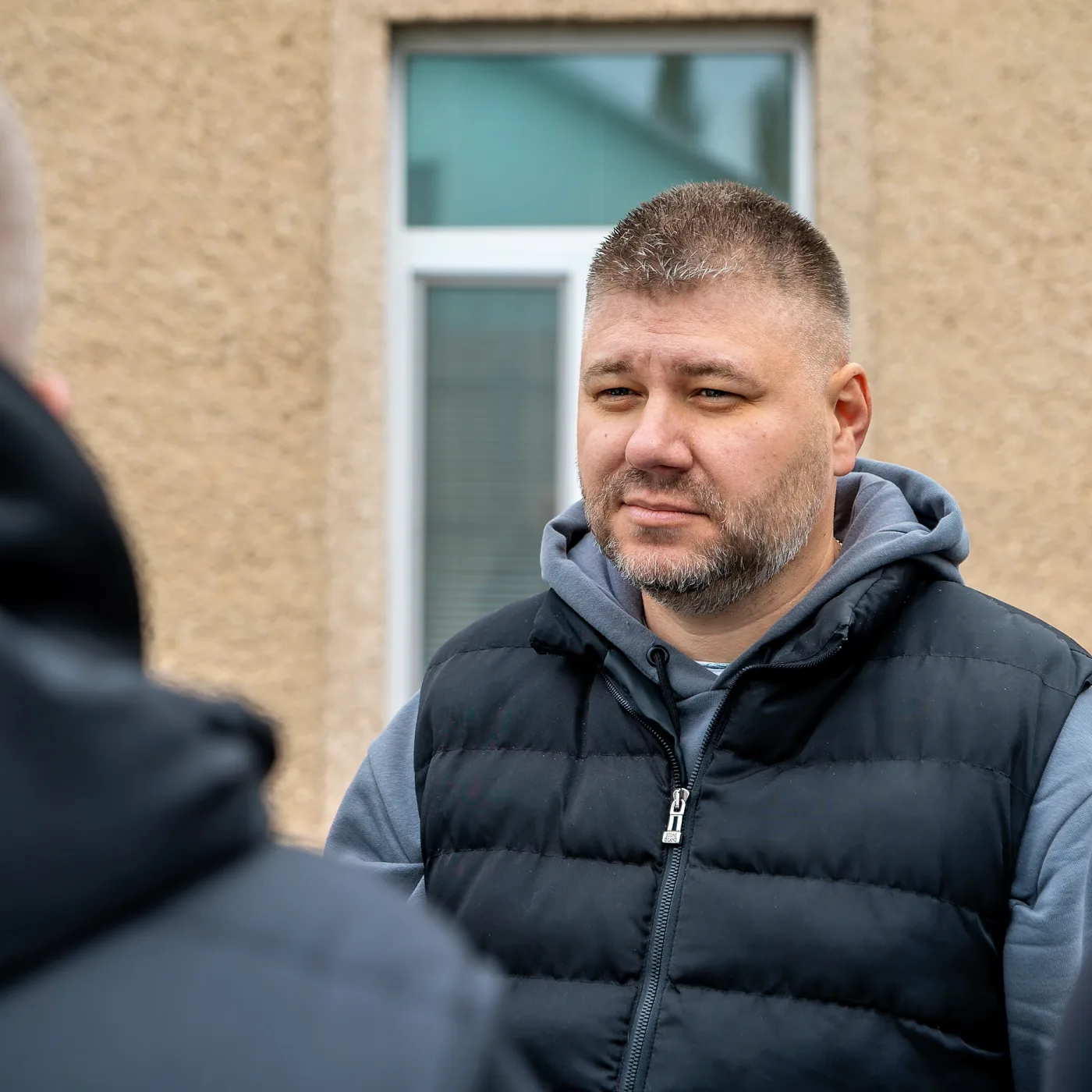
The challenges faced by war-time Mykolaiv remain numerous. Working together with the government of Denmark and local partners, UNOPS is helping deliver practical solutions to sustain critical systems and lay the foundations for sustainable recovery.
About the project
UNOPS partnership with the government of Denmark under the ‘Procurement of goods and services for the restoration of Ukraine’ project is focused on restoring and strengthening utility services in Mykolaiv and the surrounding region, laying the foundations for local recovery.
Implemented since late 2022, with a total budget of over $25 million, it has provided over 350 generators to power essential municipal sites, 19 mobile heating units to keep hospitals and schools warm, 12 city buses, 27 school buses, 67 utility vehicles, 16 fire extinguishing modules, and water supply solutions (28 water towers and eight water pumps), all aimed at maintaining essential community systems.
A smaller component of the project also supported Kharkiv and Dnipro and Zaporizhizhia by providing 11 school buses, five water trucks and six loader excavators for Dnipro, 11 school buses for Kharkiv and five loader excavators for Zaporizhzhia oblasts. The project is set to run until 2026.
Global Goals we are supporting through this initiative: