


The United Nations Office for Project Services (UNOPS)
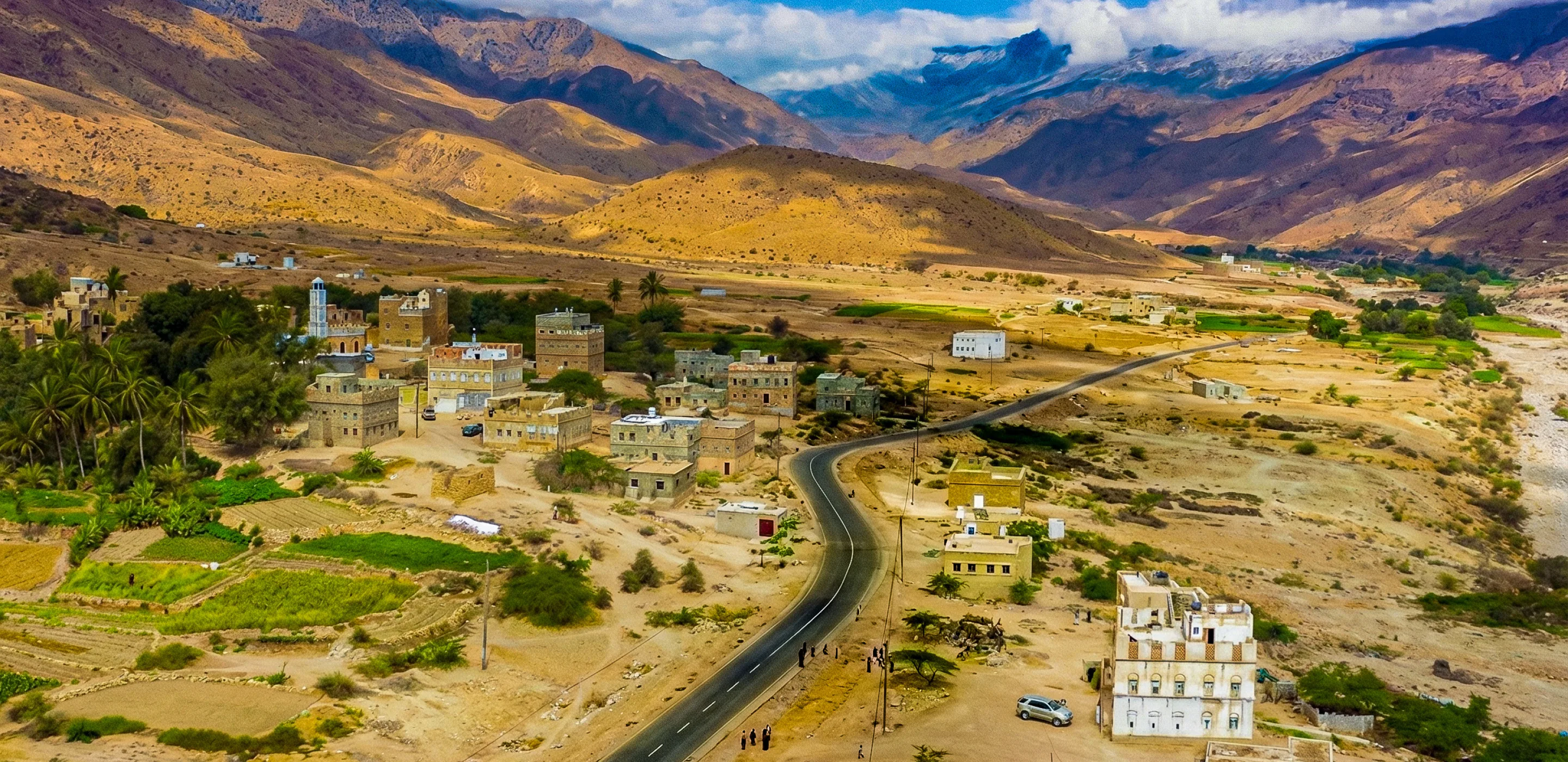
Reconnecting communities in rural Yemen
Improved roads are bridging the gap between remote communities and essential services, restoring access to healthcare and education for Yemen’s most vulnerable.
In Yemen, over 70 per cent of the population struggles to access basic services like healthcare and education, as poor infrastructure makes reaching the nearest clinic or school a persistent challenge. For the population living with a disability, these physical barriers can isolate them even further.
Only 50 per cent of health facilities in Yemen are reported as fully functional, and for those living in rural areas, the distance to care can mean a matter of life and death.
Education faces a similar crisis. Over 4.5 million children are currently out of school, and the long, dangerous paths to the classroom are a primary reason parents keep their children – especially girls – at home.
Through the Yemen Emergency Lifeline Connectivity Project – financed by the World Bank International Development Association and implemented by UNOPS – more than 150 kilometres of lifeline access roads have been rehabilitated and over 238 kilometres have been maintained. By building safer and more reliable year-round roads, the project is bridging the gap between remote communities and the essential services they need to survive and thrive.

Fatima Najeeb, student, Al Dhale'e

Meeram Saeed Abdu, resident of Taiz, Turabah

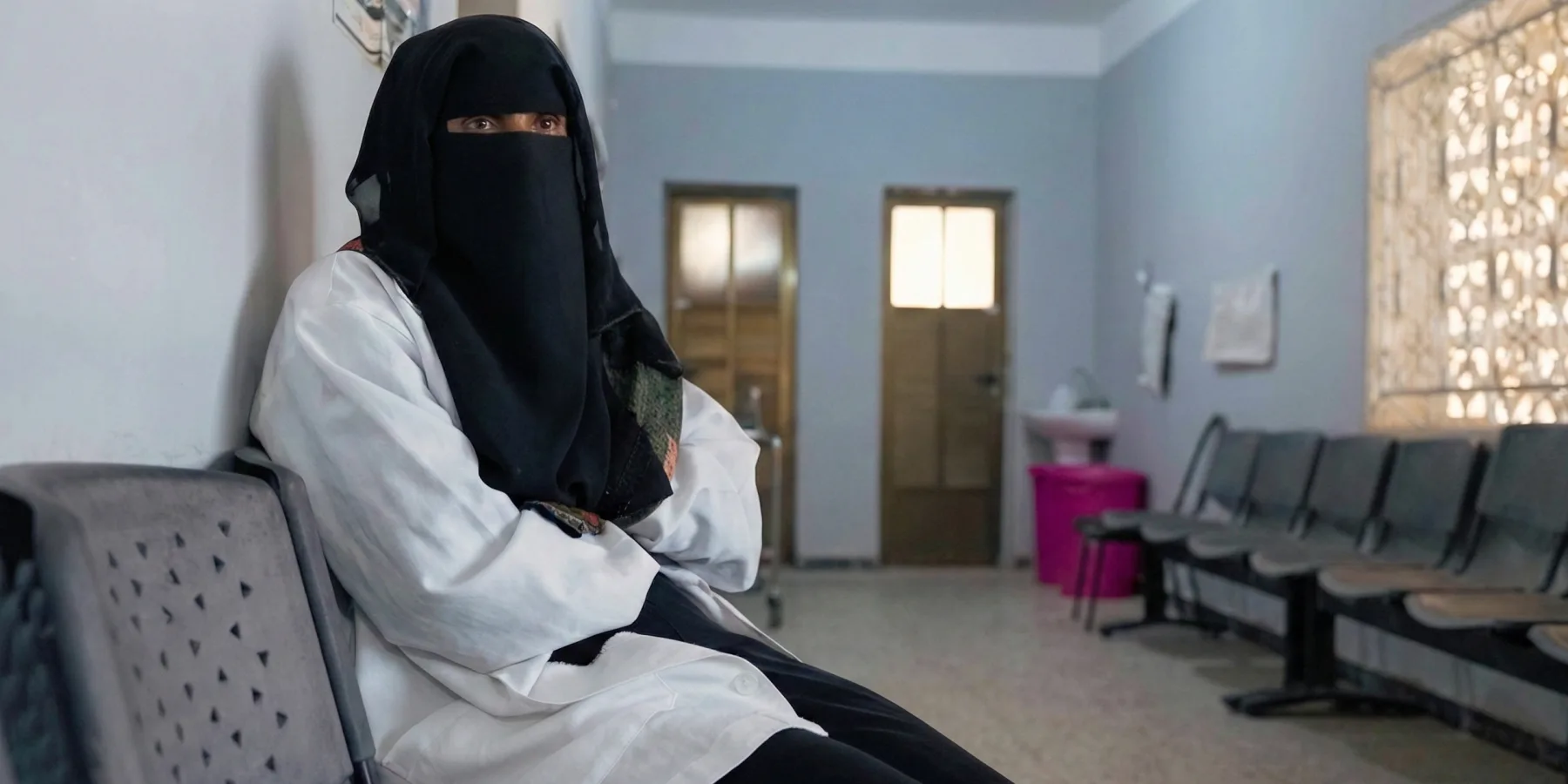
Basheer Humaid

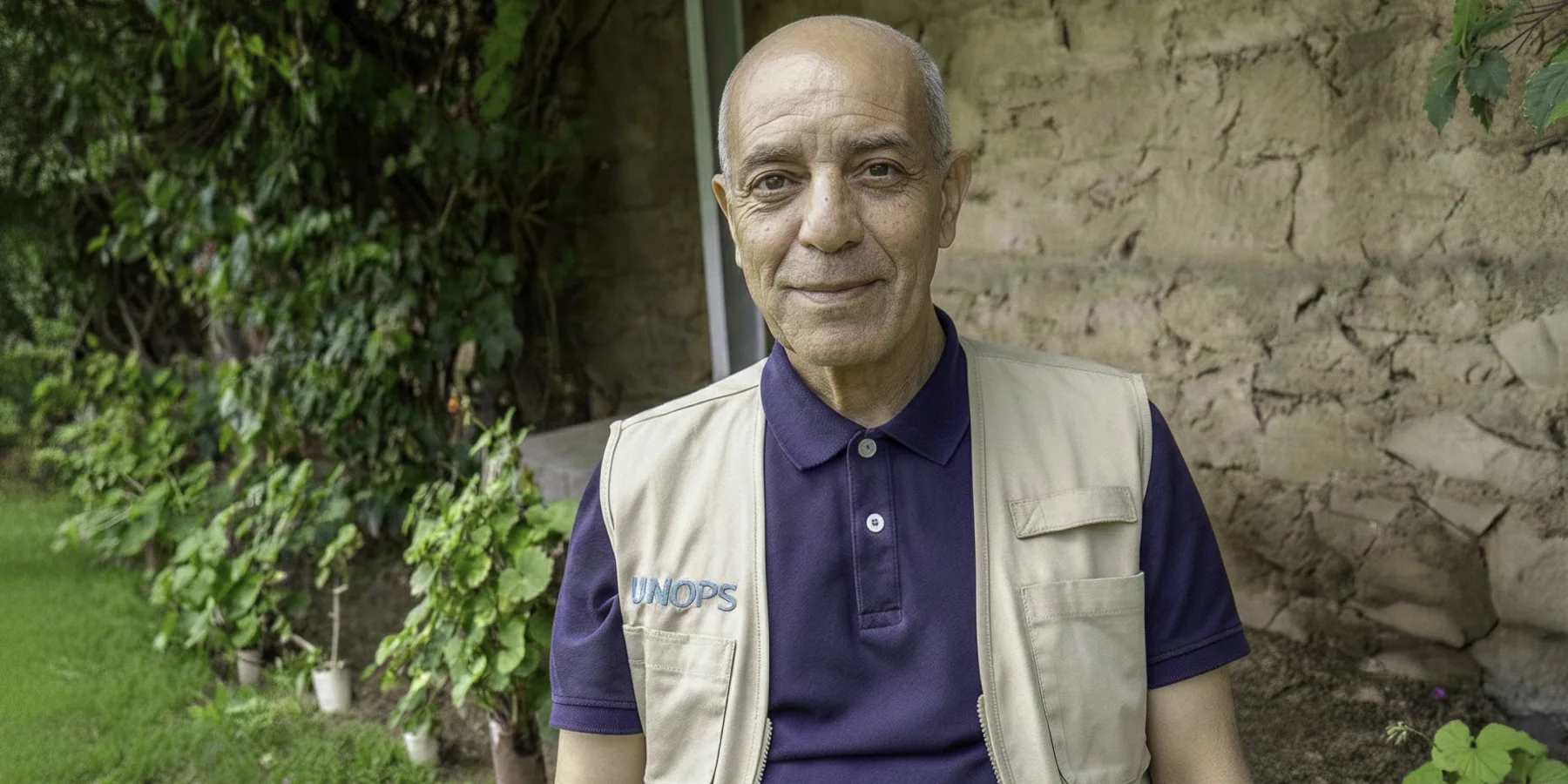
Abdulsalam Alyarimi, UNOPS Roads Specialist
About the project
Financed by the World Bank and implemented by UNOPS, the Yemen Emergency Lifeline Connectivity Project (YELCP) is a $50 million project running from February 2022 through June 2026. The project focuses on rehabilitating climate-resilient rural and village access roads to enable year-round access for communities facing extreme weather.
Beyond infrastructure, the project drives economic recovery by creating short-term jobs through community micro-enterprises, while also promoting gender inclusion through a dedicated internship programme for women engineers. YELCP is also helping create stronger institutions through training and capacity building initiatives focused on the transport sector. This promotes the longer-term sustainability of the rehabilitated road networks.
Global Goals we are supporting through this initiative: