


The United Nations Office for Project Services (UNOPS)
Step by step: a new chapter for recovery in Mykolaiv
From relearning daily tasks to walking again, a new rehabilitation department in Mykolaiv, Ukraine is helping patients reclaim their lives.
From relearning daily tasks to walking again, a new rehabilitation department in Mykolaiv, Ukraine is helping patients reclaim their lives.
From relearning daily tasks to walking again, a new rehabilitation department in Mykolaiv, Ukraine is helping patients reclaim their lives.
From relearning daily tasks to walking again, a new rehabilitation department in Mykolaiv, Ukraine is helping patients reclaim their lives.
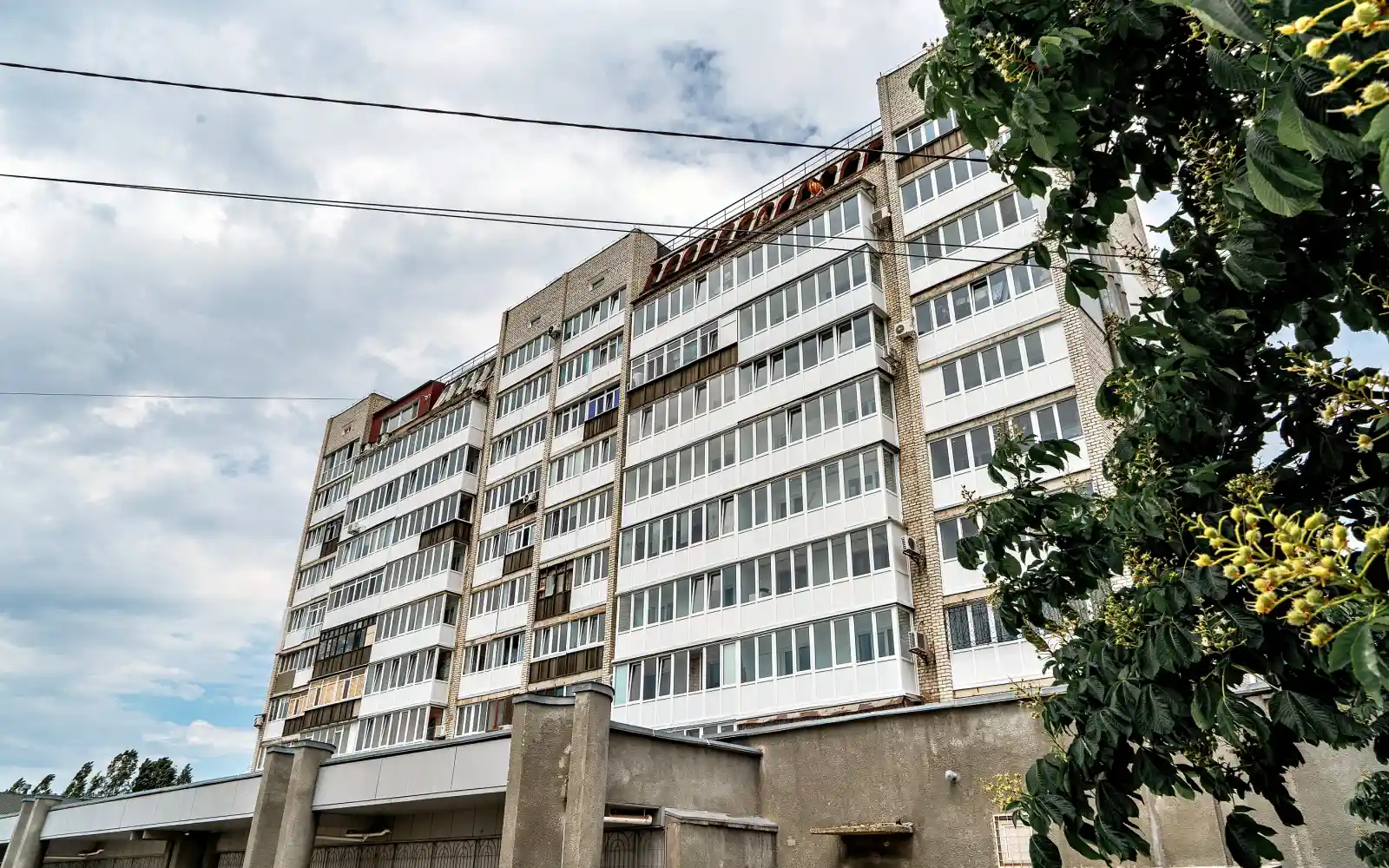
Walking down the newly renovated second-floor corridor of Mykolaiv City Hospital No. 3, 46-year-old Yevhen feels as though he has stepped into a different era. He remembers the building from 2020, when he came here for physiotherapy after severe COVID-19 and pneumonia.
"Compared to what it used to be, now it feels like a completely different century,” Yevhen says. “You enter the corridor and immediately see: a modern facility, advanced equipment, space. When you come to such conditions, inner confidence instantly appears that they will truly help you get back on your feet here."
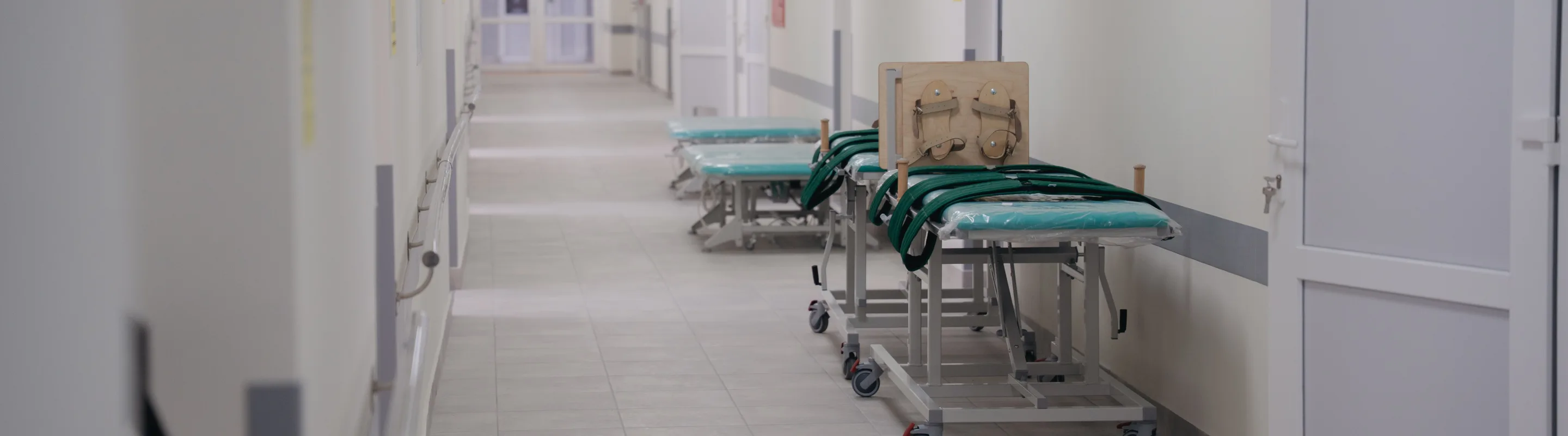
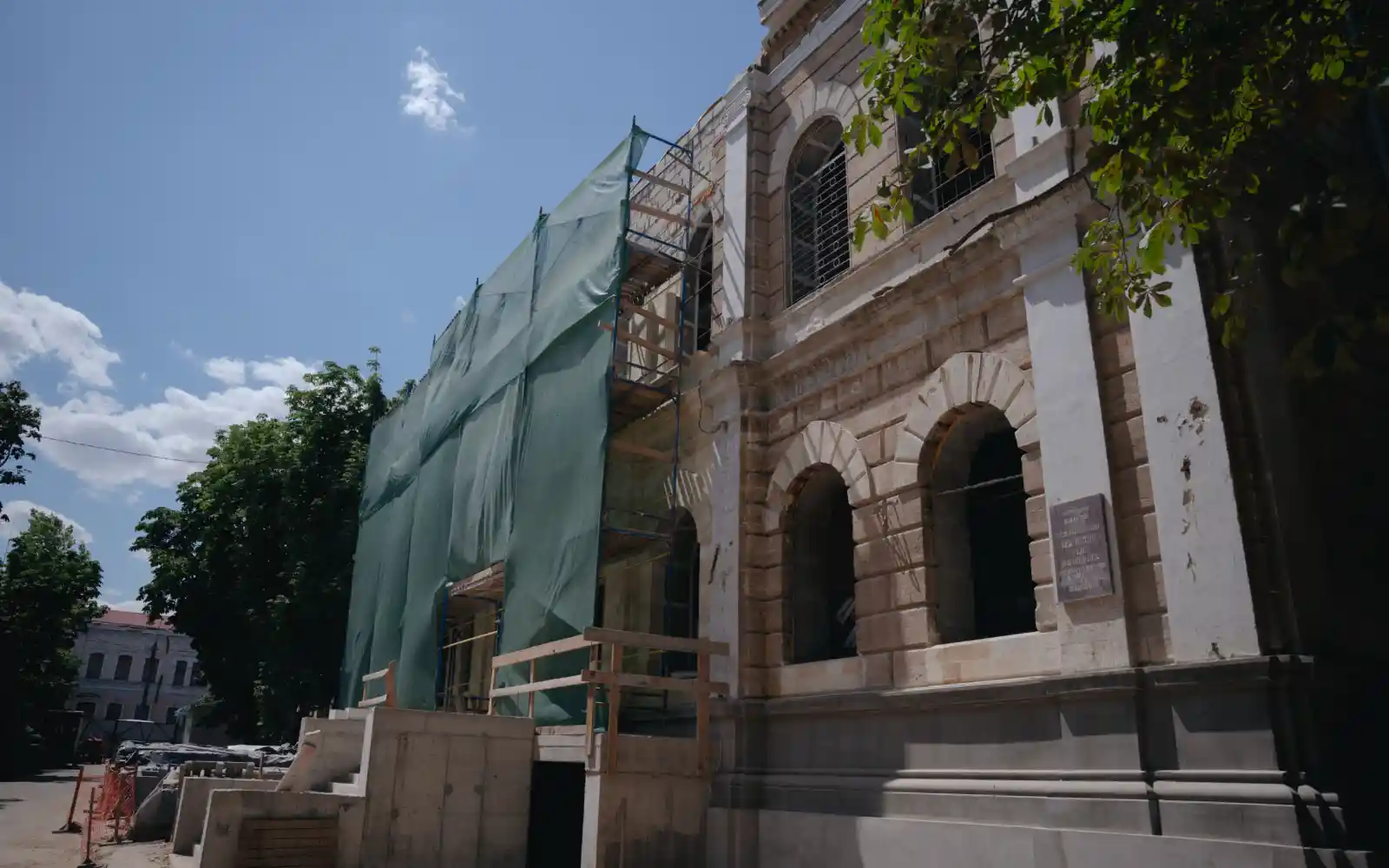
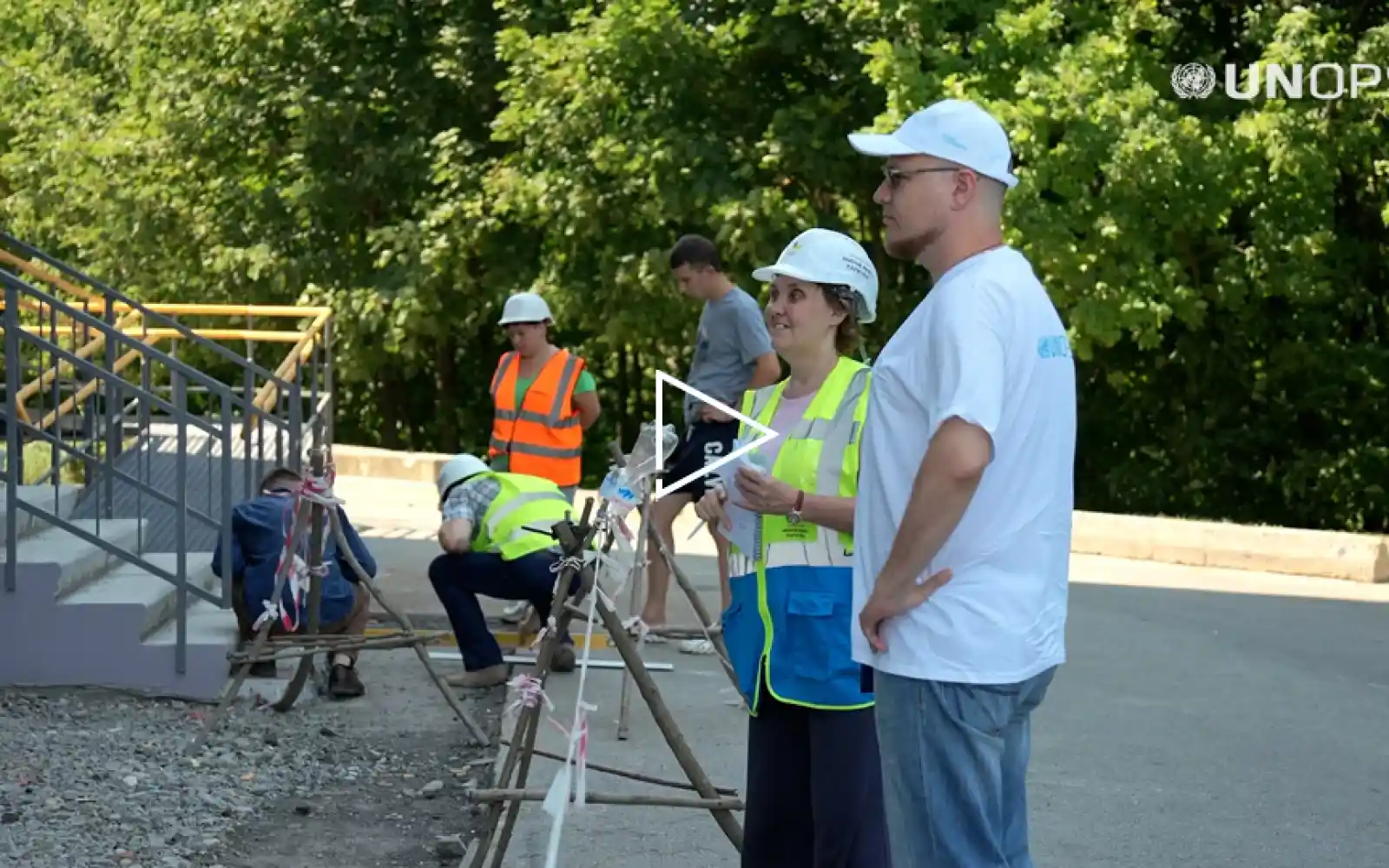
In a frontline city where ongoing hostilities continue to strain daily life and medical services, the opening of the new rehabilitation department addresses an urgent need. Renovations at the hospital were carried out by UNOPS with funding from the government of Denmark, while Novo Nordisk funded the specialized rehabilitation equipment. While final administrative licensing and contracting with the National Health Service of Ukraine are underway, the clinical team is already caring for patients.
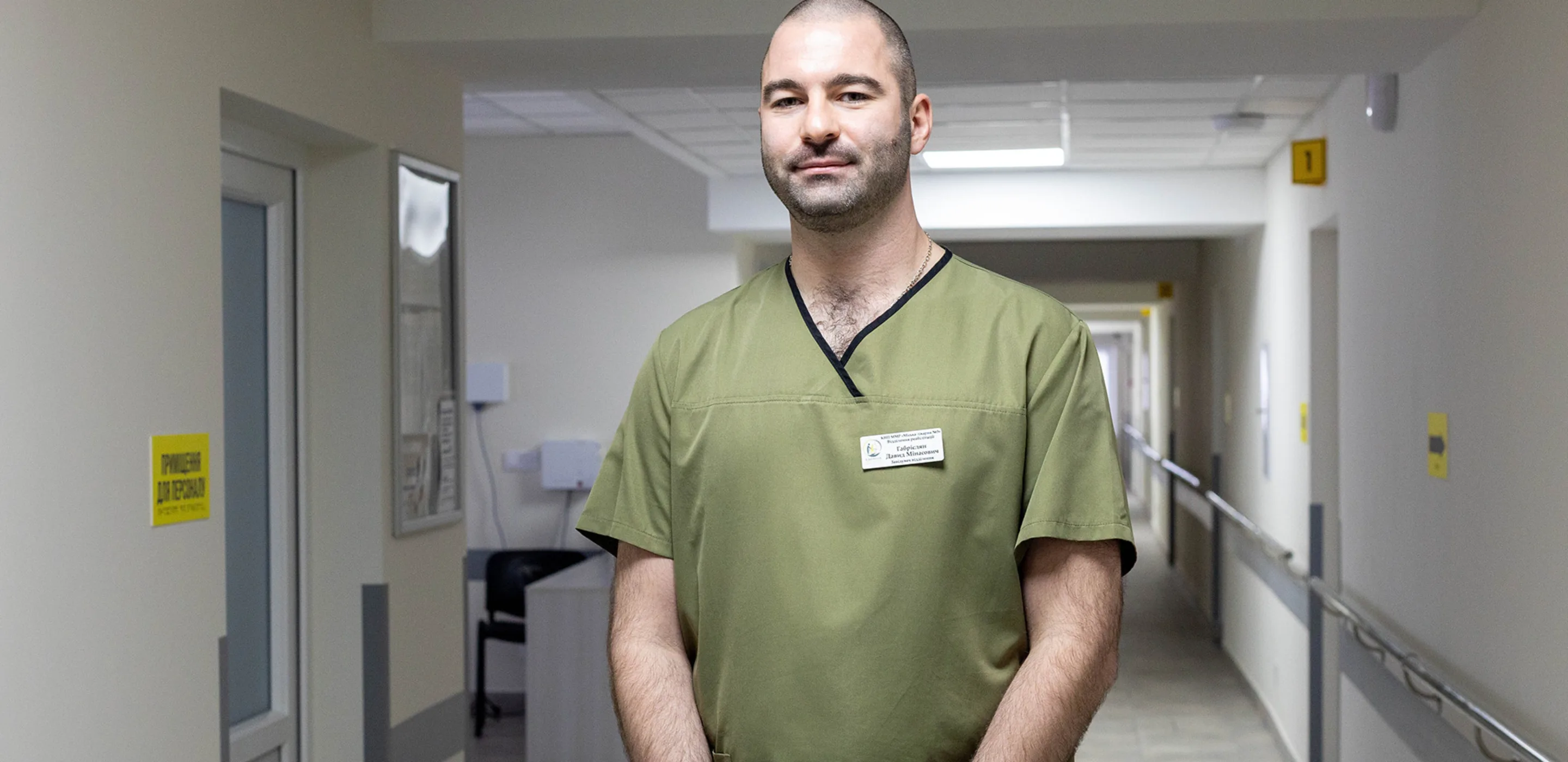
The department is led by Davyd Gabrielian, a doctor of physical and rehabilitation medicine. Trained at the Dnipropetrovsk State Medical Academy with further rehabilitation specialization in Zaporizhzhia, he brings five years of medical experience across stroke intensive care units, outpatient clinics, and medical-social boards.
"Previously, as a neurologist, all I did was refer the patient for rehabilitation, and what happened to them next, I had a poor idea of," Davyd admits frankly. "Now I sit on the other side, and my colleagues are already referring patients to me. My task is to figure out how to return a person to a full life."
Previously, this department practiced ordinary post-Soviet physiotherapy with typical electrophoresis and physical exercises. Now we are creating a multidisciplinary approach.
Designed for 20 beds, the department treats patients recovering from strokes, joint replacements, spinal disc herniations and complex trauma ‒ including a growing number of blast and shrapnel injuries. Davyd points to a recent patient, a young auto mechanic whose arm was severely injured by shrapnel from a rocket strike in Mykolaiv. After vascular surgeons spent eight hours repairing blood vessels and damaged tissue, the rehabilitation team stepped in to help restore function.
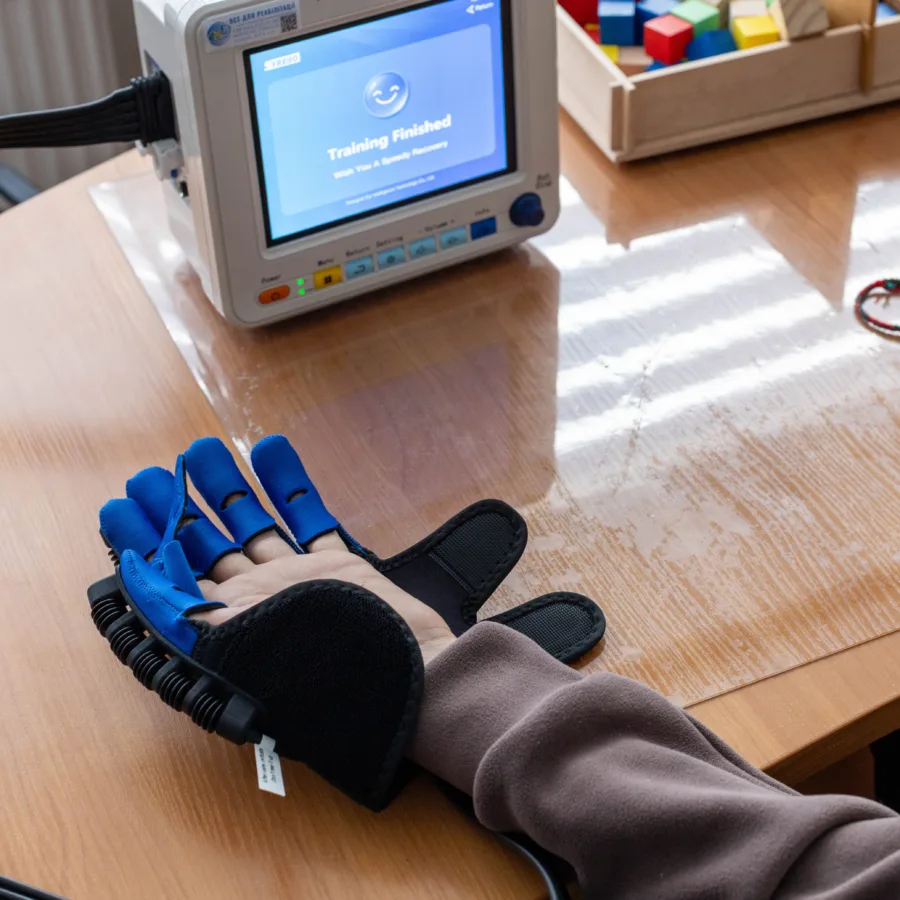
To explain how damaged nerves heal, Davyd compares a nerve to an electrical wire. "If you cut a wire completely, there will be no current; similarly in a nerve, muscle strength will drop to zero,” he explains. “But when the wire is only nicked, the impulse still passes through. The same goes for a nerve. Our body is capable of recovering, and during rehabilitation, tissue nutrition in the affected area increases, the myelin sheath of the nerve is restored, and the limb gradually regains its function."
Equipment alone cannot drive recovery without a skilled multidisciplinary team ‒ doctors, physical and occupational therapists, rehabilitation nurses, psychologists, and speech and language therapists. Staffing shortages remain a challenge, particularly for occupational therapists across the city and wider country.
"The country already needs more rehabilitation personnel right now,” Davyd says. “Young people who are currently choosing medical specialties and hesitating should decide as soon as possible. In our department, we will be glad to welcome young specialists."
Day-to-day care is led by physical therapists such as Olena Bazaka, who brings 15 years of rehabilitation experience. Displaced from Oleshky in the Kherson region, Olena spent three and a half years in Kropyvnytskyi before moving to Mykolaiv to join her husband. After years of working primarily with children, when the full-scale war began she adapted to support adults as well.
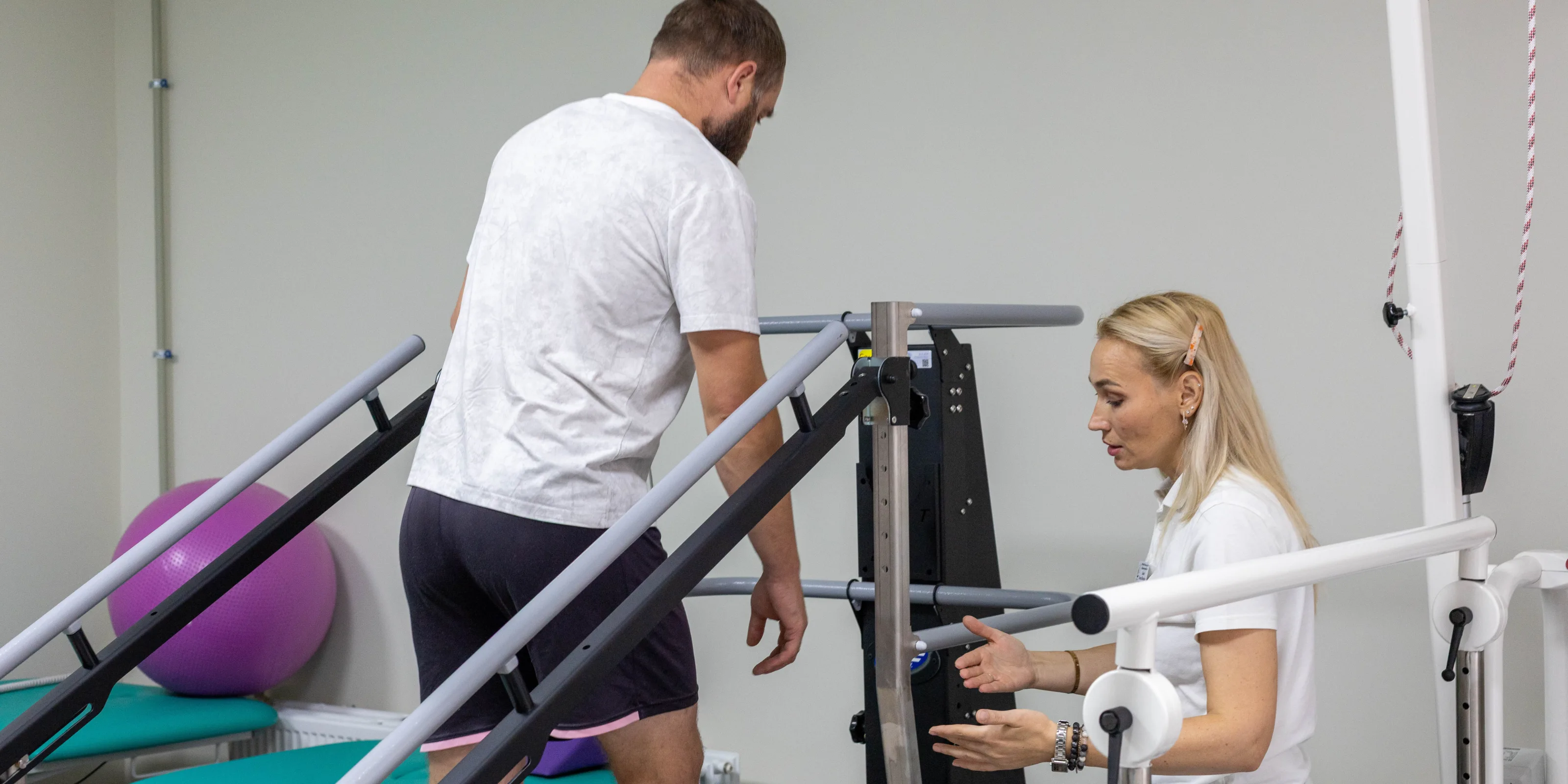
"Working with children and adults are two completely different psychological realms," Olena notes. "Children are spontaneous; they cannot simply sit obediently on instruction, you constantly have to adapt to them. At the same time, children put much more inner effort and work into the process. Adults, on the other hand, often tend to be more hesitant. And here our task is to find the right balance between working with devices and with our own hands."
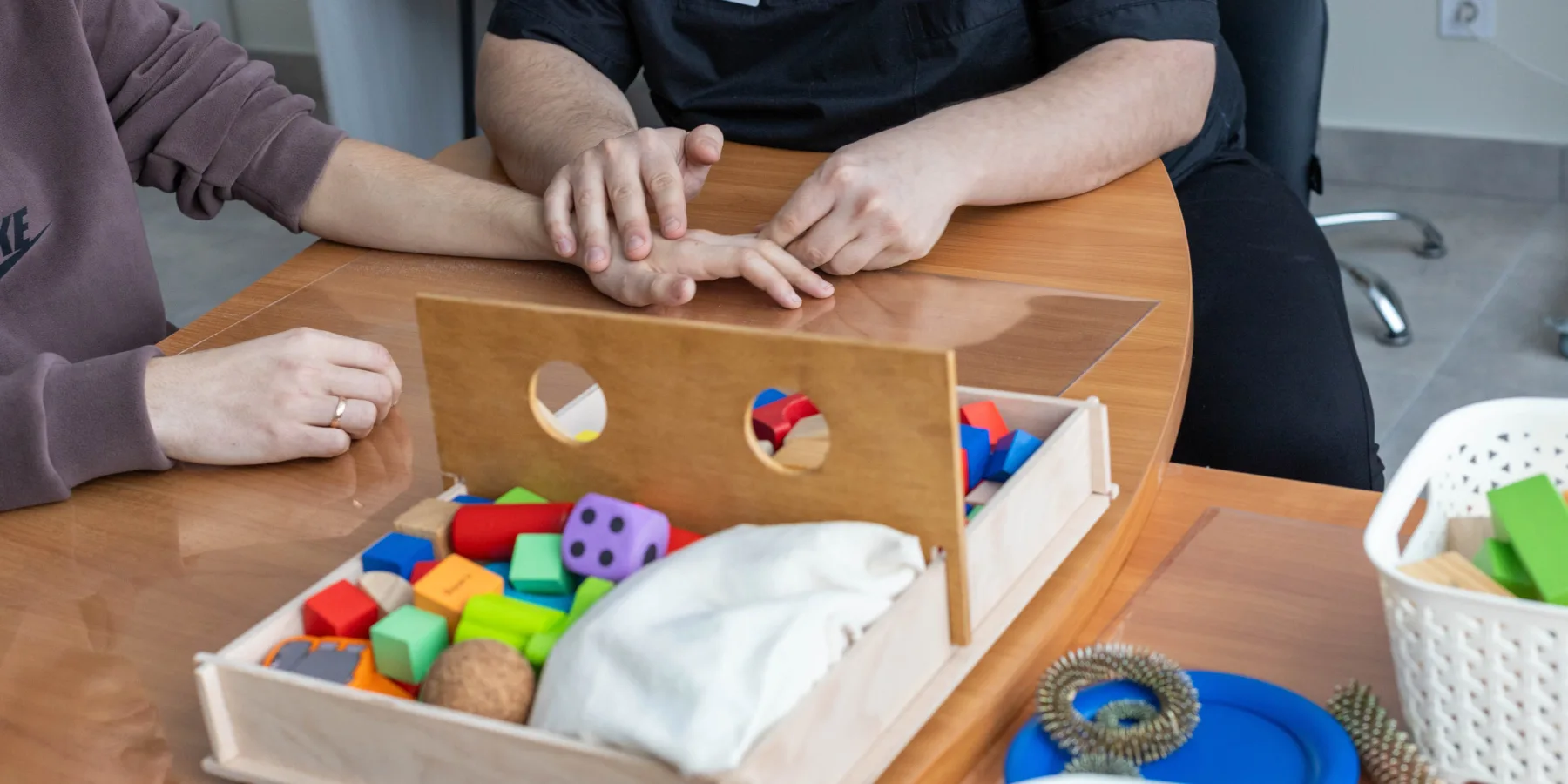
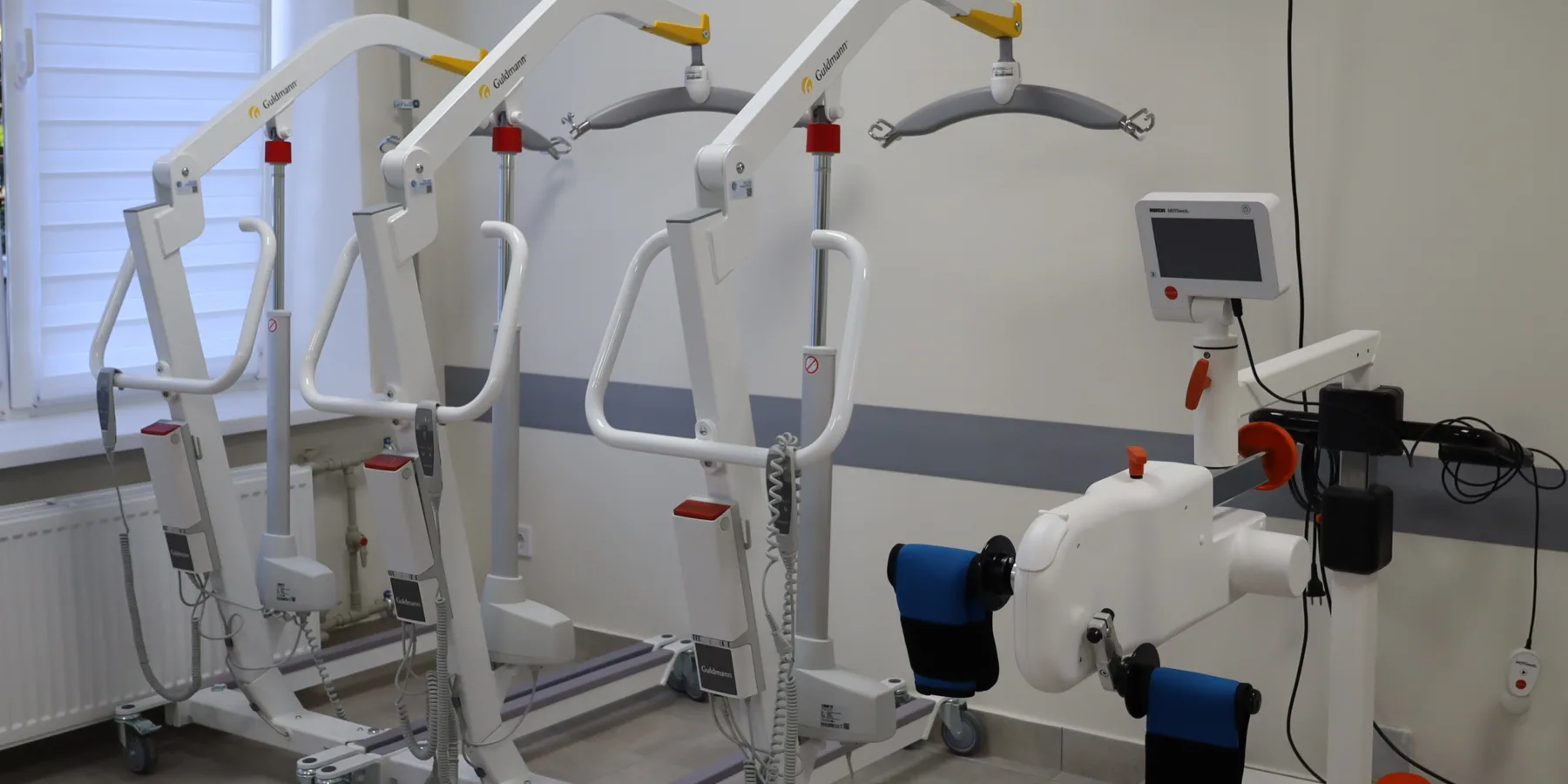
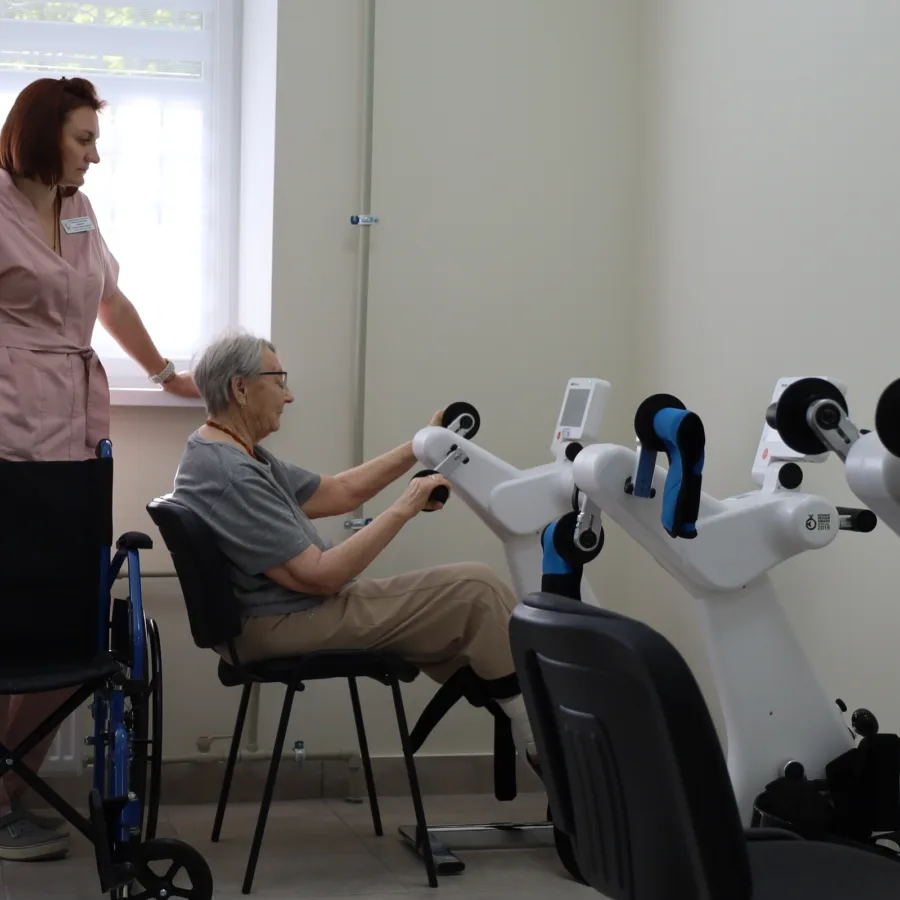
The department is outfitted to support gradual recovery of movement and independence ‒ including patient lifting systems, gait-training stairs and exercise bikes for mobility and joint care. A focal point of the ward is the occupational therapy room, modeled on everyday living spaces with a kitchen and hygiene area where patients practice routine tasks such as holding a fork, buttoning clothing or washing dishes.
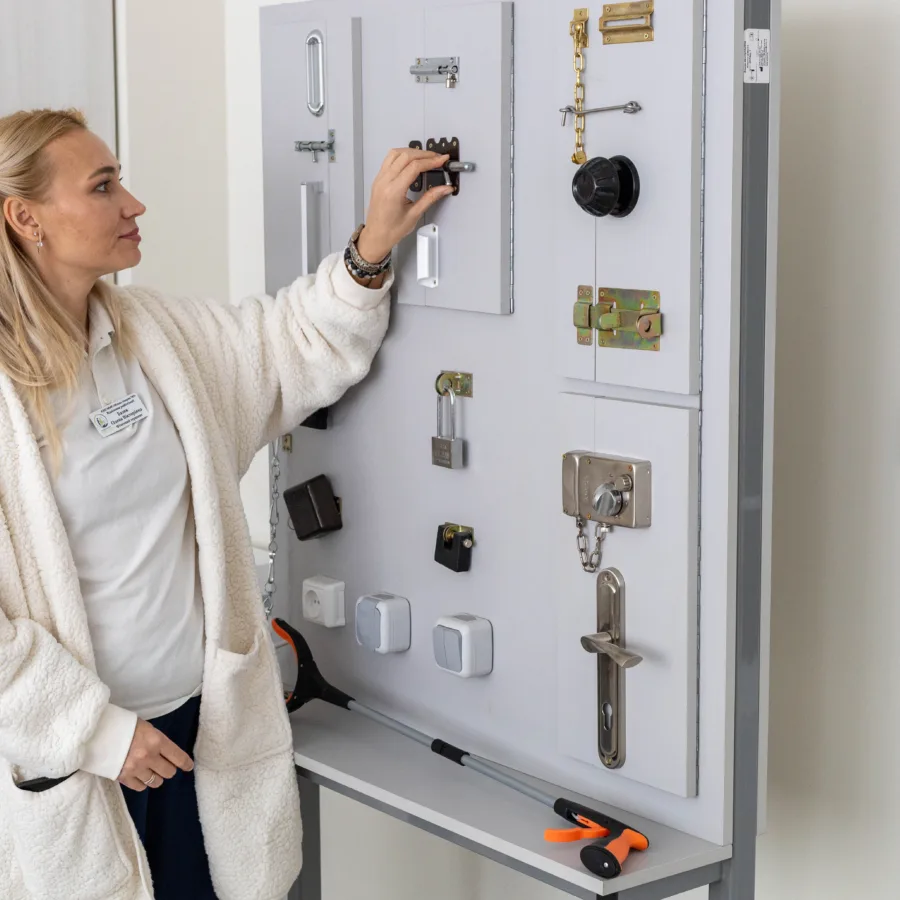
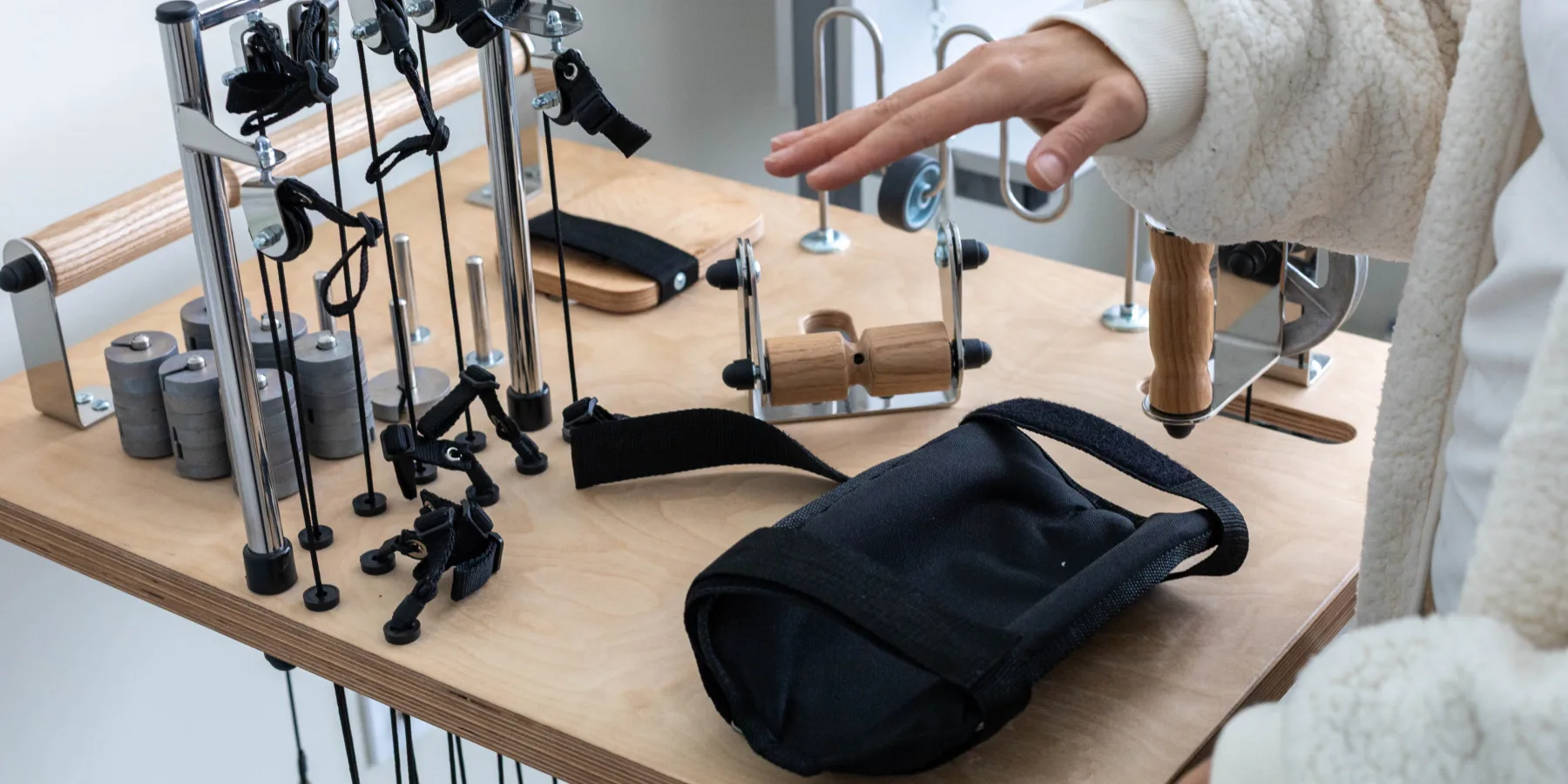
For Yevhen, who is beginning a multi-week course of intensive therapy for spinal disc issues, the upgraded environment makes an immediate difference. Alongside dedicated clinical care, the new space is helping patients in Mykolaiv rebuild strength, confidence and independence in everyday life.
About the project
Global Goals we are supporting through this initiative: