


The United Nations Office for Project Services (UNOPS)
“A determination to rebuild livelihoods”: Reflections from my visit to Gaza
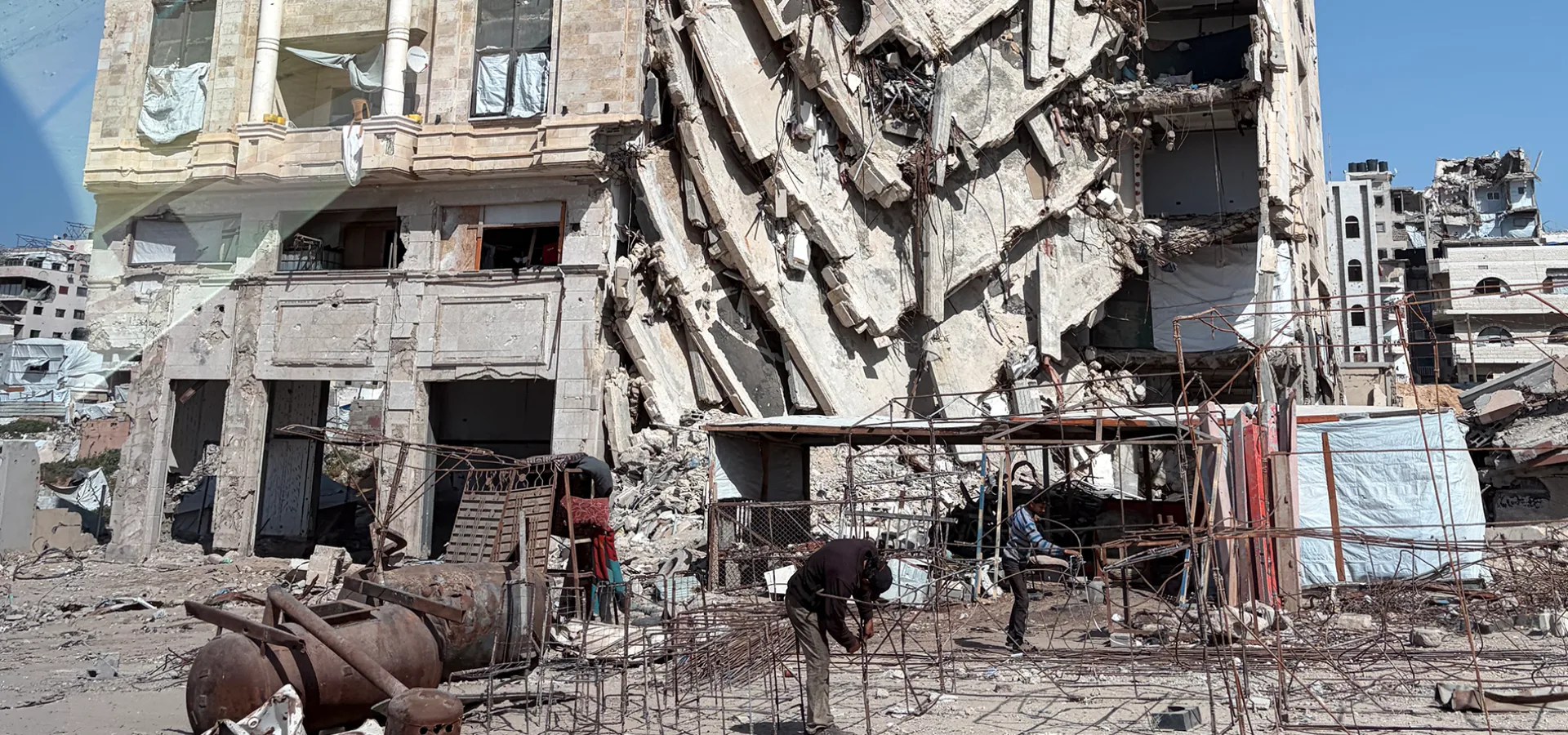
On his return from a visit to the Gaza Strip, UNOPS Senior Project Manager Karim Saba provides observations on the profound determination of communities striving for normalcy and what is needed to help restore daily life.
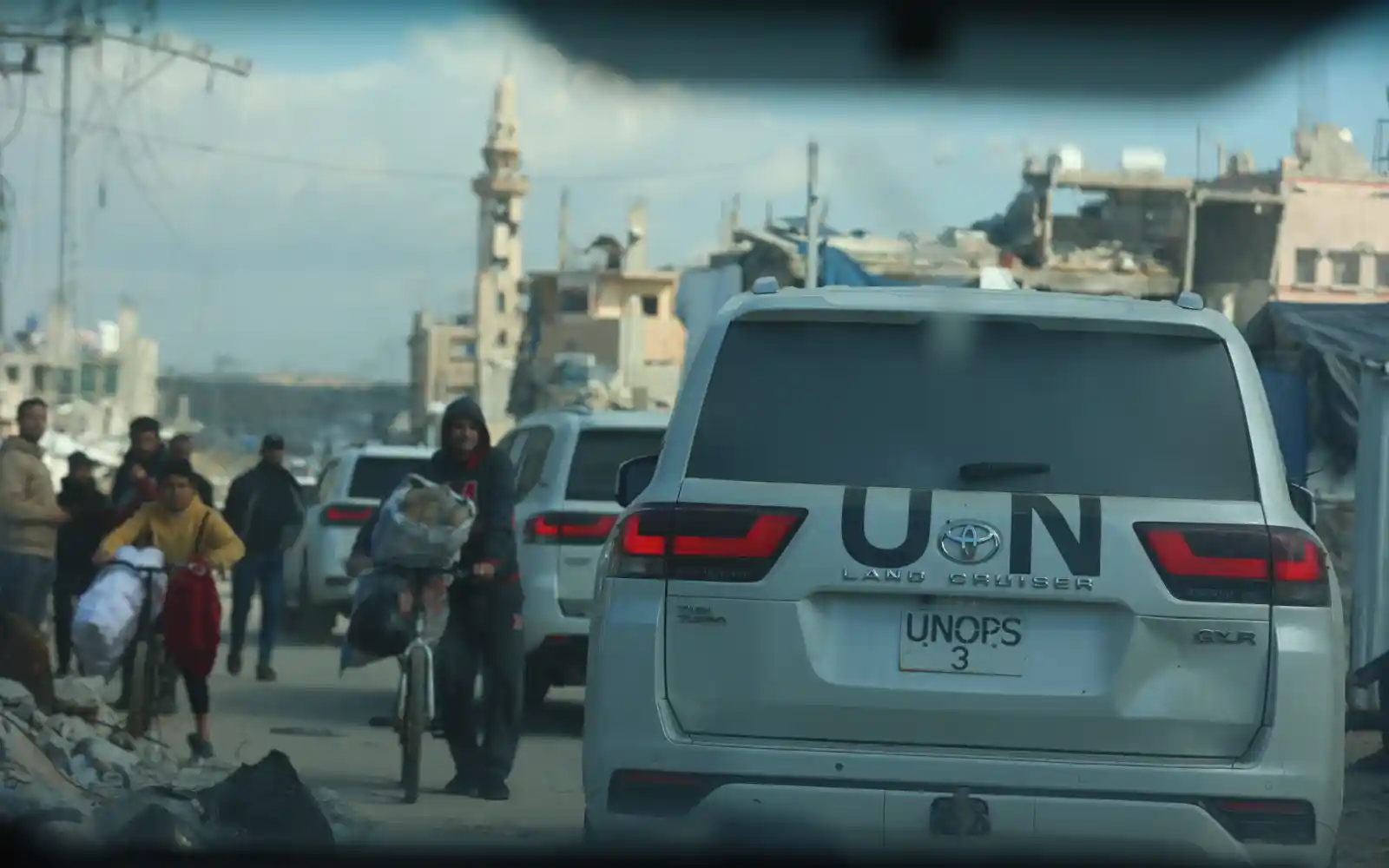
For the first time in a few months, I returned to the Gaza Strip. Like many who work on the response, I left with mixed emotions: deep concern at the scale of destruction, but also reflection on the resilience and determination of people trying to rebuild some form of normalcy in impossible circumstances.
Here’s five personal observations from the visit:
ONE
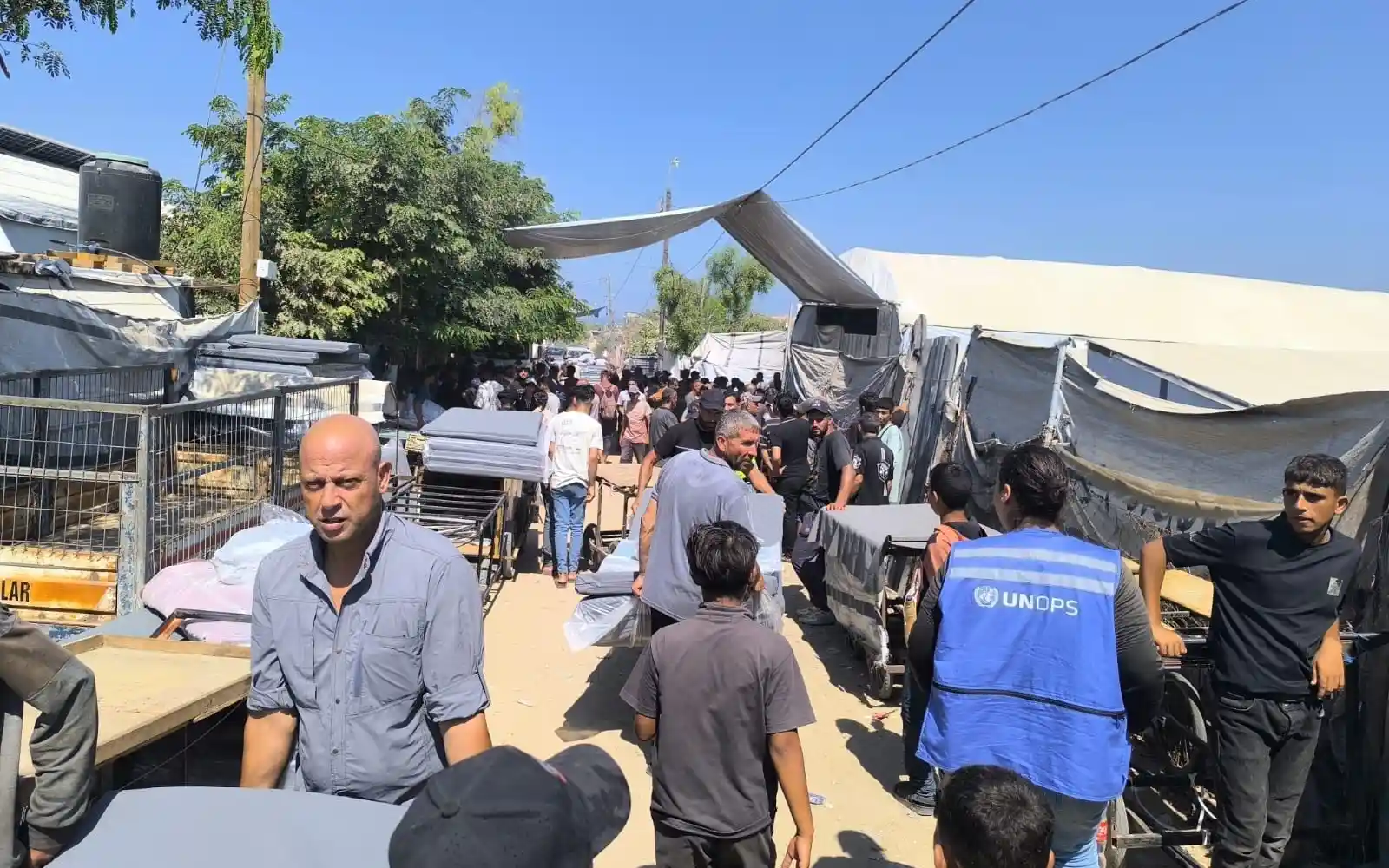
Despite everything, there are early signs of stabilization in parts of the local economy. Markets remain fragile, and humanitarian aid is still indispensable, but you increasingly see people buying and selling goods again. That matters. Functional markets are often one of the first signs that communities are trying to regain stability and dignity.
TWO
The impact of exchange rate fluctuations is severe and often overlooked. Families receiving remittances, cash assistance, or salaries in foreign currency have seen their purchasing power erode dramatically. Even when supplies are available, affordability remains a major challenge for many households.
THREE
People consistently spoke about work. Not only assistance. Work. Whether through cash-for-work programmes, vocational training or opportunities to rebuild livelihoods, many simply want the chance to become productive again and support their families with dignity. Recovery must increasingly include livelihoods and economic opportunity alongside humanitarian relief.
FOUR
The scale of destruction is difficult to describe. Yet many families have returned to heavily damaged buildings because they no longer want to remain in tents and cannot afford alternative shelter. For many, the “least impossible” option is still unsafe.
FIVE
One message came up repeatedly in meetings with humanitarian actors: the importance of enabling operational continuity through access to basic but essential items such as spare parts and engine oil. Supporting frontline responders often depends on solving these practical constraints so organizations can continue delivering assistance at scale.
I was also struck by the visible role of bilateral support across Gaza. Wherever you go, you see contributions from countries including Egypt, Saudi Arabia, Qatar, the United Arab Emirates, and many others. Their support is helping sustain critical operations and services for civilians during an extraordinarily difficult period.
We should continue doing everything possible to strengthen operational delivery, and create the conditions for recovery and dignity for the people of Gaza. At UN 2720, we are doing our best every single day to empower aid organizations to rebuild the future of Gaza.
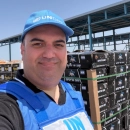
Karim Saba
Karim Saba is the UNOPS Senior Project Manager for the UN 2720 Mechanism for Gaza. With over 15 years of experience in global humanitarian efforts, he specializes in managing strategic initiatives in complex environments, leveraging expertise in external relations, data analysis and partner engagement to drive impactful outcomes.