

The United Nations Office for Project Services (UNOPS)
A Q&A with María Fernanda Espinosa on how UNOPS helps Cities Alliance deliver on its mission to address urban poverty

We spoke with the President of Cities Alliance on how UNOPS unique hosting model helps turn inclusive urban development strategies into real-world action.
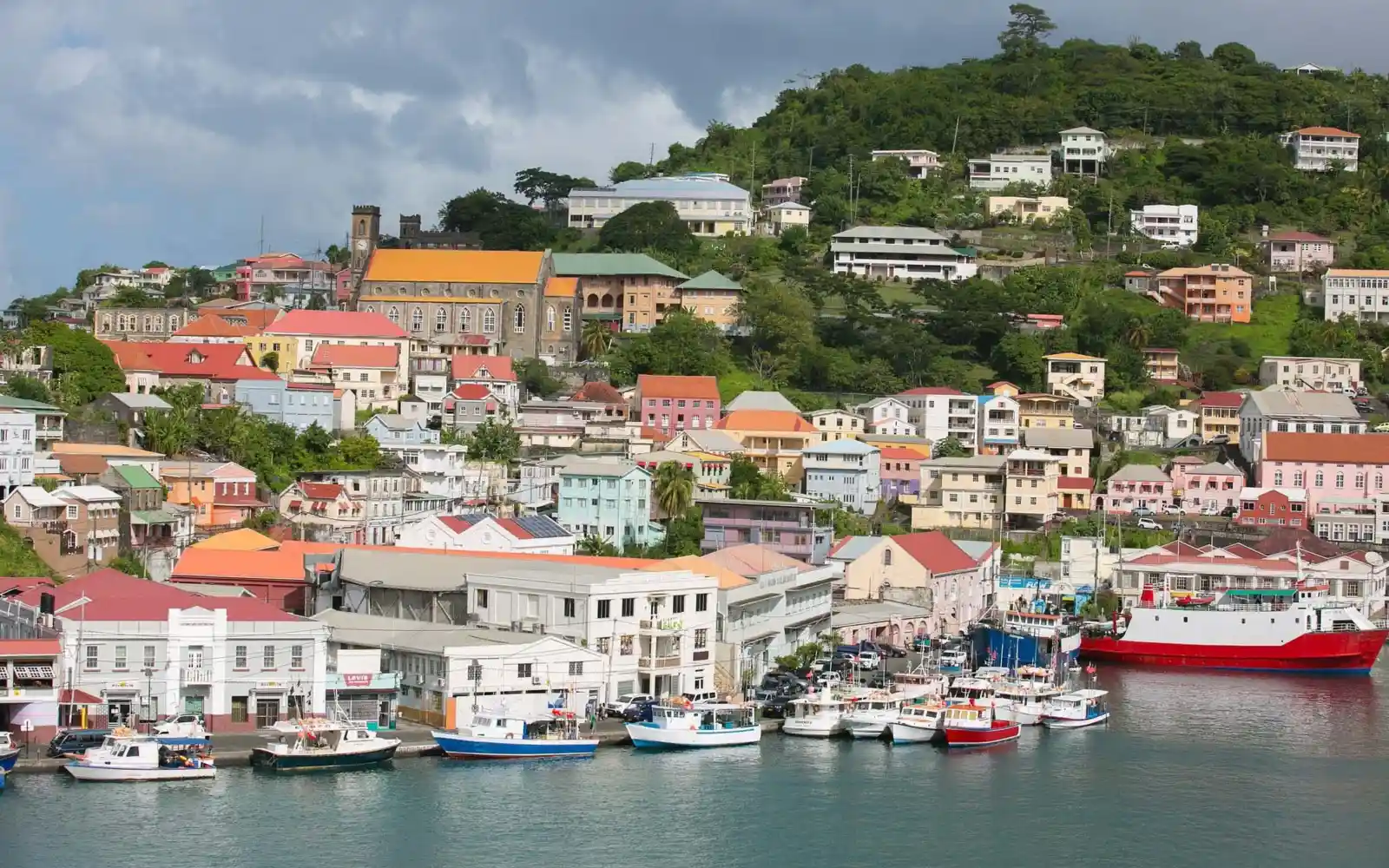
As of 2025, around 45 per cent of humanity lives in cities, and by 2050, urban areas will absorb two-thirds of global population growth. However, much of this expansion is happening in secondary cities and informal settlements that lack the resources and data to properly provide the services communities need.
Cities Alliance is the only global partnership exclusively addressing urban poverty. Hosted by UNOPS, the partnership works to support rapidly urbanizing cities, ensuring that the ‘triple threat’ of climate impacts, conflict, and economic fragility is met with inclusive, practical solutions.
María Fernanda Espinosa, President of Cities Alliance, explains how the partnership with UNOPS combines diplomatic influence with operational muscle to support communities on the front lines of global crises.
Can you reflect on the mission of Cities Alliance in today’s global context?
Cities Alliance focuses on secondary cities in rapidly urbanizing countries, which often receive less attention and fewer resources despite absorbing much of the urban growth. While we understand that megacities get the headlines, these smaller hubs are growing at twice the rate of their larger counterparts. Yet, they lack the resources and the data to manage the expansion. So our work as Cities Alliance is rooted in the informal reality.
Today, more than 1.1 billion people live in informal settlements and slums. This is where most new urban residents live and work, and where exclusion and vulnerability are most visible. In a context of accelerating urbanization, inequality, and fragility, supporting cities to respond in a more inclusive and practical way is no longer optional. It is central to our common progress.
Cities are on the frontlines of conflict, climate impacts and displacement. Why are they essential to addressing peace, security, human rights and development today?
We are witnessing an historic shift. 60 per cent of all refugees and 80 per cent of internally displaced persons live in urban areas. Recent data also shows that in conflict zones, 70 per cent of casualties occur in urban centers, where the destruction of water and power grids impacts millions instantly – in minutes, literally.
Cities are where the ‘triple threat’, as we call it, of climate impacts, conflict, and economic fragility converge. They are where global crises are experienced first and most intensely through pressure, for example, on housing, on services, on jobs, on social relations. Local governments are managing daily tensions linked to inequality, often with very limited resources and with very limited power and authority. When cities are supported to respond inclusively, they can strengthen social cohesion between residents and institutions and reduce the risk of instability. Ignoring the urban dimension of security is a strategic error.
What tangible difference does the partnership with UNOPS make for reaching people and strengthening impact on the ground?
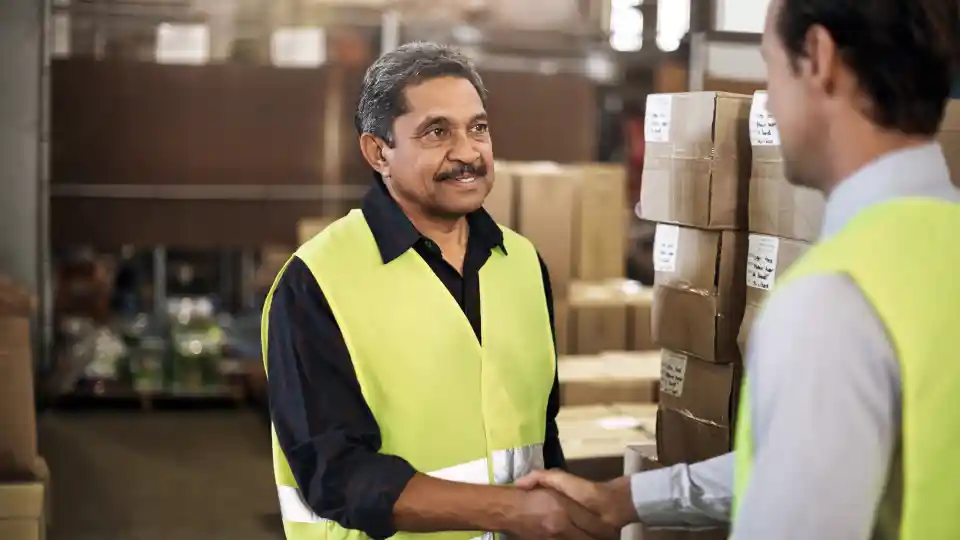
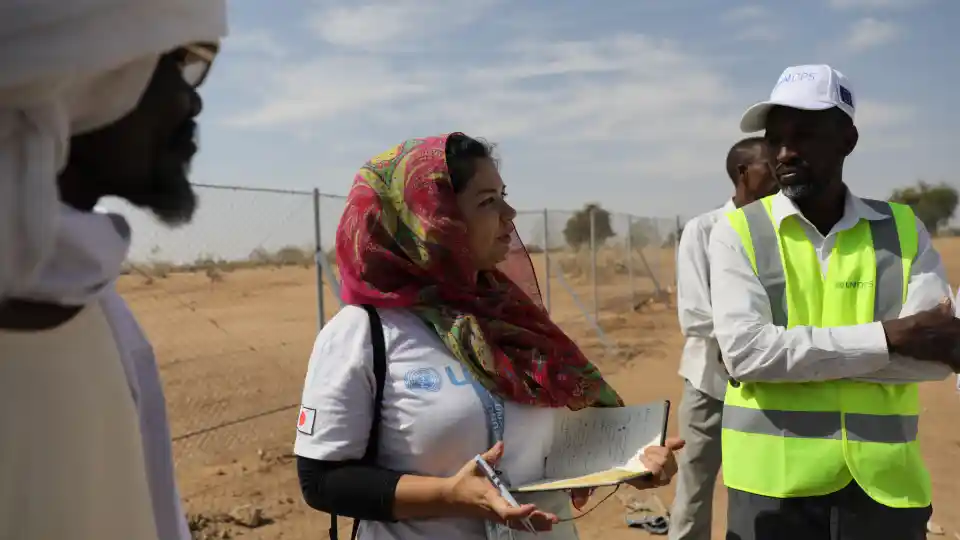
We see the partnership between the Cities Alliance and UNOPS as a powerful synergy between diplomatic influence and operational muscle. It combines the Cities Alliance's role as an honest broker with UNOPS operational capacity. The Cities Alliance brings together all the actors needed to improve cities for everyone, starting from the most vulnerable communities and working upwards, and implements this work in partnership with its members: local, national and global partners. UNOPS presence in over 80 countries allows us to move from an idea to a groundbreaking project with incredible speed and efficiency. It enables our work to translate into concrete action through implementation, through procurement, and delivery at scale.
We see the partnership between the Cities Alliance and UNOPS as a powerful synergy between diplomatic influence and operational muscle. It combines the Cities Alliance's role as an honest broker with UNOPS' operational capacity.
From your perspective, what does this work mean for communities living in the world’s most vulnerable urban areas?
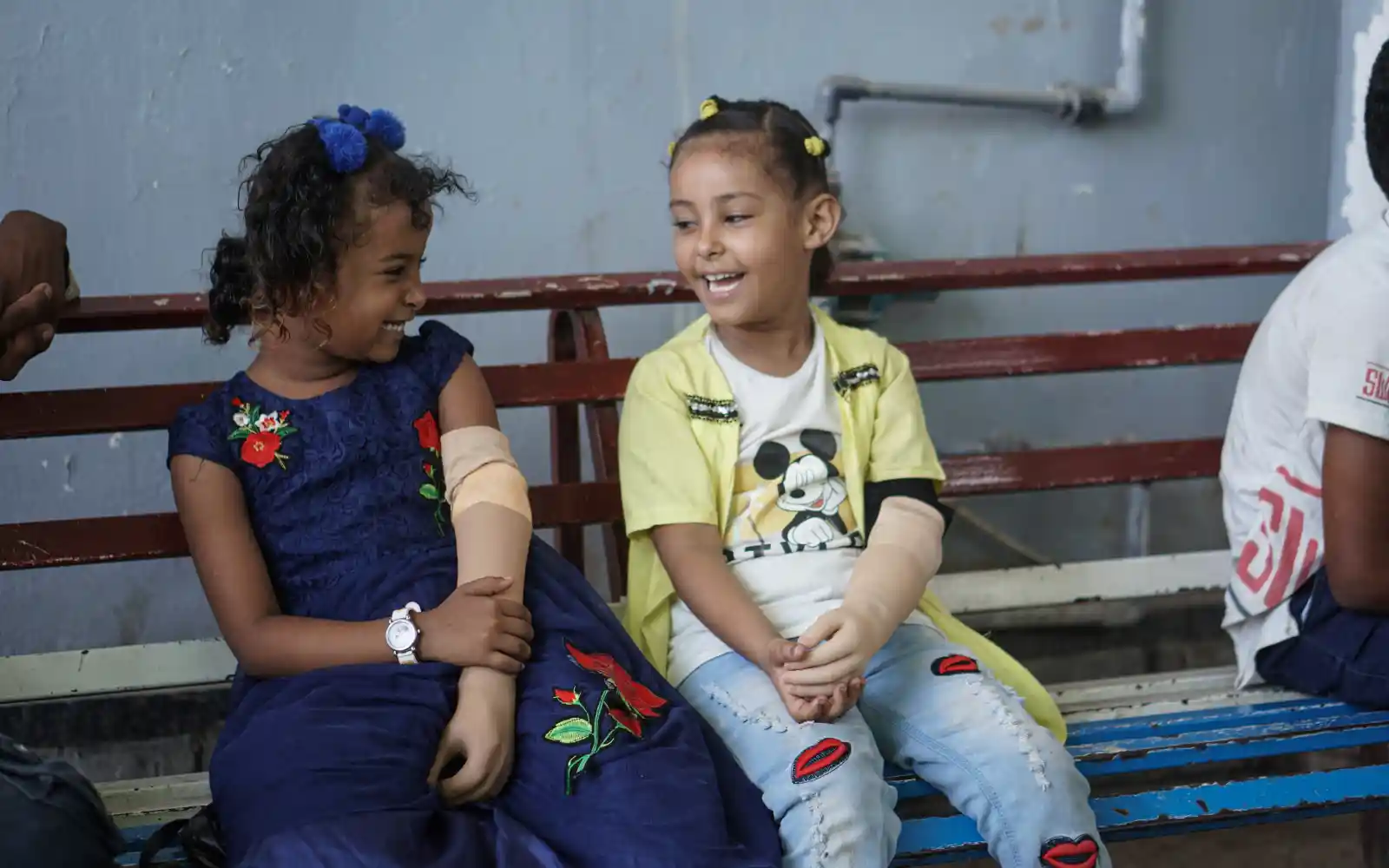
I think that the partnership [with UNOPS] means a lot for local communities. It means from restoring dignity through access to essential services to livelihoods and decision-making at the local level. It also means support for local economic development, especially in informal contexts where people already contribute to the urban economy but remain excluded from protection and opportunity. We ensure that communities are the ones shaping solutions that respond to their needs, rather than being passive recipients of aid or victims of a specific situation. And the results are more durable and locally owned when there is engagement and participation at the local level. And ultimately, I can say that this is about creating pathways out of urban poverty that are rooted in people's lived realities.
Why is renewed multilateral action vital at this moment, and what role should cities and local actors play in shaping that future?
I think when we talk about urban poverty, about the empowerment and active engagement of local communities on the ground, of service delivery, that is a rights-based service delivery, we are talking to the need of a vibrant, effective, impact-driven multilateral architecture. And this is even more needed at times of what we are witnessing today, which is a profound global uncertainty and where we see that a renewed multilateral action is essential to deliver solutions that people can see and trust.
Multilateralism…at the end of the day, it means cooperation and solidarity… [and] cooperation, solidarity and collective action is more needed than ever.. We face a trust deficit in the multilateral system, where citizens often feel that global agreements are disconnected from their daily struggles and needs. Local action is therefore absolutely key to rebuilding trust in global institutions and the multilateral system. Multilateral cooperation is stronger…when global commitments can be translated into concrete improvements in daily life. And that's what we do.

María Fernanda Espinosa
María Fernanda Espinosa serves as the President of Cities Alliance. A distinguished academic, diplomat and politician from Ecuador, María previously served as President of the UN General Assembly (2018–2019), becoming the fourth woman and the first person from Latin America and the Caribbean to hold the position. With over 30 years of professional experience, she is recognized as an expert in global governance, sustainable development, climate change and gender equality.
Throughout her career, María has held several ministerial positions in Ecuador, including Minister of Foreign Affairs, Trade and Integration, and Minister of National Defence. In these roles, she led international negotiations on climate change and implemented significant reforms focused on human rights. Currently, she is also the Executive Director of Global Women Leaders for Change and Inclusion, she continues to advocate for inclusive urban development and partnerships to address the pressing challenges facing cities today.