



The United Nations Office for Project Services (UNOPS)
A Q&A with Mark Gibson on how UNOPS helps the Global Platform for Action deliver sustainable energy to refugees and displaced people worldwide
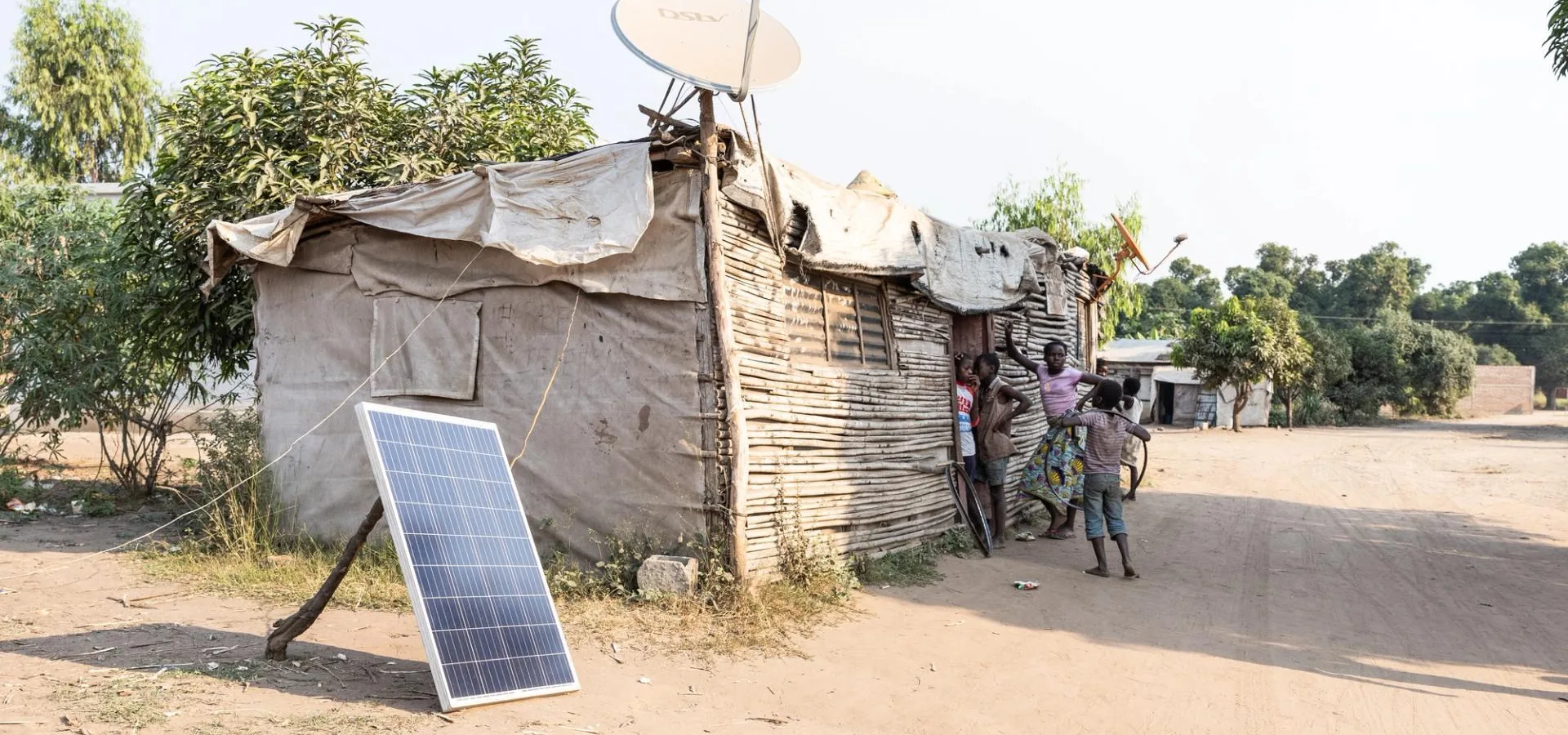
We spoke with Mark Gibson, Head of the Global Platform for Action (GPA) Secretariat on Sustainable Energy in Displacement Settings on how UNOPS unique hosted partnerships model helps tackle one of the humanitarian sector’s most pressing challenges: achieving affordable and clean energy for all.
Access to clean, reliable energy is a fundamental human right. Yet, for millions of people living in displacement, it remains one of the greatest barriers to safety, health and economic opportunity. By working to ensure no one is left behind, the GPA’s vision is that all people living in displacement settings have equitable access to sustainable energy.
Mark Gibson explains how the UNOPS-hosted GPA leverages the organization's wide global network, increasing local presence, and trusted space to convene its partners and successfully address the energy needs of some of the world’s most vulnerable populations.
How does UNOPS help you deliver on your core mission?
UNOPS helps the Global Platform for Action on Sustainable Energy in Displacement Settings deliver its mission by providing an institutional home and administrative capacity for operational support, financial management, human resources and procurement. This frees the GPA Secretariat from administrative processes, enabling it to concentrate on delivering its core mandate. Secondly, and just as importantly, UNOPS provides the GPA with a neutral platform for convening its partners and relevant stakeholders, which is fundamental to collaboration and knowledge sharing.
Why did you choose UNOPS?
The GPA had a number of hosting options available to it, but our Steering Group confirmed the Secretariat’s preferred choice of being hosted by UNOPS, because the arrangement provides the platform with institutional legitimacy while preserving our independence. In particular, the requirement to establish a Board, which includes a relevant mandated UN agency, strengthens our governance and accountability, while ensuring that the GPA is not influenced by the mandate, financing priorities, programmes or internal matters of a single UN agency.
The partnership between the GPA and UNOPS strengthens the GPA’s ability to reach a wider range of people and institutions. It combines the GPA’s specialist humanitarian energy expertise, with UNOPS global presence, operational systems, trusted UN platform, and network of local offices.
What difference does our partnership make in reaching people?
The partnership between the GPA and UNOPS strengthens the GPA’s ability to reach a wider range of people and institutions. It combines the GPA’s specialist humanitarian energy expertise, with UNOPS global presence, operational systems, trusted UN platform, and network of local offices. These local offices provide practical support and connections on the ground, enabling the GPA to engage more effectively with governments, UN agencies, donors, private-sector energy providers and local partners. This helps ensure the energy needs of displaced people and local host communities are better understood, represented and addressed.
Why is multilateral action important now more than ever?
The GPA’s own role is inherently multilateral: it is designed to remove barriers to energy access by creating a collaborative agenda across humanitarian, development, peace and energy actors, with the objective of delivering energy access for all those living in displacement settings. No single agency, NGO, donor, government or private sector service provider can develop or implement the solutions alone, and as such, multilateral action is key to delivering impact.
Mark Gibson
Mark is the Head of the UNOPS-hosted Global Platform for Action (GPA) Secretariat on Sustainable Energy in Displacement Settings. Since 2018, he has held leadership roles and management roles focused on decarbonising the humanitarian response and innovative finance.
Previously, he developed UNHCR Tanzania’s refugee camp energy strategy and spent two decades as an international consultant on sustainable energy and environmental management. Mark holds degrees in Environmental Studies,Environmental Law, and Marine Resource Management.