


The United Nations Office for Project Services (UNOPS)
“This hospital means everything to my life, my town and my story”
For communities in northern Brazil, a new regional hospital is bringing life-saving healthcare closer to home.
For communities in northern Brazil, a new regional hospital is bringing life-saving healthcare closer to home.
For communities in northern Brazil, a new regional hospital is bringing life-saving healthcare closer to home.
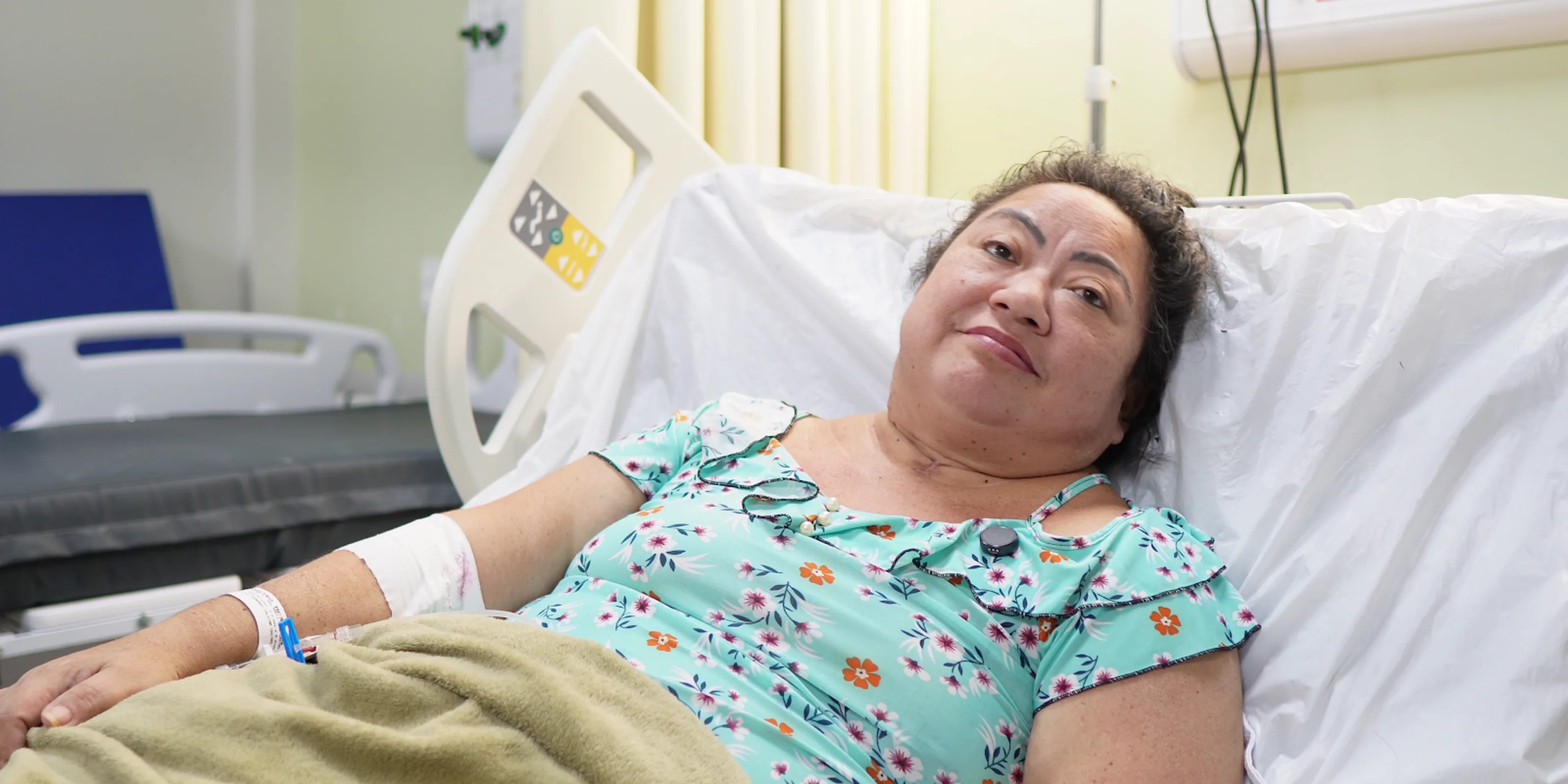
In early 2026, Débora Castro Marques started feeling unwell. After putting off a medical visit for days, she finally went to her local health clinic – where she collapsed. She woke up 12 days later, recovering from three cardiac arrests caused by a combination of underlying health conditions.
“I was so relieved when I woke up. The Intensive Care Unit (ICU) doctor told me she fought hard to bring me back,” she says.
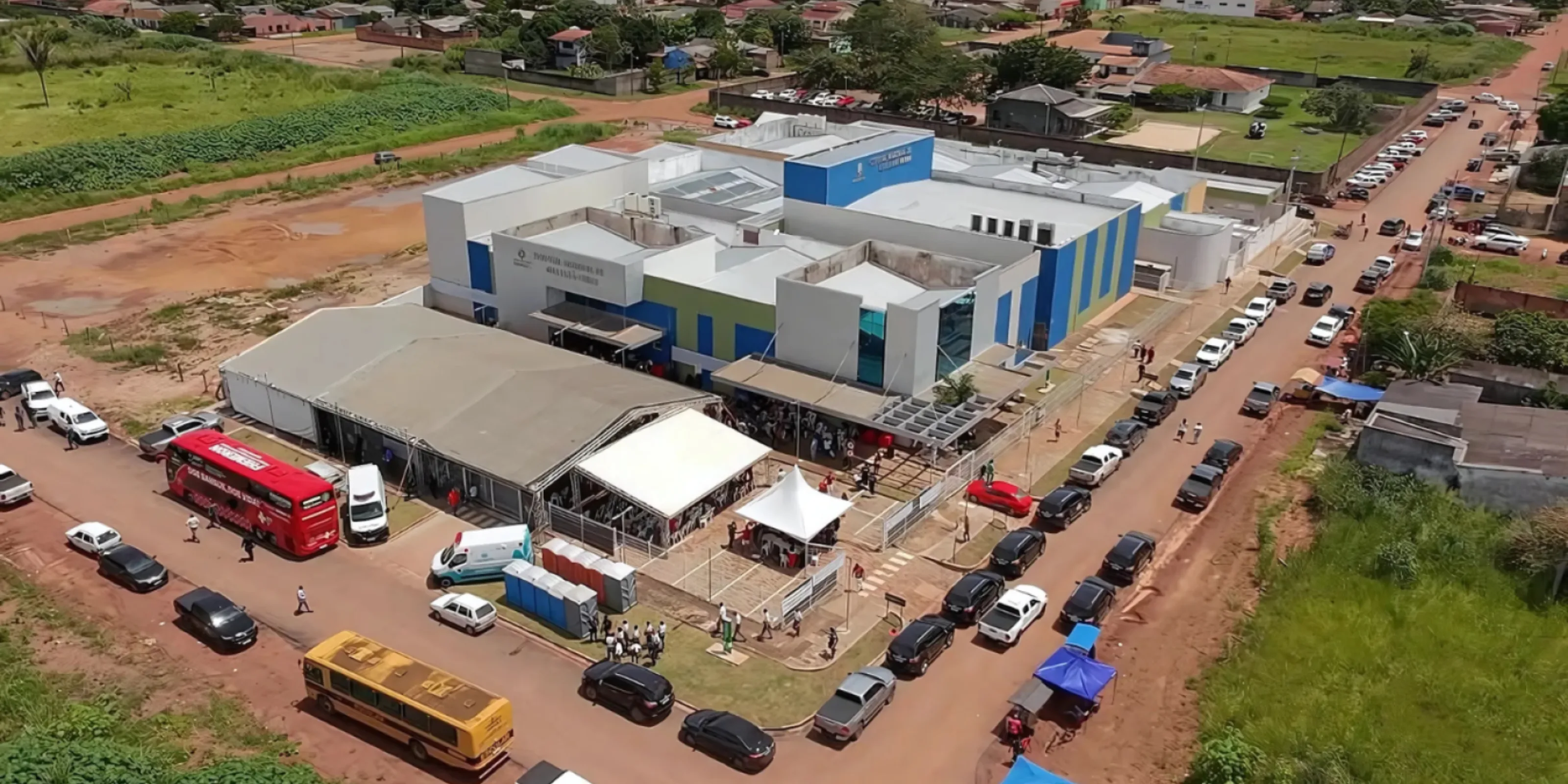
Débora was one of many patients treated at the Guajará-Mirim Regional Hospital during its first year of operation. Located in the northern state of Rondônia on Brazil's border with Bolivia, the hospital serves as a key hub for medium and high-complexity medical care in the region.
The construction on the Guajará-Mirim Regional hospital had been stalled for ten years before UNOPS stepped in to complete the works, handing the facility over to the community in March 2025.
“With projects like this, we get these works back on track, supporting our partners to improve infrastructure and helping expand access to fundamental rights for the population,” says Fernando Barbieri, UNOPS Director in Brazil.

Long awaited by local residents, the hospital delivered more than 20,000 consultations, over 8,100 surgeries and 5,000 inpatient admissions in its first year of operation. All services are free of charge through Brazil’s Unified Health System (SUS), saving patients a 360-kilometre trip to the state capital, Porto Velho.
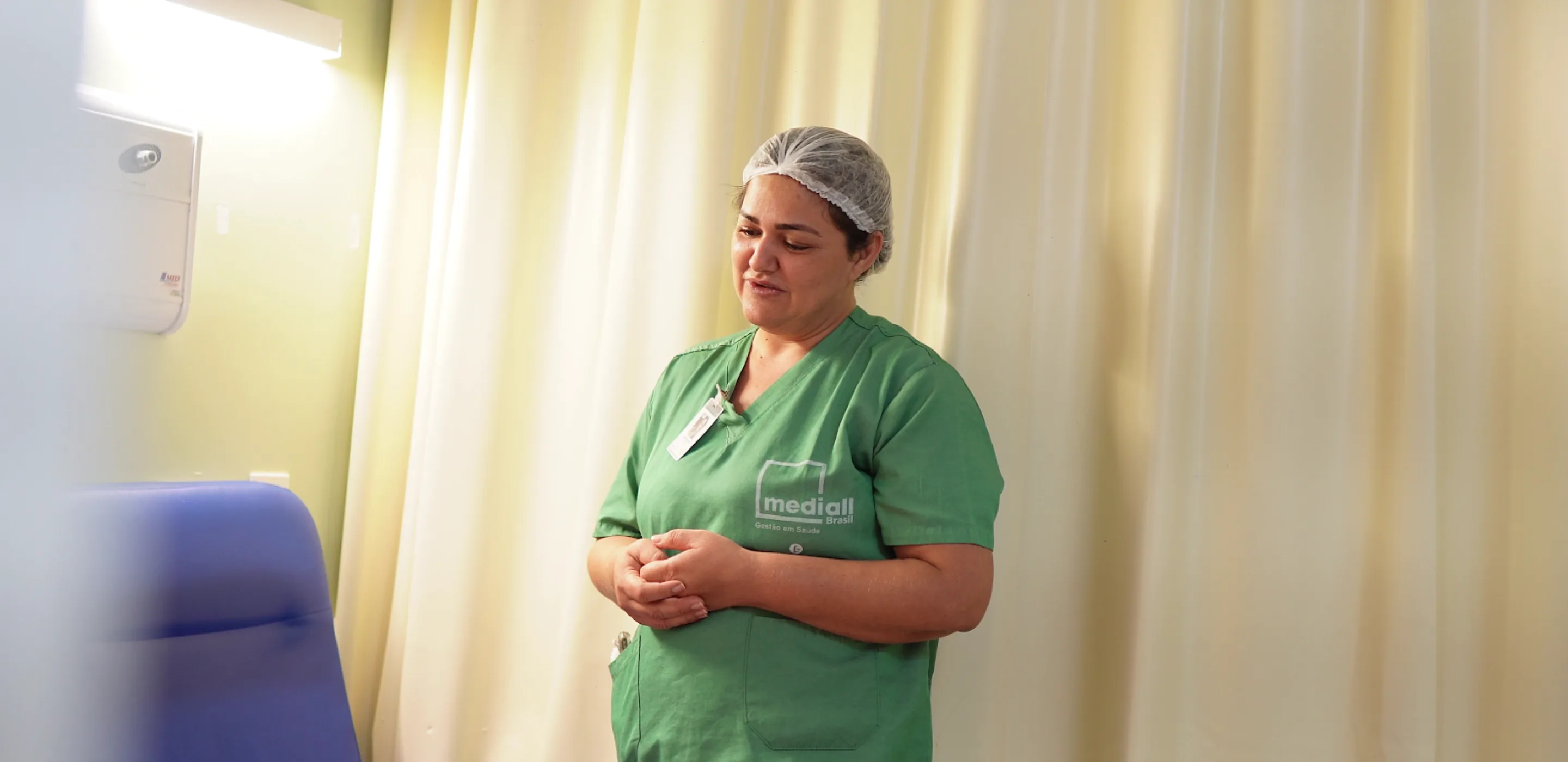
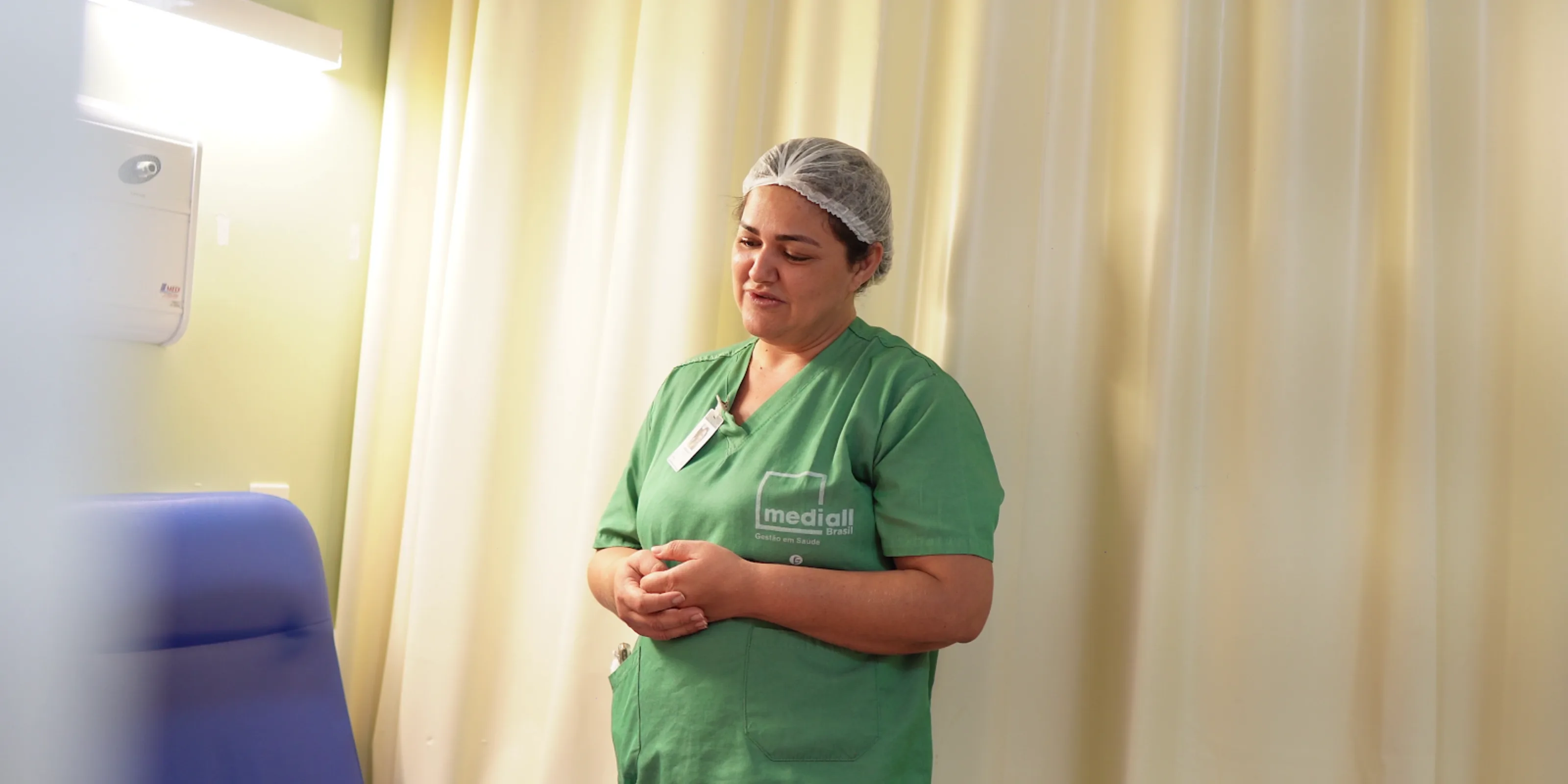
“In some complex cases, we still need to transfer patients to Porto Velho, but people get sad about it,” highlights psychologist Ivânia Gomes, a local resident and team member at the hospital. “Being close to home makes a huge difference. It is comfortable, welcoming and makes it much easier for family members to rotate as companions.”
“This hospital means everything to my life, my town and my story,” adds Ivânia, who lived in Porto Velho for two decades before returning to work in her hometown.
Inclusion and sustainability
To better serve the Spanish-speaking border community, signage in Spanish was installed throughout the hospital.
With a focus on creating an inclusive space for all, the hospital incorporated a hammock area and spacious collective wards – reflecting the local customs of Indigenous families accompanying patients at the hospital.
A children’s playroom was also added to the reception area, allowing mothers and other caregivers to seek medical care with greater peace of mind, knowing their children have a safe place to play.
A private room was also created for women experiencing domestic violence, providing a safe and confidential space for support.
Infrastructure must be designed around people’s needs. That is what we did here, while also delivering efficiency and quality.
In addition to completing the Guajará-Mirim facility, UNOPS partnership with the State Health Department included expanding and completing another critical piece of infrastructure: the Tropical Medicine Centre of Rondônia in Cemetron, the state’s primary reference centre for infectious diseases.
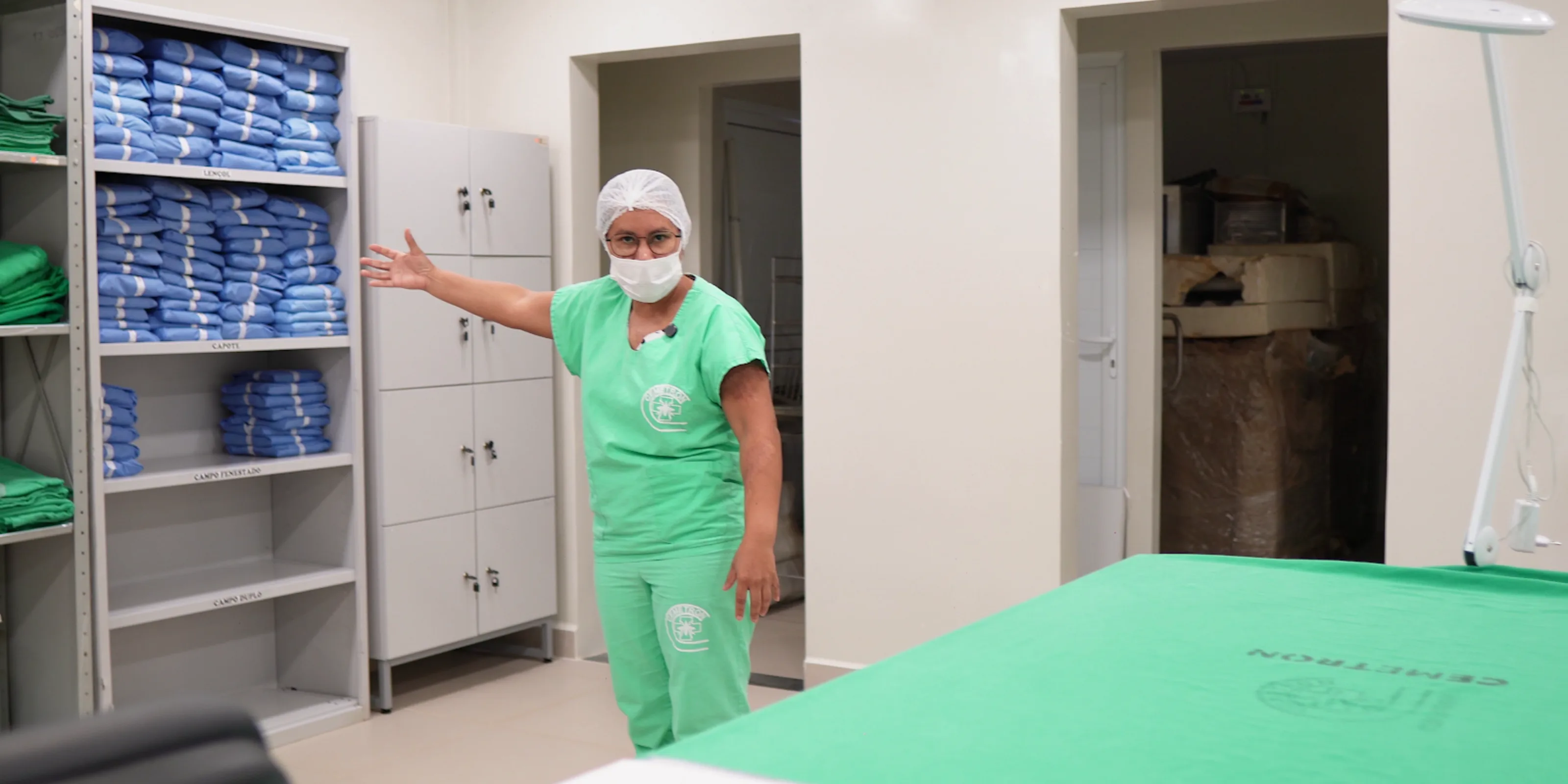
With over 2,600 square metres, the project added 10 new ICU beds, a Sterilization Supply Department and a new central warehouse.
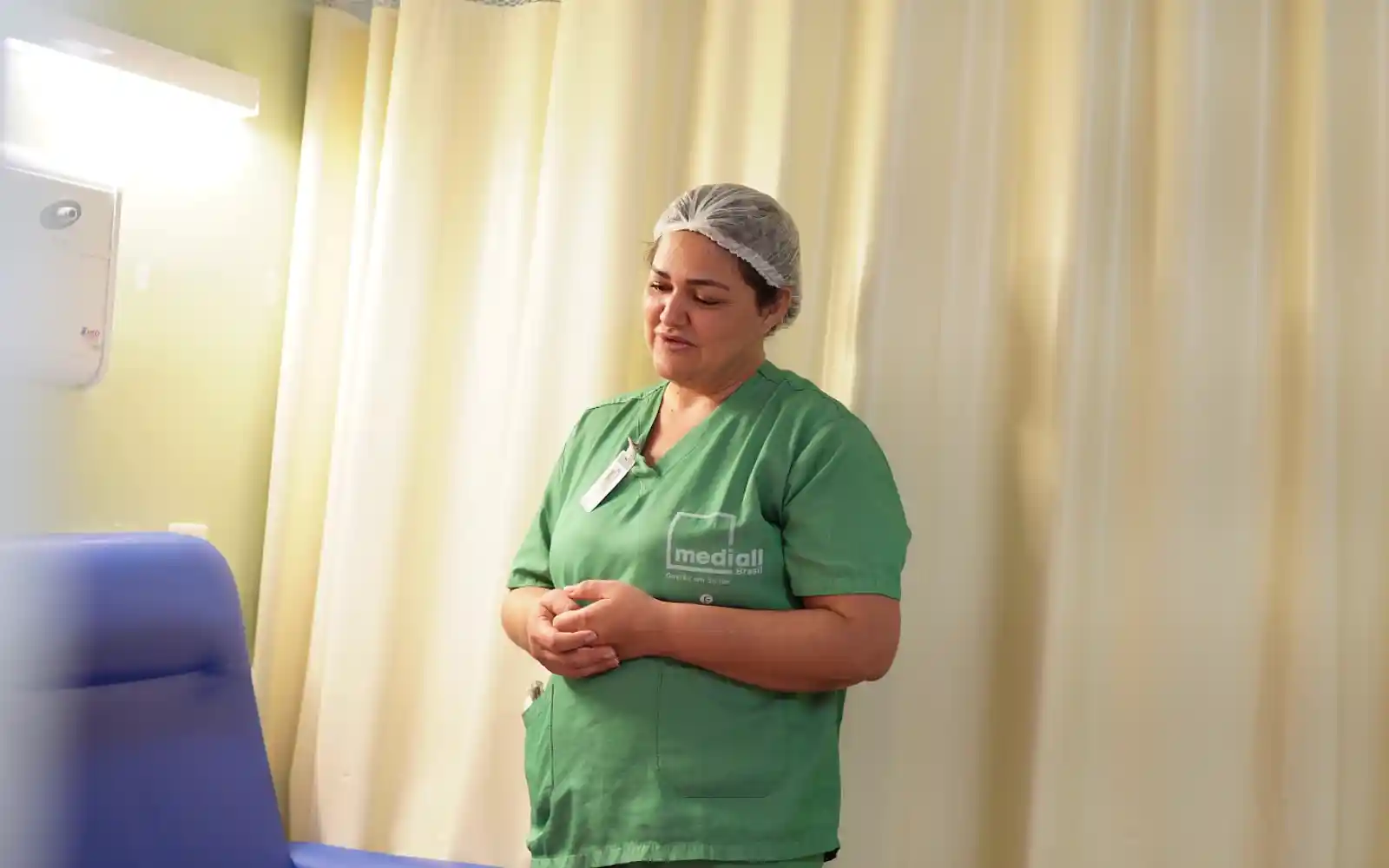
“In the past, our sterilization unit operated in a small, unhealthy space that was difficult for both technical and administrative staff,” recalls nurse Mirla Silva Almeida, now head of the department. “In this new block, we can execute every stage of sterilization with more room and a proper one-way workflow. People work better, which directly improves patient care,” adds Mirla.
The project also delivered a new administrative centre featuring offices and a 100-seat auditorium. Relocating administrative staff freed up valuable space in the main building, boosting Cemetron's capacity to care for patients.
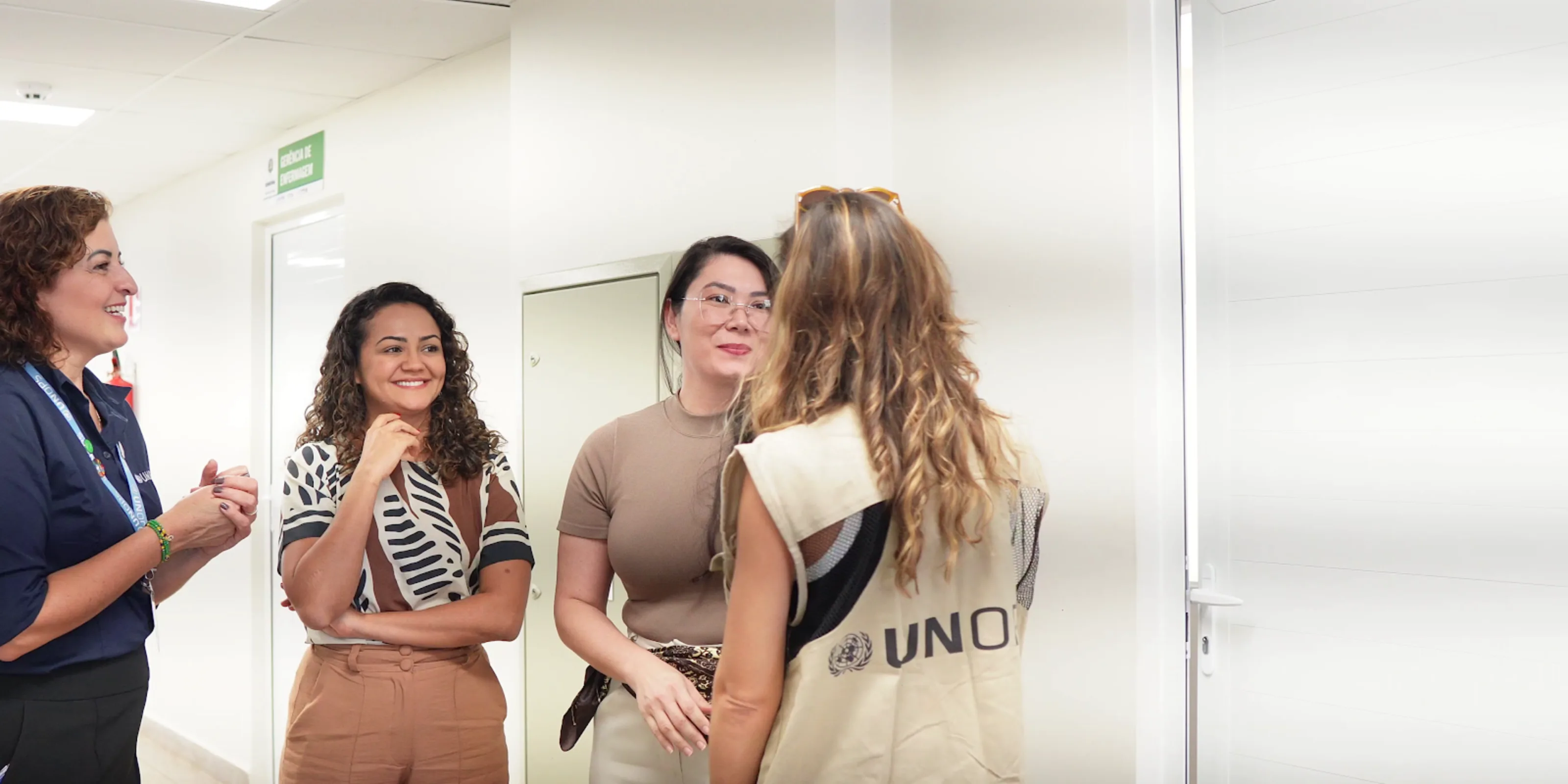
“When I first came here, this area was completely overgrown with weeds,” recalls Cemetron Deputy Director Caroline Moreira, referring to the auditorium space that had been filled with debris and vegetation for years. “To walk through this beautiful, completed facility today... when we hear staff say how hard things used to be and how much more motivated they feel now, it fills my heart with joy,” adds Caroline.
Before and after shots of one of the blocks at Cemetron.
About the project
Implemented by UNOPS in partnership with the Rondônia State Health Department (SESAU), the project also strengthens the department’s capacity to manage infrastructure and includes the development of a Hospital Building Maintenance Plan for 20 state-run healthcare facilities.
Global Goals we are supporting through this initiative: