



The United Nations Office for Project Services (UNOPS)

Building a stronger epidemiological system across Uzbekistan
Outdated health infrastructure in Uzbekistan has made it difficult to quickly identify, track and respond early to infectious diseases and other emerging health risks.
Outdated health infrastructure in Uzbekistan has made it difficult to quickly identify, track and respond early to infectious diseases and other emerging health risks.
Outdated health infrastructure in Uzbekistan has made it difficult to quickly identify, track and respond early to infectious diseases and other emerging health risks.
Uzbekistan's fragmented systems collecting data at different district, regional and national levels, manual reporting and delayed data flows make it difficult for specialists to see the full health picture in real time.
“In the past, we had to collect information from different sources and put it together ourselves. It could take time to understand the full situation," says Nodira Khojinazarova, Assistant Epidemiologist.
In addition, many sanitary-epidemiological facilities – from national laboratories to regional centres and local departments – operated in spaces that did not meet modern biosafety standards. They often lacked reliable electricity, water and heating – all of which affected how quickly and safely laboratories could detect and respond to infectious diseases.
With support from UNOPS and financing from the Asian Development Bank and the Asian Infrastructure Investment Bank, the government of Uzbekistan is upgrading critical physical and digital health infrastructure.
Modern epidemiology facilities
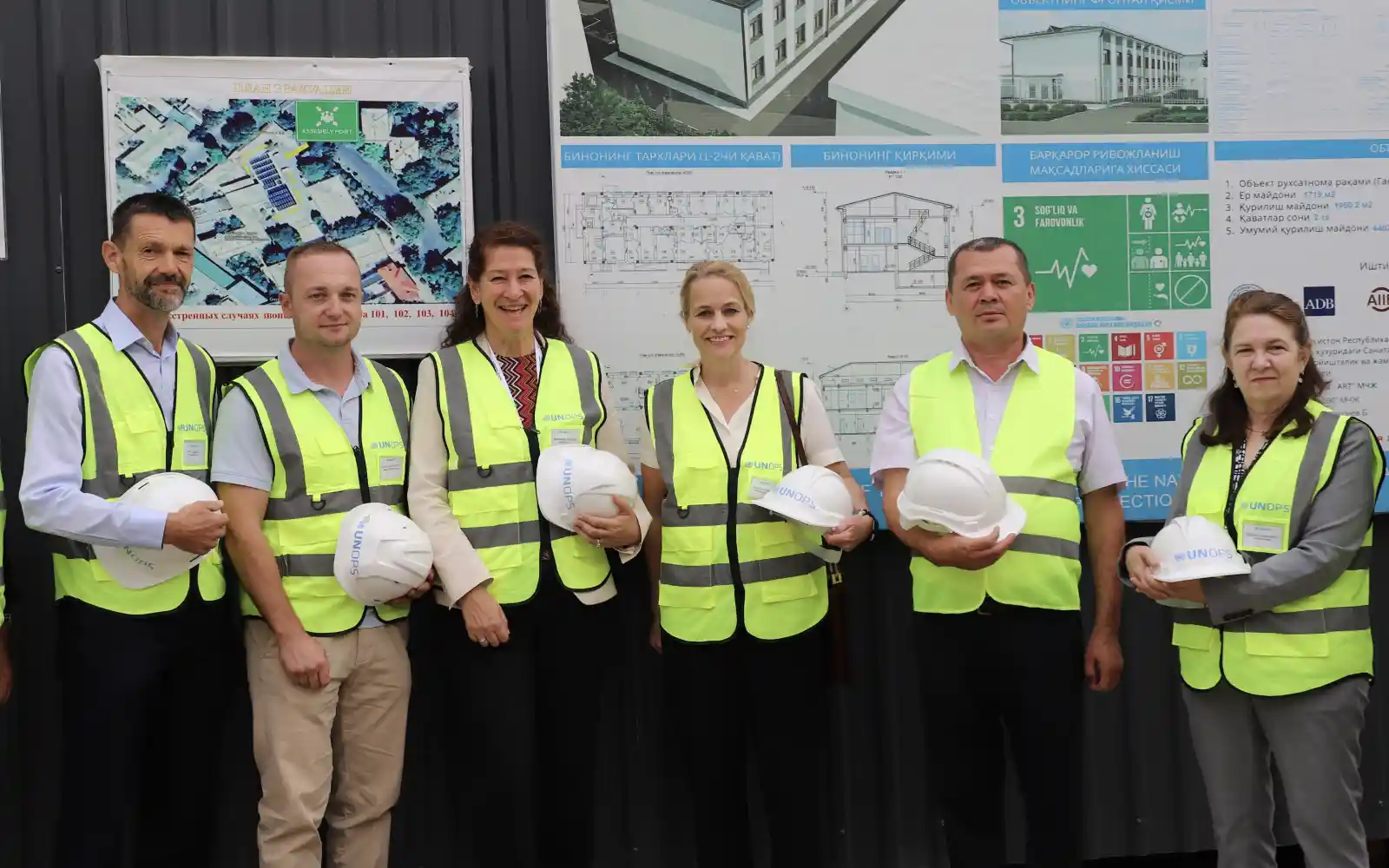
Based on a nationwide assessment, 45 priority sites – including regional, district and city Sanitary-Epidemiological Committee departments, AIDS centres, infectious disease hospitals and research institutes – were selected for renovation and new construction. Each site is being developed in line with international standards for quality, safety and environmental management.
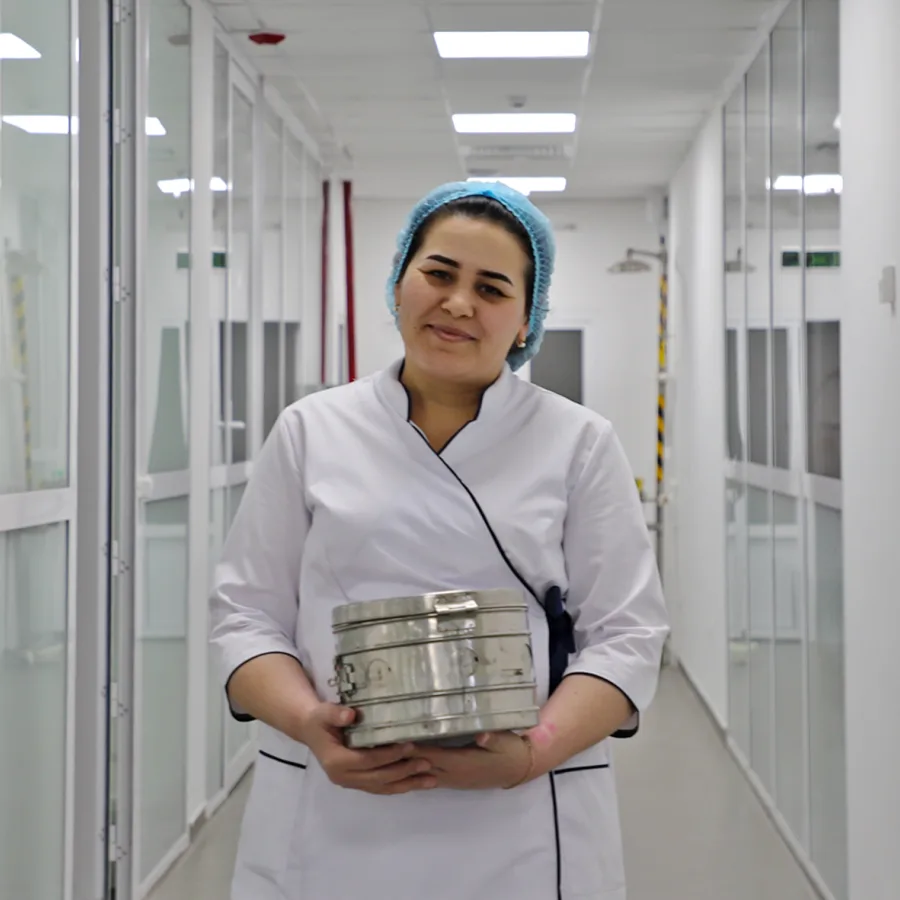
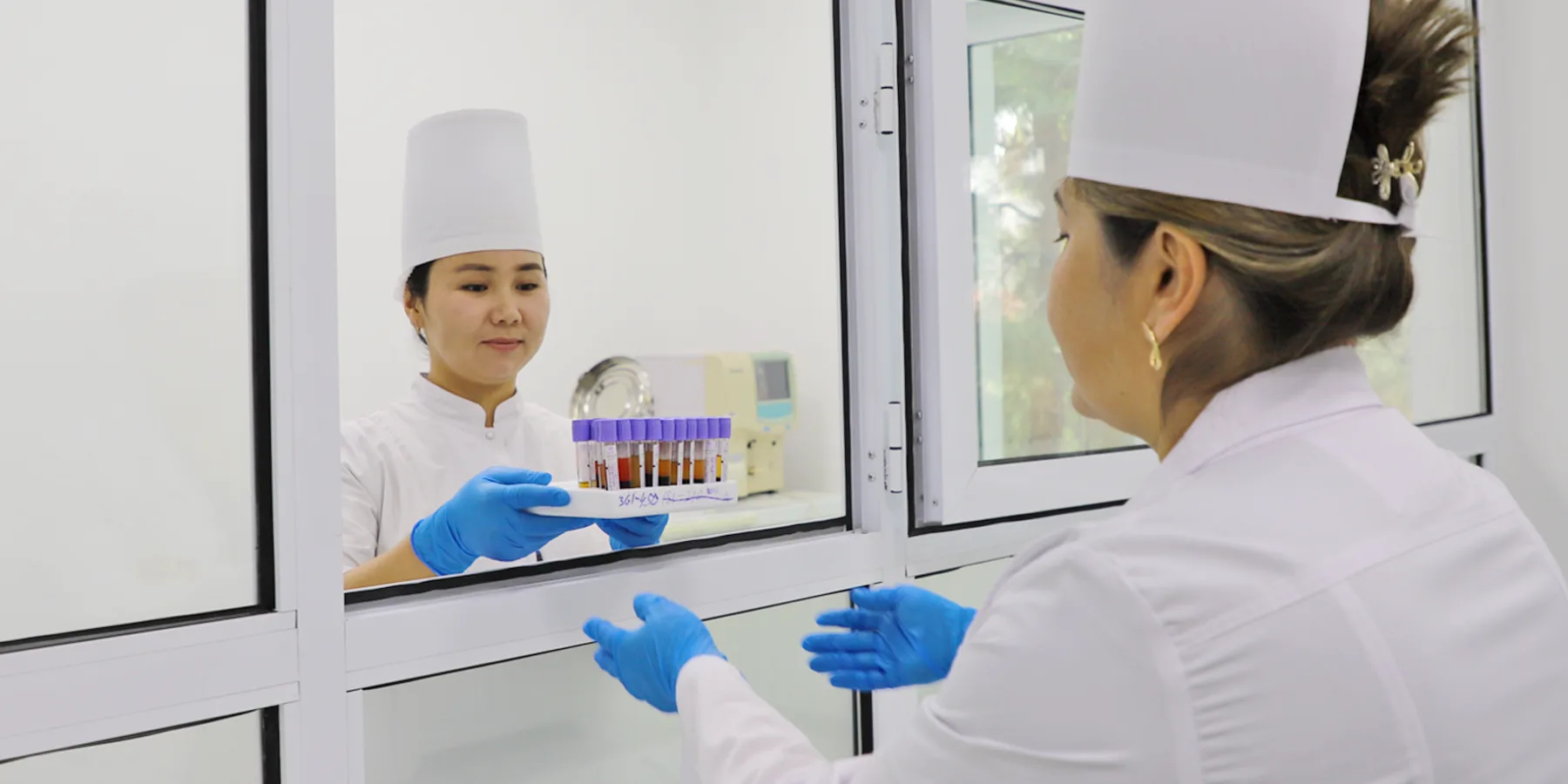
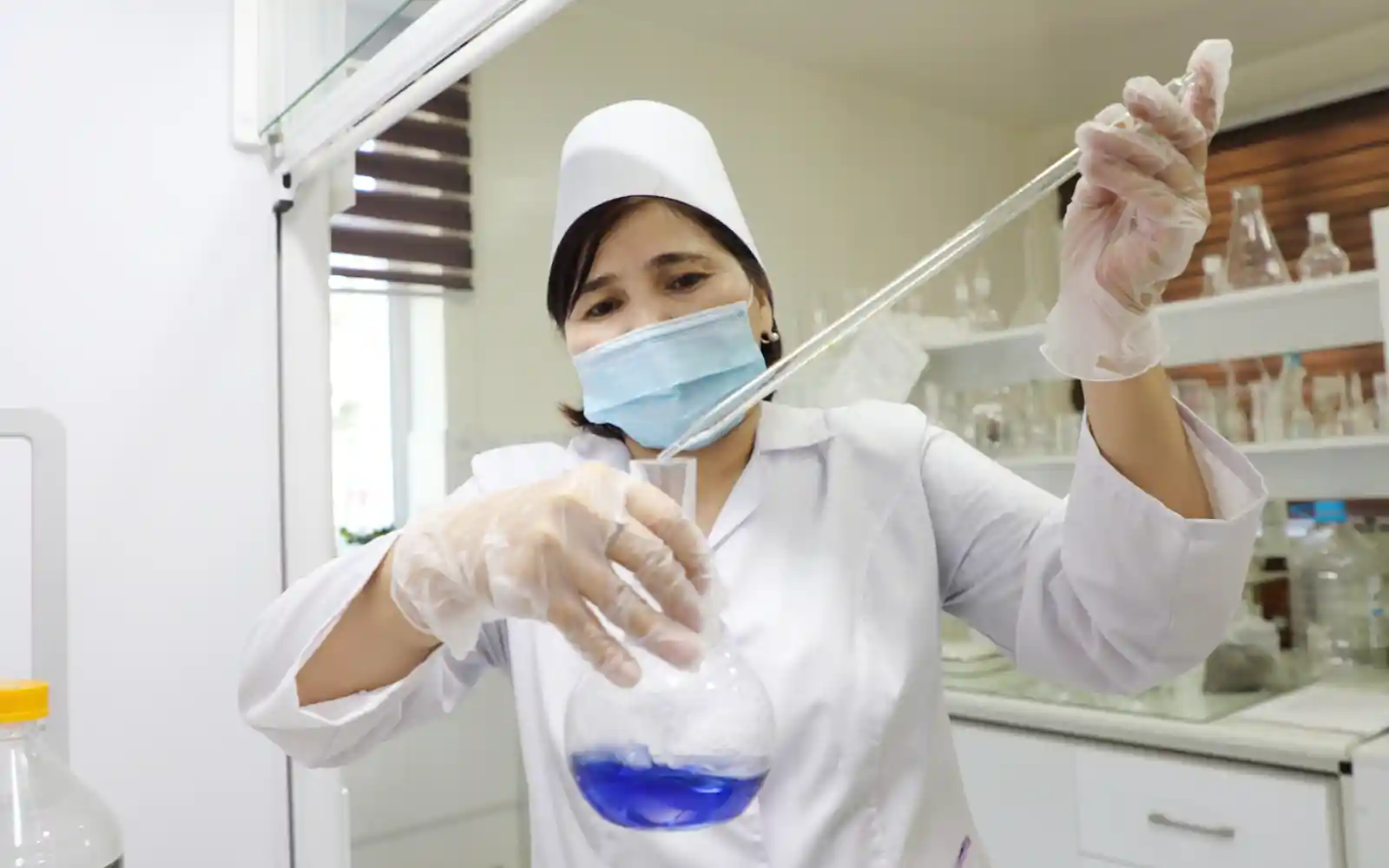
Bukhara Regional Sanitary-Epidemiological Committee is one of the sites selected for an upgrade. Its existing virology, parasitology and bacteriology laboratory facilities were modernized, helping improve working conditions and strengthening laboratory operations. And a new three-story laboratory building housing specialized laboratories for especially dangerous infections, radiology and sanitary-hygienic analysis was constructed.
"Now our laboratory is organized in a way that really supports our work. Everything is clearly structured, and we can focus fully on accurate diagnostics and safe handling of samples," says Anora Baranova, Bacteriologist, high-risk pathogens laboratory, Bukhara Regional Sanitary-Epidemiological Committee.
Wheelchair accessible ramps and elevators were also installed, making it easier for people with disabilities to move comfortably around the facilities.
At the Fergana Regional AIDS Centre, upgraded laboratories are supporting more reliable daily operations.
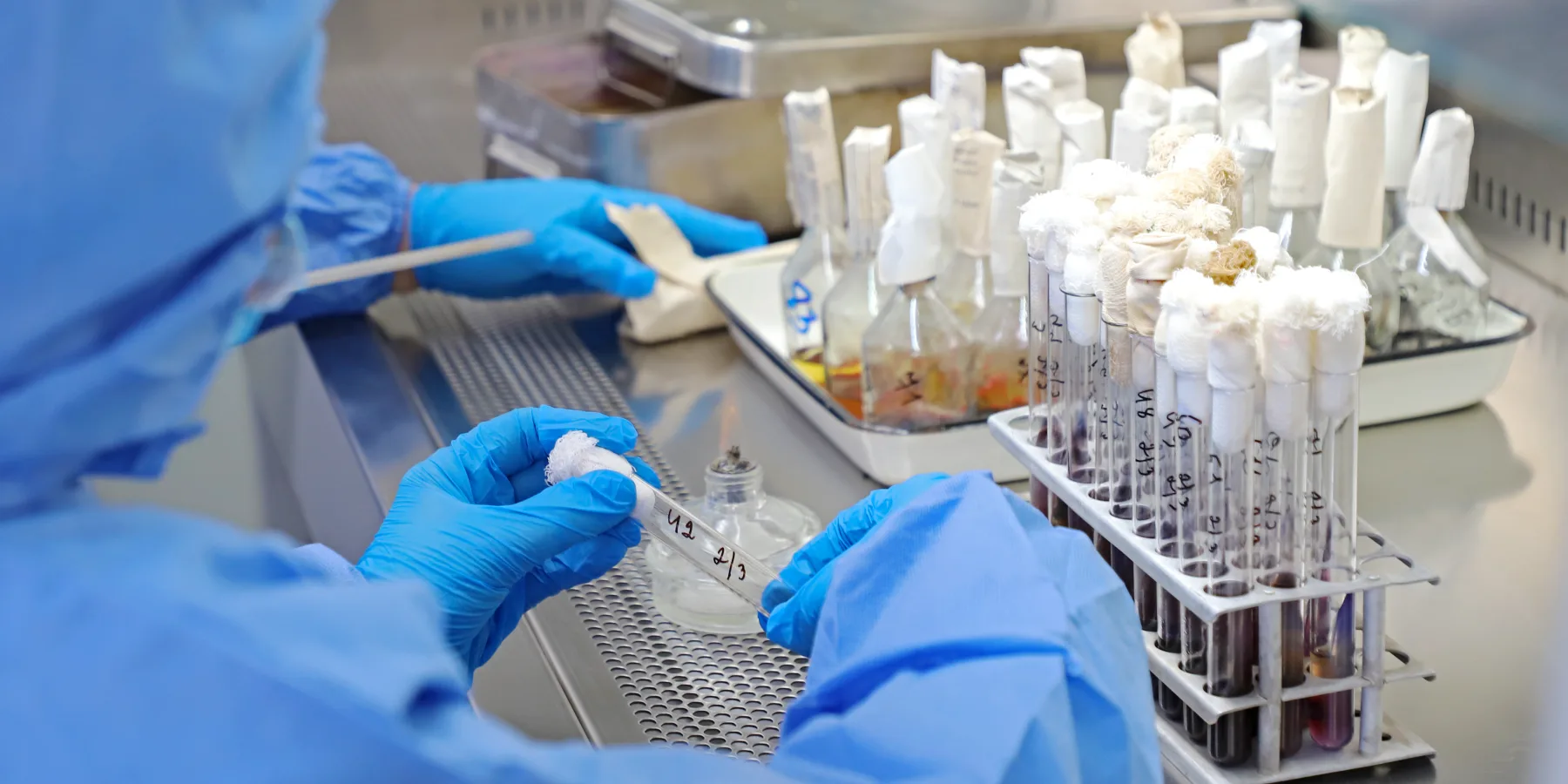
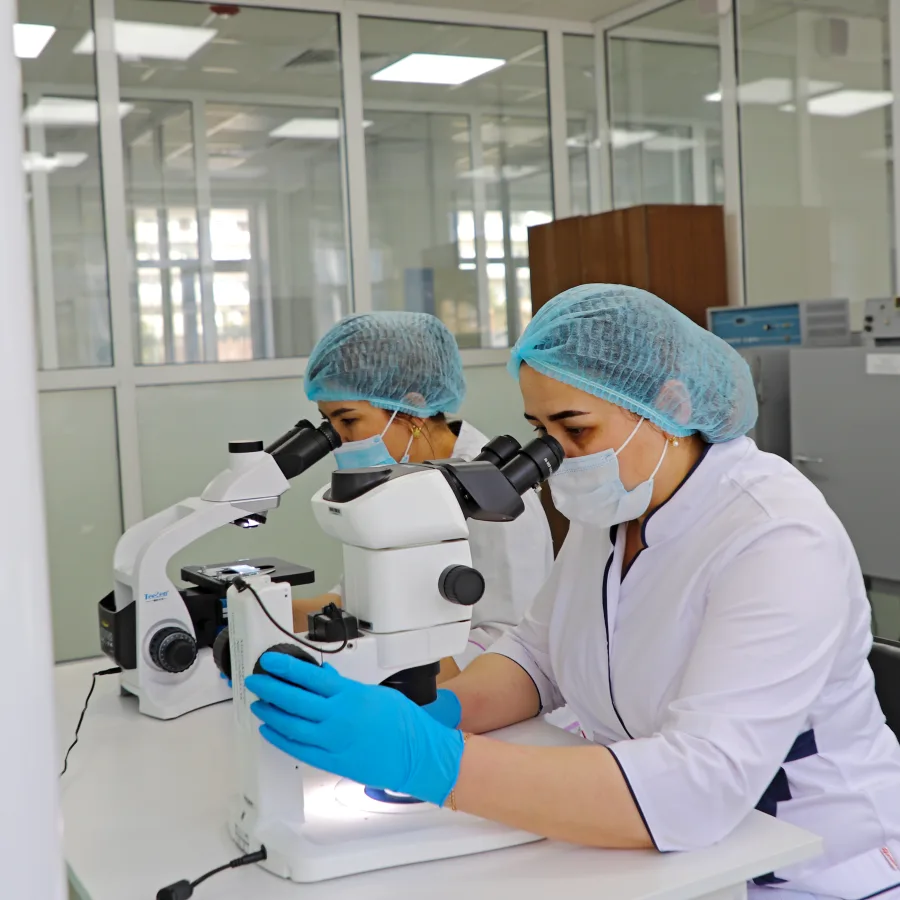
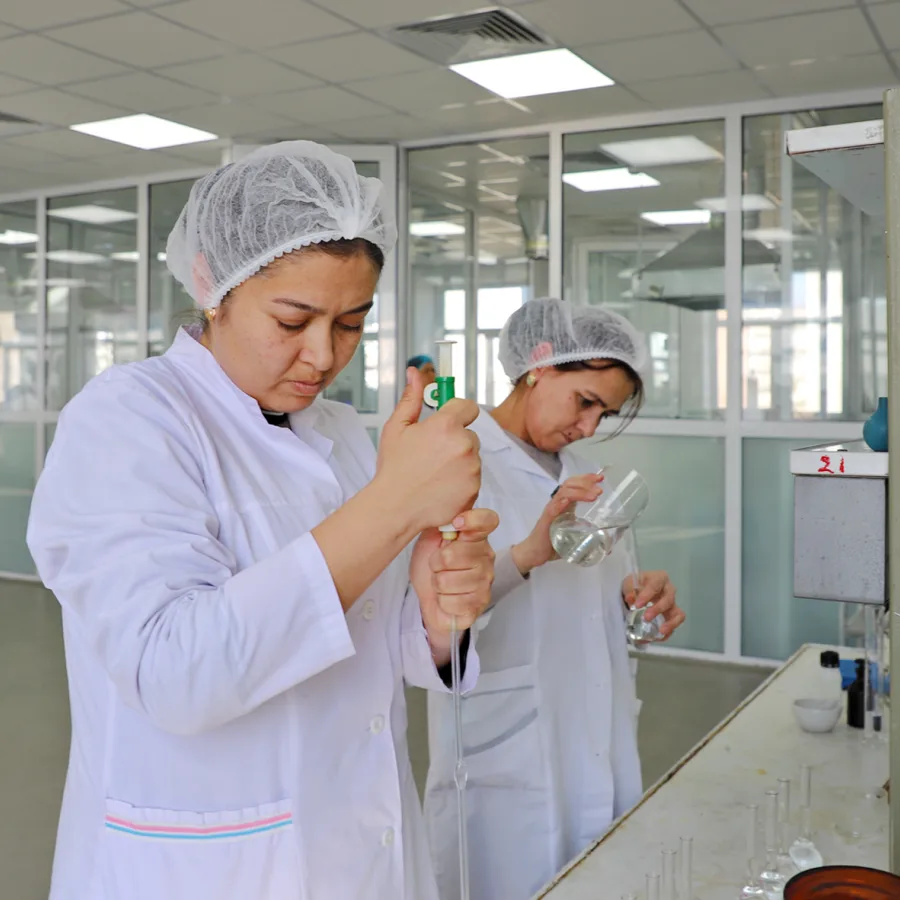
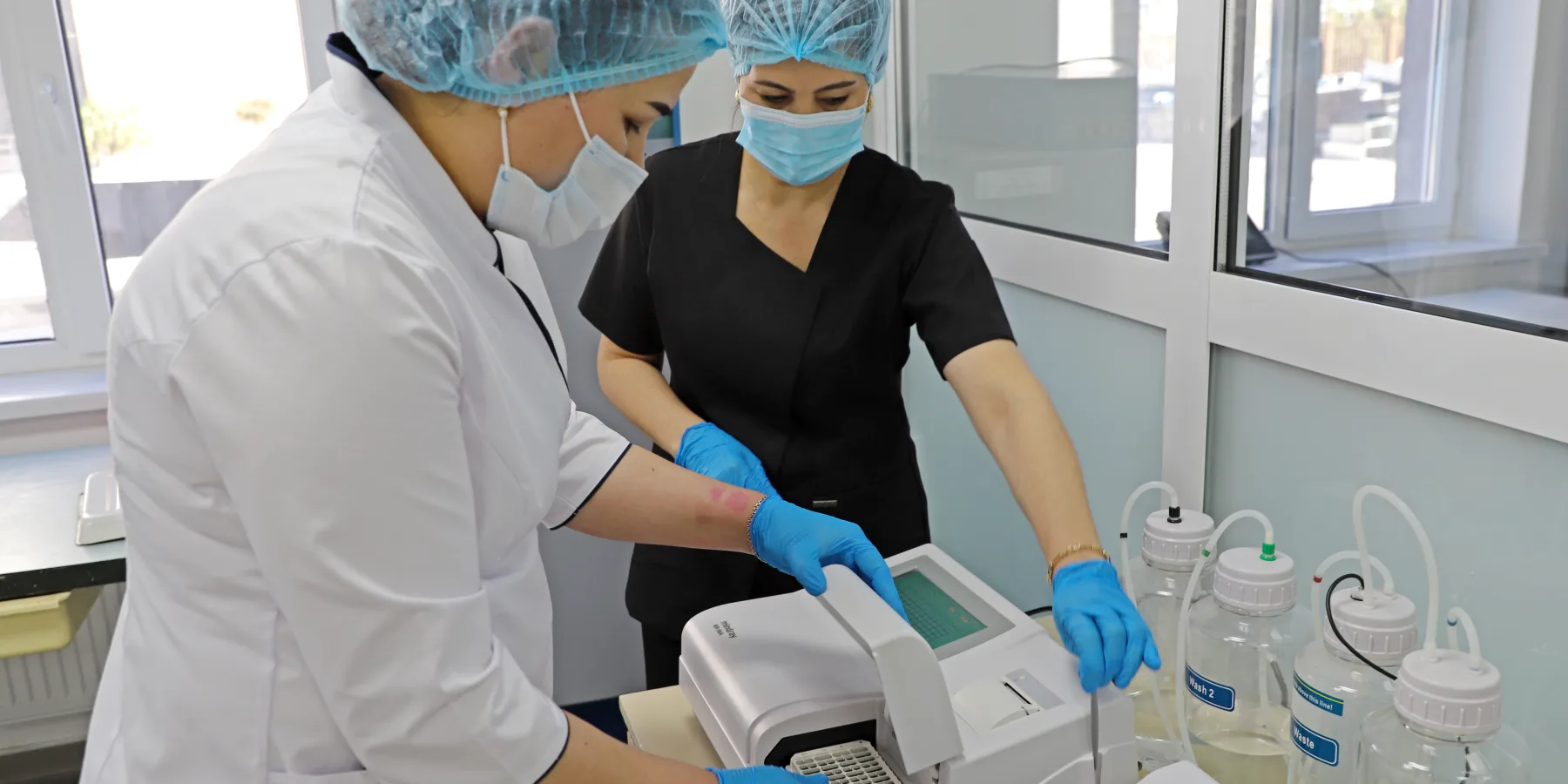
"Working in a modern laboratory is much more comfortable, and it is now easier to handle samples and maintain the workflow throughout the day,” says Sevara Solieva, laboratory technician, Fergana Regional AIDS Centre.
With modern laboratories in place, people no longer need to travel long distances to access diagnostic services. Diseases can be detected earlier – and health services can respond more quickly and prevent them from spreading further.
Improved infectious disease data sharing
In addition to renovating and constructing new laboratories, a new Information System for Epidemiological Monitoring of Infectious Diseases was also developed as part of broader efforts to modernize the Sanitary-Epidemiological Service Network.
The system brings together data from across the country into one unified platform, replacing paper-based and manual processes with digital, real-time monitoring and reporting.
Epidemiologists can now identify patterns and potential outbreaks earlier while responses can be better coordinated across regions, strengthening the country’s overall infectious diseases preparedness.
Before, when there was an outbreak, it could take time for the information to reach us. We were often working with delays. Now notifications come directly through the system, and we can react much faster when it comes to infectious diseases.
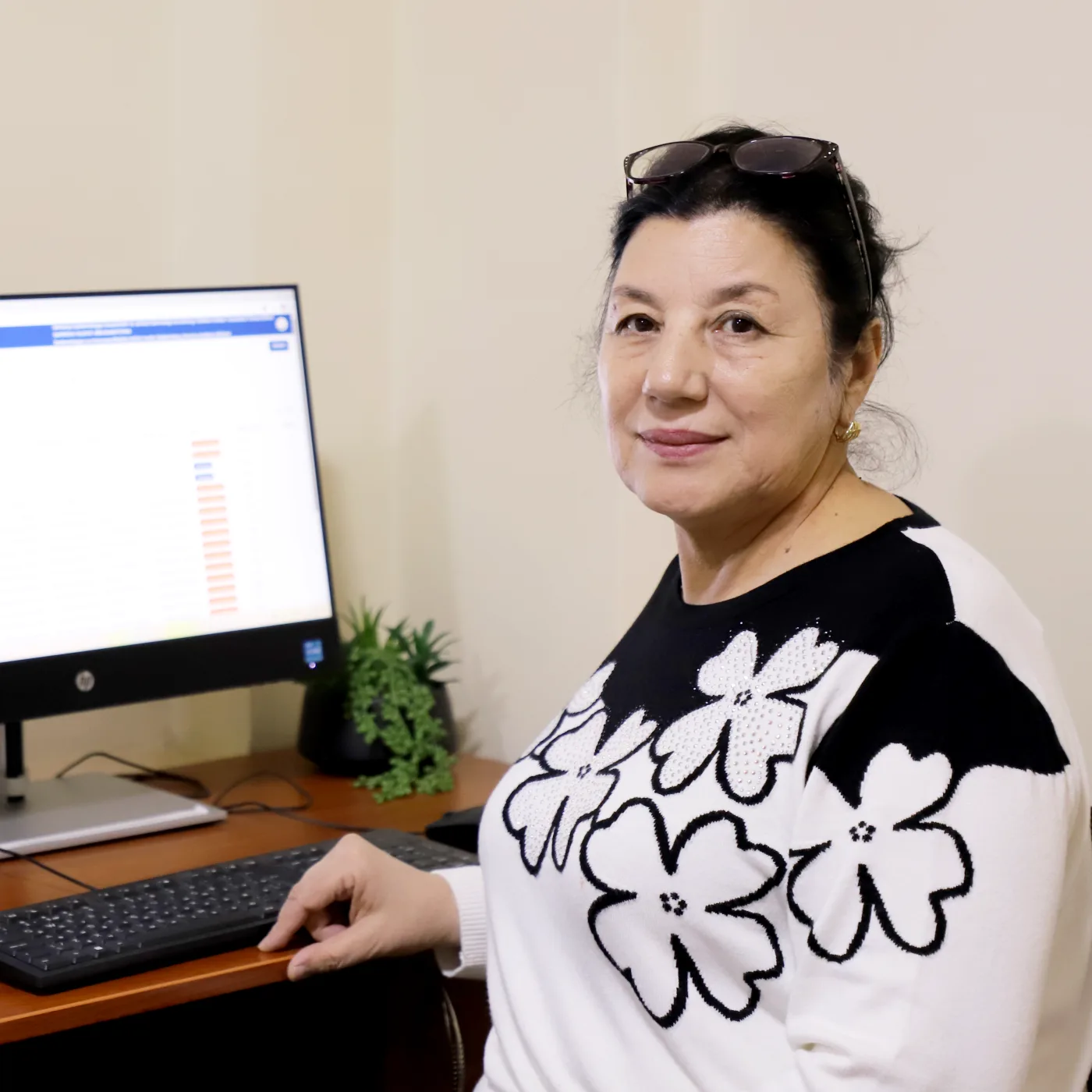
Specialists are being trained to use the system in their daily work — from data entry to analysis and decision-making. The system is being rolled out across institutions at national, regional, and district levels, helping connect the entire network.
This work is part of a wider $3.5 million investment in digitalization. So far, 145 facilities have been equipped with ICT infrastructure, with more than 5,600 units of computers, supporting hardware and other equipment delivered.
A Laboratory Information System is also being developed. Currently in its pilot phase, it will support laboratories in managing and sharing test results more efficiently, complementing the broader epidemiological monitoring system.
About the project
This project is being implemented by UNOPS as part of Uzbekistan's national COVID-19 emergency response. Funded through loans from the Asian Development Bank and the Asian Infrastructure Investment Bank to the government of Uzbekistan, the project has a total budget of more than $160 million.
UNOPS is supporting the Ministry of Health to improve the country's healthcare system by delivering modern medical equipment, upgrading facilities through refurbishment and new construction and training healthcare workers.
Global Goal we are supporting through this initiative: