



The United Nations Office for Project Services (UNOPS)
Building climate resilience in Kabul: New initiative to tackle acute water stress
The community-based initiative will address water scarcity and climate-related risks for approximately 150,000 people in Afghanistan’s capital, Kabul.

Afghanistan is among the countries most vulnerable to climate change, ranking sixth globally according to the Global Climate Risk Index published in 2021. Kabul province faces acute water stress, with groundwater depletion posing a serious threat to long-term water availability.
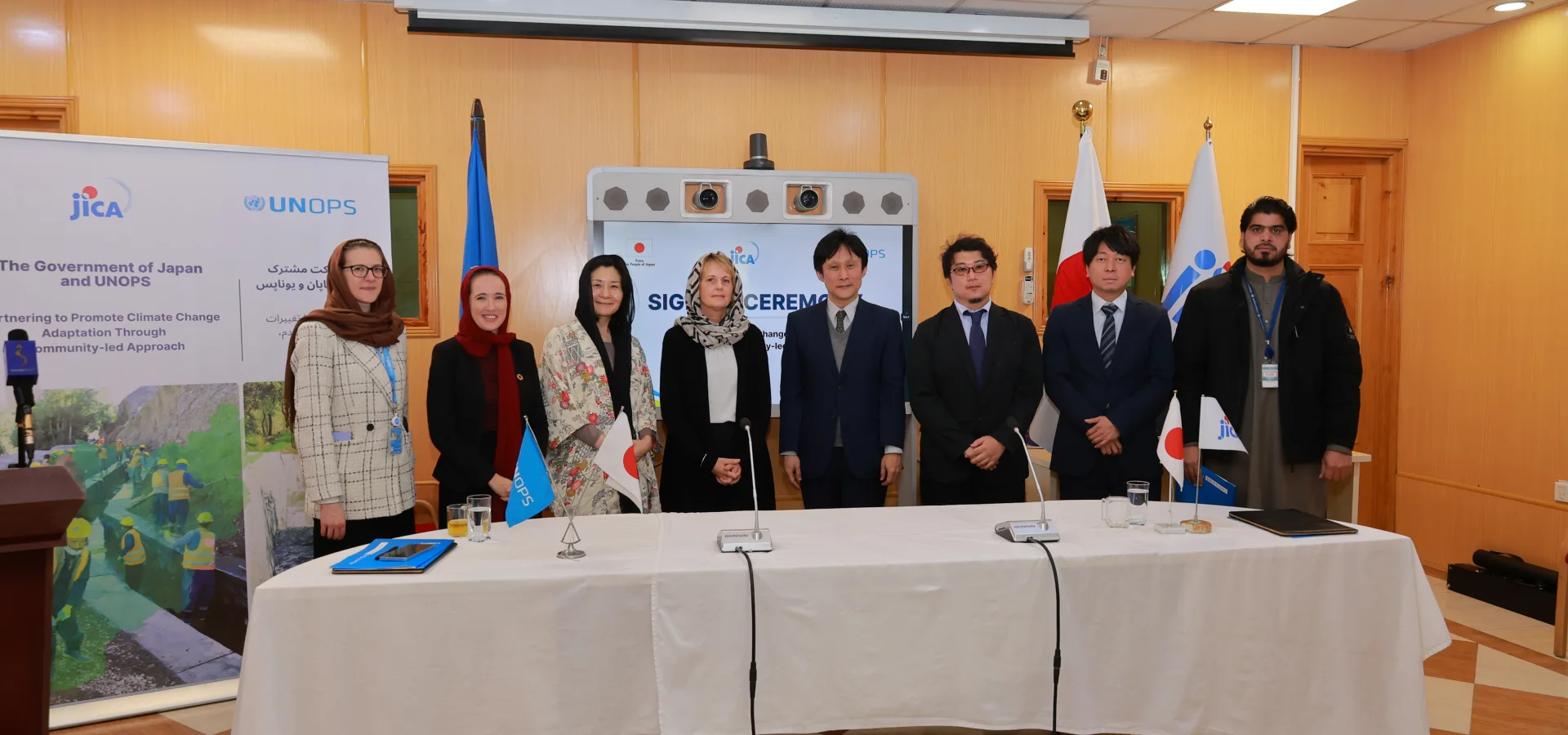
With $9.3 million in funding from the Japan International Cooperation Agency (JICA), a new project aims to respond to these challenges by strengthening water management systems while enhancing community capacity to adapt to climate impacts.
The three-year initiative – to be implemented by UNOPS in the Kabul province – will support vulnerable communities through small-scale climate-resilient infrastructure, disaster risk management systems and livelihood opportunities, helping to mitigate the impacts of flash floods and prolonged droughts.
This project is about more than just infrastructure; it is about empowering communities to lead their own adaptation efforts.
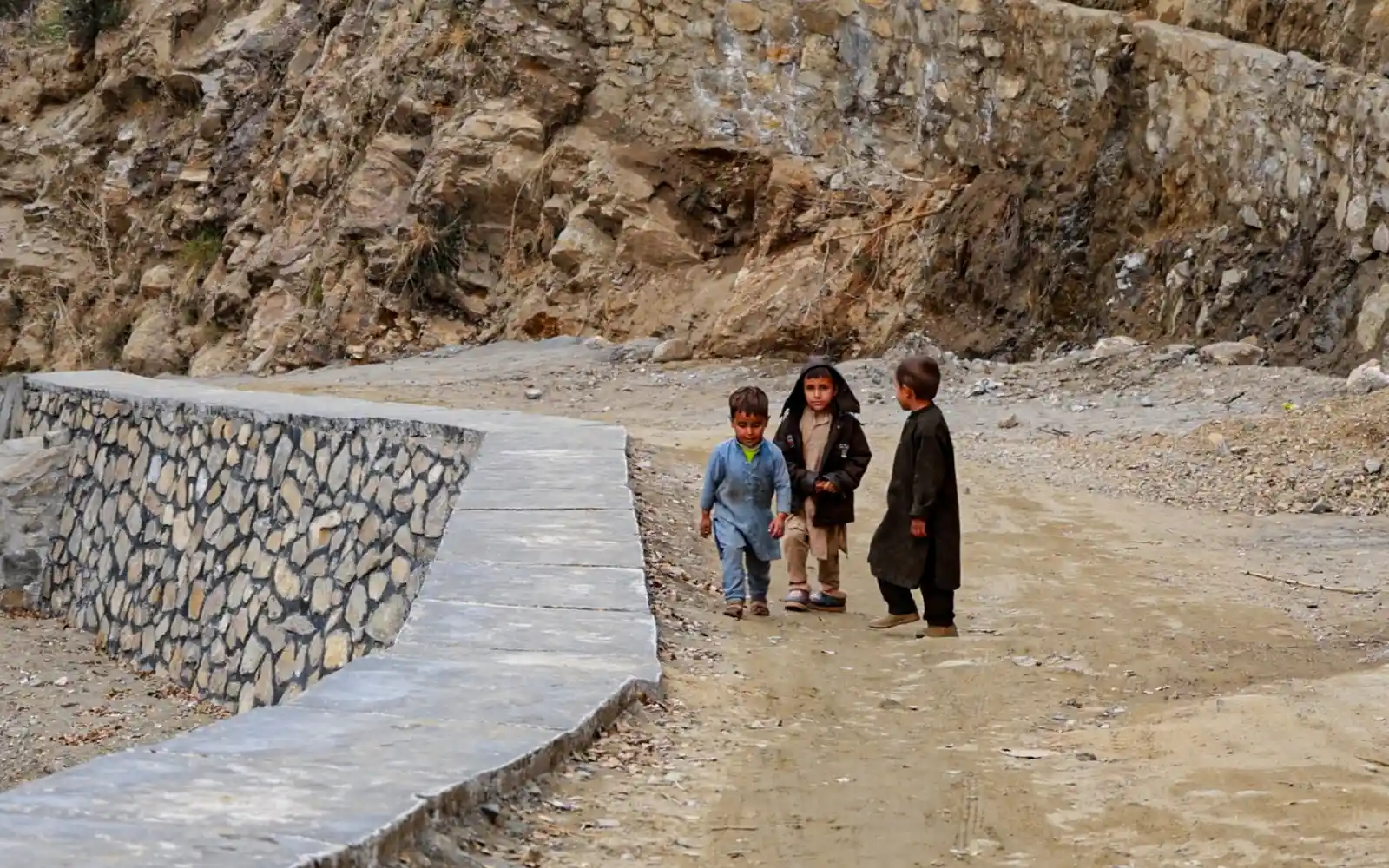
Planned interventions include the construction of check dams, water reservoirs and irrigation canals designed to recharge aquifers, manage stormwater flow and reduce flood risks. Infrastructure sites will be selected in close consultation with beneficiary communities to ensure local ownership and long-term sustainability.
A key feature of the partnership is the integration of Japanese expertise and technology. The project will collaborate with specialized Japanese organizations to support community-led disaster risk reduction and introduce innovative water-saving technologies.
“By sharing Japan’s advanced knowledge in disaster risk reduction and water management, we aim to provide not only immediate relief through livelihoods but also long-term security for the residents of Kabul,” said Kenichi Masamoto, Ambassador of Japan to Afghanistan.
“By combining Japanese innovation with UNOPS technical expertise in resilient infrastructure, we are creating a replicable model for water conservation and flood protection that can serve as a lifeline for millions of Afghans," said Katy Webley, UNOPS Country Director in Afghanistan.
The project is expected to improve water security by addressing Kabul’s estimated annual groundwater deficit of 60 million cubic metres while strengthening climate resilience and livelihoods for approximately 150,000 people, with a focus on inclusive participation, including women. It will also support the establishment of community-based disaster risk management systems and generate short-term employment through cash-for-work activities, including ecological interventions such as afforestation to reduce soil erosion.
The initiative builds on UNOPS experience delivering more than 4,000 small-scale infrastructure projects across Afghanistan since 2022, supporting environmental stability and resilience in climate-vulnerable and rapidly growing areas.