


The United Nations Office for Project Services (UNOPS)
Solar home systems bring reliable lighting to communities in Papua New Guinea
Nearly 800 households in the Deboyne Islands of Papua New Guinea have access to solar power following the installation of solar home systems across two islands in Milne Bay Province.
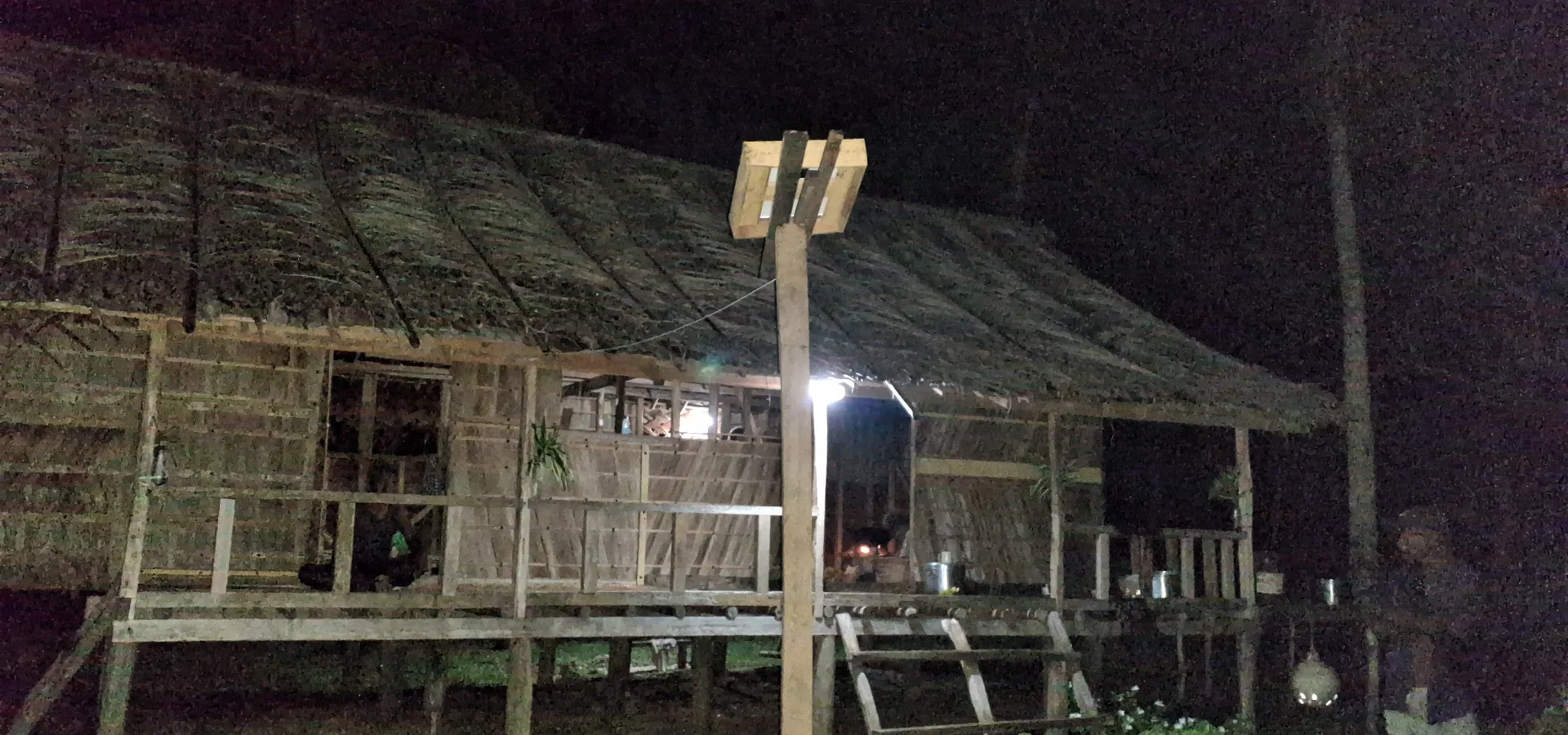
UNOPS installed almost 800 solar kits for households on the Panaeati and Panapompom Islands, as part of a project funded by the Australian government that aims to bolster climate-reliant infrastructure.
The solar lighting is helping households reduce spending on fuel-based lighting while improving safety and giving people the freedom to study or work at night. It also supports small household activities such as weaving and other home-based work.
Before the solar lights, our children had to sit close to a fire just to read. Now they can do homework at home, and I can see the difference in classroom performance.
Jacob Jeremiah, Head Teacher at the Patewan Elementary School said: “Before this, I had to use a torch to plan lessons. Now, the light helps me prepare better for the next day. Thank you to everyone who supported us.”
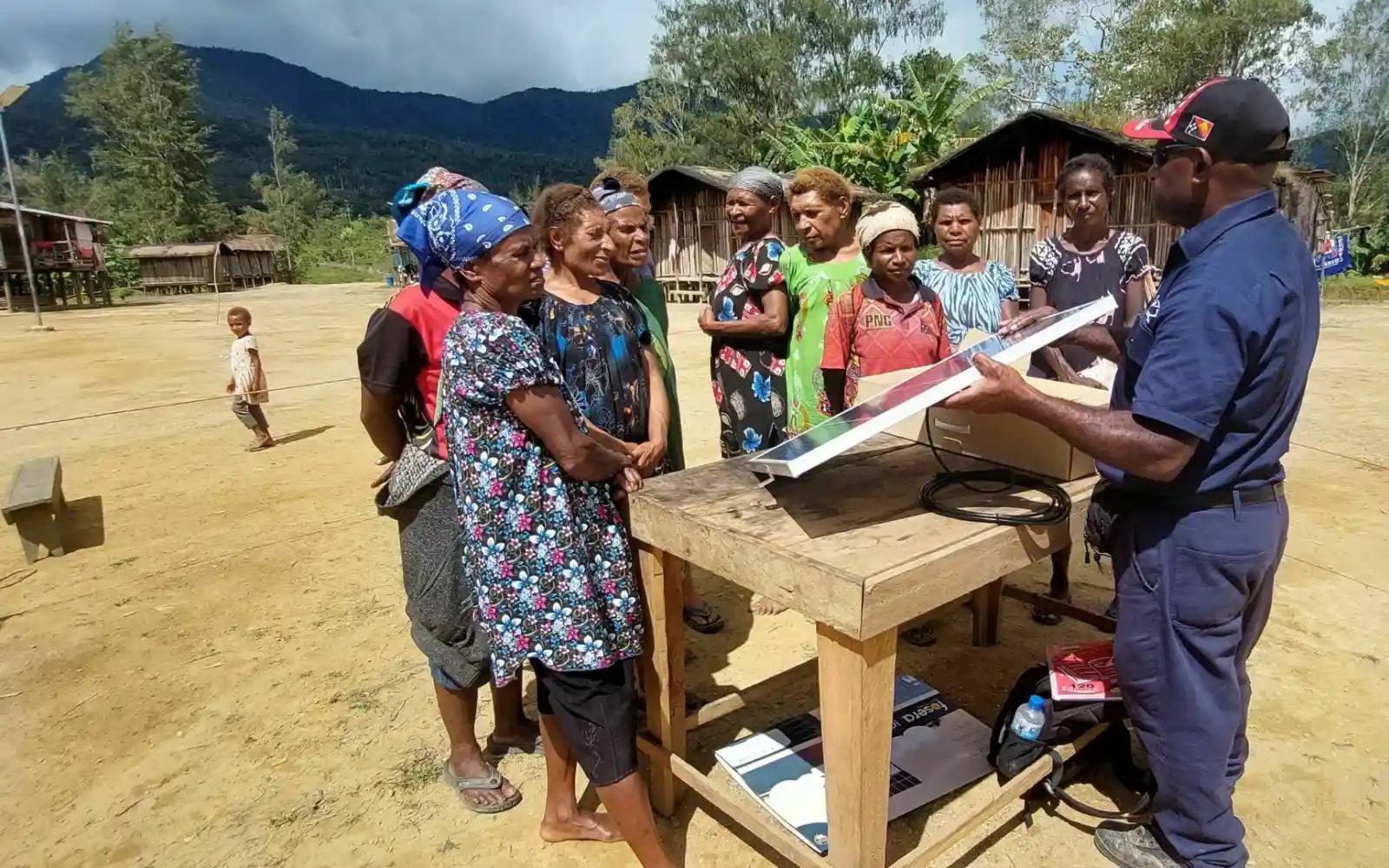
The project also includes community training to support maintenance of the solar systems. Ten community volunteers, known locally as solar champions, have been trained by UNOPS and the solar supplier to carry out basic maintenance and repairs.
Community members say the lighting has changed how families use their evenings.
“This kit has changed life for my family and the whole community. We eat dinner with good lighting, children can do homework, and new mothers can change nappies safely at night,” said Frank, a community member from the eastern part of Panaeati Island.
In addition to solar lighting, the government of Australia and UNOPS are also supporting water, sanitation and hygiene improvements in public institutions across the Deboyne Islands.