


The United Nations Office for Project Services (UNOPS)
Reliable spaces for healthcare in Myanmar’s Shan State
Designed with communities in mind, new health centres are helping bring essential care within reach in remote parts of Shan State.
For many communities in Myanmar, access to health care has long been shaped by distance, conflict and fragile infrastructure. That’s changing for vulnerable communities.
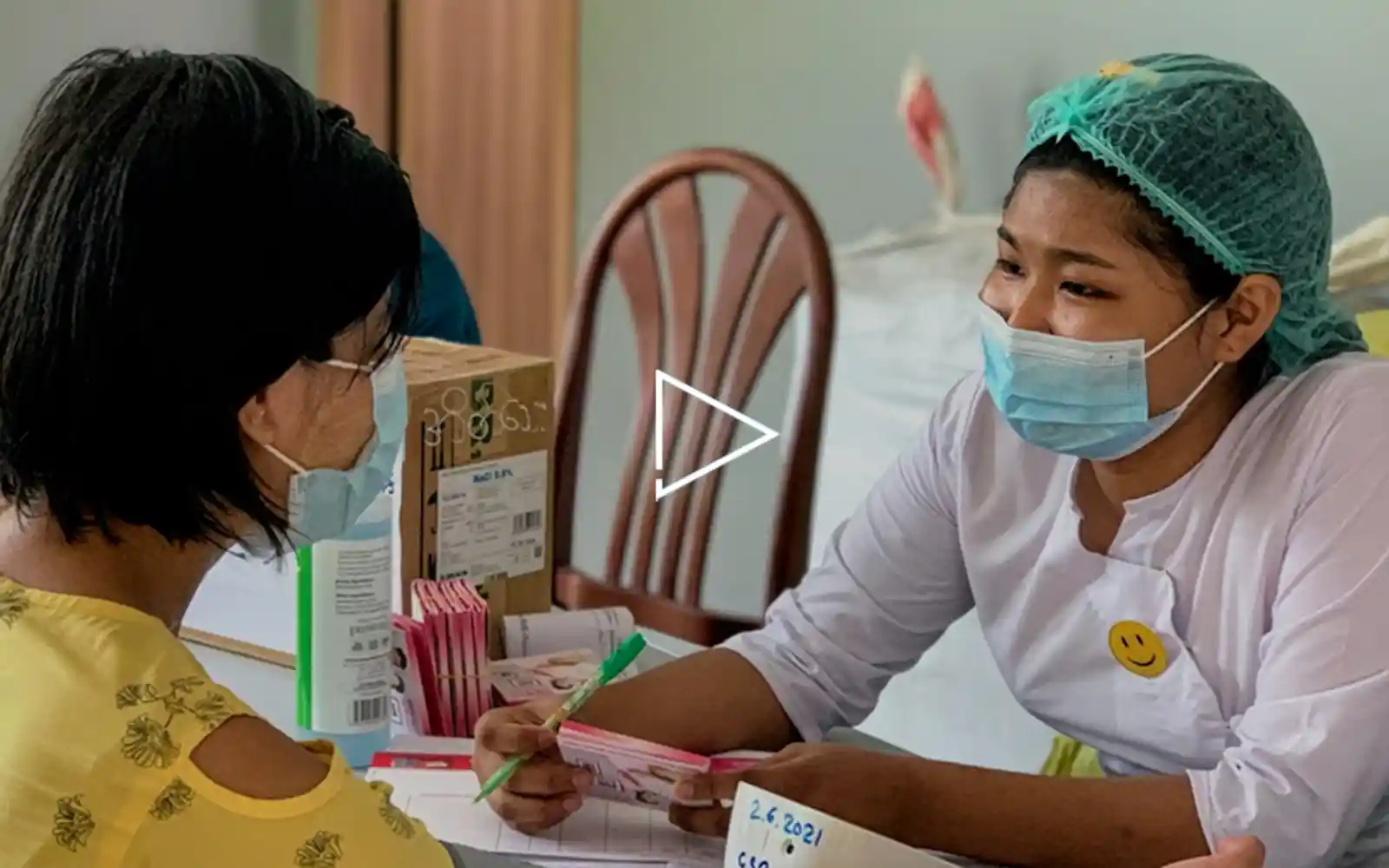
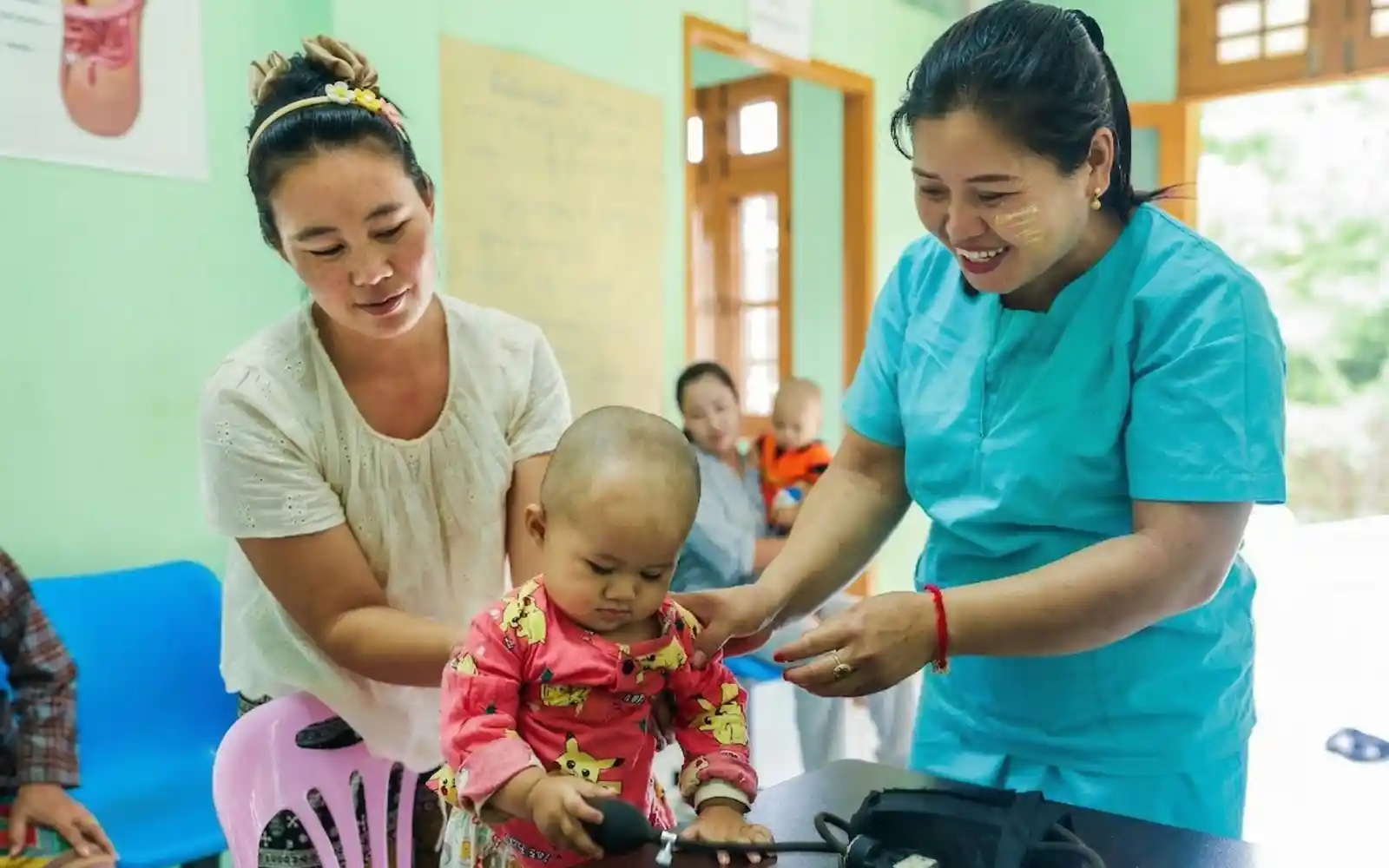
The room is bright, clean and calm. A health worker checks a woman’s blood pressure while another records the weight of a newborn. In the waiting area, mothers smile and play with their babies as they wait to be seen.
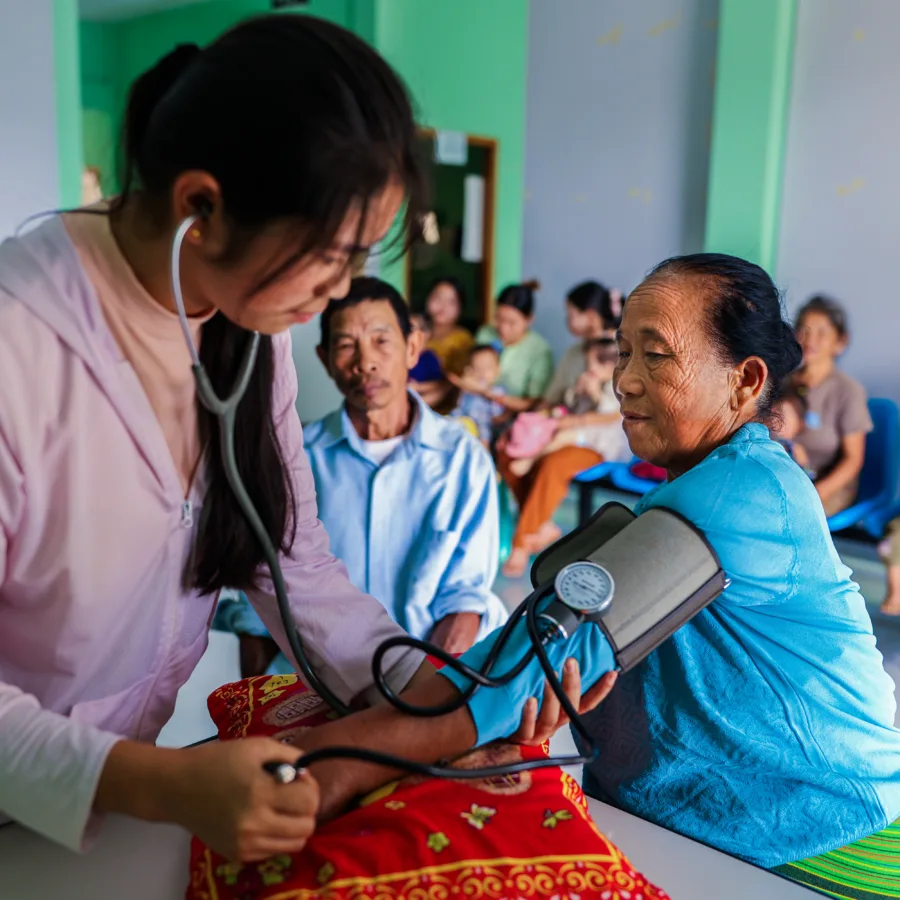
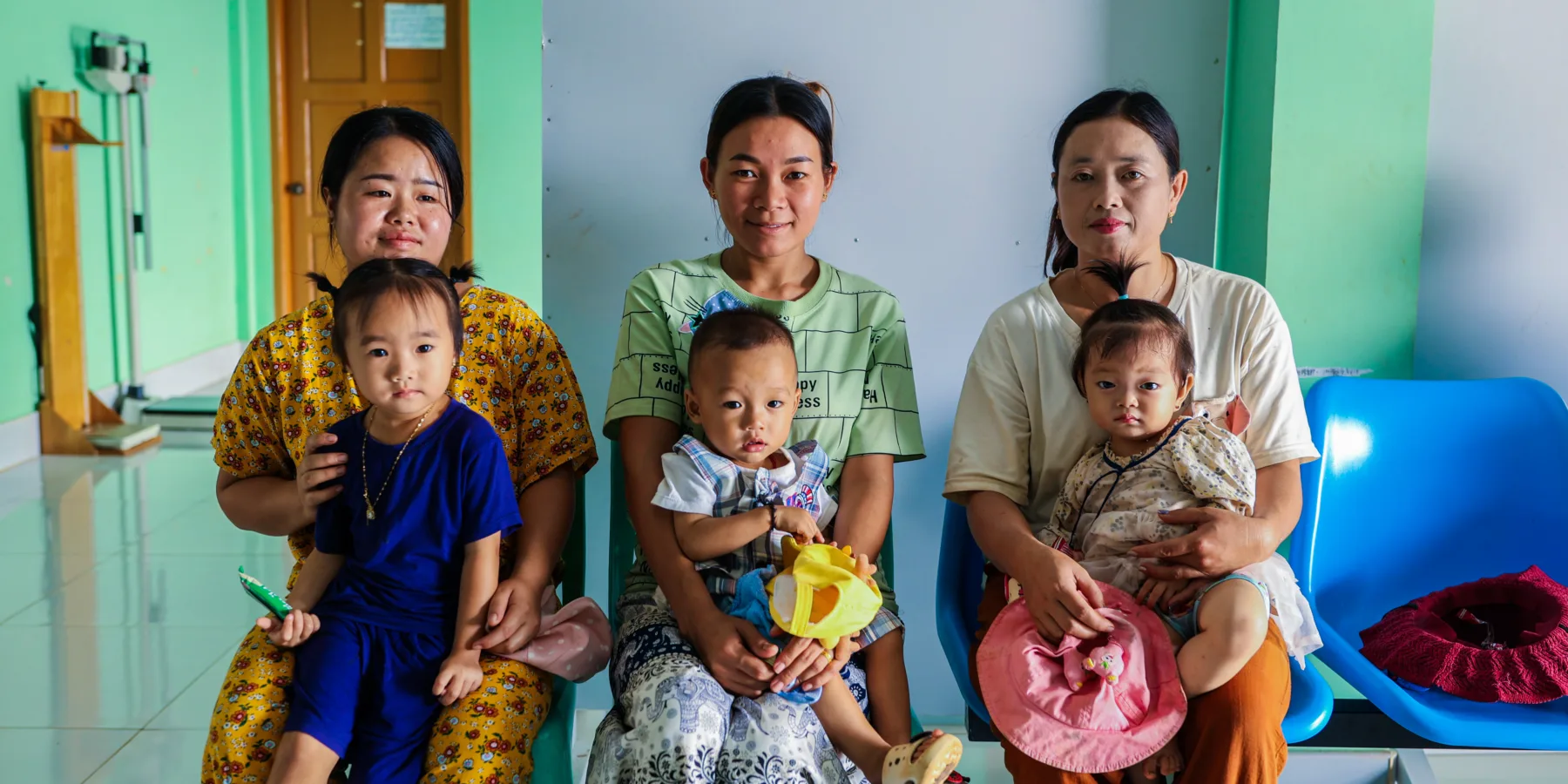
Scenes like this were once rare in many parts of Myanmar’s Shan State.
For communities living in remote and conflict-affected areas, accessing health care has long been uncertain. Reaching a clinic could take hours. Even then, there was no guarantee it would have the space, equipment or basic services needed to provide safe care.
“The health facilities were just simple buildings. In our clinics, we didn’t even have beds for patients,” said Ma Nang,* a local health worker.
- *Names have been changed to protect identities.
Bringing care closer
Years of underinvestment and instability have left much of Myanmar’s health infrastructure struggling to meet people’s needs. Today, millions still lack access to basic health services.
In rural Shan State, the gaps are clear. Many clinics have no reliable water supply or sanitation. Ventilation is poor. Power cuts are common, disrupting care and making even routine treatment difficult.
In rural clinics, electricity was often the only source of lighting. When the power went out, health workers were forced to treat patients in the dark.
These conditions have made it especially difficult for women, persons with disabilities and other vulnerable groups to access care safely and with dignity. Facilities were not designed with their needs in mind.
Strengthening local health systems
To help address these challenges, the Access to Health Fund launched a five-year programme in 2021, supported by Takeda's Global Corporate Social Responsibility (CSR) programme.
Working with local health organizations, the programme has focused on improving both facilities and services in underserved areas of Shan State.
Across the region, 40 health facilities have been constructed or refurbished. Each one is operated by local health organizations and designed to meet the needs of the communities they serve.
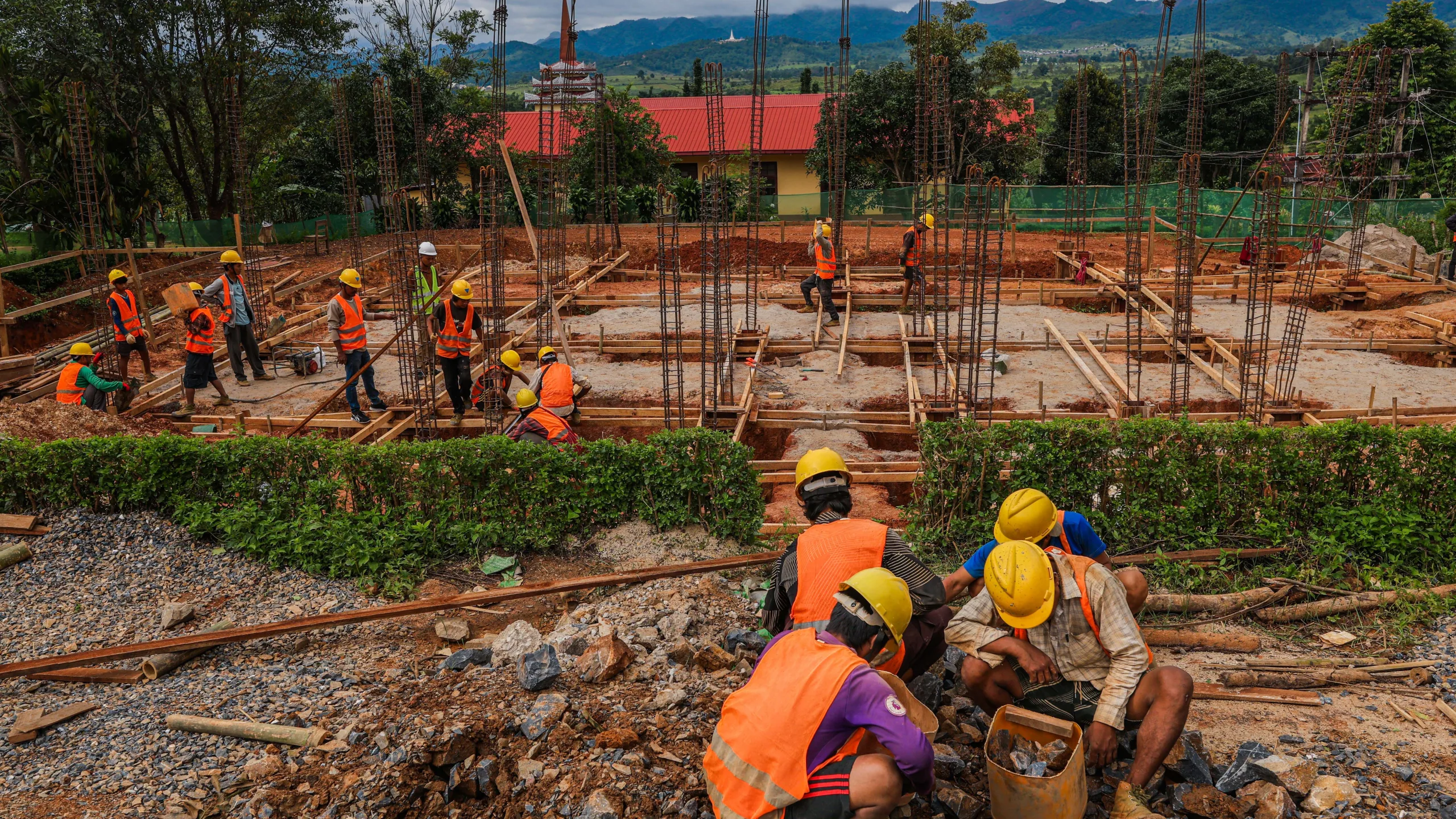
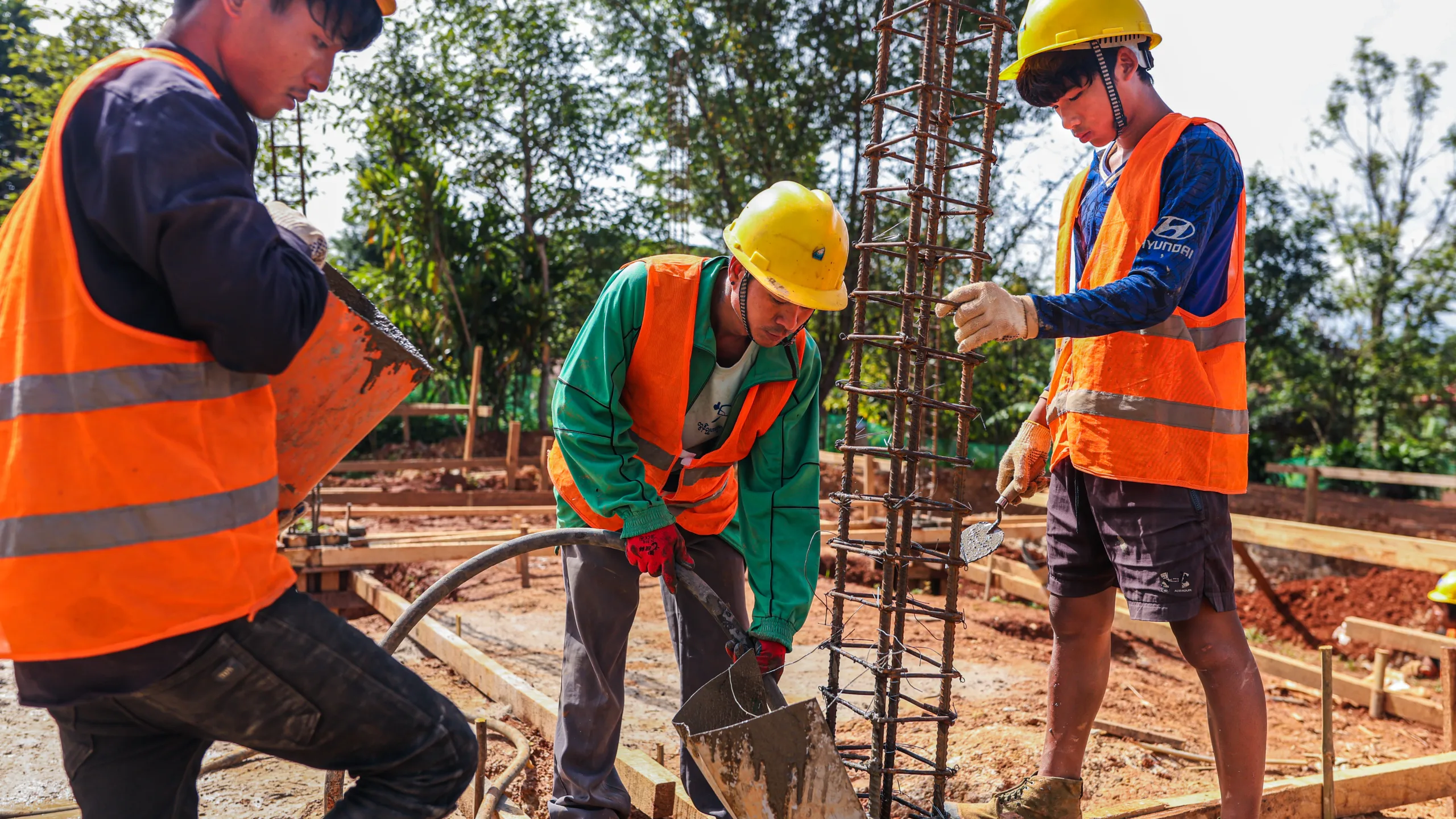
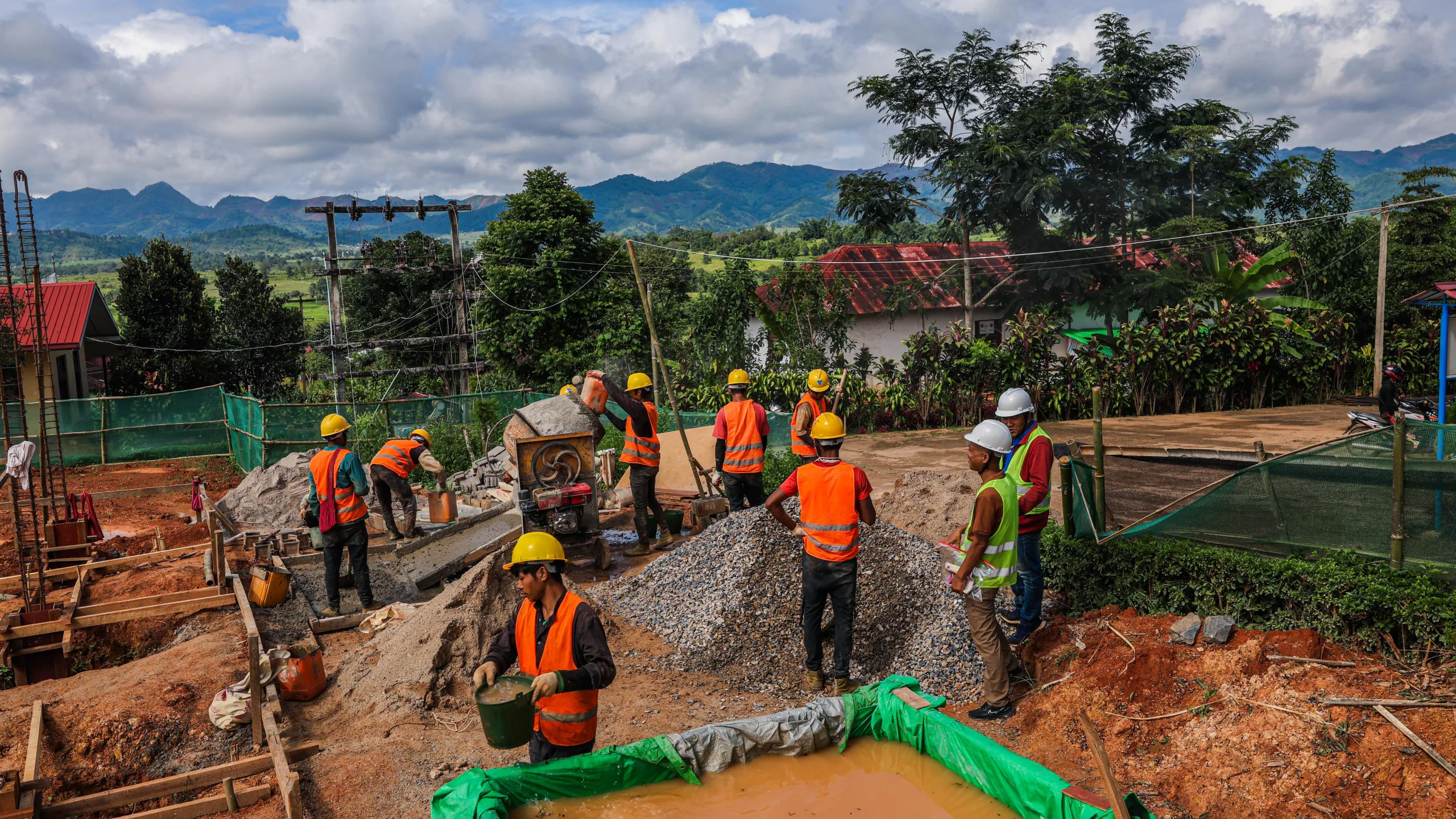
The changes are practical and immediate.
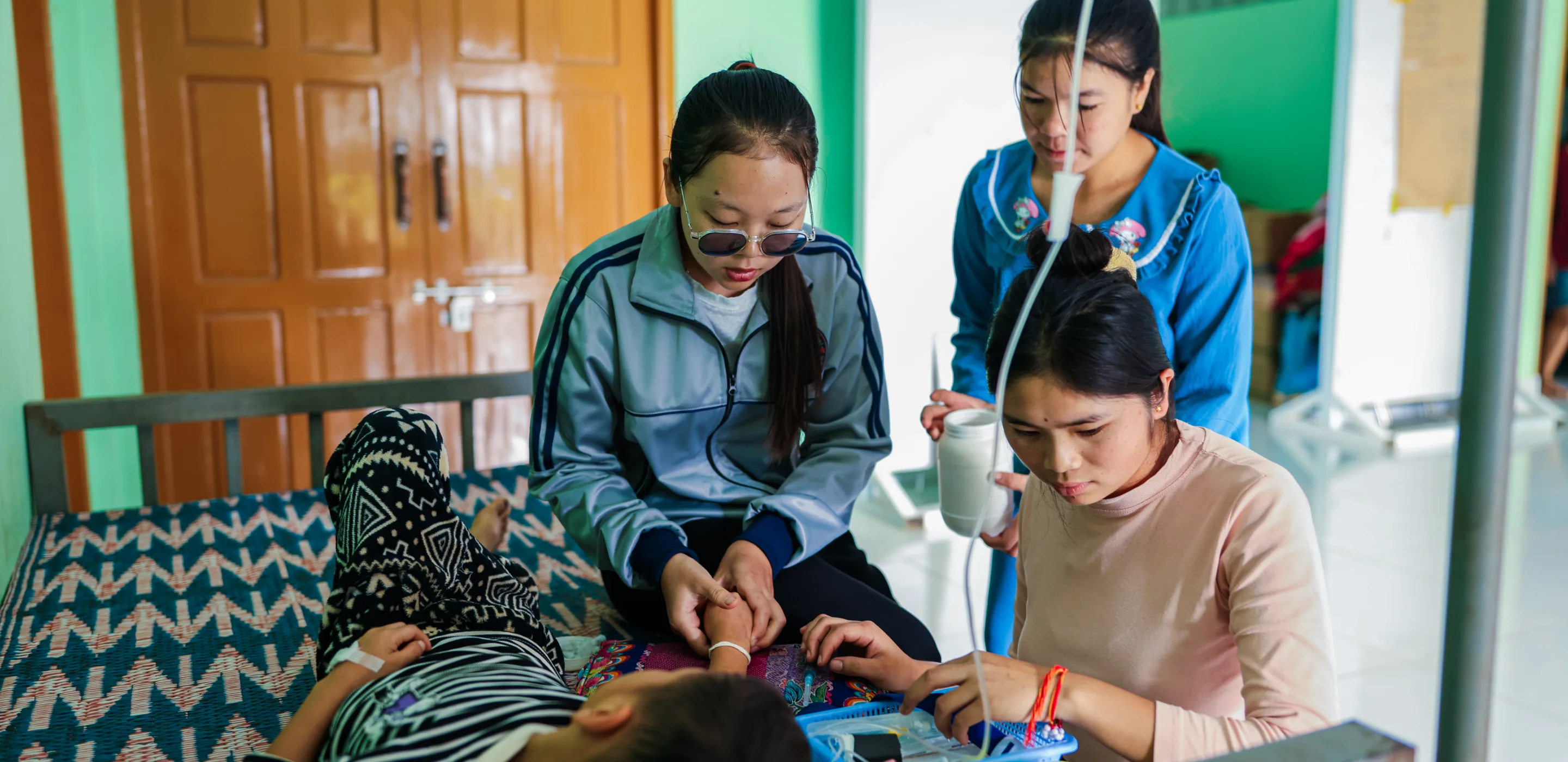
Clinics now have reliable water and sanitation systems, improved ventilation and dedicated maternity rooms. Ramps and wider corridors make it easier for people with disabilities to access care. Toilets are designed to support women recovering from caesarean sections, and separate facilities provide privacy and safety for patients.
Our goal was to make this kind of inclusive infrastructure the norm.
Solar panels provide a stable source of power, even in remote areas. Waste management systems, including placenta pits and incinerators, improve safe and hygienic conditions.
“Our old clinic only had one room with very limited clinical equipment, and it was always dusty. We could not operate it every day,” said a local health worker. “Now the clinic looks like a proper health facility. Patients are happy because they can receive free-of-charge services here.”
Supporting those who provide care
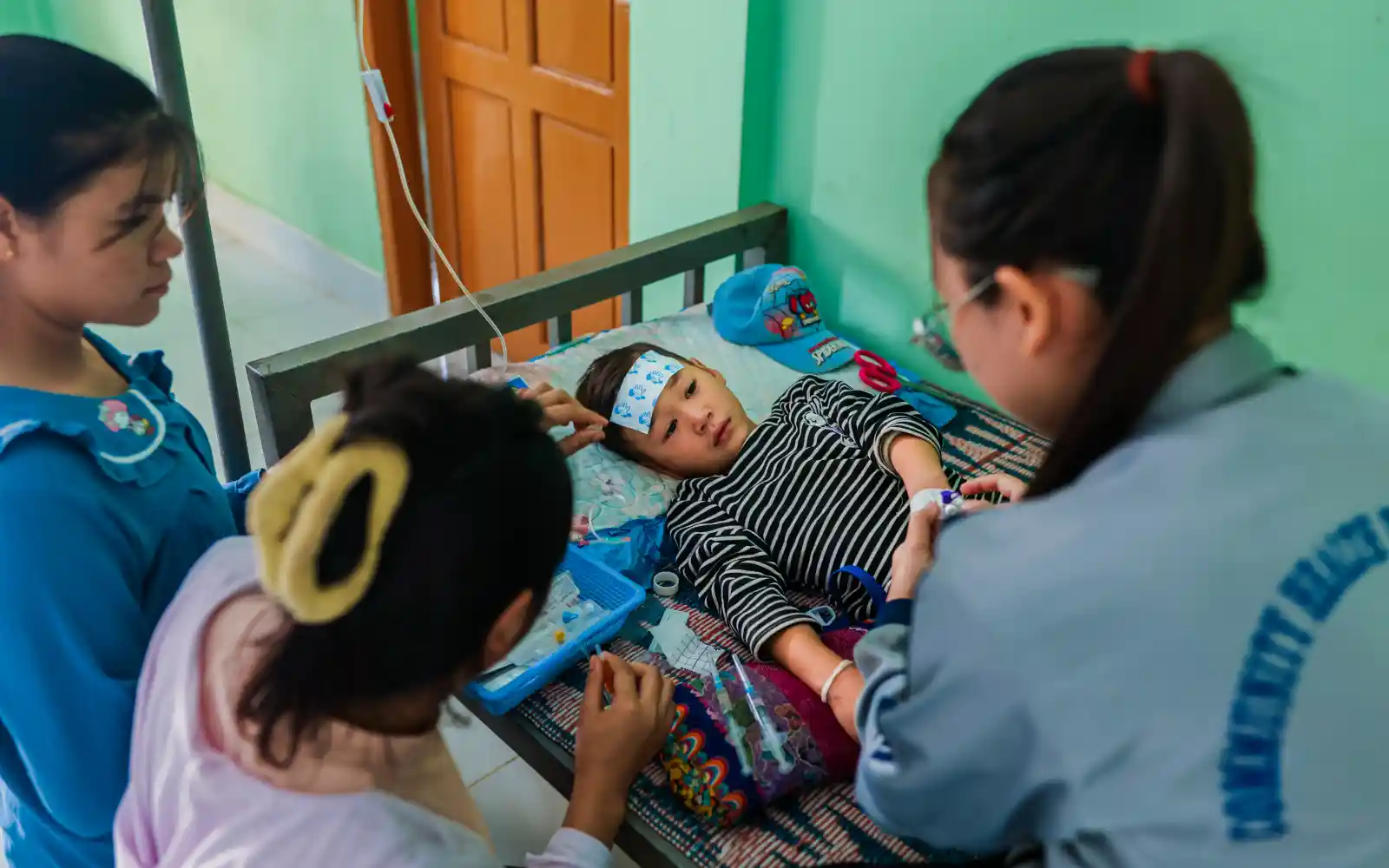
Alongside improved infrastructure, the programme has invested in training for local health workers.
This has helped clinics expand the services they offer, including maternal and newborn care. Health workers receive hands-on training and ongoing support, allowing them to build skills and confidence over time.
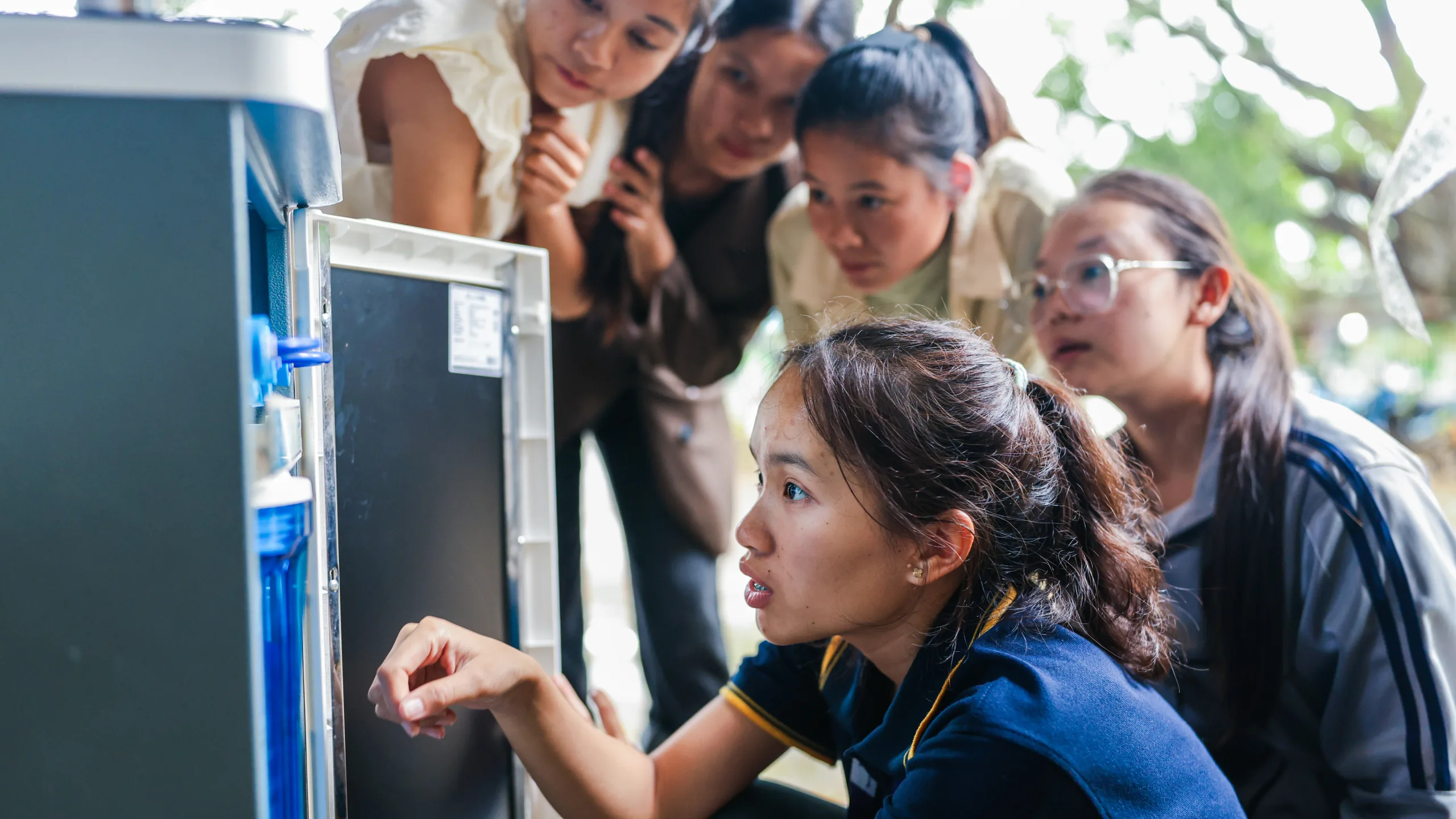
They are also trained in areas such as infection prevention, medical waste management and stock management, enhancing the safety, reliability and sustainability of services.
Building trust in health services
Improving facilities is only part of the solution. Encouraging people to seek care is just as important.
The programme has supported community education sessions to help people better understand their health needs and recognize when to seek care.
At the same time, improvements in supply chains and health financing mean clinics have the medicines and equipment they need to operate consistently.
Together, these efforts are building trust in local health services.
A safer start for families
For families like Nang Hom’s, the impact is deeply personal.
Her twin boys were among the first babies born in one of the new health facilities, which now serves more than 10 surrounding villages in southern Shan State.
Before the new clinic was built, maternal care took place in a small, aging building with limited equipment. Deliveries were carried out on wooden beds, and there was no proper lighting.
Today, the facility includes a standard delivery room, an in-patient ward and accommodation for staff, meaning health workers are always close by in case of emergency.
“When the midwife told me I was carrying twins, I was afraid,” said Nang Hom.
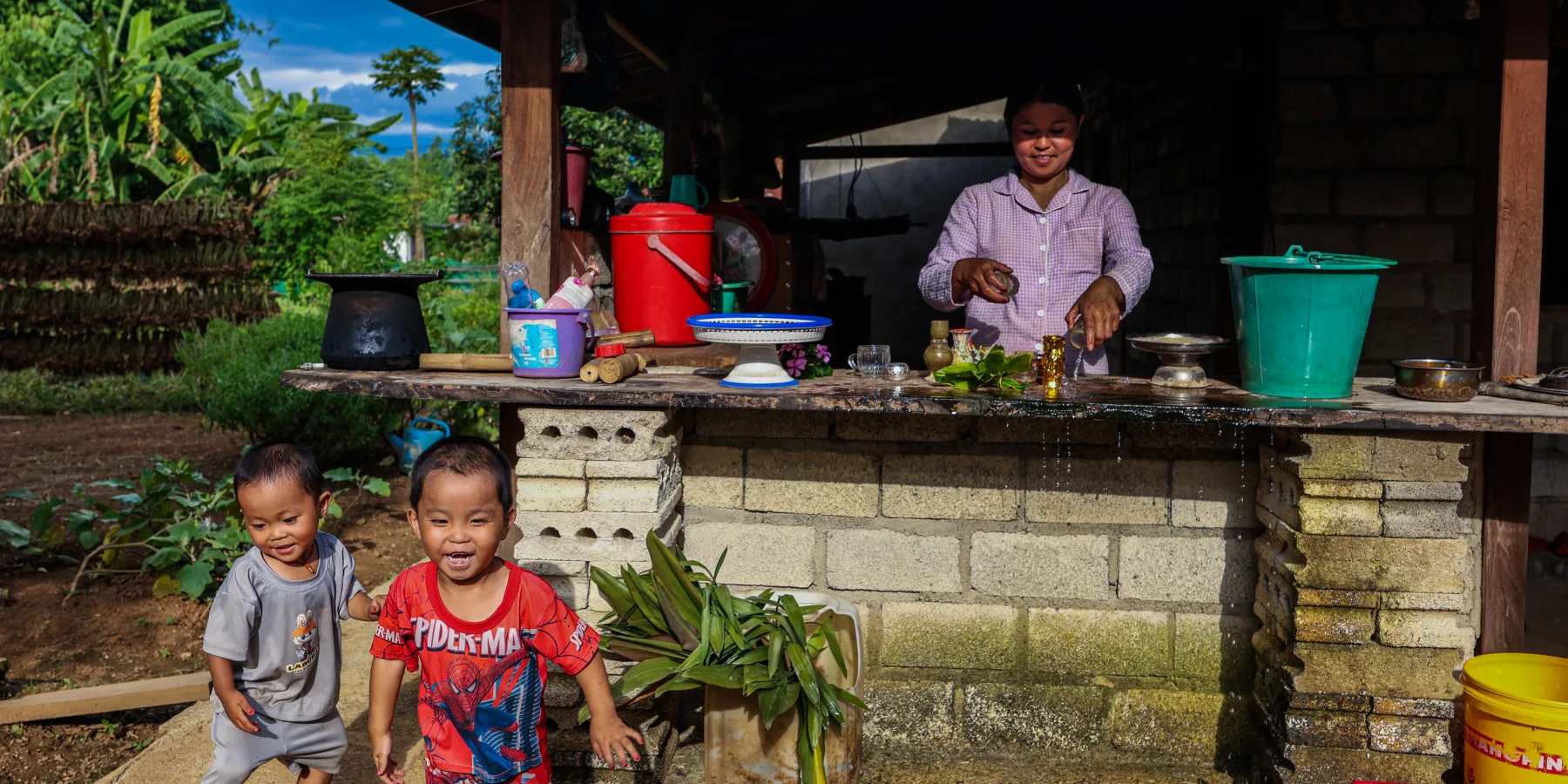
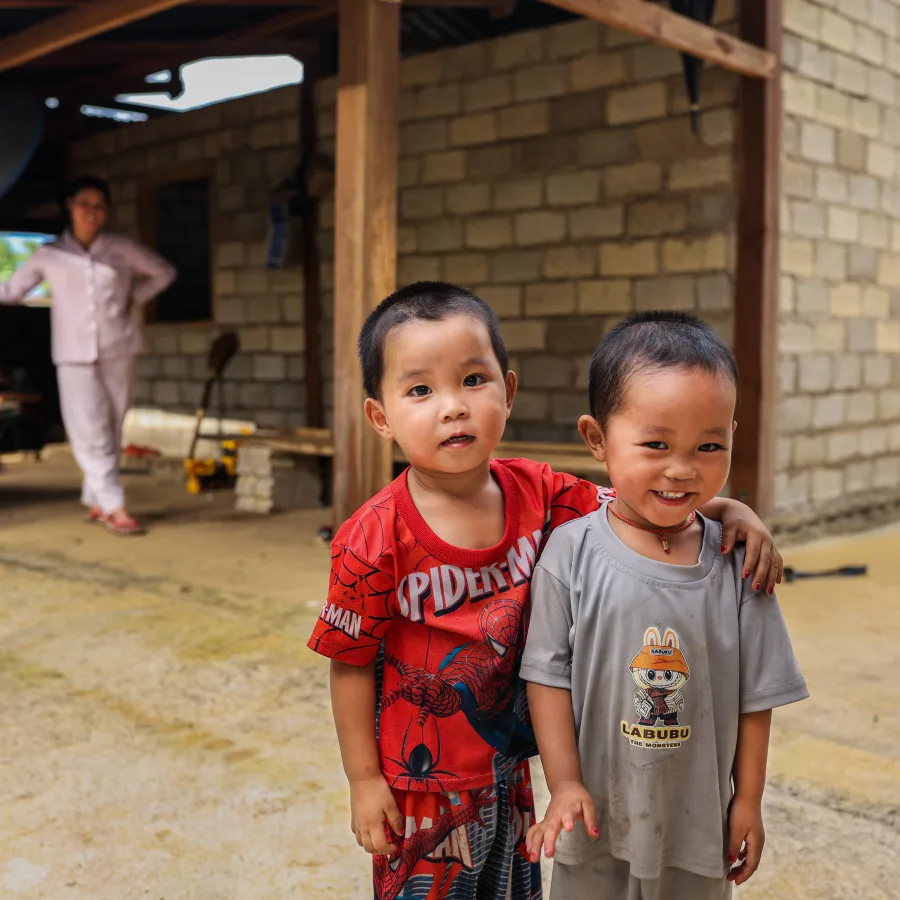
“I knew I couldn’t risk giving birth at home. I chose this clinic because it was well-equipped and the midwife was skilled and caring.
“I gave birth to my twins at three in the morning. Because of the solar lighting, there was no problem even at that time. Now, we can seek care quickly whenever our children or we are unwell. We feel safe and well cared for here,” she said.
By improving infrastructure, training health workers and strengthening local systems, the programme makes quality health care within reach for communities in some of Myanmar’s most challenging settings.
For many, it is the difference between uncertainty and a reliable place to turn when it matters most.
Global Goal we are supporting through this initiative: