



The United Nations Office for Project Services (UNOPS)
Sustaining life-saving healthcare services under the most difficult conditions
With funding from the government of Japan, UNOPS is working to strengthen Kharkiv Oblast's emergency healthcare system and protect conflict-affected communities from the dangers of explosive ordnance.




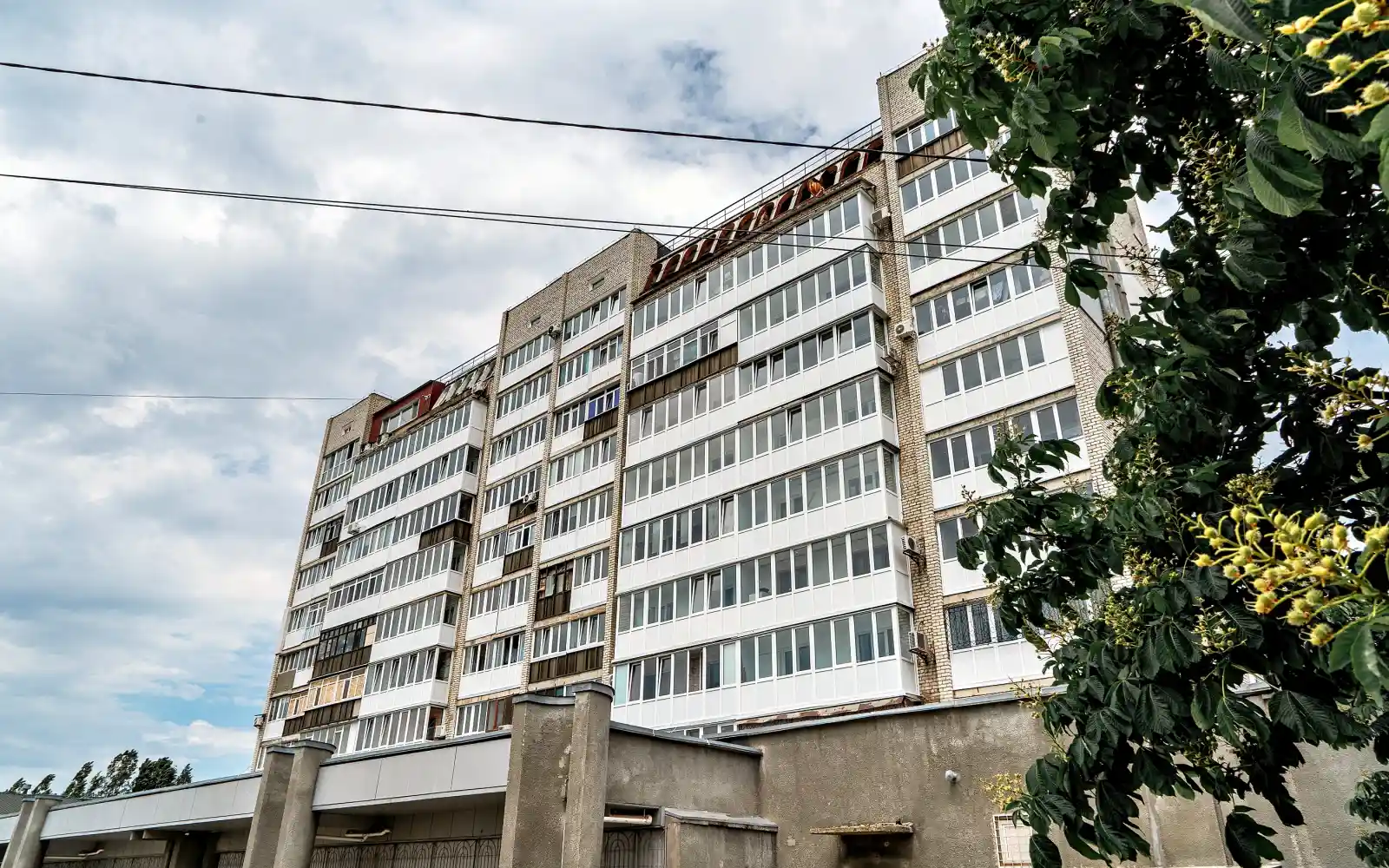
More than four years into the full-scale war, the Kharkiv region remains among the most heavily affected in Ukraine. Repeated attacks on the city and surrounding region have placed an enormous strain on healthcare facilities. Explosive ordnance continues to contaminate communities, posing a daily threat to civilians, particularly those in hard-to-reach and frontline areas.
Every day, Kharkiv City Clinical Hospital of Emergency and Urgent Medical Care's Rehabilitation Unit treats approximately 30 people wounded by the war. The hospital as a whole serves a population of more than 1.3 million people, including a growing number of internally displaced people.
Despite continued attacks, hospital staff have kept emergency and rehabilitation services running without interruption – and this is essential to saving lives. With funding from the government of Japan, UNOPS is helping the hospital sustain its services under increasingly difficult conditions.
UNOPS will repair around 420 square metres of basement space at the hospital – transforming it into a safe, accessible shelter for up to 270 patients and staff during air raids and attacks. This will allow the hospital to maintain uninterrupted operations even in the midst of emergencies, ensuring that critical care is never put on hold.
We're proud to work alongside the government of Japan and Ukrainian institutions to strengthen this hospital's capacity to continue operating and providing life-saving care, even while under attack.
UNOPS will also procure and deliver essential medical equipment and supplies, strengthening the hospital's capacity to provide timely, quality care to patients in need of emergency treatment and rehabilitation.
To reduce the risks posed by explosive ordnance, a local non-profit organization will send mobile teams to provide risk awareness education to around 14,400 people in hard-to-reach and high-risk communities across the Kharkiv Oblast, using a grant from the project. VR technology will be integrated into the hands-on training sessions.
Together, these efforts will help reduce casualties from explosive ordnance, ease the pressure on Kharkiv's healthcare system, and support the broader recovery and protection of conflict-affected communities in Ukraine.