



The United Nations Office for Project Services (UNOPS)
UNOPS supports a UN-led humanitarian response in Honduras
As part of a joint response, UNOPS will improve access to life-saving healthcare services for more than 224,000 people in some of the country’s most vulnerable communities.
In parts of Honduras, ongoing insecurity and severe climate events, such as droughts, have led to multiple, overlapping crises. Together, these factors undermine local food security and limit access to essential services such as healthcare and safe drinking water.
In response, a UN-led coordinated effort involving several UN organizations and NGOs will support the country's humanitarian response. Funded through the Honduras Humanitarian Fund, the initiative will support critical sectors including food security, health, as well as water, sanitation and hygiene.
"This funding allows us to promote a concrete humanitarian response in the territories where the needs are most urgent," said Alejandro Álvarez, UN Resident Coordinator in Honduras.
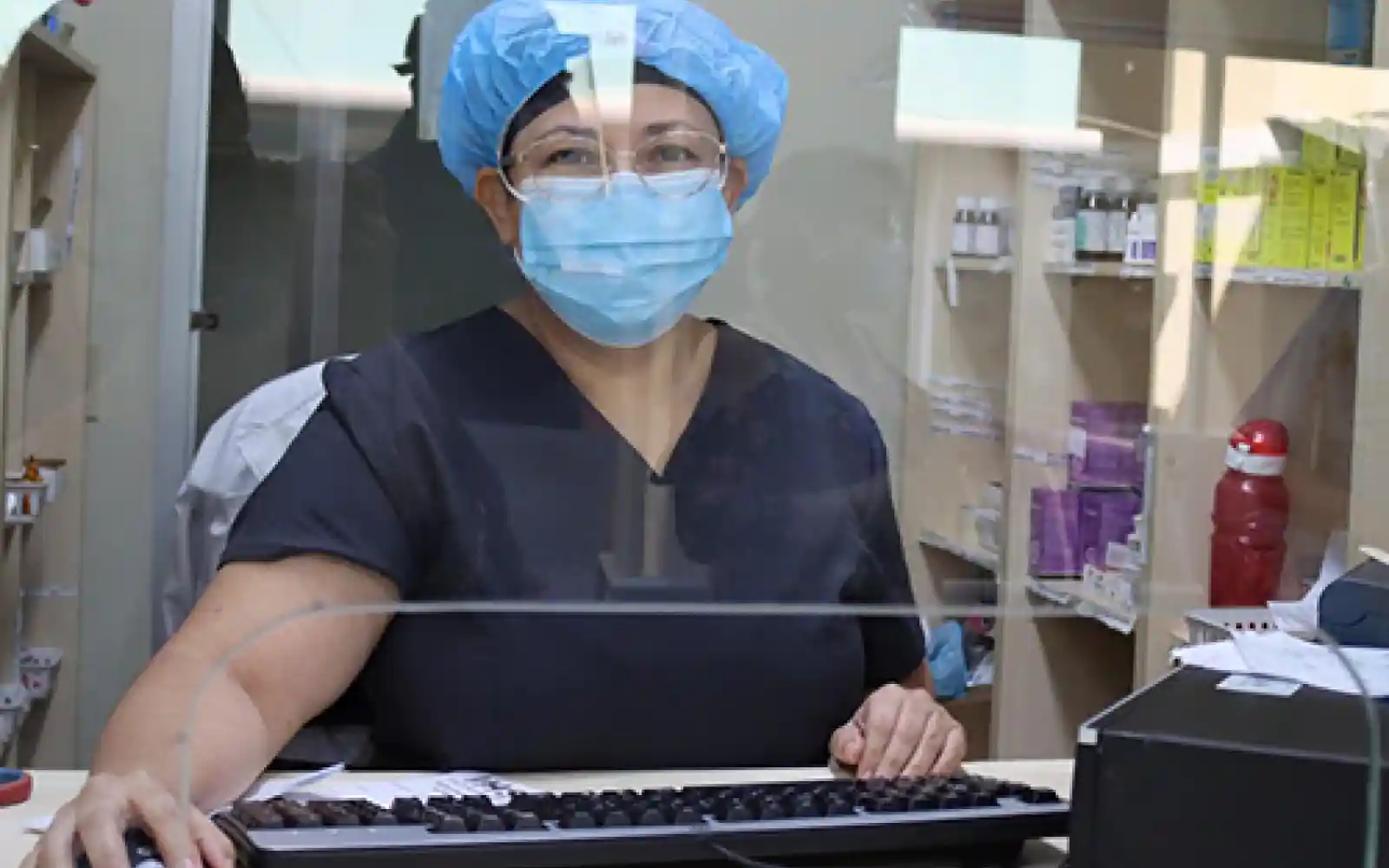
Through the initiative, UNOPS will provide life-saving medicine to 60 health facilities across 31 municipalities, including in remote and hard-to-reach areas. These critical supplies will help safeguard treatment continuity for individuals with chronic conditions, strengthen emergency and trauma care, and support reproductive health services.
Through UNOPS global expertise in sustainable procurement and project management, including in fragile and conflict-affected settings, we’re contributing to a coordinated humanitarian response that will expand access to vital health services to people who need it most.
UNOPS will manage the end-to-end supply chain process, including procurement, warehousing, inventory management, distribution and monitoring. Advanced digital tools and monitoring systems will be used to oversee the flow of medicines from procurement to final delivery, strengthening transparency and accountability throughout implementation.
The initiative also includes measures for safe, equitable and inclusive supply distribution, including community feedback mechanisms for patients and people seeking care, physical and informational accessibility measures for persons with disabilities, and safeguards to prevent sexual exploitation, abuse and harassment throughout the supply process.