

The United Nations Office for Project Services (UNOPS)
A milestone for impact across North Africa
2026 marks more than two decades of UNOPS support for advancing sustainable development in Tunisia and across North Africa – building capacity and delivering practical solutions.
- Photo: © European Commission
For more than 20 years, UNOPS has been working closely with the UN, governments and other partners to help build institutional capacity and advance sustainable development across North Africa.
From enhancing healthcare delivery to increasing access to education, from supporting job creation to strengthening climate resilience.
To mark this milestone, explore a few of the ways UNOPS is delivering impactful results for communities across North Africa.
Plastic waste
Reducing plastic waste
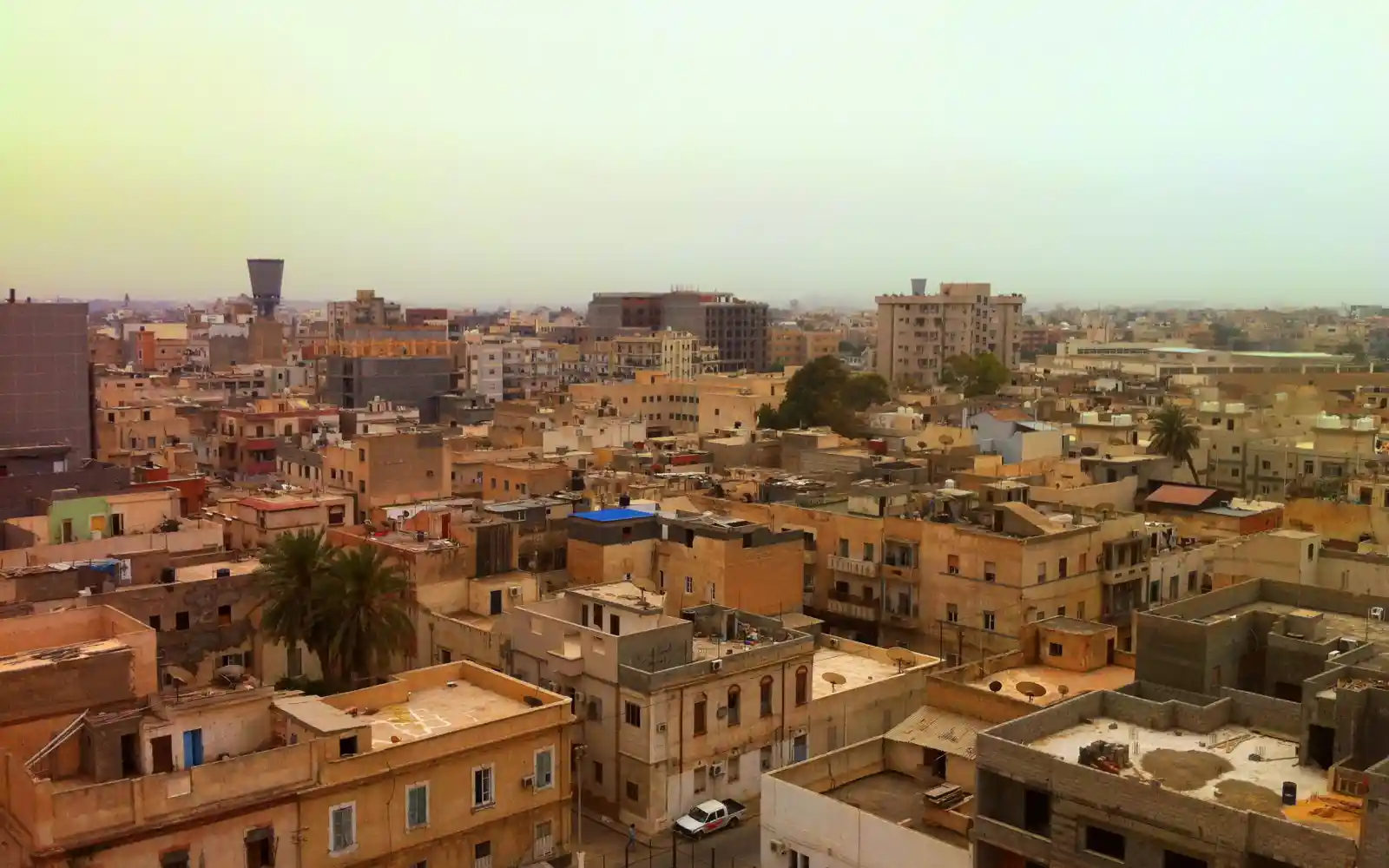
In Libya, waste management is a major issue in several municipalities. Inadequate management of solid waste, such as plastic, can negatively impact people's health and the environment.
Expanding and building on a long-standing collaboration with the Italian Agency for Development Cooperation, UNOPS partnered with UN-Habitat and Libya's Ministry of Local Government to help decrease the amount of plastic waste generated in three municipalities: Abu-Salim, Souq Al Joum’aa and Tripoli Centre.
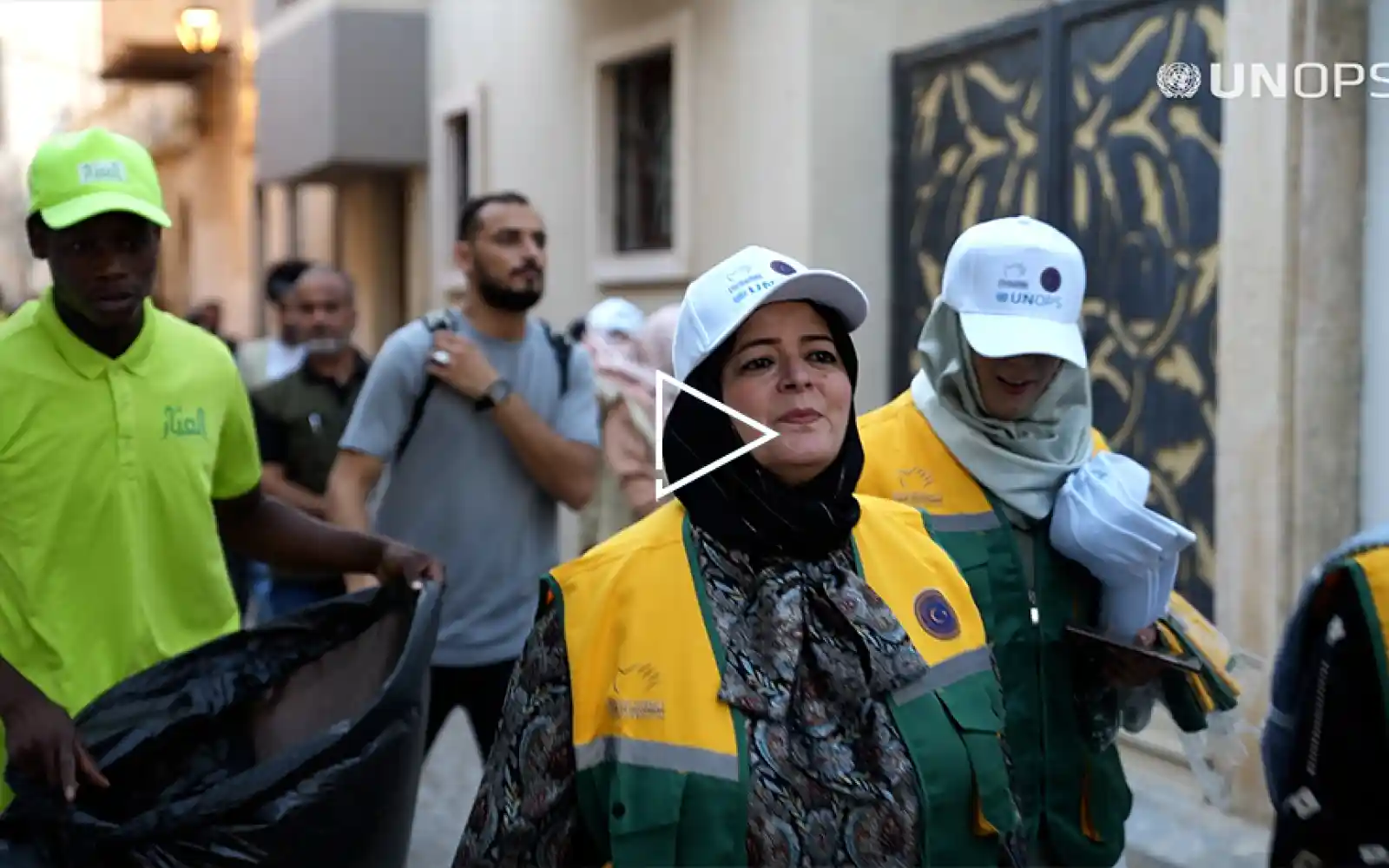
As part of the project, UNOPS provided training to schools and organized clean-up and awareness events to help reduce plastic waste generation at the community level, working with local organizations to launch campaigns promoting more responsible and eco-friendly behaviour in plastic use and disposal.
To help create a model for a circular economy, the project is supporting the enhancement of private businesses’ capacities and collaborating with local authorities to build the capacities of local staff to promote the collection and recycling of high-quality plastic that can then be used to make new products – helping to encourage new economic and livelihood opportunities.
Read more here.
Resilient healthcare
A resilient healthcare system
Healthcare facilities across Tunisia are in need of upgraded medical equipment.
With financing from the World Bank, UNOPS worked with the country’s Ministry of Health to procure more than 1,800 items of advanced medical equipment, including the first surgical robot in the country, to help equip 75 health facilities – all to enhance the delivery of clinical, surgical and emergency healthcare services across the country.
"This project signifies UNOPS continuing commitment to help strengthen the resilience of Tunisia's healthcare system and expand access to quality healthcare for people around the country," said Nathalie Angibeau, Director of UNOPS North Africa Multi-Country Office.
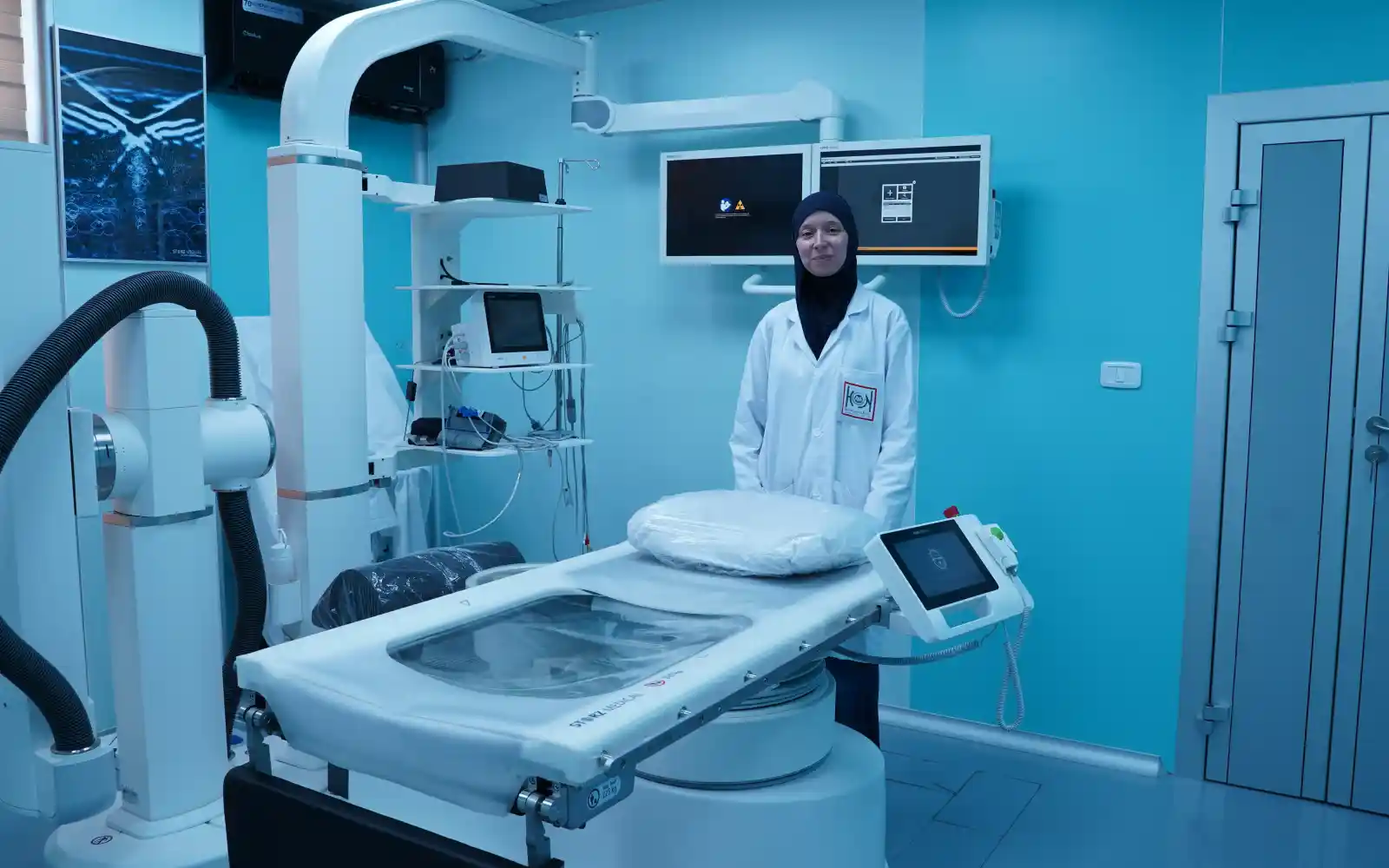
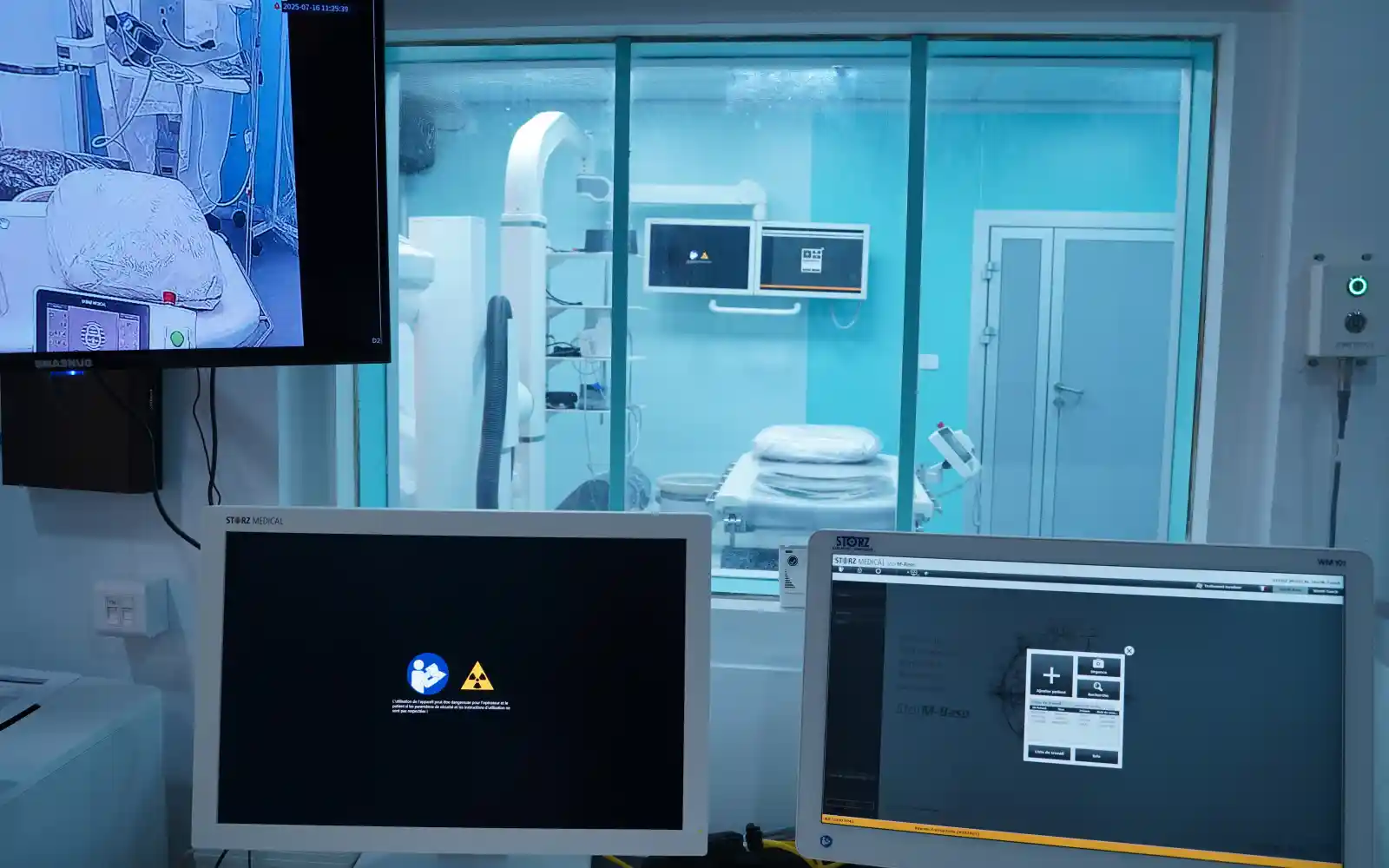
The equipment will help Tunisia enhance molecular laboratory and assisted reproductive technology diagnostic capabilities, increase the efficiency of surgical procedures and reduce recovery times for patients, promote early detection and improve treatment outcomes for cervical cancer, and support the development and implementation of advanced digital health information systems, telemedicine and electronic health records.
Read more here.
Climate resilience
Building climate resilience
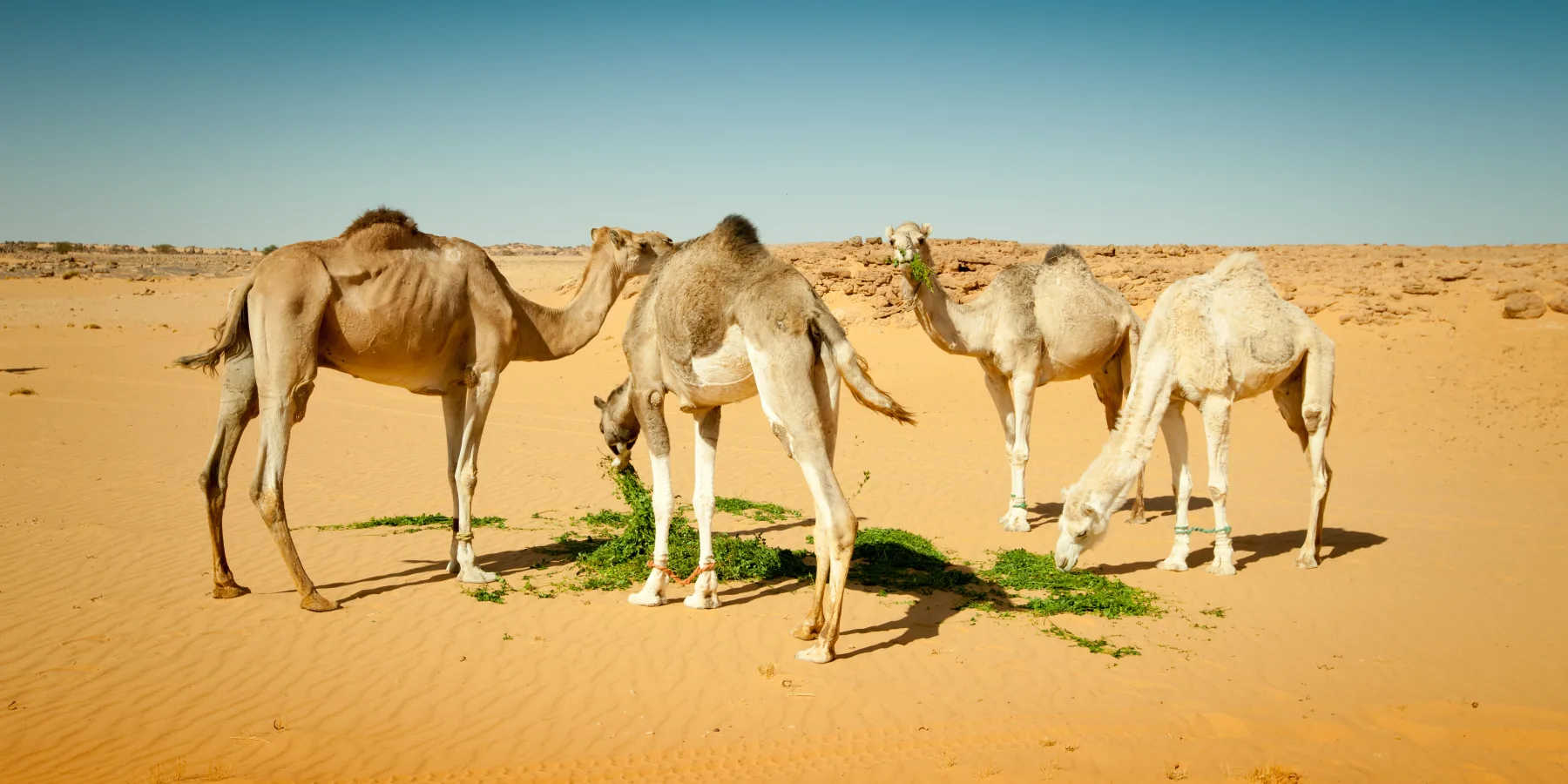
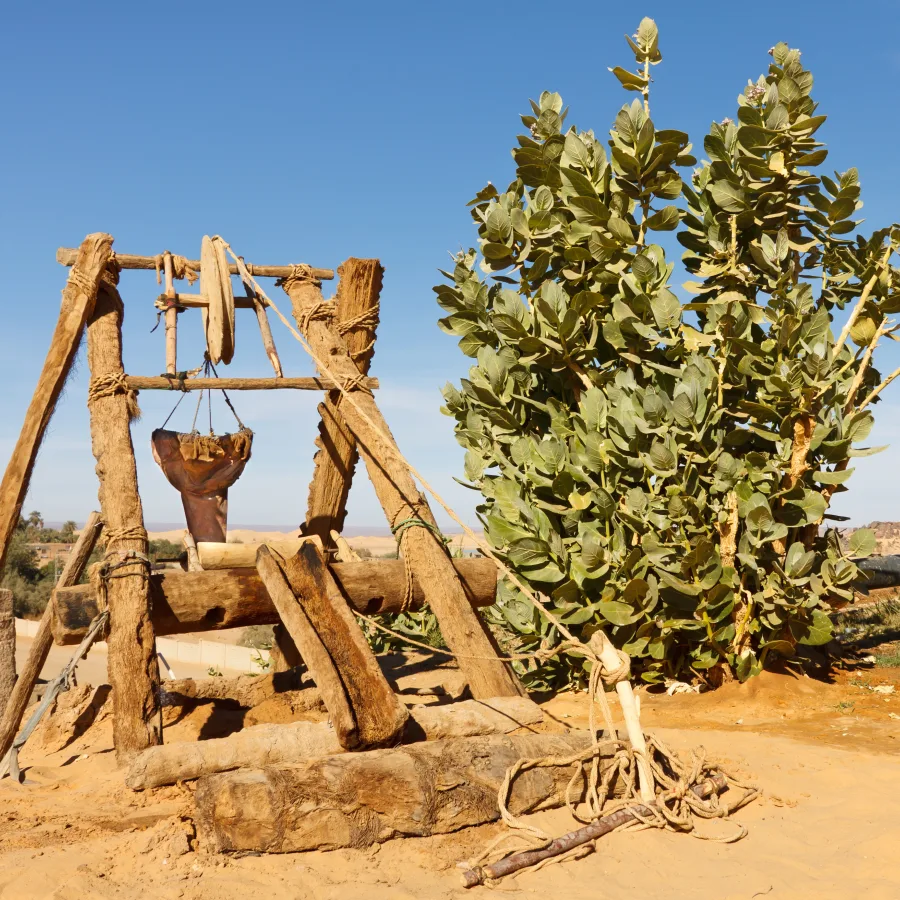
Around 90 per cent of Libya is desert – and only around 1 per cent of the land is arable. With very limited year-round water resources, Libya's agricultural and livestock sectors rely almost entirely on non-renewable groundwater resources.
Water scarcity already threatens the agricultural and livestock sectors. And the impact of climate change – including droughts, sea-level rise and saltwater intrusion, and high temperatures – threatens to worsen the challenges they already face.
"Climate adaptation is key to building resilience in Libya’s agriculture and livestock sectors," said Nathalie Angibeau, Director of UNOPS North Africa Multi-Country Office.
With funding from the Adaptation Fund, UNOPS and the International Fund for Agricultural Development are working together to enhance the durability of existing water resources in the agriculture and livestock sectors.
Read more here.
Education
Enhancing education
To support the government of Tunisia with expanding access to quality early childhood education, UNOPS worked with Tunisia's Ministry of Education to procure more than 12,000 pieces of educational equipment for several primary schools in the country, with financing from the World Bank.
By providing modern learning equipment, we aim to create a stronger educational foundation for primary school children – helping them thrive in the future.
In support of the World Bank's 'Strengthening Foundations for Learning Project' (PREFAT) – an initiative aimed at enhancing the educational framework in Tunisia and improving access to quality preschool and primary education – the equipment is creating a more effective educational environment for children and teachers in Tunisia.
Read more here.
Green jobs
Green jobs for youth employment
Tunisia struggles with high unemployment rates.
An initiative funded by the Middle East and North Africa Transition Fund through the Islamic Development Bank and in collaboration with the Organisation for Economic and Co-operation and Development focused on improving the job prospects and lives of young Tunisian graduates through the green economy.
UNOPS provided overall programmatic, technical and coordination support to the initiative, which included providing 850 young graduates with the practical work experience needed in a green business environment.
The programme offered microfinancing support to young people who wanted to set up their own green or clean tech company, leading to the creation of 50 new clean tech companies. Participants also received coaching and technical assistance from more experienced businesspeople. The programme led to more than 800 young people being involved in the green economy.
Read more here.
Gender equality
Supporting gender equality and youth empowerment
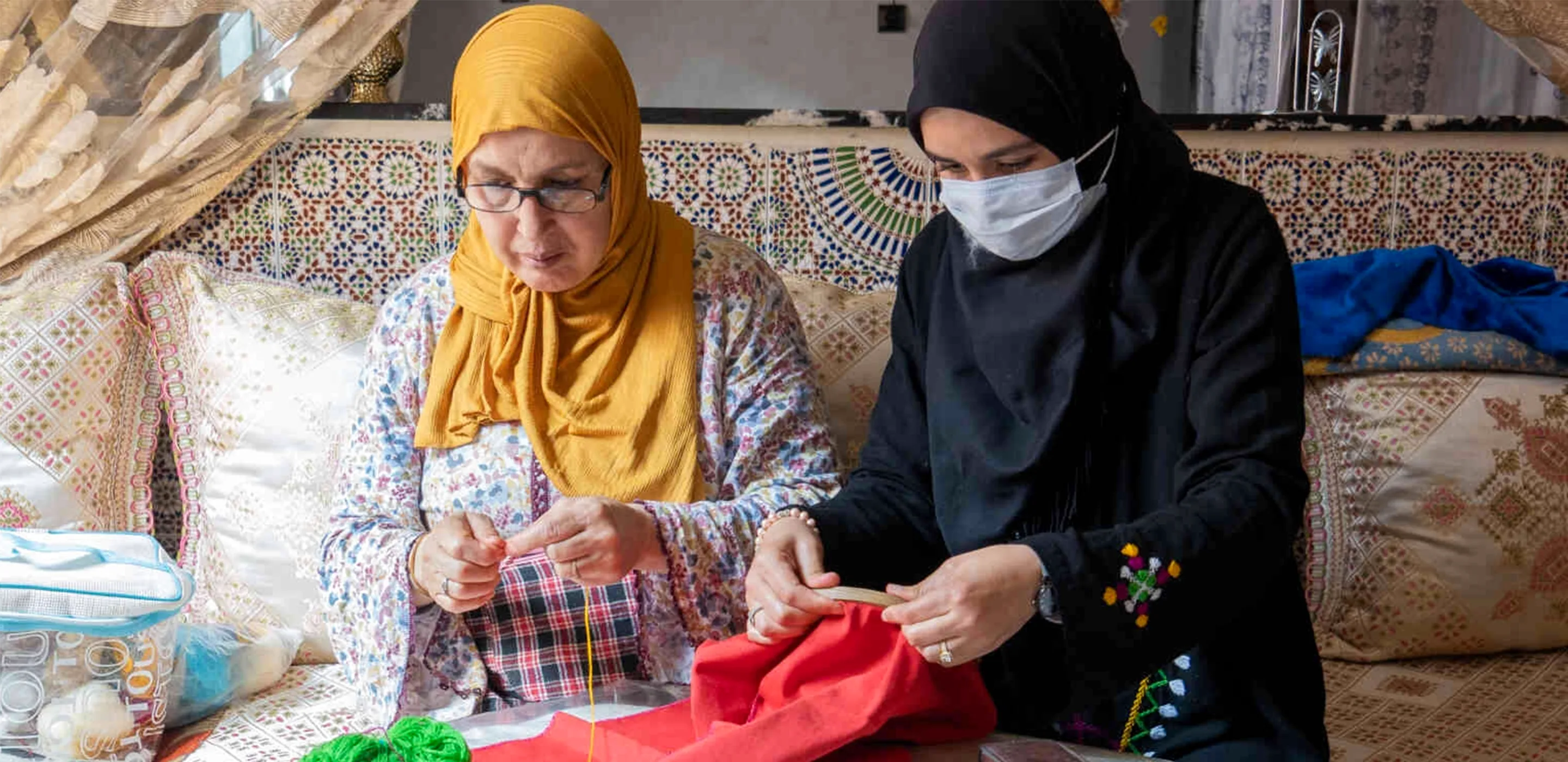
In Morocco, we worked with local and regional civil society organizations to strengthen their contribution to the development and implementation of public policies and participatory democracy.
As part of the European Union-funded Moucharaka Mouwatina project, UNOPS held capacity building workshops covering themes such as the fight against gender-based violence, reinforcing women's political participation, economic empowerment and employability, and the fight against gender stereotypes for 235 organizations across Casablanca, Tanger-Tetouan-Hoceima, Souss-Massa and Oriental.
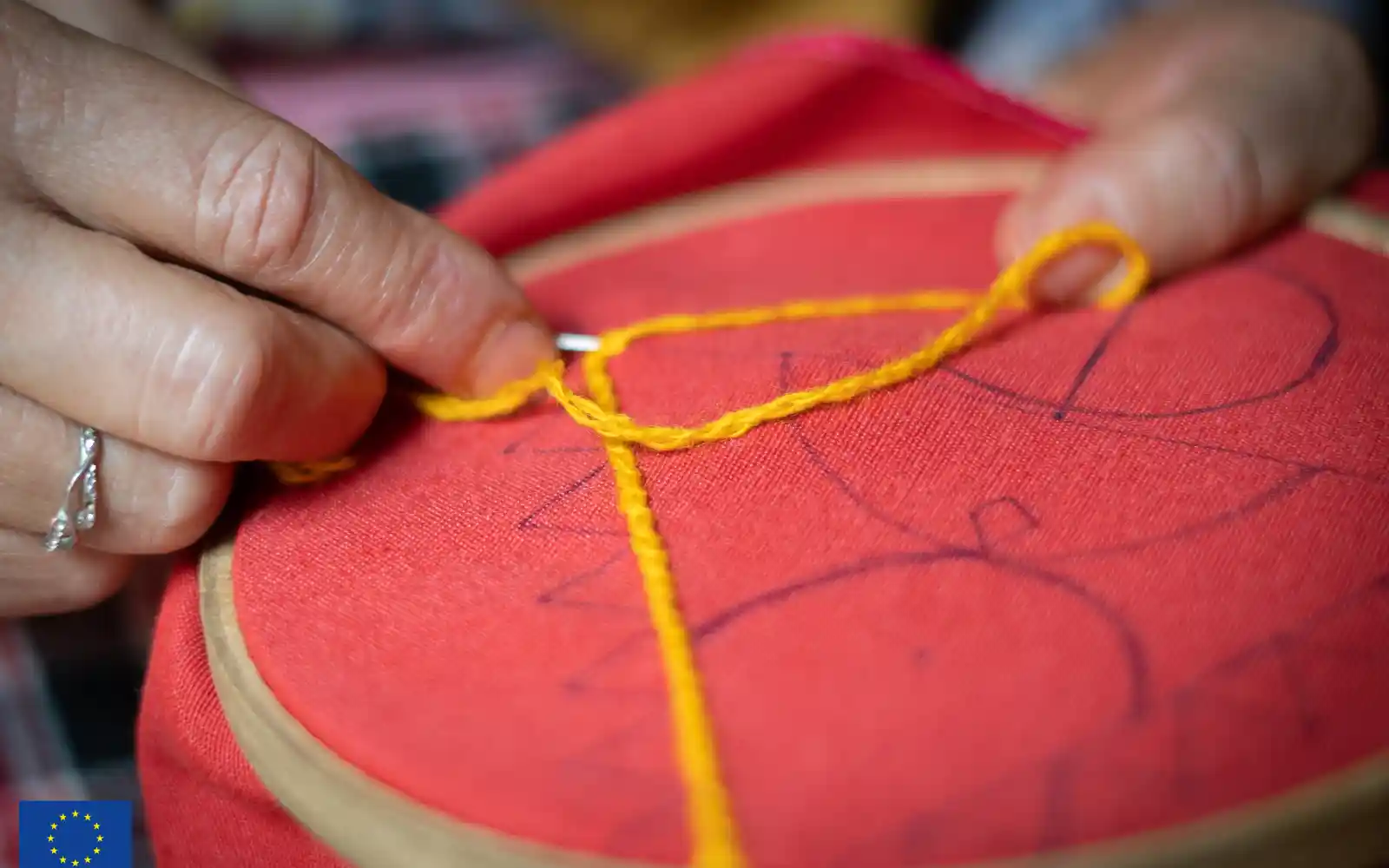
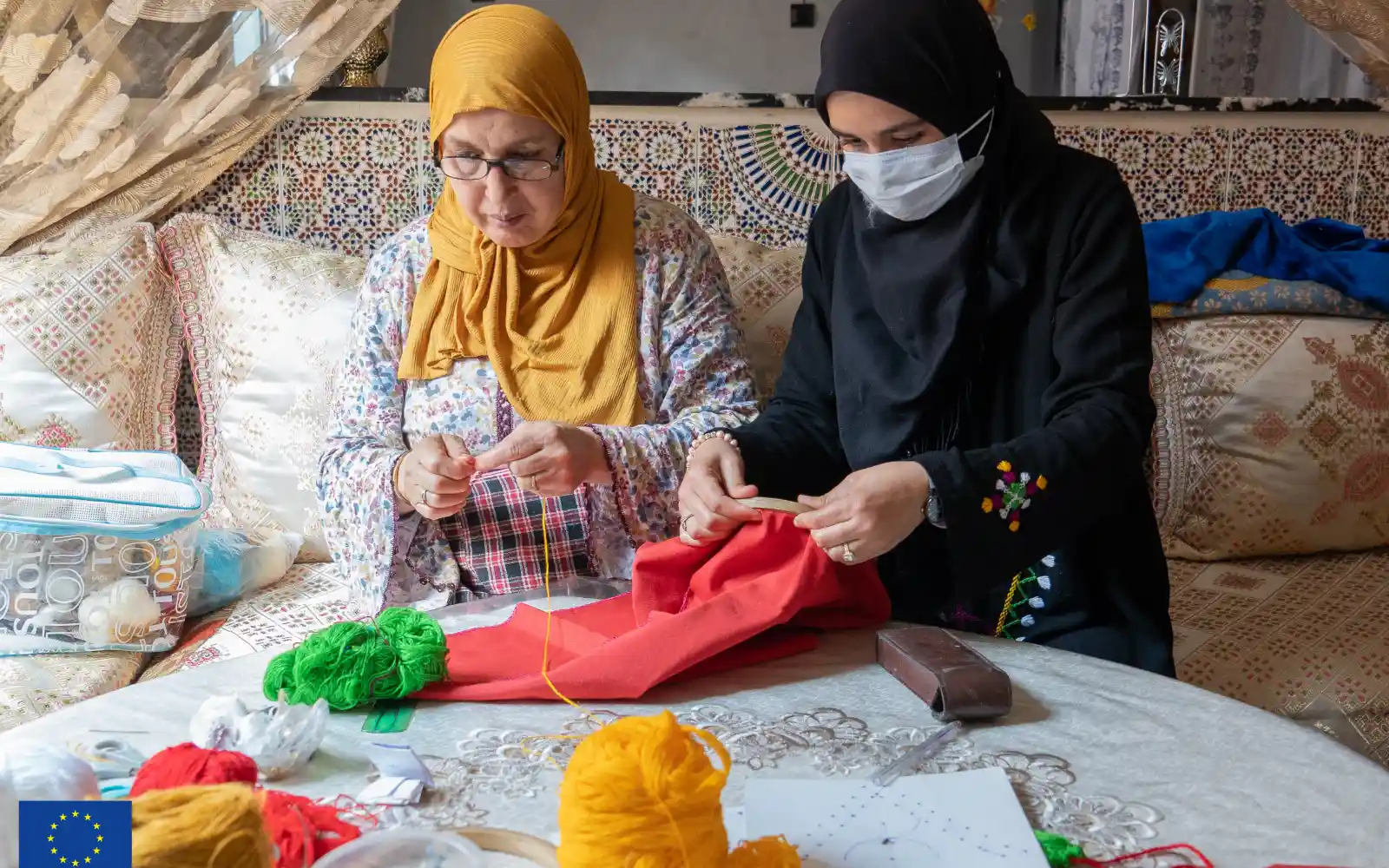
With a strong focus on including organizations with women on their board of directors, the initiative supported participating organizations to play a key role in advancing gender equality, empowering youth and protecting the environment.
The project also included working with public and private sectors to promote equal participation across the political, economic and social levels of society.
Rule of law
Strengthening the rule of law
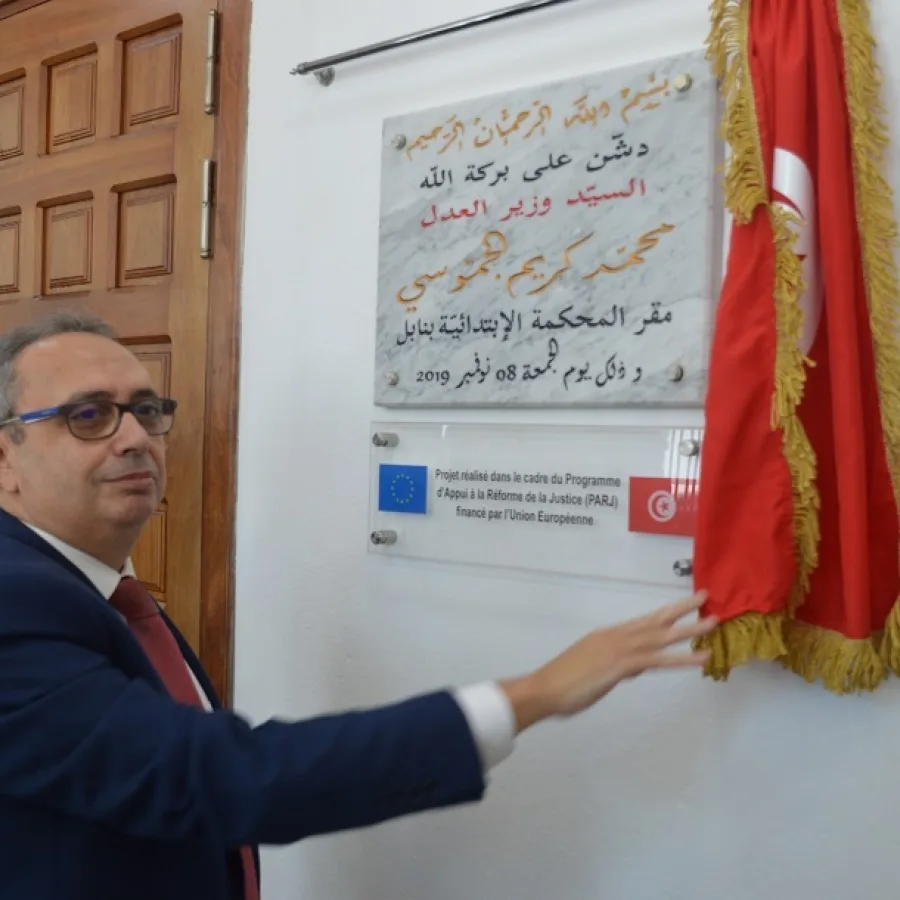
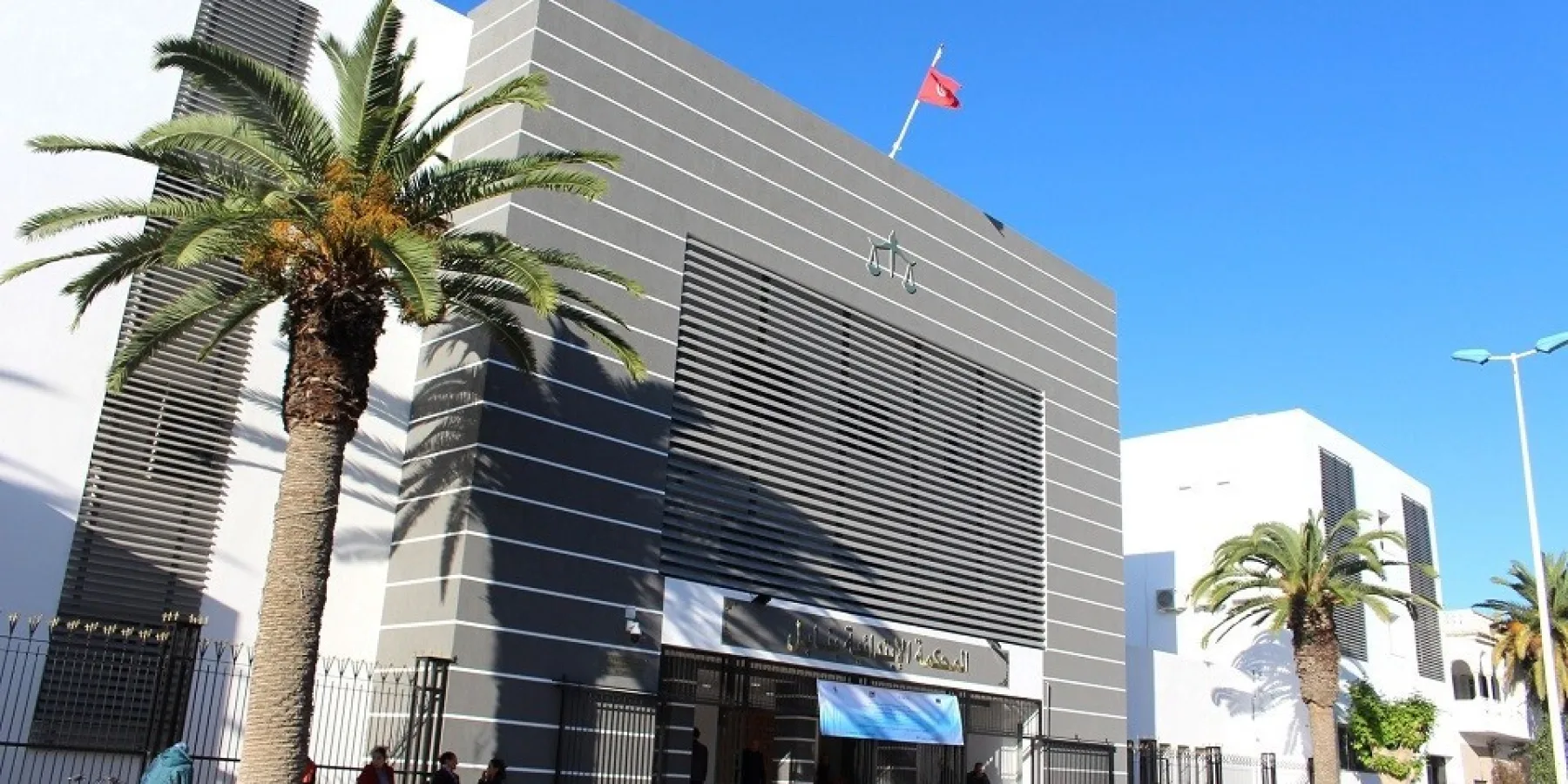
In Tunisia, UNOPS supported key reforms to Tunisia's justice system.
With funding from the European Commission, UNOPS rehabilitated prisons to ensure they were in compliance with international human rights standards. UNOPS also renovated three courthouses and procured IT equipment to help modernize the Ministry of Justice.
As part of the project, UNOPS also provided training to improve the management of justice-related infrastructure, conducted human rights training, and developed and implemented a capacity-building programme with the participation of civil society and international organizations.
Global Goals we are supporting through this initiative: