


The United Nations Office for Project Services (UNOPS)
A path for more women to enter Nepal’s police force
In Nepal’s Terai region, young women are training for careers in policing – challenging social norms, closing gaps in community safety and reshaping how law enforcement serves people.
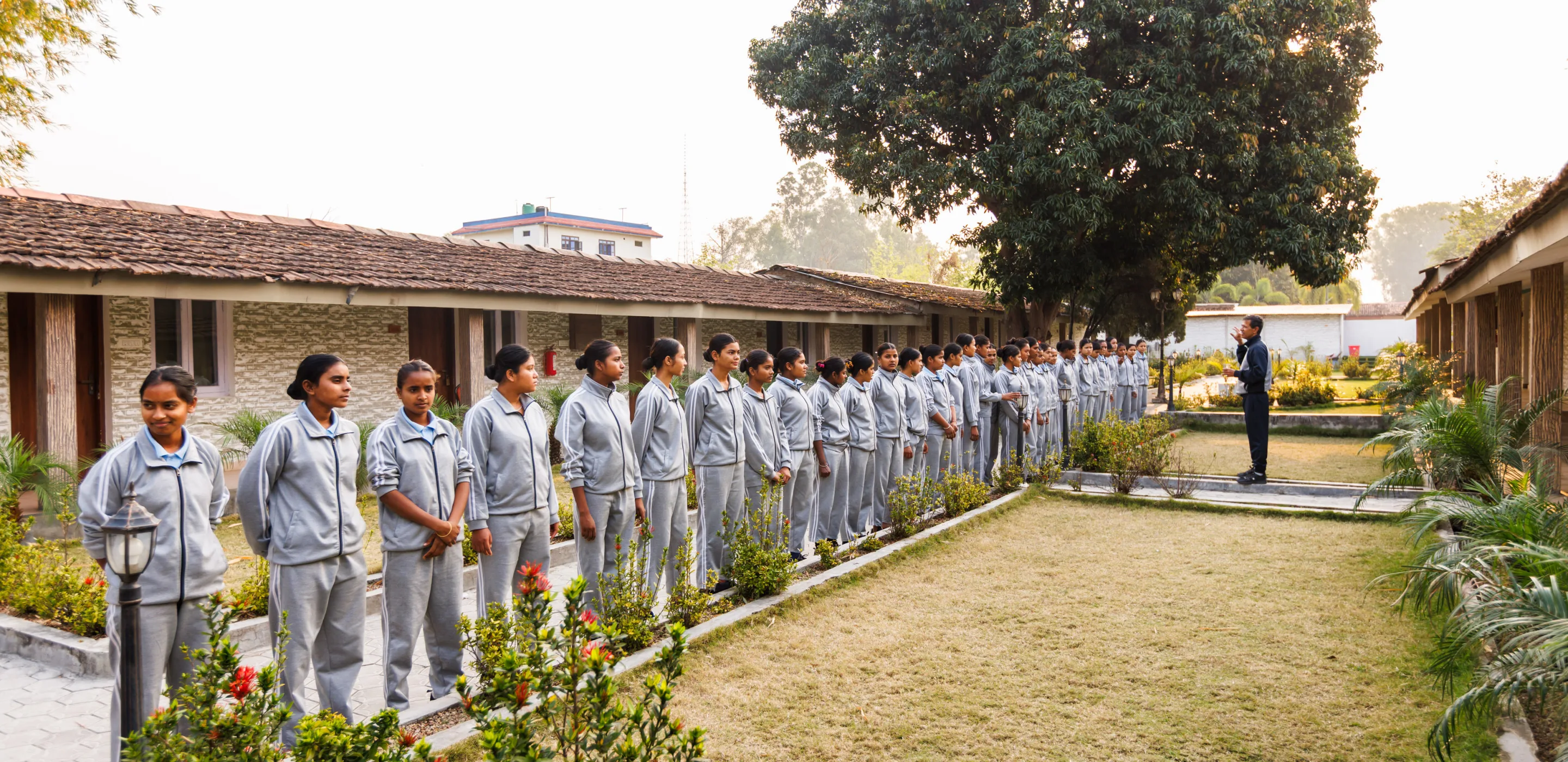
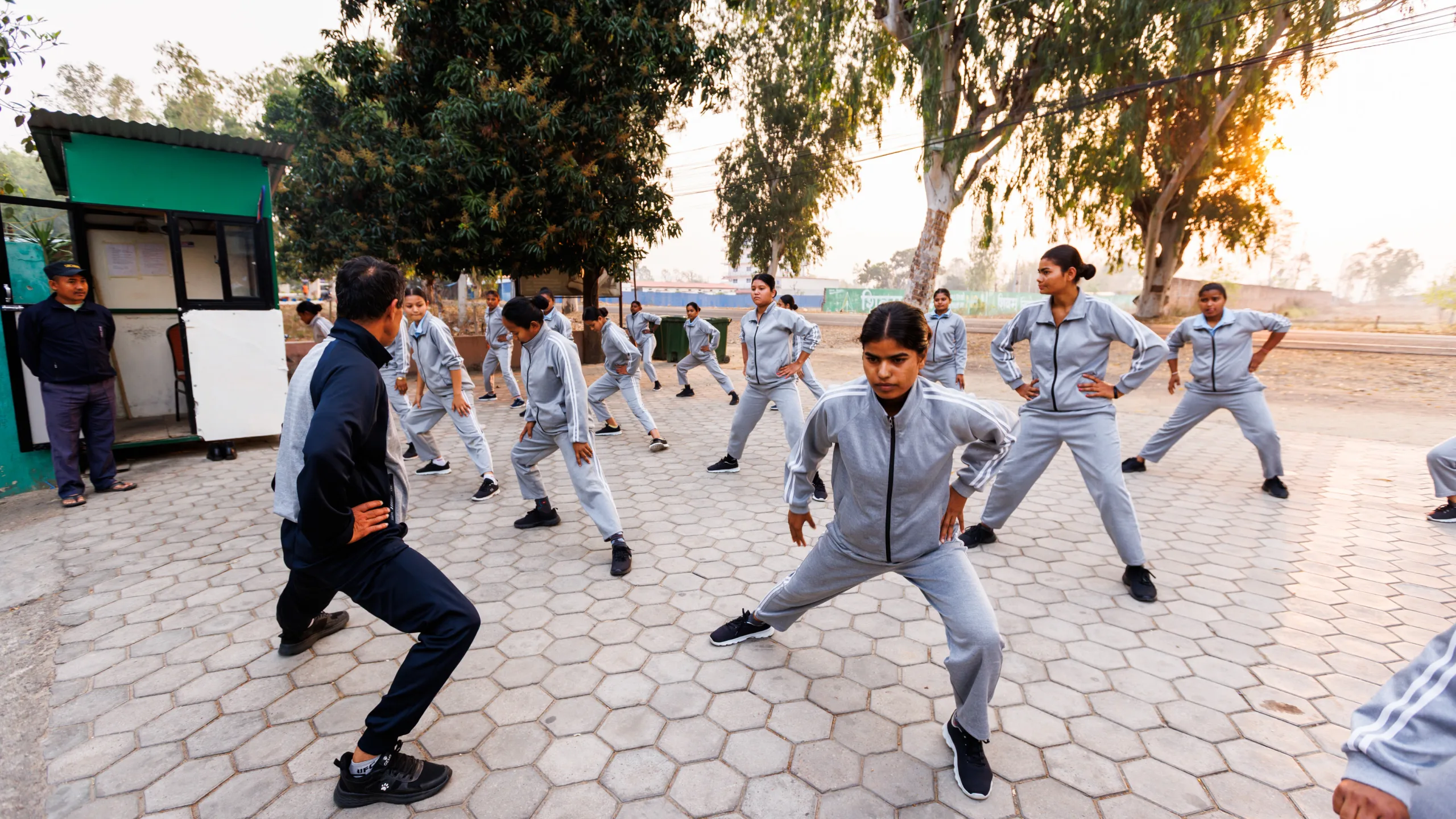
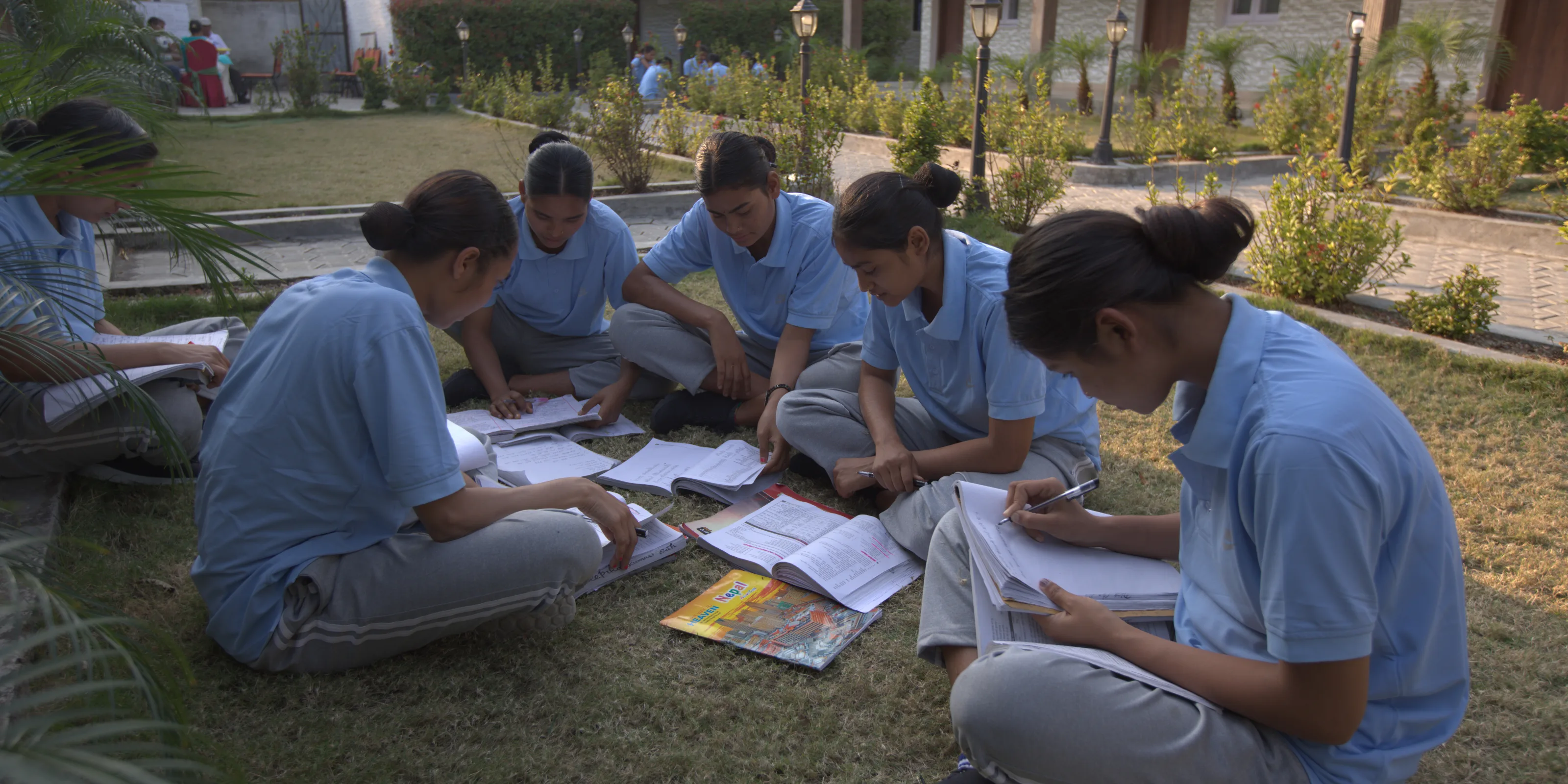
In Nepal’s Terai region, rows of young women run, train and study at police coaching centres in Bardibas. They are preparing for one of the country’s most competitive professions, with the Nepal Police.
Women remain significantly underrepresented in policing nationwide. Although a national mandate sets a target of 33 per cent women in the force, they currently make up just under 12 per cent. Social norms, limited access to information and structural barriers continue to discourage women, particularly those from rural and marginalized communities, from pursuing a career in law enforcement.
This shortfall has consequences. As reports of violence against women and children rise, many survivors struggle to access justice. A lack of women officers undermines trust, contributing to underreporting and unresolved cases.
In response, UNOPS with the United Kingdom’s Foreign, Commonwealth and Development Office (FCDO), is working with communities and institutions to support women’s entry into the Nepal Police and strengthen inclusive policing.
Addressing entrenched stereotypes
Muskan’s story began before she stepped onto the training ground. Across Madhesh, Lumbini and Karnali provinces, UNOPS supported awareness sessions in villages, schools and homes, focusing on women’s roles in policing and community safety.
For many families, the idea was unfamiliar, even uncomfortable. Policing has long been seen as a man’s job, especially in rural areas where women’s mobility and career choices are often restricted.
Yet interest grew. More than 560 young women, mainly aged 15-28, attended the sessions. By the end, most participants said they would either consider joining the police themselves or support a female family member who wanted to. Communities also expressed more positive views about women police officers and the role they play in building trust between police and the public.
These early shifts in perception laid the groundwork, but awareness alone was not enough.
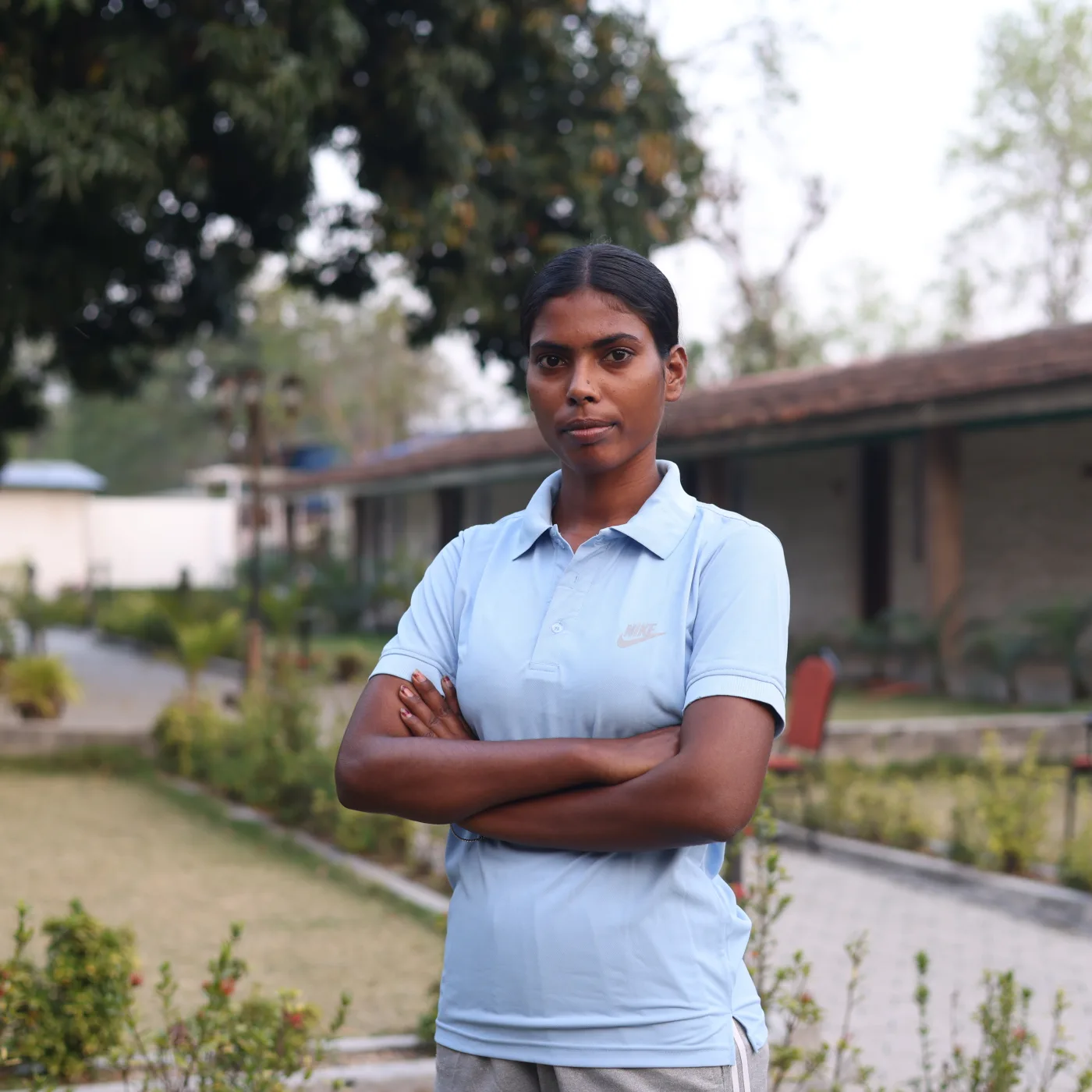
The coaching helped me believe in myself, understand the exam system and prepare in a focused way. Today, my selection is not only my success but sends a message to other girls from communities like mine that policing is possible for us, the women of Madhesh.
These early shifts in perception laid the groundwork, but awareness alone was not enough.
Why women in policing matter in Nepal
Women police officers play a critical role in responding to gender-based violence, supporting survivors and strengthening community trust. When women are absent from the force, many women hesitate to report crimes or seek help.
“When a woman shares her story with another woman, she feels heard, not judged,” says one trainee. “I want to be that person who listens and acts.”
Yet recruitment remains difficult. Families worry about safety, long hours and social stigma. Many young women lack confidence or access to preparation for competitive exams, particularly physical fitness tests.
Targeted support for recruitment and retention
Through the FCDO-funded Security and Justice Programme, UNOPS provided practical support to address these barriers. This included door-to-door outreach with families, skills workshops, and structured coaching for written and physical exams. Residential coaching camps offered safe spaces for training and peer support.
From 57 trainees, 18 women passed the written exams and 14 were selected for the police force. Ten came from marginalized communities. One Dalit* woman placed first nationally in the open competition, marking a significant milestone.
For Muskan’s family, the impact was immediate.
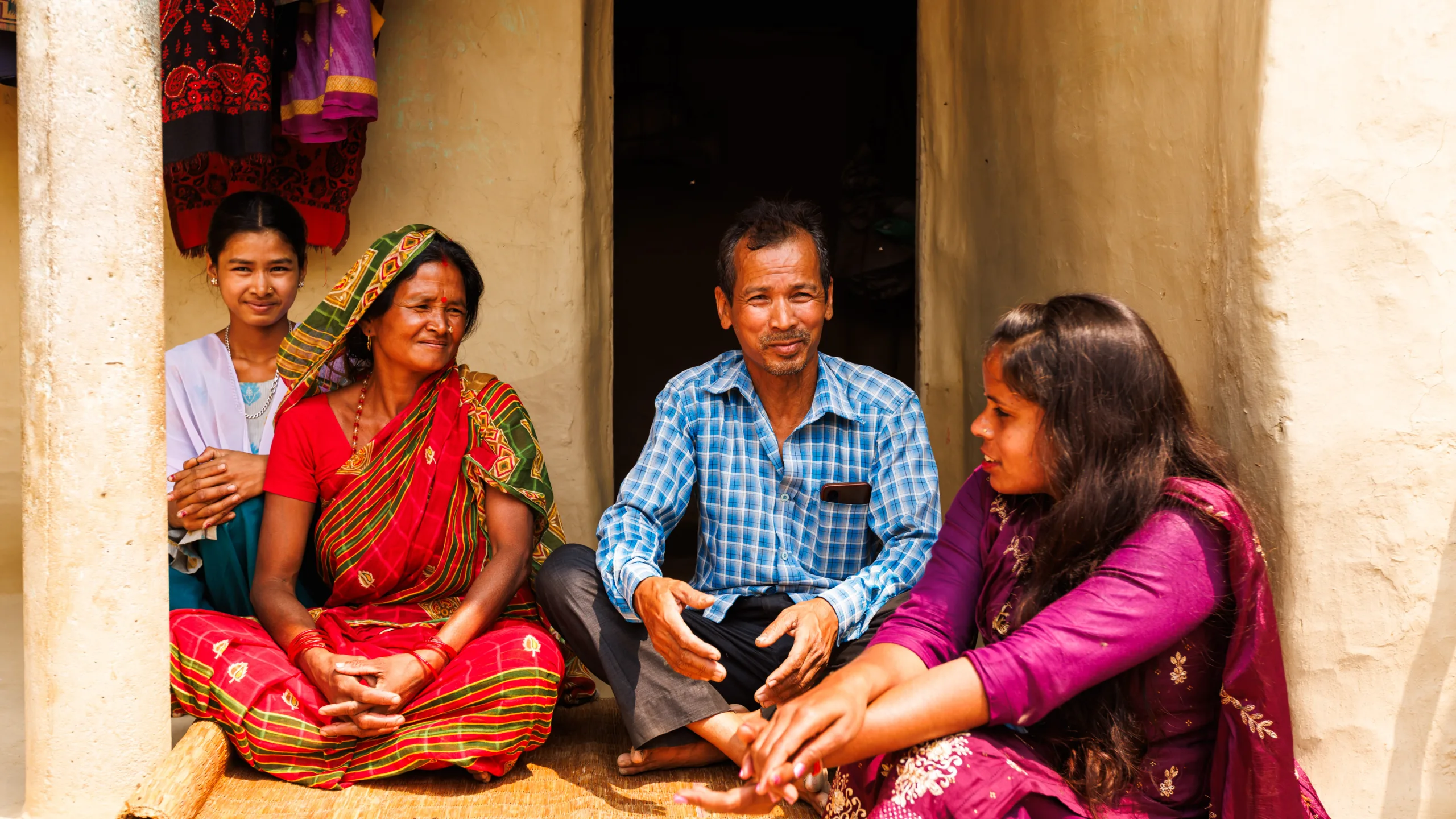
“My daughter is strong. She is not just joining the police, she is making history in our community, she will set an example for her other sisters,” says her father from Janakpur. Living in poverty, he chose to support his daughter’s ambitions despite the risks.
Participating women are gaining financial independence, leadership opportunities and visibility in public life. Their progress is strengthening families and reshaping communities.
What comes next?
The programme also highlights remaining gaps, including the need for inclusive recruitment strategies, expanded outreach in remote areas and gender-responsive policies within the police force.
This work goes beyond recruitment. It reflects a broader effort to reshape policing in Nepal, one where women play a visible role in public safety, justice and community trust.
More women are stepping into roles once closed to them and helping build safer, more inclusive communities in the process.
Global Goals we are supporting through this initiative: