


The United Nations Office for Project Services (UNOPS)
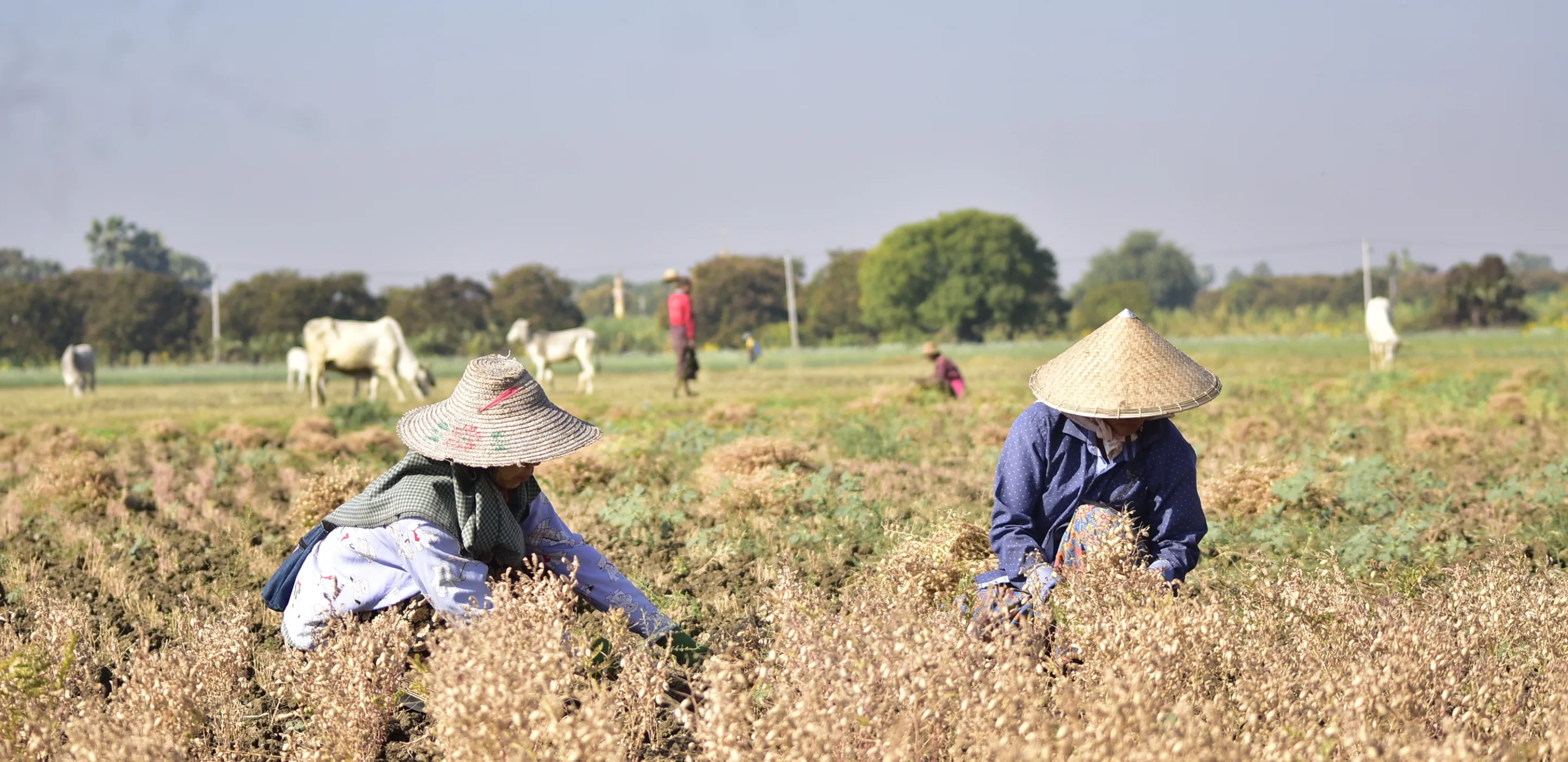
Building resilience, one harvest, one crop and one business at a time
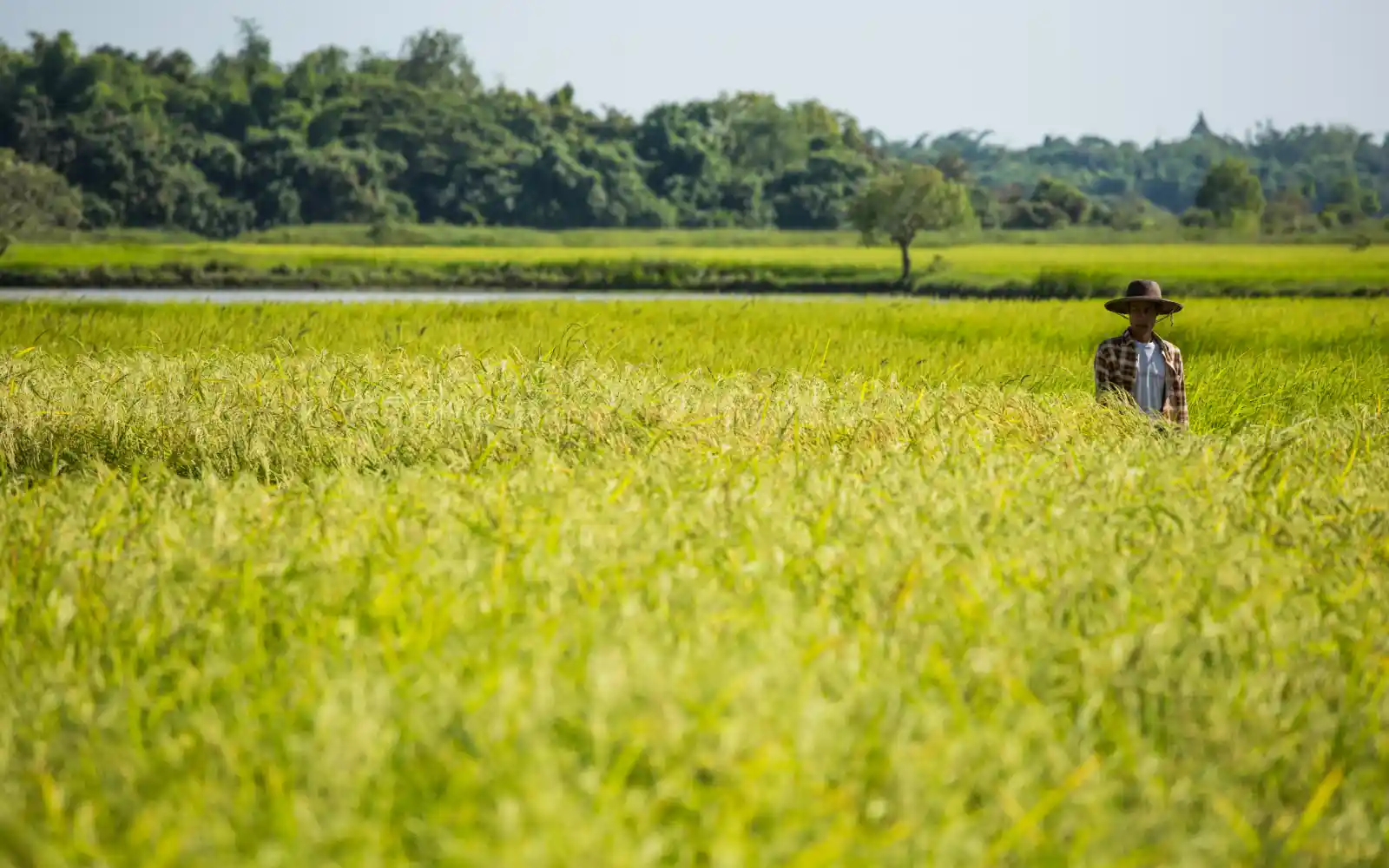
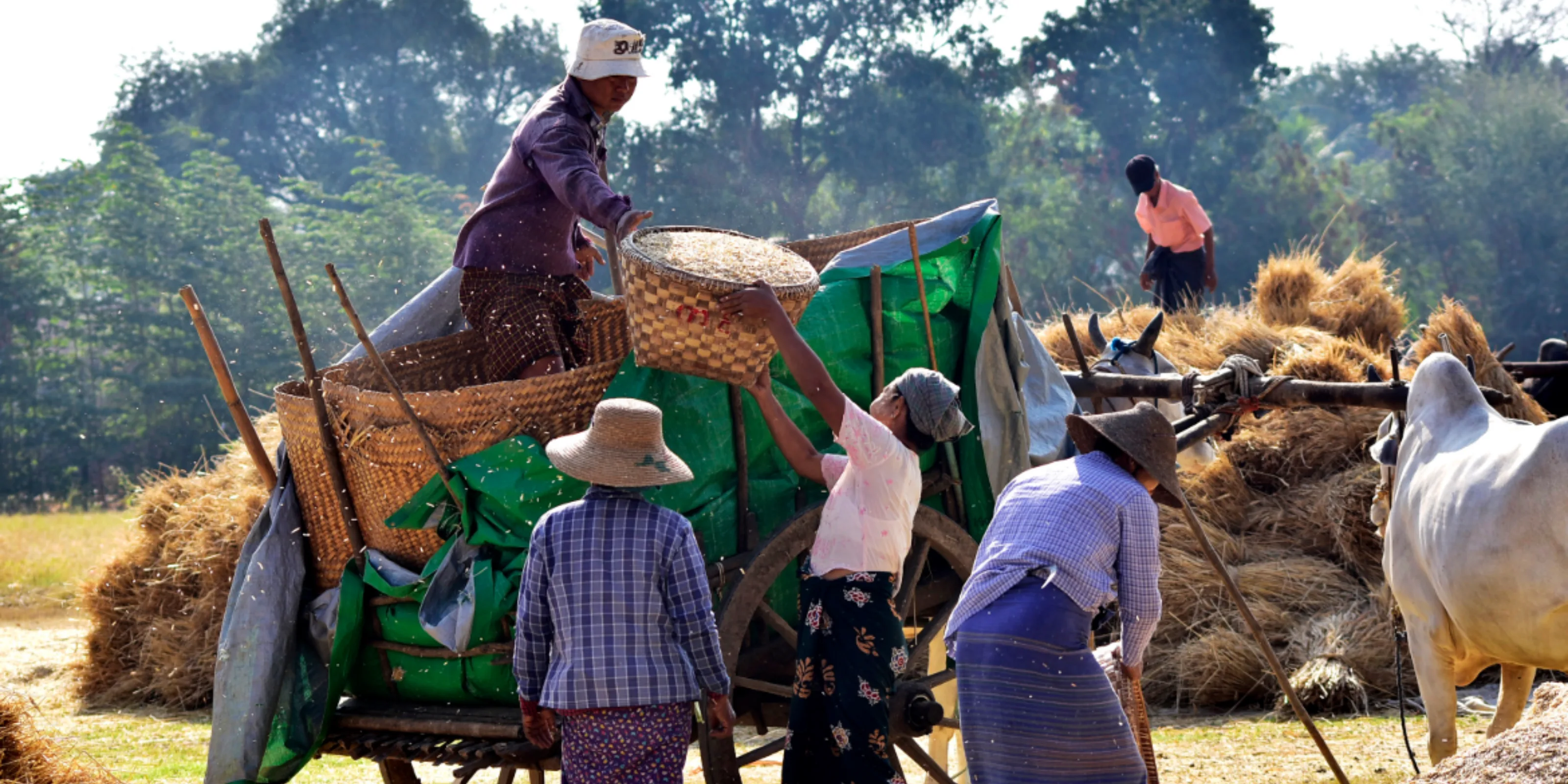
Across Myanmar, resilience takes many forms. It can be found in a rice field that produces both grain and fish. In healthier crops that withstand an increasingly unpredictable climate. And in a small bakery where a reliable generator means another day of production, income and opportunity.
While these stories unfold in different places and sectors, they share something important: practical solutions that help communities adapt, diversify and build stronger livelihoods for the future.
Through support to farmers, entrepreneurs and local communities, the UNOPS-managed Livelihoods and Food Security Fund (LIFT) is helping people strengthen their resilience in the face of climate, economic and social challenges.
Two harvests from one field
In many rural communities, a rice field produces one rice harvest each season. But some farmers are taking a different approach by raising fish alongside rice in flooded paddies, producing two sources of food and income from the same plot of land.
The idea itself is not new. Rice-fish farming has been practised for generations in parts of Asia and is increasingly recognized as a climate-smart farming approach.
Fish introduced into the fields feed on insects and naturally occurring organisms, helping reduce pest pressure while contributing to the health of the paddy ecosystem. At the end of the season, families harvest both rice and fish.
For households that often rely on a single crop, the benefits go beyond productivity. Fish provide an additional source of protein and micronutrients, improving dietary diversity while creating another income stream.
Through LIFT support, farmers are receiving training, technical guidance and access to improved farming practices that help them diversify production and make better use of available resources.
By integrating crops and aquaculture, families are becoming less vulnerable to disruptions affecting a single harvest or income source, especially when uncertainty becomes part of everyday life.
Healthy plants for stronger communities
Across Myanmar, changing rainfall patterns, rising temperatures and more frequent extreme weather events are making farming increasingly difficult to predict.
"We are seeing more irregular rainfall, delayed monsoons, and longer dry periods, especially in the Dry Zone," explains LIFT's Climate Specialist.
"At the same time, flooding in delta areas is damaging crops and reducing yields," he adds.
For farmers, these changes affect everything from planting decisions to harvest expectations. Warmer temperatures can also create conditions where pests and diseases spread more easily, adding another layer of risk.
That is why plant health matters far beyond the field itself.
"Plant health is fundamental because it determines yield, quality and stability. When crops are healthy, farmers can produce more reliable food and earn a better income. When they are not, the effects are felt very quickly," says one agricultural specialist who works with the community.
Through its programmes, LIFT is helping farmers access climate-smart agricultural practices, improved seeds, better soil and water management techniques and advice on pest and disease control. Training and extension services help farmers respond more quickly to changing conditions while reducing losses.
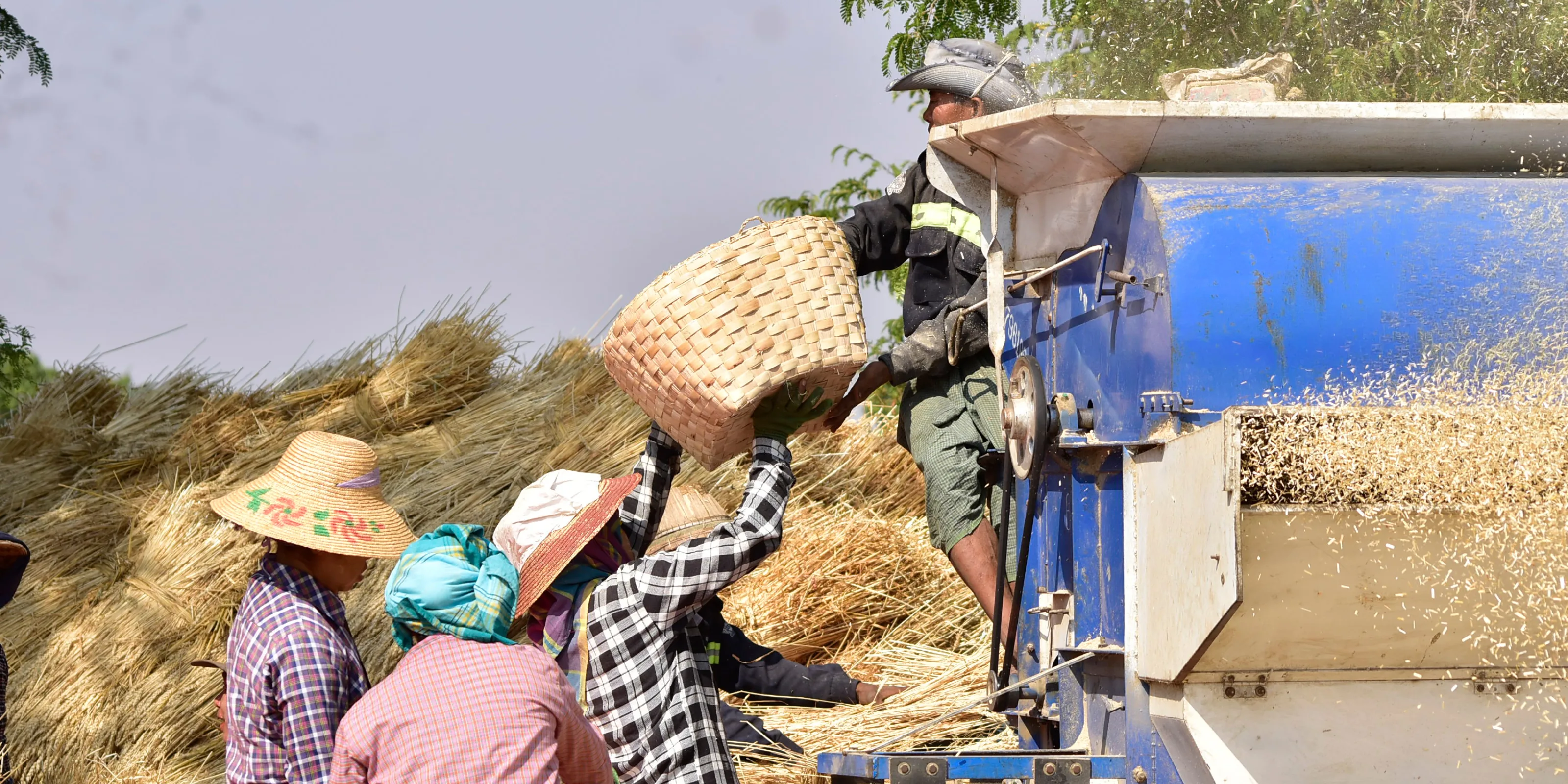
Healthy plants depend on many factors working together.
"Plant health does not exist in isolation," the agriculture specialist explains. "It is influenced by soil, water, climate, inputs and even market access. If you improve one part without addressing the others, the overall impact is limited."
LIFT's support reflects this systems approach, linking farmers with information, inputs, markets and services that strengthen agricultural value chains and improve long-term resilience.
As the climate specialist noted, "A resilient agricultural system can absorb shocks and recover."
For farming families, healthier crops mean more stable harvests, more reliable incomes and greater confidence in planning for the future.
A bakery powered by possibility
Small businesses that support households and local economies are also preparing themselves for future shocks and stresses.
For Ma San, the owner of a small rural bakery, one of the biggest challenges was unreliable electricity. Production was frequently disrupted, making it difficult to meet customer demand or plan for growth.
Through LIFT-funded support, the bakery received a generator that provided a more reliable source of power and helped the business continue operating despite frequent power outages.
"The generator changed our business. Now we can bake every day and serve our customers better," she says.
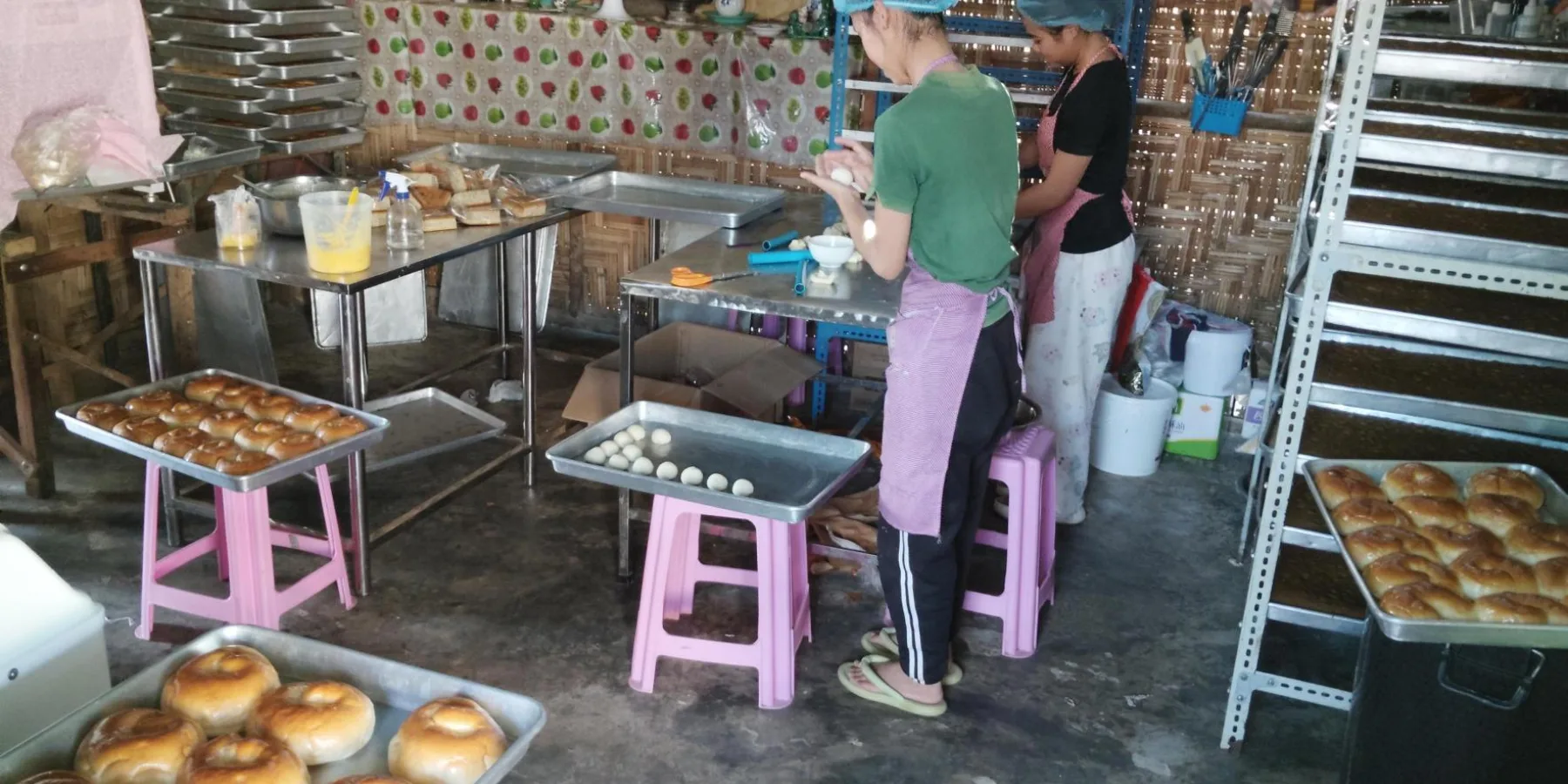
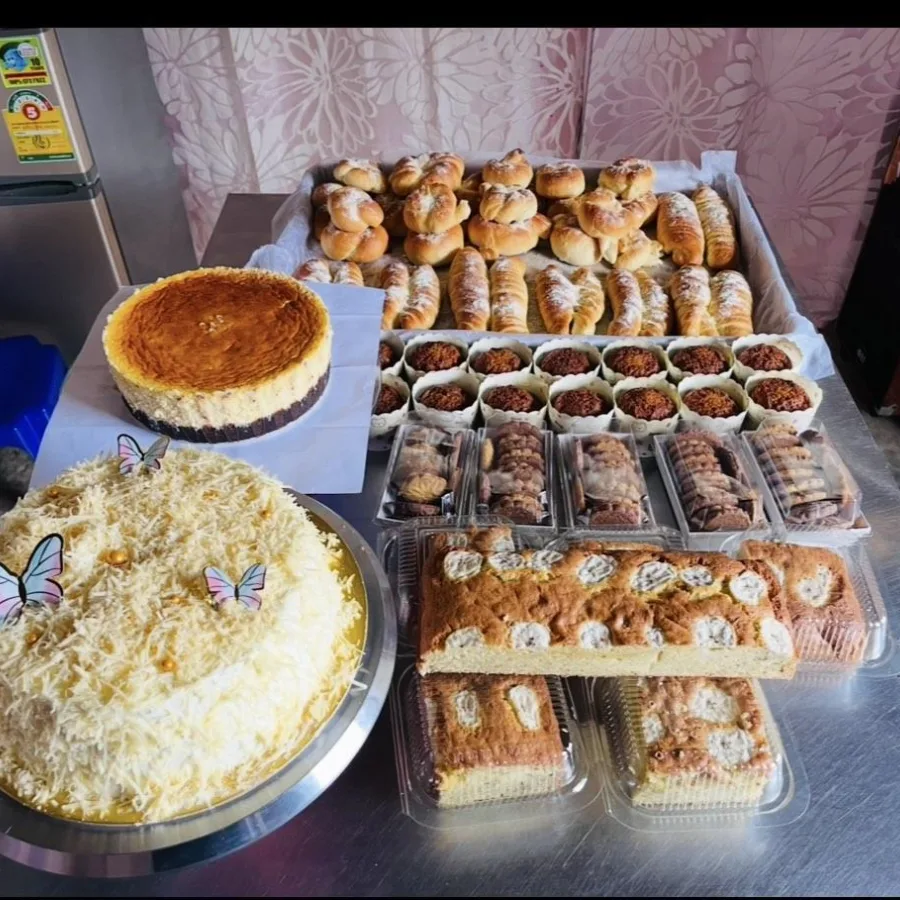
The impact reached beyond the bakery itself.
"The best-selling product is banana cake. It is made using bananas grown by farmers in our village. I am also experimenting with other types of snacks using locally-sourced ingredients," she explains.
Through support to micro, small and medium-sized enterprises, LIFT is helping entrepreneurs like Ma San create opportunities that ripple through the wider community while strengthening local supply chains.
Connected solutions for communities
Together, these stories paint a picture of resilience in action. These communities are strongest when food systems, agriculture and local businesses support one another. Diversified livelihoods, healthier ecosystems and thriving enterprises all help households manage uncertainty and prepare for the future.
Through investments in climate-smart agriculture, stronger value chains and local enterprises, LIFT is helping communities in rural Myanmar build resilience from the ground up.
About LIFT