



The United Nations Office for Project Services (UNOPS)
From gridlock to growth: Restoring vital road connections in Yemen
In Aden, damaged infrastructure once brought daily life to a halt. Today, rehabilitated roads are changing that reality – cutting travel times and facilitating critical access to essential services and humanitarian aid.
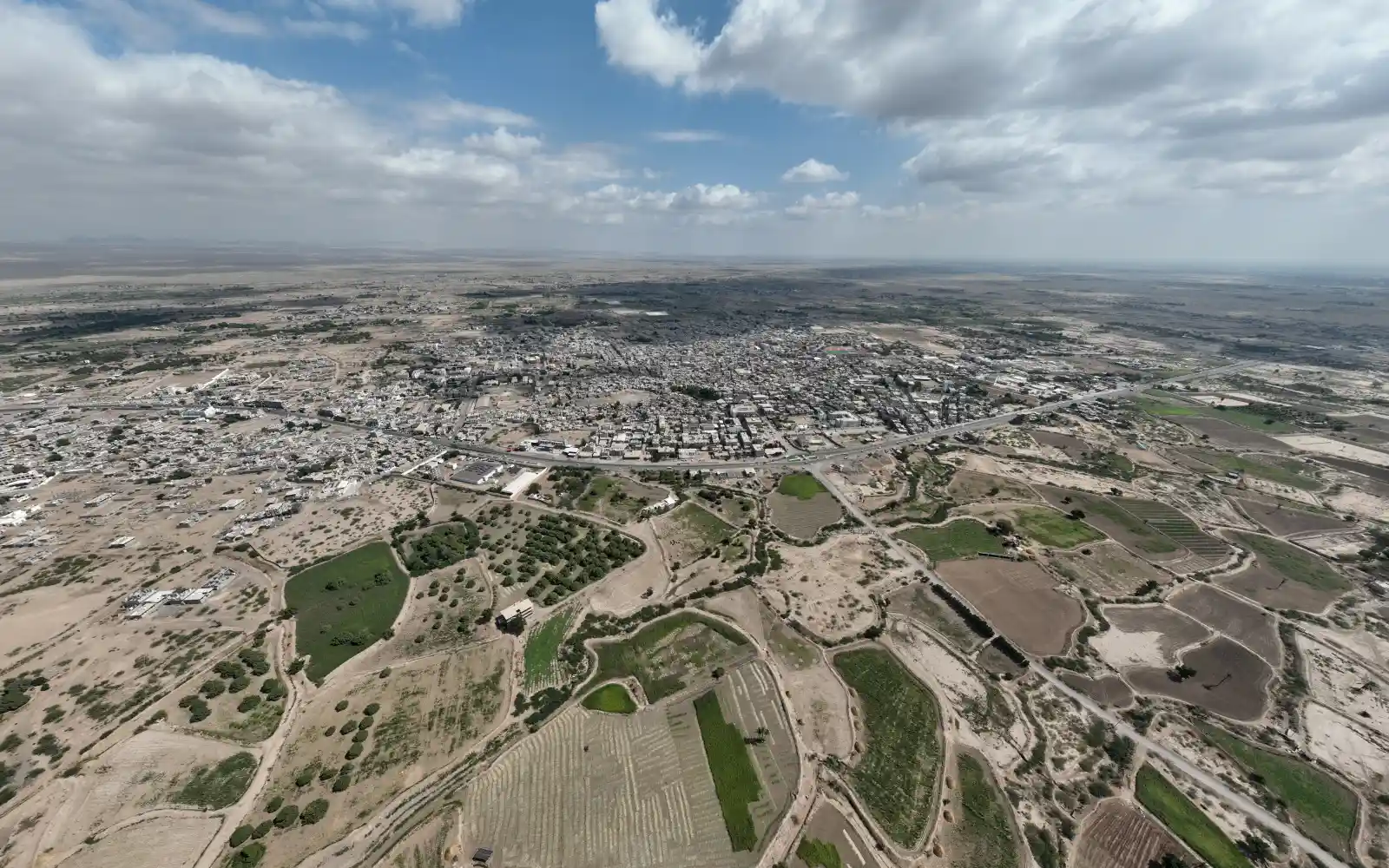
Years of instability in Yemen have created significant challenges for the nation’s infrastructure. In the strategic port city of Aden – the primary gateway for humanitarian aid entering the country – roads constructed decades ago are failing to meet contemporary demands, making daily travel both difficult and dangerous.
The crumbling infrastructure does more than hinder the economy – it further cuts off vulnerable communities from markets and essential services.
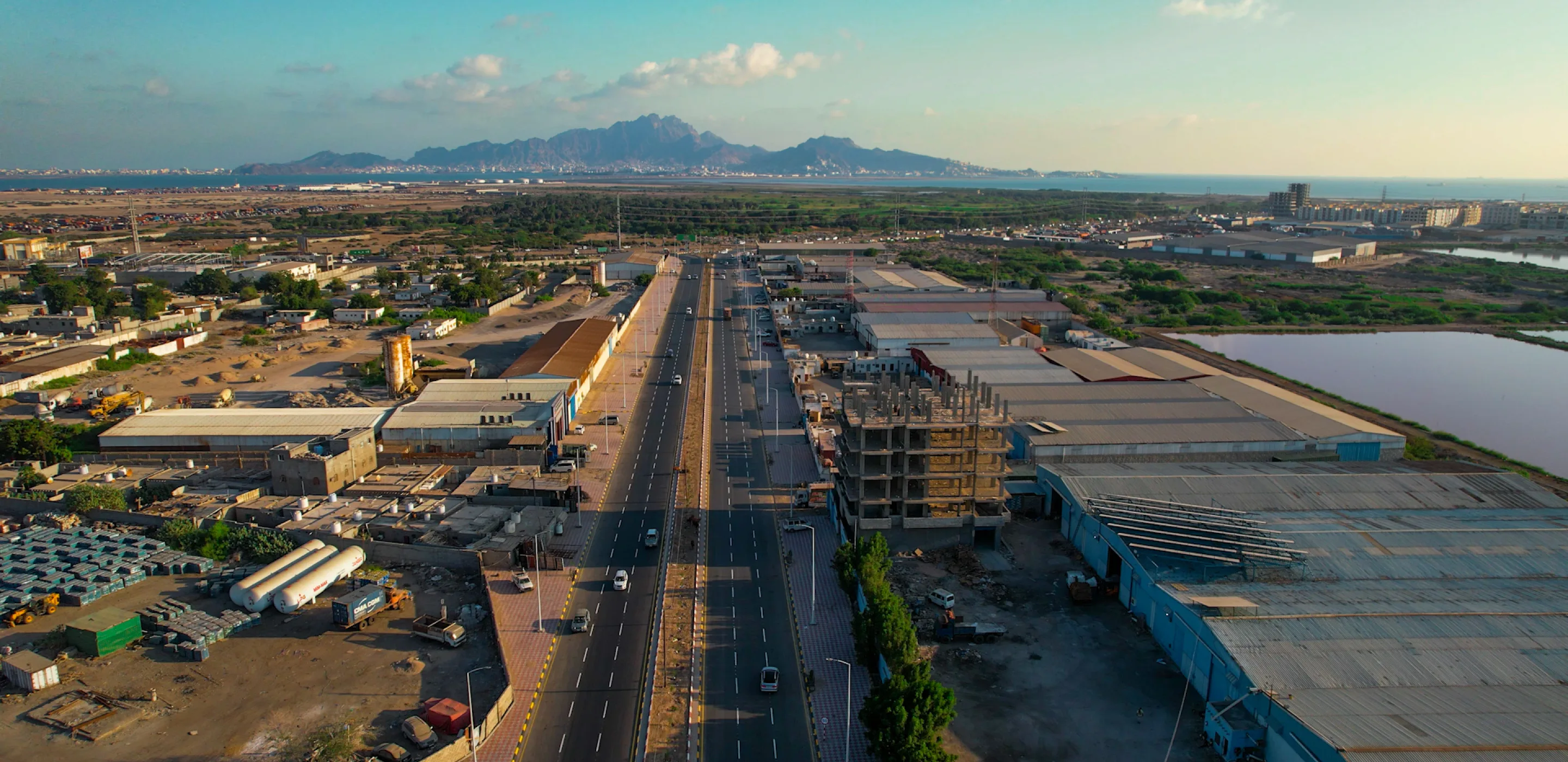
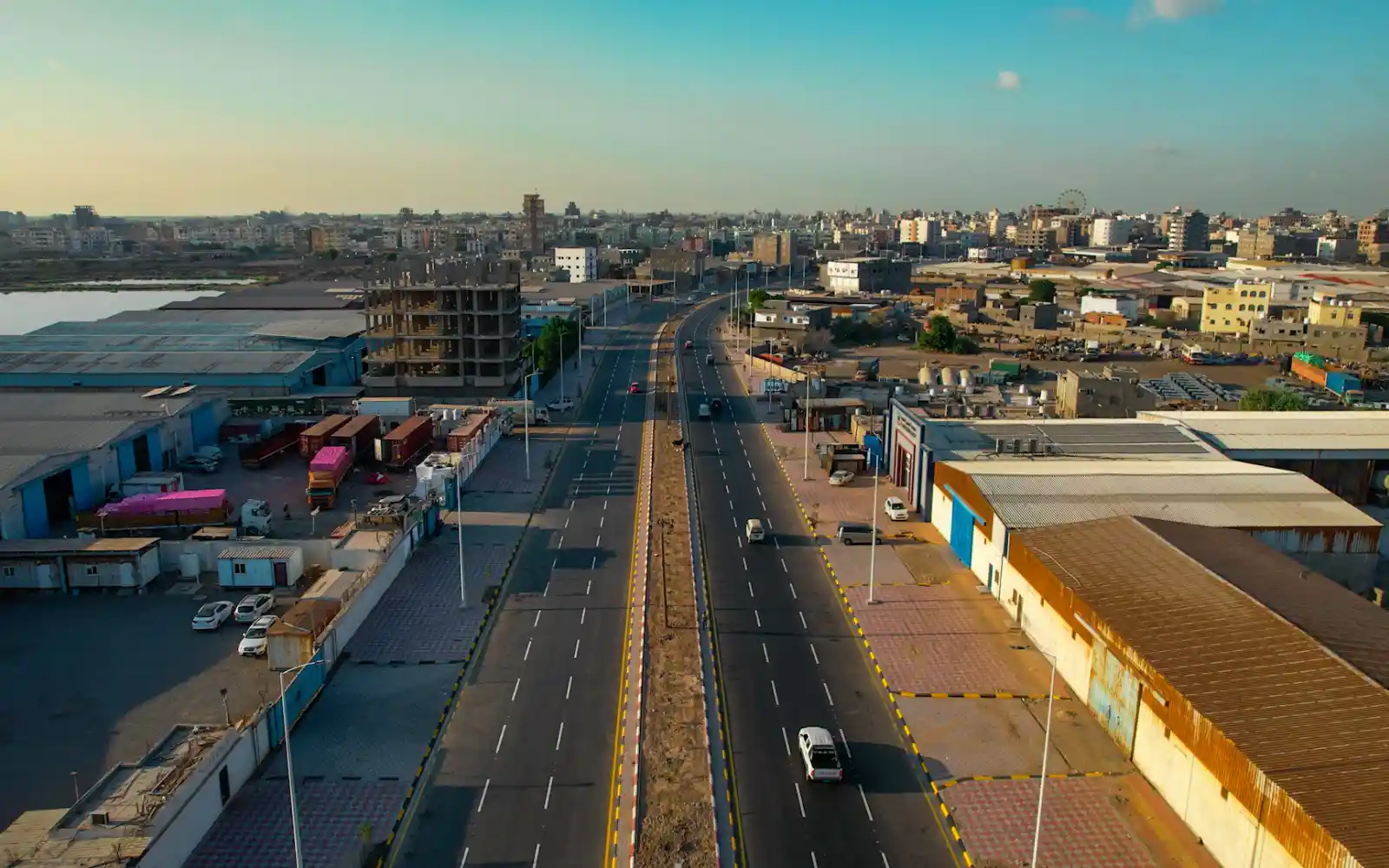
To address these critical infrastructure gaps, UNOPS, with funding from the government of Japan, rehabilitated over 2.3 kilometres of vital intra-urban roads. The project restored essential connectivity between the city, the Port of Aden and surrounding governorates, facilitating the efficient flow of goods and people while revitalizing local economic activity.
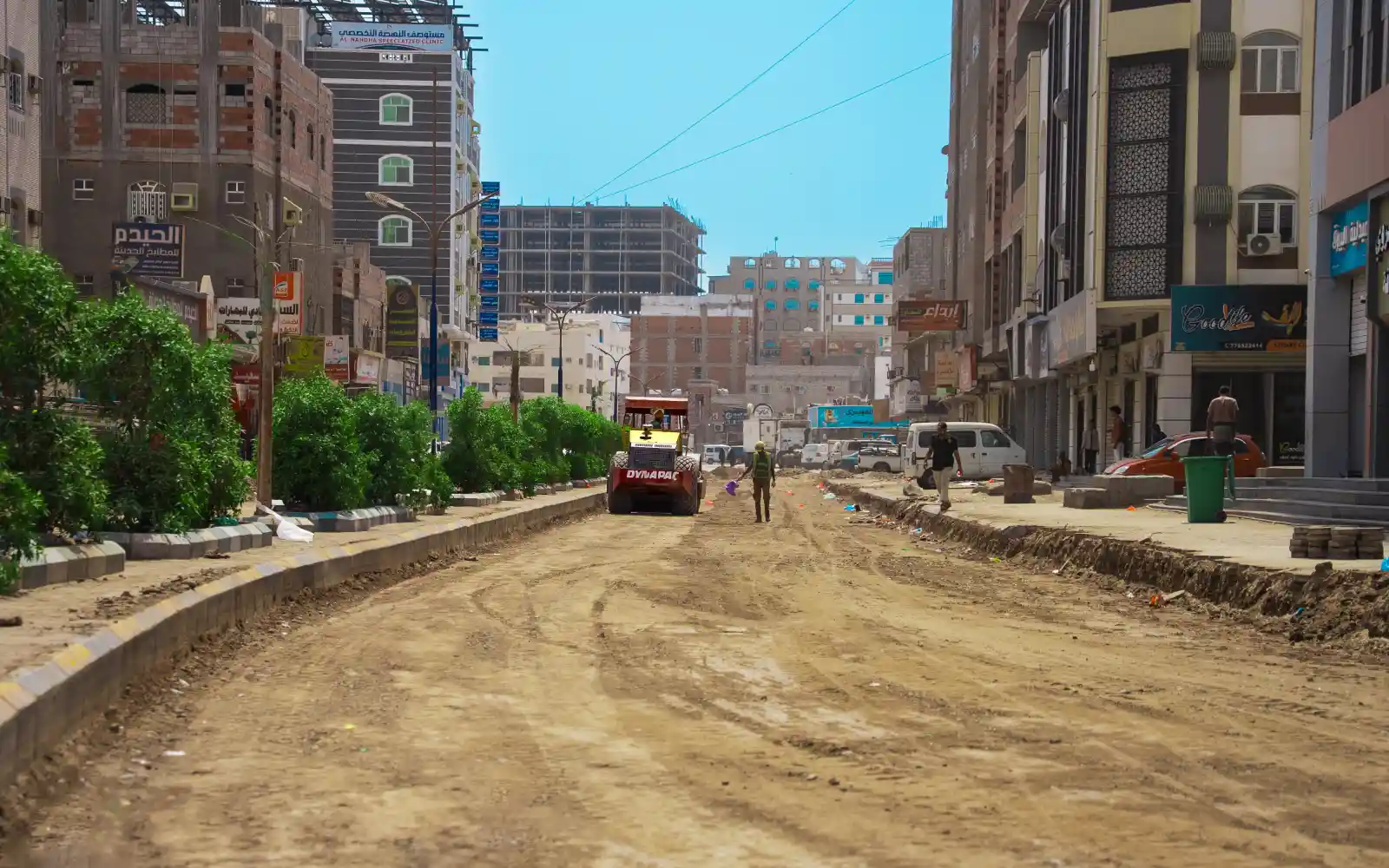
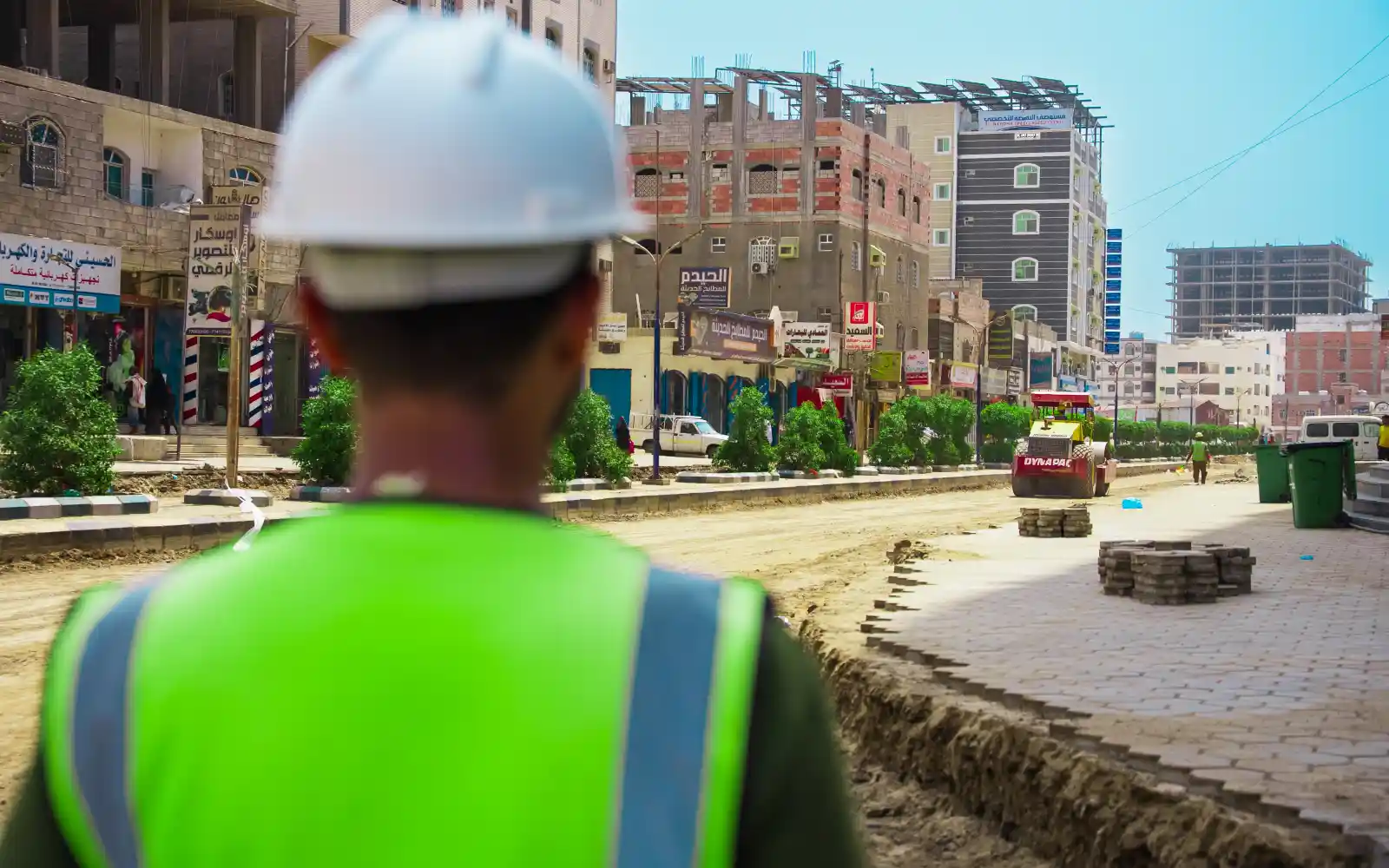
New roads are helping ease traffic around Yemen’s Aden Port.
The project, now complete, has transformed daily life for the city’s residents.
"Now the road is open, people get around faster," says Mohammed Hashem, a resident of Aden. “When I drive my car it takes 7 or 8 minutes, not 15.”
The impact extends far beyond wider lanes and smoother asphalt. The project facilitates access to more than 560 critical service buildings – including schools, hospitals and commercial facilities – directly benefiting nearly 200,000 people.
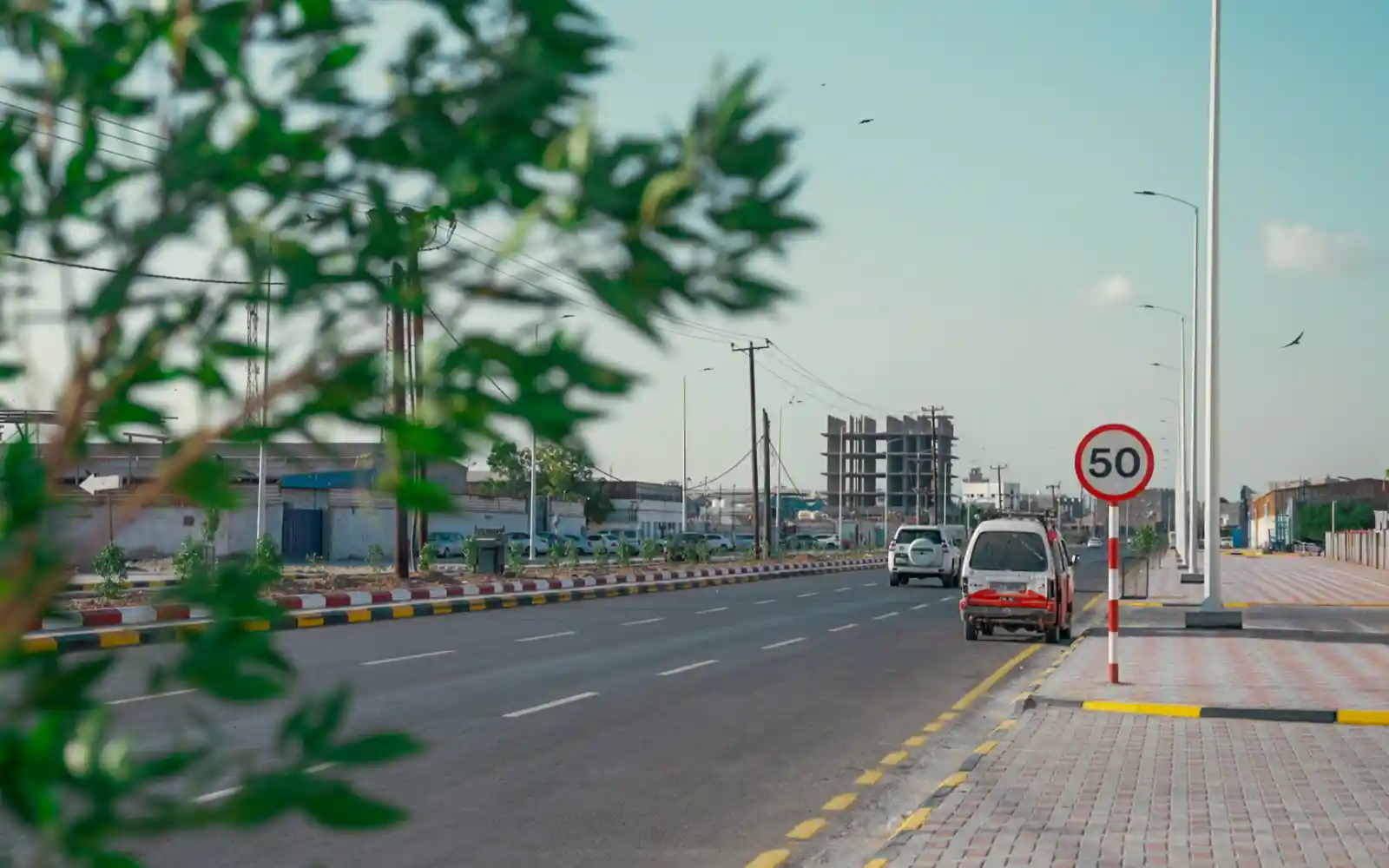
Built for long-term resilience, this vital infrastructure can handle heavy traffic and minimizes maintenance costs. Climate-resilient designs also mean the roads can withstand intensifying floods and rainfall, while safety measures provide equitable access for the entire community.
"No more dust, no more dirt. Everything is much better now," says Mohammed.
By replacing gridlock with modern infrastructure, these roads support both a recovering economy and the vital flow of humanitarian aid from the Port of Aden to those in need – laying the foundation for sustainable development and long-term resilience.
Global Goal we are supporting through this initiative: