Rebuilding the heart of Yemen’s cities
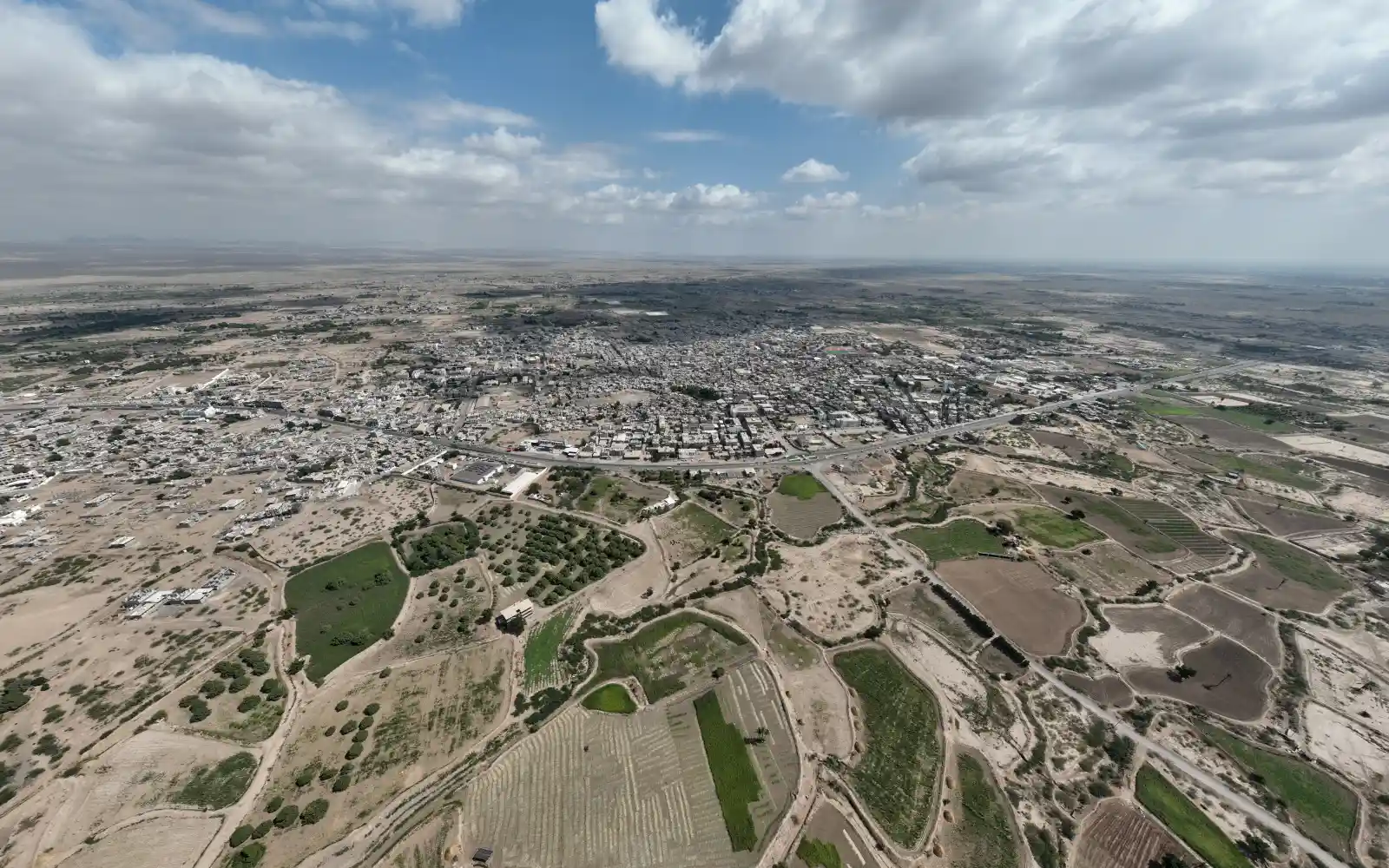
An ambitious urban renewal effort is transforming 16 cities across Yemen. From sustainable energy solutions to climate-resilient infrastructure, see how critical services are being revitalized to serve millions – in partnership with the World Bank.
More than a decade of conflict has decimated Yemen’s infrastructure, fueling a compounding humanitarian crisis. In cities across the country, the collapse of basic services – from healthcare and education to sanitation and energy – has left communities vulnerable.
In response, the Yemen Integrated Urban Services Emergency Project, funded by the World Bank’s International Development Association and implemented by UNOPS, is working to revitalize 16 urban centres.
By restoring critical water, waste, transport and energy infrastructure – while also revitalizing parks and public spaces and integrating climate-resilient solutions – the project is building the foundation for sustainable urban life. Beyond improving access to essential services, these efforts are restoring hope and dignity for millions of residents.
Critical services powered with sustainable energy
Solar energized services
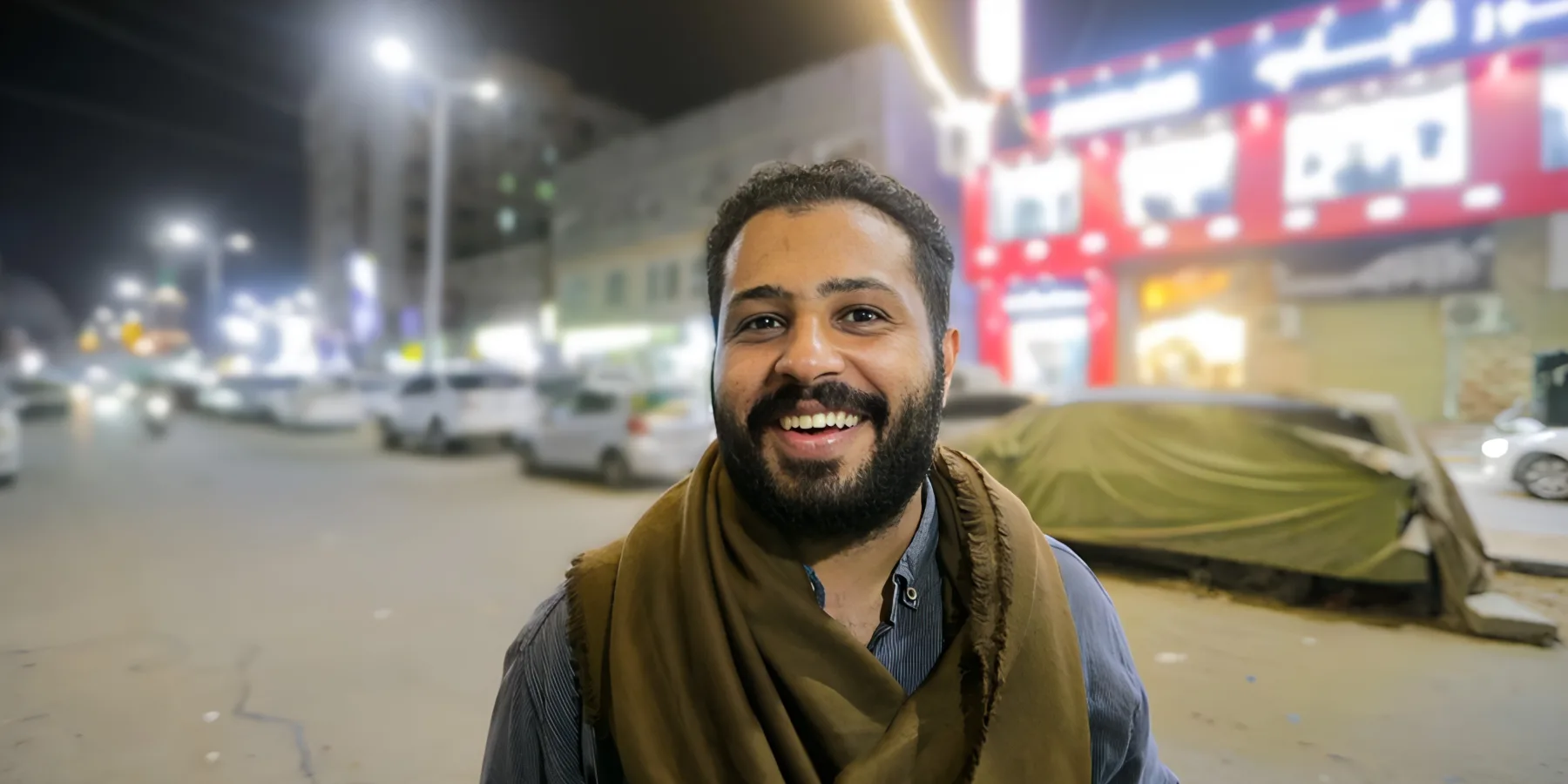
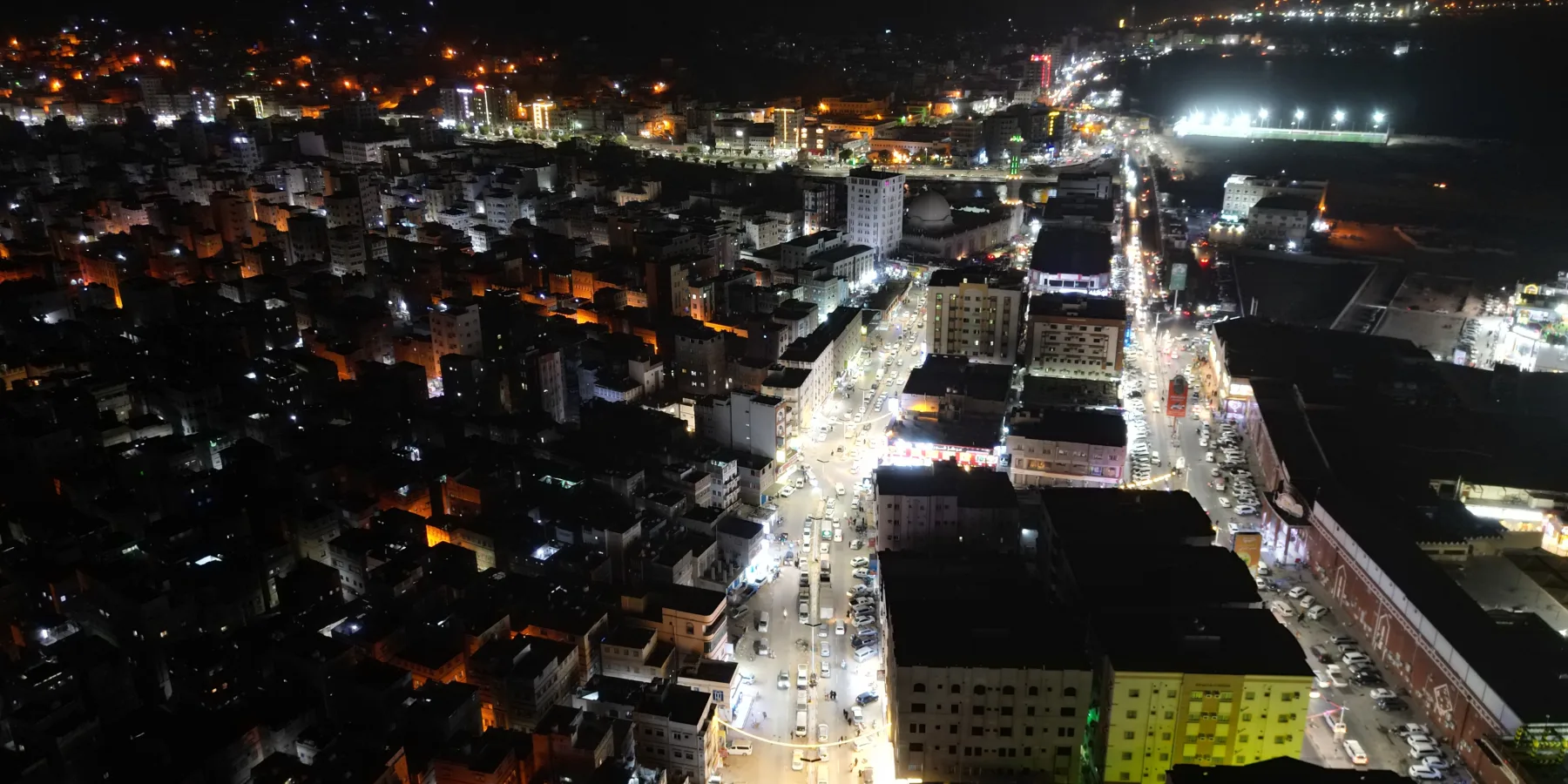
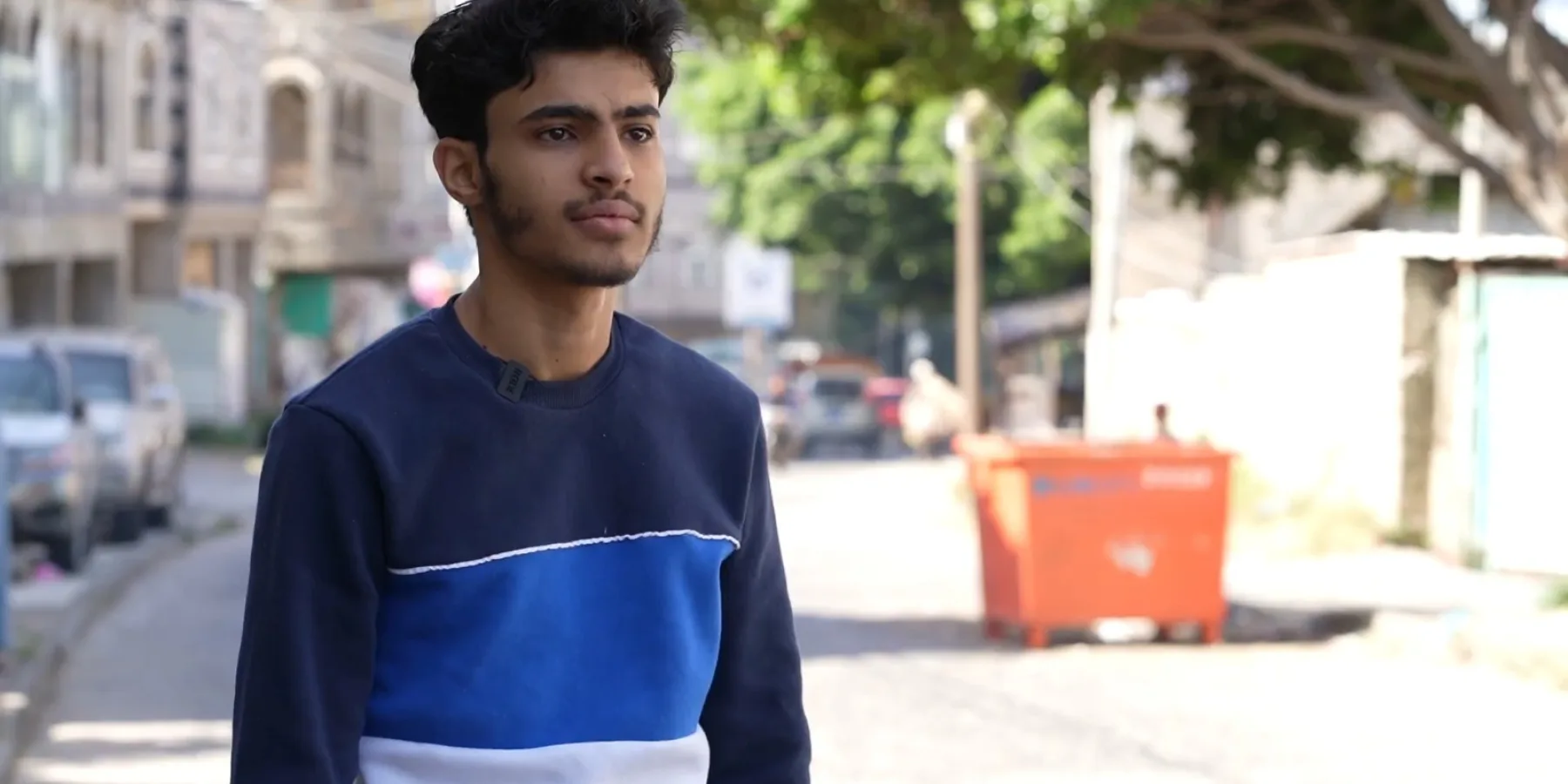
“The street has become one of the best streets in Mukalla. In the past, when passengers asked us to drive to this area, we often refused because it was so dark at night, even though we needed the money.”
– Mohammed Abdul Salam Badian, Resident, Al-Mukalla City
Share this
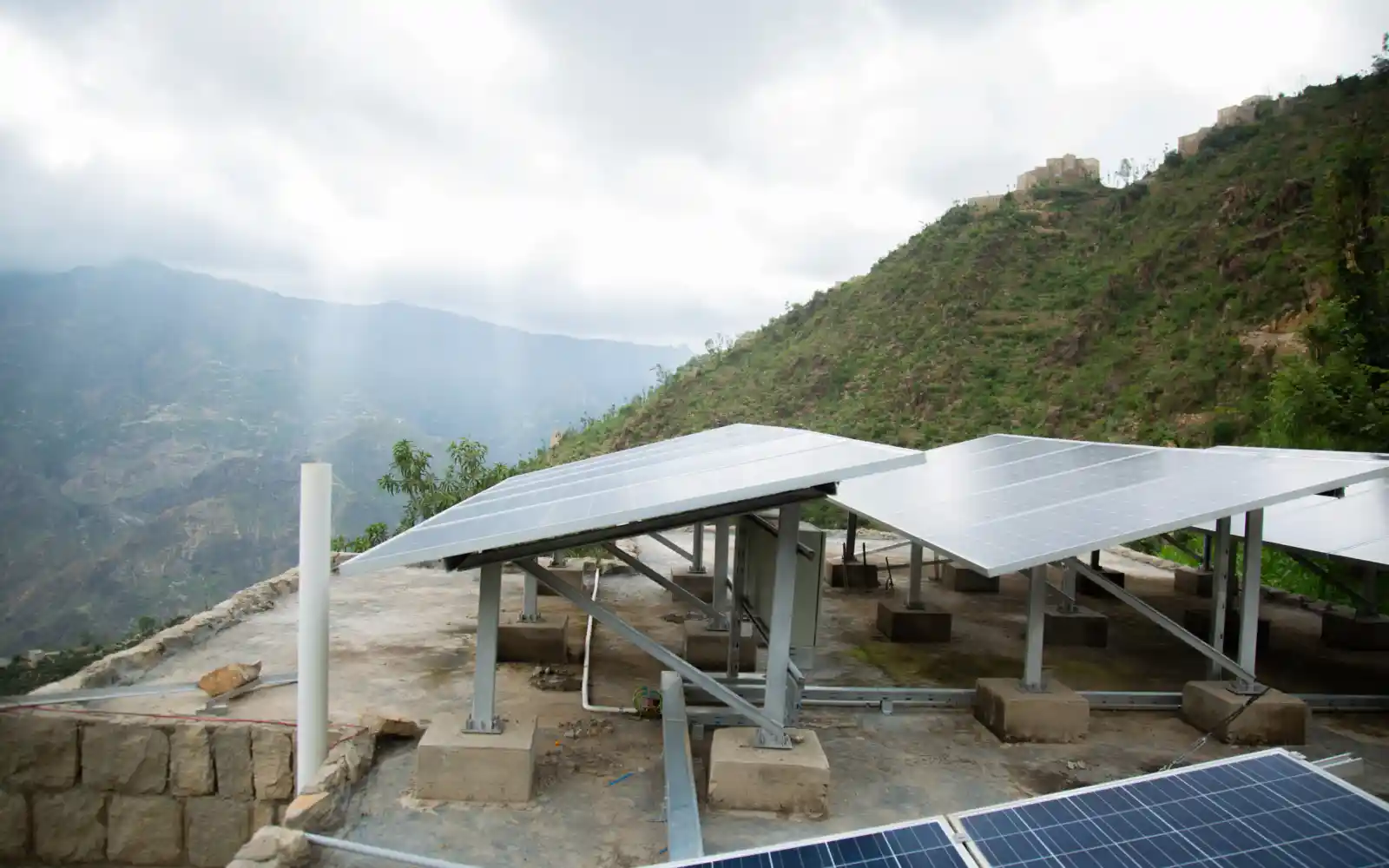
Over 5,200 solar-powered street lights have been installed on Yemen’s urban streets, enhancing security and shared spaces for families and local businesses after dark.
Share this
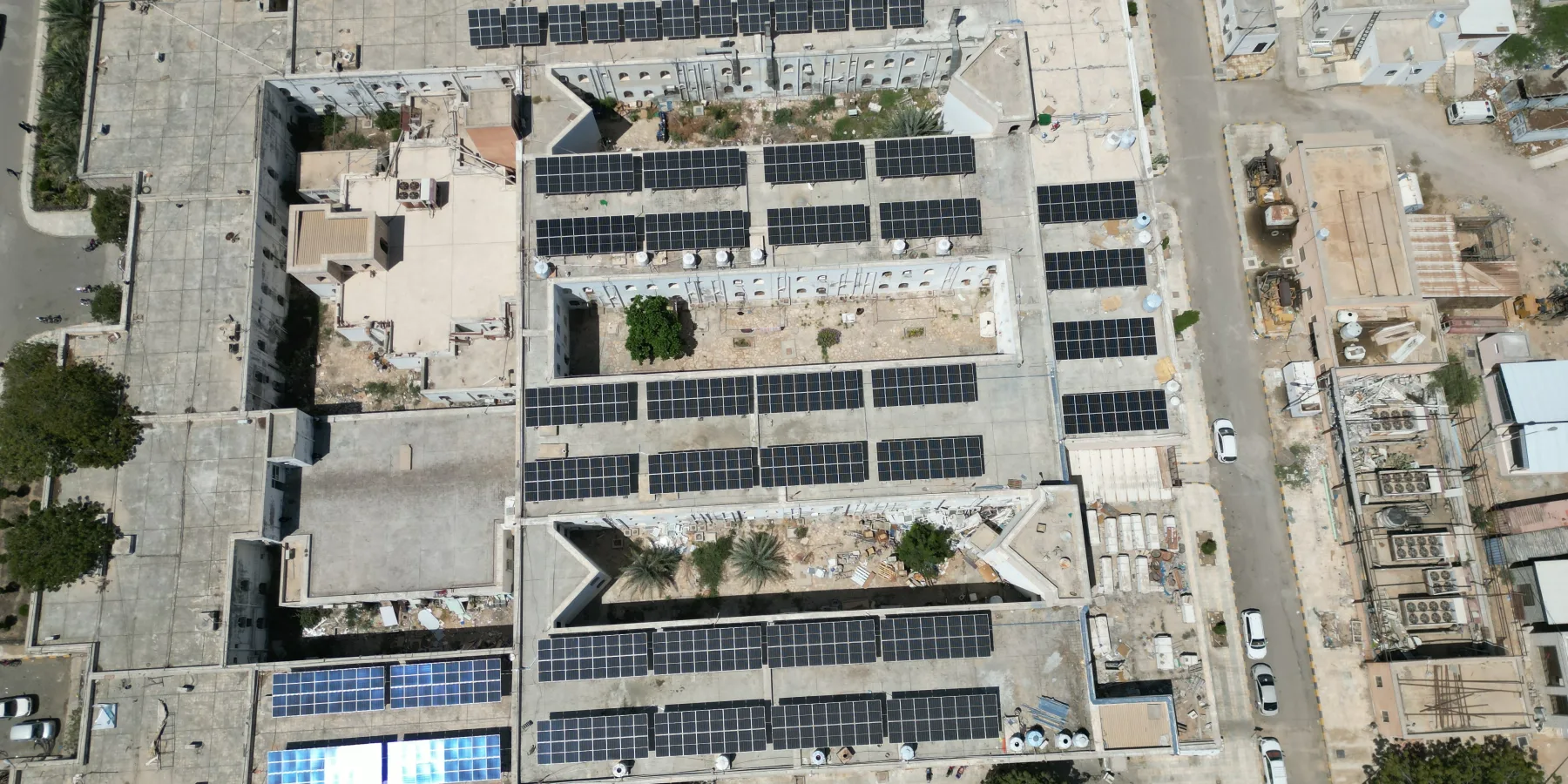
At Ibn Sina Hospital, reliable electricity means saving lives.
More than 45 health facilities are now powered with sustainable solar energy, providing urban communities with uninterrupted access to medical services.
Share this
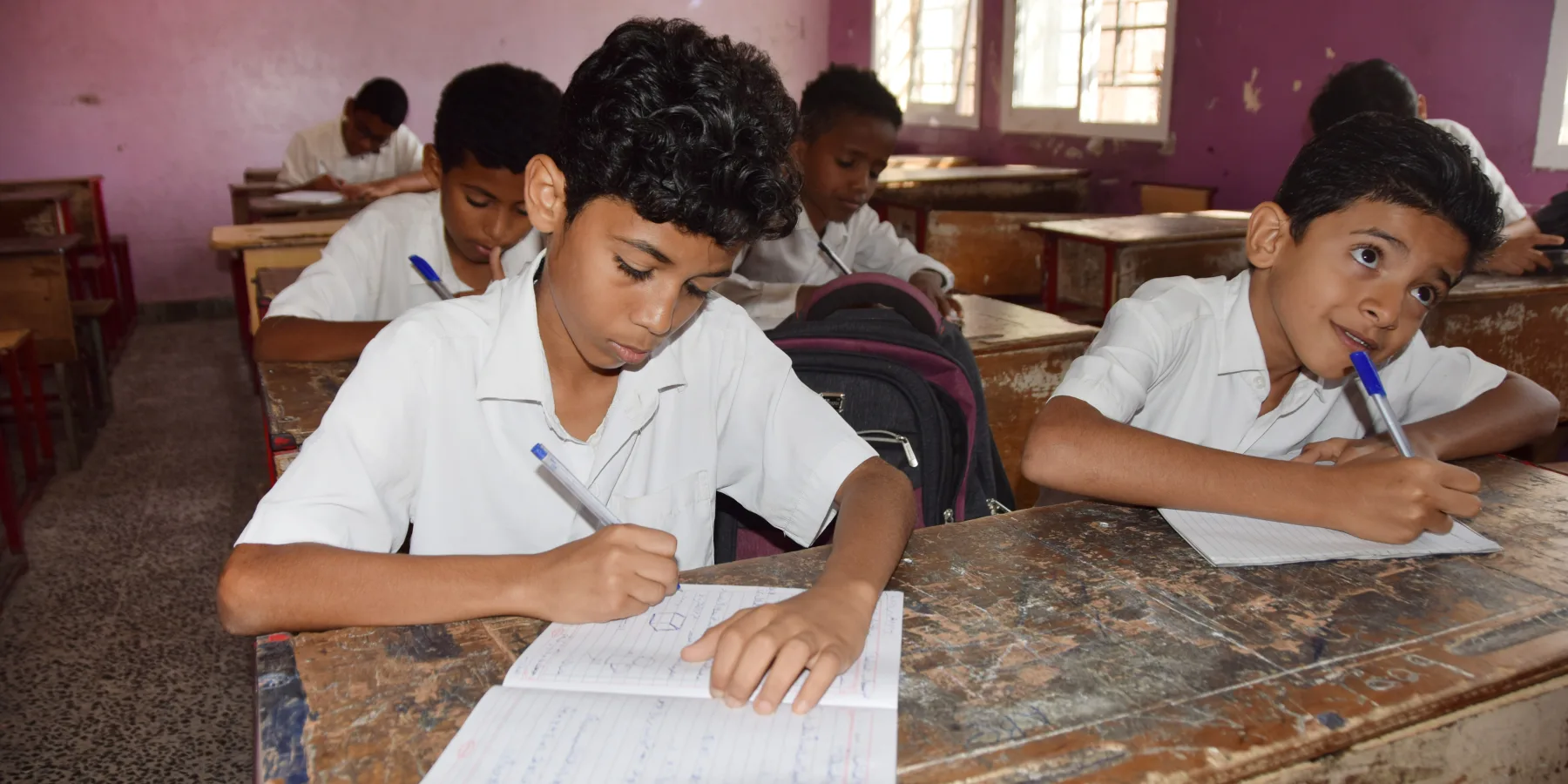
“When I saw the workers installing the solar panels, I felt happy... we can learn without being afraid of the dark.”
– Mahfoud Mubarak, Student, Al-Mukalla City
Al-Mukalla is one of several cities where education is being revitalized. To date, the project has powered over 60 educational institutions with clean, reliable solar energy.
Share this
Improved public spaces and solid waste management
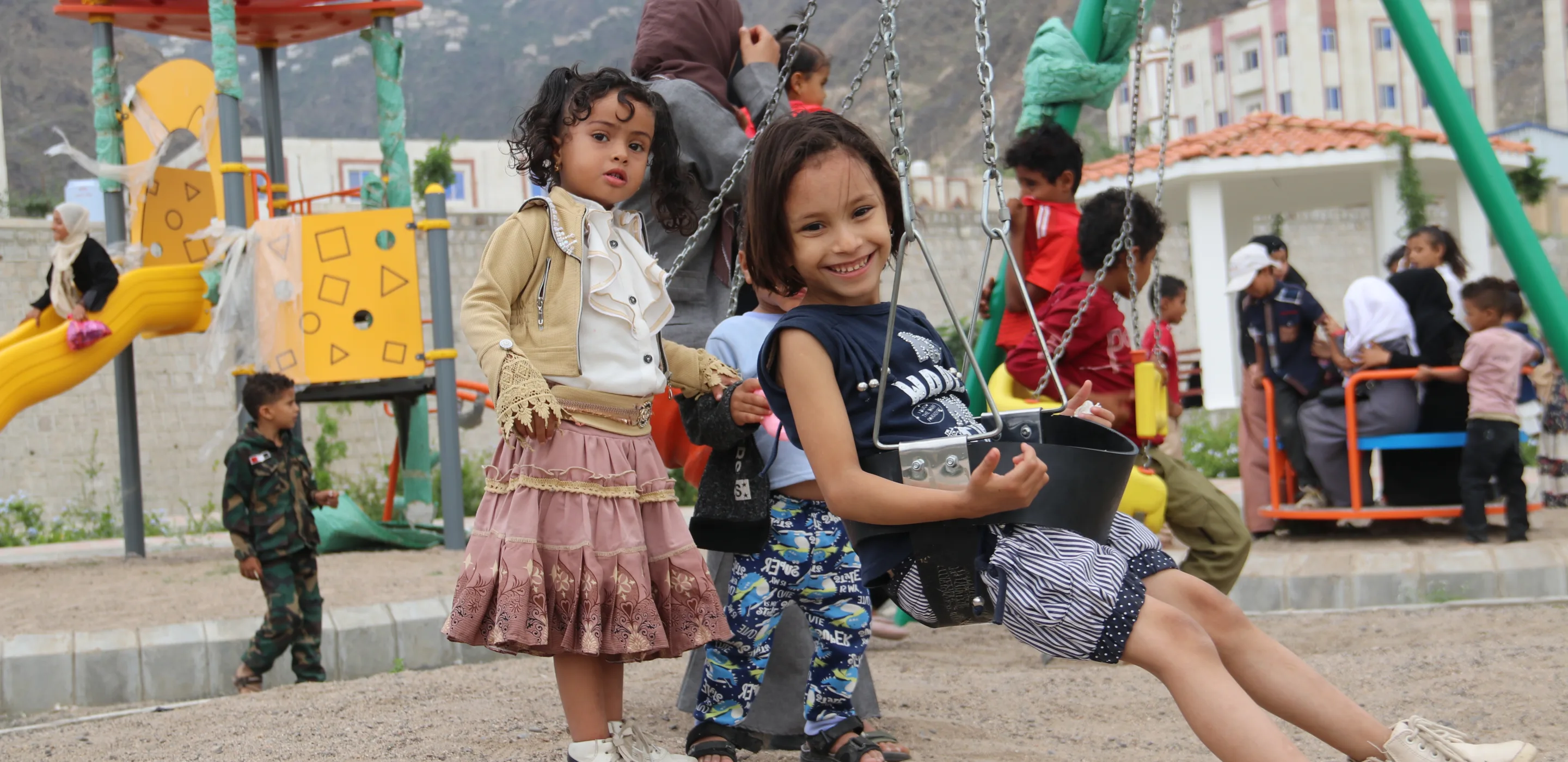
Revitalized public spaces
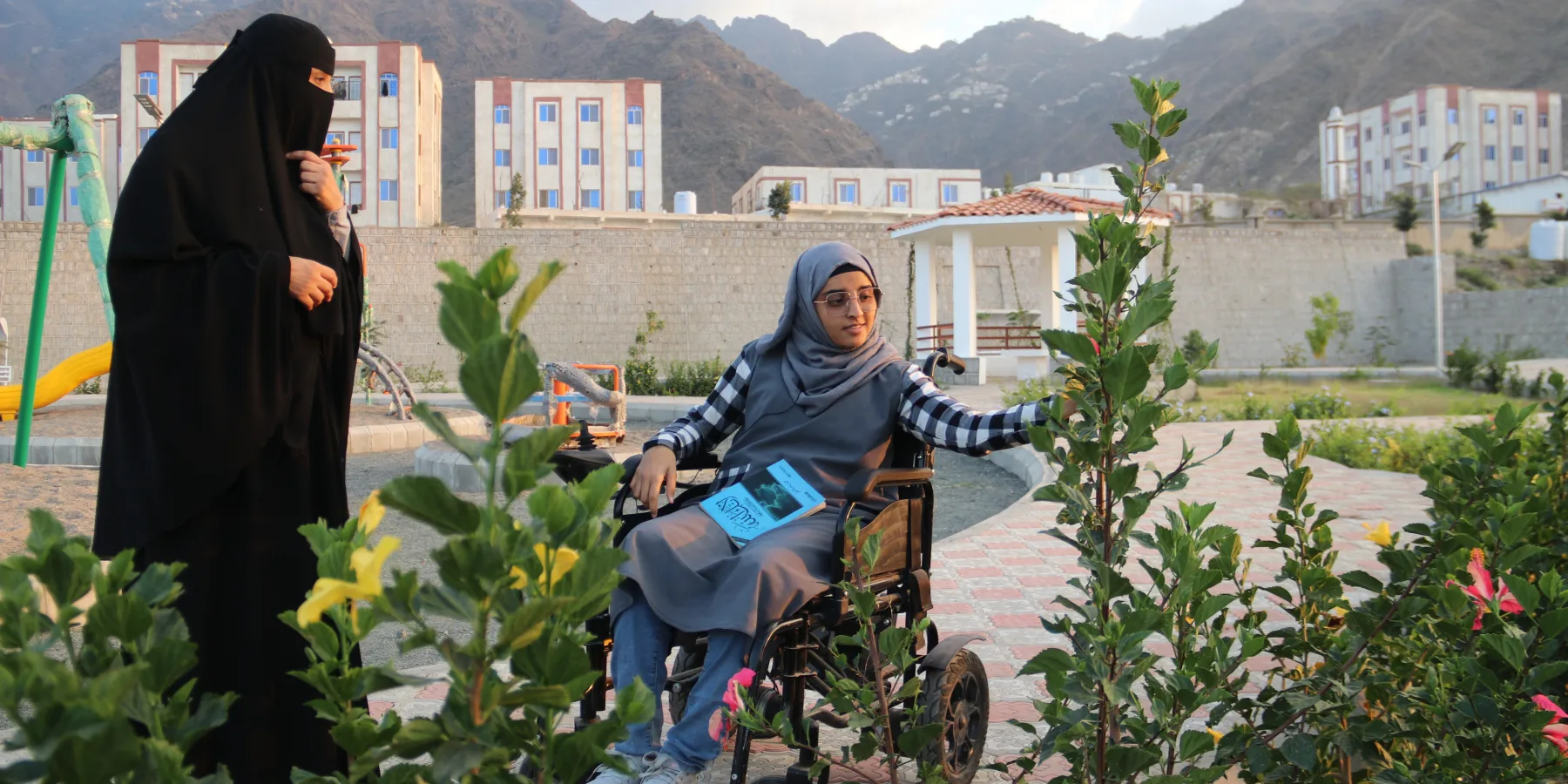
“I am happy as people with disabilities have been given priority by UNOPS to make it easier for them to go out and enjoy themselves. What I like about this place is that it has pathways for people with disabilities.”
– Mehad Mohammed, Resident, Taiz City
Share this
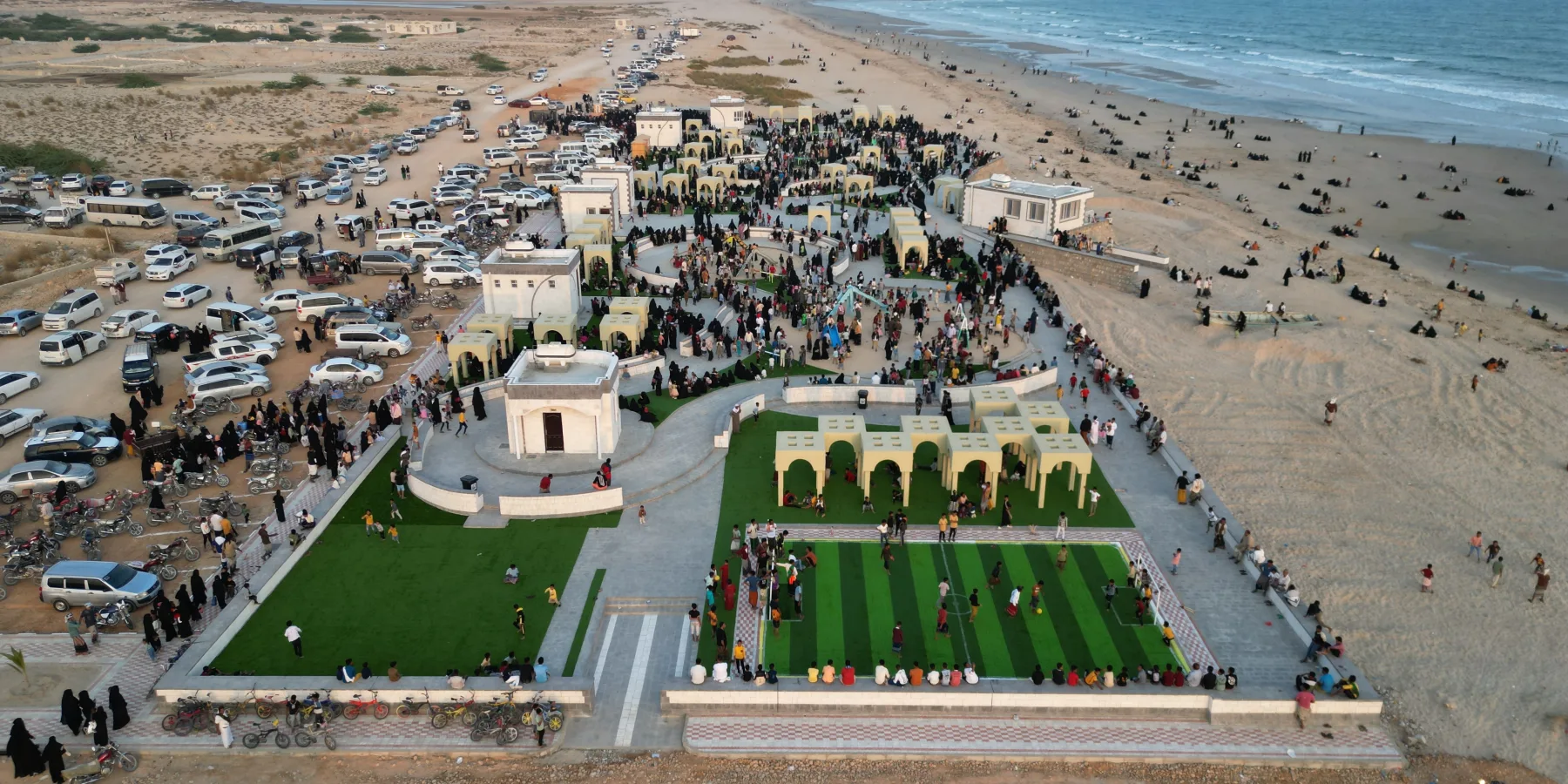
Parks are the heart of a city’s social life. By rehabilitating nearly more than 11,900 square metres of green spaces – including Al-Cournish in Ash Shihir City – the project is helping foster community and giving residents a safe space to gather and unwind.
Share this
“I used to struggle with garbage accumulating in front of my house – flies were everywhere and would come into the house. We were very concerned about diseases and the unpleasant sight and smell. Now, thanks to the new waste bins and regular waste collection, the problem has been resolved and our area is much cleaner and healthier.”
– Abdul Hakim Al-Bahli, Resident, Ibb City
Share this
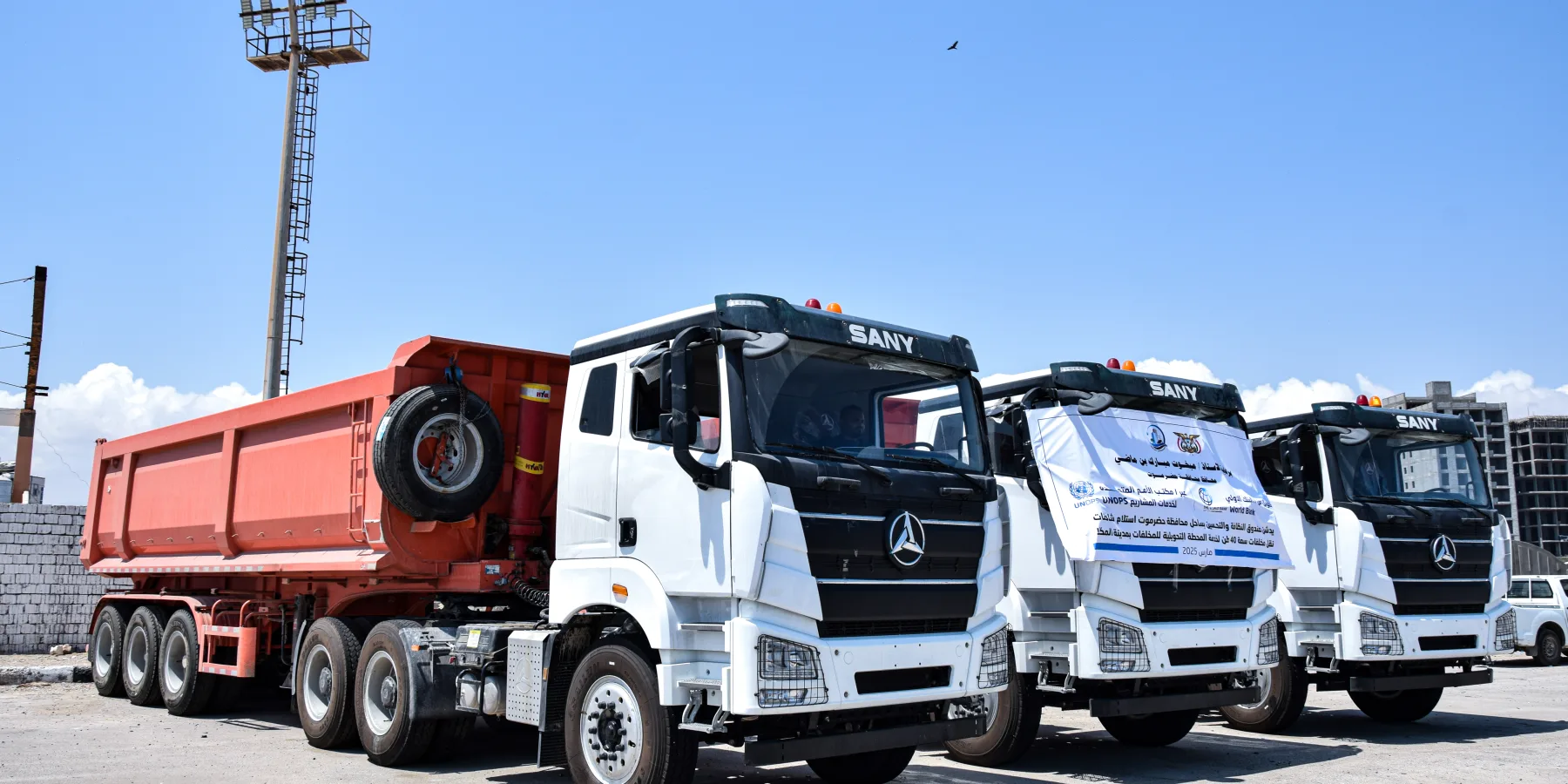
Improved waste management is transforming Yemen’s urban environment. By delivering 96 collection trucks and over 1,500 locally-made bins – and rehabilitating eight waste management sites – the project is helping build a cleaner, healthier future for residents.
Share this
Improved urban road infrastructure
Improved road infrastructure
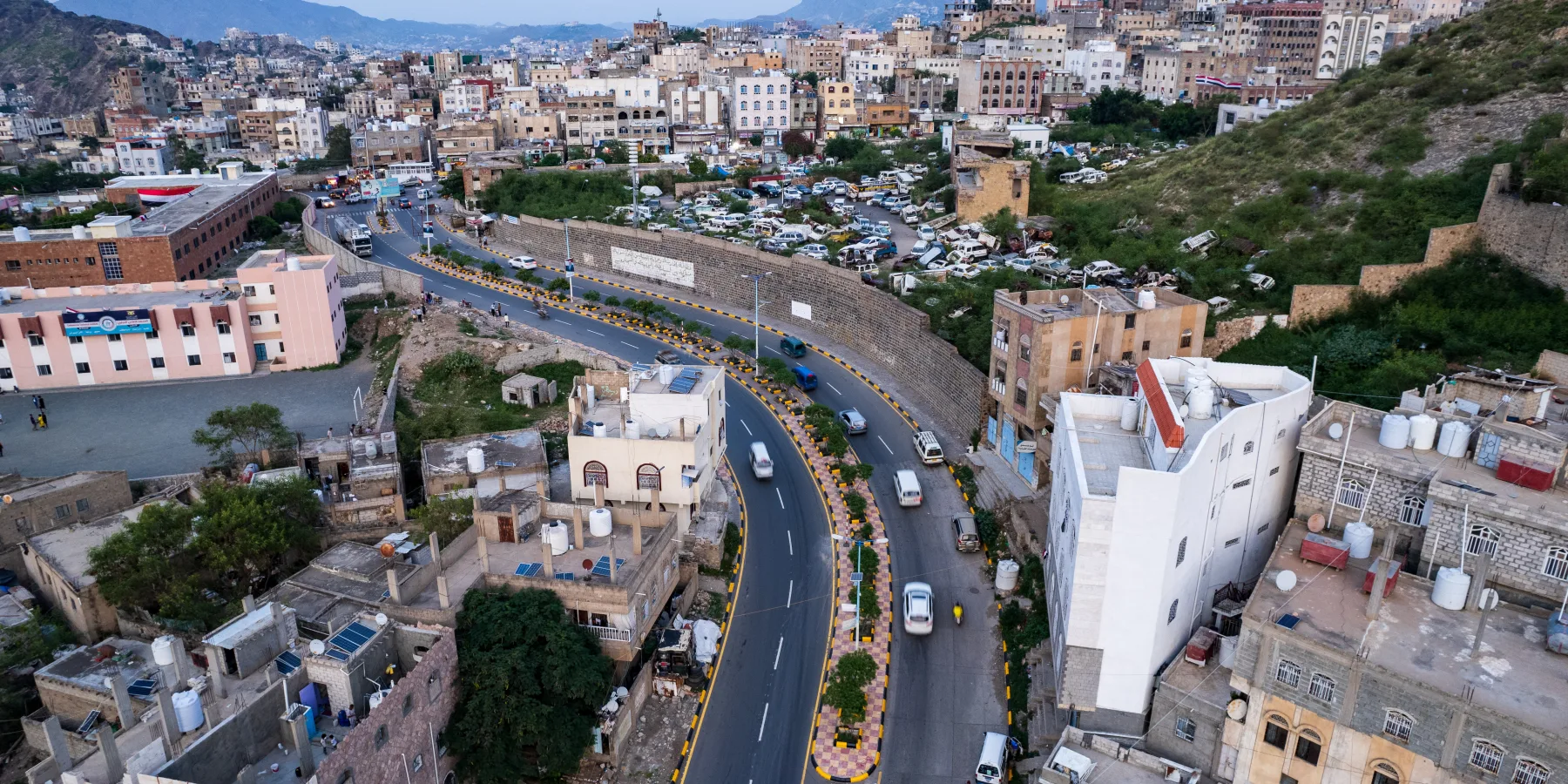
Improved roads are lifelines. By rehabilitating nearly 240 kilometres of urban roads, the project has connected over 1.4 million people to essential services – local markets and schools that were once hard to reach.
To strengthen resilience against a changing climate, the project constructed and rehabilitated over 4.3 kilometres of rainwater drainage and flood management systems, protecting vulnerable neighbourhoods from the increasing risk of extreme weather.
Share this
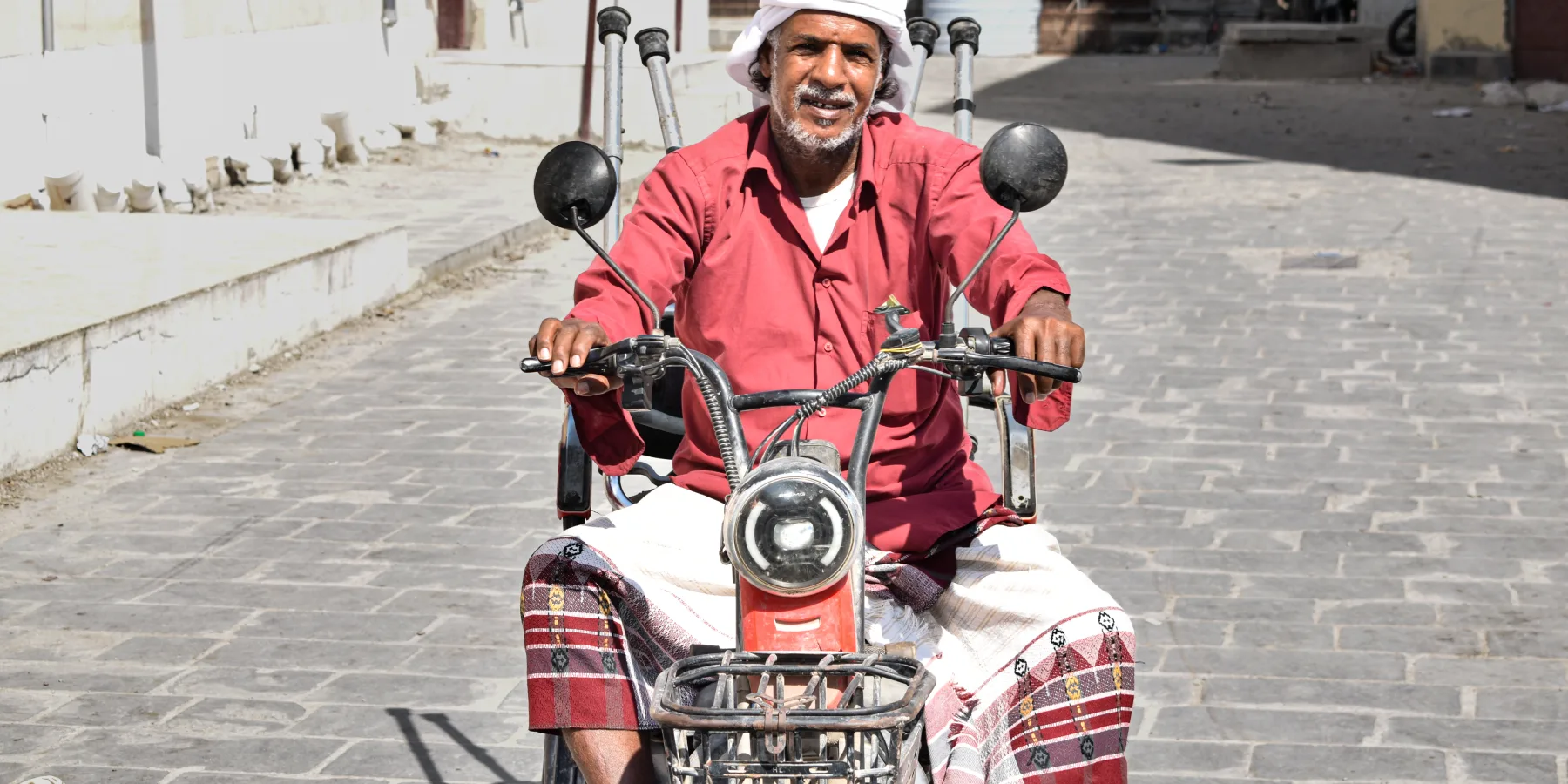
“The streets’ paving is life-changing for our neighbourhood and the areas of Ash Shihir city. Now, I feel relieved! I no longer face mobility challenges as a disabled man.”
– Abdullah Saeed, Resident, Ash Shihir City
Over 307,000 square metres of streets have been paved with stones across Yemen.
Share this
”This project to asphalt the roads is a lifeline for us, the tuk-tuk drivers. Now, our income is stable and we can provide for our children and families. I return home with bags full of groceries such as vegetables and fruits. We are happy and at ease, thanks to the new roads. ”
– Ashraf Mubarak, Resident, Sayoun City
Share this
Enhanced water and sanitation services
Enhanced water and sanitation
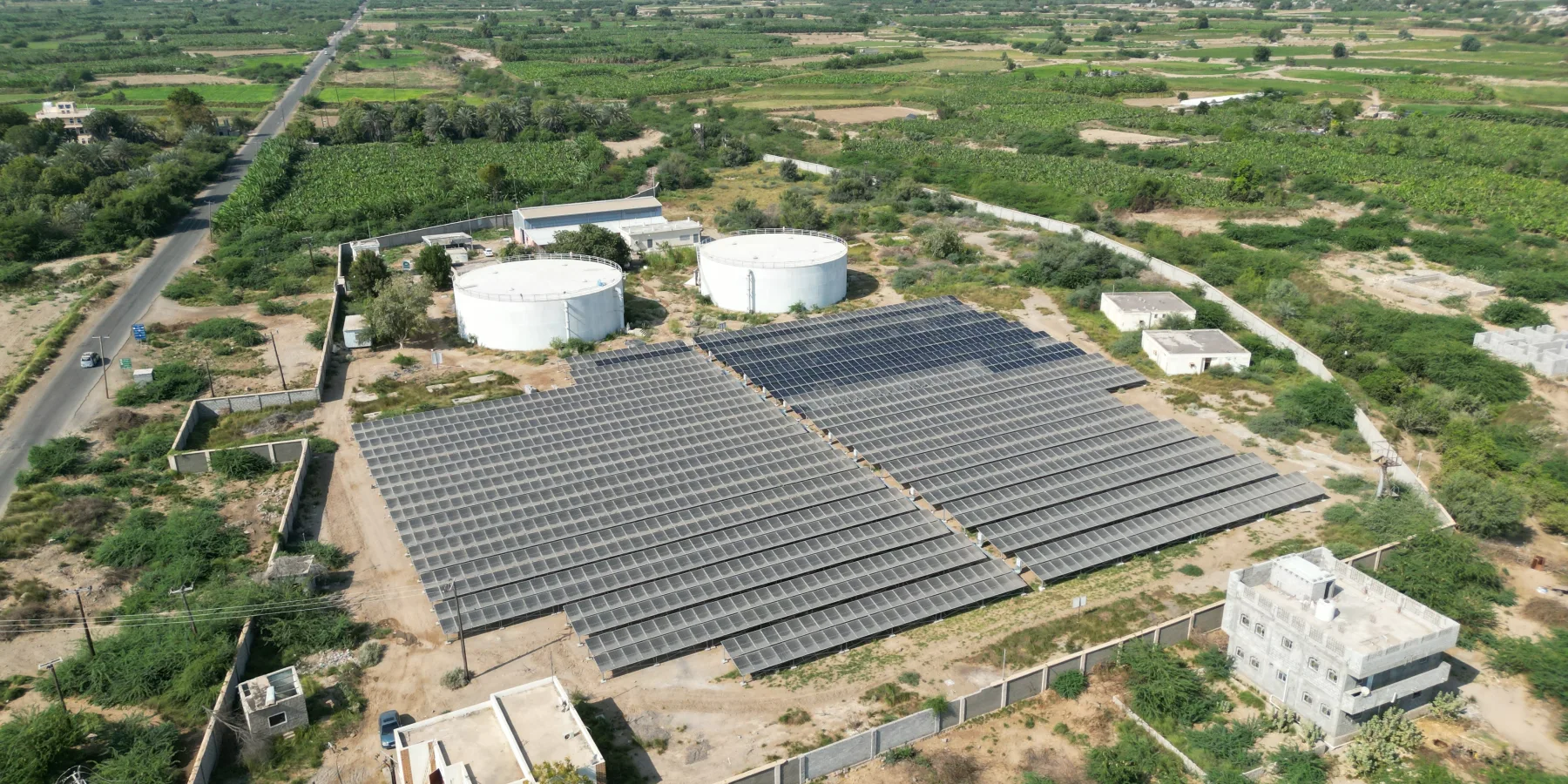
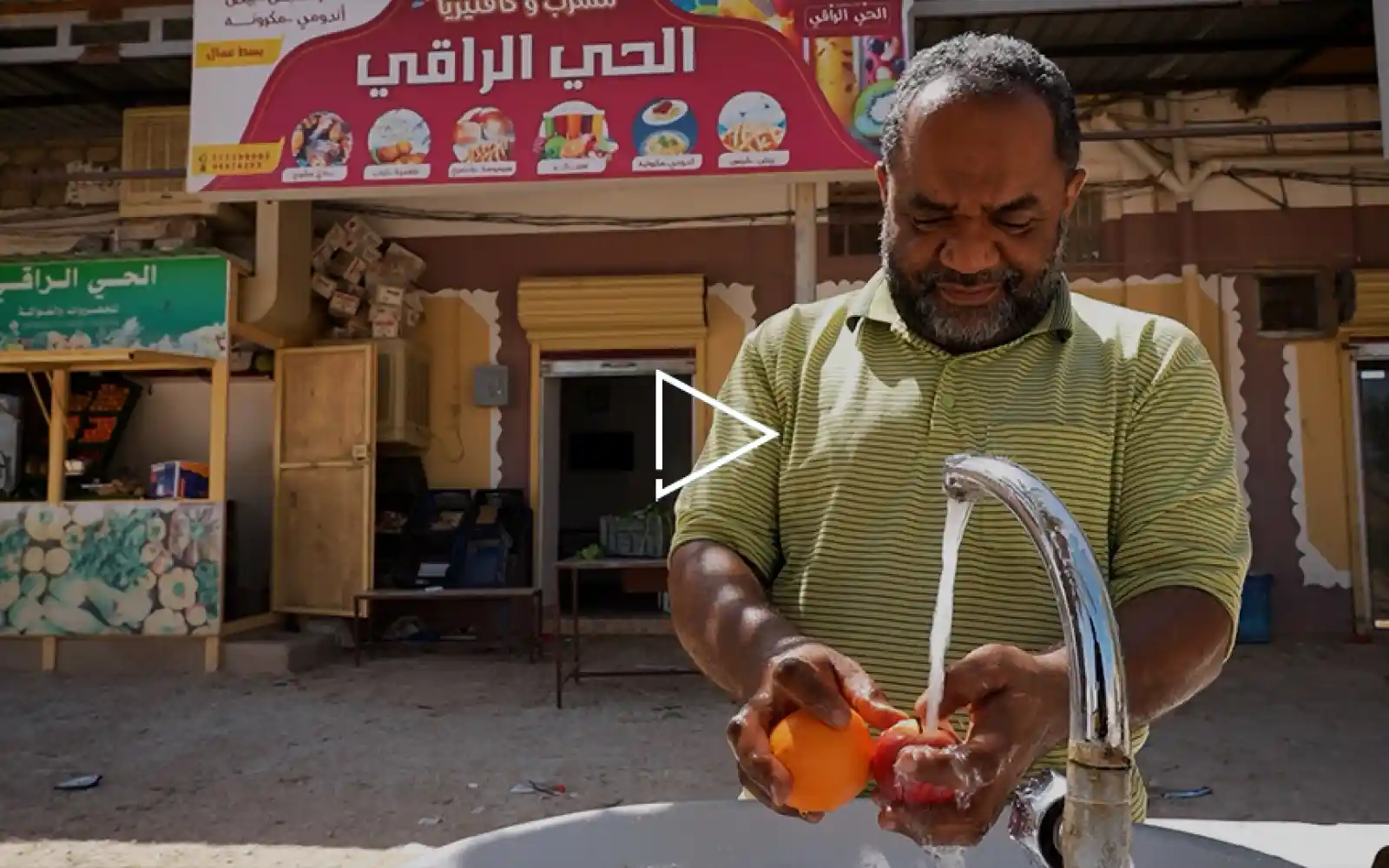
To provide a sustainable water supply, the project equipped 192 water wells with solar energy systems. This transition to clean energy provides an uninterrupted flow of water to hospitals, schools and urban neighborhoods, even amidst ongoing energy challenges.
Share this
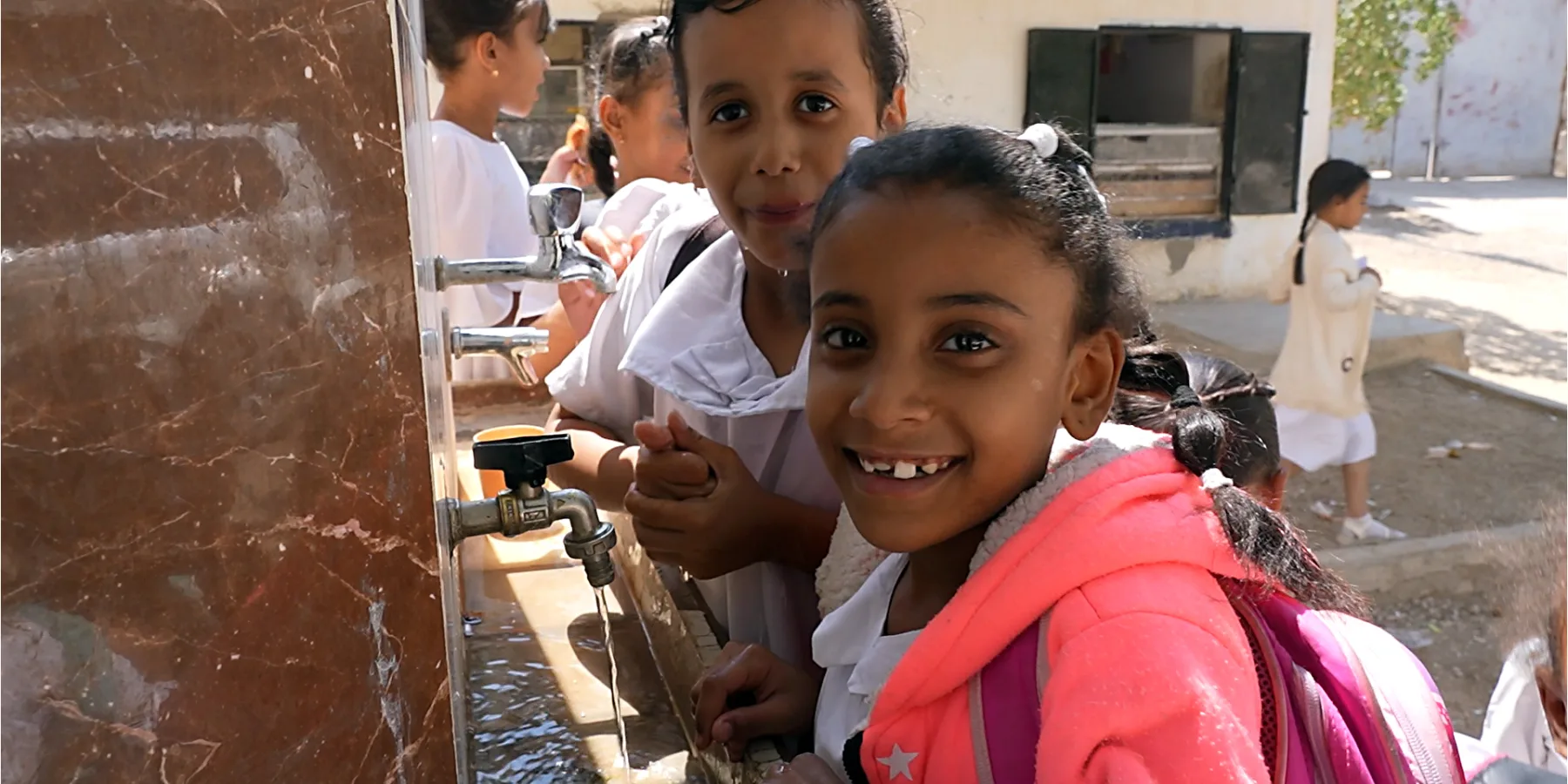
“For the students, the availability of water means they can now use clean toilets and wash properly. Drinking water is also available. The school environment has improved; we even have a small garden now.”
– Dhya Ahmed Salem, Omar Bin Al-Khatab School Principal, Sayoun City
Share this
The Yemen Integrated Urban Services Emergency Project (YIUSEP) is a $345 million project funded by the World Bank’s International Development Association and implemented by UNOPS, with $150 million for phase I (2017-2021) and $195 million for phase II (2021-2026). The project aims to provide essential urban services to Yemenis affected by the ongoing conflict and humanitarian crisis. This includes rehabilitating water and sanitation infrastructure, restoring urban roads, providing much-needed electricity and building the resilience and capacity of local communities.
Global Goals we are supporting through this initiative:
Explore further