

The United Nations Office for Project Services (UNOPS)
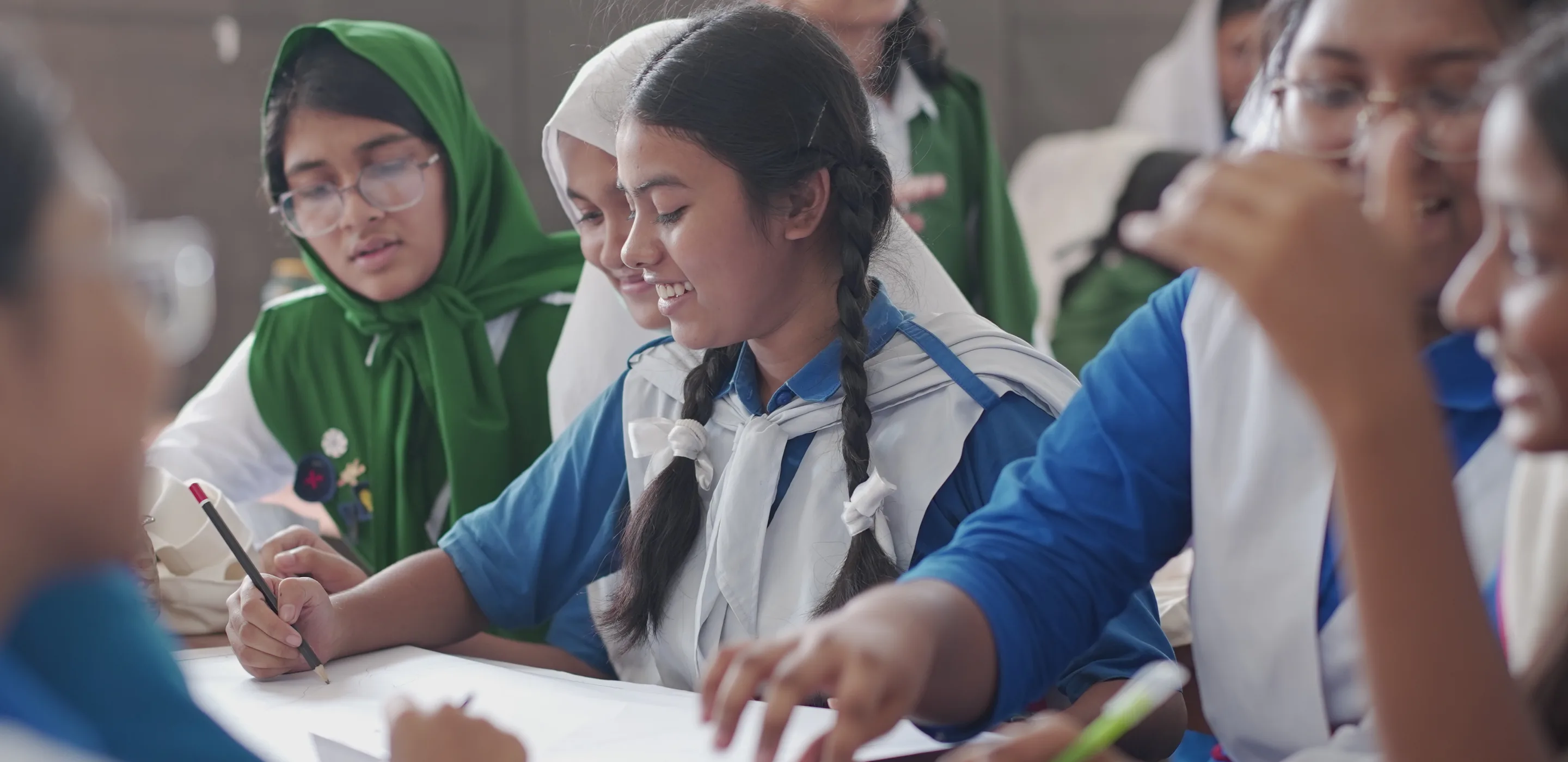
Helping girls like Zakia speak up and speak out
Starting in their classrooms, adolescent girls in Bangladesh are learning how to safely challenge long-held beliefs about silence and leadership, carrying their voices into their communities.
For many adolescent girls in Bangladesh, opportunities to participate, express opinions and take on leadership roles are shaped by concerns around safety, social norms and access to support.
Girls are told to stay quiet, to be careful, not confident. At school, online, even at home, I felt like speaking up could bring trouble.
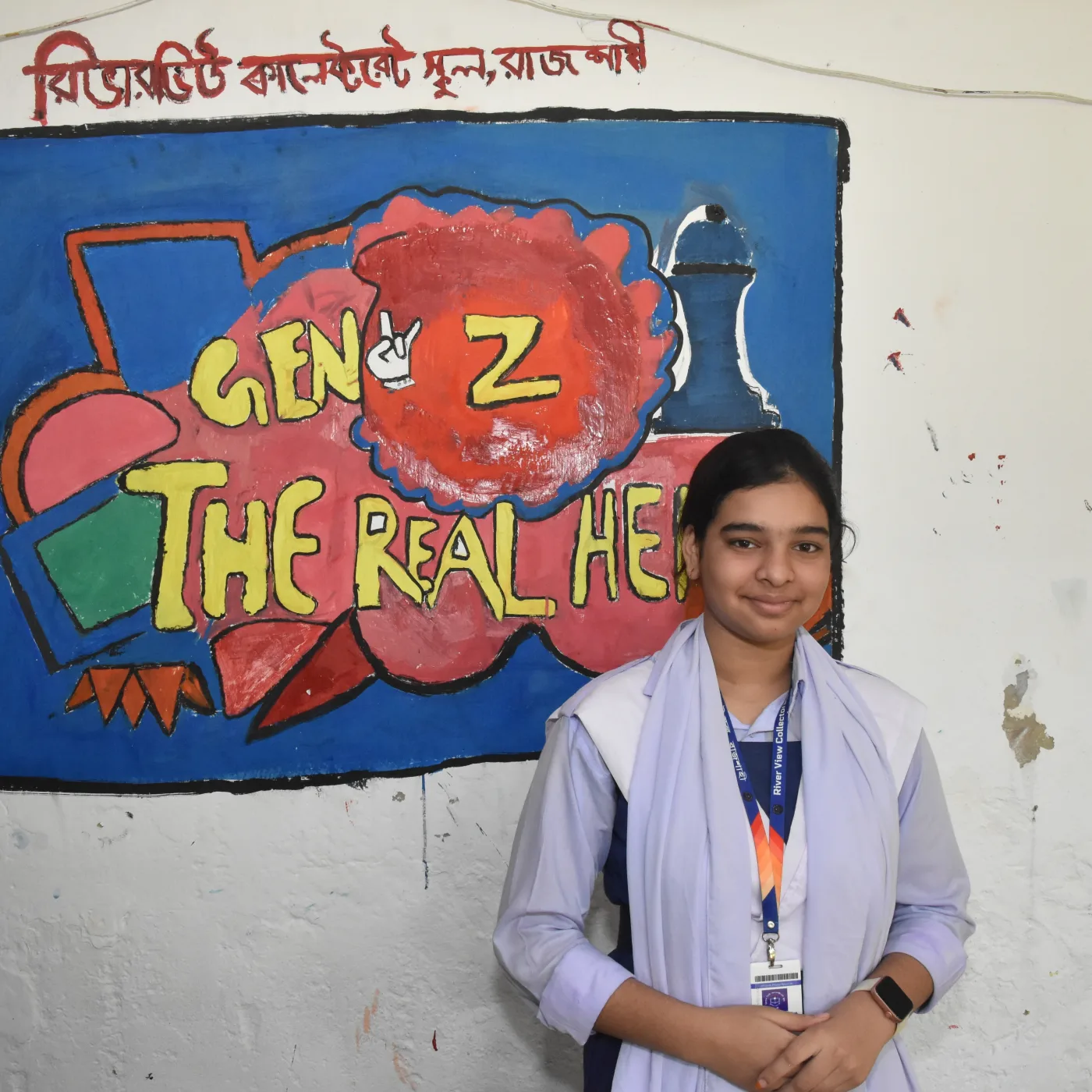
While Bangladesh has made progress in furthering girls’ education and women’s participation, persistent challenges continue to affect girls’ safety and agency. Child marriage, harassment in public spaces and schools, and increasing levels of online abuse, limit mobility and discourage participation at a critical stage of adolescence. These constraints affect not only individual well-being, but also broader efforts to advance gender equality.
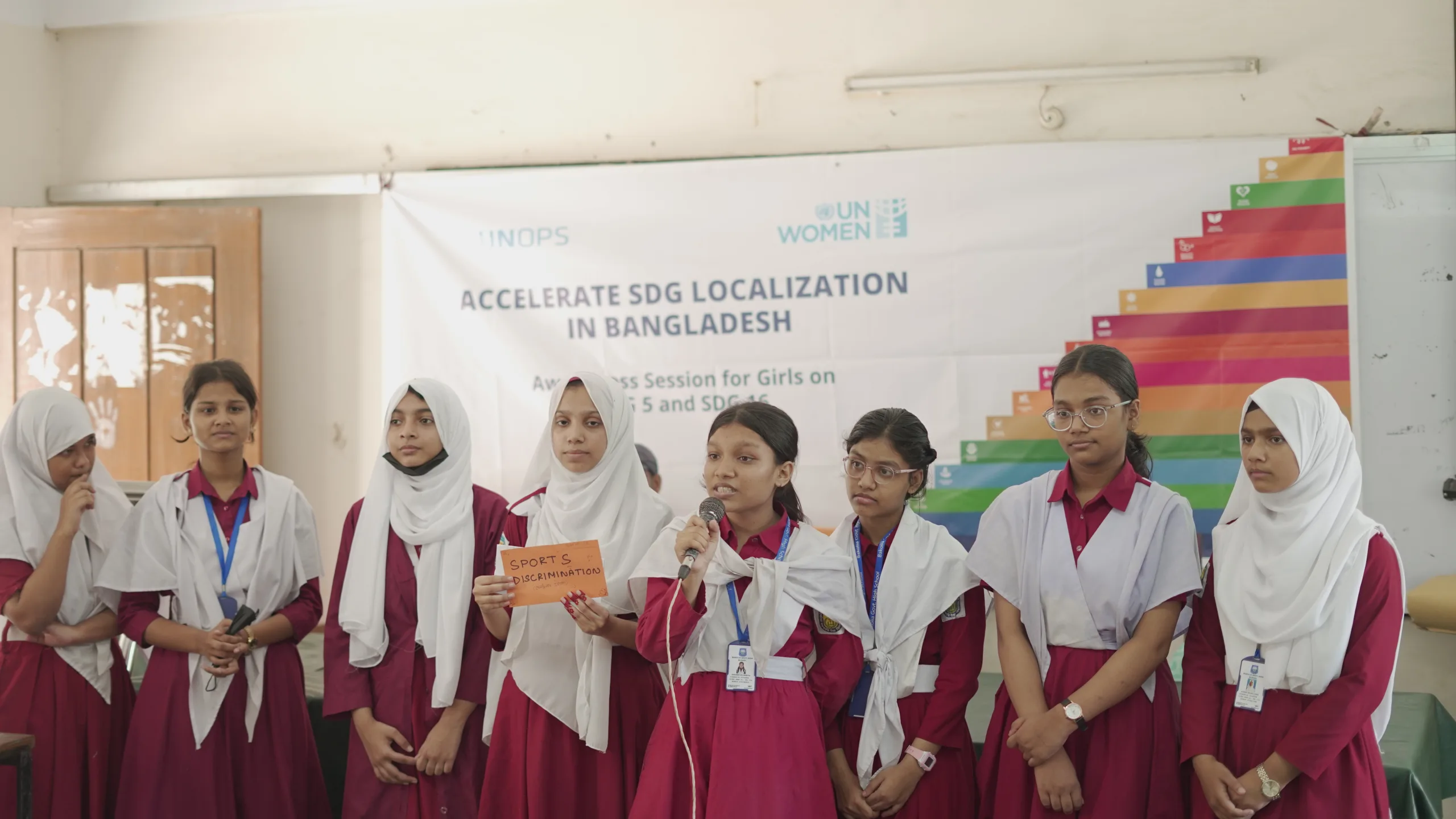
In response to these challenges, UN Women and UNOPS are implementing the Accelerate SDG Localization initiative, working across education systems, communities and institutions in the capital Dhaka and in Chattogram and Rajshahi – major cities in the country. The initiative works to translate global commitments on gender equality and strong institutions into practical, locally driven action.
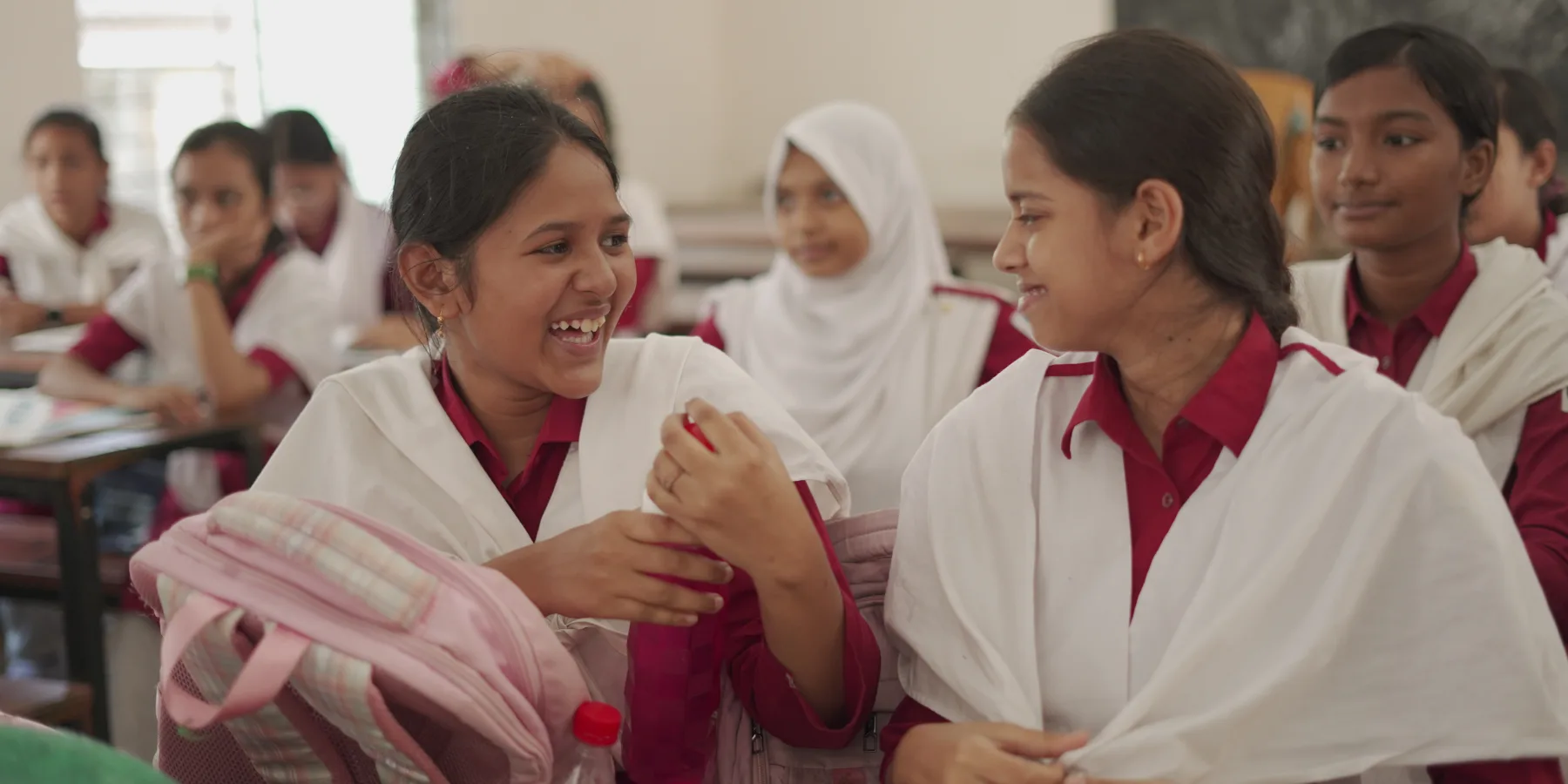
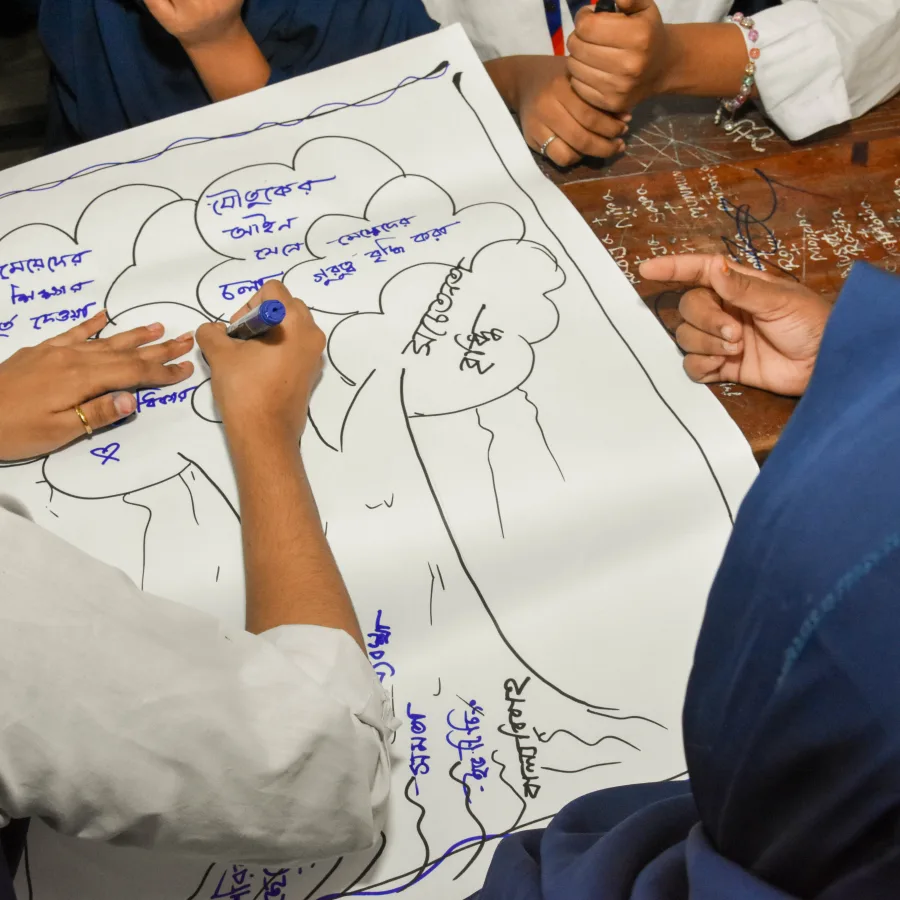
Through UNOPS-designed sessions in secondary schools, adolescent girls are engaging with topics such as leadership, gender equality, rights awareness and digital safety. The programme also emphasizes the role of institutions in protecting citizens and ensuring access to justice and services.
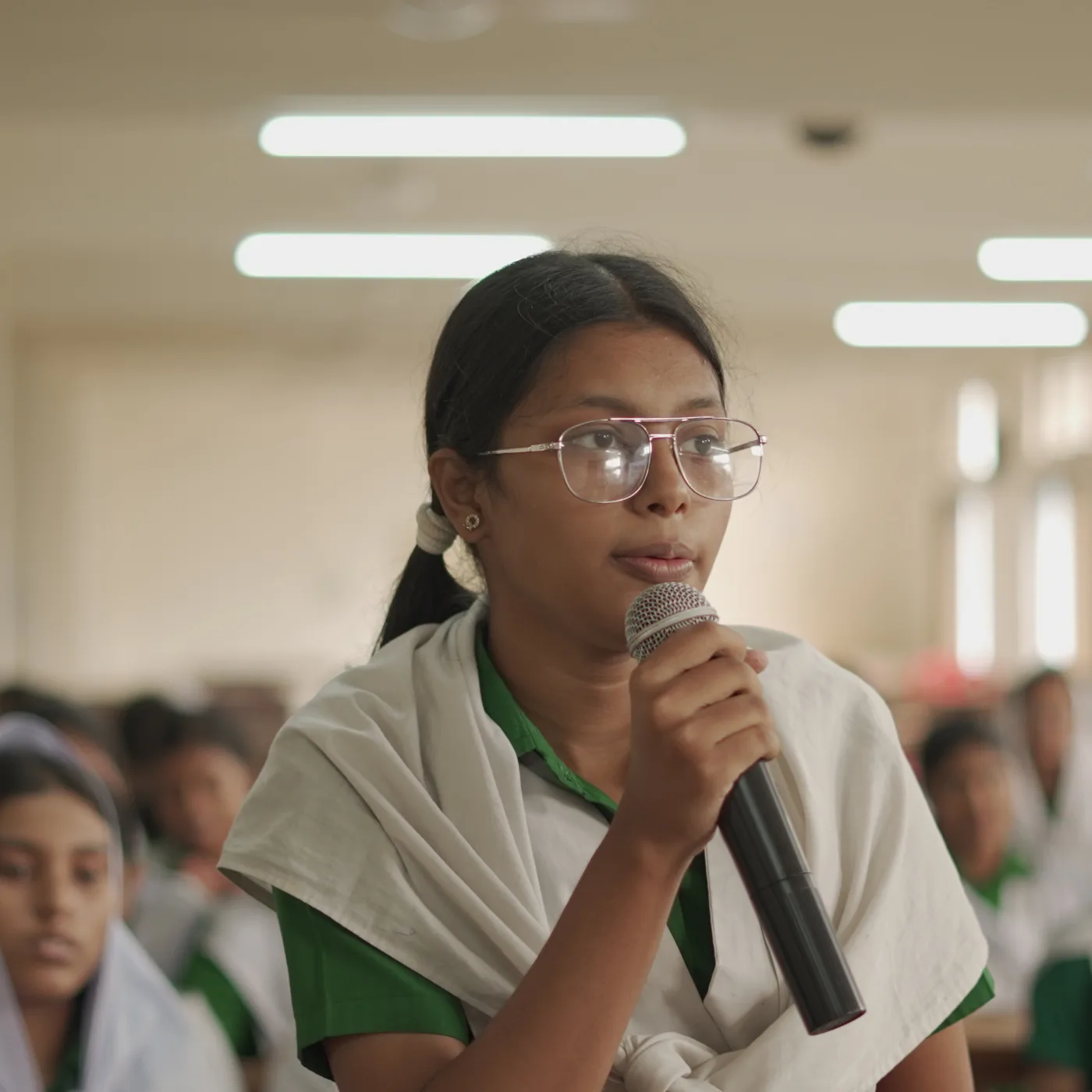
These sessions helped me understand that silence is not safety. Now I know how to speak up – online and offline.
Alongside school activities, the initiative supports young women at university through women’s think tanks. These groups help raise young women’s voices and encourage leadership. By connecting girls with young women who are beginning to lead, the programme builds mentoring, learning, and support across generations.
For participants, this integrated approach helps redefine leadership as a practical and attainable role rather than an abstract concept.
I used to think being a leader meant being loud. When I learned about rights and safety, I understood leadership is also about knowing your worth.
Creating space for girls’ leadership requires not only individual capacity-building, but also institutional systems that are responsive, inclusive and accountable.
“When adults listen to us, we don’t feel small anymore,” says Raisa Alam, also from Bakolia Government High School.
Through the Accelerate SDG Localization initiative, UN Women and UNOPS are supporting girls across Bangladesh to strengthen leadership skills, increase understanding of rights and safety, and engage more actively in their schools and communities.
By investing in girls’ participation today, the initiative contributes to more inclusive decision-making and sustainable development outcomes.
About the project
Global Goals we are supporting through this initiative: