


The United Nations Office for Project Services (UNOPS)
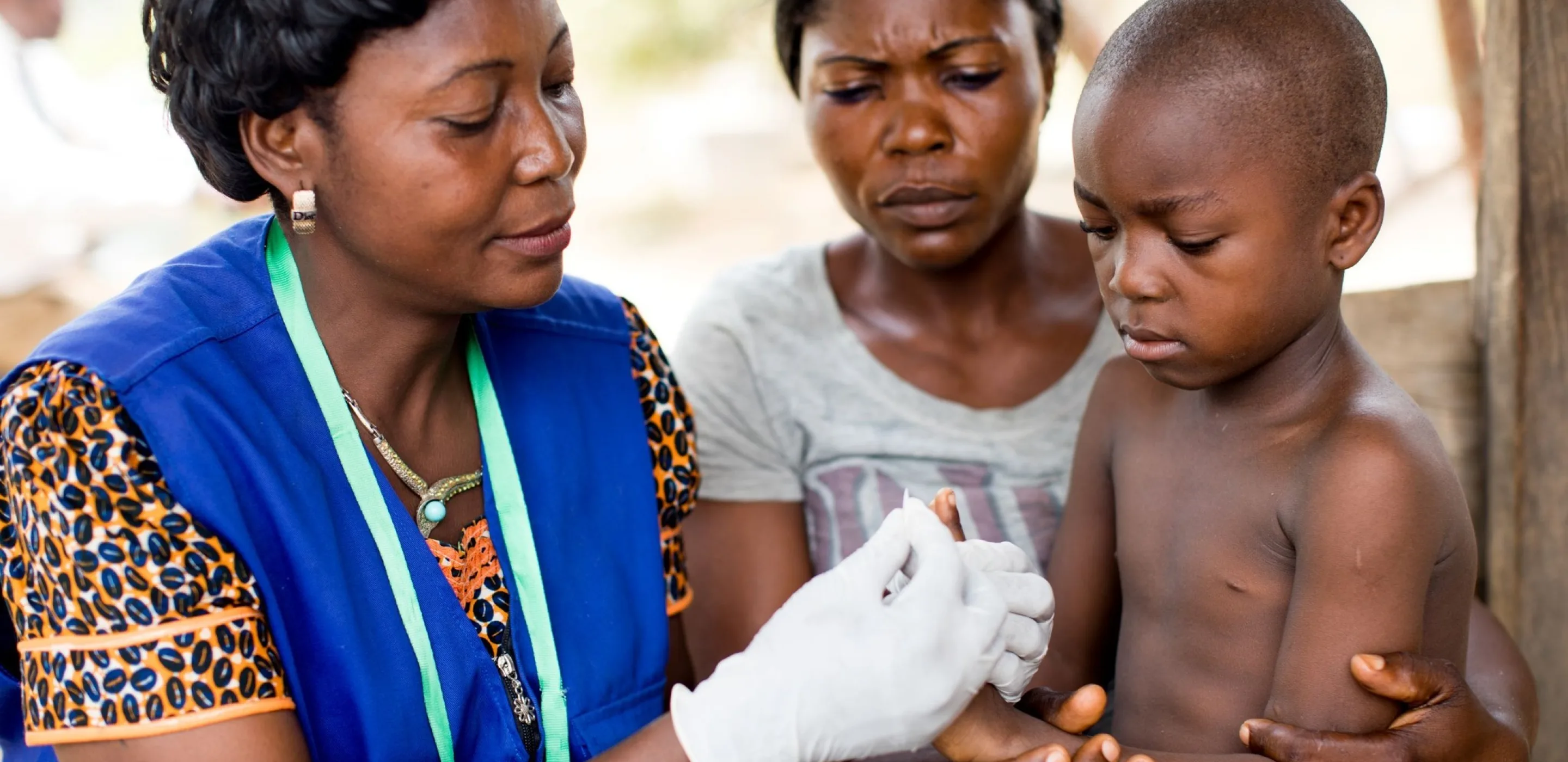
Shaping global health markets
As global health leaders convene in Geneva this week for the 79th World Health Assembly, discover how UNOPS supports our partners to bridge the gap in global health – helping make essential healthcare and health technologies affordable and accessible for all.
When life-saving medicines, vaccines and assistive technologies are too expensive, hard to find or of poor quality, millions of people are deprived of essential care. A robust health system requires affordable prices, reliable quality and guaranteed supply. Without these fundamental elements, vulnerable communities are left behind. Market fragmentation and other inherent risks often prevent local authorities and global manufacturers from solving these systemic challenges.
UNOPS supports a diverse range of global partnerships to bridge these gaps. Through our unique hosting platform, UNOPS provides a robust operational backbone to support key global health initiatives – from the global fight to end tuberculosis and malaria, to promoting equitable access to assistive technology, to advancing access to sanitation, hygiene and menstrual health for all. By integrating financial, procurement, legal and administrative services, UNOPS hosting model allows these global partnerships to focus on the mission – driving change and delivering impact in critical areas of public health.
Beyond this, UNOPS also simplifies partners’ purchases of vital health equipment and supplies, via its dedicated global e-Commerce solution, UN Web Buy Plus. The platform features a catalogue of more than 1,200 items, enhancing price transparency and mitigating market risks. UNOPS also oversees The Global Fund’s Pooled Procurement Mechanism, pooling demand from more than 80 countries to negotiate optimal supply terms for essential health products.
Explore some of the health initiatives we support below to learn how UNOPS is helping build resilient health systems and expand access to quality and inclusive healthcare for all.
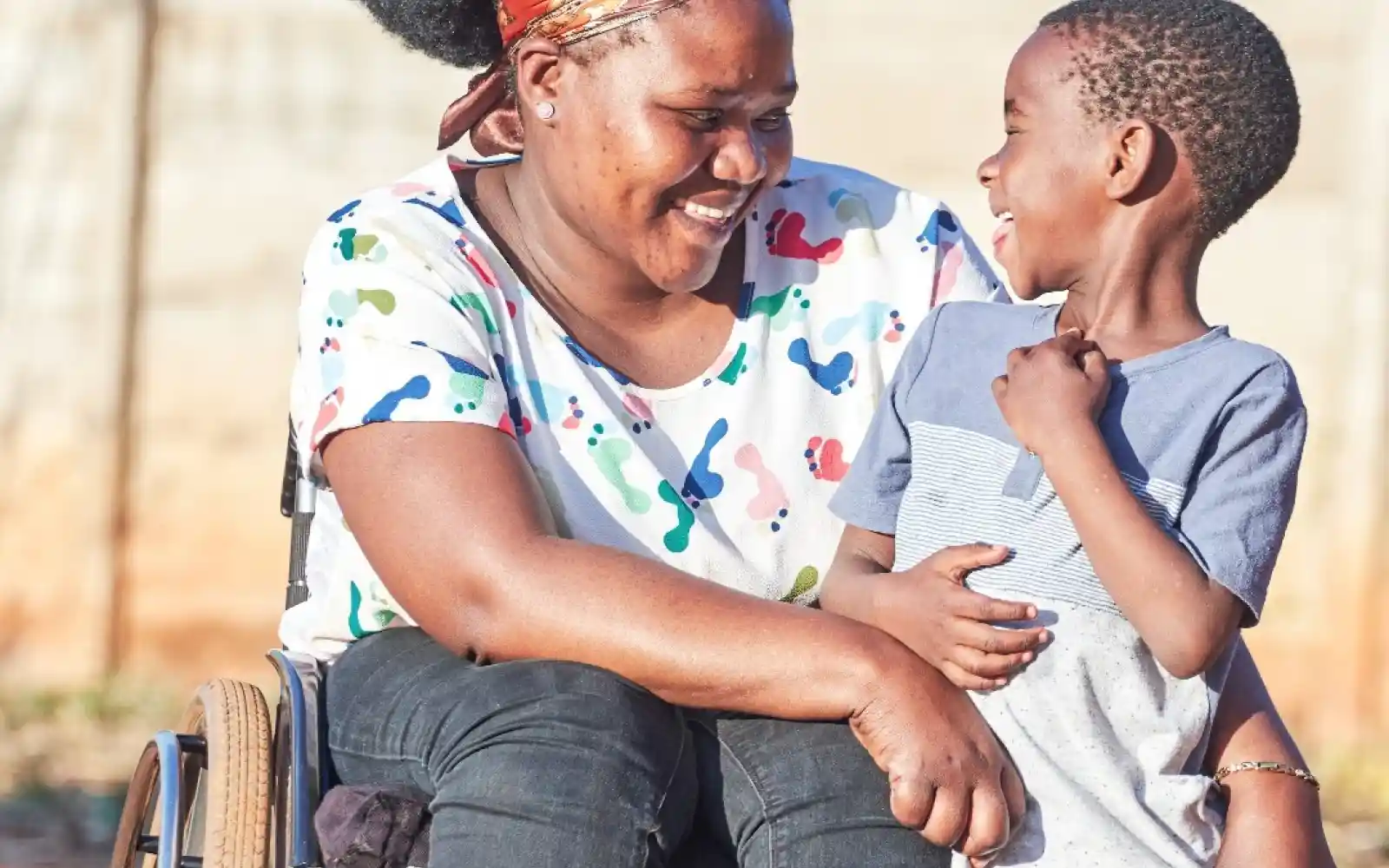
ATscale, the Global Partnership for Assistive Technology
ATscale enhances market transparency and invests in local manufacturing to reduce barriers to entry for life-changing assistive technologies. For example, an ATscale-supported programme in Rwanda helped decrease the cost of hearing aids from $2,000 to $118 through centralized purchasing and strengthened national procurement policies.
ATscale’s market shaping role isn’t about systems alone, it’s about fixing supply and data so that people can get what they need to participate in everyday life.

The Stop TB Partnership
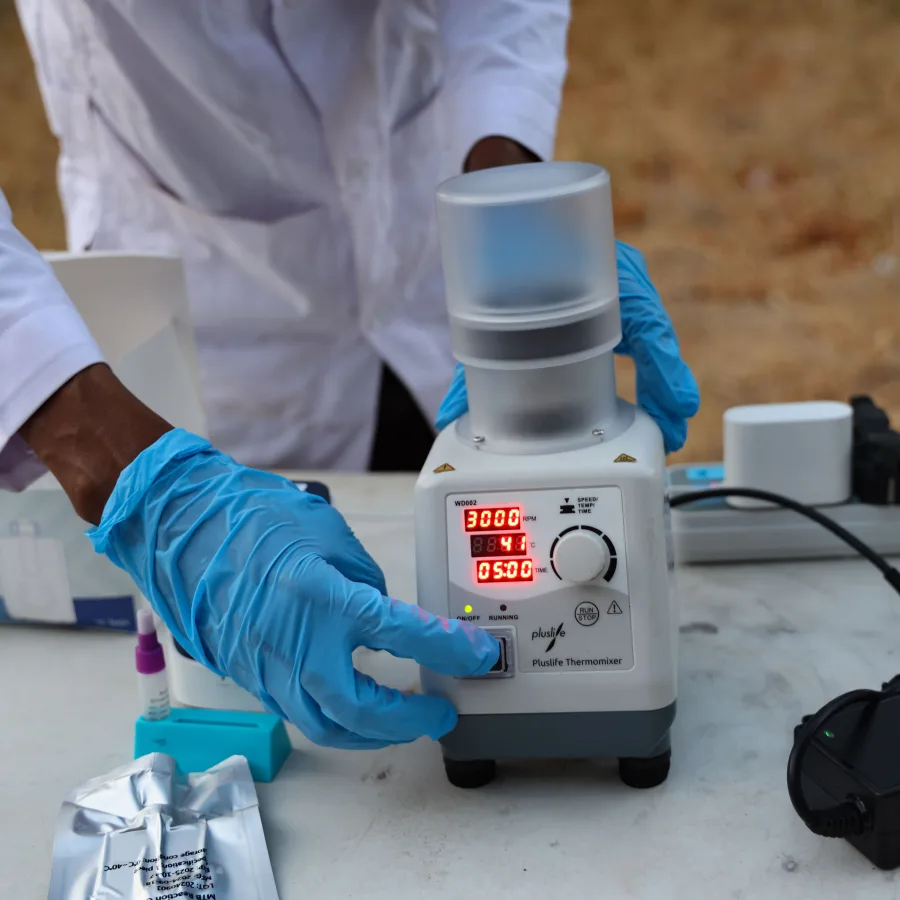
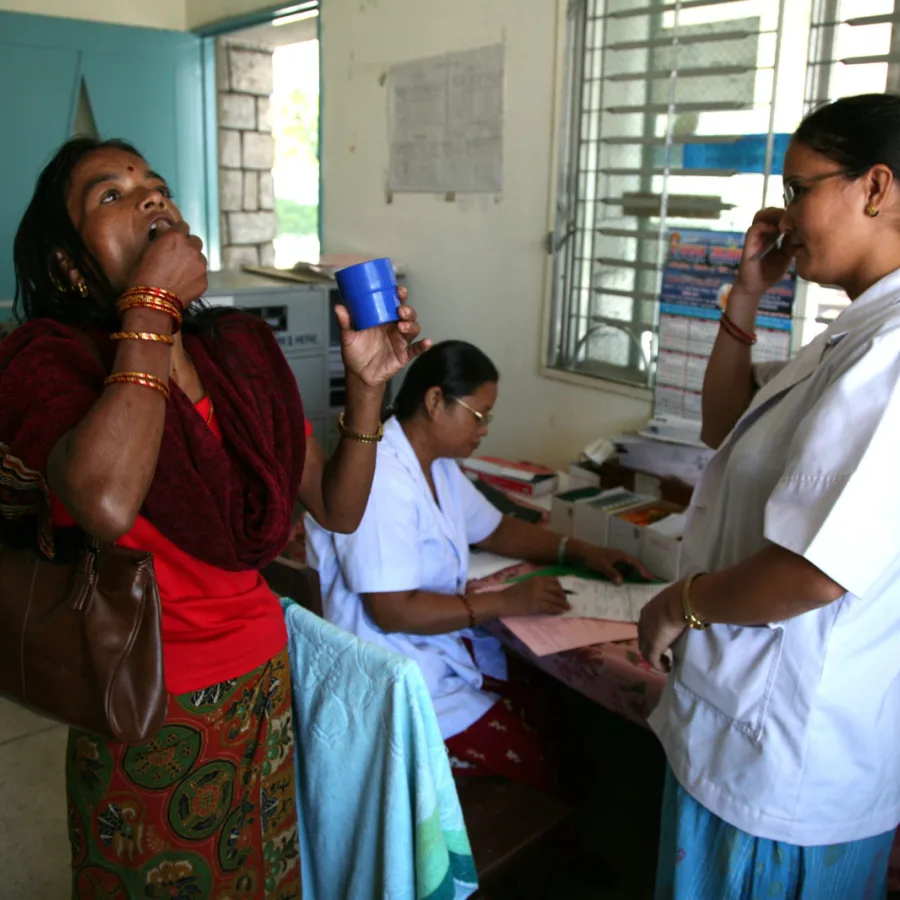
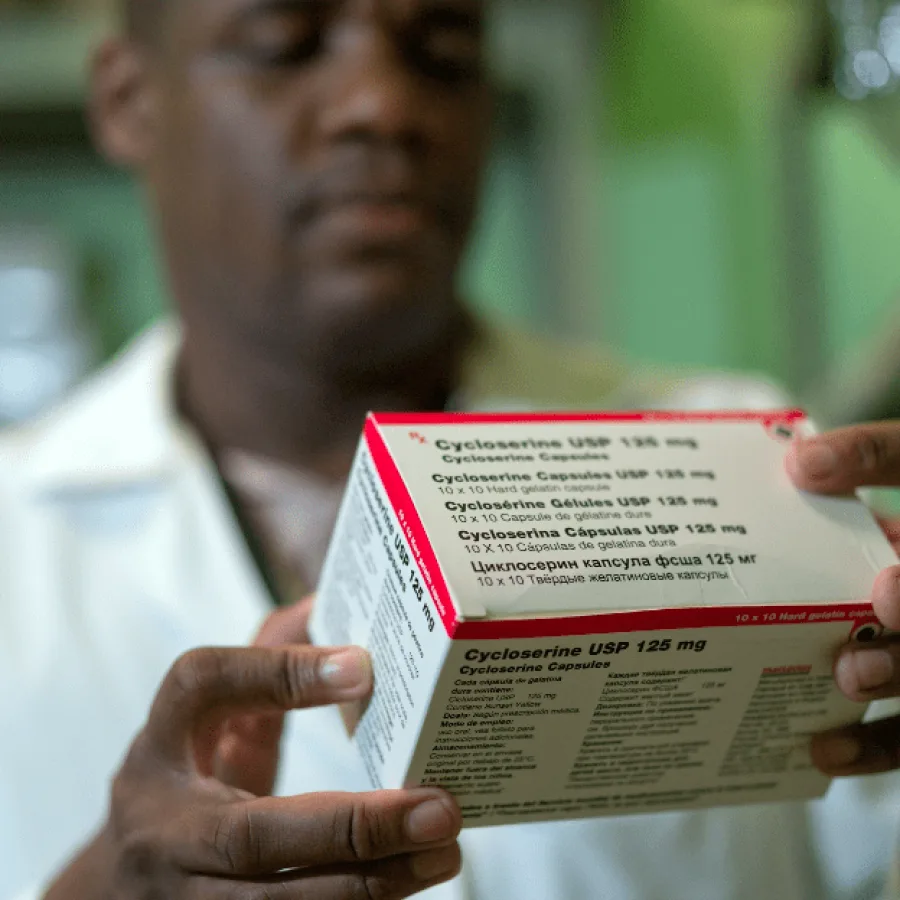
The Stop TB Partnership lowers prices, increases the availability of tuberculosis treatments worldwide, and lowers interruptions in the supply chain. Its TB REACH initiative accelerates the use of new technologies, such as AI-enabled diagnostics and portable X-ray systems, crucial for delivering faster and closer access to health care.
“With the swab-based near point-of-care TB testing, we brought the evidence to support WHO review," says Dr. Lucica Ditiu, Executive Director of the Stop TB Partnership. "Now, throughout 2026, we will support National Tuberculosis Programmes [...] so that this policy translates into faster diagnosis and earlier treatment for people who need it most.”
The RBM Partnership to End Malaria
The RBM Partnership to End Malaria aligns global actors to accelerate the introduction of new tools and create a predictable market that encourages innovation. They provide a platform for innovators, the private sector, and country-level stakeholders to collaborate and reduce market fragmentation.
Ending malaria is both a technical and political challenge requiring the alignment of global policy with national will.
The Sanitation and Hygiene Fund (SHF)
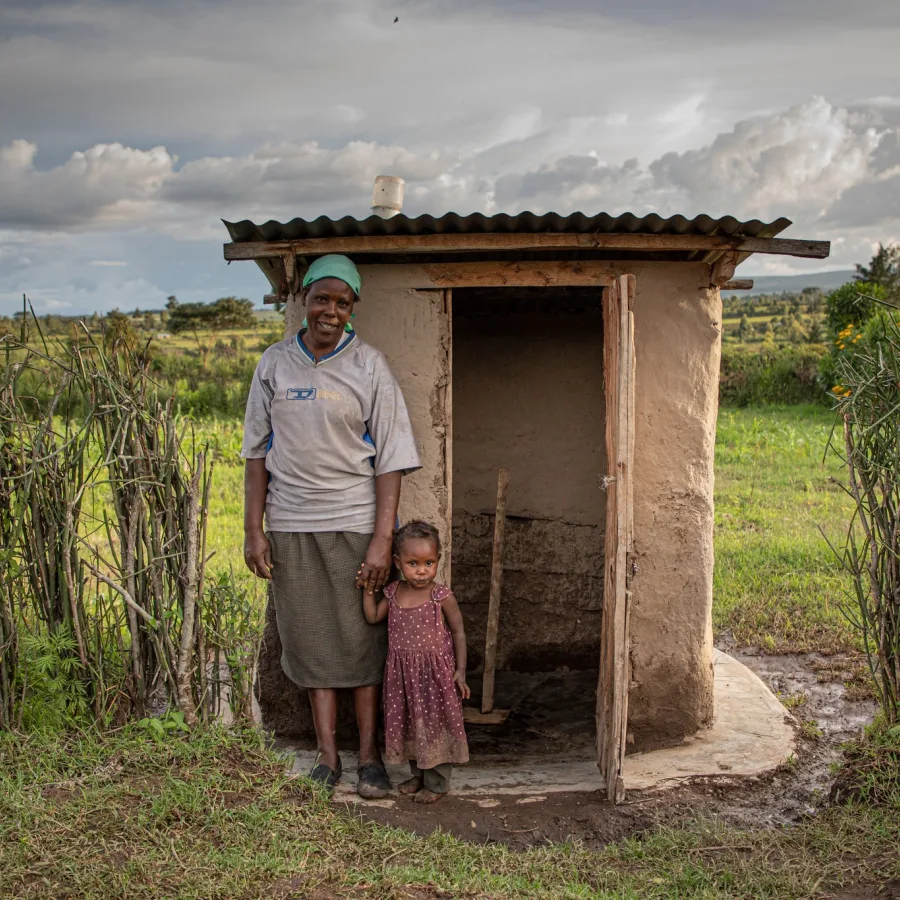
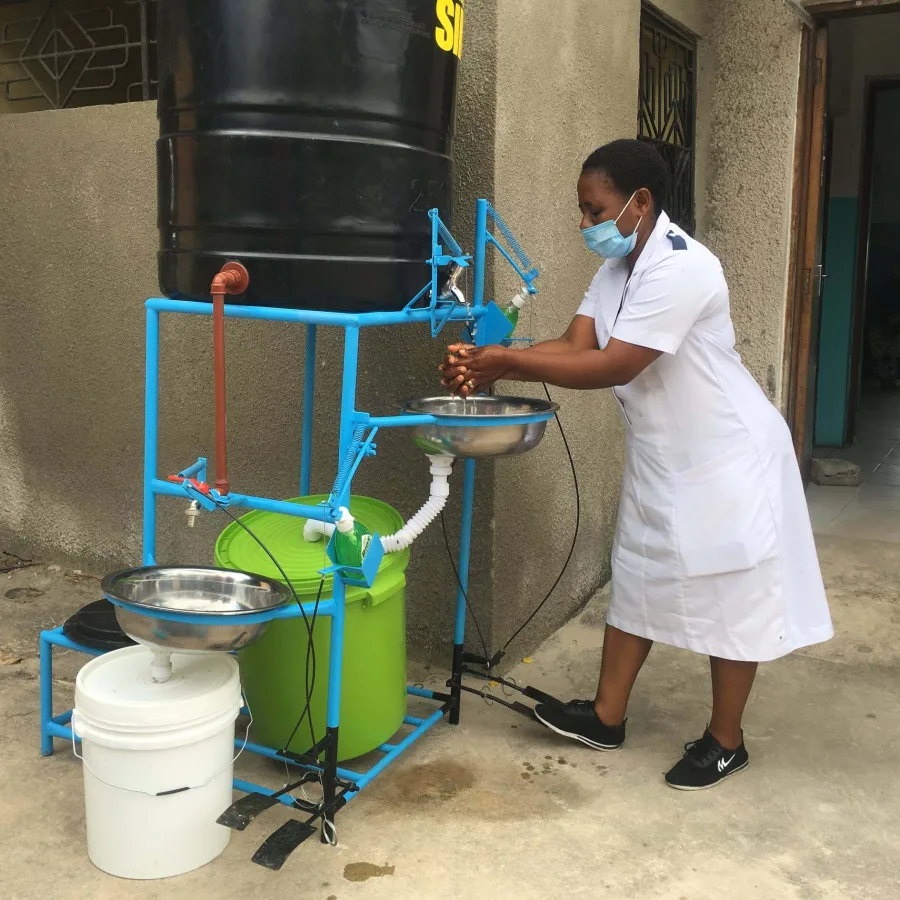
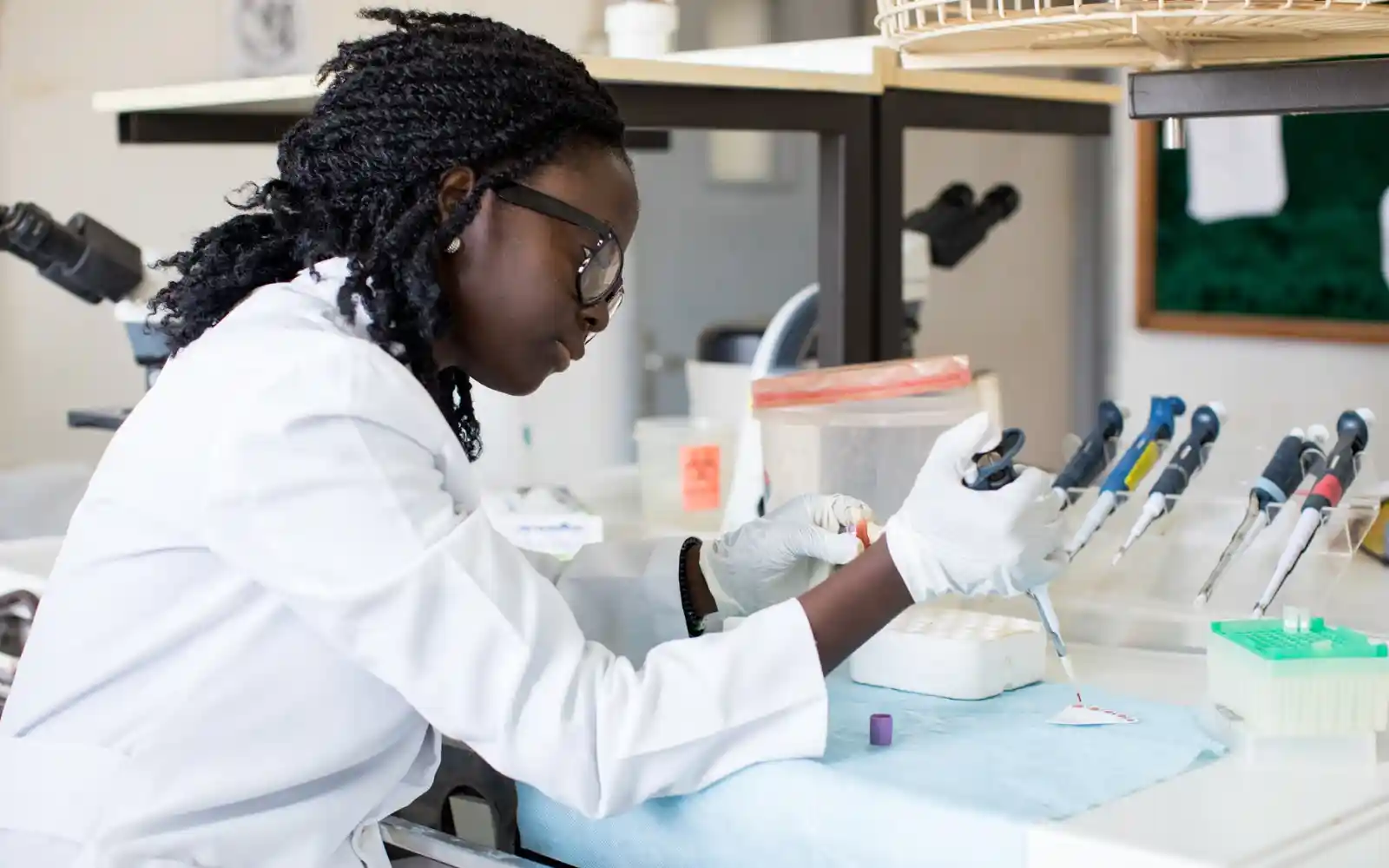
The SHF uses market-based approaches to support and stimulate investments in inclusive, sustainable sanitation and menstrual health markets, improving the lives of millions of women and girls worldwide.
Markets are central to whether essential health products and services reach the people who need them most. We see this every day in sanitation, hygiene and menstrual health.
Together, these market-shaping efforts deliver life-changing, and often life-saving, results. Ultimately, shaping markets is about more than just supply chains, it is about delivering the promise of good health for every person, everywhere.
The path forward relies on coordinated action. By building partnerships across sectors, stabilizing health markets and creating robust delivery systems we can help transform health systems and make life-saving products accessible to all.