



The United Nations Office for Project Services (UNOPS)
Strengthening Togo’s response to explosive threats
As violence and conflict surge, vulnerable communities in northern Togo face the added danger of explosive threats. Together with national authorities, UNOPS is helping to mitigate the risks and lay the foundations for peace and sustainable development.
Established in April 2022, the EU-UN Global Terrorism Threats Facility, funded by the European Union and managed by UNOCT, enables the UN to provide rapid and flexible support to Member States facing terrorist threats.
The Facility's support is guided by three key methodological features:
- A participatory approach
- Focus on institutions rather than individuals
- Delivery of comprehensive and tailored support
Over the past ten years, parts of West Africa have experienced an unprecedented surge in violent extremism and threats of terrorism, with extremist groups exploiting porous borders and local vulnerabilities.
In northern Togo, incursions and armed assaults by groups originating from neighbouring territories in the Sahel have become increasingly sophisticated. This includes coordinated attacks using improvised explosive devices (IEDs) – creating significant security, humanitarian, and development challenges for highly vulnerable communities living near the border regions. Made from everyday materials such as bottles and wires, IEDs can be very difficult to detect and neutralize.
“With the world experiencing the highest number of violent conflicts since the Second World War, finding pathways and solutions to foster and sustain peace, and prevent violent extremism, is more urgent than ever,” says Amir Omeragic, UNOPS Director of Peace and Security Cluster.
With the close interconnection between security, peacebuilding, and sustainable development, reducing the risks to communities posed by IEDs is a crucial part of the puzzle.
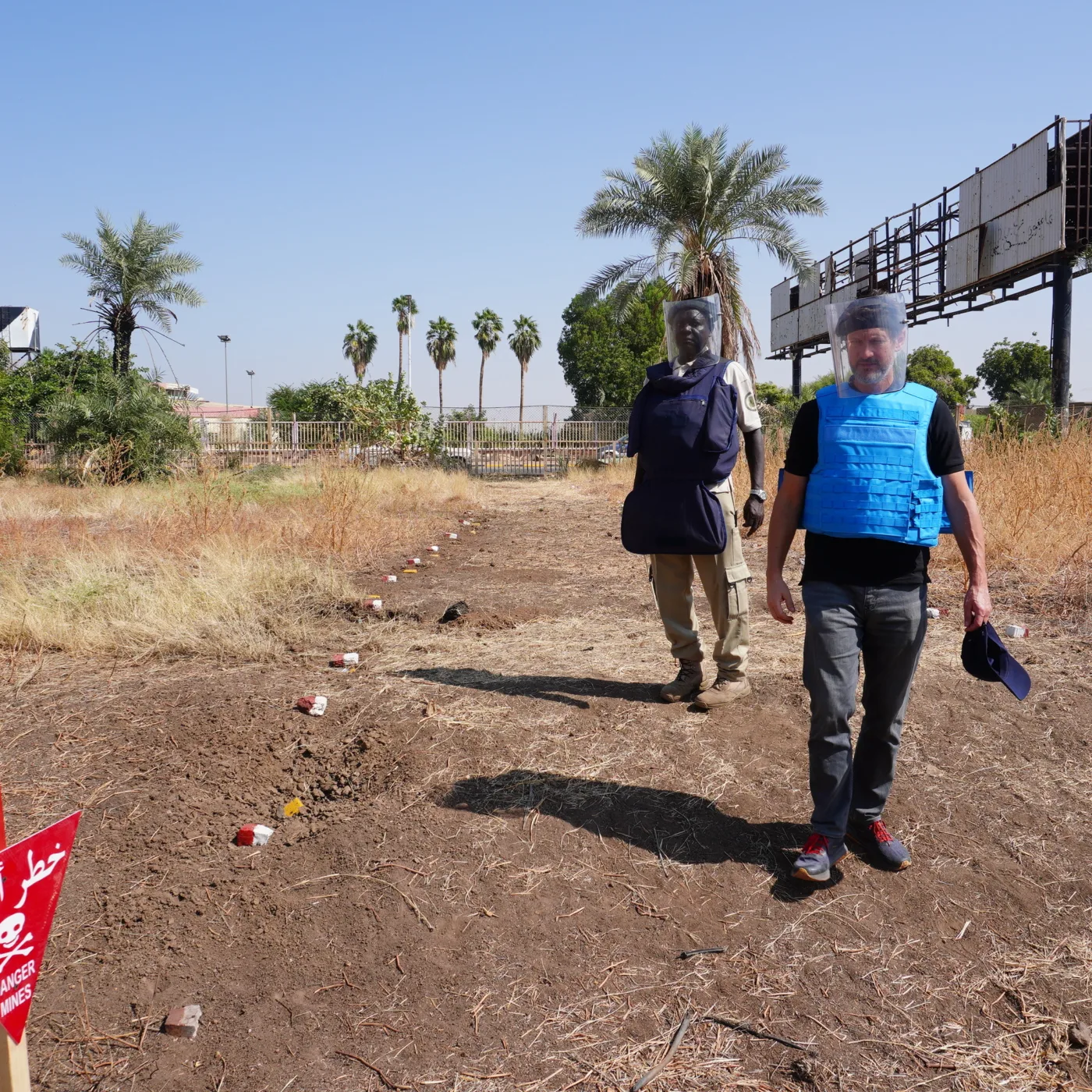
Strengthening communities' ability to prevent and respond to explosive threats not only saves lives, but also improves access to services, bolsters local institutions, and creates the conditions necessary for achieving stability and, ultimately, prosperity.
Together with the UN Office of Counter-Terrorism (UNOCT), UNOPS is working with Togolese national authorities to strengthen their capacity to prevent, identify, and respond to IED threats.
A three-pillar approach
UNOPS and UNOCT support is anchored in three mutually reinforcing pillars: risk education, information management, and building technical capacity by providing equipment, training, and mentoring support.
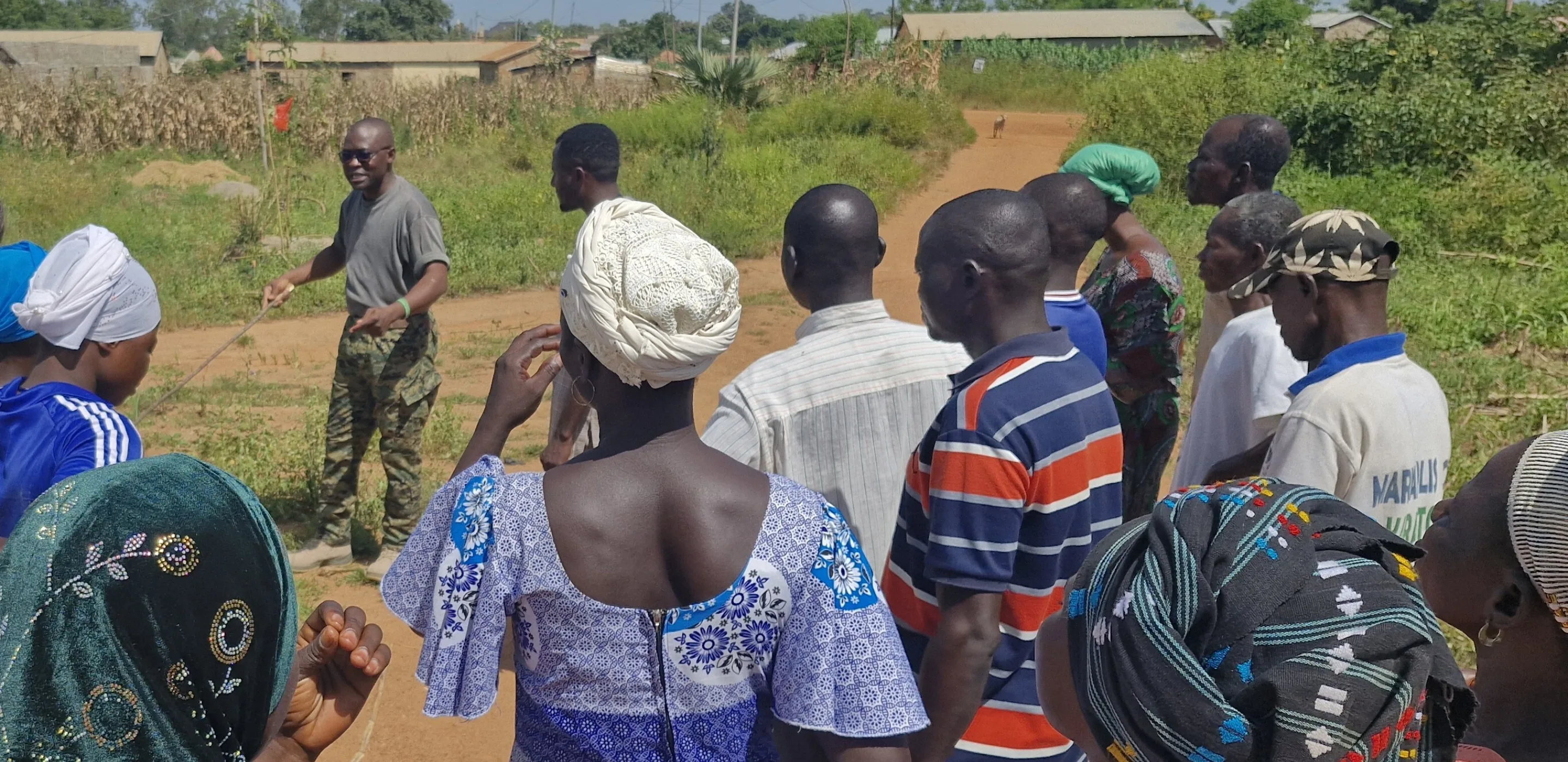
In Togo’s northern regions, where people face a high risk of exposure to IEDs, trained facilitators are already passing this critical knowledge on – helping communities to recognize suspicious items, understand safe behaviors, and reduce the likelihood of tragic outcomes.
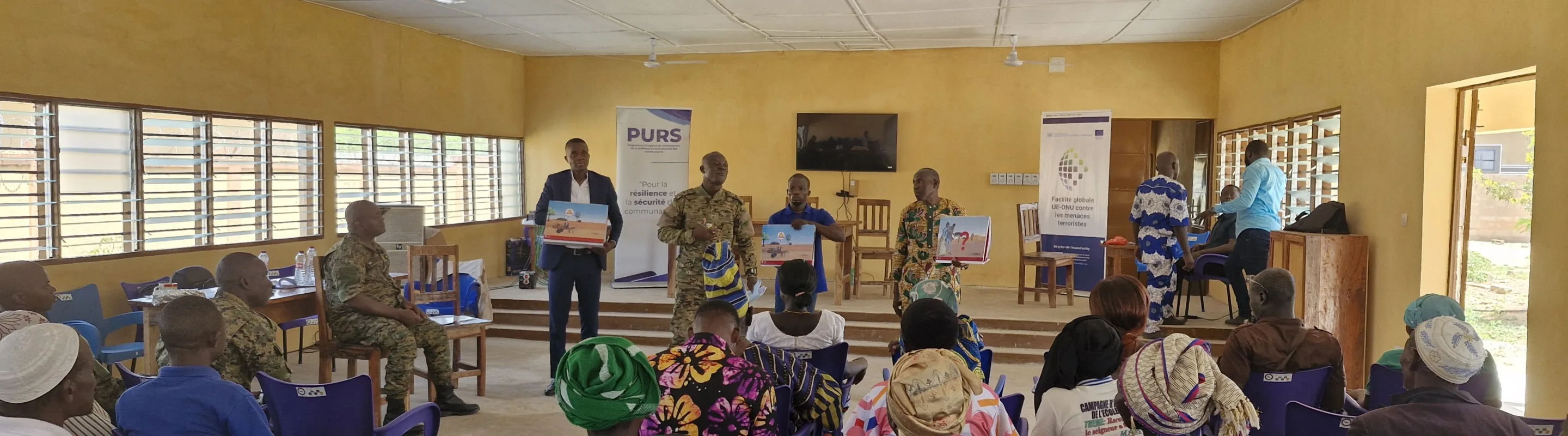
“Everyone now travels more cautiously and pays closer attention to the road,” explains Bilandipili, chief of one of the villages that has been affected by the surge in insecurity in the region.
Bilandipili, who took part in a three-day training-of-trainers session, explains that habits in his community have since changed – highlighting the effectiveness and practicality of the tools and information received.
Before the awareness sessions, people lived as if there was no danger. Now, we are all aware of the risks.
UN Resident Coordinator in Togo, Coumba D. Sow, welcomes the support provided to communities and national authorities to mitigate the risk of IEDs, underscoring the importance of the strategic partnership between Togo, UNOCT, UNOPS and the EU to safeguard human security.
By strengthening the technical detection and response capacities of Togolese defense and security forces, we are not only saving lives. We are consolidating the foundations of community resilience and sustainable development, and ensuring that peace remains the driving force of progress for every Togolese citizen.

Protecting gains
Looking ahead, additional activities under the initiative are planned to further support report analysis and information management – ensuring early gains in risk mitigation are consolidated and expanded.
Progress is measured not only in equipment delivered or systems established, but in the growing confidence of national institutions and the increased safety of communities.
“By investing in people, data, and partnerships, UNOPS is helping transform a complex security threat into an opportunity for resilience from the ground up,” says Amir Omeragic.