


The United Nations Office for Project Services (UNOPS)
The invisible work keeping a hospital running in eastern Ukraine
To support frontline surgical teams in eastern Ukraine, UNOPS and KSrelief delivered specialized sterilization equipment to Kharkiv Regional Hospital, reinforcing the vital decontamination process that keeps emergency operations running safely.
In the emergency unit of Kharkiv’s regional hospital, a complex surgical procedure has just concluded. As the surgical team steps back, the journey for the stainless steel instruments that made the operation possible is only just beginning.
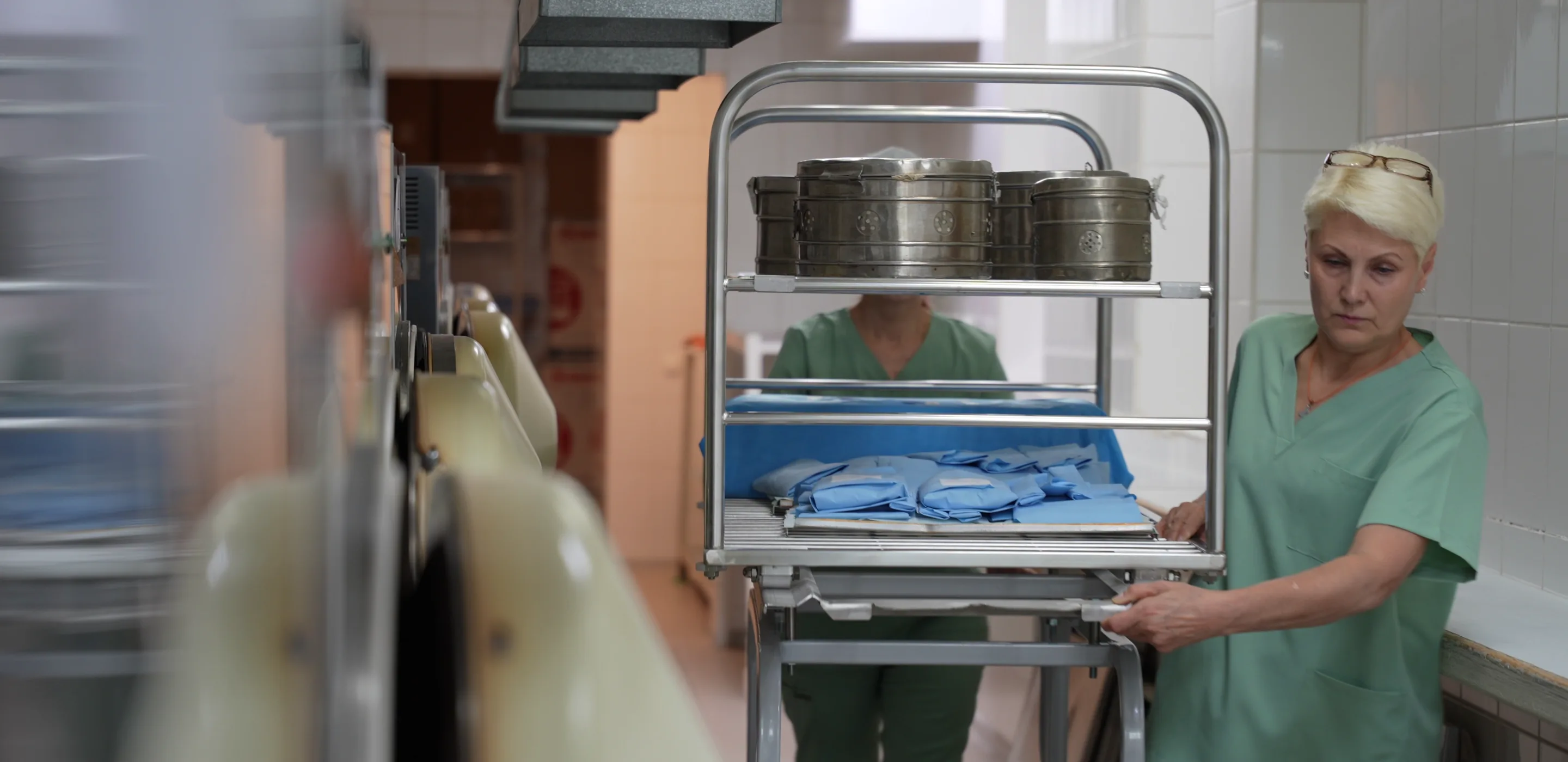
Before forceps, retractors, or scalpels can be used again, they must pass through a strict, multi-step decontamination cycle. It is an unseen chain of custody carried out daily by dedicated nurses and sterilization technicians.
THE JOURNEY THROUGH DECONTAMINATION
The process starts immediately after surgery in the operating department’s processing area, where medical staff manually pre-clean the instruments to remove tissue residues and organic material.
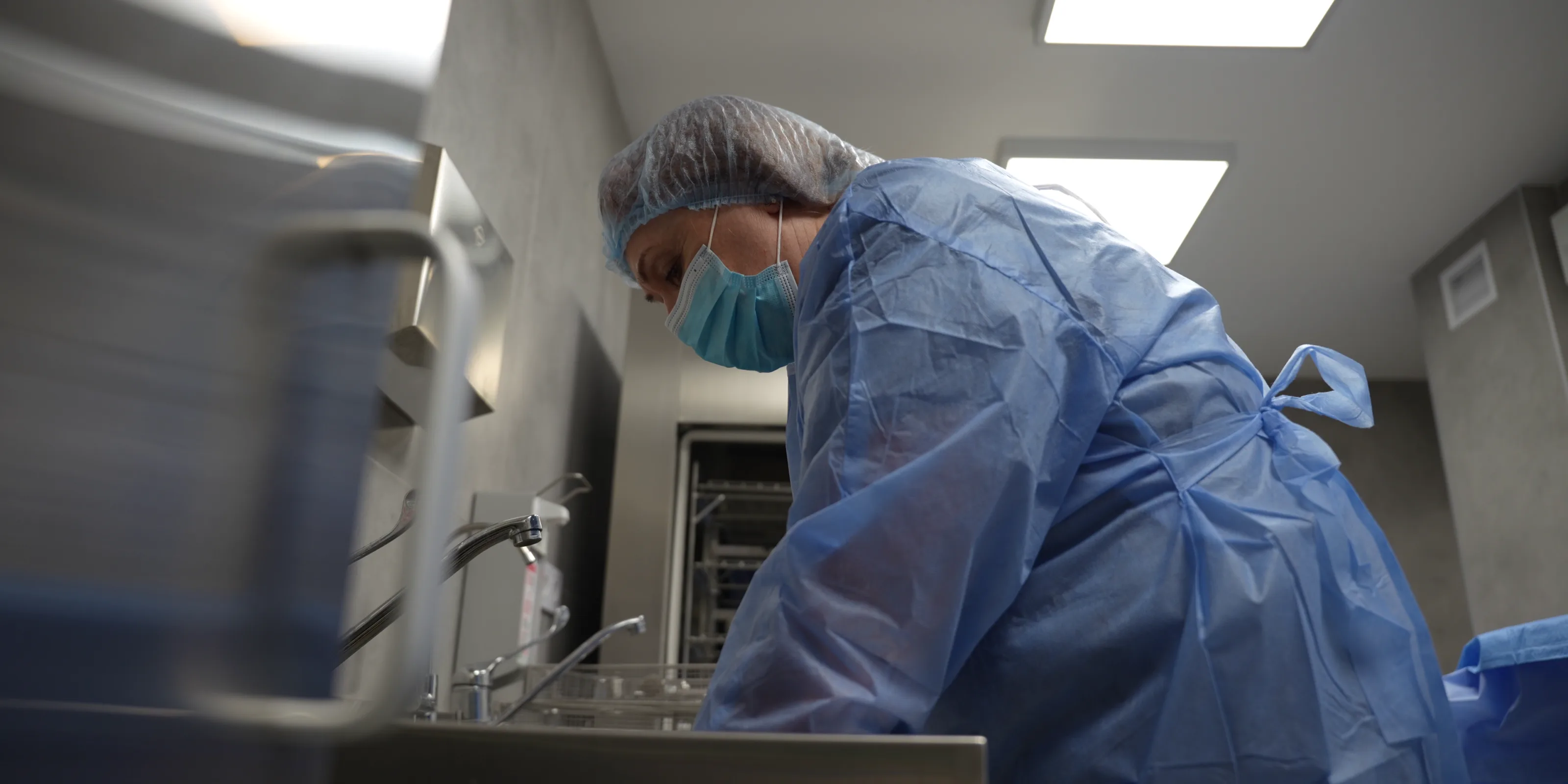
Once pre-cleaned, the tools are loaded into automated washer-disinfectors for an intensive, computer-controlled wash cycle and thermal disinfection, ensuring items emerge clean, dry and decontaminated.
From there, the instruments are secured in specialized containers and transported to the hospital’s central sterilization department.
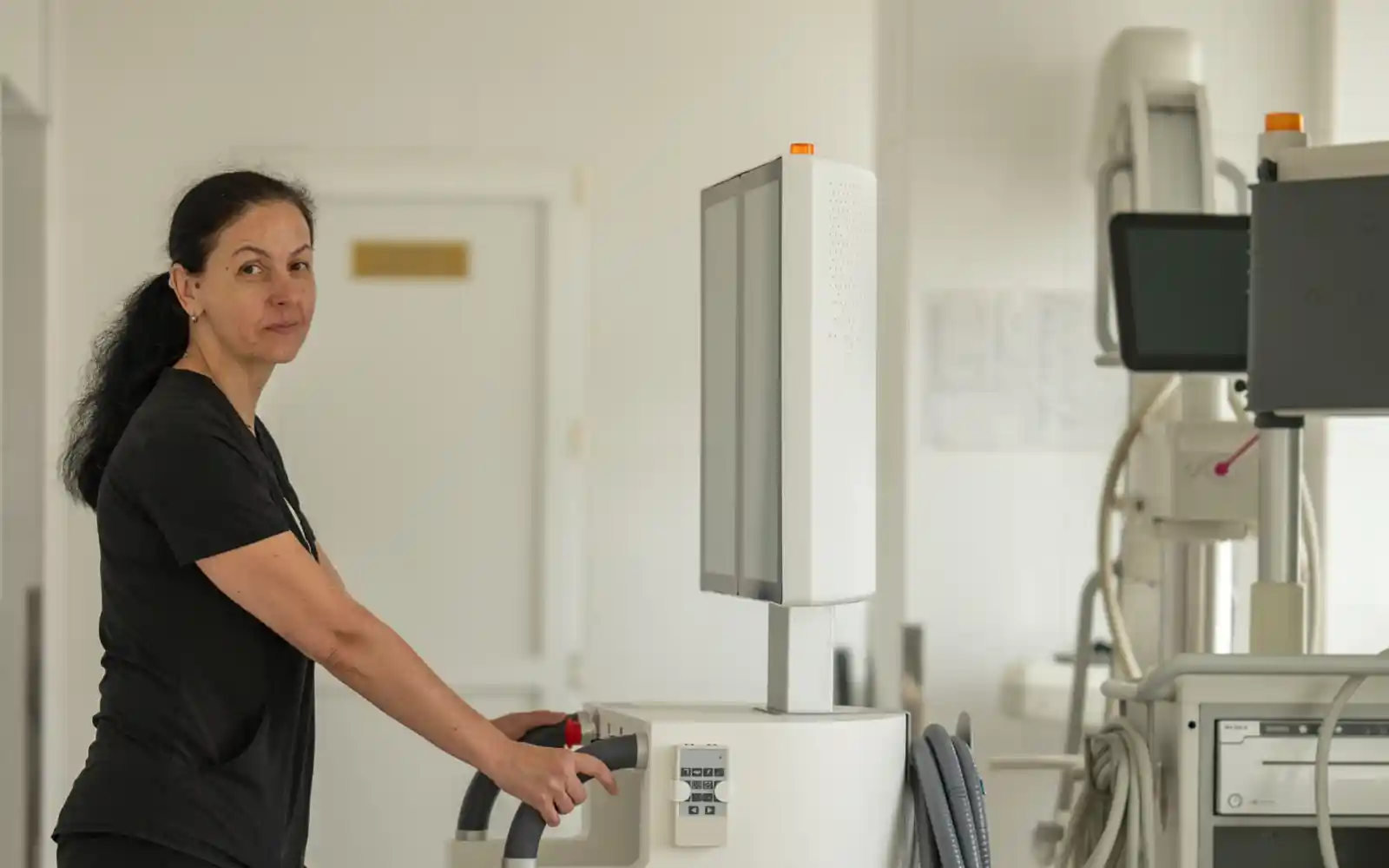
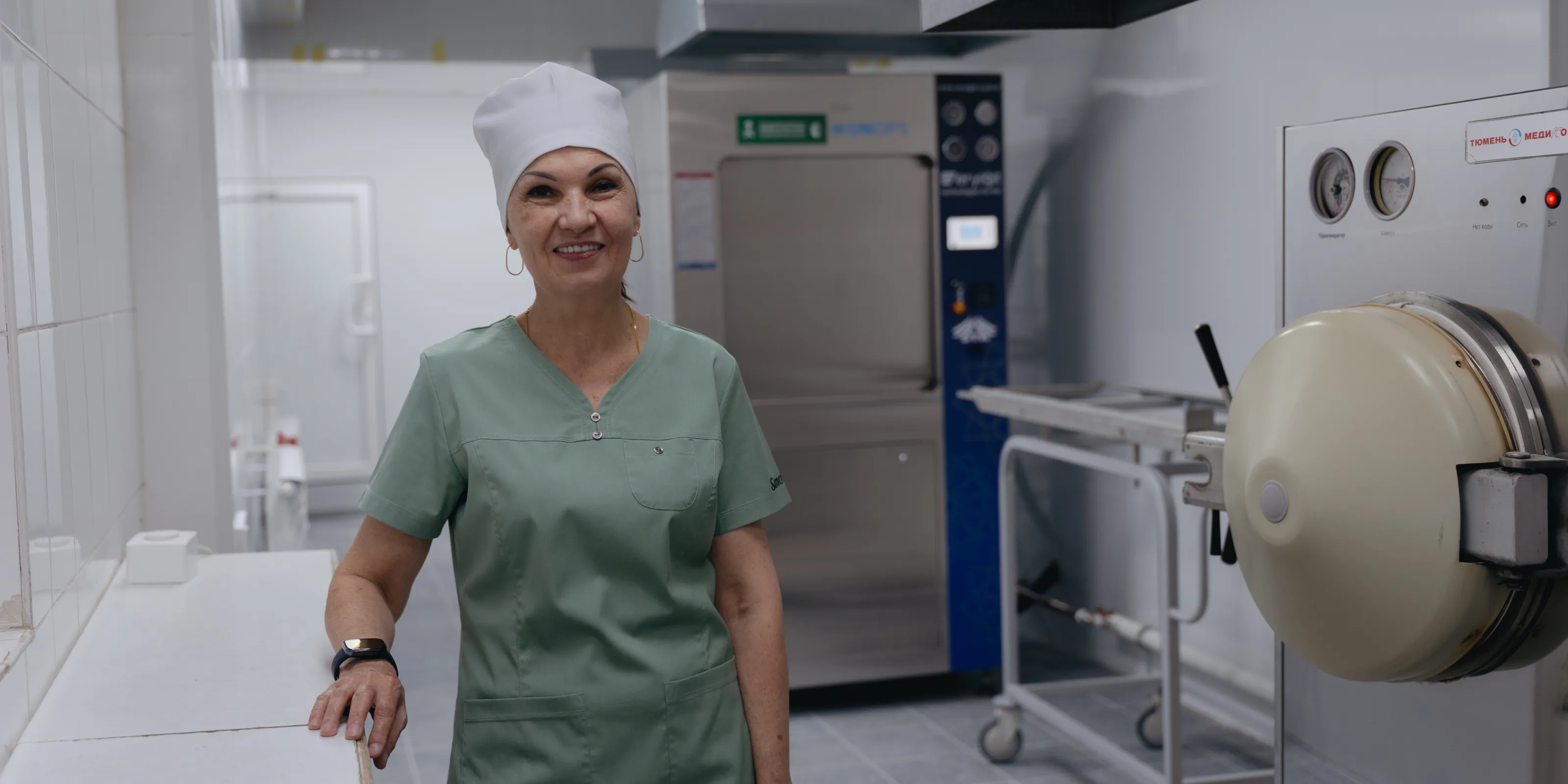
Located in the facility’s basement, this unit processes instruments for every surgical ward across the entire hospital complex. High-capacity autoclaves line the walls, working around the clock.
“We sterilize instruments for the whole hospital. Different surgical departments send them here for reprocessing,” says Iryna, the head nurse of the central sterilization unit. “This process is essential for the hospital’s proper functioning.”
EXPANDING LIFE-SAVING CAPACITY
With frontline medical teams facing a sustained influx of trauma and emergency cases due to ongoing hostilities, the sterilizsation department required a major surge in capacity.
To address this critical bottleneck, UNOPS, with financial support from the King Salman Humanitarian Aid and Relief Centre (KSrelief), delivered a high-capacity 550-litre autoclave to the facility. It is the largest single sterilization unit currently operating in the hospital.
Inside the unit’s sealed chamber, saturated steam under high pressure and temperature systematically destroys bacterial spores, viruses and pathogens. The machine automatically adjusts cycle duration based on the weight and density of each load for precision and safety.
Once cooled, the sterile containers are dispatched back to emergency and surgical teams for the next life-saving procedure.
BUILDING LONG-TERM HEALTH SYSTEM RESILIENCE
The delivery of this specialized equipment is part of a broader project funded by KSrelief and implemented by UNOPS. This initiative aims to reinforce the operational resilience of four key health facilities across the Kharkiv region through essential medical and technical equipment.
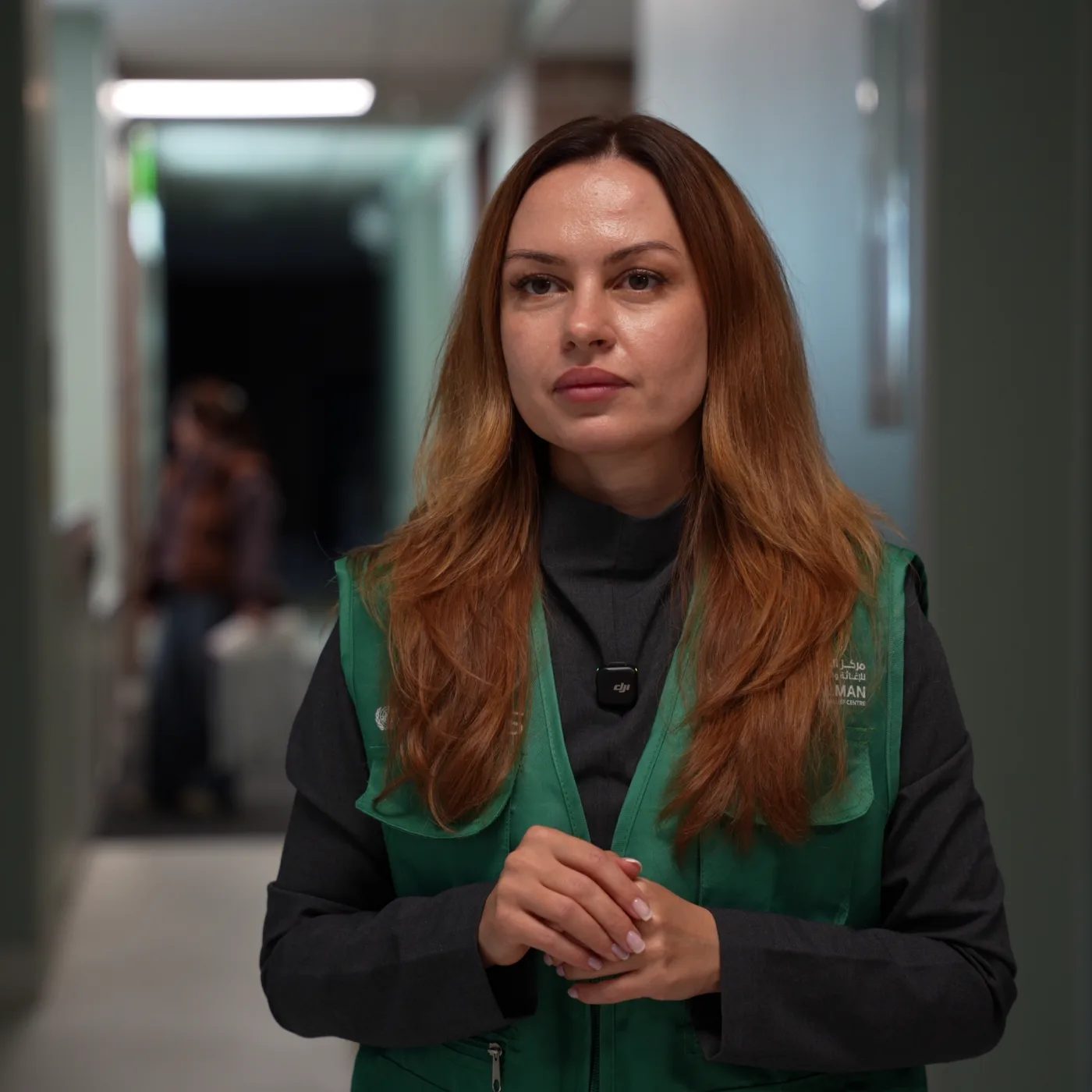
Healthcare workers in the Kharkiv Oblast are delivering extraordinary care under extremely challenging conditions. A fully functioning healthcare system in the midst of conflict is fundamental to human dignity and community resilience.
By investing in vital, behind-the-scenes hospital infrastructure, UNOPS and KSrelief support frontline surgeons to have the safe, reliable equipment they need when every second counts.
Global Goals we are supporting through this initiative: