


The United Nations Office for Project Services (UNOPS)
From rubble to vital reconstruction resource
Rubble generated by conflicts and disasters is often treated like waste. It should be used as a resource. Here's why.
When conflicts and disasters happen, they damage and destroy homes and infrastructure – displacing people, disrupting societies and destroying lives.
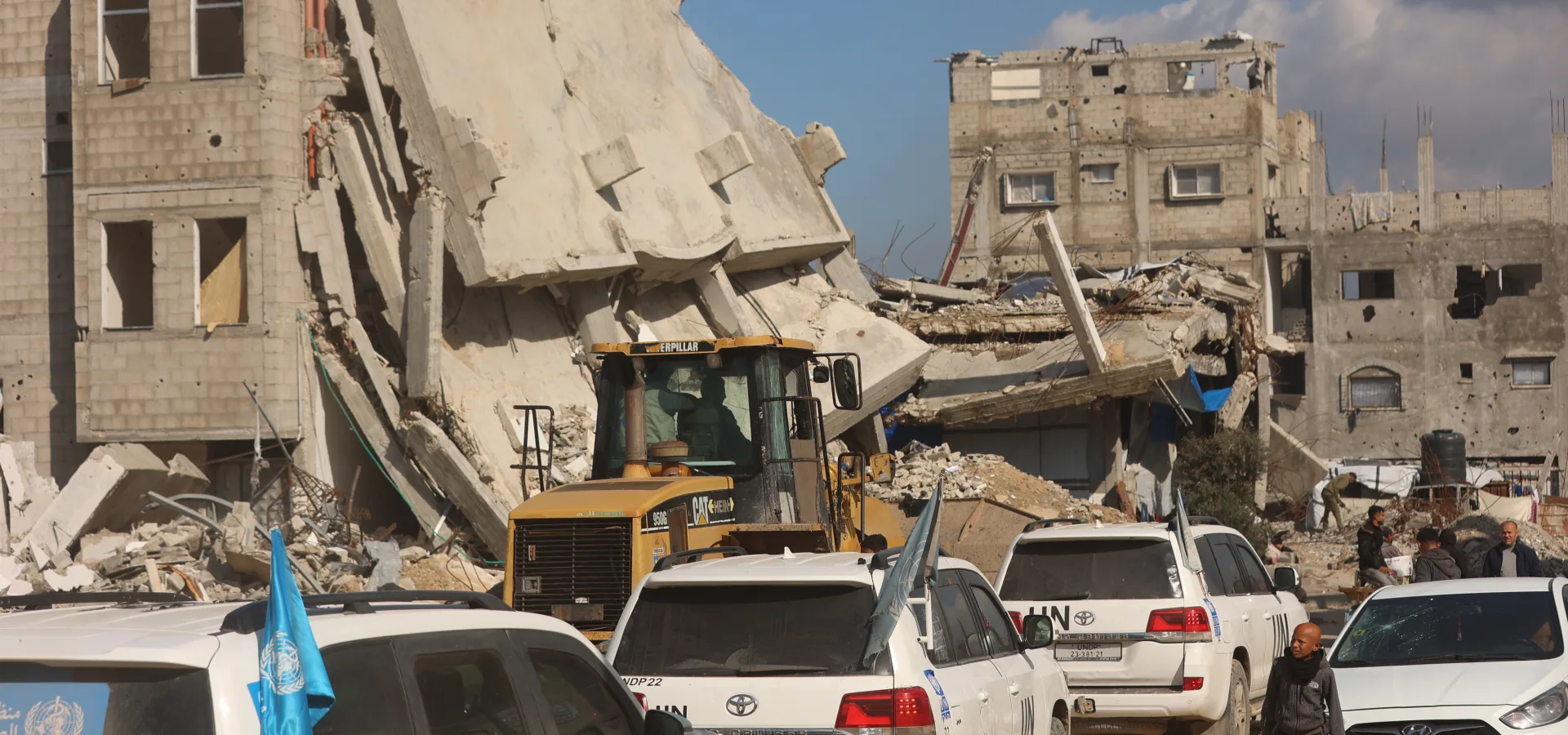
Millions of tonnes of rubble are generated, all of which needs to be cleared before recovery efforts can begin for impacted communities.
Take the Gaza Strip, for example. As of April 2026, the conflict there has destroyed or damaged more than 80 per cent of civilian infrastructure. There's now nearly 60 million tonnes of debris that's hindering humanitarian access, rebuilding works and community recovery.
How do you handle such a massive amount of debris and rubble so that reconstruction work can begin?
Often, rubble is just disposed of in landfills, which renders large amounts of land unusable for economic activities for a very long time. And it can cause major environmental and health risks from pollution and hazardous materials.
But instead of dumping rubble into ever-growing landfills, the concrete, steel, bricks and stones could be recycled or reused to support faster recovery and reconstruction efforts.
In the Gaza Strip, recycling rubble isn't a nice-to-have – it's a must.
Not only is there no land available for rubble disposal, but the quarries in the enclave are nearly empty – and importing construction materials is nearly impossible.
Using rubble to produce recycled material for reconstruction work could address these issues by reducing the burden on local quarries and natural resources. It would also help protect the environment by preventing the extraction of virgin materials.
Local businesses working to recycle rubble would also help create desperately needed job opportunities. And decreasing the need to import or create new building material would also help reduce the costs of reconstruction efforts, making donor funds stretch further.
So why is sending rubble to landfills still more common than recycling it? Because recycling and reusing rubble after a disaster or conflict is complex.
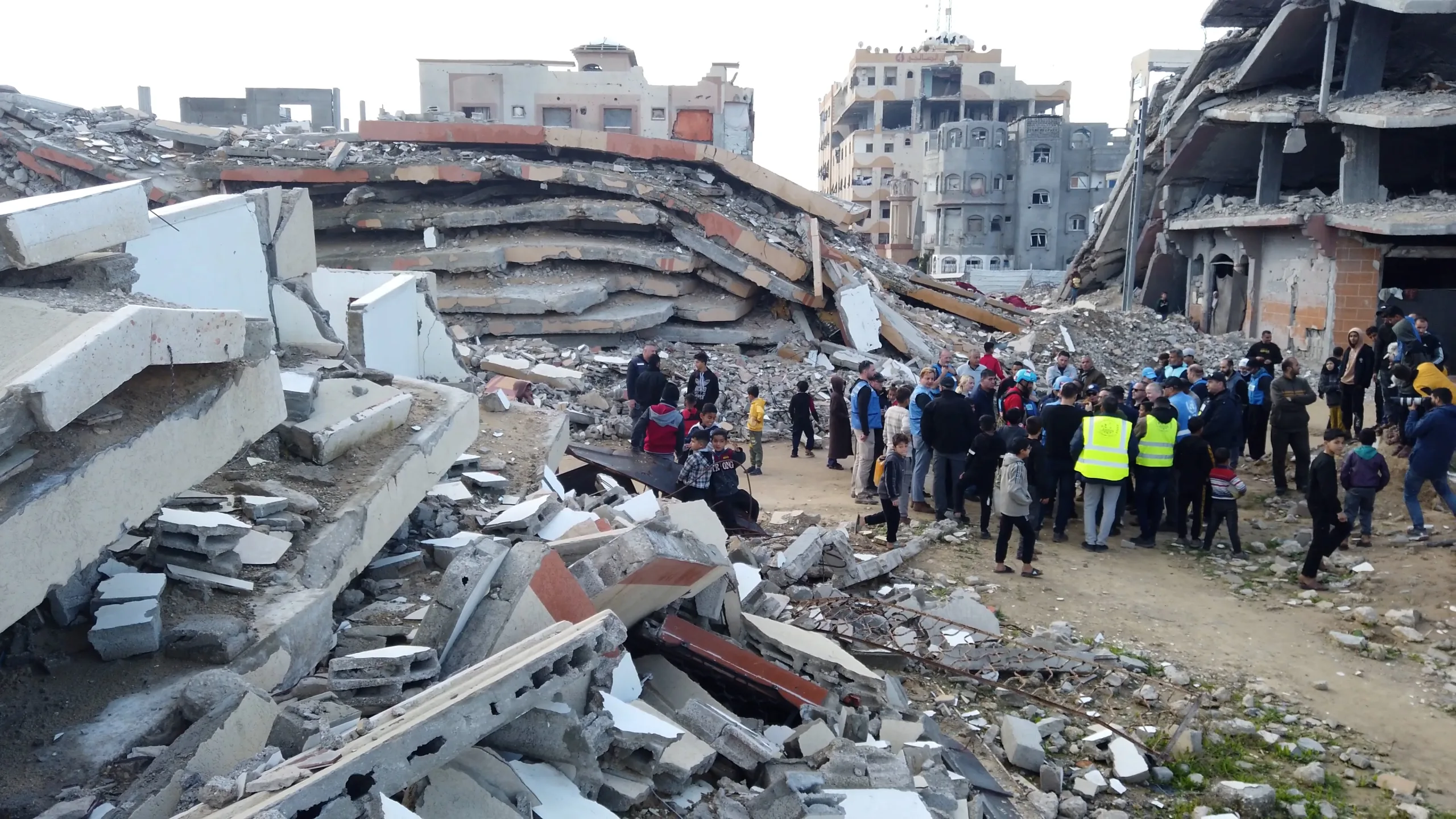
Toxic wastes, asbestos and unexploded ordnance may be hidden inside rubble. Falling debris and unstable floors of tall buildings make safe removal a challenge.
After a conflict or disaster, different stakeholders – community members, aid organizations, contractors, government agencies and others – may all be moving rubble at the same time for different reasons.
To rescue trapped people. To make way for emergency services. To recover personal belongings. And to start reconstruction.
Rubble may be dumped and moved multiple times, causing it to become contaminated and difficult to recycle.
In addition, homeowners and builders may not trust recycled rubble materials for reconstruction – and building regulations may not even allow them to use it.
Although recycling rubble in normal times is common in many countries, recycling it after a disaster or conflict is challenging.
But adopting people-centred, circular approaches to rubble management and reconstruction is possible. And when done right, this can help communities recover faster while laying the foundations for a more sustainable future.
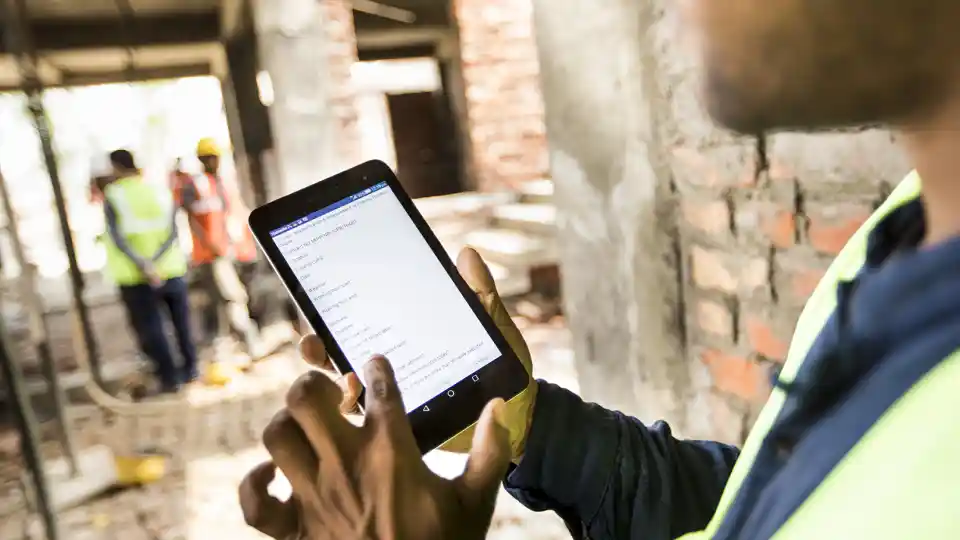
Technology and information can also help overcome some of the barriers to rubble recycling. For example, geographic information systems can help identify property boundaries that have been damaged, while structural damage, explosive threat, and other hazard assessments can help prioritize rubble management activities to maximize safety.
People can be allowed to return home to buildings that, after assessment, have no or very minor structural damage and no hazard risks. This would also help reduce the amount of rubble by keeping intact buildings that are safe for continued use.
Meanwhile, buildings with high explosive threat risks can be prioritized for explosive threat management to ensure the safety of workers and communities.
Information management systems can support coordination across different organizations working to manage rubble, helping ensure a smoother, more efficient process for bringing rubble to recycling sites.
And interim regulations and pilot certification mechanisms for recycled rubble can help build confidence in using them as building material for reconstruction.
Integrating these approaches, and more, can help clear hazardous rubble from communities faster, increase the use of locally available recycled materials, create more jobs and support faster, more cost-effective reconstruction of homes and critical infrastructure.

Aura Soriano and Martin Bjerregaard
Aura Soriano is an Infrastructure and Project Management Senior Analyst at UNOPS. An architect with almost 10 years of professional experience designing disaster-resistant large-scale developments and researching sustainable built environments, she develops knowledge products and tools to improve infrastructure-related development outcomes.
Martin Bjerregaard is an Infrastructure and Project Management Advisor at UNOPS. With more than 35 years of experience in demolition, debris and waste management, his work focuses on post-crisis waste and environmental management. He has worked with national governments, the UN system and other stakeholders to help them understand the complexity of waste and debris management and develop strategic plans for managing it.