

The United Nations Office for Project Services (UNOPS)
Paths to prosperity
In northern Mozambique, a community-driven initiative is supporting sustainable development in communities impacted by conflict.
Since 2017, conflict in northern Mozambique has displaced hundreds of thousands of people, disrupted livelihoods and prevented access to basic services.
From agricultural initiatives to infrastructure projects to improve access to water and basic services, the Community Demand-Driven Fund (CDDF) – implemented by UNOPS in partnership with Mozambique's National Fund for Sustainable Development – finances local projects that increase livelihood opportunities, support sustainable development and enhance social integration.
Using a participatory planning process, it has helped communities across Cabo Delgado, Nampula and Niassa Provinces drive their own development priorities, supporting more than 500 community-driven initiatives. Here are just a few.
Bridging the future
Bridging the future
In Namaweresse, rising waters during the rainy season often left more than 4,000 people isolated.
Year after year, residents watched the river separate their community from opportunities and essential services.
With no bridges to safely cross the swollen river, children struggled to reach school, farmers couldn't transport their produce to market and access to healthcare became nearly impossible.
Children could not get to school and suffered a lot because they could not pass through the water. Older people who became sick could not reach the other side. We even had cases where people lost their lives because they could not get to the hospital when the river was full.
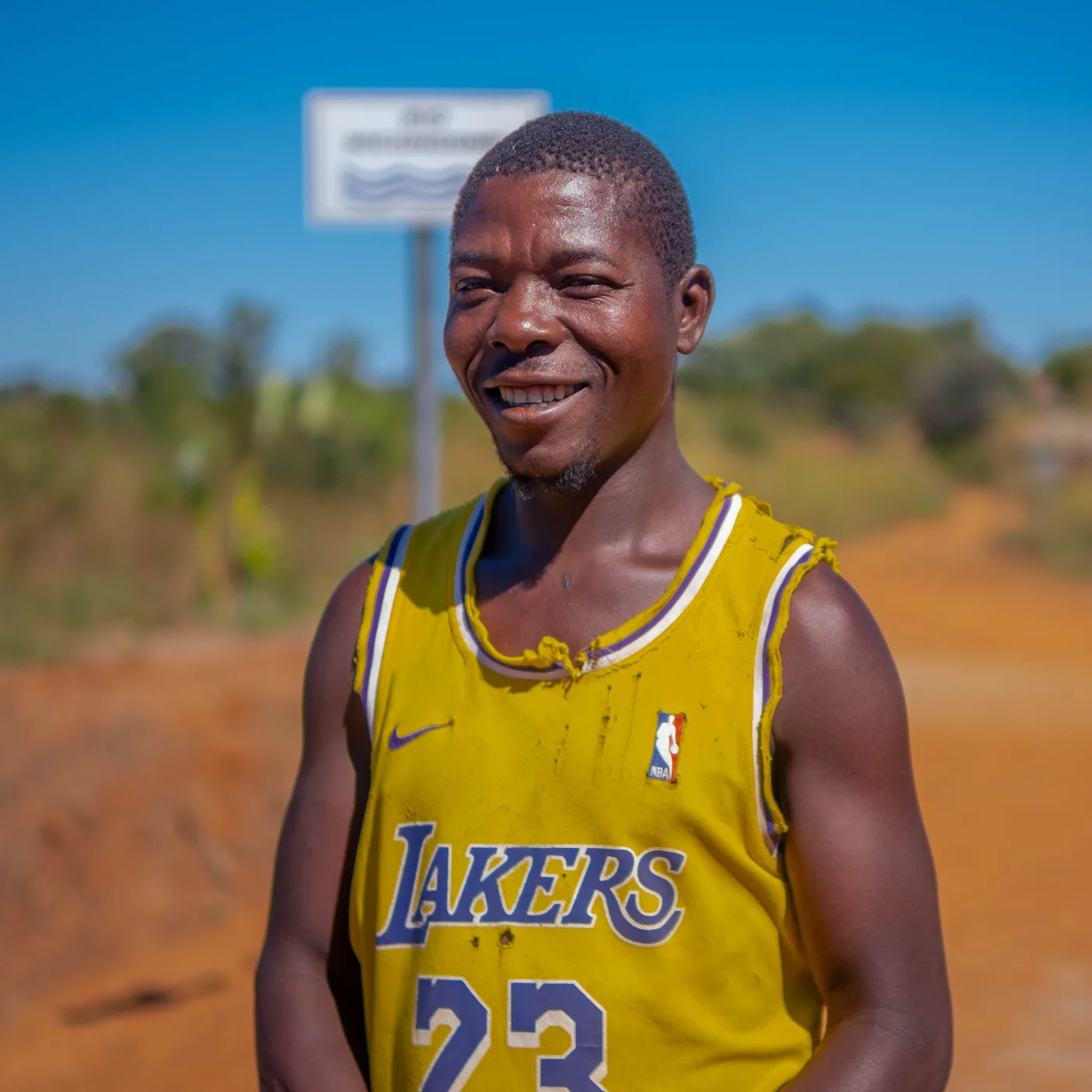
Community leaders repeatedly emphasized that bridges were needed to safely cross the river – regardless of the season. This would be the foundation that everything else depended on: education, healthcare, trade and livelihoods.
Today, the impact of two bridges built as part of the CDDF project is visible across Namaweresse.
"With the bridges now built, vehicles can pass, children are studying and our products can be transported from the fields," says Jackson.
The bridges have also become a lifeline during emergencies.
"Now, if someone becomes sick in the village, it is possible to help that person quickly and take them to the hospital," says Maria Amade, a community leader.
For local farmers, the bridges have reconnected Namaweresse to new economic opportunities. Now, their crops can reach markets year-round – including during the rainy season when communities were previously cut off.
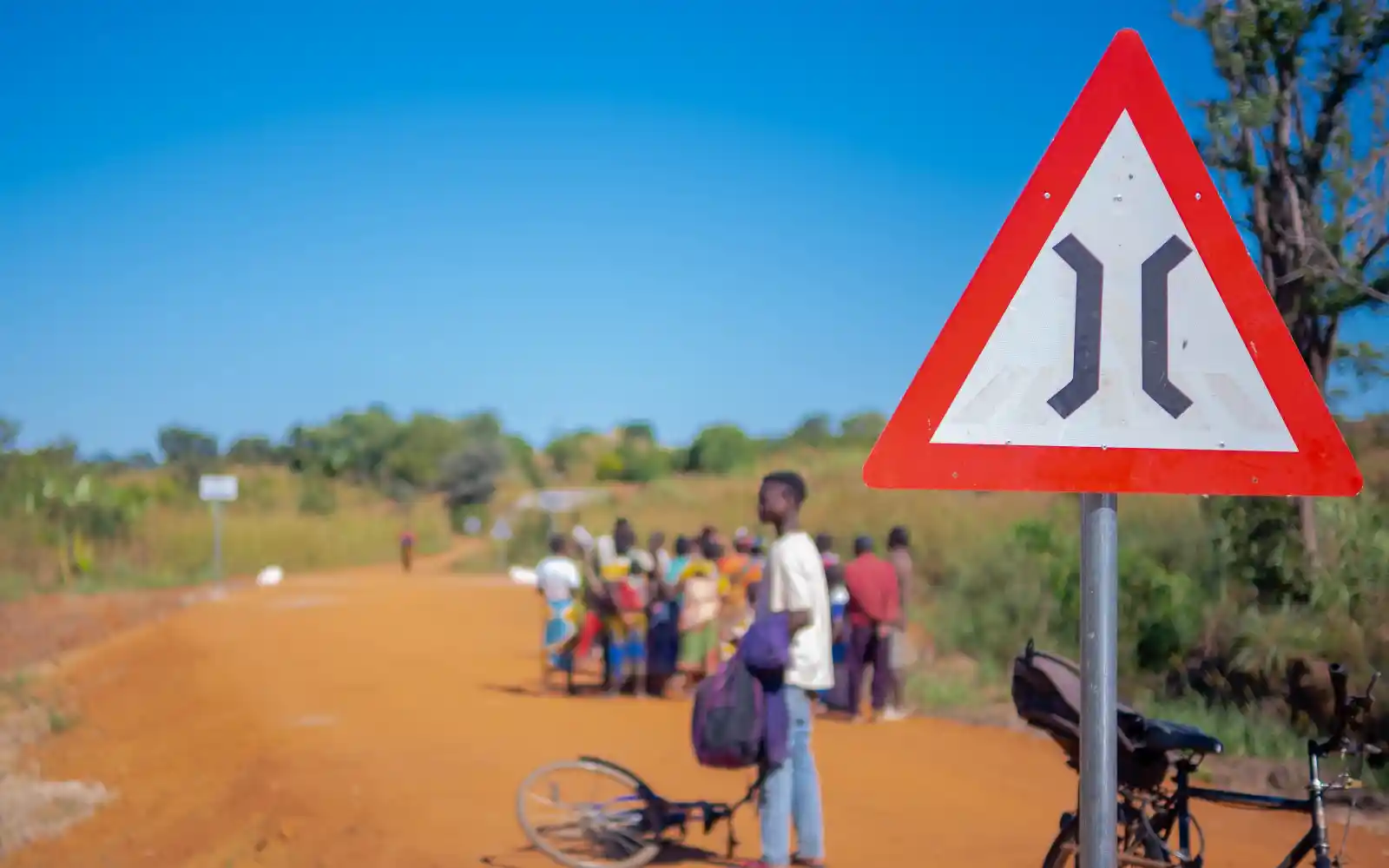
The river is no longer a barrier to accessing education, healthcare and markets.
"We had been asking for a bridge for a very long time. We never thought it would really happen. We are amazed and very happy," says Maria.
Growing prosperity
Growing prosperity
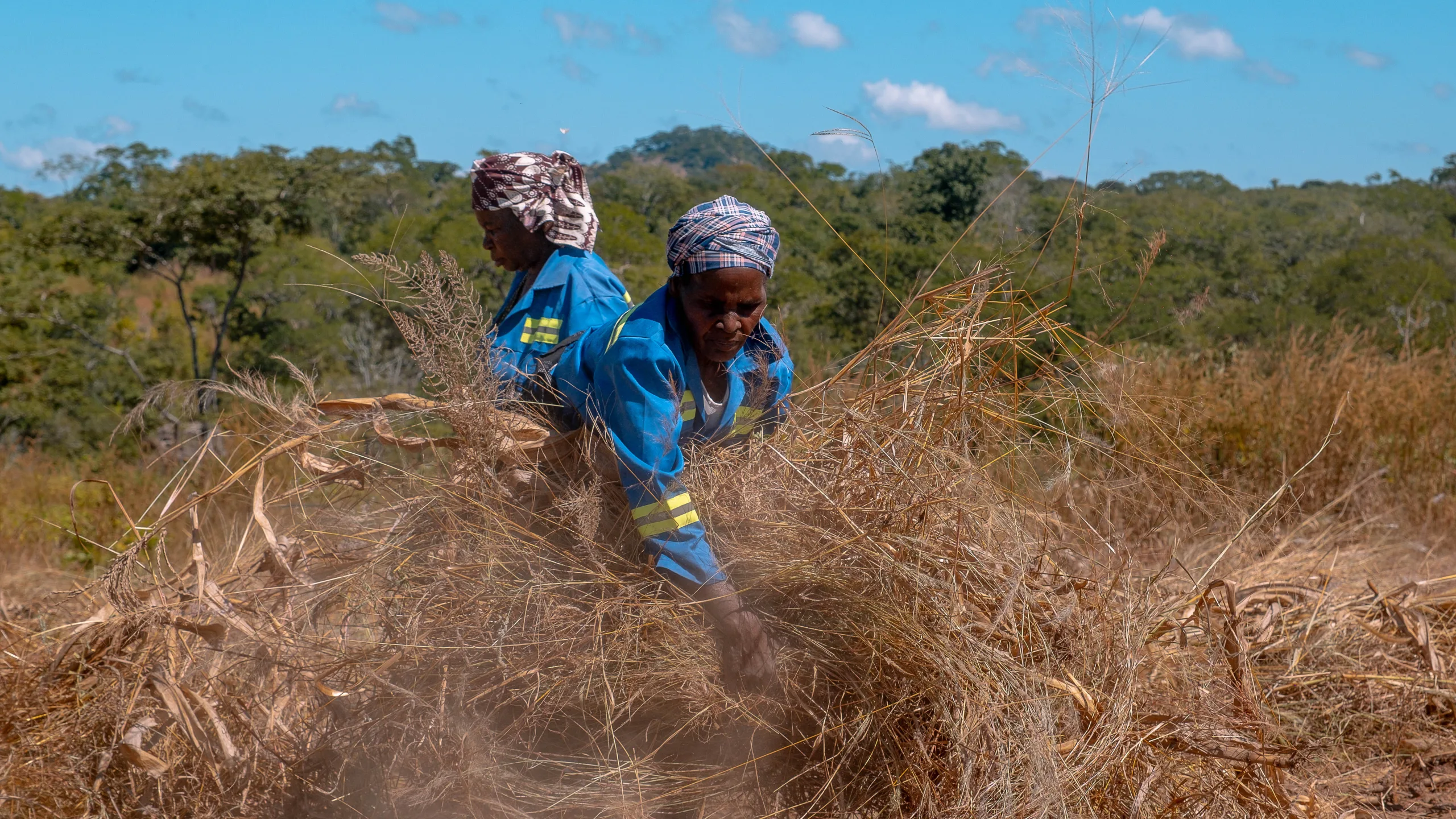
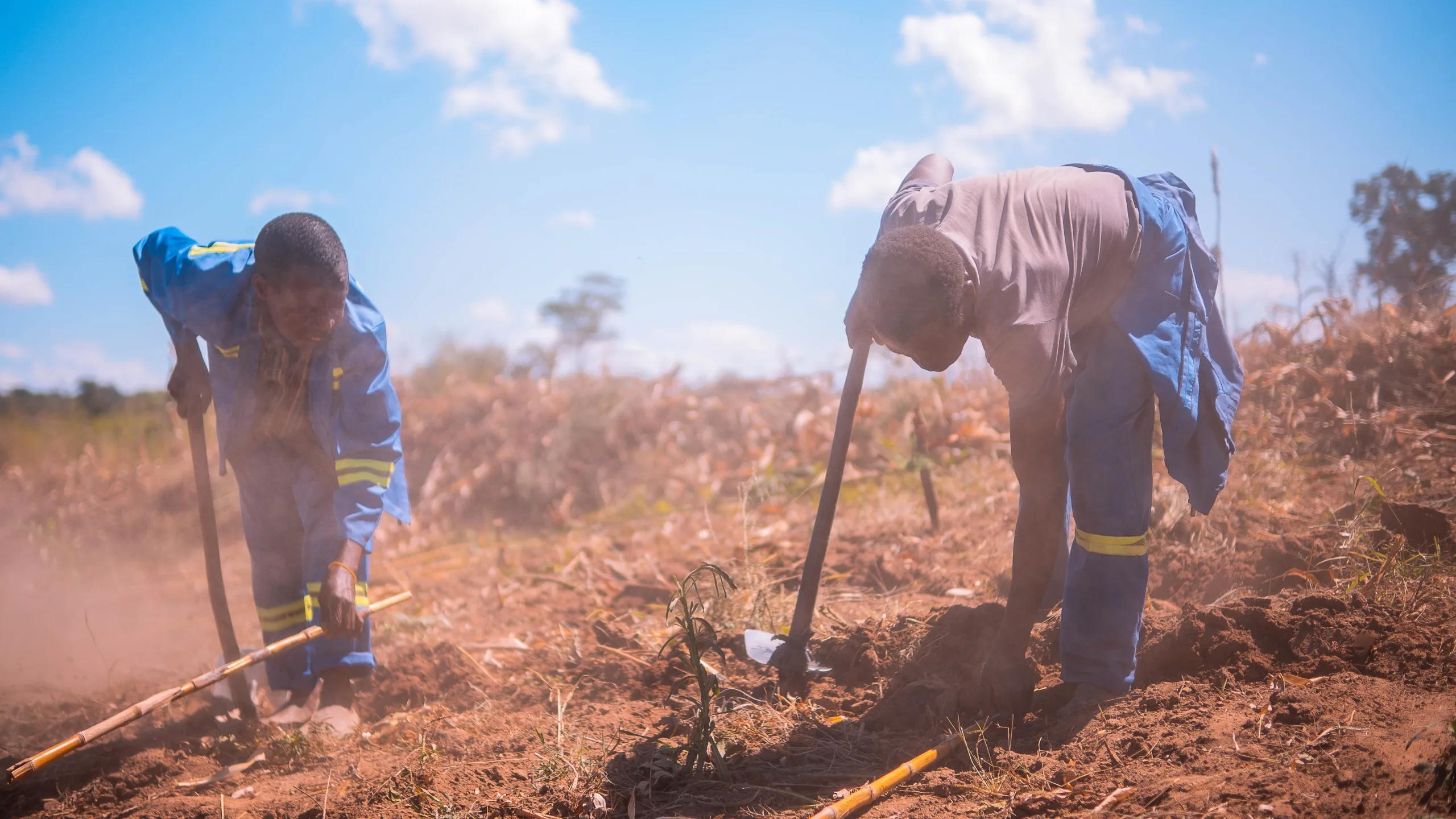
In Namuali, rows of green onions stretch across fields. Farmers move between the crops, checking irrigation channels and preparing for the next harvest.
Just a few years ago, this scene would have been difficult to imagine.
Largely dependent on rainfall, members of the EHORA [It's Time] Agricultural Association had limited resources. Production was small, opportunities were scarce and generating enough income to support families was a constant challenge.
The association received a gravity-fed irrigation system, seeds, fertilizers, a water pump, processing equipment, technical assistance and training in improved farming practices, with funding from CDDF.
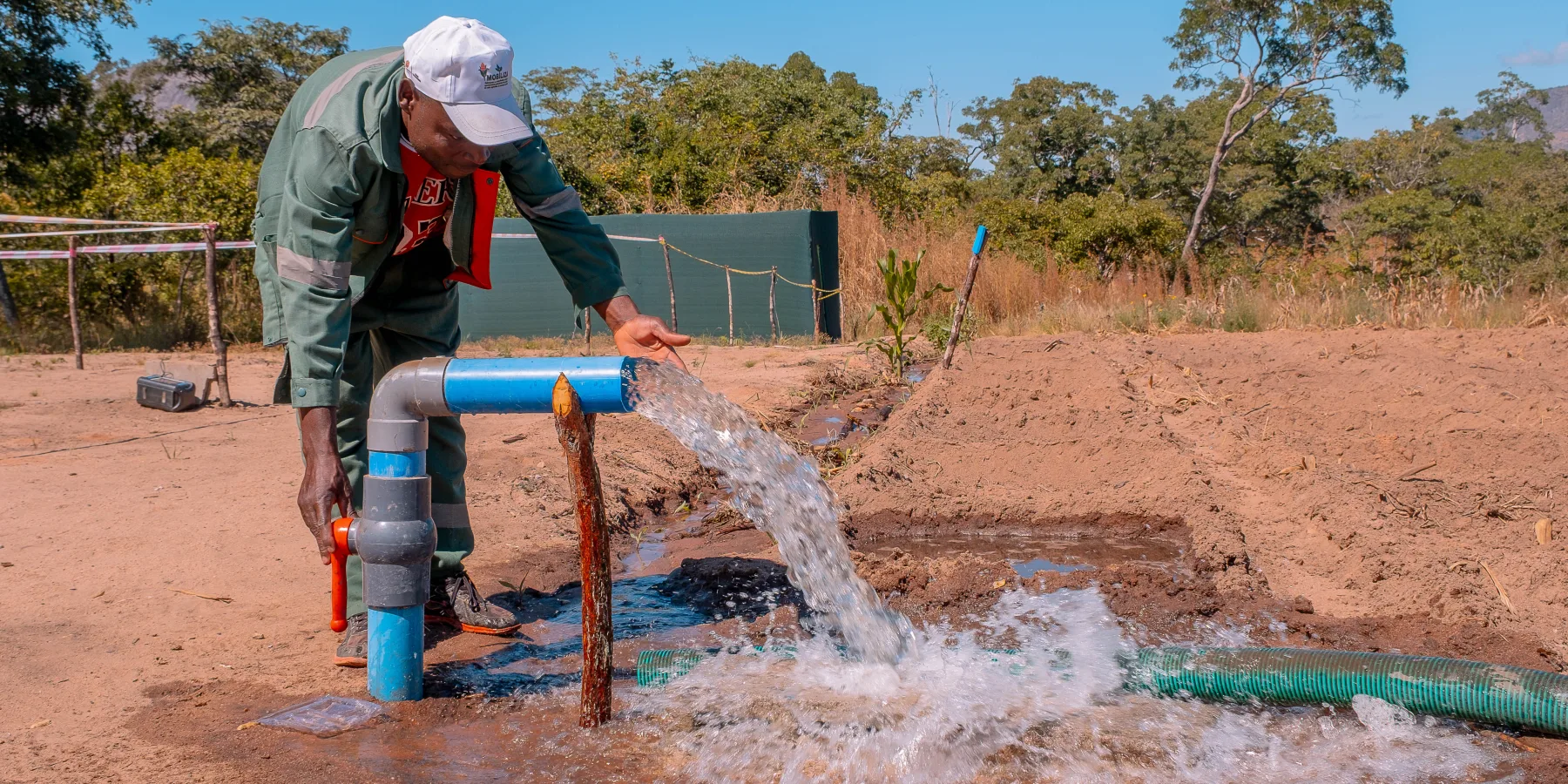
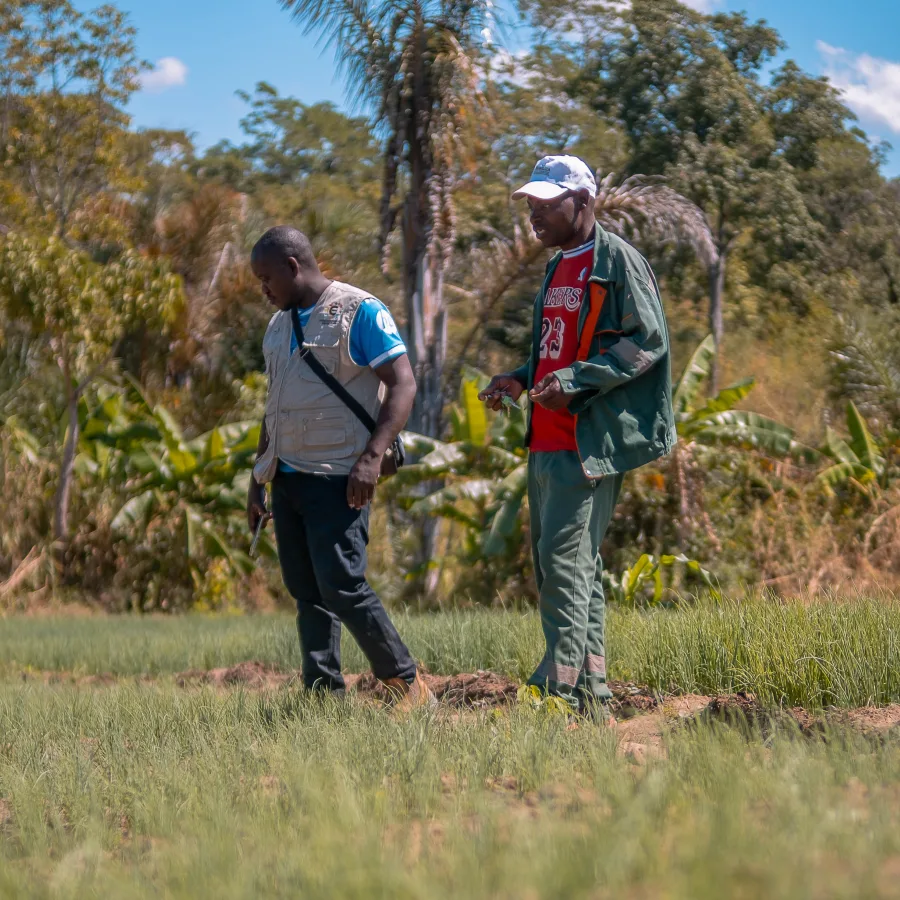
"With the support from the project, our community learned improved farming practices, including planting in rows, increasing crop yields and negotiating better prices with buyers," says Paulina Chuveque, a member of the association.
No longer fully dependent on seasonal rains, farmers can now produce crops throughout the year, improving food security and creating more reliable sources of income – and helping the community move beyond subsistence farming.
"Through the project, we produced more than 10 tonnes of onions, which we were able to sell," says Júlio Malieque, a member of the association. "The technicians helped us connect with buyers, and we received support to market our products."
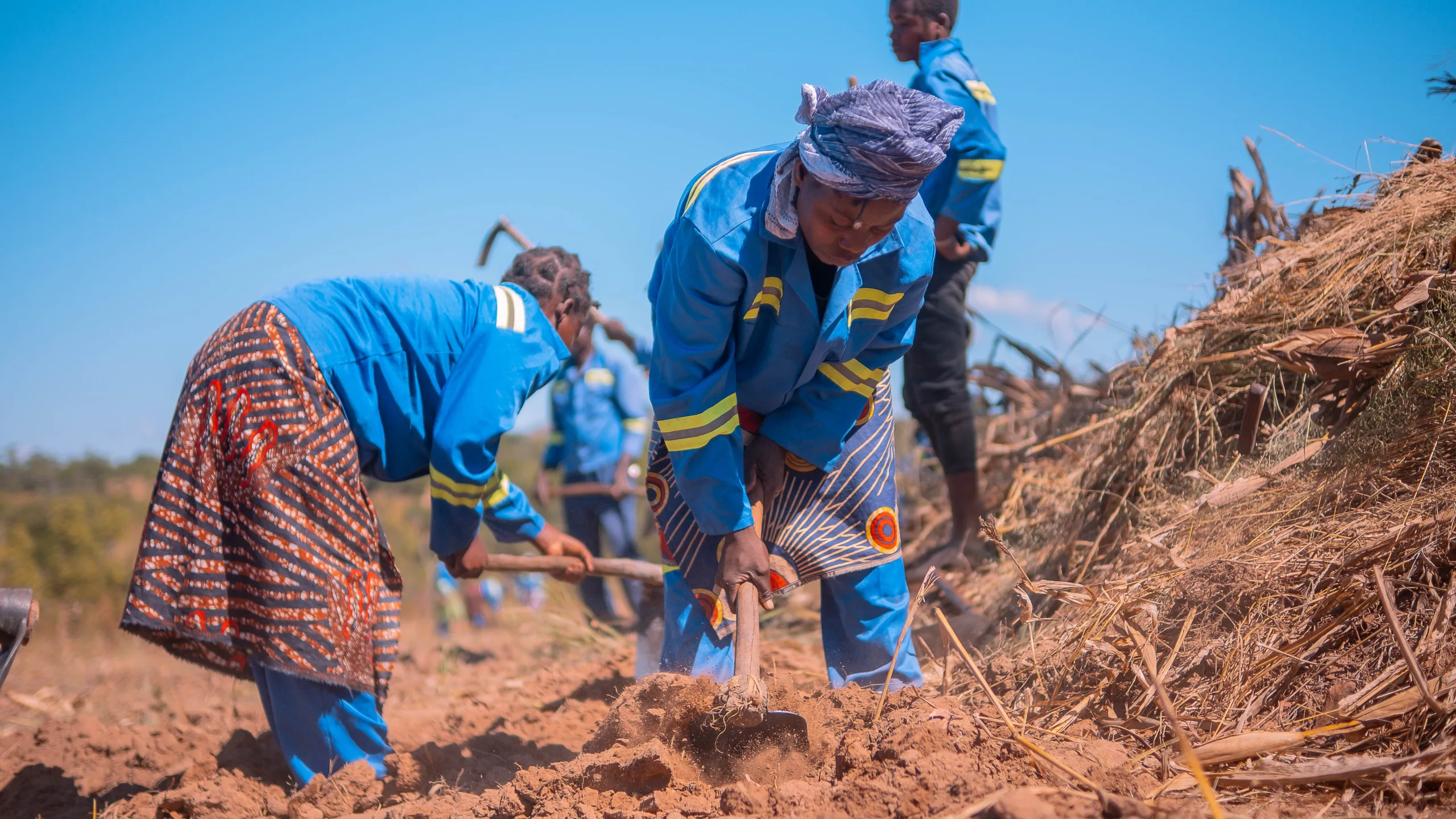
The association's next goal? Establish a local market where community members can sell their products more easily and strengthen local trade.
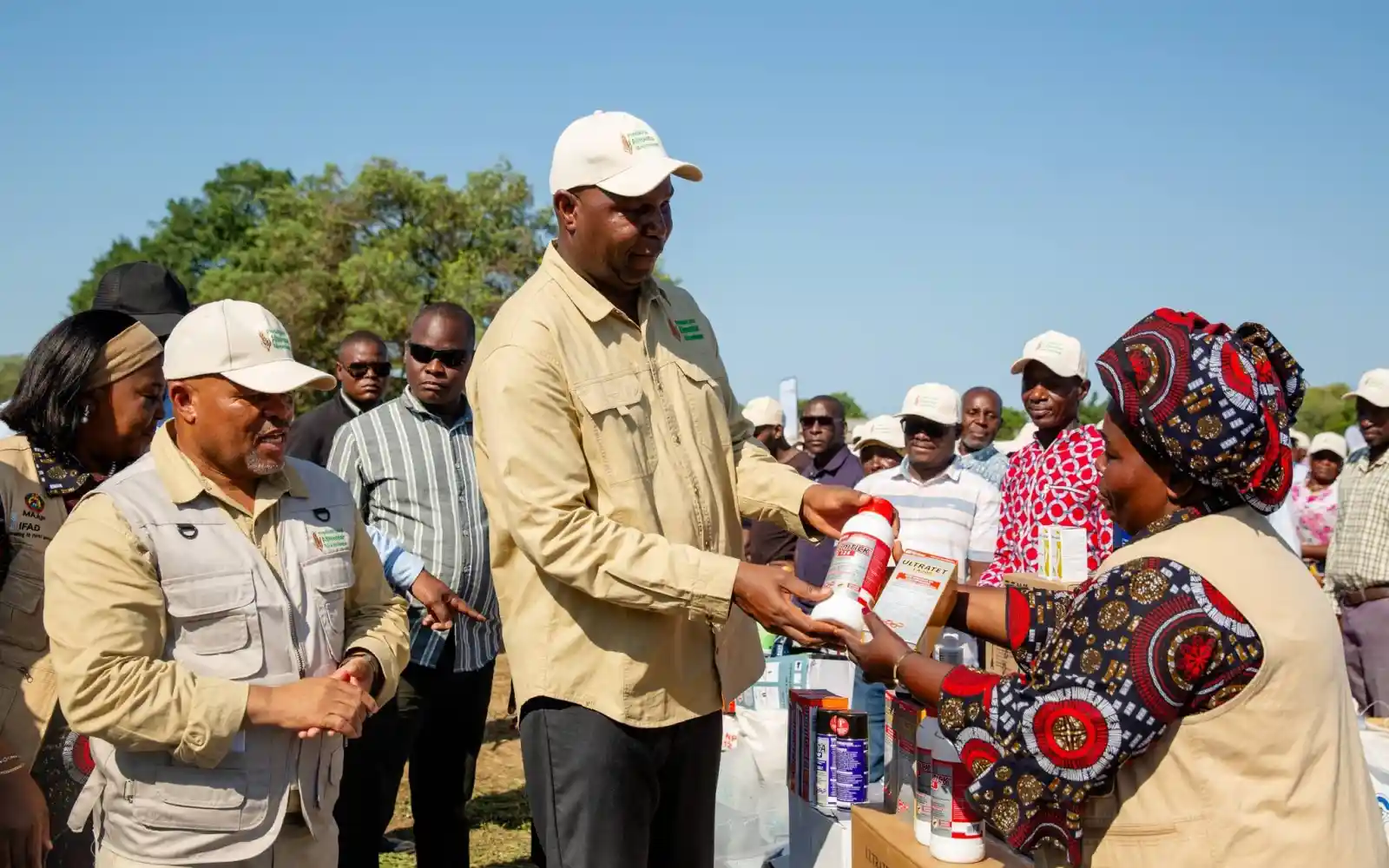
The association is also supporting another emerging farmers’ group within the community, sharing seeds, fertilizers and pesticides with them to support them as they increase their agricultural production.
What began as a small farming initiative has grown into a thriving business – helping a community move from subsistence to prosperity.
Safe water closer to home
Safe water closer to home
For years, the people of Cabaceira Pequena relied almost entirely on the Vasco da Gama well for their daily water needs. Before sunrise every morning, women and children walked long distances carrying buckets, often waiting in long queues to collect untreated water.
"We used to wake up very early just to fetch water. Today, the water points are close to our homes, and life has changed," says Salami Assumane, President of the Community Water Committee.
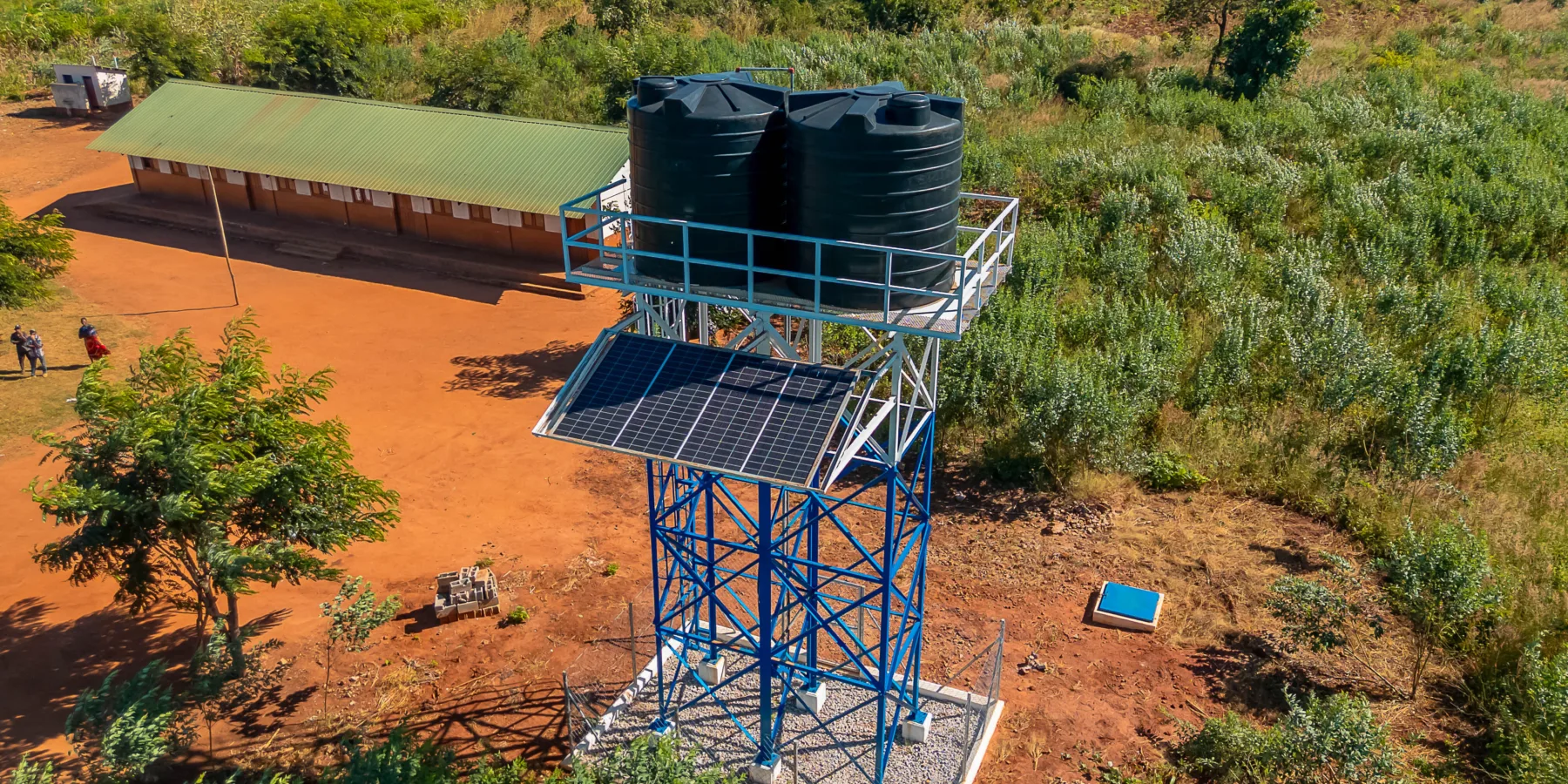
Identified by the communities as their highest priority, CDDF funded the construction of a modern water supply system to provide safe drinking water to the community.
The system includes a deep borehole, an elevated water tower, three public water points and a solar-powered pumping system – all bringing safe water closer to more than 1,000 residents.
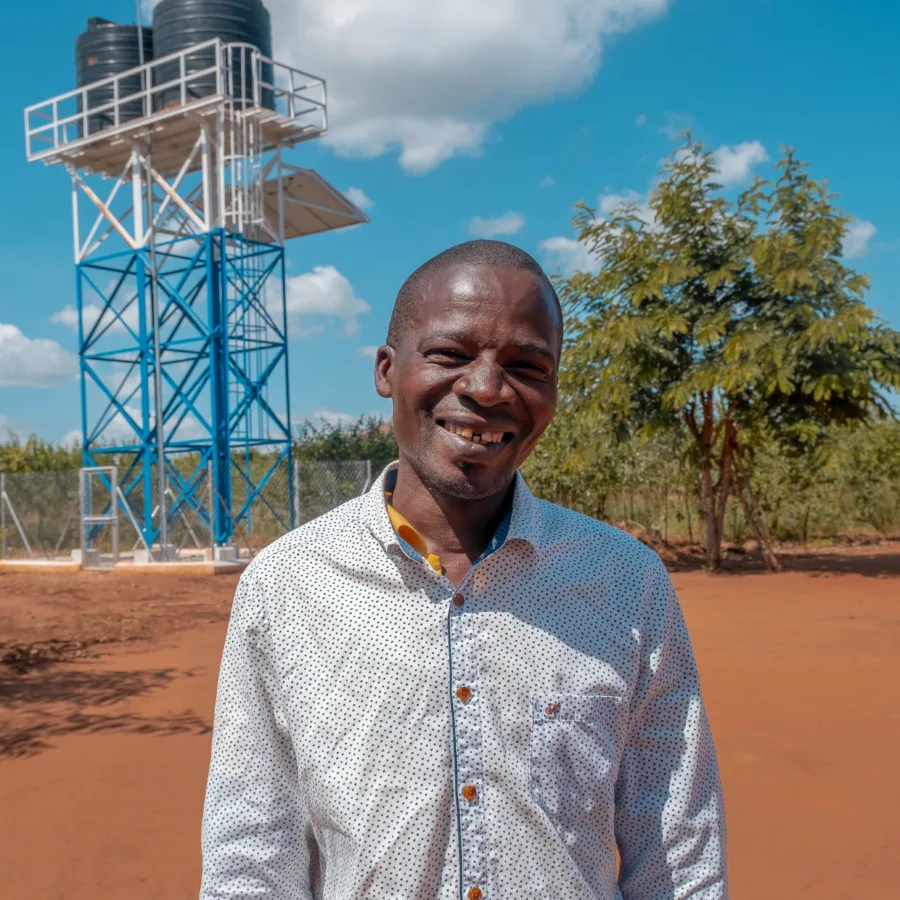
A community water committee – consisting of 8 women and 12 men – also received training on how to operate and maintain the system, building local capacity and fostering long-term sustainability.
"This project has given us more than water. It has given us the knowledge to manage our own system and the confidence to solve our own challenges," says Salami.
For every 20 litres of water collected, community members contribute 2 Meticais – less than a cent. The water committee manages the collected funds locally, using the money to maintain the water system and invest in initiatives that benefit the wider community.
The revenue generated has gone towards the purchase of a motorcycle used to help monitor the water infrastructure, chairs for community activities and cleaning materials to support the local health centre.
Now, families spend less time collecting water, children have more time for school, women have more opportunities for productive activities and the community has built a sustainable system that it proudly manages itself.
About the project
Global Goals we are supporting through this initiative: