

The United Nations Office for Project Services (UNOPS)
"Restoring a sense of dignity, relief and human connection": Q&A with UNOPS Lebanon
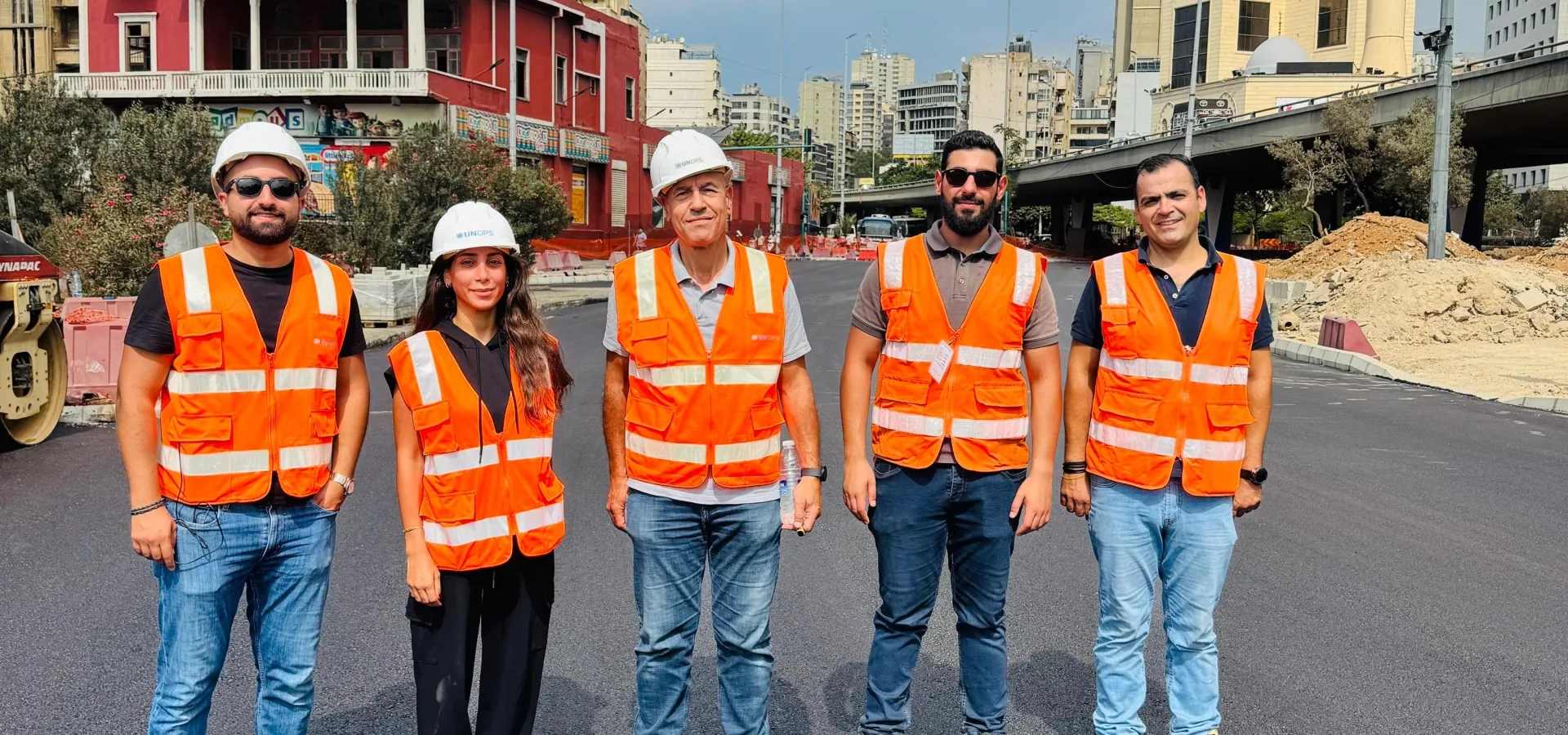
From personal displacement to dedication to deliver to communities, our Diana El Kojok shares how she and the UNOPS team in Lebanon are navigating the severe impact of recent conflict, helping to provide a lifeline for people in need in the most affected areas of Lebanon.
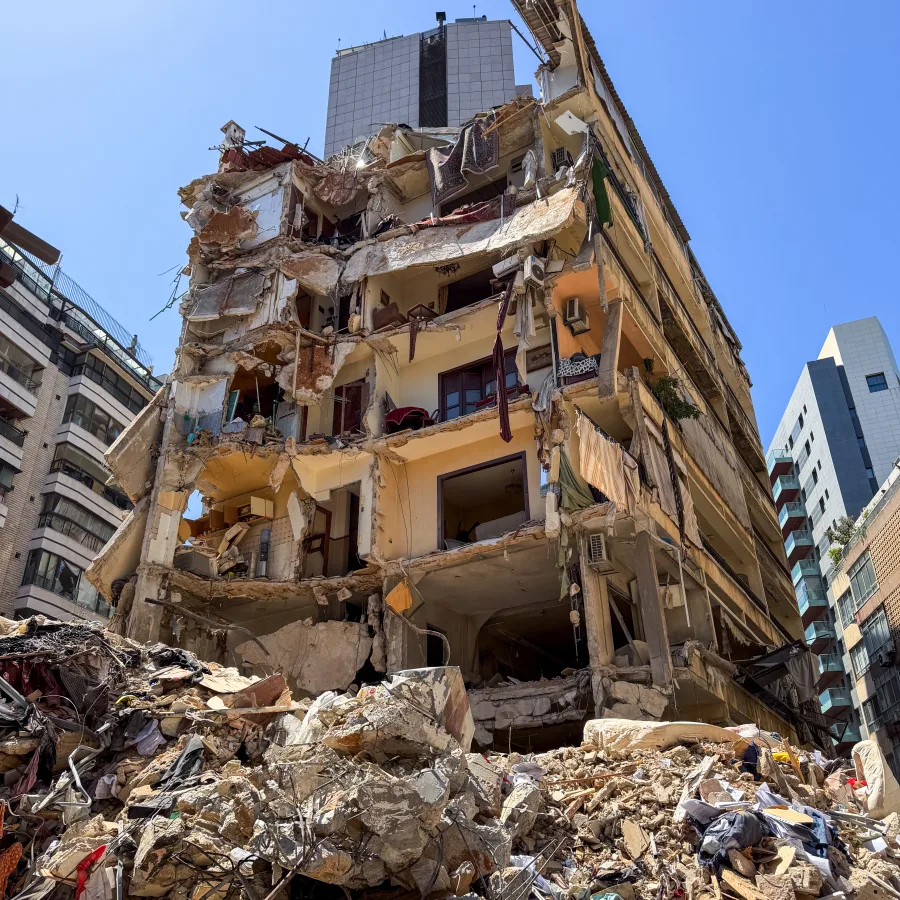
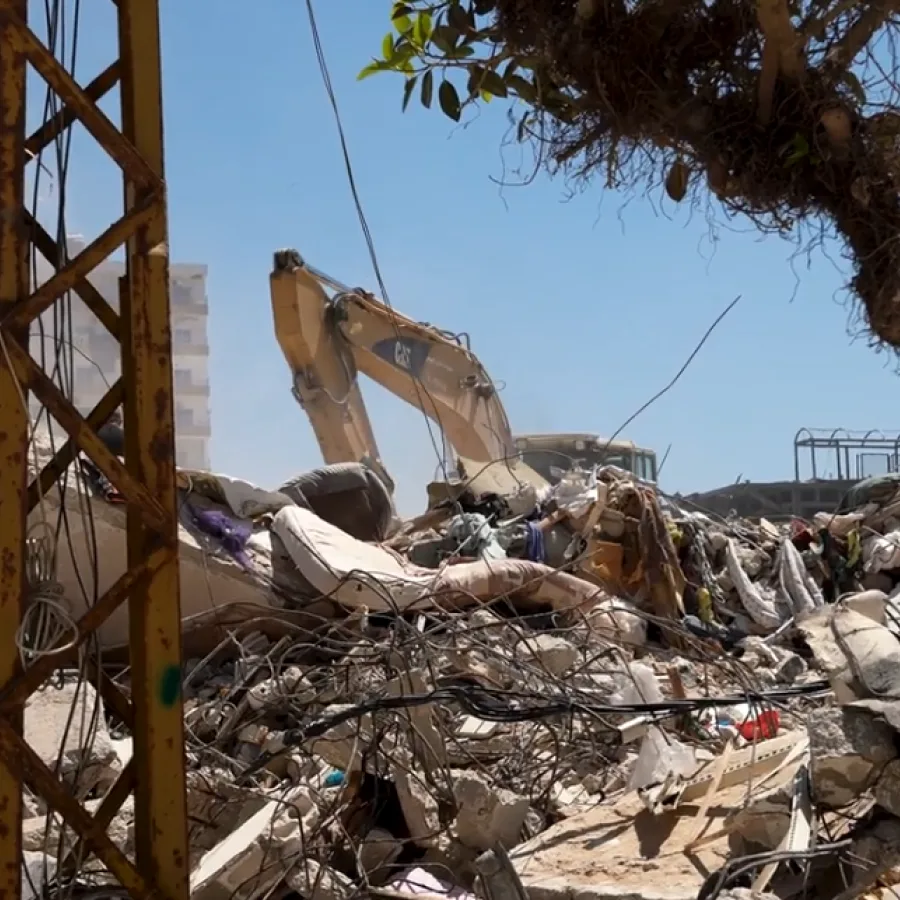
The recent conflict in Lebanon has profoundly disrupted the lives of people and our dedicated UNOPS personnel.
We sat down with our colleague Diana El Kojok to speak about the personal impact and what’s needed to sustain and support the vital work UNOPS undertakes.
Behind every UNOPS project is a team navigating a complex and volatile reality in Lebanon at the moment. On a personal level, how has the current situation in Lebanon impacted your daily life and members of your team?
The conflict has had a profound impact on both my personal life and work life. A few days into the conflict, I had to leave my house and relocate to a safer area. Some of my colleagues have had to do the same.
Daily routines are no longer predictable as concerns about security, access to basic services and the well-being of our loved ones are always present. Simple things like commuting, maintaining stable communication or even focusing for long periods have become more challenging.
Professionally, the situation adds another layer of pressure on the entire team. But the emotional strain that we are experiencing has strengthened our solidarity. We’ve become more understanding, adaptable and supportive of each other’s circumstances. Despite the ongoing challenges, the team has a sense of dedication to continue our work, recognizing its importance while prioritizing empathy and mutual support for one another.
Can you describe how the scope of your work has evolved to meet the immediate, shifting needs of the community as a result of this crisis?
Since the crisis escalated, our work has shifted to address urgent community needs, prioritizing rapid impact. We’ve had to become more flexible in implementation, adjusting timelines and deliverables, and relocating resources.
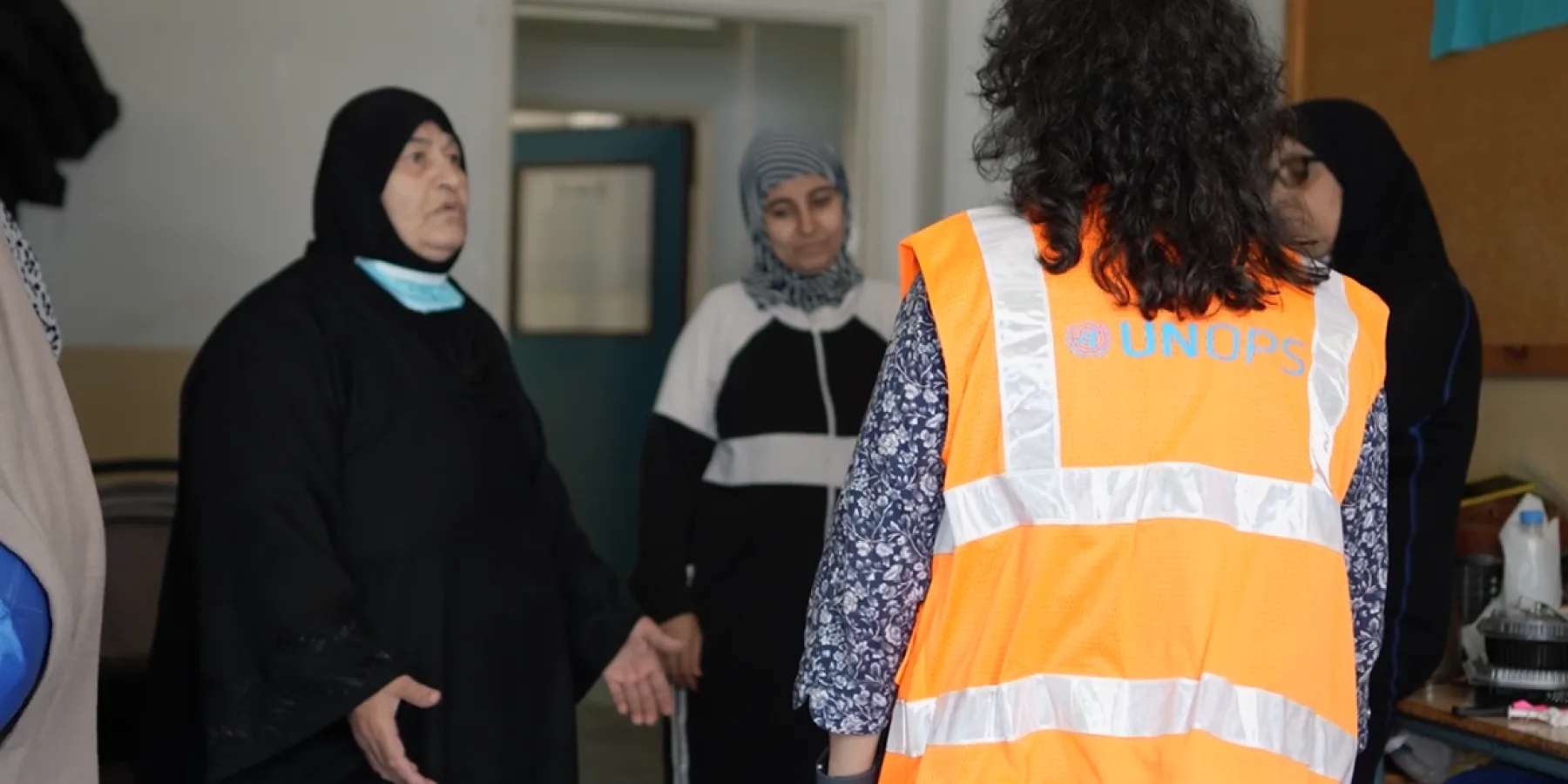
For example, as part of the ‘Sustainable integrated municipal actions (SIMA)’ UNOPS project, funded by the German government through KfW Development Bank, we continue to enhance municipal infrastructure, but also now to meet the needs of internally displaced persons (IDPs). This was done through prioritizing rehabilitation services – including water networks, roads, electricity and waste management – specifically in areas hosting high numbers of displaced persons.
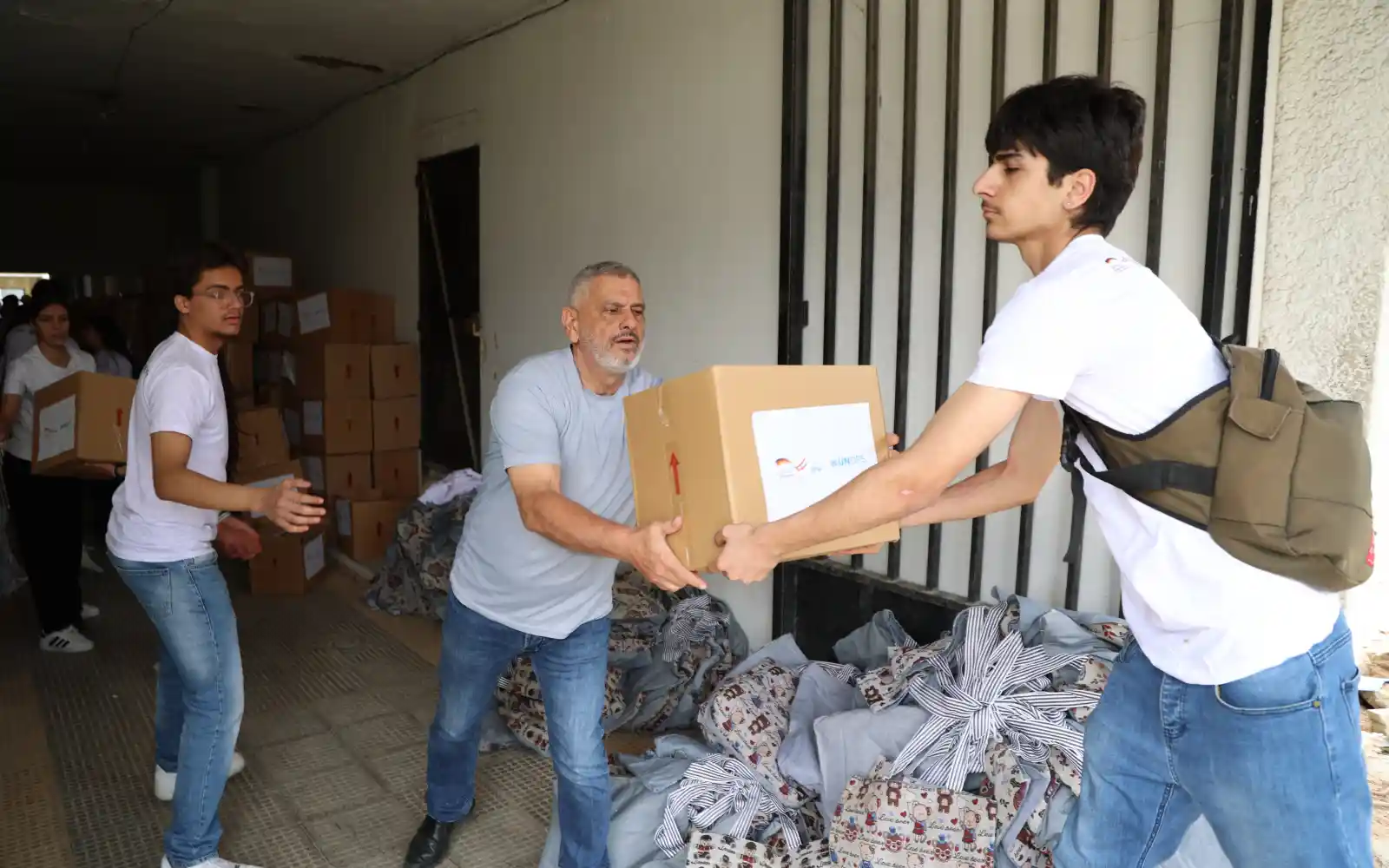
Heavy equipment previously procured to strengthen municipal capacity – like mobile lighting towers, tipper trucks, water tankers and forklifts – is now being repurposed to support emergency relief efforts.
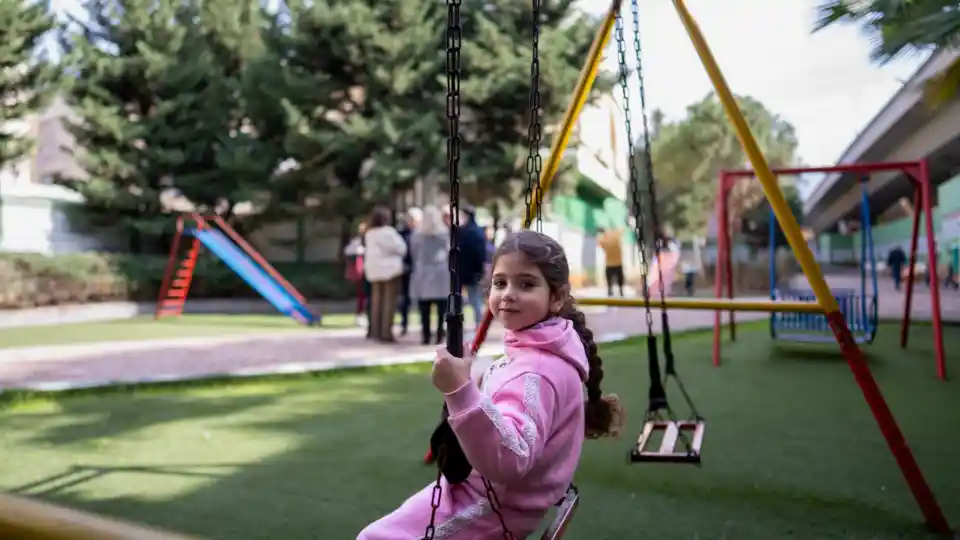
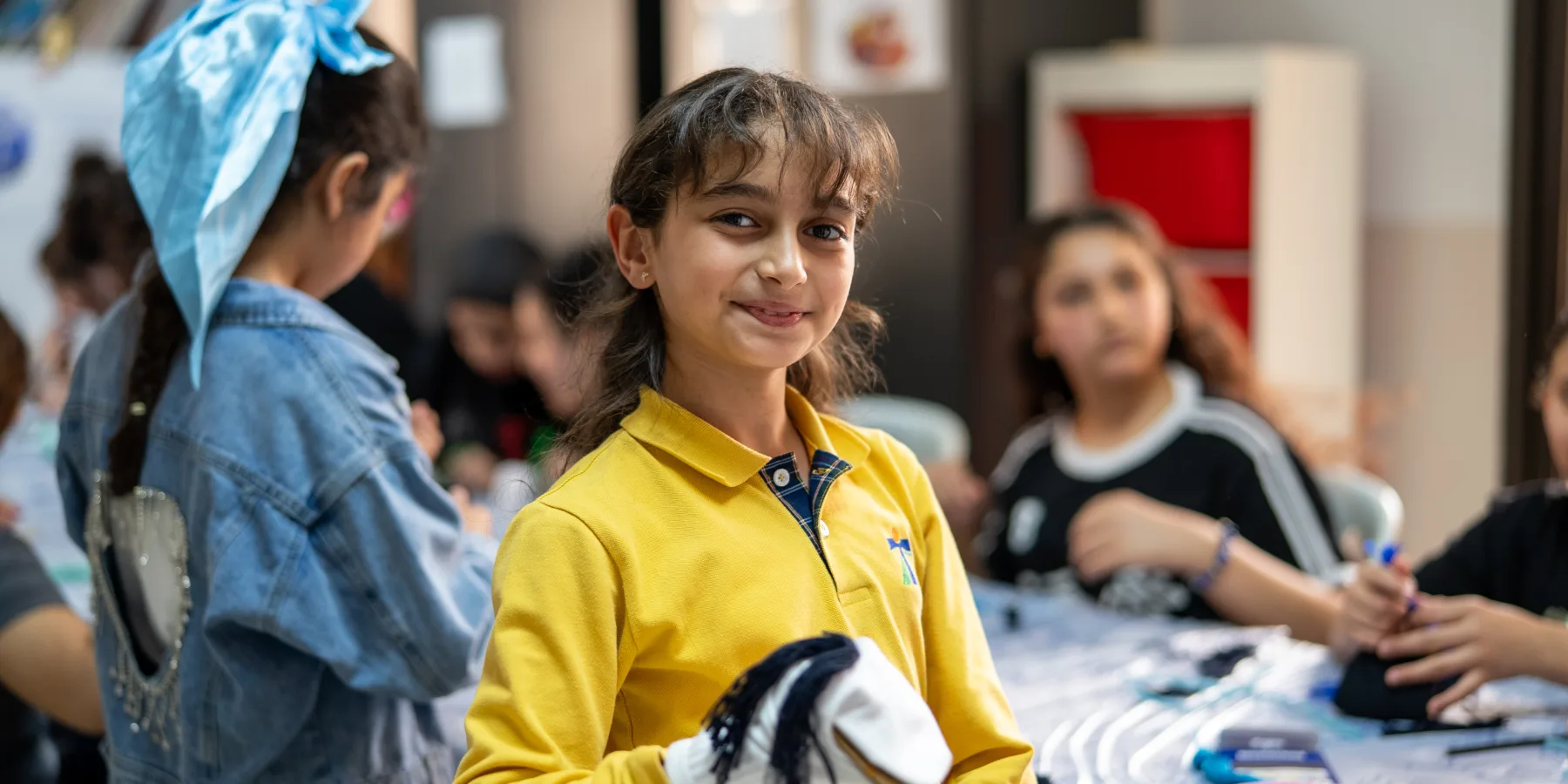
Beyond physical infrastructure, UNOPS is prioritizing psychosocial support with nine implementing partners through grant assistance. Thanks to this partnership we have created warm, welcoming environments where children can express themselves freely, reconnect with other children, and rediscover the simple joy of playing together.
Additionally, we re-allocated funds to provide essential emergency items, ranging from water, sanitation and hygiene (WASH) supplies, to shelter materials like non-food items, blankets, mattresses and rechargeable solar lamps. This agile approach, coordinated closely with our partners, helps us remain responsive to the evolving needs on the ground.
In the current context of Lebanon, what specific strategies or 'on-the-ground' solutions has your team implemented to ensure that project delivery continues despite the logistical and security hurdles?
In Lebanon's current context, our team has focused on keeping our projects going. We rely on our local partners and a strong network of communities to navigate access and security constraints.
We have proactively diversified our supplier pool to reduce dependency on disruptions in the supply chain. In addition, due to the uncertainty of the situation, we decided to follow an adaptive planning approach where short cycles can help us achieve small milestones and consider potential contingency scenarios. Remote coordination helped us continue site monitoring when staff safety protocols were enforced and access was limited.
The projects UNOPS implements are ultimately about the people they serve. How has the local community responded to these efforts, and is there a specific moment or interaction that stands out to you as a reminder of why this work matters right now?
People in Lebanon have been incredibly supportive. They are engaged and appreciative of our projects, especially considering that the services provided under SIMA directly affect their daily lives.
Multiple moments have stood out to remind me why our work matters. Perhaps the most recent was when UNOPS opened the Bourj Hammoud Garden. Seeing local residents alongside displaced people using the space was just a different feeling.
Watching children play and people connecting, despite everything happening around them, was touching. It showed how something simple can restore a sense of dignity, relief and human connection.
In a landscape that feels increasingly unpredictable, do you have a message you would like to send to our partners and the Lebanese people?
Despite all the uncertainty, UNOPS commitment remains firm. We did it before, and we will definitely continue to do it. We will continue to stand with people and partners, adapting to the challenges to provide essential services and support to reach those who need them most.

Diana El Kojok
Diana El Kojok is a Health, Safety, Social and Environmental (HSSE) Engineer with UNOPS Lebanon. Since joining in 2022, she has focused on implementing and monitoring HSSE standards across multiple projects. Driven by a commitment to risk mitigation and compliance, Diana helps ensure working environments are safe, efficient and sustainable.