


The United Nations Office for Project Services (UNOPS)
What does it really take to get aid into Gaza?
Three UN Monitors take us behind the scenes of humanitarian operations in Jordan, Cyprus and Gaza.
A UN Monitor's day can involve checking pallets in a warehouse, coordinating a vessel's loading plan or travelling to a distribution point in Gaza.
The work varies considerably depending on the location, but each task is part of a much larger effort to get humanitarian assistance to the people who need it.
Through the UN2720 Mechanism for Gaza, implemented by UNOPS, UN Monitors work alongside authorities, humanitarian organizations and operational partners to facilitate and monitor the movement of humanitarian supplies.
Much of this work takes place behind the scenes, dealing with the practical challenges that can determine whether a shipment moves forward or remains delayed.
Three UN Monitors share what their work looks like in practice.
Jordan: Keeping humanitarian supplies moving
Laure Venier, UN Monitor, Jordan
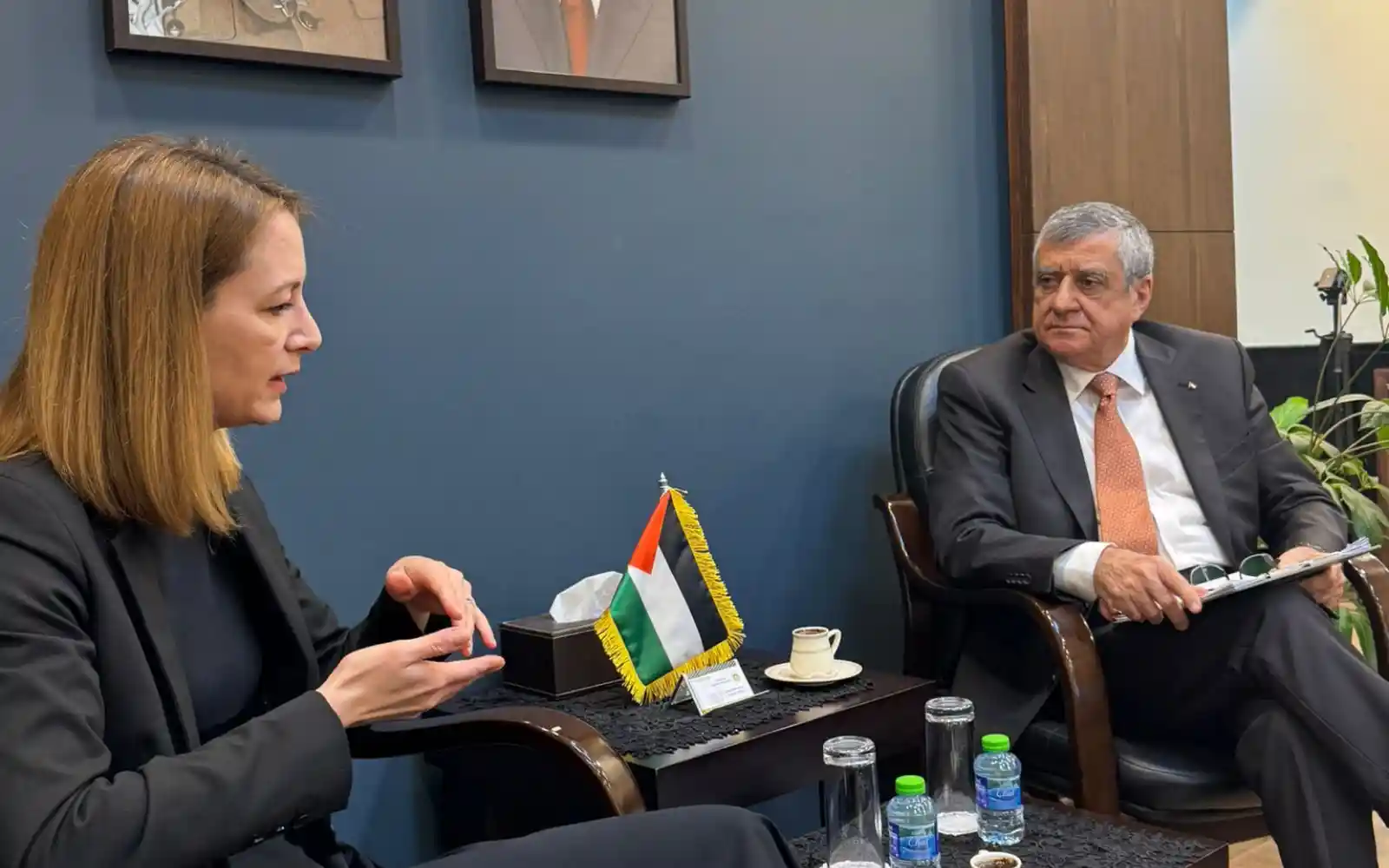
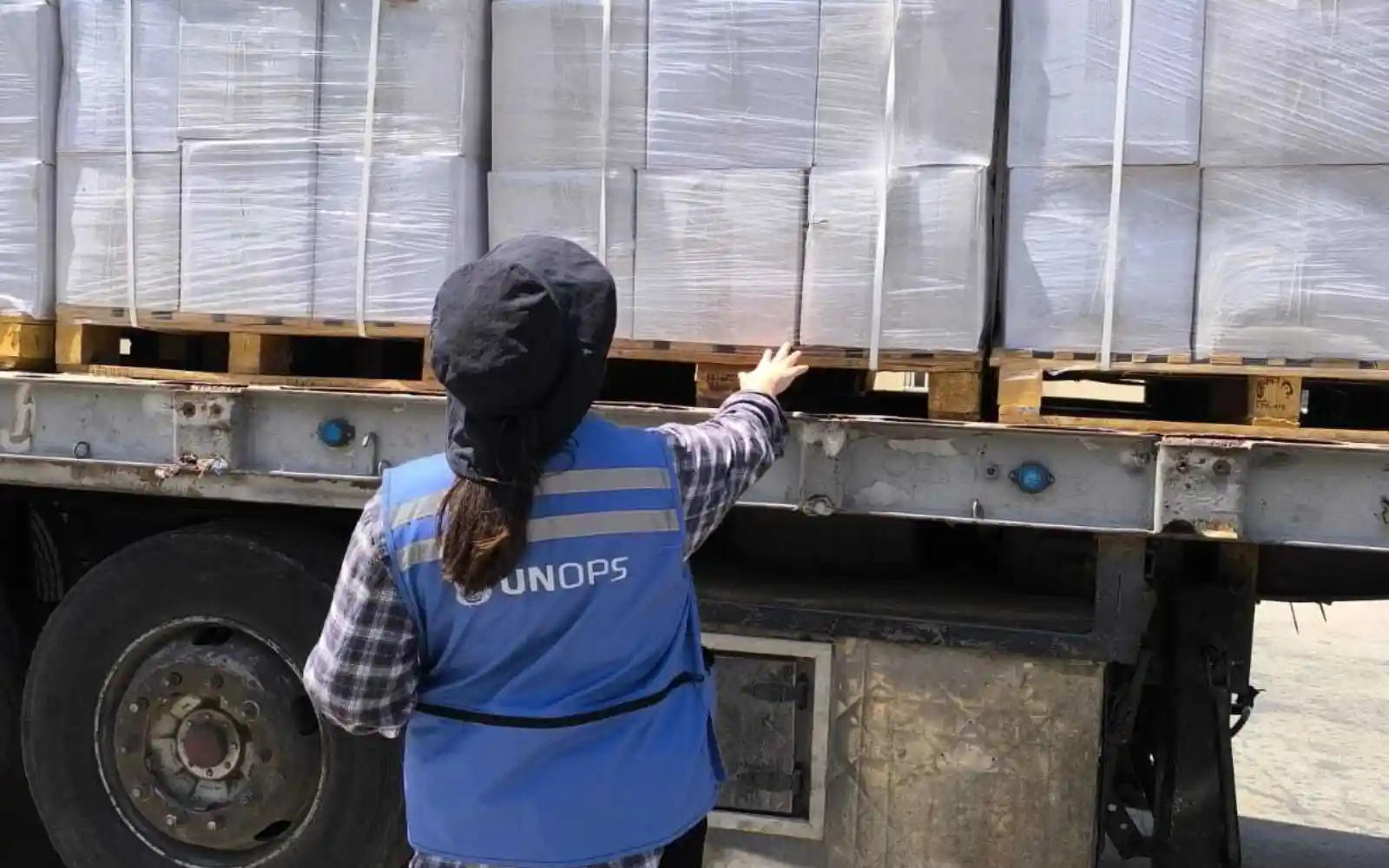
My role as a UN Monitor is about making sure life-saving aid, like food and medication, doesn't just sit idle in a warehouse in Jordan but can continue its journey towards the people in Gaza who need it most.
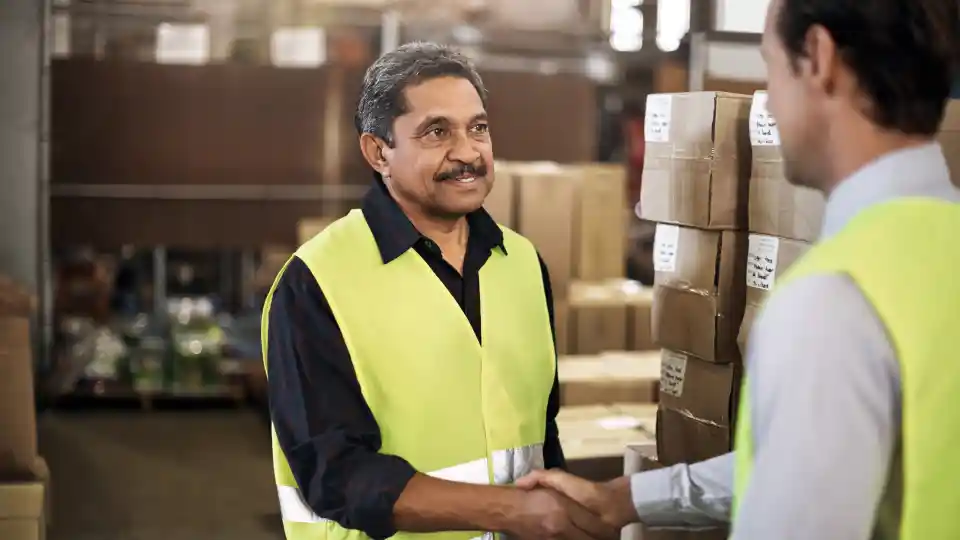
What that means on a daily basis is constantly shifting. Some days I spend long hours in a warehouse counting pallets. Other times, I'm on calls helping humanitarian partners navigate complex administrative processes, prepare their requests for approval or resolve customs documentation issues.
A lot of the job comes down to active problem-solving. We work with consignors to prepare their shipments, navigate administrative requirements and resolve issues that could otherwise hold up the movement of aid.
In addition to tracking the physical movement of aid, much of my work involves documenting the operational reality on the ground. A key part of my role is transforming raw logistical data into strategic, actionable reporting.
One of the biggest challenges is how quickly conditions can change. A delay of two or three weeks can mean the difference between vital supplies crossing the border or missing the window to enter.
Clearance procedures and operational requirements can also change, so we have to be ready to adapt and help our partners prepare their shipments accordingly.
There is a massive logistical effort behind every movement, involving many different organizations and individuals. Our role is to help partners navigate that process and keep the humanitarian supply chain moving.
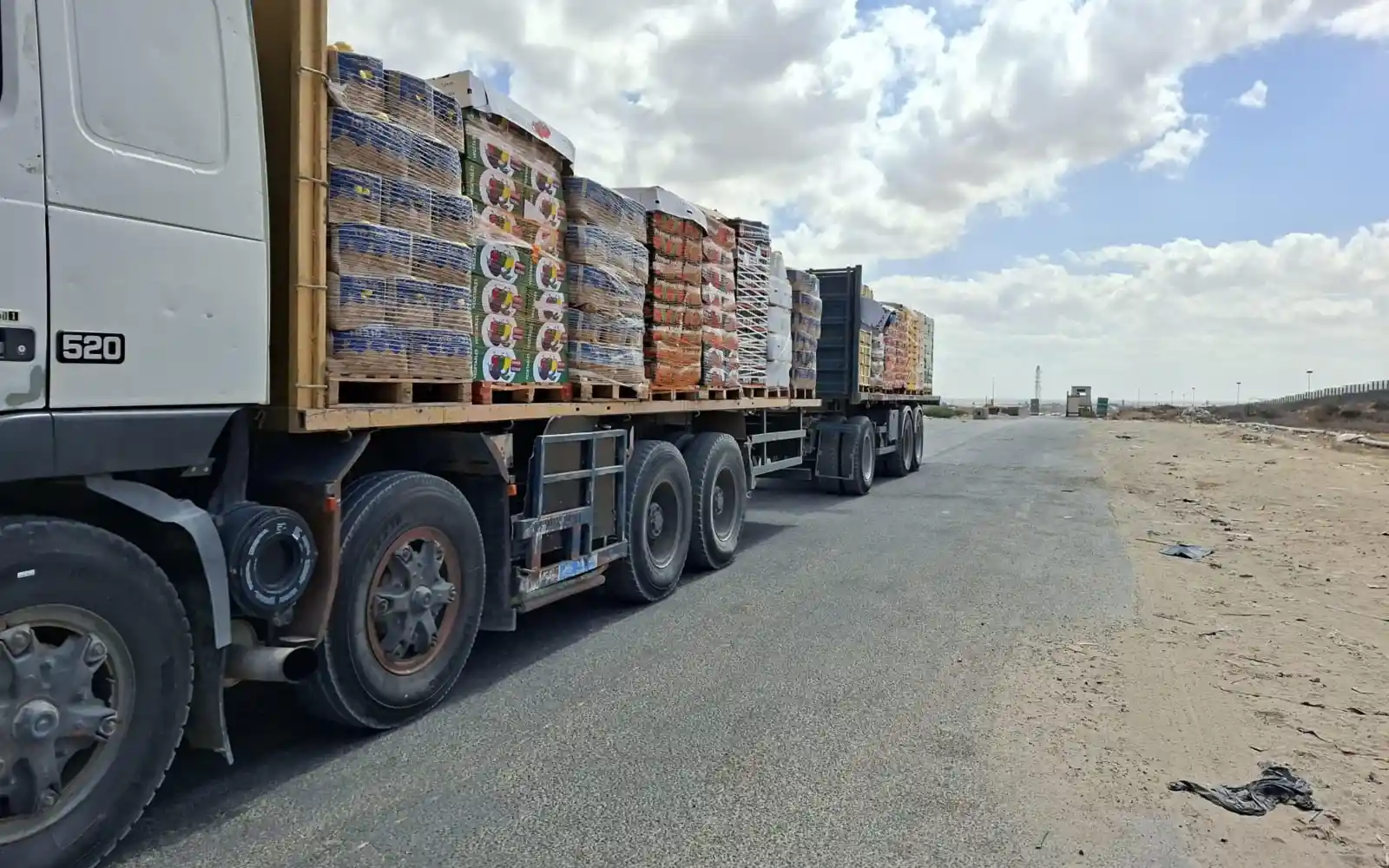
For me, success is seeing convoys fully loaded with much-needed humanitarian assistance actually crossing the border into Gaza.
After all the paperwork, the hours in the warehouse and the problem-solving behind the scenes, seeing those supplies finally moving towards the people who need them is what makes the effort worthwhile.
Cyprus: Managing a complex maritime operation
John-Marco Cecchini, UN Monitor and UN2720 Representative in the Republic of Cyprus
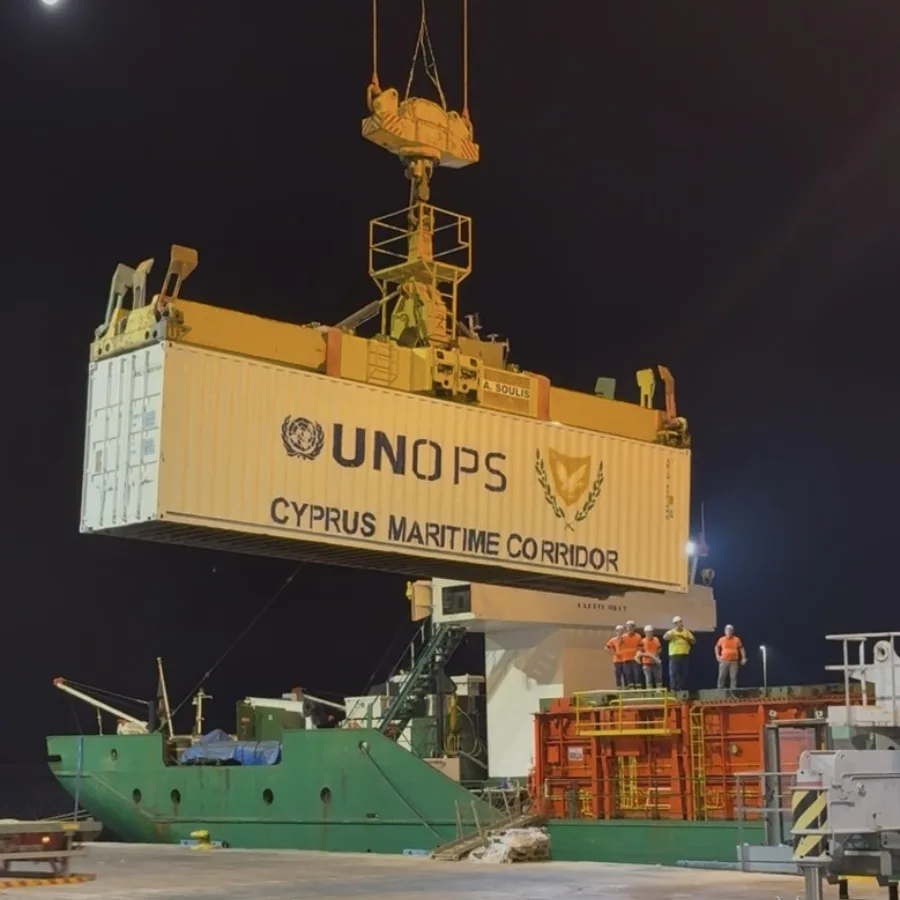
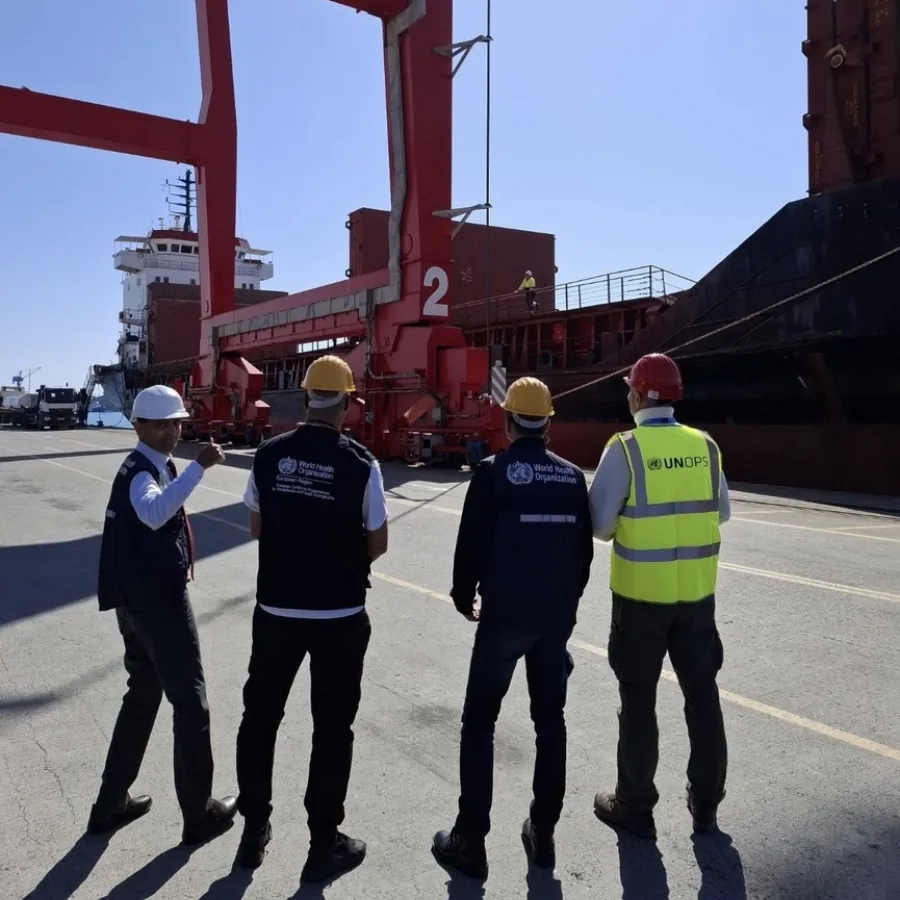
In Cyprus, I lead the day-to-day operational coordination of the Cyprus Maritime Corridor, working closely with the Cypriot authorities, humanitarian organizations, logistics providers, shipping partners and colleagues across the UN2720 Mechanism.
It is a very hands-on role, bringing together the different parts of a complex maritime operation – from cargo readiness, regulatory approvals and security inspections to port operations, vessel planning, shipping and onward UNOPS-coordinated convoys into Gaza.
What people may not always see is just how much has to come together before a vessel can depart.
Cargo must be ready and cleared, documentation finalized, and the vessel and port arrangements must align with the requirements for onward transport from Ashdod.
All of this involves different authorities and partners working across several locations, often under tight operational timelines.
Maritime operations rarely run exactly as planned. A vessel may be delayed, a berth window may change, cargo may require additional handling, or new requirements may appear at short notice.
A change in one part of the operation can quickly affect everything that follows.
Much of my work is therefore about anticipating problems, finding practical solutions and keeping everyone aligned so that the operation can continue moving.
It also means understanding the operational requirements of the different partners and finding ways to bring them together into one workable plan.
Success is when the problems never become the story. When we can absorb changes, keep the different actors aligned and move humanitarian cargo safely from Cyprus through Ashdod and onwards into Gaza, we have done our job.
When a complicated maritime operation looks straightforward from the outside, that usually means a lot of things went right behind the scenes.
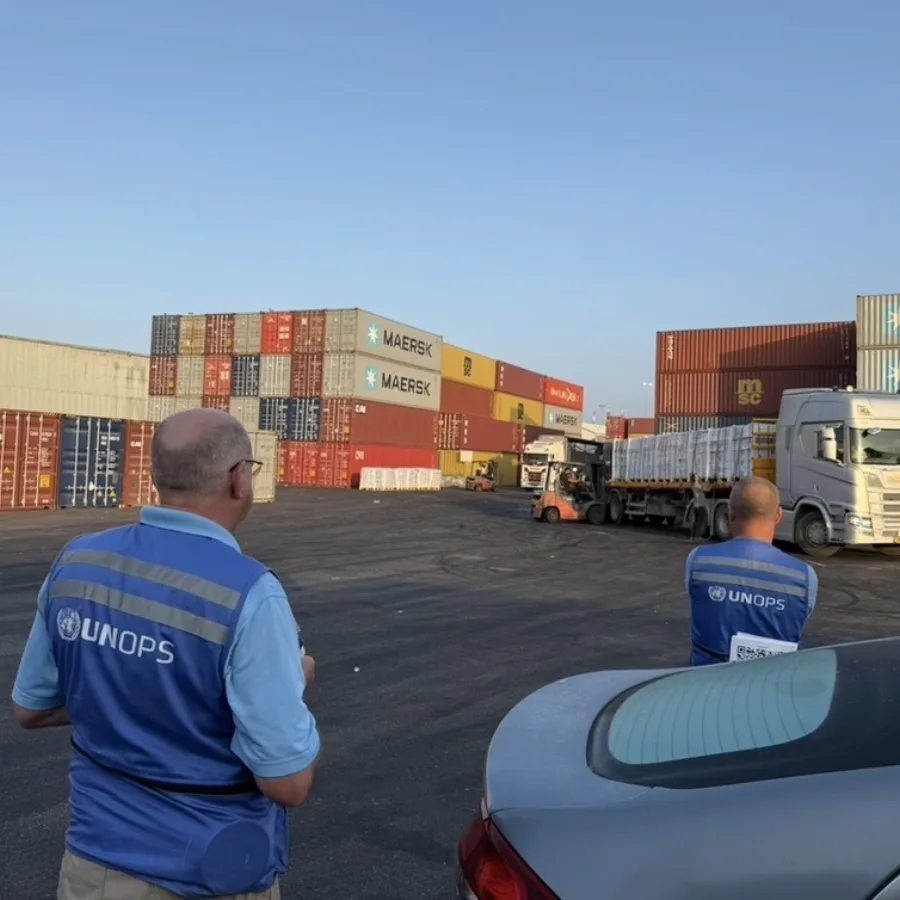
Gaza: Following the cargo beyond the crossing
Serghei Gabatiuc, UN Monitor, Gaza
In Gaza, my role is to monitor humanitarian cargo as it moves through the different stages of the supply chain.
My work starts with reviewing and facilitating consignor requests and the necessary regulatory clearances, but it also involves working directly in the field.
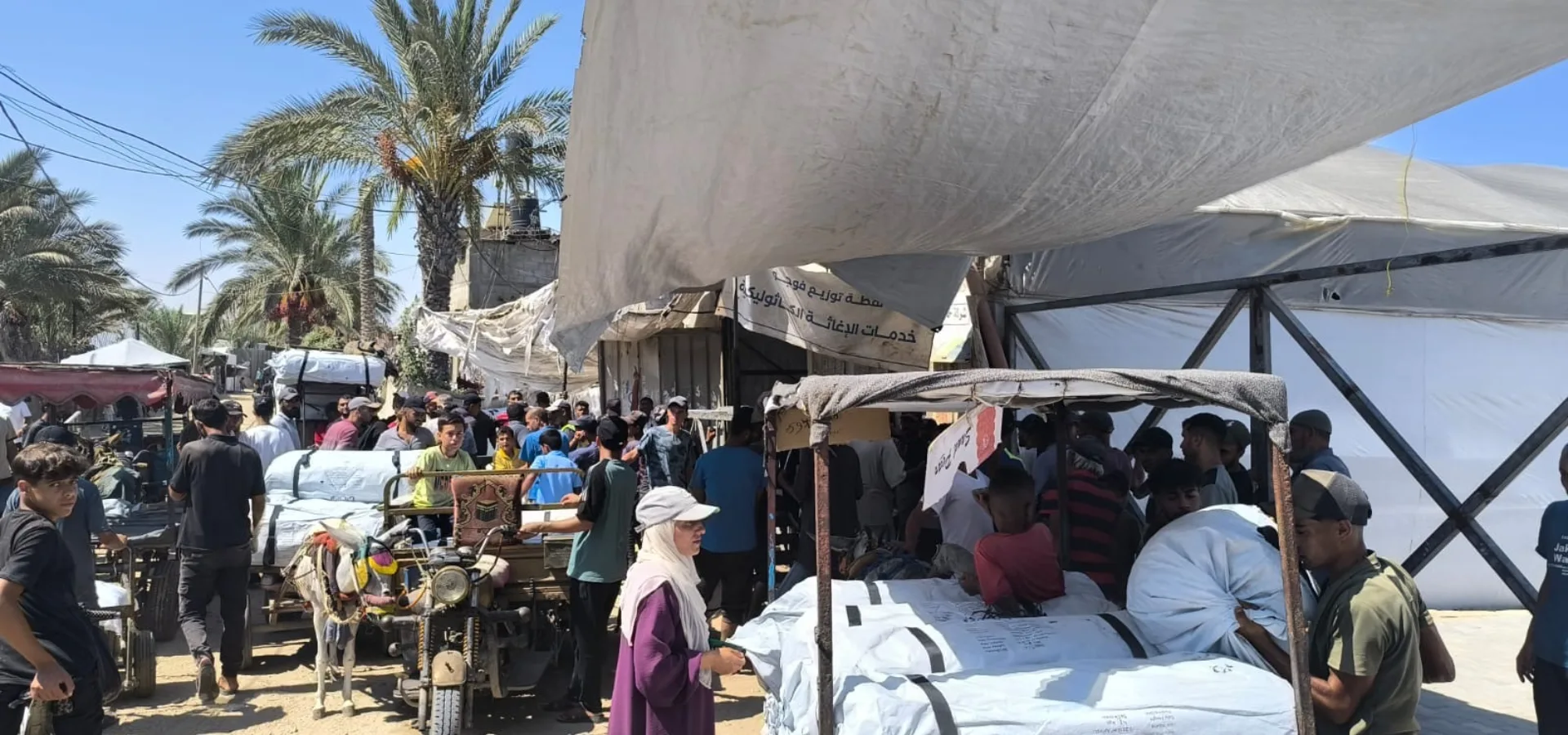
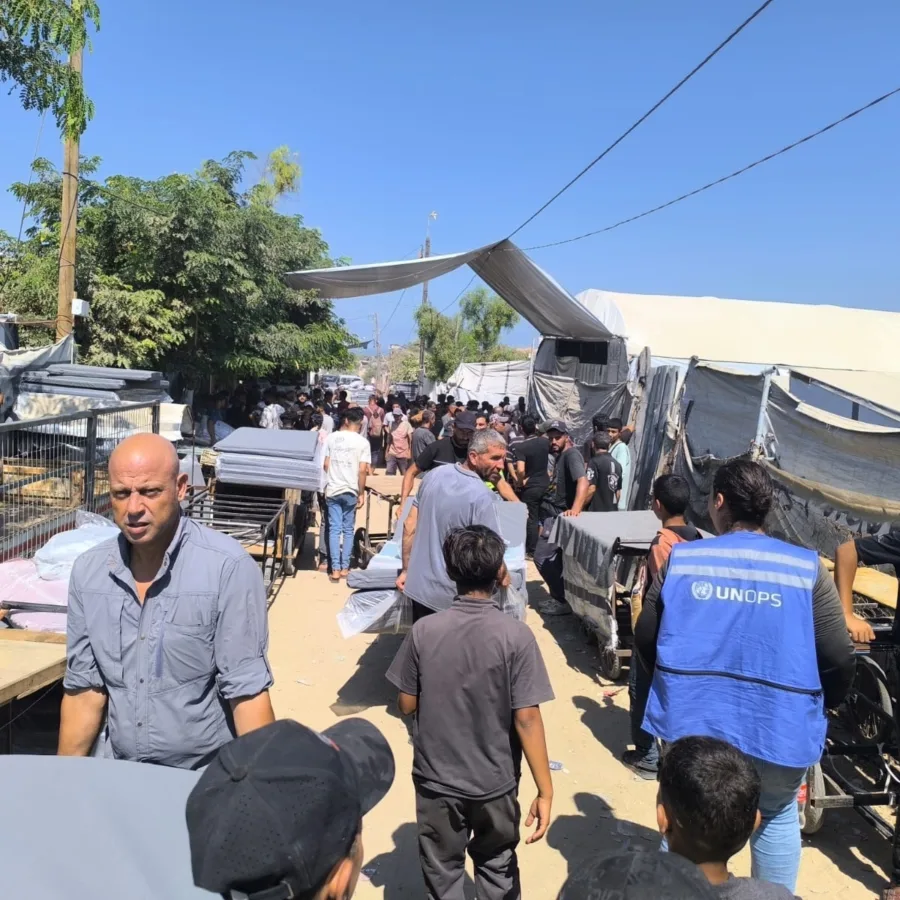
I operate at crossing points to monitor incoming shipments, conduct warehouse visits to verify that stock is properly managed and accounted for, and follow up at distribution points to monitor the delivery of humanitarian assistance to its intended recipients.
One challenge that people outside the operation may not always see is the uncertainty surrounding our field missions.
We cannot always be sure that we will reach our destination or arrive on time.
A single mission can depend on security conditions, weather, road accessibility and coordination with different actors. A sudden change in any of these can delay or even cancel a planned movement.
A lot of our work involves assessing risks, adjusting plans and keeping colleagues and partners informed so that we can continue our monitoring activities safely.
For me, success is seeing the entire process come full circle. Once a consignment has completed the administrative process and been approved for entry into Gaza, there is still important work to be done.
Seeing the cargo arrive at the crossing point, monitoring its storage in a warehouse and following it through to distribution gives us a clearer picture of what happens to humanitarian assistance after it enters Gaza.
When we can verify that supplies have reached their intended destination, we can see the result of the work carried out by colleagues and humanitarian partners throughout the supply chain.
More than monitoring
The three perspectives show how different the work of a UN Monitor can be, even within the same mechanism.
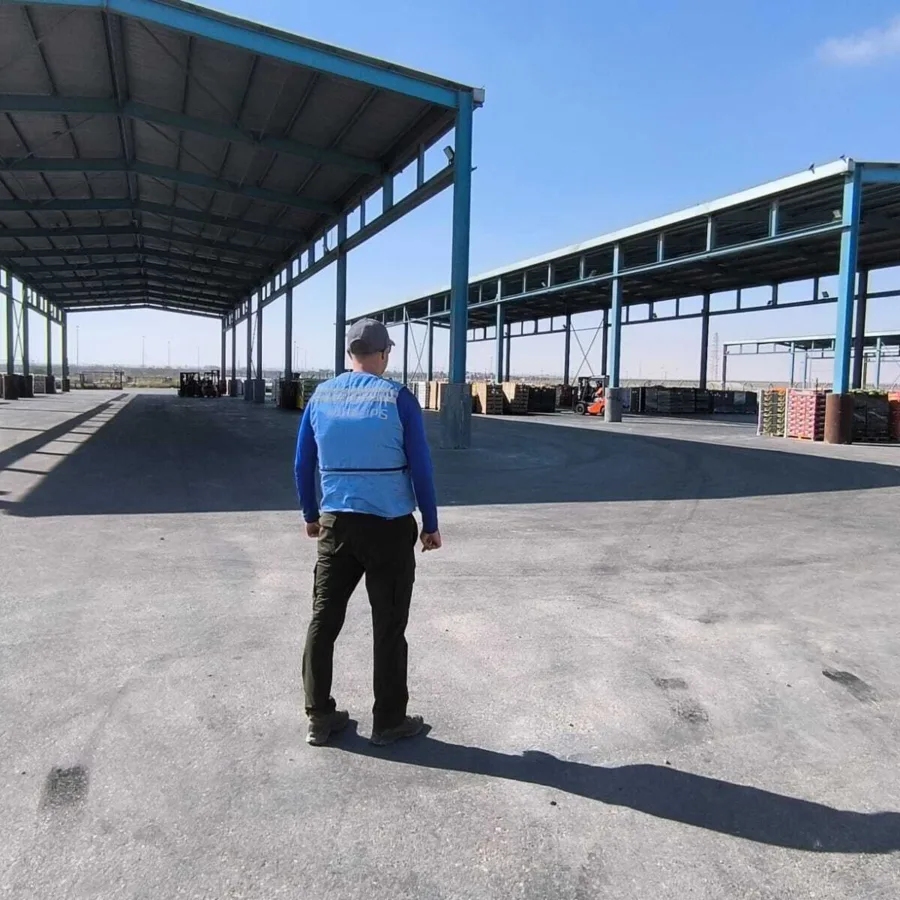
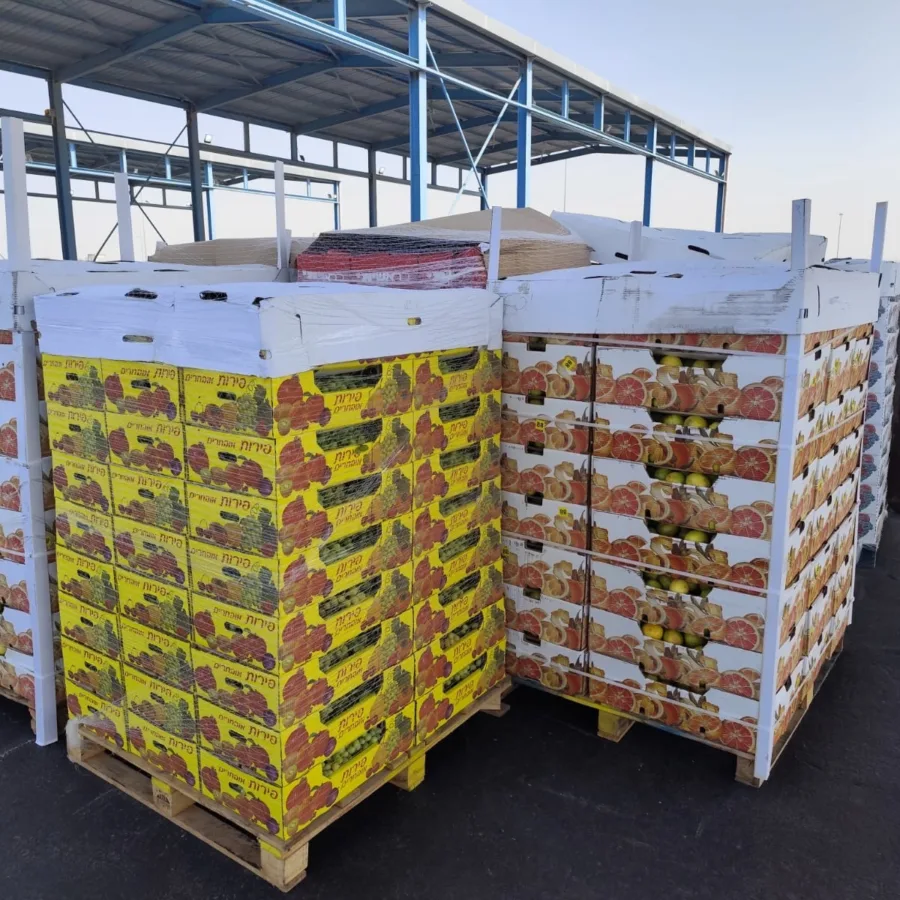
In Jordan, UN Monitors help consignors prepare shipments and navigate administrative processes, offering solutions to transport and customs issues, and can accompany inspected, palletized cargo all the way to crossing points.
In Cyprus, UN Monitors manage complex maritime operations, coordinating cargo readiness, security inspections, port operations, vessel planning, shipping and onward UNOPS-coordinated convoys into Gaza.
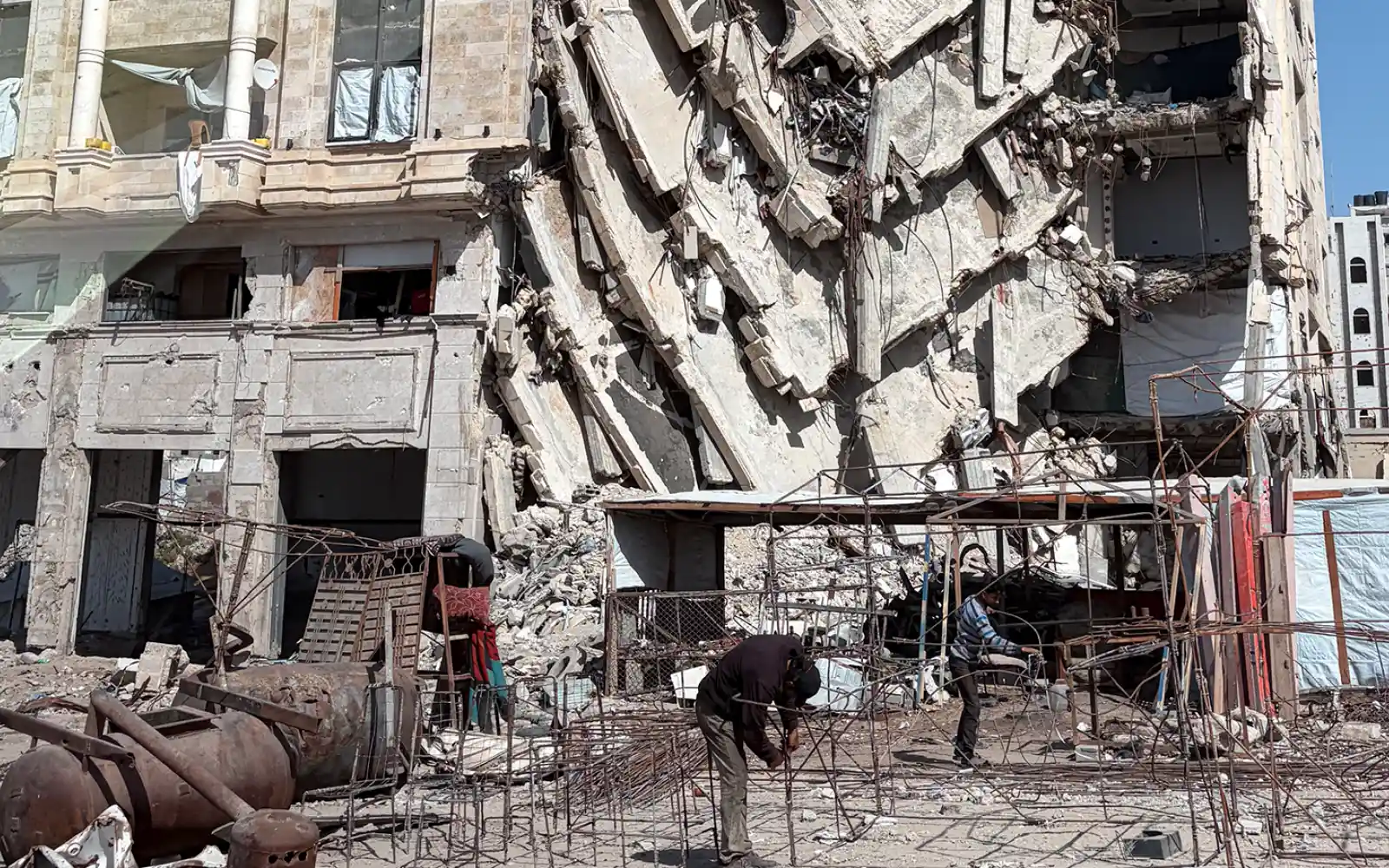
In Gaza, UN Monitors work under challenging security conditions to meet arriving cargo at crossing points, track its movement through warehouses and monitor its onward distribution to the intended beneficiaries.
Through the UN2720 Mechanism, UNOPS brings these different functions together, helping humanitarian partners address operational challenges and providing visibility across the supply chain.
Whether the day is spent in a warehouse, at a port or in the field, the work is about finding practical solutions that help humanitarian assistance reach the people who need it most – one pallet at a time.
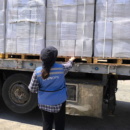
Laure Venier
Laure Venier is a UN Monitor based in Amman, Jordan. A dedicated humanitarian and protection specialist, she brings over eight years of field and coordination experience across the Middle East, Africa and Europe. Her previous work has primarily focused on complex conflict and migration environments through her roles with national governments, UN agencies and international non-governmental organizations.
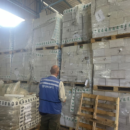
John-Marco Cecchini
John-Marco Cecchini is a UN Monitor and UN2720 Representative in the Republic of Cyprus, where he leads the operational coordination of the Cyprus Maritime Corridor. He has more than two decades of experience in international operations, maritime security and operational management, including previous assignments in Somalia and Libya, where he held senior operational and maritime advisory roles.
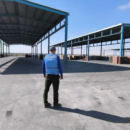
Serghei Gabatiuc
Serghei Gabatiuc is a UN Monitor based in Gaza for the UN Humanitarian and Reconstruction Mechanism. A seasoned professional with over 15 years of police experience, he specializes in civil security, public order, peacekeeping and humanitarian operations in complex environments. His career combines extensive police service and experience in cargo logistics. Prior to his post in Gaza, he served as a UN Police Officer in South Sudan, delivering specialized policing expertise and supporting protection of civilian operations.