



The United Nations Office for Project Services (UNOPS)
Safer maternal and reproductive healthcare services in Ukraine
Amid the ongoing war, UNOPS and UNFPA are working to enhance access to safe and accessible maternal and reproductive healthcare services, with funding from the government of Ireland.
Latest updates:
August 2026
- UNFPA and UNOPS have completed the rehabilitation of underground spaces at a second healthcare facility, Kharkiv Regional Perinatal Centre, creating a fully equipped facility that enables healthcare workers to continue providing essential maternal and newborn healthcare services during air raid alerts and attacks.
May 2026
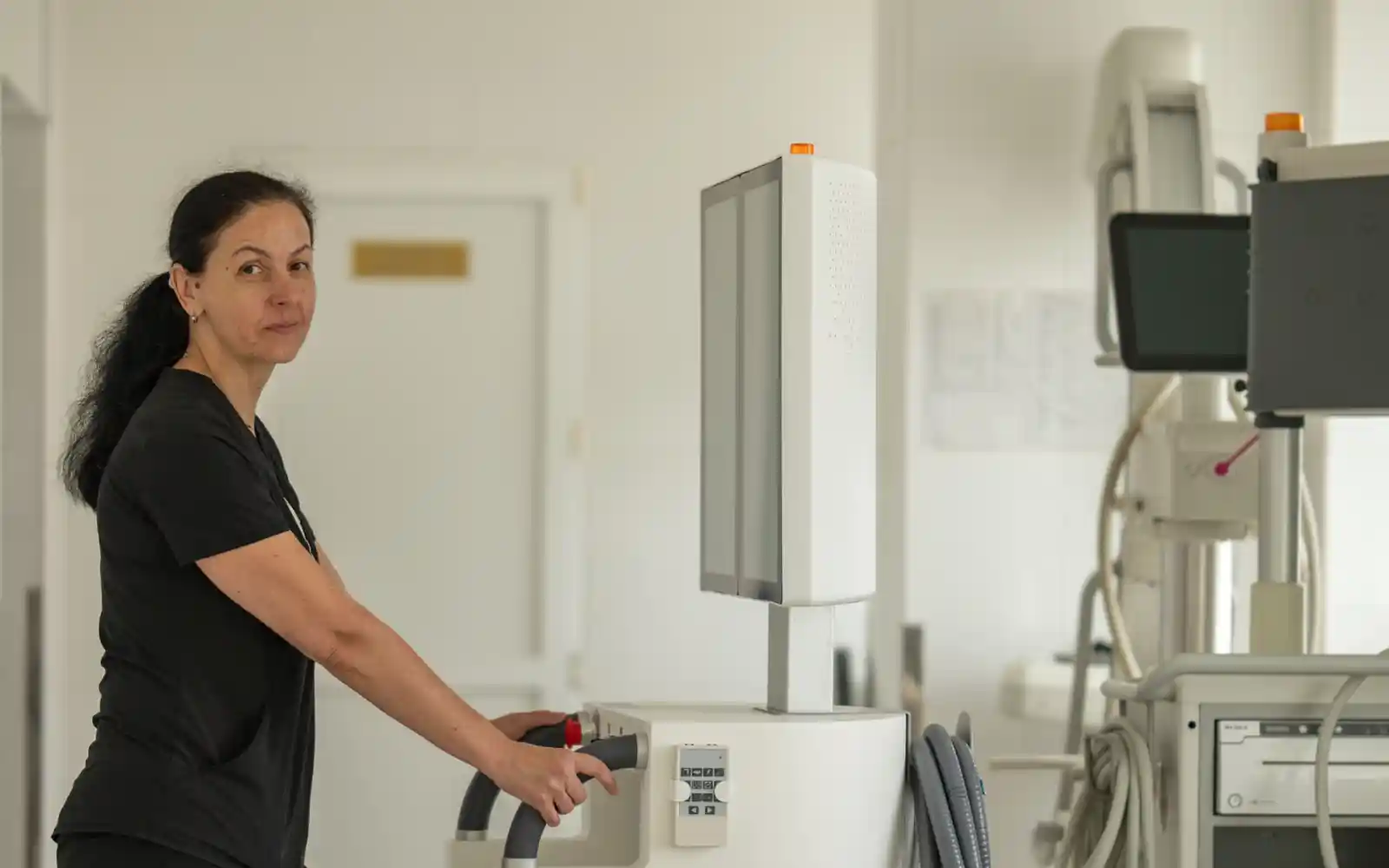
The basement of one maternity hospital has been fully refurbished, with all necessary furniture and medical equipment installed.
The security situation remains volatile in many parts of Ukraine. More than four years into the full-scale war, the country’s healthcare system continues to face immense pressure.
For women and girls, especially in frontline areas, access to life-saving sexual and reproductive health services, gynaecological care, support for survivors of gender-based violence, and essential ante- and postnatal care has been disrupted. Rates of premature births and required caesarean sections have reportedly increased.
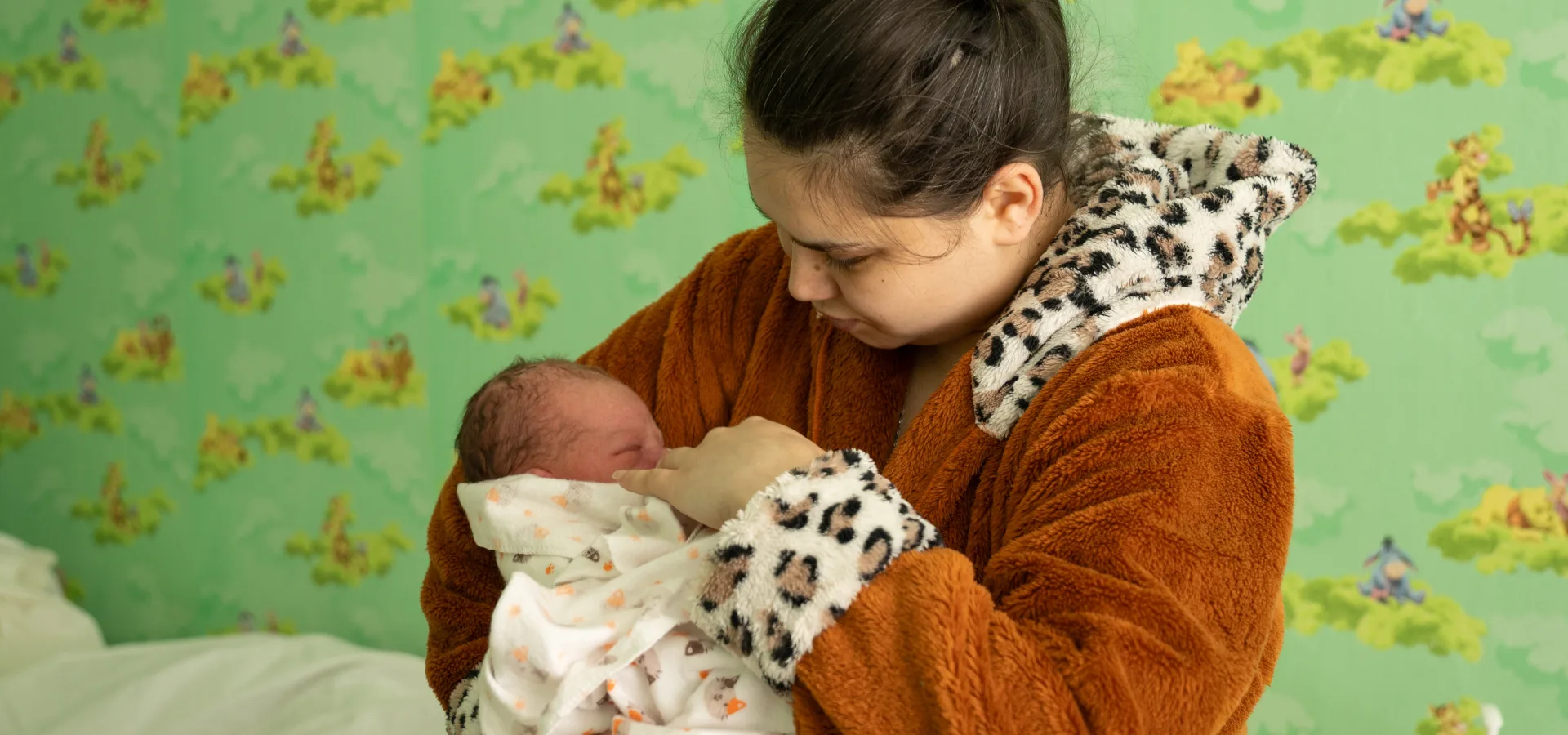
Safe maternal and reproductive healthcare services remain essential in communities affected by war. Through this partnership, UNOPS and UNFPA are helping strengthen healthcare infrastructure so that women and newborns can continue accessing care in safer and more dignified conditions.
To address these challenges, UNOPS and UNFPA are working together to strengthen access to safe and uninterrupted maternal, sexual and reproductive healthcare services in Kharkiv, with funding from the government of Ireland.
As part of the project, UNOPS will renovate and equip the existing basements of two maternity hospitals, enabling healthcare workers to continue providing essential services during attacks and air raids.
The underground units will support emergency treatment and medical care, including assistance during pregnancy complications, childbirth, the postpartum period for both mother and baby, surgical interventions and rehabilitation services. The spaces also serve as basic shelter facilities for patients and hospital staff.
"No woman should be forced to give birth in unsafe conditions because of shelling, blackouts or damaged health infrastructure," said Jacqueline Mahon, UNFPA Representative to Ukraine. "In Kharkiv, health workers continue delivering care under extraordinary pressure. These bunkerized facilities help ensure that women and newborns can continue receiving safe, quality care, even as attacks intensify.”