



The United Nations Office for Project Services (UNOPS)
A decade of addressing disaster displacement
This month, the Platform on Disaster Displacement formally marks 10 years of promoting international cooperation to protect people displaced in the context of disasters and climate change. From its foundations to its current role as a global partnership, the platform’s mission is more critical than ever.
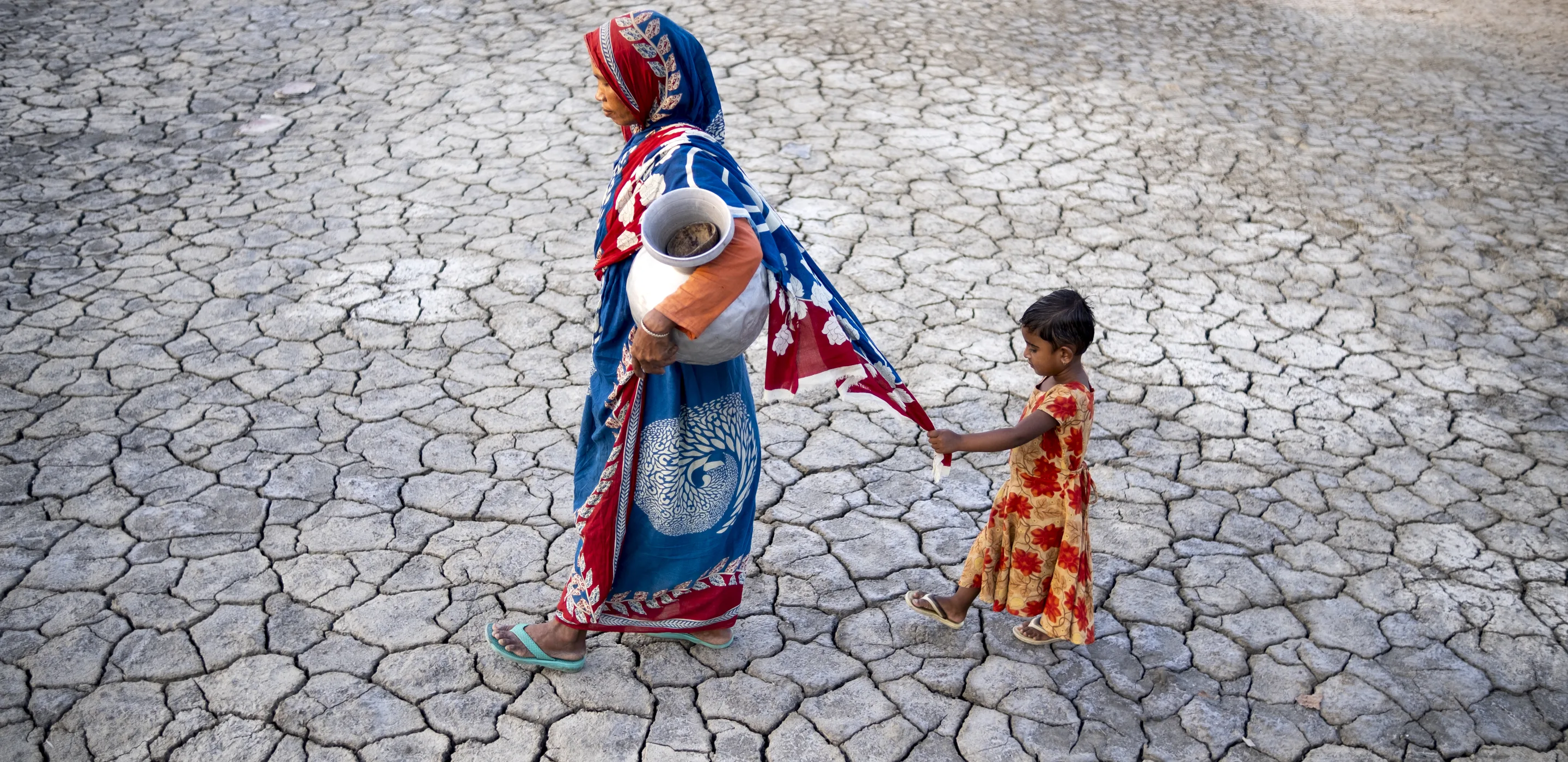
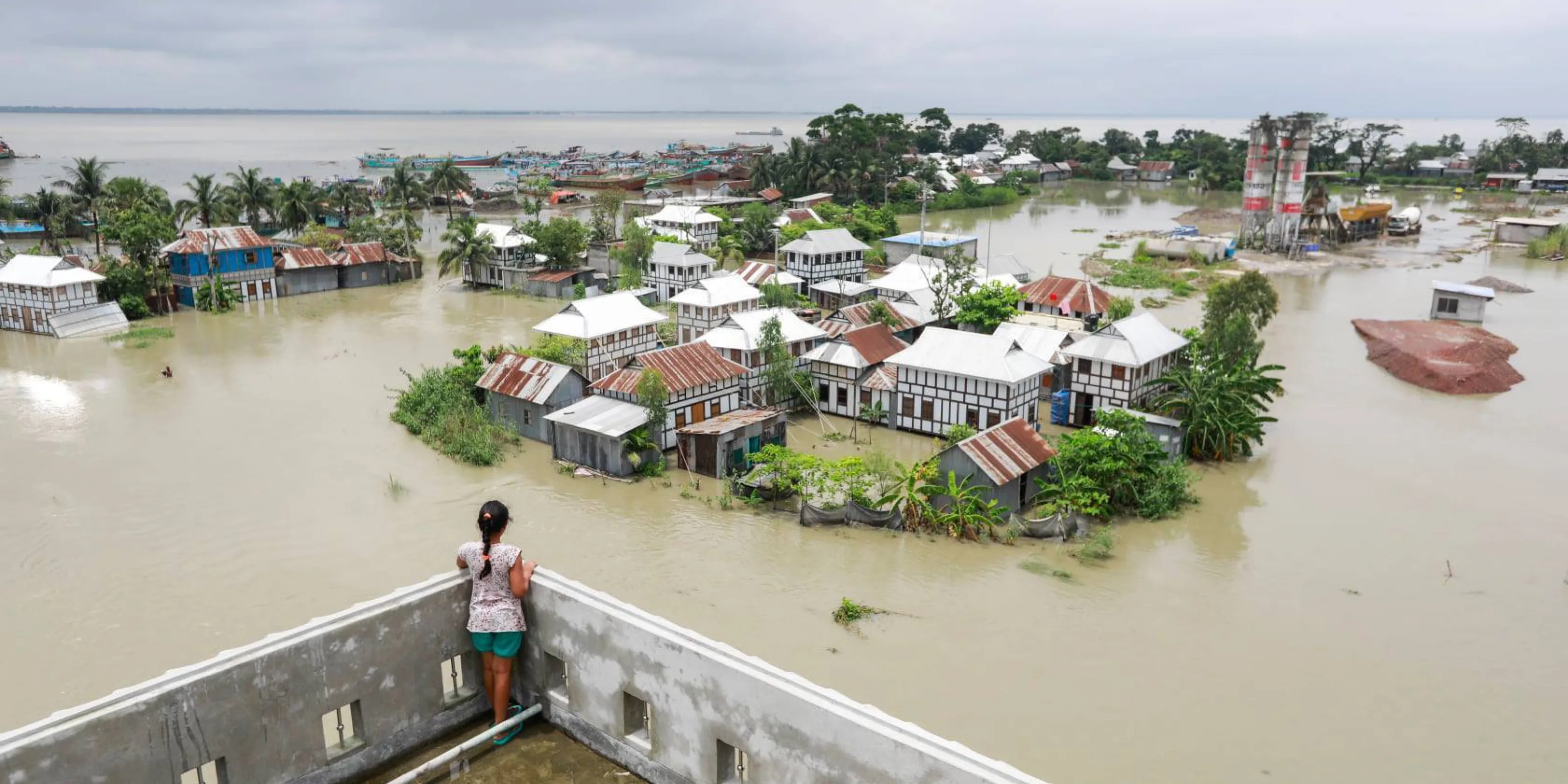
- Header photo © Ab Rashid/UNDP Bangladesh
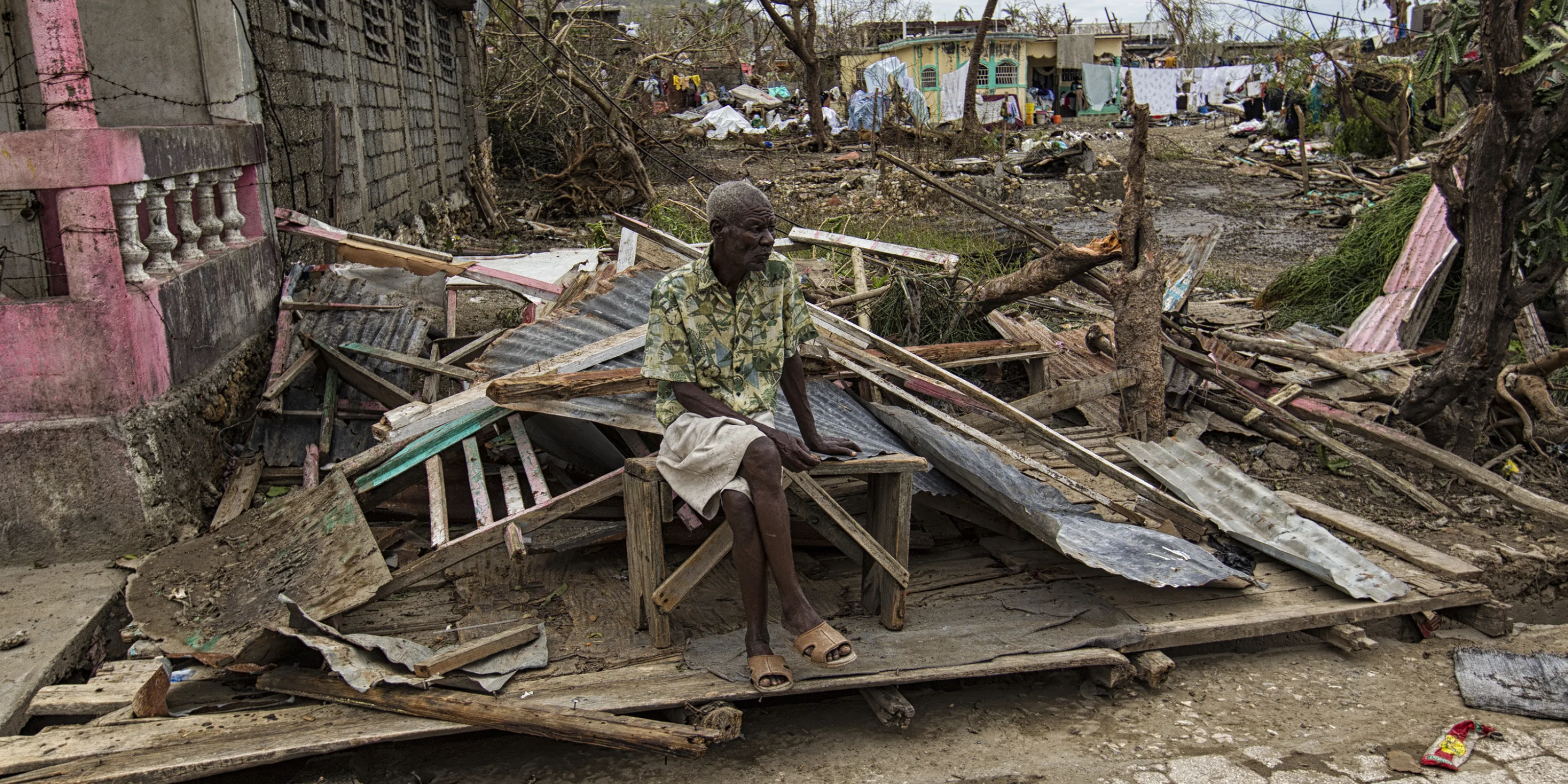
Every year, an average of 30 million people are forced to flee their homes due to weather-related natural hazards, such as floods, tropical storms and slow-onset hazards like sea-level rise. These numbers are expected to escalate further as the impacts of climate change intensify hazards worldwide.
Displacement in the context of disasters is a highly complex challenge. It cuts across policy and legal contexts, as well as sectors ranging from humanitarian response to climate action and disaster risk reduction, human rights and sustainable development.
As a State-led mechanism, the Platform on Disaster Displacement (PDD) is uniquely positioned to drive and promote the multilateral cooperation needed to bridge these overlapping sectors and enhance protection of vulnerable populations.
From a seed to a platform
With its origins in the Nansen Initiative launched in 2012, and the subsequent landmark Nansen Initiative Protection Agenda (NIPA), endorsed by 109 governments in 2015 – PDD was formally established in July 2016 to build on this foundational work and support stakeholders to implement the NIPA.
In the decade since, the platform’s work has continued to evolve. Its launch at the 2016 World Humanitarian Summit reflected a fundamental shift from reactive crisis management towards proactive risk management and preparedness. It also heralded a transition from the Nansen Initiative's policy framework and agenda on protection, into a more practical, multi-stakeholder engine designed to promote and operationalize protection on the ground.
PDD’s critical work has since delivered tangible outcomes, including through a series of bilateral border simulation exercises in Costa Rica and Panama, Colombia and Ecuador, and Uganda and Kenya.
“Historically, there was a legal gap in international law that the Nansen Initiative was asked to address,” explains Atle Solberg, Head of the UNOPS-hosted PDD Secretariat.
People displaced across borders in the context of disasters and the adverse effects of climate change do not qualify for formal refugee status. Additionally, they have limited protection when arriving in other countries, as human rights law does not grant them a right to be admitted or to stay. The Nansen Initiative and PDD helped address this protection gap.
Through its work, PDD proved that vulnerable countries do not need to wait decades for a new global treaty to protect their people – they can deploy practical, agile, national and regional agreements and instruments to protect people in need now.
“We trained immigration and emergency border officials to utilize existing local laws, policies, and humanitarian visas to safely manage cross-border flows. This was the exact moment where global policy met the mud, rivers, and border gates,” says Atle.
In 2018, the work and recommendations of the PDD and the Nansen Initiative Protection Agenda were explicitly recognized in Objective 2 of the Global Compact for Migration (GCM) – marking another major diplomatic breakthrough in addressing disaster displacement. The GCM is the first migration governance document negotiated in the framework of the UN in which the international community recognized climate change as a key driver of international migration and committed to protect and assist those who are compelled to leave their countries in these contexts.
More recently, the PDD has supported regional organizations and Member States to develop regional policy instruments and tools. These achievements include the Pacific Regional Framework on Climate Mobility (2023); the Chile Declaration and PLan of Actions (2024-2034); and the Pacific Regional Guidance on Planned Relocation (March 2026).
The road to 2030: Protecting the most vulnerable
Despite the challenges of shrinking global humanitarian and development funding and multilateral cooperation facing unprecedented strains, the PDD remains well positioned to address the growing complexities of human mobility caused by disasters and the adverse effects of climate change.
Aligned with the 2030 Agenda for Sustainable Development, the platform's current Strategy (2024–2030) is focused on three unyielding pillars: enhancing cross-border protection, integrating human mobility challenges into climate action and disaster risk reduction, and advancing robust public policies on internal displacement and planned relocation.
“The Protection Agenda remains as relevant today as it was in 2015. What we do in the next decade in scaling up climate action, reducing risks, and protecting the displaced will determine whether millions of people can find safety, dignity and solutions when compelled to move in disaster and climate change contexts,” says Atle.