


The United Nations Office for Project Services (UNOPS)
More than just safety
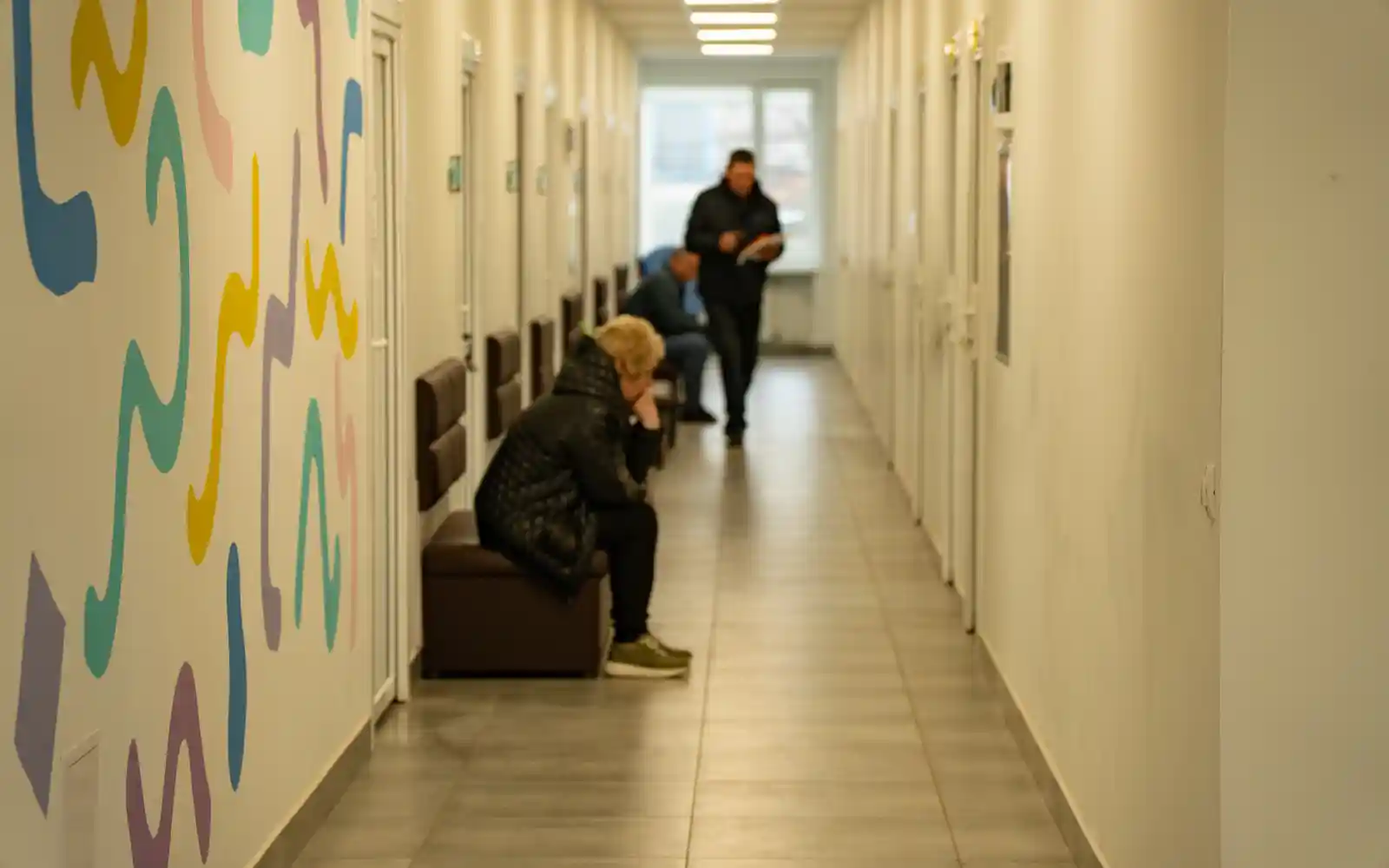
A new shelter at Kalynivka Lyceum in Ukraine's Mykolaiv Region is providing more than protection for students – it's providing an opportunity to return to normal life.
A new shelter at Kalynivka Lyceum in Ukraine's Mykolaiv Region is providing more than protection for students – it's providing an opportunity to return to normal life.
A new shelter at Kalynivka Lyceum in Ukraine's Mykolaiv Region is providing more than protection for students – it's providing an opportunity to return to normal life.
Just a few months ago, when 15-year-old Mariia woke up in the morning, the first thing she checked was not her class schedule.
“I checked whether there was an air raid alert,” says Mariia.
If there was no alert, she would open her laptop and wait for the link to her online lesson. If the air raid siren sounded, classes were cancelled, and students received materials for self-study.
This has been the reality for hundreds of thousands of Ukrainian children throughout the war.
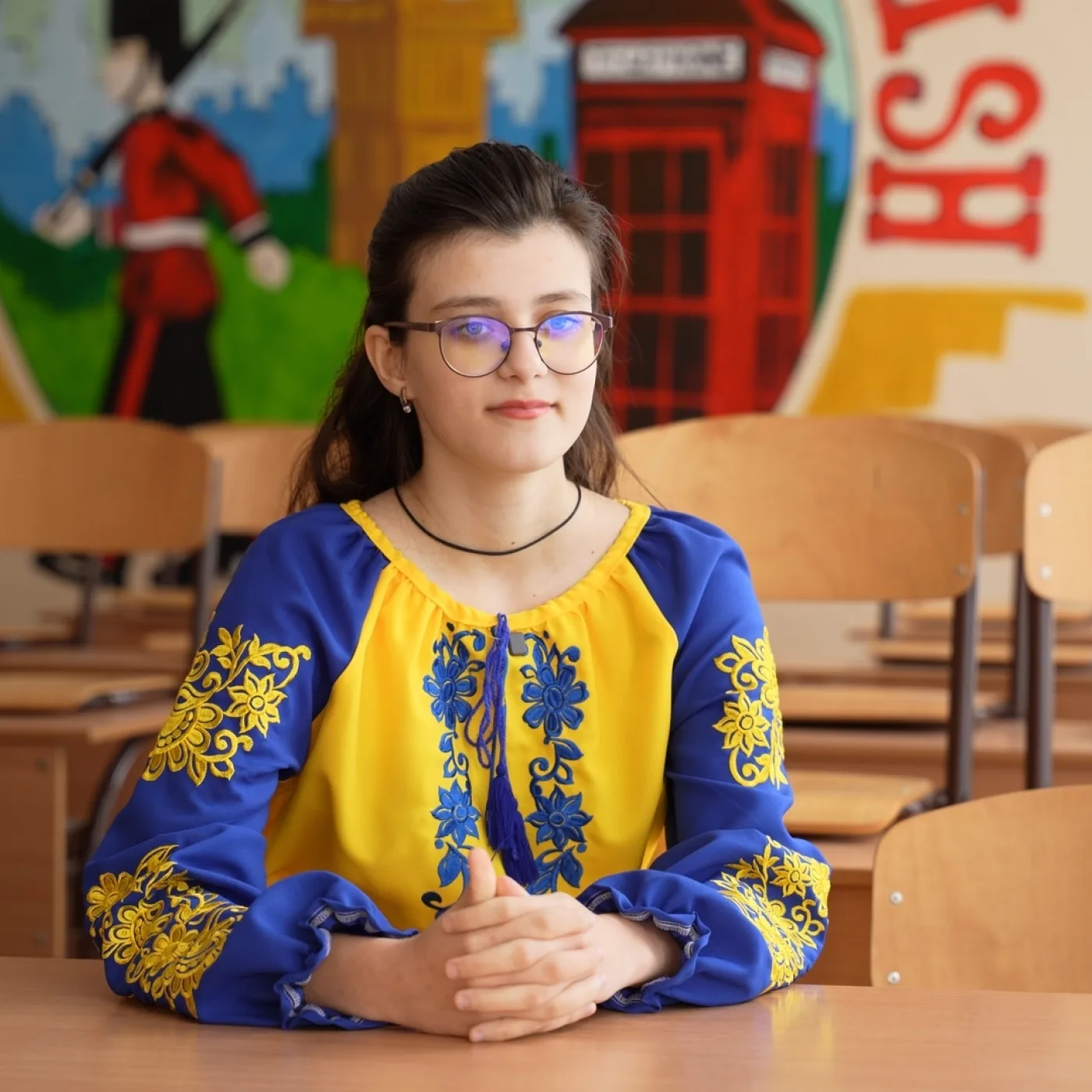
Mariia attends Kalynivka Lyceum in Ukraine’s Mykolaiv Region. She, like many students, has spent nearly half of her school years not in classrooms, but in front of her laptop and phone.
First, the COVID-19 pandemic pushed learning online. And just as students were beginning to return to school, Russia launched its full-scale invasion of Ukraine. In the weeks that followed, education effectively came to a standstill.
We were completely cut off from our friends, our teachers, from everything. For two or three weeks, there were no classes at all.
Schools gradually resumed with online teaching, but wartime distance learning proved very different from pandemic-era remote education.
On an average day, Mariia attended six or seven online lessons. The timetable changed constantly because of power outages and air raid alerts.
For her fellow student Kyrylo, the war brought another difficulty: his family evacuated to the Czech Republic. There, he attended a local school but remained enrolled at his home school in Ukraine.
“I had homework and tests from both the Czech and the Ukrainian schools. It was challenging, to say the least,” says Kyrylo.
Although online learning has its advantages – including allowing students to study from anywhere in the world – it comes with drawbacks.
Many students have grown accustomed to an environment where it's easier to avoid active participation, rely on internet searches and use AI tools to complete assignments. After several years of learning this way, some students worry that returning to the classroom may expose gaps in their knowledge and affect their academic performance.
But Kyrylo has no doubts about what he prefers.
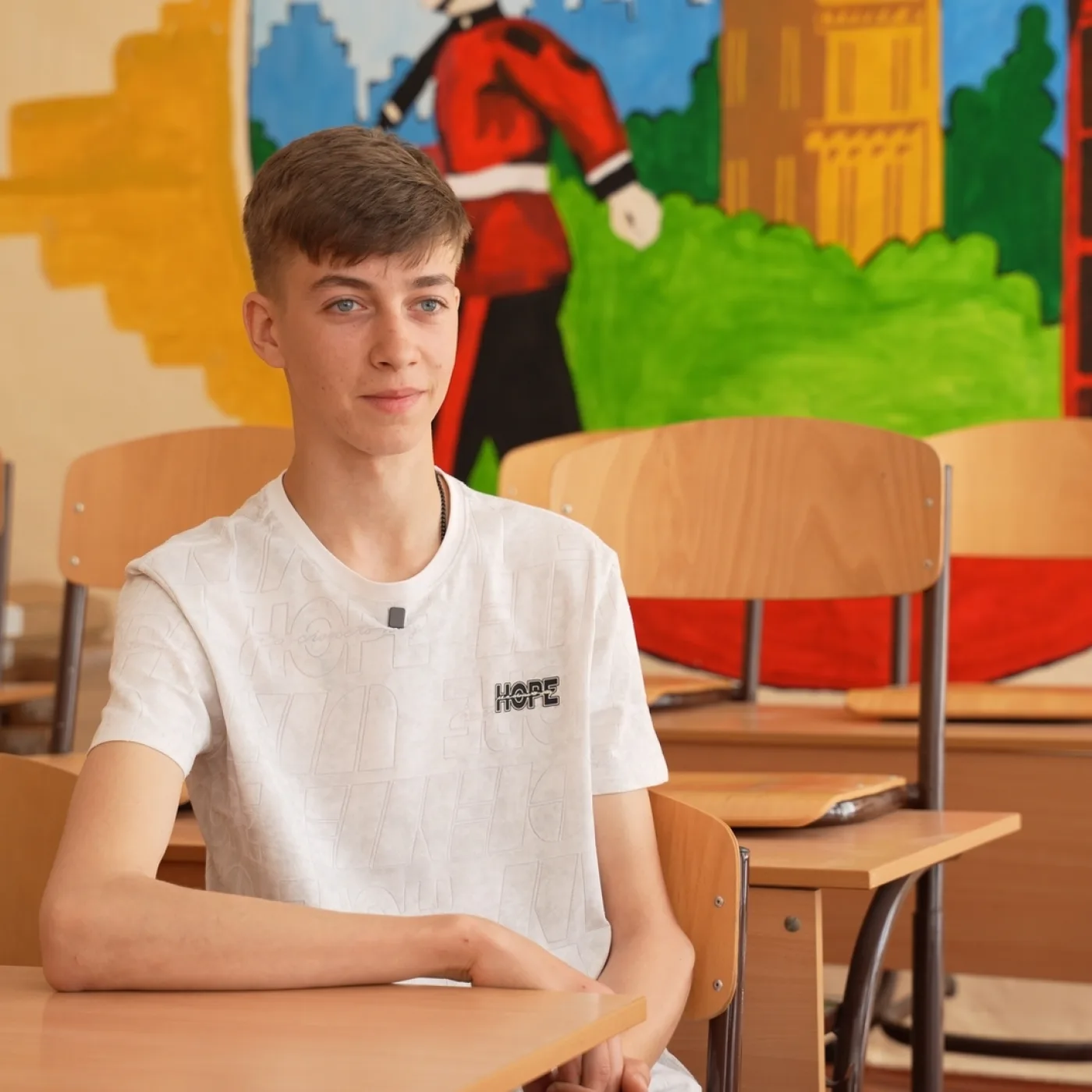
In-person learning is much better. When I studied in the classroom, I learned far more than I do online.
The online format has changed more than just the quality of education: it has altered childhood itself. Instead of running through school corridors, students spend breaks on their phones. Instead of gathering with friends, they connect through video calls.
"I stay in touch with my friends as best as I can, but it’s not the same kind of close interaction,” says Mariia.
Before the war, Kyrylo played football. After the invasion, his club shut down and training stopped, forcing him to give it up.
The impact extends beyond students. Before the war, children went to school while parents worked or managed other responsibilities. Today, many adults – particularly mothers – stay at home to supervise their children’s learning and adapt to constantly changing schedules.
Soon, however, students at Kalynivka Lyceum will be able to return to full-time, in-person learning.
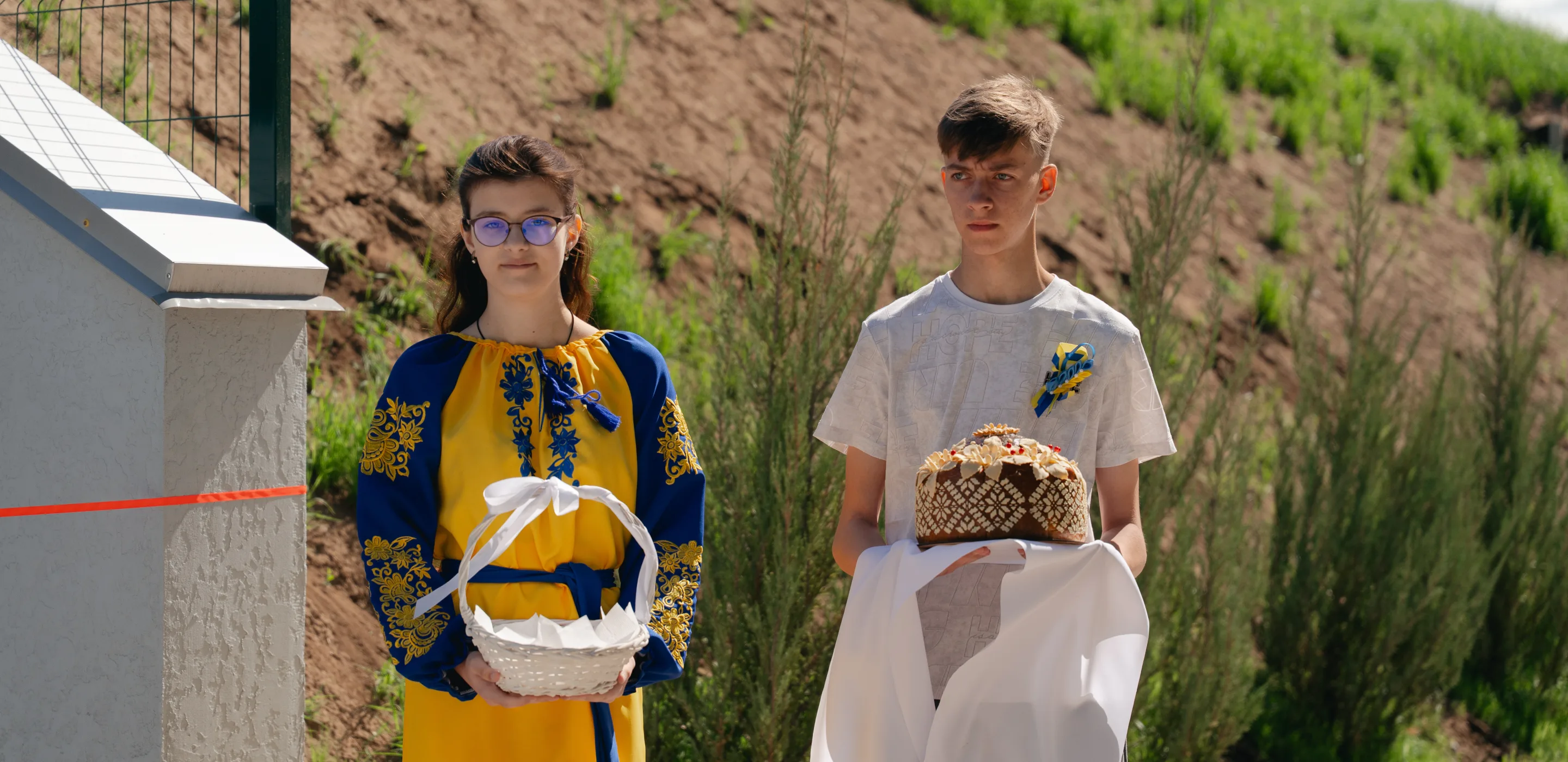
A new shelter at Kalynivka Lyceum – completed by UNOPS with funding from the government of Denmark – will enable students and staff to move to a safe underground space when an alert sounds and continue learning without interruption.
End-of-year celebrations and graduation ceremonies were some of the first events held in the shelter since its completion.
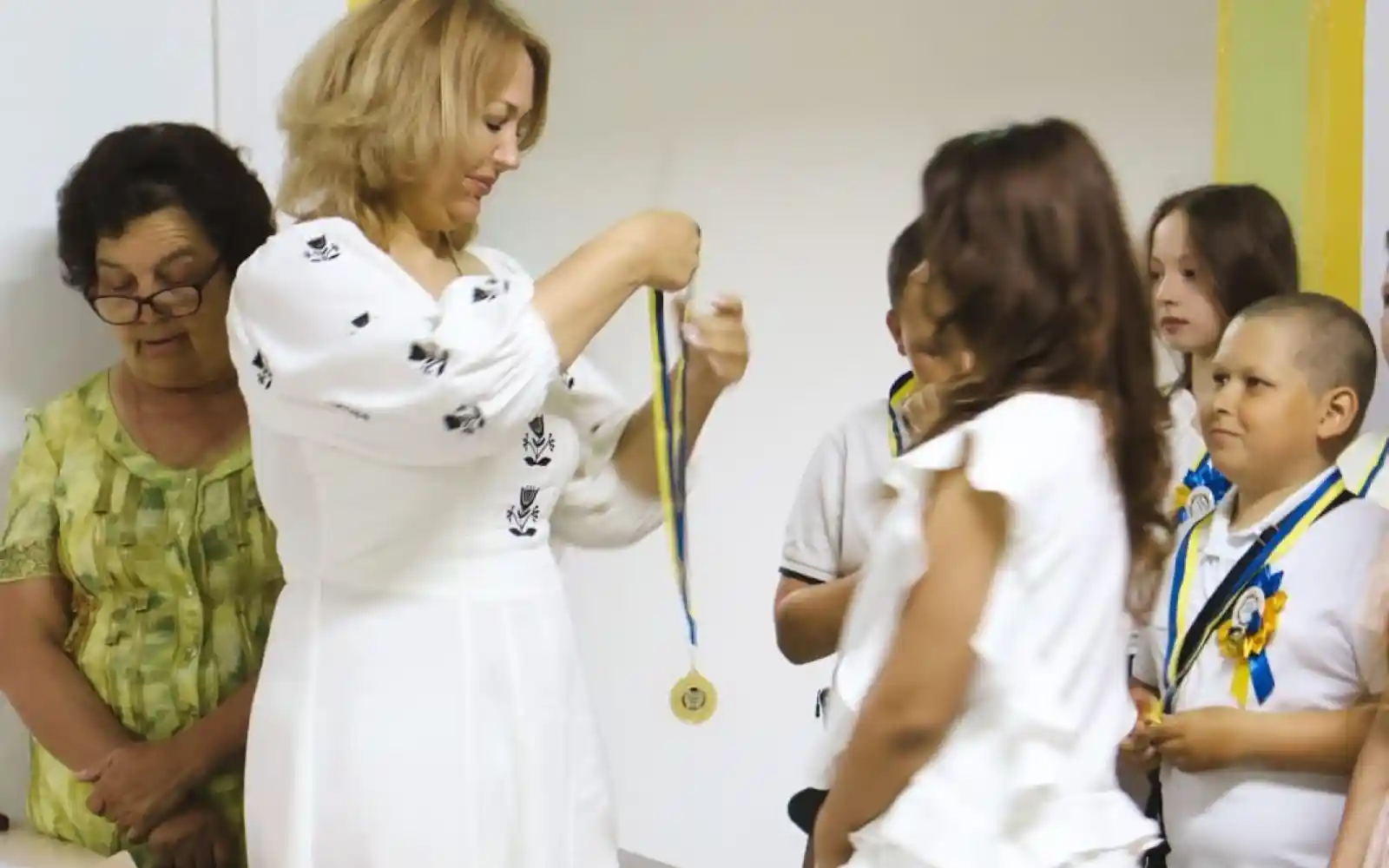
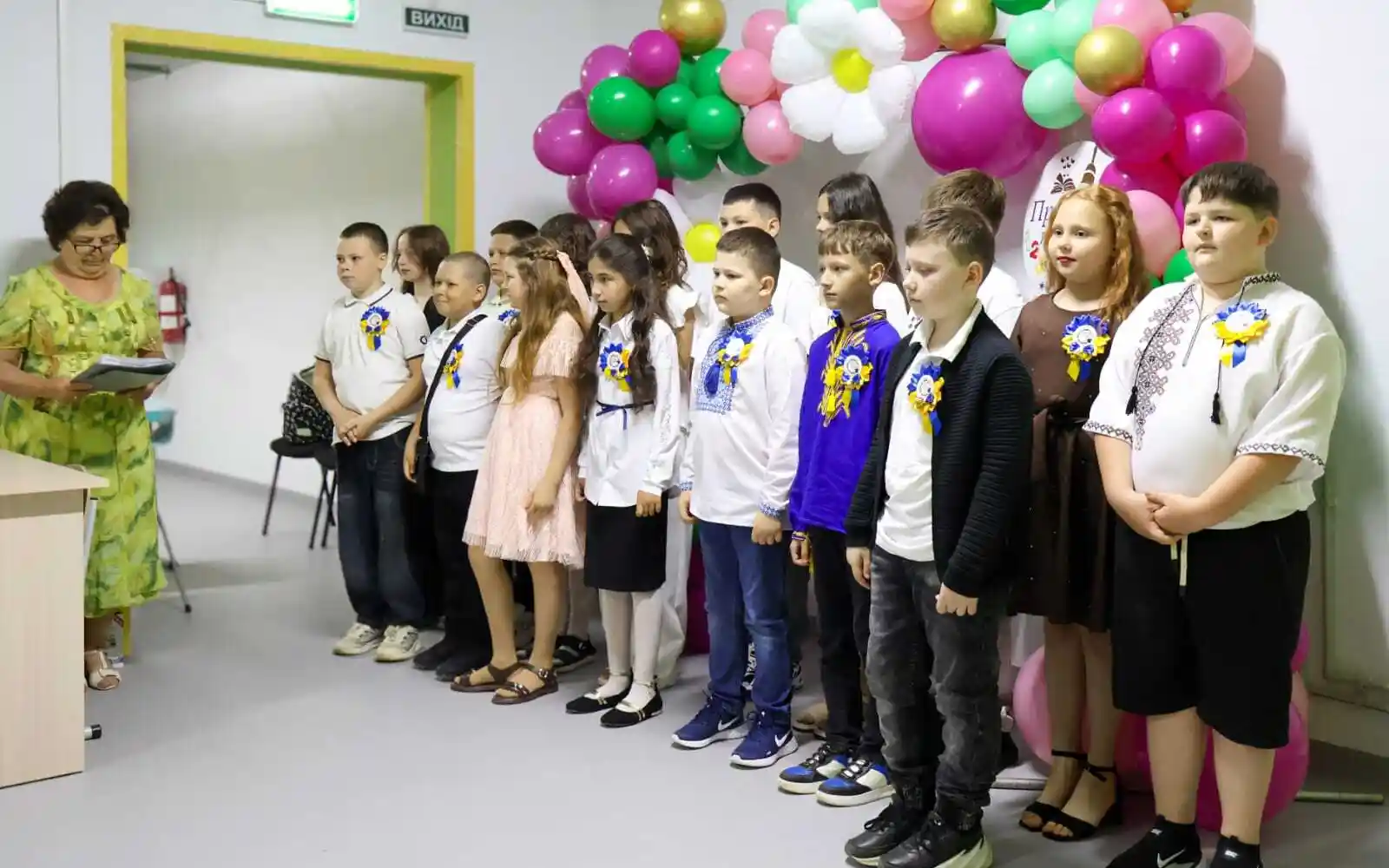
And for the first time since the start of the full-scale invasion, graduation festivities were held in their traditional format: with dancing, food and face-to-face interactions.
For a whole generation of Ukrainian students whose childhood has unfolded between a pandemic and a war, returning to the classroom means more than returning to school. It means returning to friends, to shared memories and to a sense of normality.
About the project
The construction of school shelters is a component of the 'Restoring communities in Mykolaiv' project implemented by UNOPS with funding from the government of Denmark.
Following a needs and damage assessment conducted in close cooperation with local authorities in the city of Mykolaiv and the surrounding region, the project is working to address urgent needs while creating conditions for the long-term recovery of local communities.
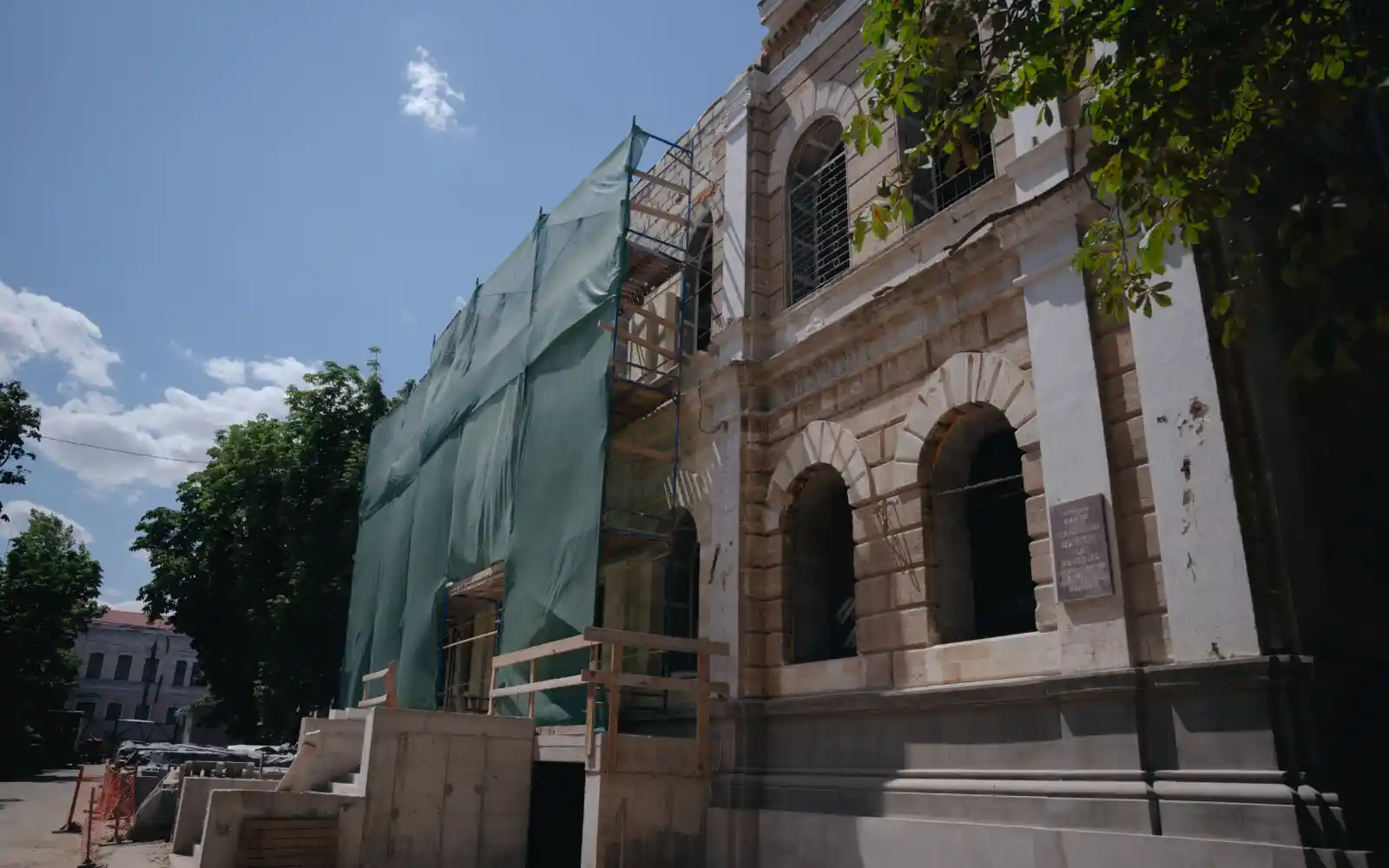
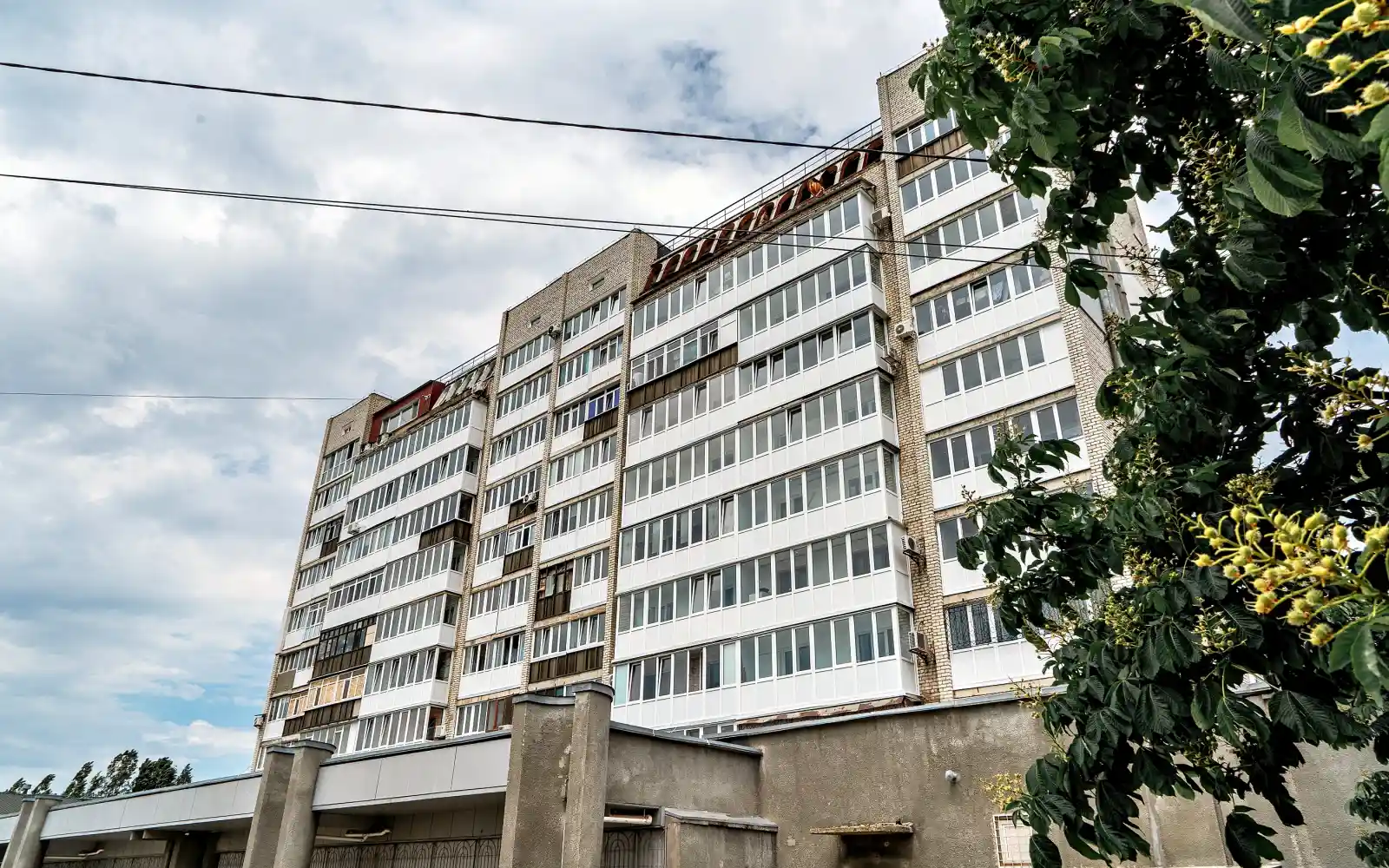
Project activities include repairing apartment buildings and their surrounding areas, reconstructing and building underground school shelters, and stabilizing the historic Arkas Lyceum building in downtown Mykolaiv, a renowned educational institution and cultural heritage site that was damaged by a missile strike.
Global Goals we are supporting through this initiative: