




The United Nations Office for Project Services (UNOPS)
Strengthening biodiversity conservation in Paraguay
Working with ITAIPU Binacional and the TEKOTOPA Environmental Centre, UNOPS is helping to strengthen biodiversity conservation, institutional capacity and community engagement in eastern Paraguay.
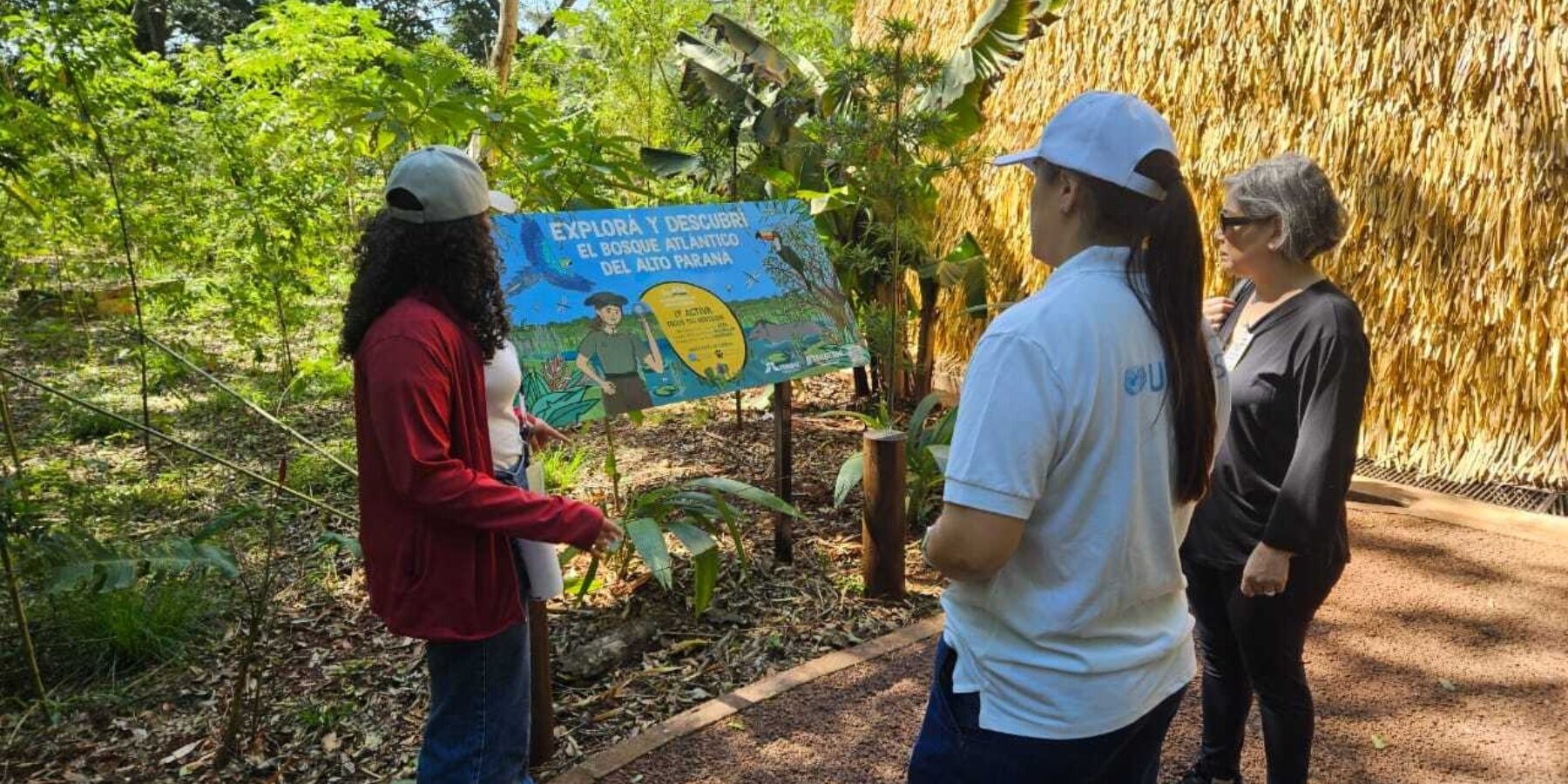
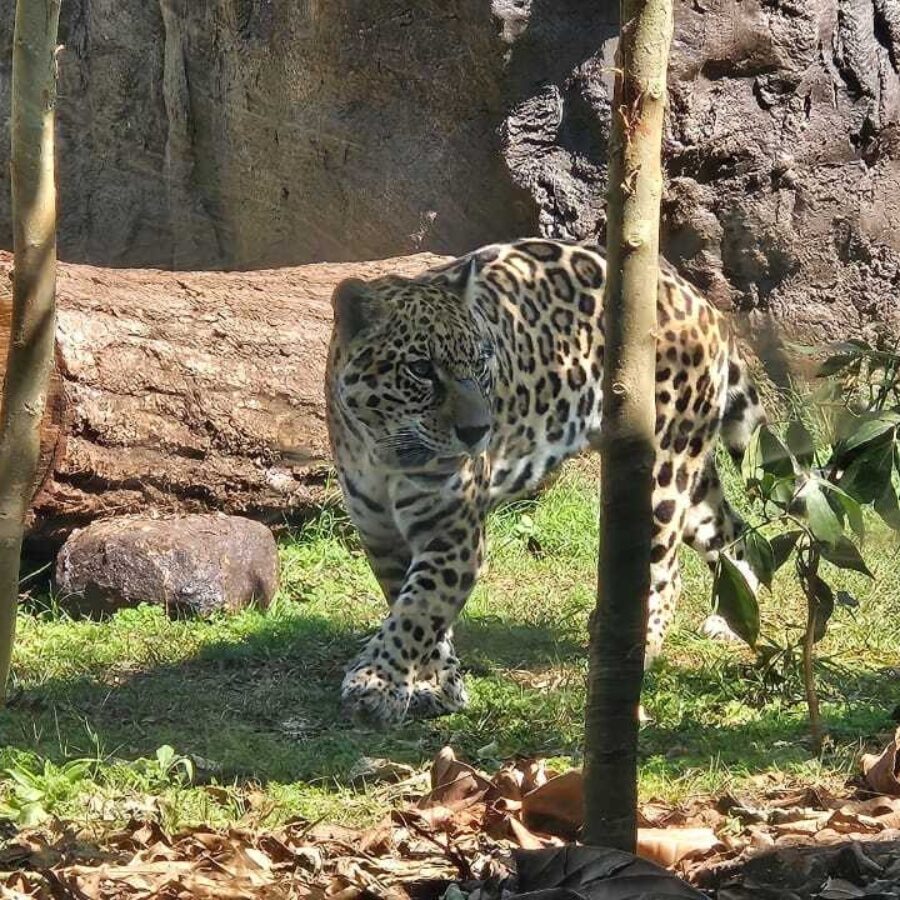
Located in Hernandarias, Paraguay, the TEKOTOPA Environmental Centre is a leading institution dedicated to preserving biodiversity and promoting environmental education, scientific research and community engagement.
Under an initiative launched in July 2025 and funded by ITAIPU Binacional, UNOPS is providing technical assistance to support the implementation of a new sustainable management model at the TEKOTOPA Environmental Centre. The work integrates social, environmental and economic criteria to strengthen the facility’s local impact and international recognition.
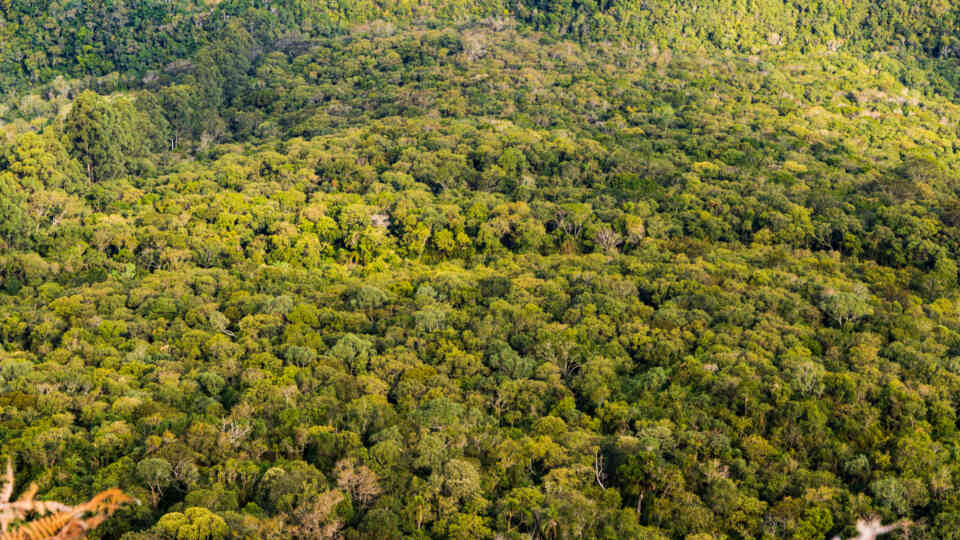
“We are proud to work with ITAIPU Binacional to support TEKOTOPA to enhance its institutional capacity, and help safeguard vital ecosystems now and for generations to come,” said Silvana Careaga, Project Manager for UNOPS in Paraguay.
During the initial phase of the project's implementation, UNOPS worked with ITAIPU Binacional and the centre’s technical teams to strengthen existing processes. Dedicated spaces for monitoring, evaluation and technical visits were established, working in collaboration with institutions such as the Smithsonian and the Cali Zoological Foundation.
These efforts helped embed essential functions into the centre’s institutional framework, enabling the facility to operate more effectively, meet international standards, and position itself as a credible, learning-oriented institution.
The initiative also fosters social ownership and a sense of belonging among local communities, technical teams and the public, incorporating their input to build a participatory, inclusive institutional framework. It also focuses on capacity building and knowledge transfer, to deliver longer-term benefits.