



The United Nations Office for Project Services (UNOPS)
Strengthening water security and climate resilience in Yemen
A new initiative is underway to tackle Yemen’s acute water crisis and strengthen the country’s resilience against the growing impacts of climate change.
Latest updates
18 October 2026
- The ‘Yemen Improved Water Management and Irrigation for Sustainability And Efficiency' (I-WISE) project was officially initiated, marking the start of the 10-year project to strengthen water security and climate resilience across Yemen.
- “In Yemen, water security is inseparable from food security, livelihoods and the country’s path toward a more resilient future,” said Dina Abu-Ghaida, World Bank Group Country Manager for Yemen. “Together with the government of Yemen, the Netherlands, UNDP and UNOPS, we are strengthening water security and building a more sustainable future for Yemeni communities,” she added.
- “I-WISE marks an important step towards addressing Yemen’s long-term water security and climate resilience,” said Muhammad Usman Akram, Representative and Director of UNOPS Multi-Country Office in Amman. “Our focus goes beyond infrastructure delivery to fostering national ownership and building resilient systems that deliver lasting benefits for the people of Yemen.”
- Read more
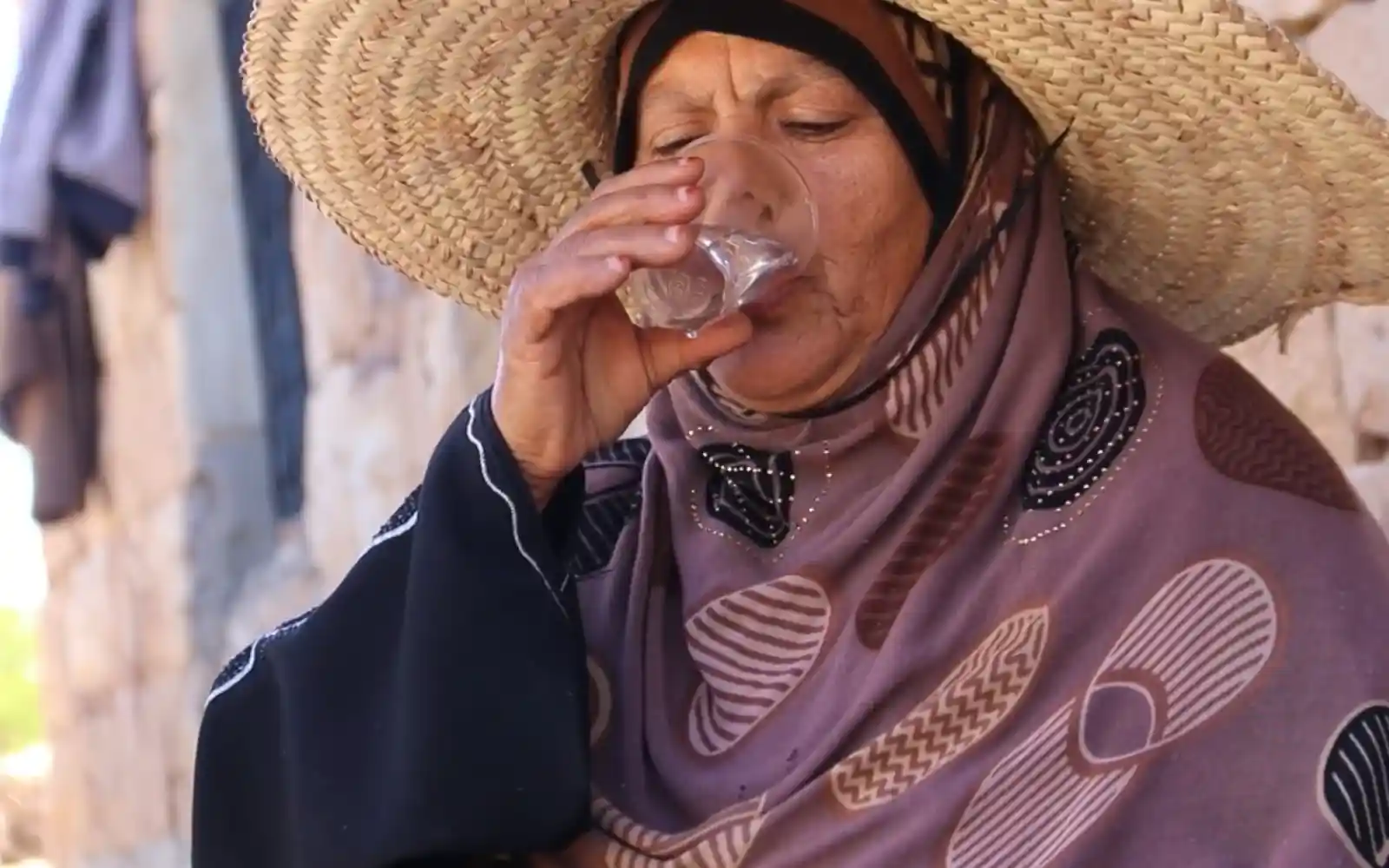
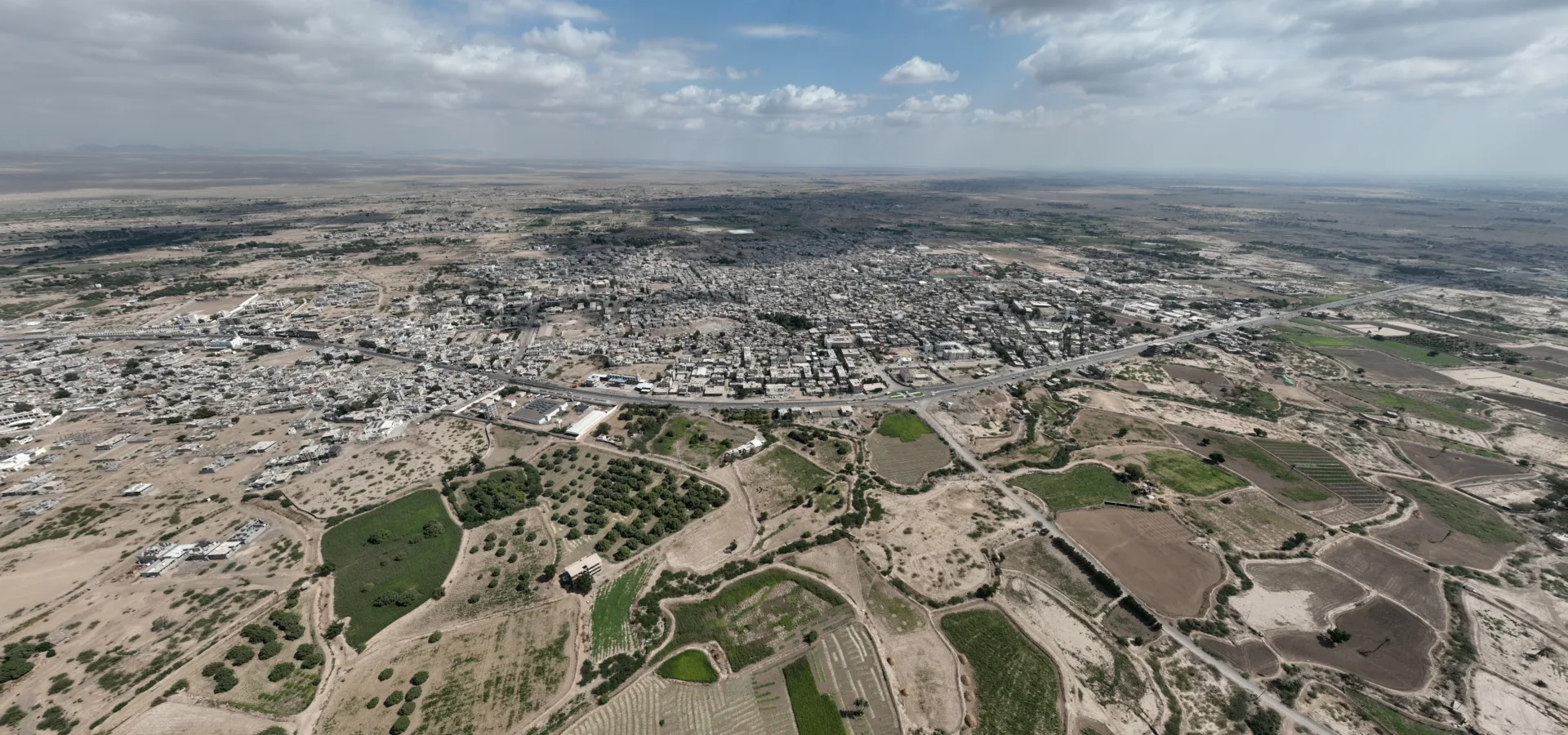
After a decade of conflict and economic instability, Yemen remains one of the world’s most water-stressed nations. Around 17 million people lack sufficient water for their basic daily needs. Coastal cities like Aden are struggling to provide safe drinking water, while inland urban centres face absolute water scarcity – where usage far outpaces renewable resources.
Financed by a $150 million grant from the World Bank’s International Development Association and the government of Netherlands, with additional co-financing of $3.56 million from the Trust Fund,* the ‘Improved Water Management and Irrigation for Sustainability and Efficiency (I-WISE)’ project marks the first phase of a 10-year programme to strengthen water security and climate resilience in Yemen.
The project moves beyond short-term emergency response by investing in sustainable, climate-resilient water systems that can deliver lasting benefits for communities.
- *The Yemen Resilience, Recovery and Reconstruction Umbrella Trust Fund is a World Bank-administered Multi-Donor Trust Fund providing $3.56 million in co-financing to I-WISE.
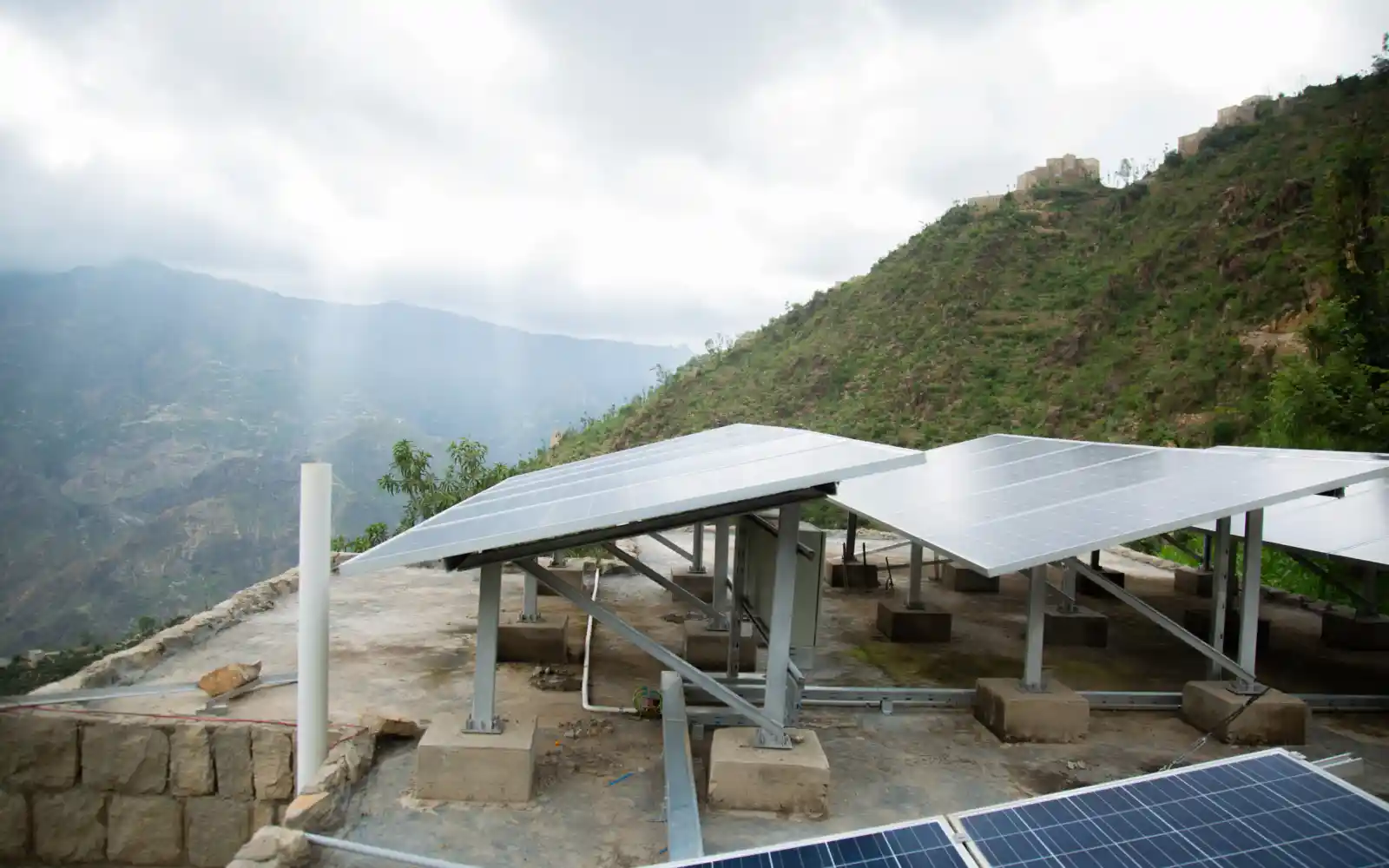
“A key part of this effort will be pioneering decentralized desalination solutions, transforming brackish groundwater and seawater into more reliable sources of supply, and helping Yemen reduce pressure on its increasingly scarce freshwater resources,” added Fayyaz Ahmad Faiz-Rasul.
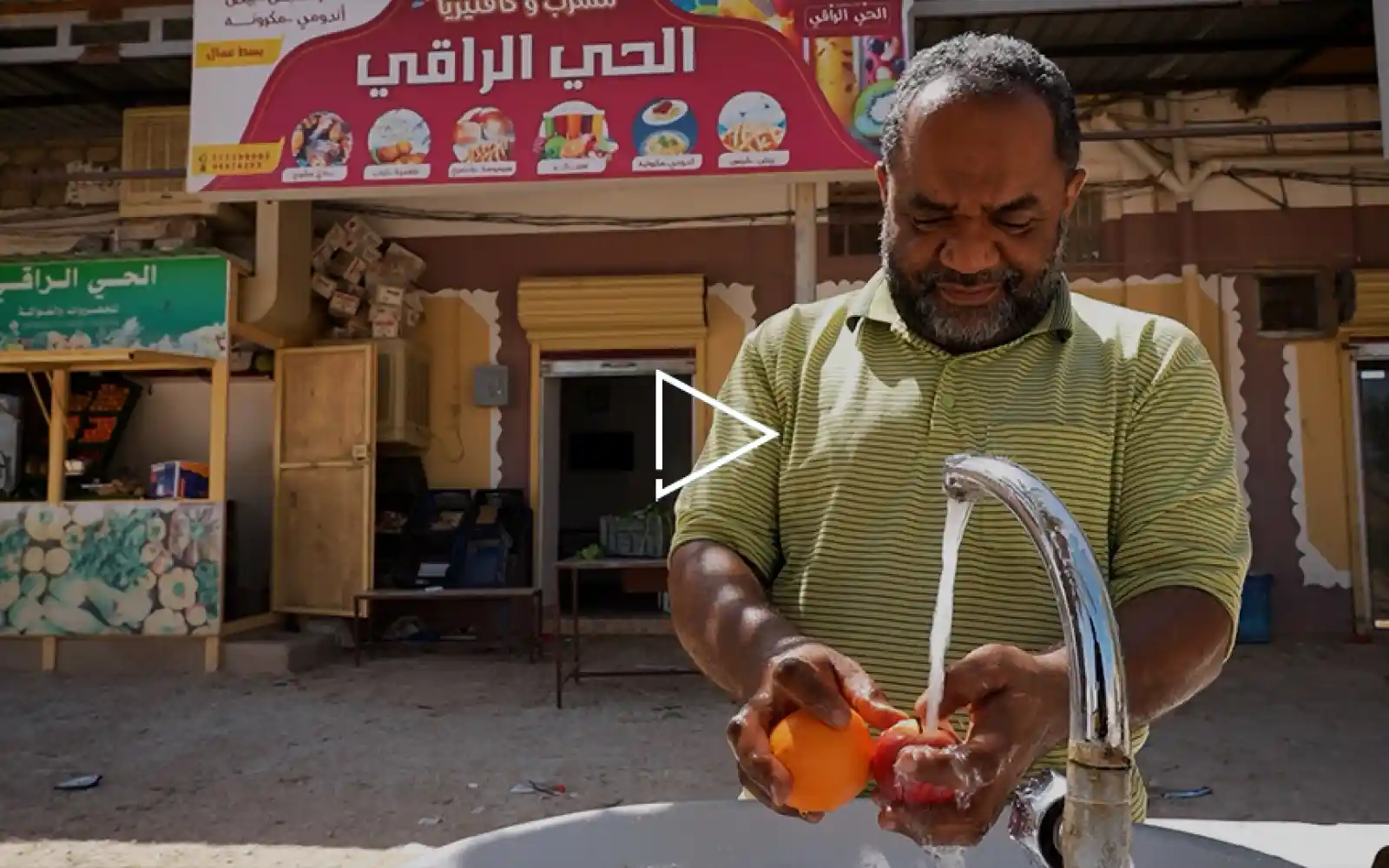
"At the same time, the project will rehabilitate and expand water supply and sanitation systems across selected urban, peri-urban and rural areas, while providing targeted WASH support to internally displaced people, refugees and marginalized communities.
Project implementation is a collaborative effort between UNOPS and the UN Development Programme (UNDP). UNOPS will lead the infrastructure restoration and expansion of water, sanitation and hygiene services in urban, peri-urban and rural areas including decentralized desalination solutions and capacity building for local water utilities. Meanwhile, UNDP will lead the technical development of water information systems and the modernization of agricultural irrigation.
Initial investments will prioritize improving the vital Aden-Tuban and Wadi Hajir basins, providing a blueprint for climate-resilient water management that can be scaled across the country.
Beyond providing safer water access, the project requires that women are a strong part of the contracted workforce, and prioritizes engagement with women-owned businesses. Integrating women into leadership roles and water user associations helps solidify a more inclusive, resilient future for Yemen’s water management.