



The United Nations Office for Project Services (UNOPS)
Supporting Costa Rica’s recovery
UNOPS is supporting the government of Costa Rica on a national emergency response programme to rebuild damaged infrastructure and improve resilience – benefitting more than 2 million people.

In 2022, several regions of Costa Rica were hit by heavy rainfall and flash flooding caused by Tropical Storm Bonnie and Hurricane Julia. The storms severely damaged critical infrastructure across the country, disrupting public services and forcing residents to evacuate their homes.
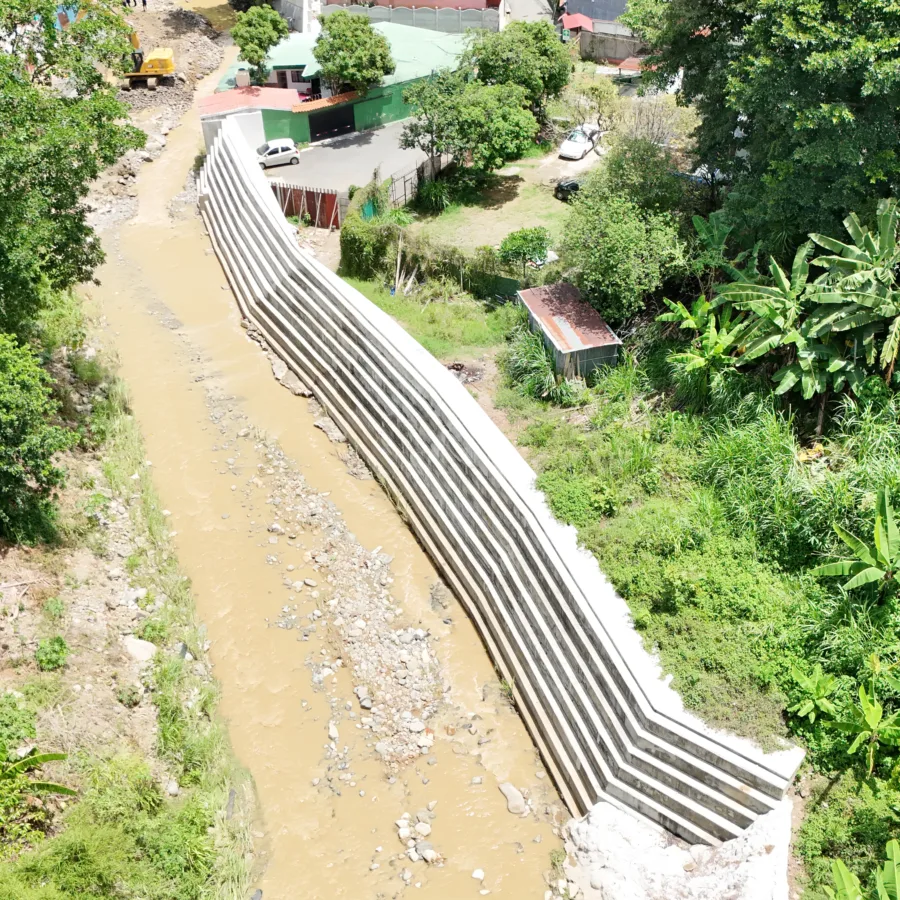
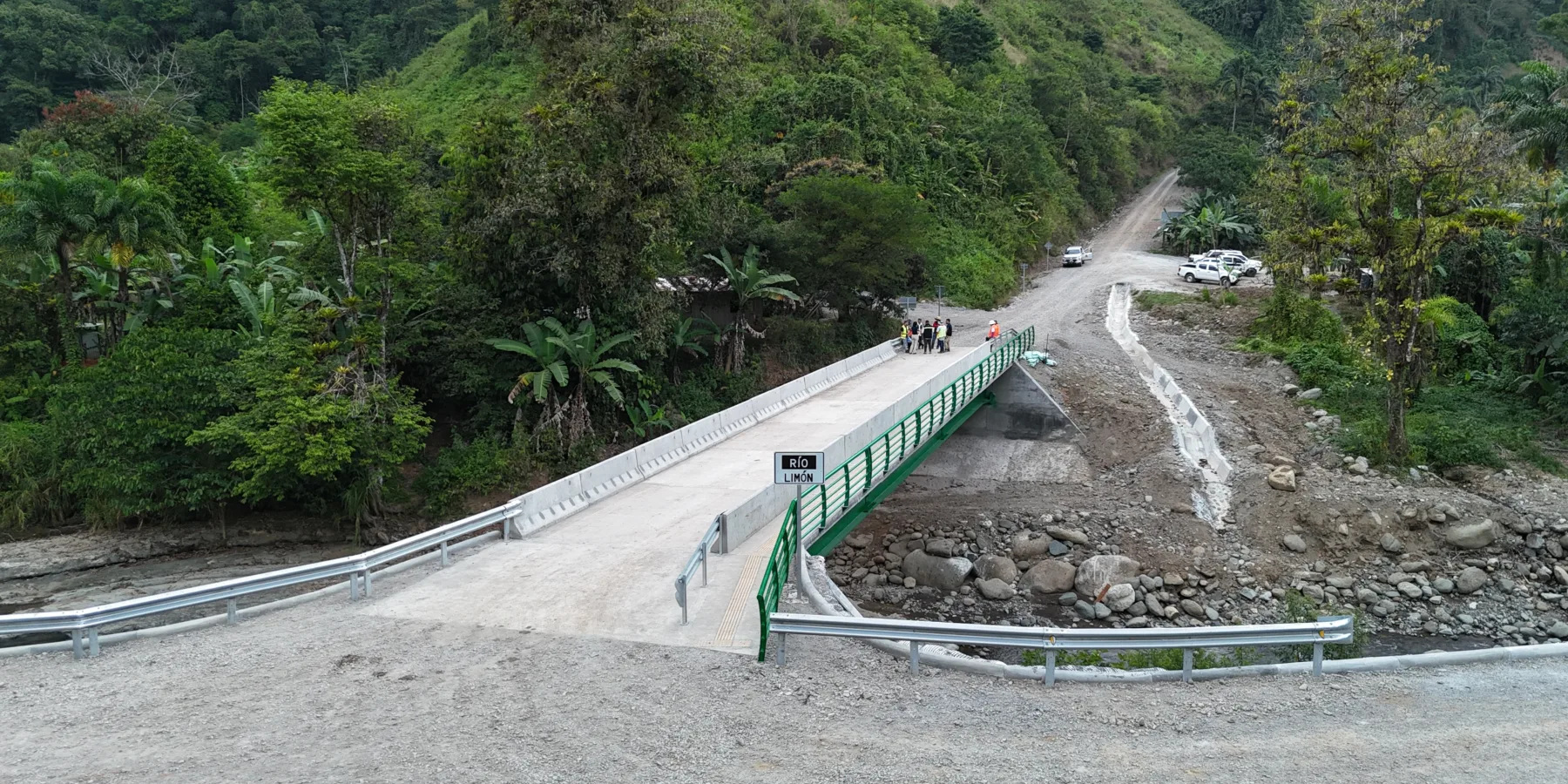
Hundreds of homes, roads, bridges, and schools sustained structural damage – making them unusable. At the same time, other aging public infrastructure like bridges and railways began to pose serious risks to public safety due to a lack of maintenance and the impact of previous natural disasters.
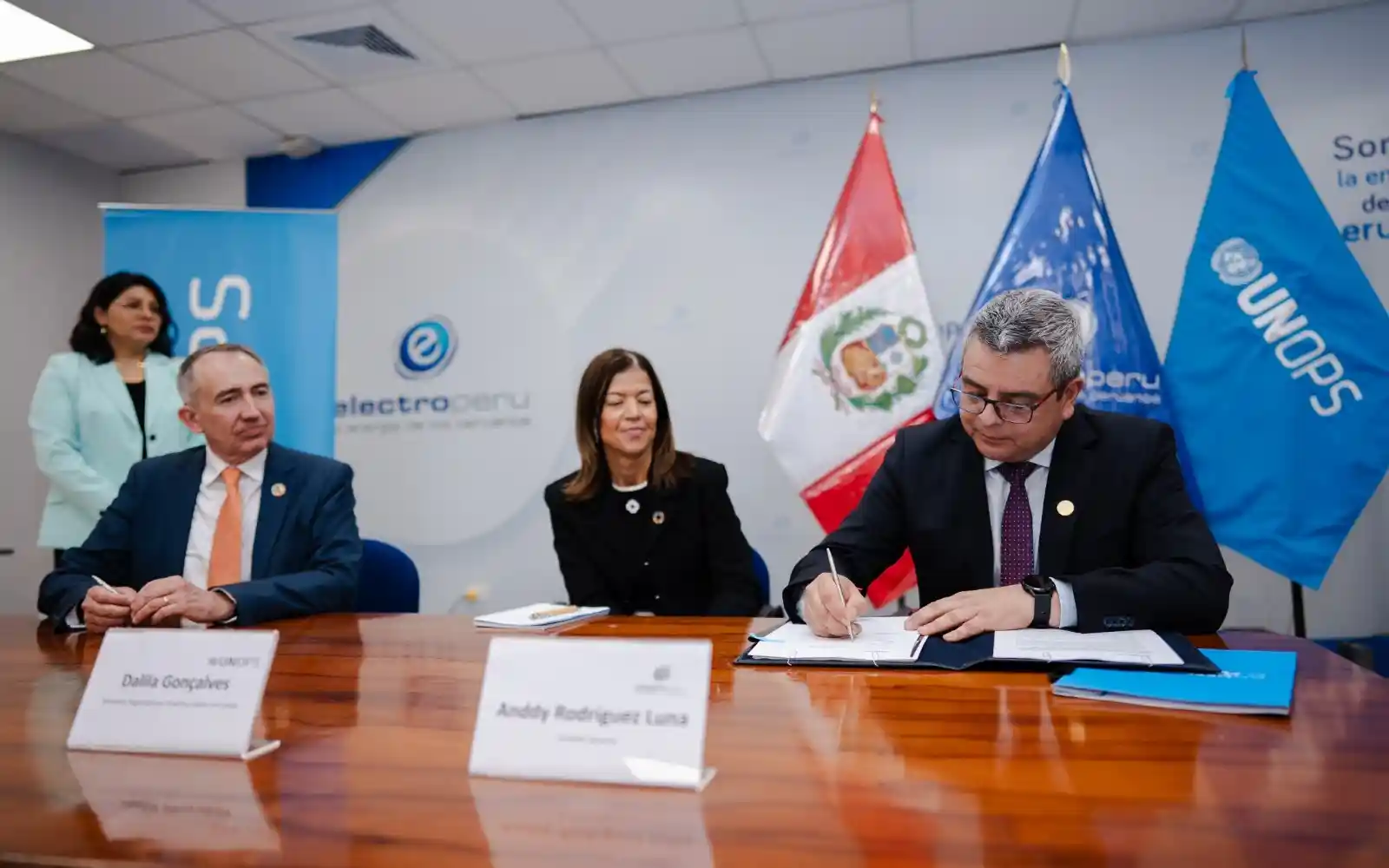
To support the country’s recovery, UNOPS is providing technical assistance to the government of Costa Rica and five other public entities, like the National Emergency Commission (CNE) and the National Road Council (CONAVI), to improve project execution and ensure more efficient and effective programme implementation.
This work is part of the Emergency Programme for Comprehensive and Resilient Reconstruction of Infrastructure (PROERI) that will see the implementation of over 450 imminent-risk and emergency infrastructure initiatives across the country with a $700 million loan from the Central American Bank for Economic Integration (CABEI).
From educational centres, roads and bridges to houses and water systems, the programme aims not only to restore damaged infrastructure but also to enhance resilience against future shocks, ultimately benefiting more than 2 million residents.
This project not only represents a comprehensive response to the impact of severe weather events on the country’s vital infrastructure, but also lays the foundation for more sustainable and resilient development in Costa Rica.
To date, 52 infrastructure works have been completed, benefitting more than 250,000 people.