


The United Nations Office for Project Services (UNOPS)
UN Secretary-General launches Global Grids Accelerator to power growth and clean energy in Africa and South-East Asia
UN Secretary-General António Guterres today launched the Global Grids Accelerator, a new initiative to help accelerate investment in electricity infrastructure across Africa and South-East Asia and help turn government and regional priorities into investable, operational projects.
Announced ahead of the UN Climate Summit 2026, the Accelerator will focus on grid priorities identified by governments, bringing together the policy expertise, project preparation, finance and implementation support needed to move them forward.
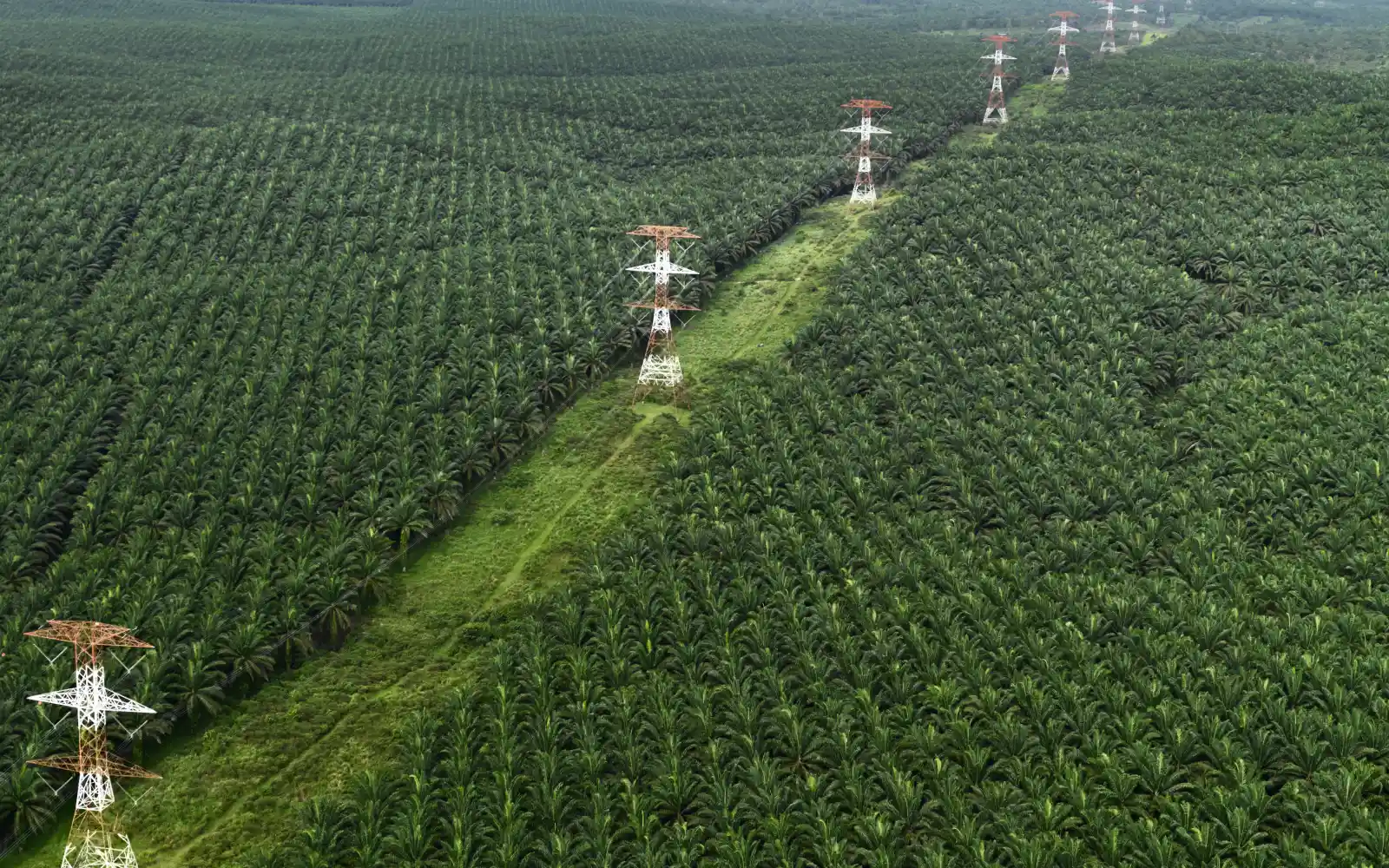
The initiative responds to a central challenge of the energy transition: renewable power is expanding rapidly, but in many places the grids needed to connect and carry that electricity are not keeping pace.
Renewables are booming, but the grids that carry clean power are not keeping pace. Grids are the arteries of the energy transition. The Global Grids Accelerator will help bring the expertise, finance and support needed to build them – expanding access, strengthening energy security and powering growth in developing countries.
Electricity grids have emerged as one of the biggest bottlenecks in the global energy transition. More than 2,500 gigawatts of renewable energy projects – equivalent to nearly twice the entire electricity generation capacity of the United States – are currently stalled in grid-connection queues worldwide.
Annual global investment in grids, now approximately $450 billion, needs to increase by around 50 per cent by 2030 to keep pace with rising electricity demand and record renewable power additions, as confirmed by the International Renewable Energy Agency. The International Energy Agency estimates that more than 80 million kilometres of grids – roughly equivalent to the entire global grid in existence today – will need to be added or refurbished by 2040.
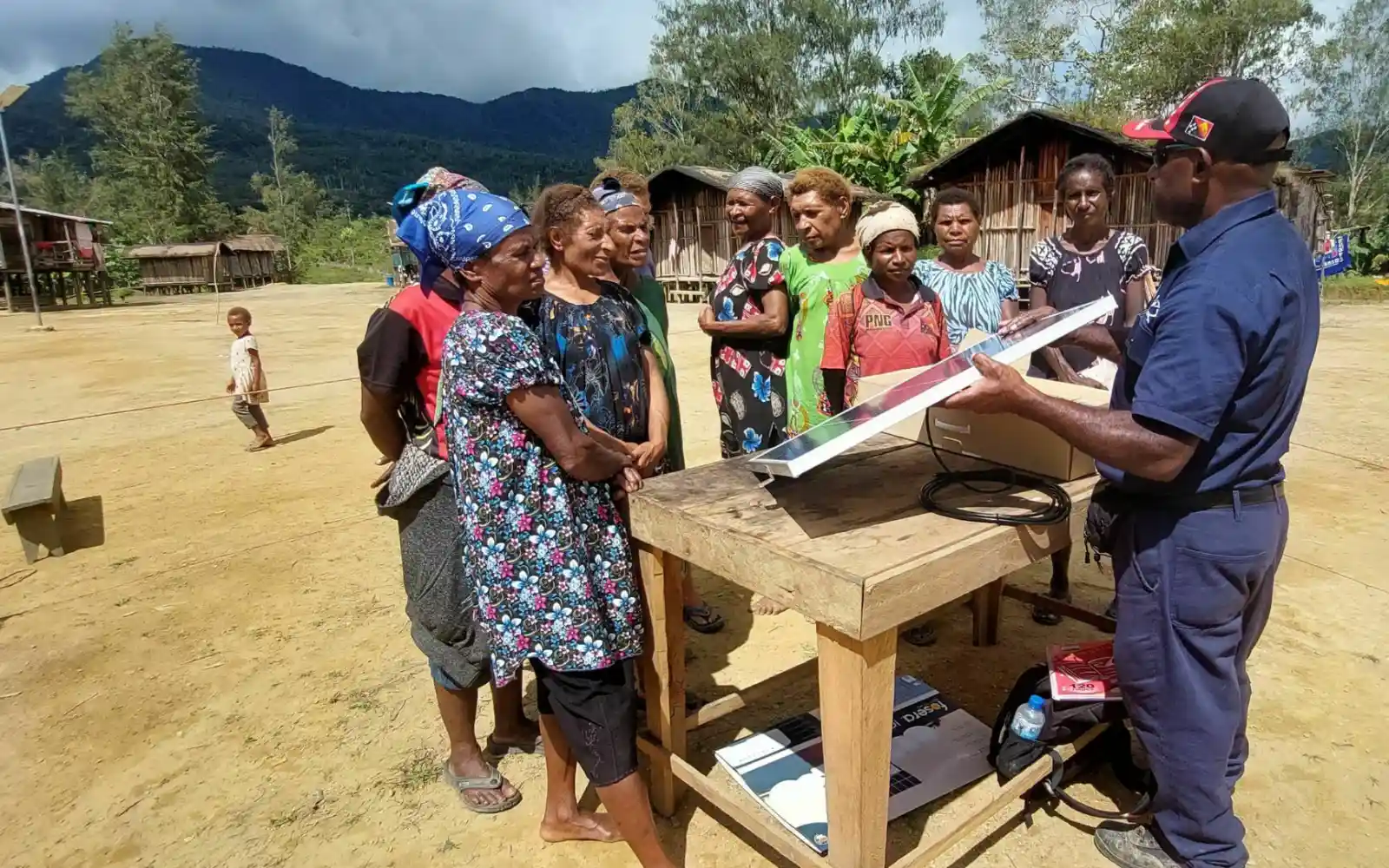
The result is a growing mismatch: clean power is being deployed at record speed, while the infrastructure needed to connect and move that electricity is struggling to keep pace. For developing countries, this is also a development challenge. Grid constraints can delay new power generation, constrain industrial growth, and slow efforts to expand access to reliable and affordable electricity. Modern and stronger grids and regional interconnections can help countries make better use of their vast renewable resources, strengthen energy security, and support new industries and jobs.
The barriers are not primarily technological. A key barrier is turning long-term power plans into investable projects and connecting projects with affordable finance and delivery capacity. Governments, utilities, and regional institutions face policy, regulatory and institutional constraints. At the same time, expertise and resources are spread across governments, development financial institutions, investors, utilities, technology providers and international organizations.
The Global Grids Accelerator will not create a new financing institution or replace existing initiatives. Its role is to help developing countries navigate this complex landscape by bringing together relevant policy, technical, financing and implementation partners around priority grid investments and helping move those priorities towards delivery.
Supporting country and regional priorities
In Africa, the Accelerator will build on continental, regional and national initiatives already underway, including the Continental Power System Master Plan, the African Single Electricity Market, the Programme for Infrastructure Development in Africa, Mission 300 and the National Energy Compacts. Working with Member States, the African Union Commission, development banks and other regional and international partners, it will support priority grid investments and regional interconnections, and the infrastructure needed to expand reliable and affordable electricity.
In South-East Asia, the Accelerator will support regional and national initiatives including the ASEAN Power Grid, working with ASEAN Member States, the ASEAN Secretariat, the ASEAN Centre for Energy, development banks and other partners to advance priority grid investments, regional interconnections and cross-border electricity trade.
Across both regions, the Accelerator will support grid priorities identified by countries themselves, spanning policy and planning, project preparation, finance and investment, and implementation.
Coordinating support across the UN system
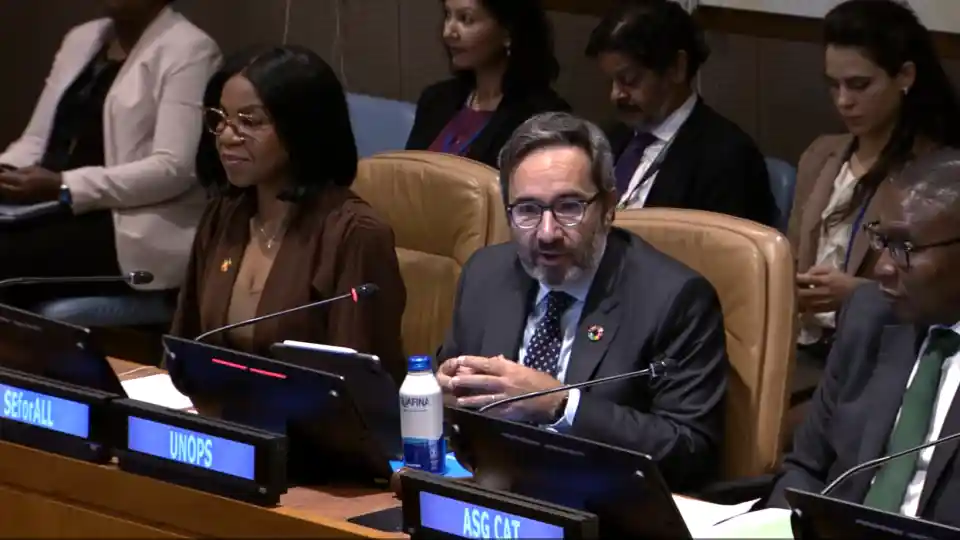
The Accelerator will bring together diverse capabilities from across the United Nations system to provide more coordinated and effective support for country and regional grid priorities. The UN Development Programme (UNDP), the UN Office for Project Services (UNOPS), and Sustainable Energy for All (SEforALL) will convene the Accelerator working with the Economic and Social Commission for Asia and the Pacific (ESCAP), the Economic Commission for Africa (ECA), the UN Industrial Development Organization (UNIDO), the UN Conference on Trade and Development (UNCTAD), and the UN Global Compact and other UN system entities to mobilize their respective policy, technical, financing and implementation capabilities.
To move from ambition to impact, the energy transition requires delivery on the ground. UNOPS is proud to support the Global Grids Accelerator by bringing expertise in procurement, infrastructure and project management to turn national plans into clean, reliable power for millions of people.
Across the globe, there's no shortage of electricity grid ambitions – with strategies in place, targets set, and projects identified.
— Jorge Moreira da Silva (@UNOPS_Chief) September 24, 2026
But the real challenge? Getting those plans financed, procured and built.
That’s where the Global Grids Accelerator comes in: it brings… pic.twitter.com/uHviK1fAd2
“Grids are the backbone of modern energy systems. They power hospitals, connect businesses, create jobs and make industrial growth possible. Yet too many clean energy projects remain stuck between national plans and investable pipelines. The Global Grids Accelerator will help countries in Africa and South-East Asia to help close that gap by bringing the right partners together around country-led priorities. Clean power only changes lives when it reaches people,” said Alexander De Croo, Administrator of UNDP.
The Accelerator will work with Member States and regional institutions, and engage multilateral development banks and international institutions, including the African Development Bank, the Asian Development Bank, the Asian Infrastructure Investment Bank (AIIB), the European Investment Bank (EIB), the World Bank, the Climate Investment Fund (CIF), the International Renewable Energy Agency (IRENA), the International Energy Agency (IEA) and the Organization for Economic Co-operation and Development (OECD). Investors, utilities, technology providers and industry will also be engaged according to the needs of individual country and regional priorities.
At the launch, UN Principals, Member State representatives from Africa and ASEAN, and senior representatives of international and development finance institutions will set out how the Accelerator will operate, identify an initial set of country and regional priorities for support and set out the capabilities partners can bring to them in Africa and South-East Asia.
They will also set out a series of milestones through the thirty-first session of the Conference of the Parties to the United Nations Framework Convention on Climate Change (COP31) in Antalya and into 2027.
The Global Grids Accelerator advances the Secretary-General’s longstanding call for a faster, fairer transition to clean energy by tackling one of its most important infrastructure constraints. By helping developing countries to advance the grid investments needed to connect clean power, expand electricity access and enable green industrialization, the Accelerator aims to support countries in capturing more of the development benefits of the clean energy transition – including jobs, growth and greater energy security.
Read more here.