
2025 in review

Responding to crisis and conflict

Read more

Around the world, UNOPS worked with the UN family and partners to respond to critical needs and support vulnerable communities in 2025. Here is a selection of those stories.

Afghanistan

In a landscape marked by conflict, natural disasters and a range of socio-economic challenges, access to timely and accurate information is critical for millions in need.


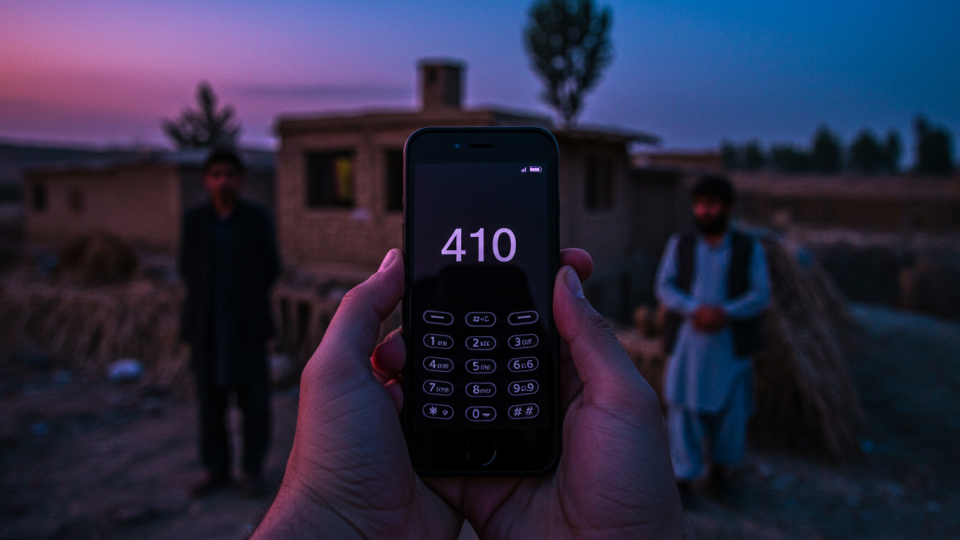
In Afghanistan, the UNOPS-managed Awaaz Afghanistan serves as a crucial lifeline for Afghans seeking assistance, providing callers with vital information and a platform to give feedback on humanitarian responses and the delivery of basic human services.

With nearly 660,000 handled since it launched in 2018, Awaaz has successfully connected more than 3 million individuals across Afghanistan to essential services and humanitarian aid.


Read more: Humanitarian call centre surpasses half a million calls
Democratic Republic of Congo

Eastern provinces of the Democratic Republic of Congo have seen millions of people internally displaced by conflict.


UNOPS is working with the government of Germany's KfW Development Bank and with the international non-governmental organization Interpeace to implement a labour-intensive works project. The project will provide a source of income to vulnerable populations, offering an alternative to violence.

Infrastructure that fosters peace and socio-economic development – such as schools, markets, youth centres and health clinics – will also be constructed in the eastern part of the country. Productive sectors will also be strengthened, and conflict resolution capacities will be built up, directly impacting more than 650,000 people.


Read more: Promoting peace and sustainable development in the Democratic Republic of Congo

Gaza

The conflict in Gaza has had devastating consequences for the people of the State of Palestine. UNOPS is working closely with the UN and our partners to bring life-saving supplies into Gaza, including through the implementation of the UN 2720 Mechanism to help safeguard and ensure the swift delivery of critical aid.
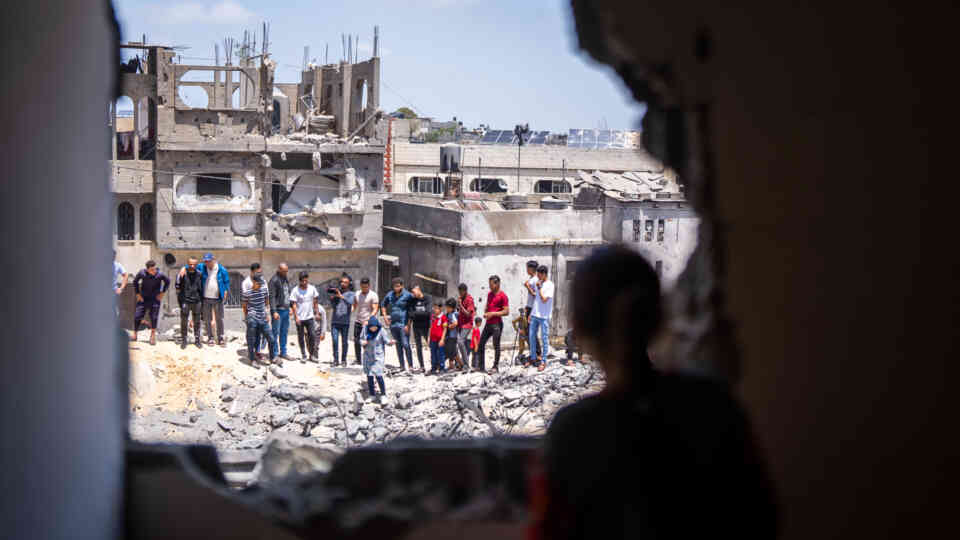
People look at damage to a residential area, Gaza Strip. ©WHO

Amid the hostilities, UNOPS and the UN Mine Action Service (UNMAS) are helping safeguard critical humanitarian aid efforts by mitigating the dangers of landmines and unexploded ordnance.


Read more: Crisis response in Gaza

The threat from unexploded ordnance in Gaza remains severe. UNOPS is supporting UNMAS and its humanitarian action partners to protect communities and stands ready to facilitate humanitarian scale-up and mitigate explosive ordnance risks.

Jorge Moreira da Silva - UNOPS Executive Director

Haiti

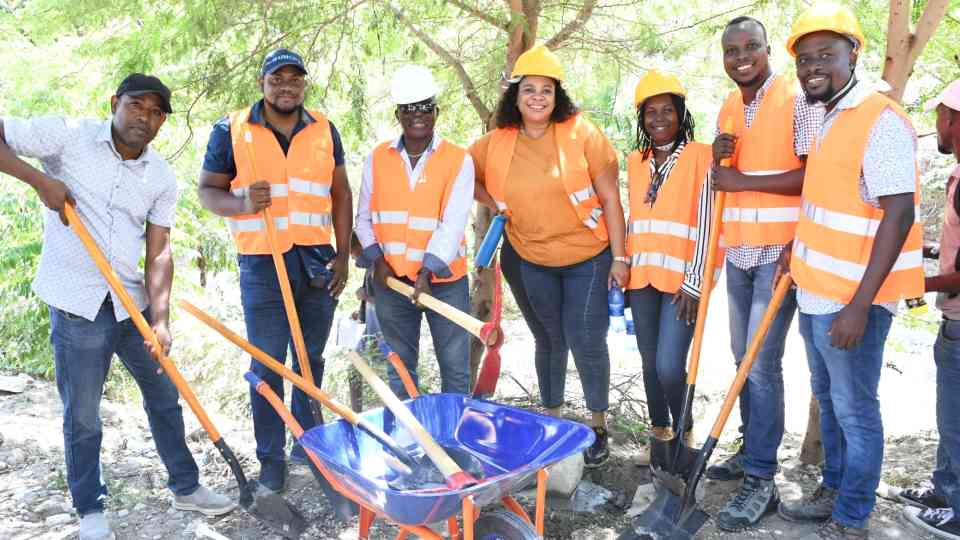
Despite fertile land and regions with abundant underground water resources, 5.7 million people – around half of Haiti's population – experience acute food insecurity. This is one of the highest levels of food insecurity in the world.


Earthquakes and extreme weather events like Hurricane Melissa have battered the Caribbean nation, destroying lives and livelihoods, damaging critical infrastructure, worsening its food crisis and deepening mounting insecurity.

With $5 million in financing from the World Bank, UNOPS is working with the Ministry of Agriculture, Natural Resources and Rural Development to address the root causes of hunger and malnutrition.


Read more: Building the foundations for food security in Haiti’s Nord-Ouest department
Jamaica

In October 2025, Hurricane Melissa made landfall in Jamaica as a Category 5 storm. In its wake, it left at least 45 people dead, displaced more than 90,000 households, and destroyed homes, schools and vital infrastructure. The severe, widespread damage has impacted 1.6 million people.


Photo: ©Pan American Health Organization

Following a request from Prime Minister Andrew Holness and working closely with the UN Office for Disaster Risk Reduction, UNOPS deployed a team of 13 specialists to the nation's capital to provide technical assistance to the Office of Disaster Preparedness and Emergency Management.


Read more: Supporting Jamaica’s post-disaster recovery

Myanmar

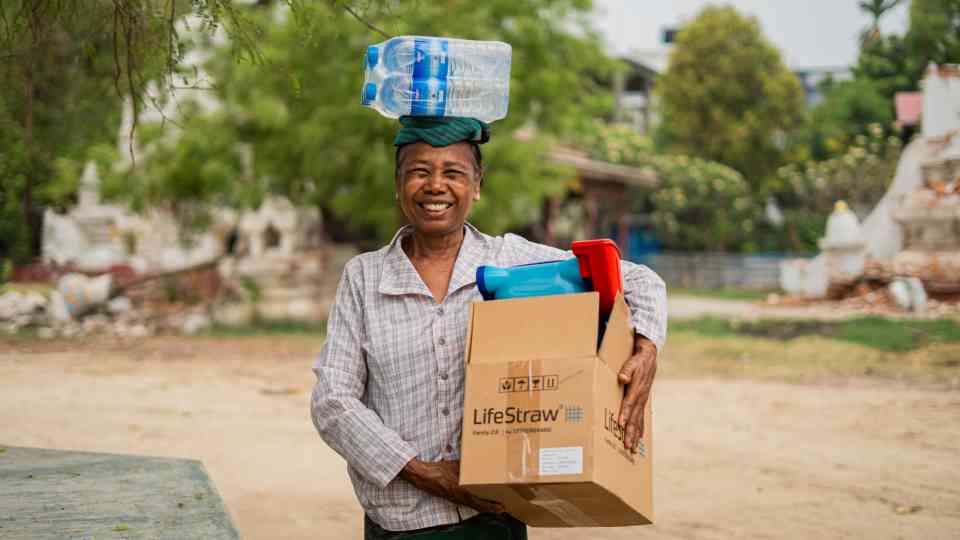
After a devastating 7.7-magnitude earthquake severely damaged essential infrastructure – including hospitals, schools, bridges and cultural heritage sites – in central Myanmar, the UNOPS team in Myanmar worked with other UN organizations, local partners and humanitarian organizations to swiftly mobilize emergency funding to support relief and response efforts.

Through its programmes and partners – UNOPS mobilized $25 million and scaled up its response to reach half a million people with life-saving assistance.


Read more: Mobilizing millions in funding for immediate earthquake response
Sudan

The conflict in Sudan has forced more than 9 million people to leave their homes, and nearly 26 million people face high levels of food insecurity.


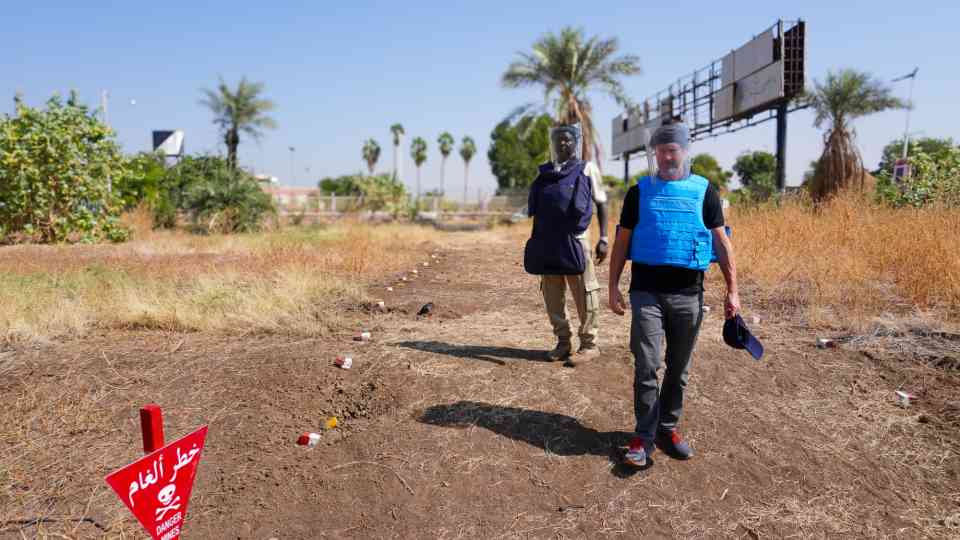
Widespread contamination of explosive ordnance restricts movement, disrupts local economies and prevents humanitarian organizations from reaching those in desperate need – and severely hampers the delivery of life-saving aid.

In Khartoum, the country’s densely populated capital, UNOPS is clearing explosive hazards to enable the World Food Programme and other humanitarian organizations to access and protect communities in the midst of Sudan's crisis.

Read more: Clearing the path for humanitarian aid in Sudan

Türkiye

In the aftermath of the 2023 earthquakes, women and girls across Türkiye have faced increased risks of violence and displacement. Many lost access to critical protection and prevention services – especially in regions already struggling with high migration and instability.

To address this urgent need, the government launched a new initiative in collaboration with UN Women, the European Union and UNOPS that includes building new shelters that will provide safe spaces where women and children can find refuge, support and services that meet their needs.


Read more: Restoring protection services for women and girls in earthquake-affected Türkiye

Ukraine

Since Russia began its full-scale invasion of Ukraine, millions of people across the country have faced the danger of missile strikes, as well as disrupted access to water supply, electricity, heating and other basic services. And challenges persist in transport connectivity, access to education and healthcare.

To support response and recovery efforts, UNOPS has been working closely with the UN family, Ukraine’s national and municipal governments, and other local and international partners – including the World Bank, the European Union, and the governments of Denmark, Japan, France and the Netherlands – to provide much-needed assistance to communities impacted by the ongoing war.


Read more: Crisis response in Ukraine

Blank image

Yemen

In Yemen, UNOPS is working with the World Bank on two projects that are improving access to basic services and livelihood opportunities after years of conflict.


UNOPS is working with UN partners and local stakeholders to rehabilitate water and sanitation networks, wastewater pump stations and water wellfields to provide vital water and sanitation services to more than 2.5 million Yemenis as part of the Yemen Emergency Human Capital Project


And as part of the Yemen Emergency Lifeline Connectivity Project, UNOPS is working to enhance road infrastructure.

With more than 150 kilometres of rural roads rehabilitated and more than 235 kilometres of village access roads maintained, rural communities across the country are benefiting from improved access to food and basic services.


The project has also helped provide livelihood opportunities by creating more than 910,000 working days for local community members.

Blank image

Global Goals we are supporting through these projects: