



The United Nations Office for Project Services (UNOPS)
Clearing the path for humanitarian aid in Sudan
In the midst of Sudan's crisis, the clearance of explosive hazards in Khartoum is helping protect communities and enabling vital humanitarian access.
- Photos: UNOPS
Since April 2023, conflict has forced more than 9 million people in Sudan to leave their homes. As needs escalate and nearly 26 million people face high levels of food insecurity, the delivery of life-saving aid is being severely hampered by a deadly legacy of the war: explosive ordnance.
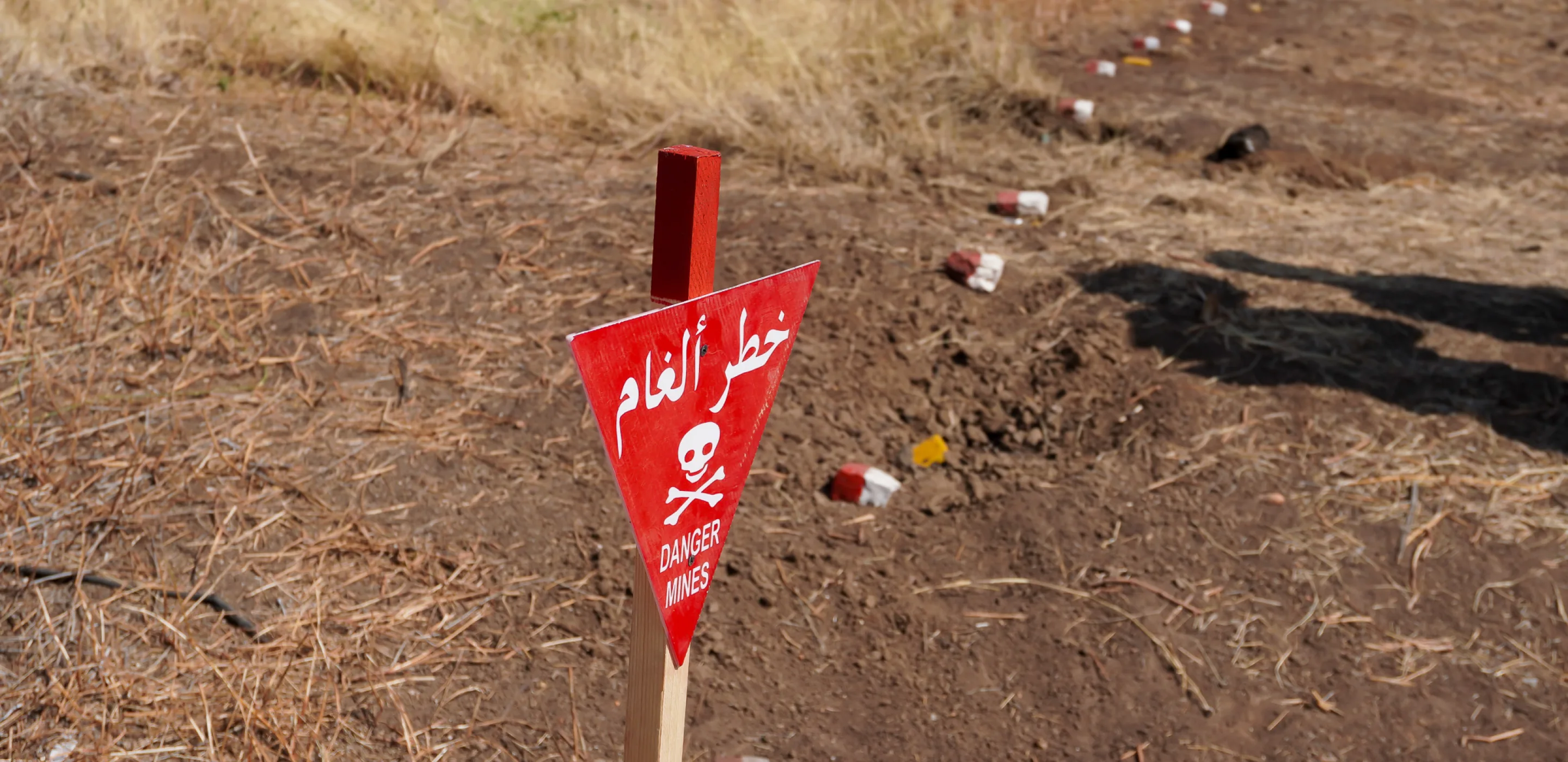
Widespread contamination, including newly laid anti-personnel landmines, has been identified in densely populated areas of the country’s capital, Khartoum. These hazards restrict movement, disrupt local economies and prevent humanitarian organizations from reaching those in desperate need. The presence of explosive ordnance affects access to essential infrastructure and poses a constant threat to civilians, particularly children, who account for more than 43 per cent of the community in the area.
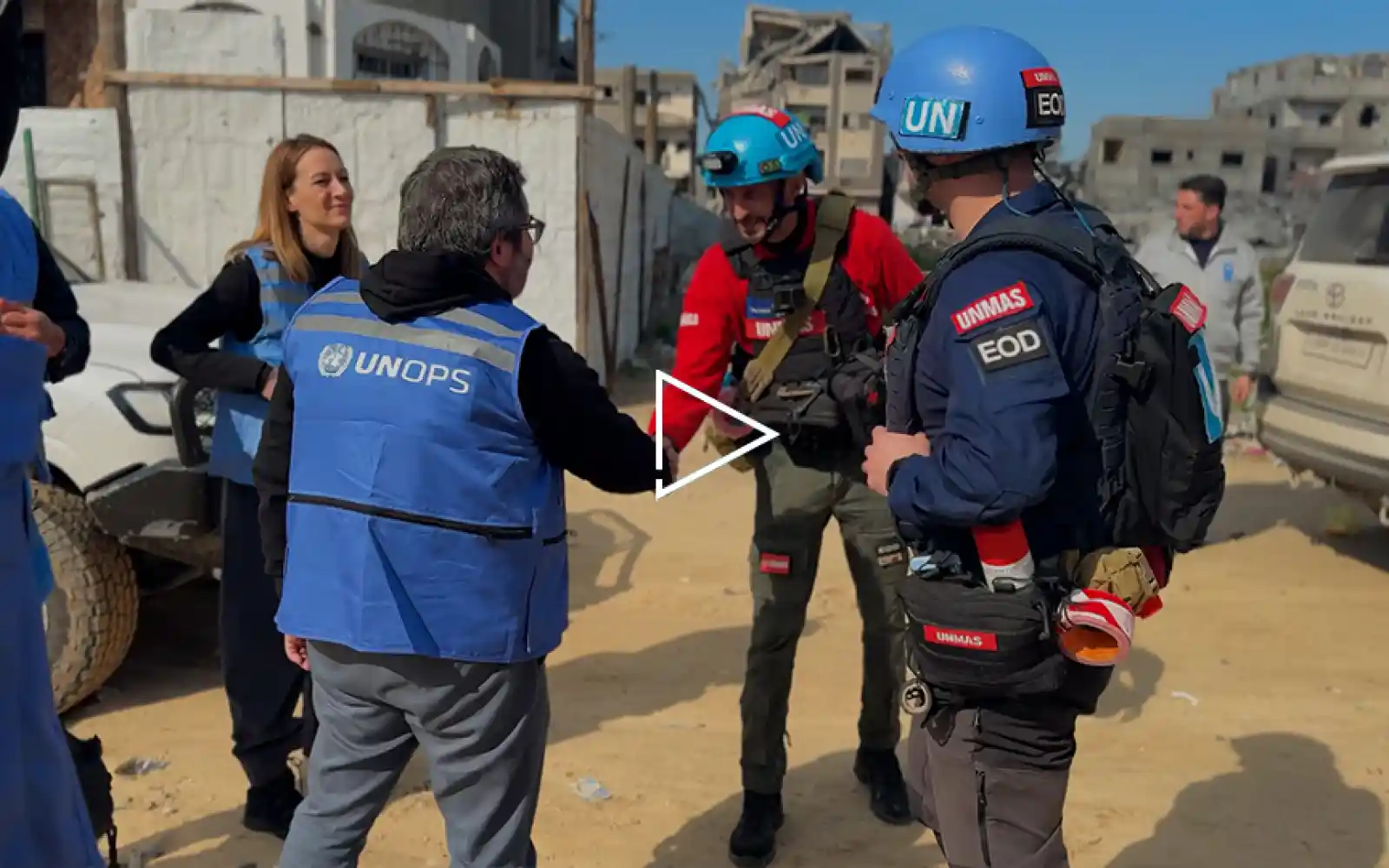
“The mine action needs are immense," explains Amir Omeragic, Director of UNOPS Peace and Security Cluster, who visited one of the newly discovered minefields in central Khartoum.
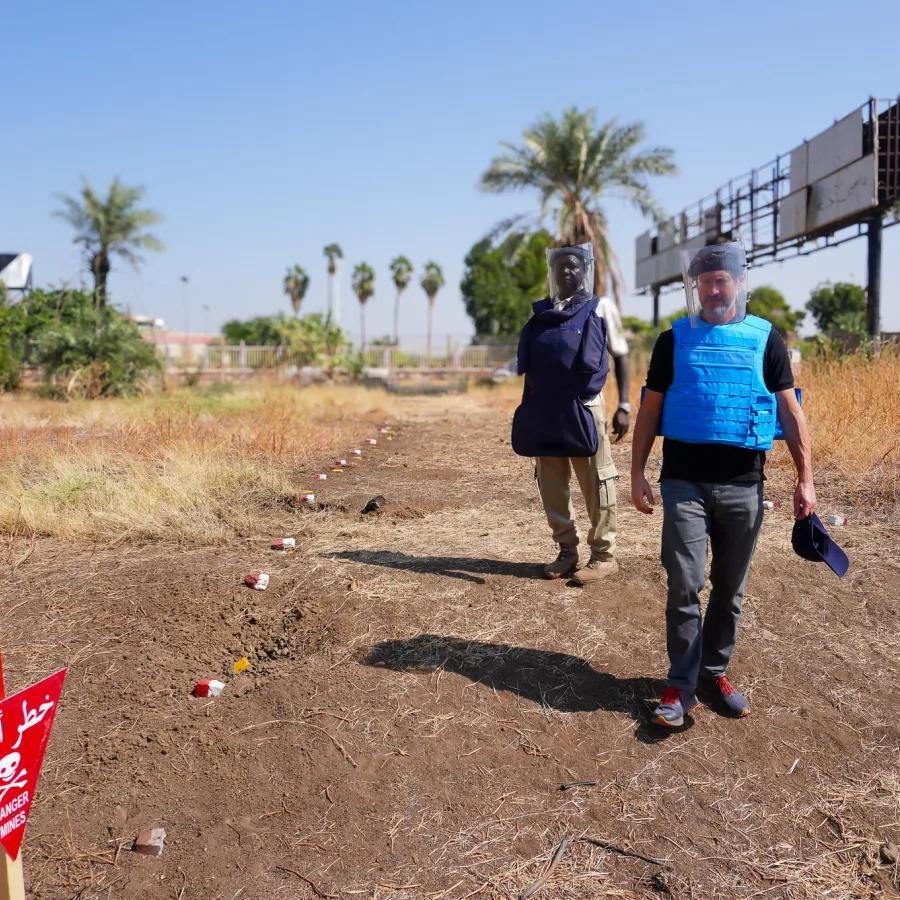
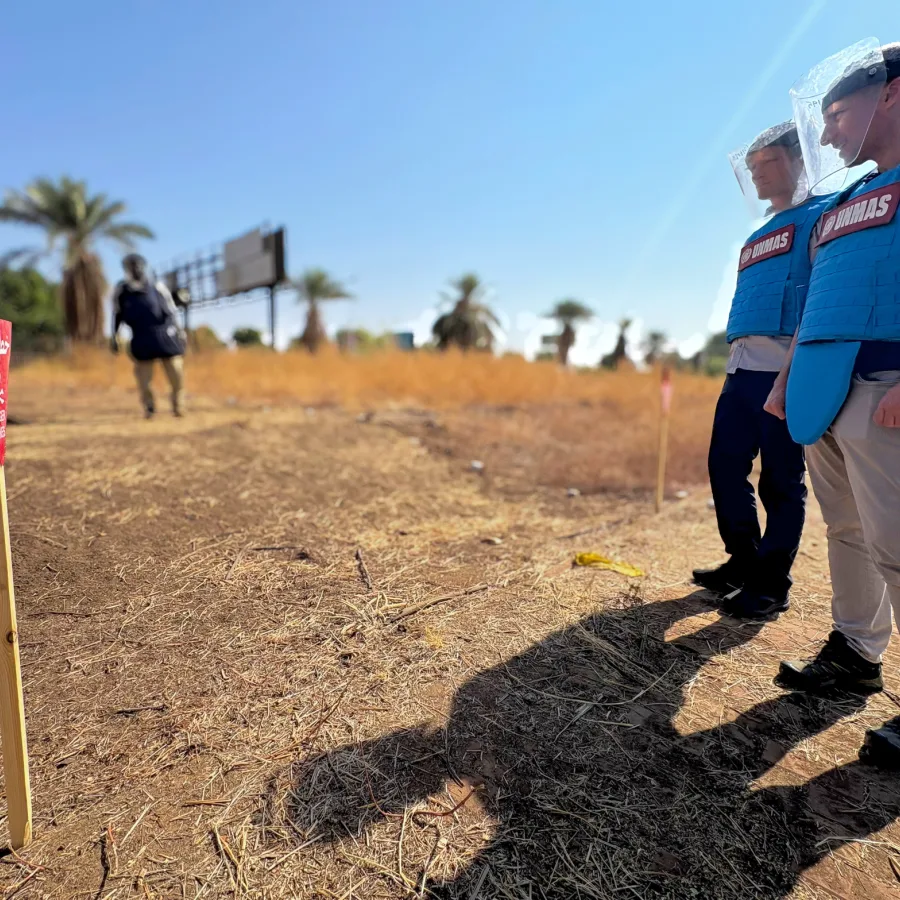
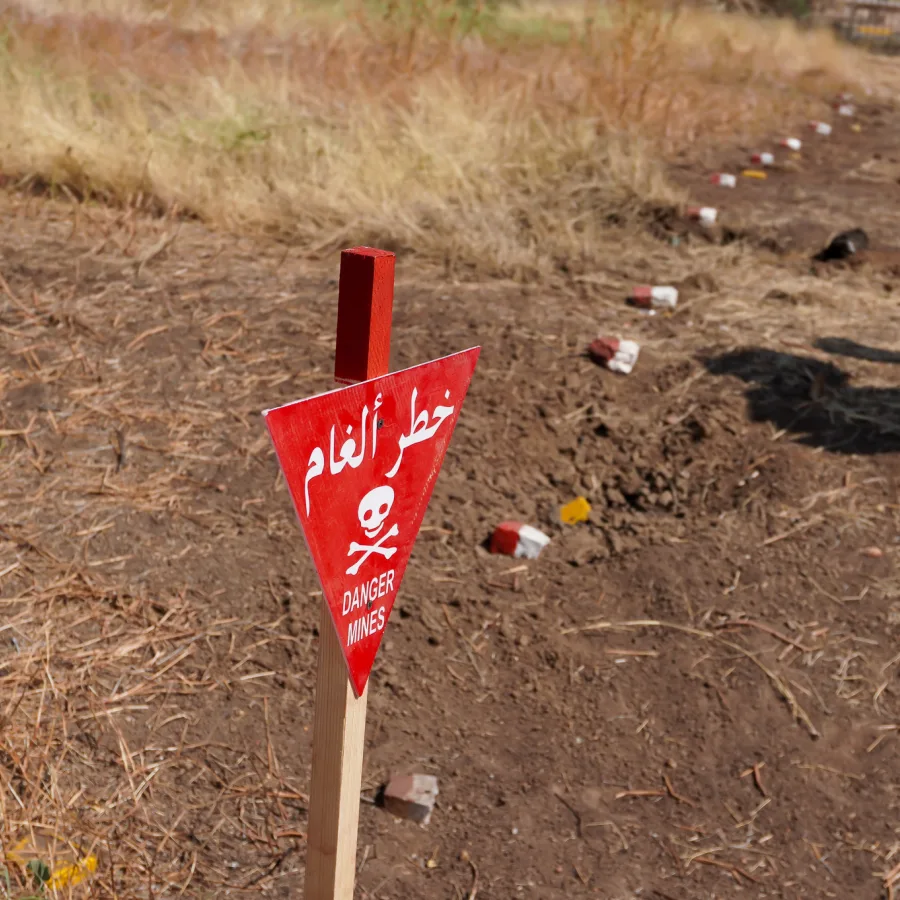
UNOPS, on behalf of the UN Mine Action Service (UNMAS), works closely with the UN family and international and local partners to clear these hazards. Building on a partnership spanning more than 28 years, UNOPS manages activities to secure safe access for humanitarian operations. This comprehensive mine action response is currently funded by the government of Canada, the European Union, the Central Emergency Response Fund, the Foreign, Commonwealth & Development Office (FCDO) of the United Kingdom and the WFP
“In just one week, 12 anti-personnel and three anti-vehicle mines were discovered and cleared. And that’s just one minefield,” explains Amir.
“UNOPS stands ready to scale up operations in Sudan to support our UN partners and help communities safely return to their lives.”
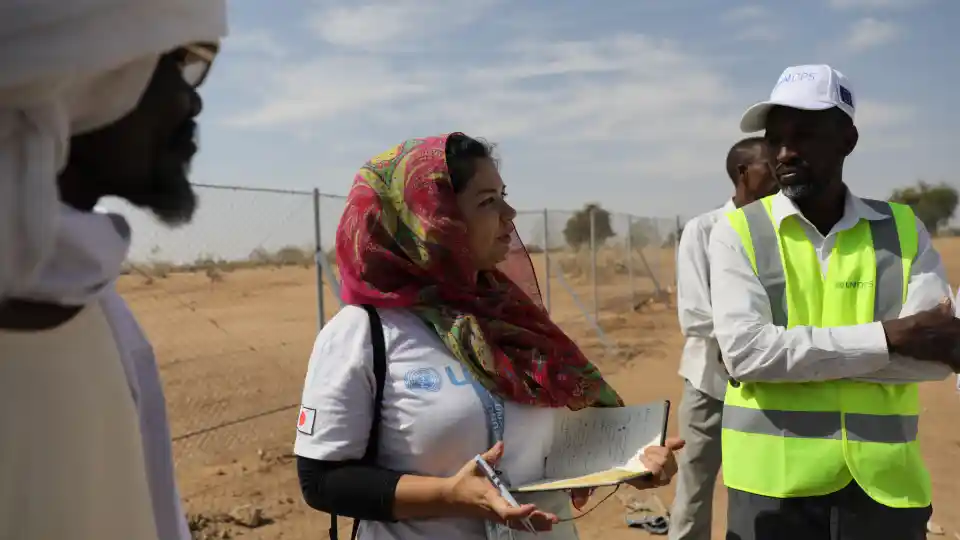
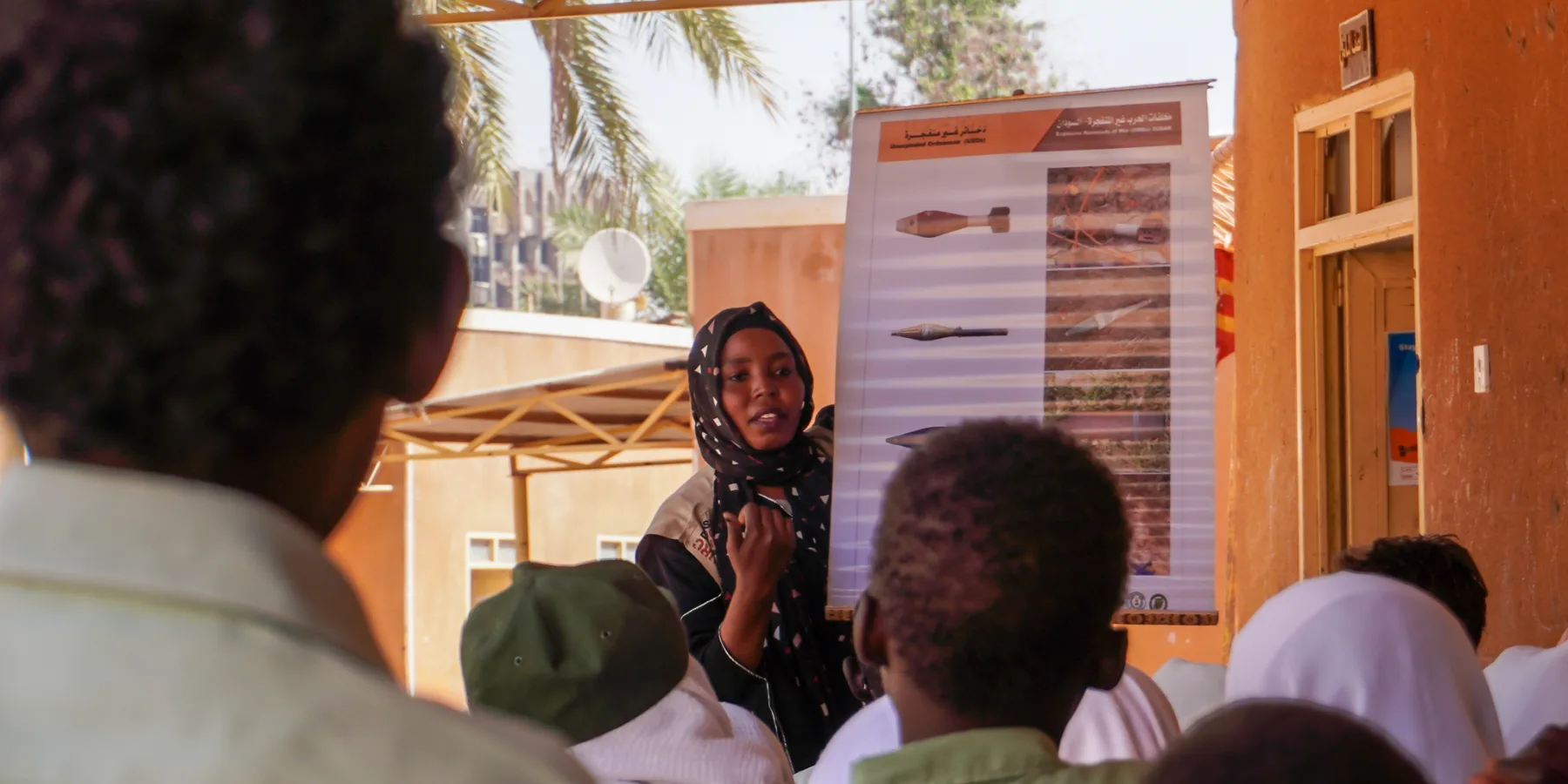
Beyond clearance, UNOPS facilitates Explosive Ordnance Risk Education (EORE) to equip communities with the knowledge to stay safe. This initiative is implemented with support from the Danish Refugee Council (DRC) and JASMAR - a Sudanese-based organization for combating landmines.
Nariman Dafallah Ibrahim Doka, a community liaison focal point with JASMAR, began her journey as a cook for the clearance team in 2019. Inspired by the mission, she trained to become an educator.
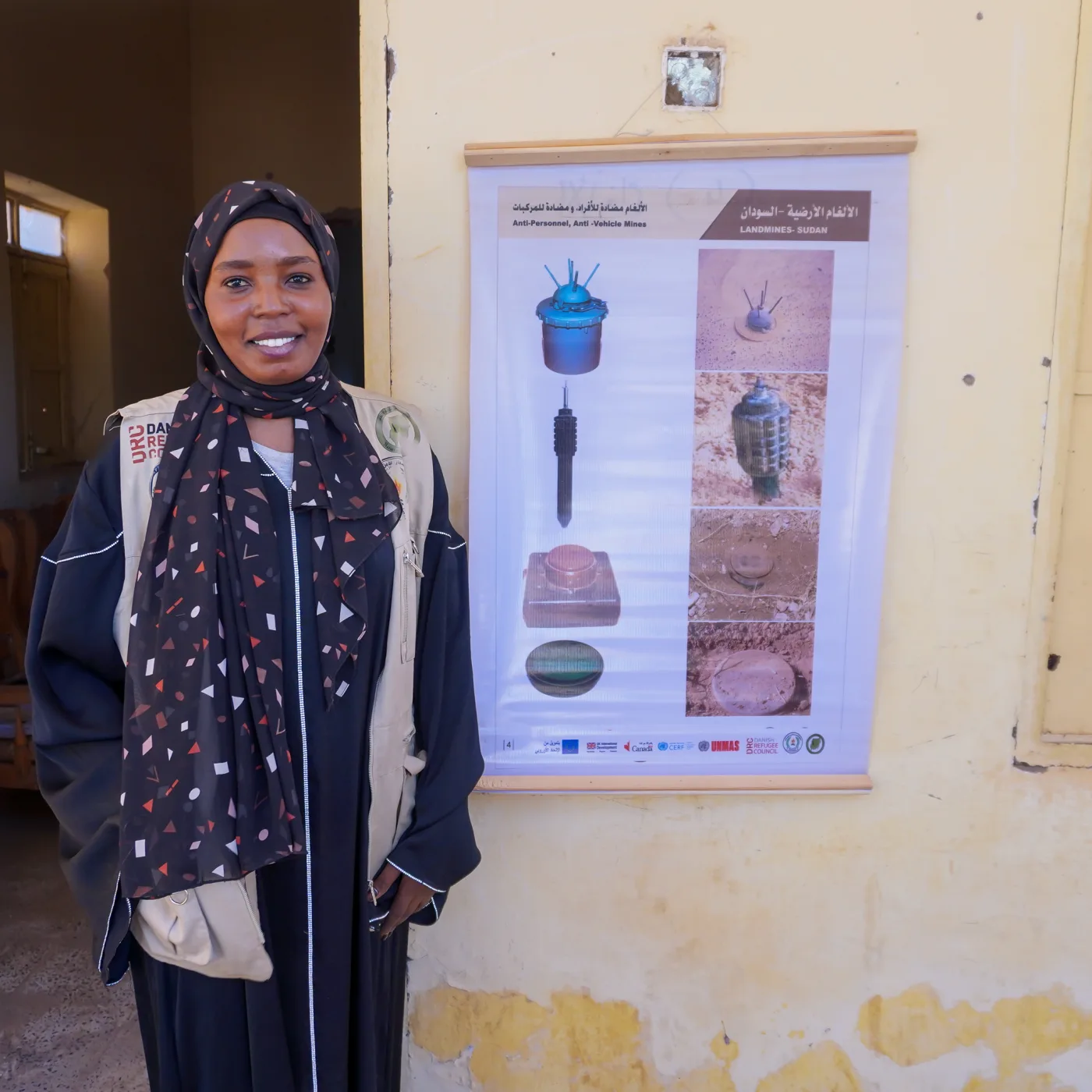
I love my work so much. Raising awareness among communities about the dangers of explosive ordnance to prevent casualties, especially children, is why I am highly motivated to do my job.

The removal of explosive hazards is the first step toward recovery. By clearing roads and neighborhoods, UNOPS enables partners like the World Food Programme (WFP) to return to Khartoum and distribute essential aid.
"WFP is back in Khartoum to support recovery and returns," says Carl Skau, WFP Deputy Executive Director. "One of the key elements is demining and clearing explosive ordnance.”
"[Our partners] have an impressive team on the ground who are clearing mines … I have been shown how they've cleared both anti-tank mines but also anti-personnel mines.
“[Explosive ordnance] is a huge problem. And for us to be able to work to help people recover, return, this is a key component of humanitarian work.”
Through clearance, coordination and education, UNOPS is helping to create a safer environment for the people of Sudan, laying the groundwork for recovery and a future free from fear.
About this project
Implemented by UNOPS on behalf of UNMAS, this initiative supports Sudan’s National Mine Action Authority in mitigating the threat of explosive hazards across the country. The project includes the technical survey and clearance of minefields containing anti-personnel and anti-vehicle mines, as well as the removal of explosive remnants of war from densely populated areas. These technical operations are a prerequisite for humanitarian access, securing logistical routes and infrastructure to allow partners like the WFP to safely deliver aid and support recovery efforts.
This comprehensive mine action response is funded by the government of Canada, the European Union, the Central Emergency Response Fund, FCDO and WFP. To ensure widespread community safety, UNOPS collaborates with implementing partners, including the DRC and the JASMAR Human Security Organization, to deliver targeted Explosive Ordnance Risk Education. This coordinated multi-partner approach integrates technical clearance with community engagement to protect civilians and lay the groundwork for long-term stability.
Global Goals we are supporting through this initiative: