



The United Nations Office for Project Services (UNOPS)
A consistent oxygen supply is saving lives in Bangladesh
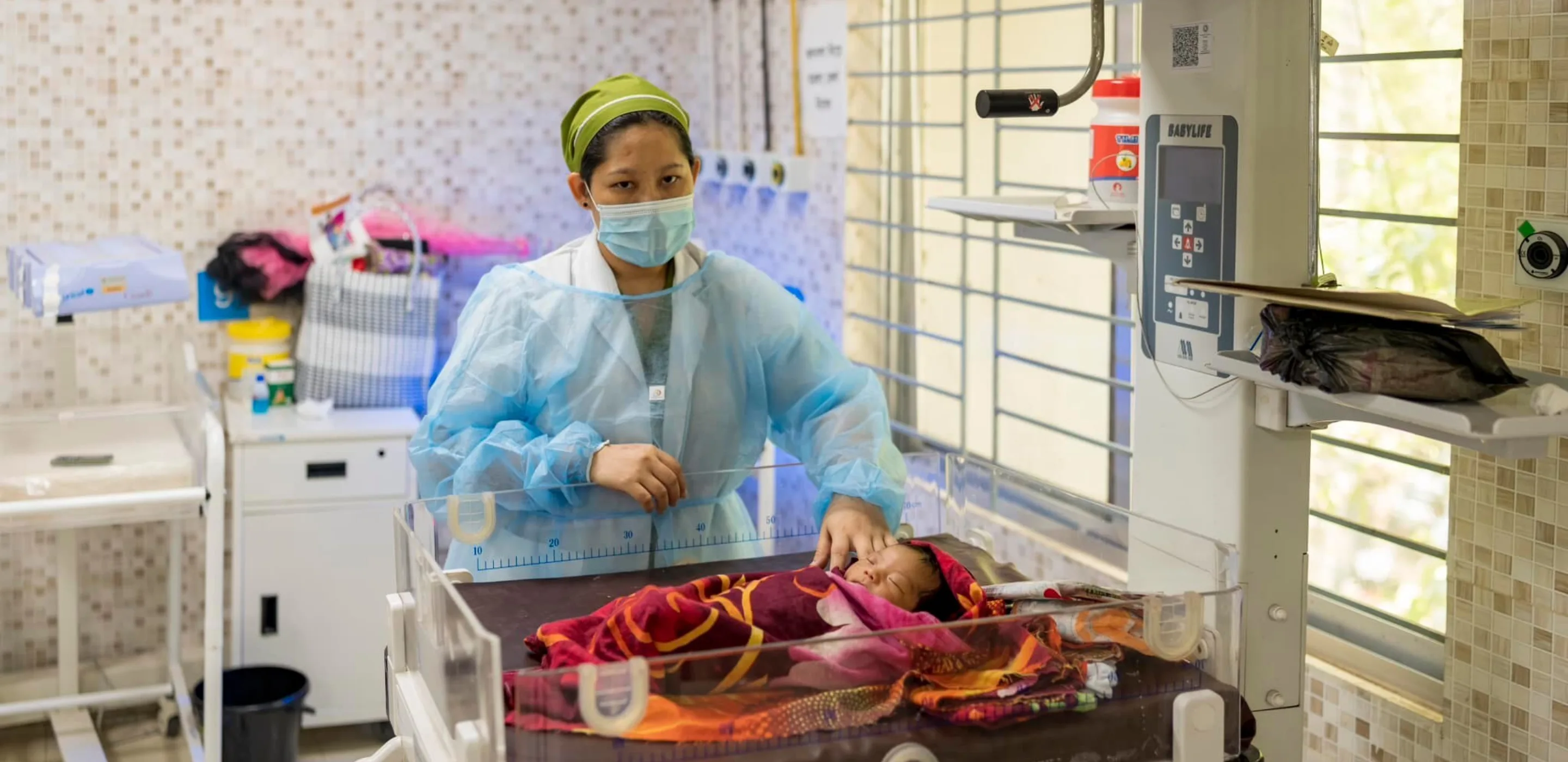
In hospitals across Bangladesh, new oxygen generation plants are helping doctors and nurses provide life-saving care when patients need it most.
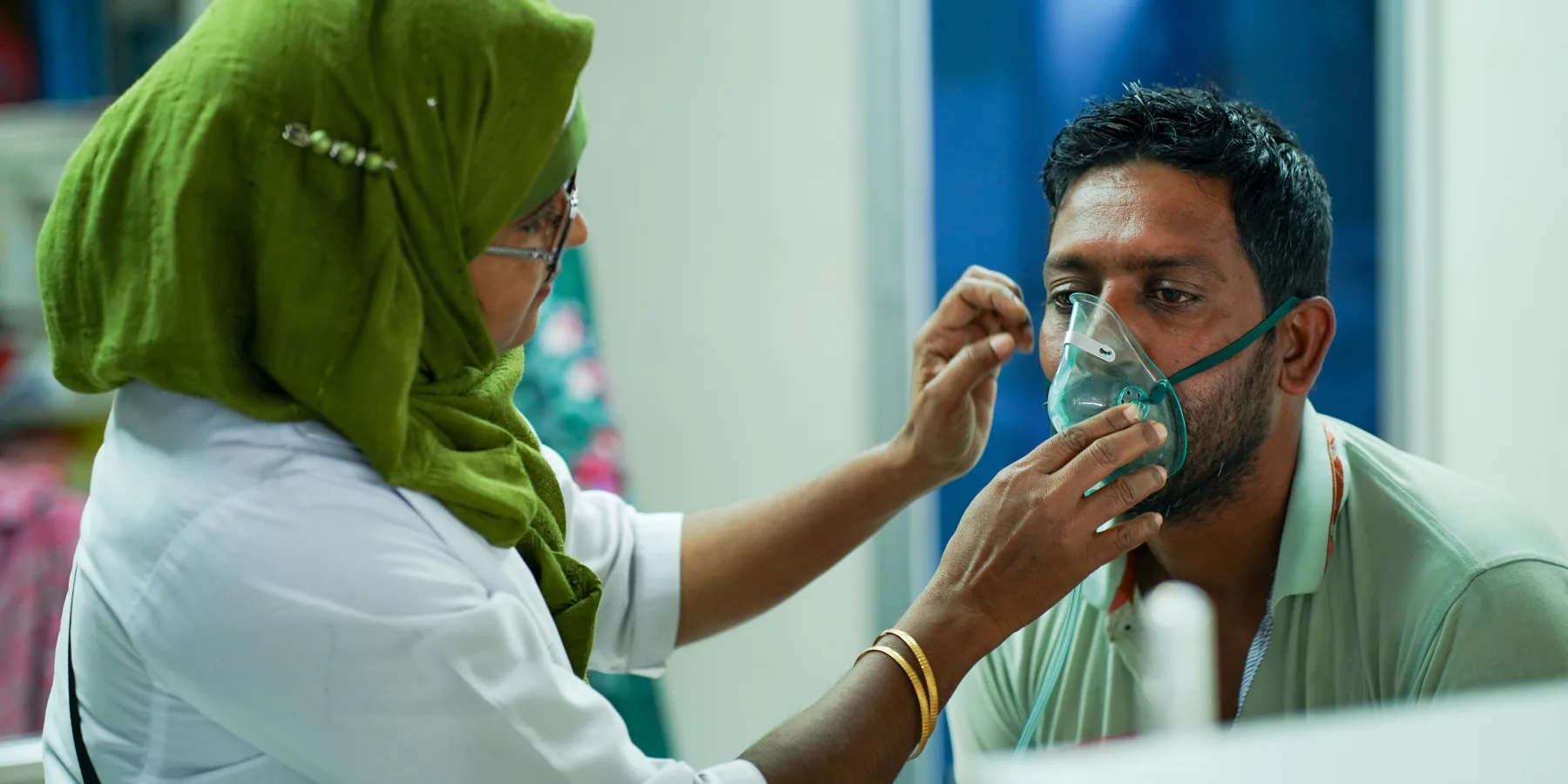
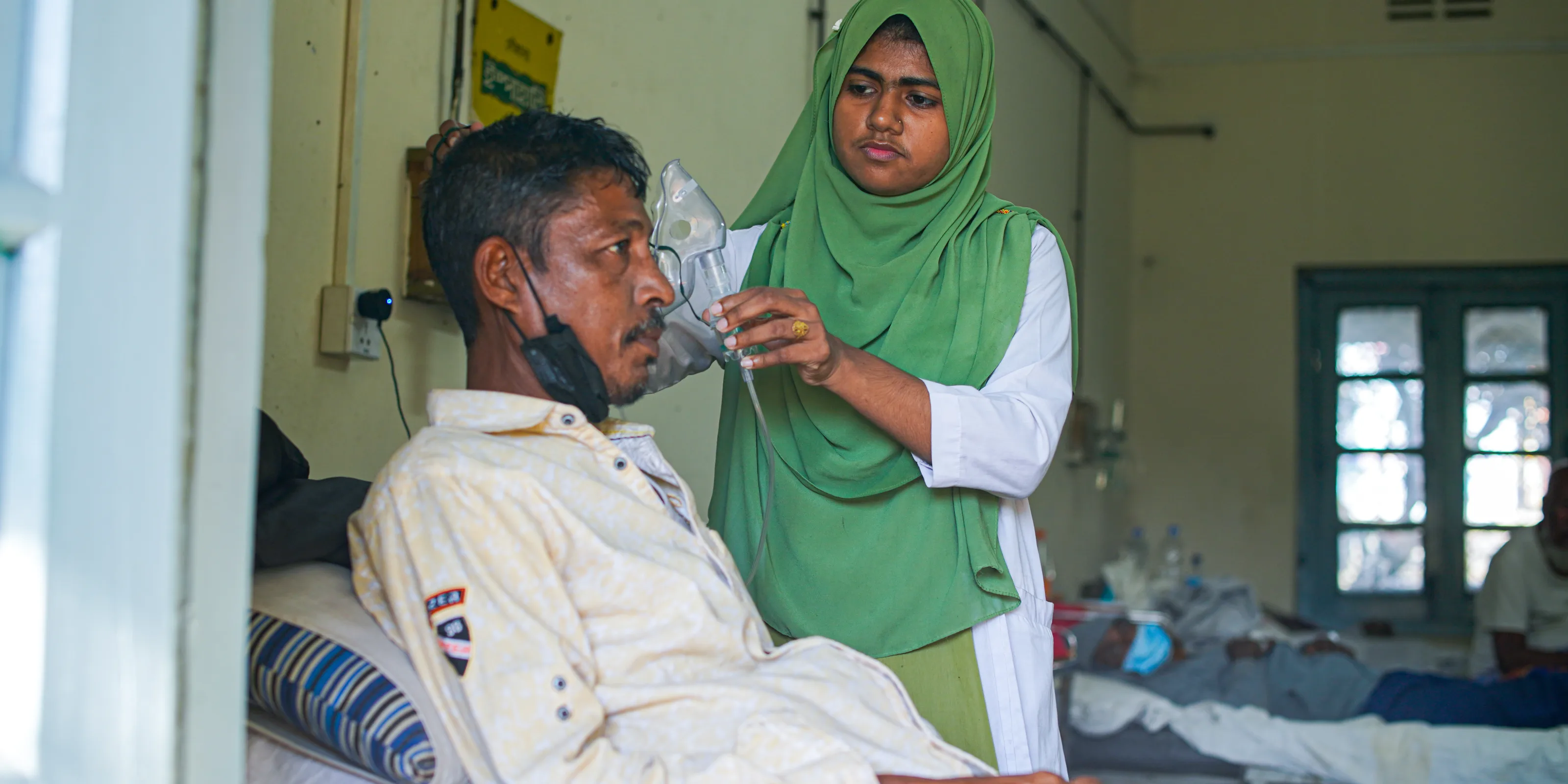
For patients in public hospitals in Bangladesh, access to medical oxygen can mean the difference between life and death.
During the COVID-19 pandemic, many hospitals struggled to secure enough medical oxygen for critically ill patients. Facilities relied heavily on externally supplied oxygen cylinders that were costly, difficult to transport and vulnerable to supply disruptions.
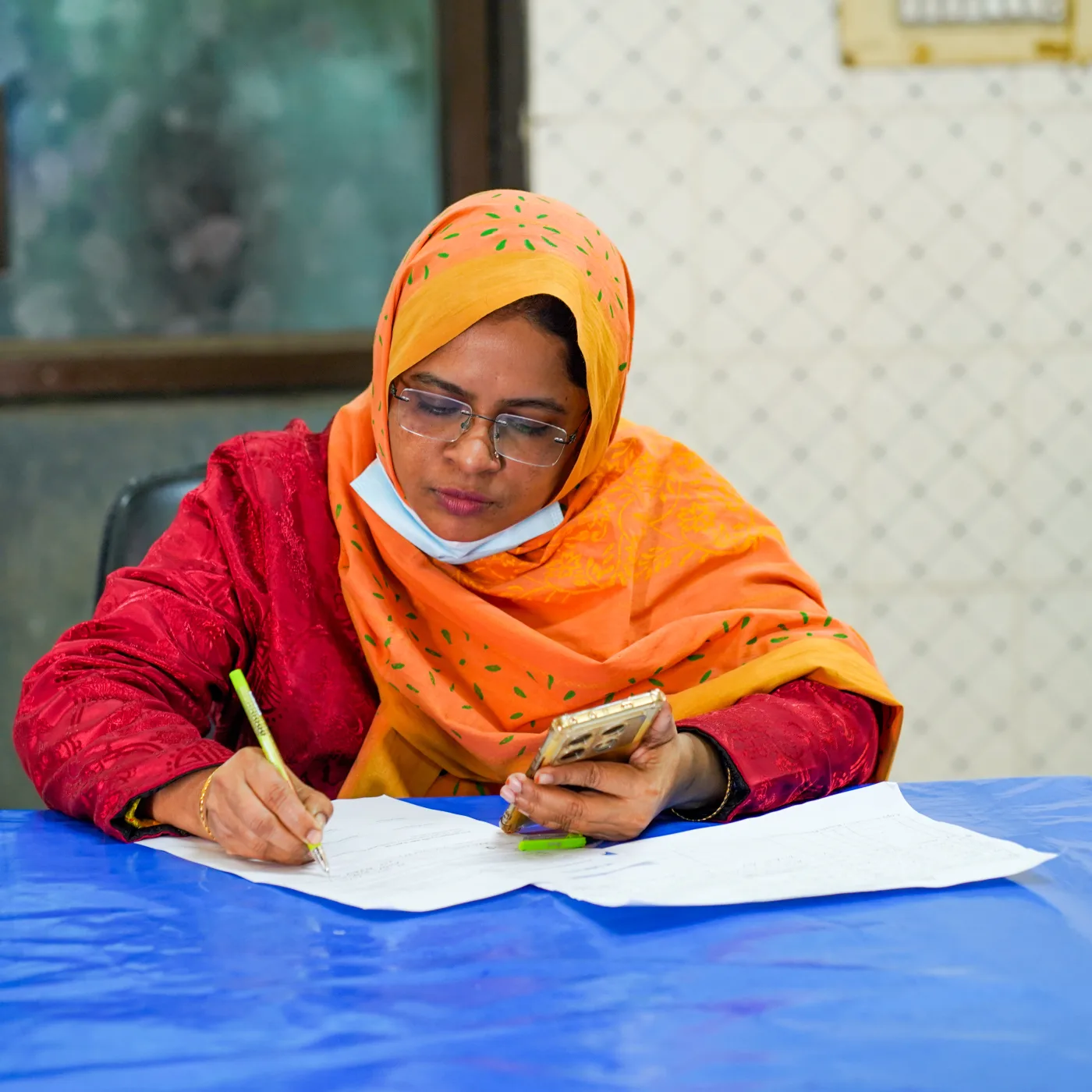
During the pandemic, there were moments when we worried whether the next cylinder would arrive in time. For patients struggling to breathe, even a short delay can be critical.
Addressing interruptions to oxygen supplies quickly became a national priority.
To help, UNOPS teamed up with the government of Bangladesh to install 29 Pressure Swing Adsorption (PSA) oxygen plants in district and rural public hospitals across the country.
Financed by The Global Fund, these facilities allow hospitals to generate medical-grade oxygen on-site, strengthening the country’s ability to provide critical care during emergencies and beyond.
Strengthening the capacity of hospitals
The PSA plants form part of the Global Fund Emergency Response for Bangladesh Project – a $17 million investment towards strengthening the national health system.
By producing oxygen directly at hospitals, the plants significantly reduce dependence on costly oxygen cylinders and complex supply chains.
Today, the plants support more than 22,500 patients every day, benefiting over 8 million people annually across Bangladesh.
For frontline health workers, the difference was immediate.
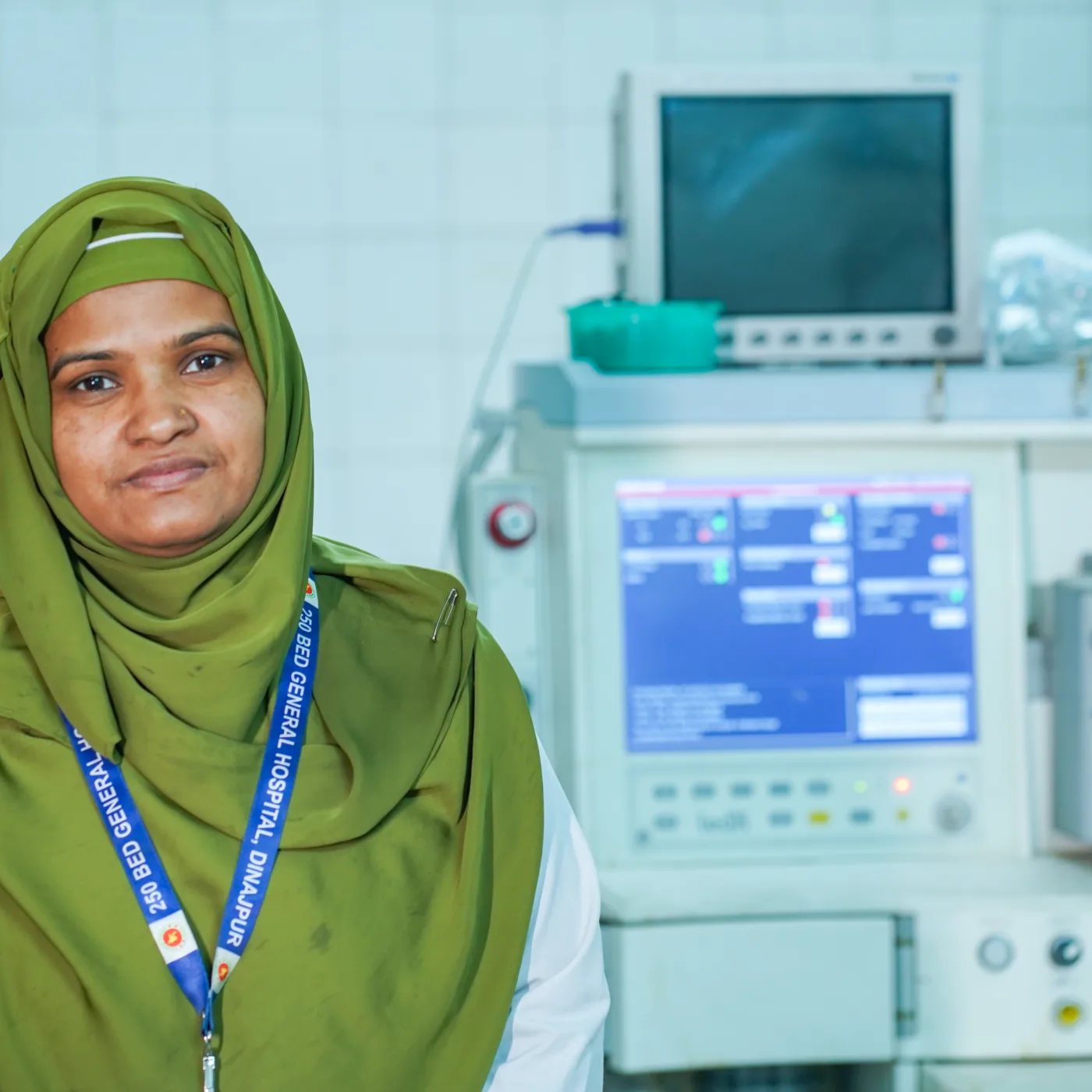
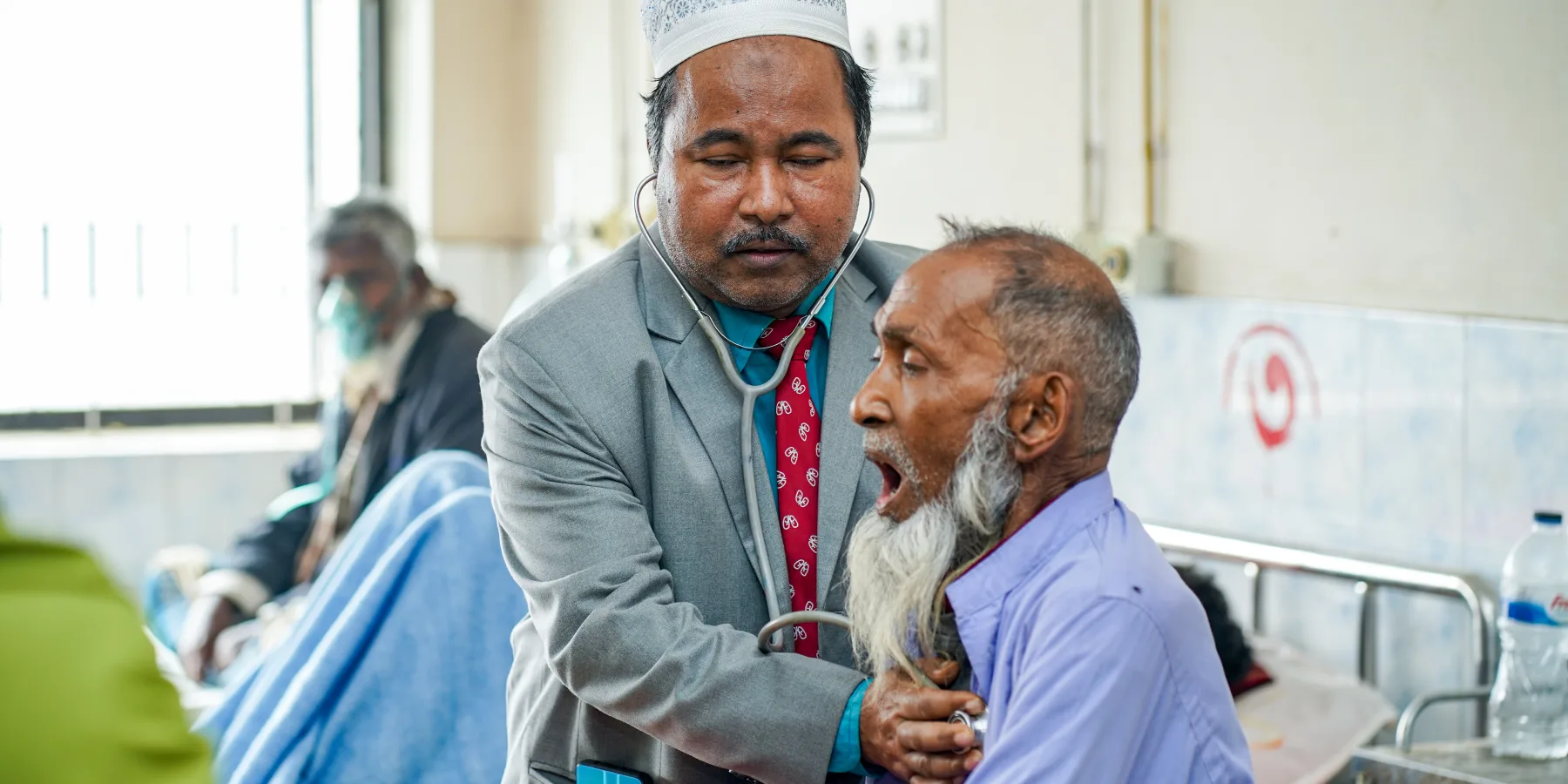
Previously, oxygen shortages were a constant concern, especially during peak admissions. Now that the PSA plant is operational, oxygen is always available. We can focus on caring for patients instead of worrying about supply.
Reliable oxygen is essential not only for respiratory illnesses like COVID-19, but also for pneumonia, newborn care, surgeries and emergency treatment.
Technology supporting life-saving care
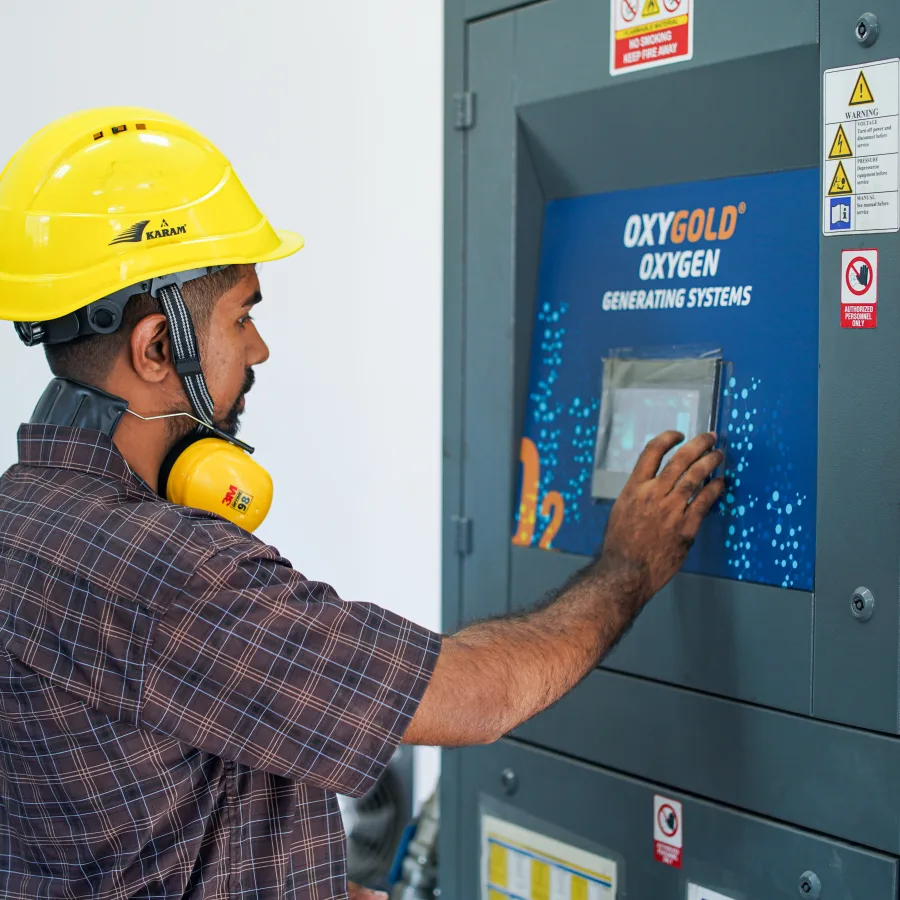
Inside the PSA plant facility, engineers and technicians monitor equipment that converts ambient air into high-purity oxygen suitable for medical use.
“For us, this is more than a machine – it’s a system that keeps hospitals running,” says Rafatul Islam, a PSA plant operator in Kushtia.
Adding, “Every day we check the pressure, purity and safety systems to ensure uninterrupted oxygen production for patients.”
PSA technology separates oxygen from other gases in the air using specialized filtration systems. The process enables hospitals to generate a steady supply of oxygen on site that is both reliable and cost-effective.
Over the long term, oxygen produced by PSA plants can cost up to 27 times less than privately supplied liquid oxygen, making the solution both sustainable and economically viable for the public health system.

Strong partnerships for national health resilience
The project was implemented in close collaboration with Bangladesh’s health authorities, including the Directorate General of Health Services, the Communicable Disease Control unit, and the National Malaria Elimination Program.
Through expertise in infrastructure, procurement and project management, UNOPS supported the design, installation and commissioning of the oxygen plants while ensuring compliance with international quality and safety standards.
The plants are fully integrated into the national health system and aligned with Bangladesh’s long-term healthcare priorities.
Preparing for future health emergencies
While the plants were installed during the COVID-19 response, their impact extends far beyond the pandemic.
Reliable oxygen generation strengthens hospitals’ ability to respond to future health crises, natural disasters and surges in respiratory illness.
For doctors like Hasan, the change is already evident.
“Knowing that oxygen is available whenever we need it gives us confidence,” he says. “It allows us to provide better care and save more lives.”
Through strategic investment, national partnerships and sustainable technology, the PSA oxygen plants are helping Bangladesh build a stronger, more resilient health system, improving access for patients across the country to the oxygen they need, when they need it most.
About the project
The initiative strengthens Bangladesh’s capacity to produce medical oxygen locally, reduces reliance on external supply chains, and enhances preparedness for future public health emergencies.
Global Goal we are supporting through this initiative: